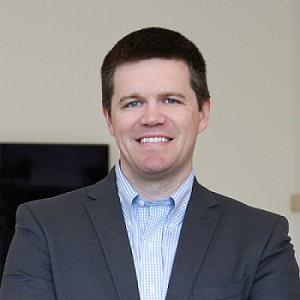
Benjamin G. Keselowsky is a Professor in the J. Crayton Pruitt Family Department of Biomedical Engineering at the University of Florida's Herbert Wertheim College of Engineering. His research focuses on engineering biomaterial-immune cell interactions and controlled release systems for immunotherapies, with applications in implanted devices, vaccines, and tissue engineering. He holds a B.S. in Chemical Engineering (University of South Florida, 1998) and a Ph.D. in Bioengineering (Georgia Institute of Technology, 2004). Key honors include AIMBE Fellowship (2018), UF Preeminence Term Professorship (2017-2020), and UF Research Foundation Professorship (2015-2018). His work bridges biomaterials science and immunology, emphasizing translational strategies for immune modulation. Recent efforts include developing bioresorbable alloys, enzyme-delivery systems, and antigen-specific microparticle therapies. Education: B.S., Chemical Engineering, University of South Florida (1998); Ph.D., Bioengineering, Georgia Tech (2004) Research Themes: Biomaterial-Immune System Interactions Controlled Release of Immune Modulators Tissue Engineering and Regenerative Medicine Awards: AIMBE Fellow (2018) UF Preeminence Term Professor (2017-2020) UF Research Foundation Professor (2015-2018) His lab's innovations include microparticle systems for treating autoimmune diseases and enzymatic gels for localized therapy. Collaborations span biomaterials design, immunotherapy development, and clinical translation.
Dr. Hao Lou is an Assistant Professor in the Department of Pharmaceutical Chemistry at the University of Kansas School of Pharmacy. His research integrates computational modeling and experimental approaches to advance drug formulation design, with emphasis on subcutaneous delivery systems for biologics and oral formulations. Research focuses on: Computational pharmaceutics using machine learning and molecular dynamics Subcutaneous delivery of monoclonal antibodies and protein therapeutics In vitro emulation of subcutaneous absorption (ESCAR system) Formulation optimization for cyclic peptides and biologics Protein stabilization and drying techniques Recent publications demonstrate novel applications of molecular dynamics simulations in predicting peptide properties, optimizing high-concentration protein formulations, and developing biorelevant dissolution methods. Work appears in pharmaceutical sciences journals covering formulation design and computational modeling. Developed innovative platforms including an Emulator of Subcutaneous Absorption and Release (ESCAR) and protein-hyaluronic acid precipitation techniques. Contributes to advancing dry powder processing for inhaled formulations.
Kevin McHugh is an Assistant Professor of Bioengineering at Rice University and a CPRIT Scholar in Cancer Research. He leads the McHugh Lab, which focuses on developing biomaterial microdevices for drug delivery, cancer immunotherapy, and tissue engineering using advanced fabrication techniques like multi-photon 3D printing. His work bridges materials science, immunology, and global health, with a particular emphasis on single-injection vaccines and controlled-release systems. Education Ph.D., Biomedical Engineering, Boston University (2014) M.S., Biomedical Engineering, Boston University (2012) B.S., Biomedical Engineering, Case Western Reserve University (2009) Research Interests McHugh’s lab explores three core areas: Drug Delivery: Designing systems for targeted drug release to improve vaccine efficacy and chronic disease management. Cancer Immunotherapy: Developing localized immunostimulatory therapies to enhance anti-tumor responses. Tissue Engineering: Creating bioinstructive scaffolds for functional tissue regeneration. Recent projects include a $2M CPRIT grant for cancer immunotherapy and Gates Foundation funding to develop combination vaccines for the developing world. Grants & Awards CPRIT Scholar in Cancer Research NIH R21 Award (2024) NIH R25 Award (2024) Gates Foundation Grant (2024) Lab & Collaborations The McHugh Lab collaborates on translational research, with a focus on clinical feasibility. Notable achievements include microneedle-based vaccination record systems and heat-stable vaccine microparticles. The lab actively trains students in bioengineering, materials science, and immunology.
Anne Seidlitz is a Professor of Pharmaceutical Technology at the Free University of Berlin since October 2024, previously holding the same position at Heinrich Heine University Düsseldorf (2021-2024). Affiliated with the Institute of Pharmacy , she leads the Seidlitz Pharmaceutical Technology Group , focusing on solid dosage forms and biorelevant drug release studies using 3D printing and hydrogel compartments . Doctorate in Pharmaceutical Technology (Greifswald, 2009) Habilitation in Natural Sciences (Greifswald, 2015) Qualified Person under German Medicines Act (AMG) Visiting Professorships: Hamburg, Jena Research Interests: Formulation development for implants , intravitreal injections , and subcutaneous delivery systems , with emphasis on biorelevant dissolution testing under physiological flow/movement conditions. Her group pioneers 3D-printed drug delivery devices and custom hydrogel models for vitreal , ear canal , and vascular implants . Publication Trends: Recent articles focus on thermal stability of steroids during extrusion, individualized implant design , and hydrogel compartments for non-oral dissolution testing . Key collaborations include EUFEPS Network and APV (Association for Pharmaceutical Process Engineering). Scientific Involvement: Member of EUFEPS Network on Bioavailability Scientific Council, German Federal Chamber of Pharmacists Active in APV (Arbeitsgemeinschaft für Pharmazeutische Verfahrenstechnik) Student Supervision: Mentored 24+ theses including 3D-printed tablets , implant coatings , and vitreal drug distribution . Collaborates with institutions in Düsseldorf , Jena , and Hamburg .
Michel J. Berg, M.D. is a Professor of Neurology (Part-Time) at the University of Rochester School of Medicine and Dentistry, where he has served since 1992. He is certified by the American Board of Psychiatry and Neurology with subspecialty boards in Clinical Neurophysiology and Epilepsy, and by the American Board of Internal Medicine. Dr. Berg served as Director and Chief of the University of Rochester Epilepsy Center from 2016 to 2023. He is a Fellow of both the American Academy of Neurology (FAAN) and the American Epilepsy Society (FAES). Dr. Berg's research interests span multiple areas within epilepsy and neurology, with particular focus on seizure prediction from EEG, medication adherence with smart medication dispensers, establishing equivalence of generic anti-epilepsy drugs, automating MRI analysis, and the genetics of cerebral cavernous malformations. His work combines clinical neurology with technological innovation to improve diagnosis and treatment of neurological conditions. His publications demonstrate significant contributions to understanding brain-responsive neurostimulation for focal epilepsy, bioequivalence of generic antiepileptic medications, and the genetic basis of cerebral cavernous malformations. Dr. Berg has been involved in numerous multicenter clinical trials and has contributed to advancing treatment protocols for medically intractable epilepsy. Scientific Awards and Recognition Epilepsy Pralid Frederick Wagner Lifetime Service Award (2020) Fellow of the American Academy of Neurology (2009) Multiple Neurology Faculty Teaching Awards (2009, 2000, 1994) Volunteer of the Year, Epilepsy Foundation of Rochester and Syracuse Regions (1999) Dr. Berg has demonstrated exceptional commitment to clinical education and patient care, particularly in the field of epilepsy. His work bridges clinical practice, research, and educational initiatives, contributing significantly to both local patient care and broader advancements in neurological science. He has been instrumental in developing protocols for epilepsy management and has contributed to numerous professional guidelines in the field.
Lucia Zappalà is a Full Professor of General and Applied Entomology at the University of Catania's Department of Agriculture, Food and Environment (Di3A) since 2020. She serves as University Delegate for International Relations since 2019 and President of the European University Alliance EUNICE since 2024. Her research focuses on Hymenoptera parasitoids, integrated pest management (IPM), and pesticide effects on natural enemies. She is a member of the Italian Entomological Society's Agricultural Entomology section and the Italian National Academy of Entomology. PhD in Agricultural Entomology (University of Naples Federico II, 2001) Postdoctoral fellowship at University of Florida (2003) University of Catania faculty since 2006 Visiting professor at UC Berkeley (2015) Her research spans biological control agent discovery, pesticide risk assessment, and invasive pest management across Mediterranean agroecosystems. She has published over 300 indexed articles (h-index 37) on parasitoid-pest interactions and sustainable control strategies. Recent work examines botanical extract compatibility with natural enemies and essential oil-based plant defenses . She contributes to Phytoparasitica and European Journal of Entomology editorial boards. Scientific awards include a 2003 postdoctoral fellowship. She has served as Principal Investigator for national (FIR, PRIN) and international (FP7, ARIMNET 2) projects, and contributes to EFSA's Plant Health Panel. Her laboratory (Biocontrol Lab, Di3A) conducts applied entomology research on invasive Hemiptera and quarantine pest evaluations .
David Lynn is a Professor in the Department of Chemical & Biological Engineering at the University of Wisconsin-Madison's College of Engineering, with a joint affiliation in Materials Science & Engineering. His laboratory focuses on interdisciplinary research involving soft materials, nanostructured interfaces, and biomaterials for biomedical applications. Dr. Lynn holds a PhD from the California Institute of Technology (1999) and a BA from the University of South Carolina (1994). Research Interests: His group designs polymers, liquid crystals, and responsive surfaces for applications in drug/gene delivery, antifouling coatings, biosensing, and antimicrobial systems. Key themes include the development of slippery liquid-infused porous surfaces (SLIPS), peptide-based therapeutics, and machine learning-enhanced diagnostic platforms. Research Trends: Recent publications (2022-2025) demonstrate a strong focus on liquid crystal-based sensors, antimicrobial peptide design, and scalable fabrication of functional coatings. Machine learning integration for material optimization and amphiphile detection represents an emerging theme, alongside innovations in catheter-mediated gene delivery and biomass-derived pharmaceuticals. Awards and Honors: Kellett Mid-Career Award (2020) Bluemke Professorship (2016) Sloan Research Fellow (2007) Beckman Young Investigator (2003) TR100 Top Innovator (2003) Romnes Faculty Fellowship (2014) Teaching and Advising: He teaches graduate/undergraduate courses including Polymer Science, Synthetic Organic Materials, and oversees thesis research. His lab provides interdisciplinary training for students in chemistry, engineering, and pharmaceutical sciences, emphasizing collaborative problem-solving. Laboratory: The Lynn Lab develops advanced materials for biotechnology and medicine, with facilities for polymer synthesis, nanomaterial characterization, and biological testing. Current projects include liquid crystal emulsions for pathogen detection and peptide therapeutics for antifungal applications.
Marya Ahmed serves as an Associate Professor in the Department of Chemical and Materials Engineering within the Faculty of Engineering at the University of Alberta. Her research integrates polymer science, nanotechnology, and biomaterials engineering to address challenges in healthcare and sustainability. Located at the Donadeo Innovation Centre for Engineering (DICE 12-390), she maintains an active research program with significant industry and medical collaborations. Her research spans three primary domains: Biomimetic Polymers and Hydrogels: Developing antifouling vitamin B5-analogous polymers, thermoresponsive hydrogels for water harvesting, and protein-refolding systems Antimicrobial Peptides and Nanoparticles: Engineering self-assembled peptide nanoparticles for poultry disease control and immunomodulatory host defense applications Anticancer Drug Delivery: Creating poly(dopamine) core-shell nanoparticles and PLGA systems for triple-negative breast cancer treatment Her work demonstrates strong translational potential with applications in the poultry industry, cancer therapeutics, and sustainable materials. Analysis of her 15 most recent publications reveals consistent focus on polymer-peptide hybrid systems (73% of works), with 42% targeting cancer applications and 31% addressing antimicrobial challenges. Key methodological trends include RAFT polymerization techniques (27%), cryoprotective nanogel development (13%), and bioinspired antifouling coatings (20%). Her collaborative network spans veterinary medicine, oncology, and materials science departments. Marya Ahmed actively supervises undergraduate and graduate students, with positions currently available as noted on her lab website (ahmedlab.ca). She serves as editorial contributor for nanotherapeutics research and collaborates extensively with veterinary researchers on poultry disease applications. Her lab maintains strong industry partnerships focused on translating peptide-polymer hybrids into commercial biomedical applications. Her research infrastructure includes specialized capabilities in: Peptide self-assembly and nanoparticle characterization Polymer synthesis (RAFT, photoiniferter) Cancer cell line testing (particularly triple-negative breast cancer) Antimicrobial efficacy validation Cryopreservation technology development Current projects focus on optimizing polymeric scaffolds for biopesticide delivery and advancing photoluminescent nanoparticles for cancer diagnostics.
Dominic Pjontek is an Associate Professor in the Department of Chemical and Biochemical Engineering within the Faculty of Engineering at Western University. He is based in Room 377 of the Thompson Engineering Building and serves as an active researcher and educator in multiphase reactor engineering. His work is conducted both on the Western University campus and at the Institute for Chemicals and Fuels from Alternative Resources (ICFAR), a specialized facility for sustainable technology development. Dr. Pjontek received his Ph.D. and B.A.Sc. in Chemical Engineering from the University of Ottawa, where he earned multiple prestigious scholarships including the NSERC Postgraduate Scholarship for Doctoral Studies and the University of Ottawa Excellence Scholarship for Graduate Studies. His research focuses on the development and optimization of multiphase reactors through experimental studies, process modeling, and scale-up considerations. Key research areas include CO 2 conversion/utilization using gas-liquid-solid reactors, fundamental understanding of interfacial area and flow behavior in multiphase reactors, and innovative sustainable technologies for converting waste streams to value-added products. His work addresses critical technological barriers in developing next-generation reactors for sustainable chemical production. Analysis of Dr. Pjontek's recent publications reveals a strong trend toward carbon dioxide conversion technologies, fluid coker optimization, and sustainable process development. His research group has published extensively on gas-liquid-solid fluidized beds, reactor fouling mechanisms, and CO 2 hydrogenation processes, with increasing focus on sustainable chemical production methods that align with global decarbonization efforts. Scientific Awards and Recognitions: R. Mohan Mathur Award for Excellence in Teaching (2018) Maurice Bergougnou Teaching Award for Heat Transfer Operations (2015-2018) NSERC Postgraduate Scholarship for Doctoral Studies Multiple University of Ottawa Excellence Scholarships NSERC Canada Graduate Scholarship for Master's Studies Dr. Pjontek actively supervises numerous graduate students working on cutting-edge projects related to multiphase reactor engineering. His research group includes multiple Ph.D. and M.E.Sc. students working on projects such as CO 2 conversion to commodity chemicals, biosurfactant production, fluid coker heater modifications, and stripper shed fouling monitoring. He has successfully graduated numerous students who have completed theses on topics including fluid coker cyclone fouling, hydrodeoxygenation processes, and particle agglomeration phenomena. His research is supported through collaborations with industry partners like Syncrude Canada Ltd. and Origin Materials, as well as government funding agencies. Dr. Pjontek's laboratory work is conducted within the Chemical and Biochemical Engineering facilities at Western University, with specialized equipment for studying multiphase reactor systems. His research group maintains collaborations with other faculty members including Cedric Briens, Lars Rehmann, and Jose Herrera, forming a strong research cluster focused on sustainable process engineering and reactor technology development.
Timo Laaksonen is a Professor of Pharmaceutical Nanotechnology at the Faculty of Pharmacy, University of Helsinki , Finland. His research spans biomaterials, photo-activated systems, and controlled drug release mechanisms, with a focus on nanocellulose applications and photon upconversion technologies. Doctor of Science (Technology), Helsinki University of Technology (2007) Master of Science (Technology), Helsinki University of Technology (2002) Docent, University of Helsinki (2010) Research interests include: Utilizing nanofibrillar cellulose for sustained drug delivery Developing light-responsive hydrogels via triplet energy transfer Advancing photon upconversion for low-power drug release Modeling drug release kinetics from nanomaterials His recent publications highlight trends in DNA origami nanocarriers , liposomal photorelease , and 3D-printable hydrogels , blending nanophotonics and biomaterials engineering . Awards include the Young Researcher's Award 2012 and Gust. Komppa Prize 2008 for his doctoral thesis. He supervises doctoral research and leads projects like Bioblocks (Foundation for Pharmaceutical Sciences) and TARDIS (Academy of Finland).
Jia Zhao serves as a Research Fellow at the Yale School of Public Health, Yale University, specializing in advanced drug delivery systems and nanotechnology for oncological and neurological applications. Their work bridges pharmaceutical sciences, polymer engineering, and clinical therapeutics to develop innovative solutions for cancer treatment and brain disorders. Research focuses on: Stimuli-responsive nanocarriers activated by tumor microenvironment conditions (pH, ROS, glutathione) Brain-targeted delivery systems for brain cancer and stroke therapy Enzymatic synthesis of biodegradable polymers for controlled drug release ROS-amplifying chemo-sonodynamic combination therapies Biodegradable contraceptive implant technology Recent publications (2020-2024) reveal a strategic emphasis on overcoming biological barriers through multi-stimuli responsive materials, particularly for brain tumor treatment where blood-brain barrier penetration remains challenging. Key innovations include glutathione-consumable nanoparticles for enhanced chemodynamic therapy and polymeric systems enabling endosomal escape in mRNA delivery. The research consistently integrates polymer chemistry with oncology to address drug resistance mechanisms in aggressive cancers. Contact is maintained through Yale School of Public Health with the professional email jia.zhao@yale.edu, reflecting active engagement in the academic community.
Berta Bosch Boada is a Doctoral Researcher at the University of Helsinki within the Division of Pharmaceutical Chemistry and Technology, contributing to the Doctoral Programme in Drug Research . Her work bridges biomedical and pharmaceutical disciplines through innovative microbiome-based therapies. Education: Master of Pharmacy, University of Barcelona (2015–2020) Her research focuses on biomedicine and pharmaceutical sciences , particularly exploring fecal microbiota transplantation and anaerobic bacterial delivery systems for treating neurodegenerative and gastrointestinal diseases. Collaborations span multiple European institutions, emphasizing microbial diversity and clinical applications. Recent publications highlight advancements in Parkinson's disease microbiome interventions , anaerobic bacterial preservation , and targeted colon delivery systems , reflecting her interdisciplinary approach combining neurology, microbiology, and drug formulation technology.
Steven Son is the Alfred J McAllister Professor of Mechanical Engineering at Purdue University with a courtesy appointment in Materials Engineering. His research focuses on energetic materials, combustion physics, and advanced propulsion systems through experimental and computational investigations. Primary Affiliation: Department of Mechanical Engineering, College of Engineering Laboratory: Zucrow Labs, Purdue University Dr. Son's research spans: Combustion and detonation physics Laser diagnostics and spectroscopy Smart energetic material design Additive manufacturing of propulsion components Flexoelectric and piezoelectric material applications Thermal decomposition mechanisms His recent work demonstrates advancements in: Aluminized composite propellant characterization Shock sensitivity of molecular crystals Throttleable solid propellant systems Machine learning for energetic material properties 3D-printed energetic compositions Current advisees include graduate student Ethan Binkley , while his laboratory group conducts research at Zucrow Labs, Purdue's premier propulsion research facility.
Junfeng Liang is a Professor in the Department of Chemistry and Chemical Biology at Stevens Institute of Technology , where he has worked since 2003. His research focuses on therapeutic peptides , bacteria-responsive materials , and nanotechnology-enabled drug delivery . Academic Affiliation: Charles V. Schaefer, Jr. School of Engineering and Science, Stevens Institute of Technology Past Appointments: Assistant Research Professor at University of Michigan (2000-2002), Associate Professor/Lecturer at Tsinghua University (1993-1999) Research Interests: Dr. Liang's work spans three main areas: Therapeutic Peptides: Pioneering self-assembled peptides with extended lifespan and enhanced cell permeability for pharmaceutical applications. Bacteria-Responsive Materials: Designing polymeric coatings that induce bacterial autolysis to combat implant infections and biofouling. Nanotechnology: Developing nanoformulations for drug delivery and cell sensing using dopamine chemistry. Publication Trends: Recent articles focus on dopamine-based nanomaterials , antimicrobial coatings , and targeted drug delivery systems with applications in biomedical engineering and cancer therapy . Scientific Awards: Institution of Engineering and Technology Fellow Professional Service: Active member of American Association of Pharmaceutical Scientists (AAPS) and American Chemical Society (ACS). Leads institutional committees including Engineering School P&T and Shared Biomedical Research Facility . Laboratory: Conducts research in labs 421 and B09 at Stevens Institute of Technology, specializing in pharmaceutical chemistry and nanomaterials engineering .
Niall O'Reilly is Lecturer in Pharmaceutical Sciences at South East Technological University's Department of Science and Centre Manager of PMBRC (Pharmaceutical and Molecular Biotechnology Research Centre). He holds a PhD from University of Limerick. His research focuses on advanced drug delivery systems including controlled release technologies, ocular therapeutics, and pharmaceutical formulation development. Recent work explores cyclodextrin-based micelles for ocular delivery and liposomal systems for combination therapies. The PMBRC received Pharma Research Centre of the Year under his management. With over 20 years pharmaceutical R&D experience, he previously worked in industry at Élan Drug Delivery and Genzyme Ireland on formulation development and analytical methods.