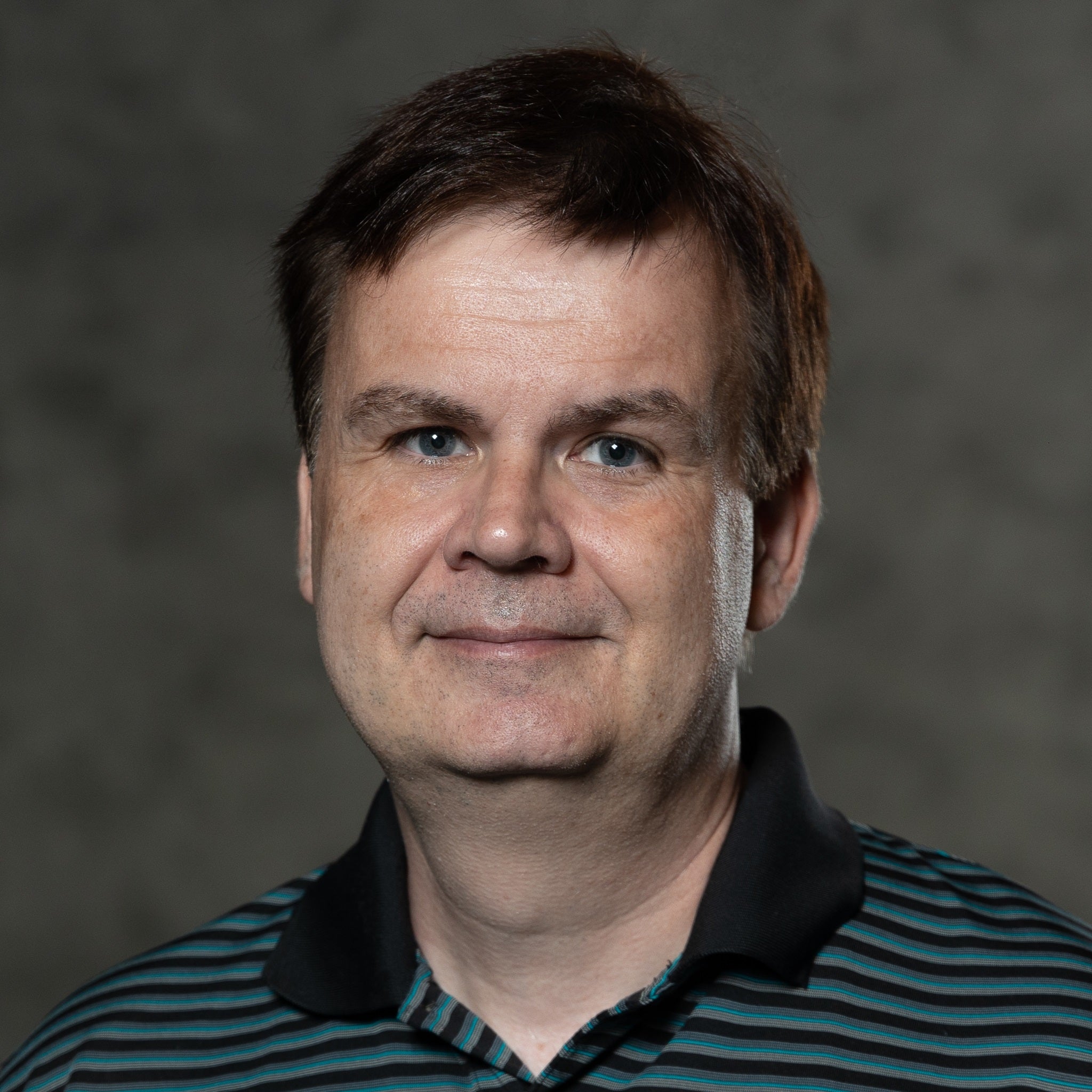
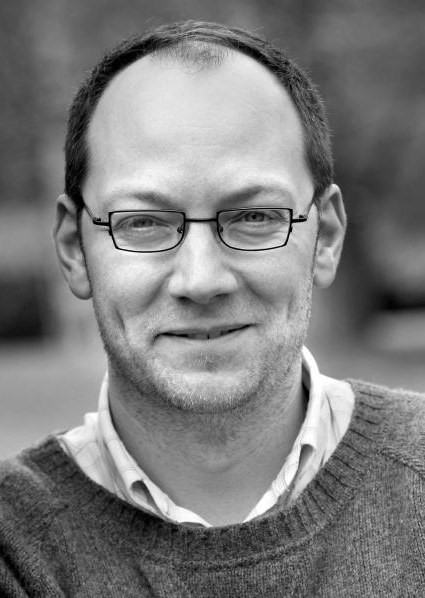
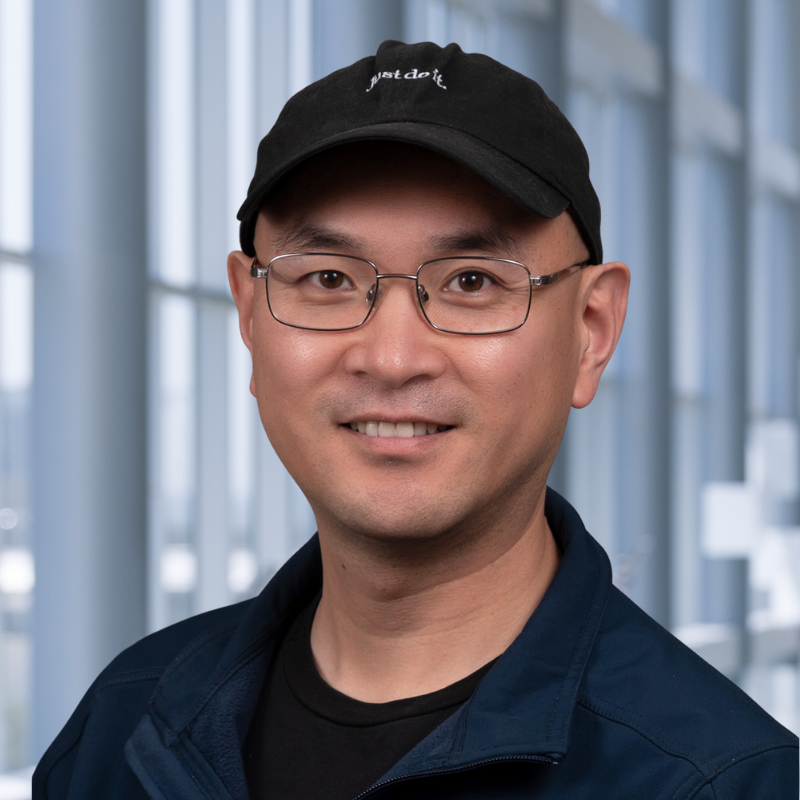
Ronald Hedden is a Professor of Practice in the Department of Chemical and Biological Engineering at Rensselaer Polytechnic Institute (RPI), where he focuses on innovations in undergraduate education and polymer science. Previously, he served as an Associate Professor at Texas Tech University (2009–2017). His current research emphasizes Virtual Reality (VR) integration into chemical engineering education, including the development of a Virtual Chemical Plant (VCP) simulation to provide safe, cost-effective access to process equipment. His research interests span chemical engineering, polymer science, soft materials, and nanomaterials. Notable projects include applying VR for teaching process safety and dynamics, as well as exploring nanocomposite materials and membrane technologies. He also investigates polymer rheology and structure-property relationships using advanced characterization techniques like NMR and SANS. Hedden teaches both core chemical engineering courses and interdisciplinary engineering subjects. His work bridges academic research and practical applications, with contributions to biofuel refining, asphalt modification, and nanoparticle incorporation in polymers. While no specific awards are listed, his extensive publication record highlights impactful contributions to materials science and educational technology. His advisory work involves student projects on VR simulations and materials engineering. He collaborates on initiatives like the VCP platform, aimed at advancing safety training and process control education. Hedden’s career reflects a commitment to both cutting-edge research and transformative pedagogy in engineering education.
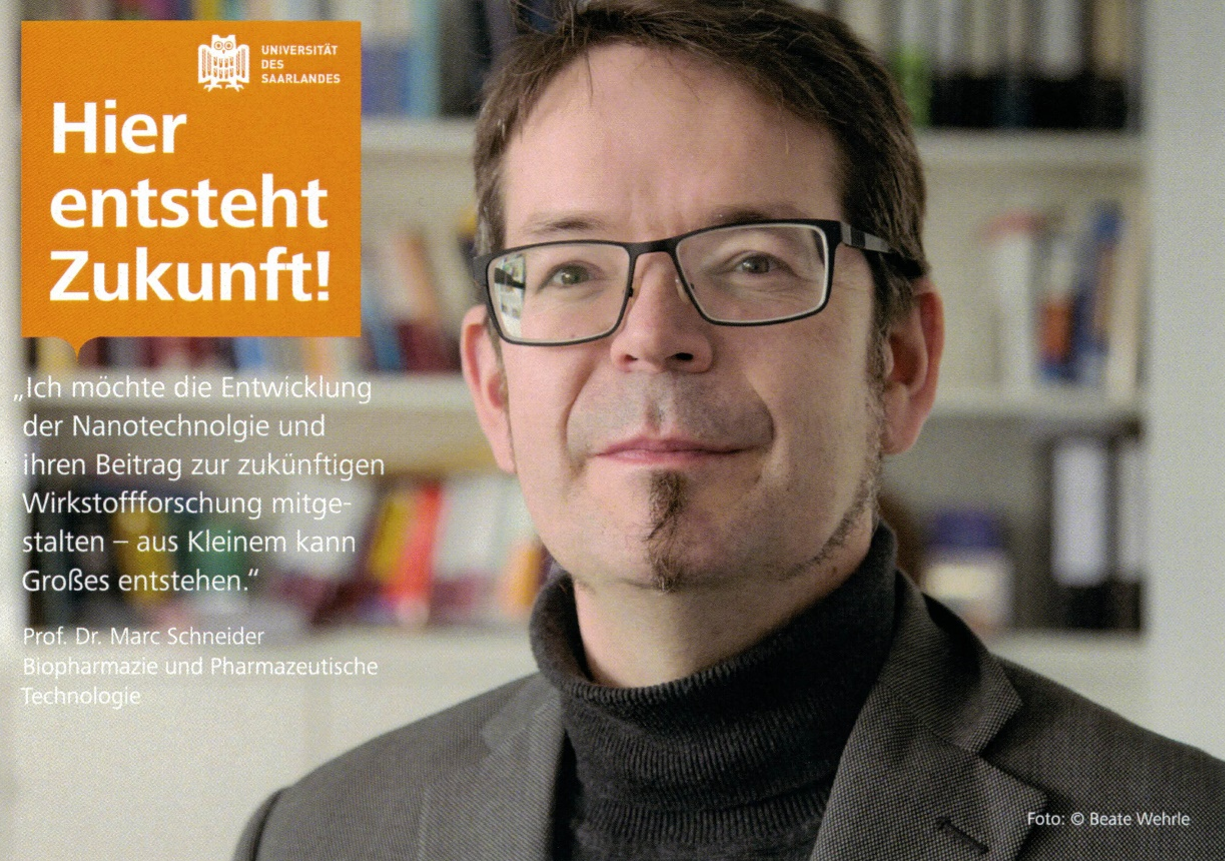
Prof. Dr. Marc Schneider holds a professorship in Biopharmaceutics and Pharmaceutical Technology at Saarland University's College of Pharmacy . His research focuses on colloidal drug delivery systems, particularly nanostructured and non-spherical particle engineering for overcoming biological barriers in pulmonary and transdermal applications. He leads an internationally recognized lab in Saarbrücken, collaborating with Helmholtz Institute for Pharmaceutical Research Saarland (HIPS) and trinational institutions. Research Highlights: Development of inhalable nano/microparticle systems Surface modification of gelatin nanoparticles Characterization of mucus-penetrating particles 3D printing for microneedle fabrication Atomic Force Microscopy (AFM) for nanoparticle analysis Selected Scientific Awards: European Journal of Pharmaceutics and Biopharmaceutics Best Paper Award (2018) for mucus-penetrating nanoparticles Recognized in 'Ausgezeichnete Orte im Land der Ideen' competition (2018) for 'Nano-Mais' drug delivery system Collaborative Networks: Co-editor for Advanced Drug Delivery Reviews special issue on biological barriers Key participant in trinational Master's program in Biomedicine with Strasbourg, Mainz, and Luxembourg Active in Controlled Release Society (CRS) conferences and local chapters
Prof. Robbert Jan Kok is a Professor of Drug Delivery Technology at Utrecht University's Utrecht Institute for Pharmaceutical Sciences (UIPS) and Programme Director for the Bachelor of Pharmacy. He obtained his Pharmacy degree (1993) and PhD in renal drug targeting (1998) from the University of Groningen, followed by postdoctoral research on endothelial-targeted drug delivery. His work spans curriculum development for pharmacy programs and interdisciplinary research in drug innovation. Research Focus: Kok specializes in advanced drug delivery systems, including nanomedicines for kinase inhibitors, 3D-printed formulations, and stimuli-responsive carriers. Key areas include: Targeted delivery to tumors, kidneys, and inflamed tissues Polymeric micelles, liposomes, and microspheres for sustained release Biopharmaceutics and pharmacokinetic optimization Publication Trends: His recent work emphasizes nanotechnology-enabled therapies (e.g., curcumin nanodelivery, photodynamic micelles) and device-integrated drug release (3D-printed implants, macroencapsulation). Studies frequently combine material science with preclinical validation in cancer, renal diseases, and inflammatory disorders. Academic Leadership: Kok oversees student advising, laboratory operations, and international collaborations at UIPS. His team explores translational applications of drug delivery platforms, including partnerships for vascularized tissue engineering and combination therapies.
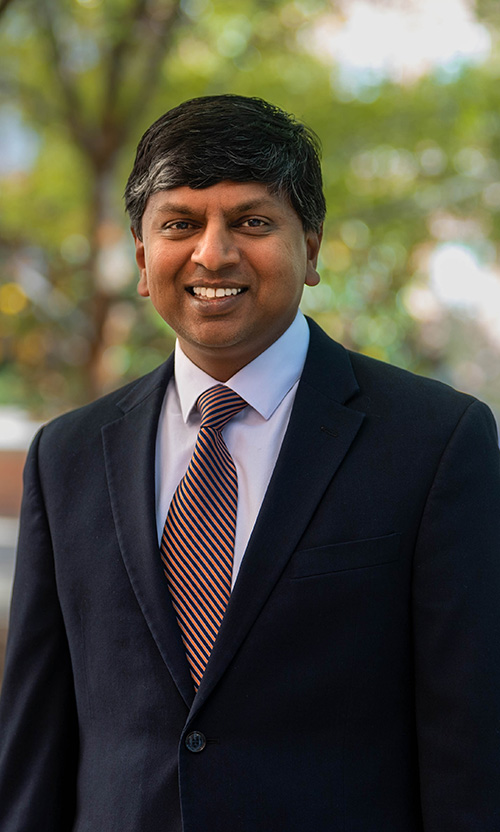
Allan David serves as the John W. Brown Professor of Chemical Engineering and Associate Dean for Research at Auburn University's Samuel Ginn College of Engineering. His leadership extends across academic administration and cutting-edge nanomedicine research, with a focus on translating laboratory discoveries into clinical applications. His educational foundation includes: Ph.D. in Chemical Engineering, University of Maryland B.S. in Chemical Engineering, University of Maryland Dr. David's research program pioneers nanomedicine applications through the development of smart materials for cancer diagnostics and therapy. His work spans nanoparticle-based MRI contrast agents , ocular drug delivery systems , and vaccine delivery platforms , with particular emphasis on optimizing physicochemical properties for targeted biological interactions. Current projects address critical healthcare challenges including safer contrast agents for patients with kidney impairment and precision cancer targeting mechanisms. Analysis of his 15 most recent publications reveals a cohesive research trajectory centered on magnetic nanoparticles and biomimetic delivery systems . The work demonstrates increasing translational focus, evolving from fundamental nanoparticle characterization (2020-2021) to clinically relevant applications like ocular delivery and cancer theranostics (2022-2024), culminating in commercialization efforts through NanoXort, LLC. Dr. David has secured significant research funding including an $184,773 grant from the Alabama Department of Economic and Community Affairs (ADECA) for developing cardiovascular MRI agents. He leads collaborative efforts that bridge chemical engineering with biomedical innovation, notably co-founding NanoXort, LLC to commercialize safer MRI contrast agents addressing gadolinium toxicity concerns for renal-impaired patients. His laboratory operates at the intersection of chemical engineering and medicine, focusing on nanoparticle-cell interactions and targeted delivery systems. The research group maintains strong industry partnerships through the NanoXort startup, which has secured $1 million NSF funding to advance MRI contrast agent technology toward clinical implementation.
Prof. Wouter Roos is a Professor at the University of Groningen's Faculty of Science and Engineering, affiliated with the Molecular Biophysics department at the Zernike Institute for Advanced Materials. His research focuses on viral dynamics, membrane assemblies, and protein mechanics, utilizing advanced techniques like High Speed Atomic Force Microscopy (HS-AFM) and optical tweezers. Education: Studied Physics at the Universiteit van Amsterdam, earned a PhD from the Universität Heidelberg under Joachim Spatz. Conducted postdoctoral research at Max-Planck-Institut, Institut Curie, and Vrije Universiteit before joining Groningen in 2015. Research Interests: Physical Virology (viral material properties and dynamics), membrane biophysics (synthetic cells and lipid interactions), and molecular motor systems. His work bridges physics, chemistry, and biology to understand nanoscale biological processes. Recent Article Trends: Studies on hybrid membranes for synthetic cells, leukemic cell mechanics, and antibiotic-membrane interactions highlight his interdisciplinary approach. Key techniques include HS-AFM and single-particle tracking. Awards: Received a VIDI grant and multiple national/international grants. His lab leads the oLife Co-Fund consortium and participates in the MOSBRI research infrastructure. Grants & Leadership: Coordinates the oLife Fellowship Programme and chairs the Molecular Biophysics Lab. Active in steering committees for EU-funded initiatives. Labs/Teams: Heads the Molecular Biophysics Lab, focusing on viral dynamics and membrane systems. Collaborates globally on projects like ESCRT-III polymerization and antibiotic mechanisms.
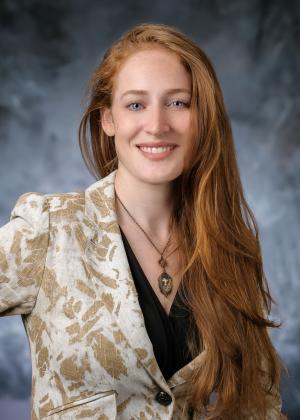
Dr. Andrea S. Carlini is an Assistant Professor of Materials in the Department of Chemistry & Biochemistry at the University of California, Santa Barbara (UCSB). Her research focuses on structurally dynamic biomaterials and devices, aiming to bridge biochemical signals with soft materials for smart biomedical applications. She holds a PhD from UC San Diego and completed a postdoc at Northwestern University’s Querrey Simpson Institute for Bioelectronics. B.S. in Chemistry & Biological Sciences (Virginia Tech, 2012) M.S. in Chemistry & Biochemistry (UC San Diego, 2014) Ph.D. in Chemistry & Biochemistry (UC San Diego, 2018) Her research is organized into three core areas: (1) stimuli-responsive materials for disease monitoring, (2) 4D shape-changing peptides/polymers, and (3) soft wearable devices for quantitative health feedback. Recent work includes thermal sensors for vascular access and enzyme-responsive biomaterials for tissue engineering. Published articles span bio-electrochemical systems, wearable sensors, and smart hydrogels. Her NSF GRFP Fellowship supported early work on myocardial tissue engineering. The Carlini Group collaborates broadly across UCSB’s interdisciplinary environment. Labs/Teams: Carlini Group (UCSB) Focus: Bioelectronics, biomedical devices, and dynamic materials
Gavin Craig is Senior Lecturer in the Department of Pure and Applied Chemistry at the University of Strathclyde, where he leads an independent research programme on porous molecules, mechanochemistry and materials fabrication. He joined Strathclyde in 2019 as Chancellor’s Fellow, was promoted to Senior Lecturer in 2023, and currently supervises two post-docs and a PhD student while accepting new doctoral researchers. Education & Career: PhD Inorganic Chemistry, University of Barcelona, 2013 – spin-crossover materials Post-doc University of Glasgow 2013-2016 – high-pressure crystallography & molecular magnetism JSPS Fellow & Assistant Professor, Kyoto University 2016-2019 – porous molecules for gas storage Research Interests: His group combines coordination chemistry and supramolecular design to create metal–organic cages and polyhedra that act as selective gas sponges or stimuli-responsive gels. Using mechanochemistry, 3-D electron diffraction and high-pressure crystallography he interrogates how self-assembly and external stimuli modulate porosity, with direct relevance to CO₂ capture, carbon-monoxide delivery and membrane technologies. Funding & Impact: Craig is Principal Investigator on two active Leverhulme Trust grants (£500k+) investigating cooperative gas uptake in adaptable cages and sustainable porous membranes. Work contributes to UN SDGs on Affordable & Clean Energy and Climate Action. Awards & Recognition: Strathclyde Medal – Team Award 2022 Advising & Collaboration: He has successfully graduated one PhD student (Dr Beatriz Doñagueda) and one PDRA (Dr Valentyna Slyusarchuk) and currently mentors Dr Emma Regincos Marti (PDRA), Dr Matthew Snelgrove (PDRA) and Megan Wilkinson (PhD). He maintains active international collaborations across UK, Spain, Japan and Italy evidenced by 58 publications and 20 invited seminars/examinations.
Jouni Hirvonen is a Professor in the Division of Pharmaceutical Chemistry and Technology at the University of Helsinki's Faculty of Pharmacy. He serves as Supervisor for doctoral programmes in both the Doctoral Programme in Drug Research and the Doctoral Programme in Materials Research and Nanosciences. With an extensive publication record spanning over three decades, Hirvonen has contributed 384 research outputs and participated in 3 major research projects. His research interests focus on pharmaceutical technology, particularly in drug delivery systems, nanoparticles, and drug dissolution and absorption. His work bridges pharmaceutical chemistry with cutting-edge nanotechnology applications, developing innovative delivery systems for therapeutic agents. His research spans from fundamental pharmaceutical sciences to translational applications in regenerative medicine, immunotherapy, and cardiovascular pharmacology. The analysis of his recent publications reveals a strong focus on advanced drug delivery platforms, particularly utilizing nanoparticles, lipid-based systems, and biomaterials for targeted delivery. His work increasingly integrates microfluidic technology for precise nanoparticle preparation, with applications spanning cancer immunotherapy, cardiovascular repair, tendon regeneration, and inflammatory disease treatment. The trend shows a growing emphasis on combination therapies, RNA delivery, and cell-mediated drug delivery approaches. Hirvonen has received several prestigious awards throughout his career: CRS/Eurand Grand Prize Award on Innovations in Oral Drug Delivery Technologies (2007) Suomen Valkoisen Ruusun Ritarikunnan I luokan ritarimerkki (2013) The Young Scientist in the University of Kuopio (1993) University of Helsinki Quality Teaching Unit, Faculty of Pharmacy (2005) Visiting Professor award (2015) With 25 instances of supervising doctoral theses and numerous academic activities including conference organization, committee memberships, and editorial work, Hirvonen has made significant contributions to academic mentorship and institutional development. His research has been supported by projects including Generation Green, 3i REGENERATION, and IVIVRe. His work appears to involve collaboration with multiple research teams focusing on drug delivery applications across various therapeutic areas.
Hans Steenackers is an Associate Professor at the Faculty of Bioscience Engineering, KU Leuven, where he leads the MICA Lab within the Department of Microbial and Molecular Systems. His research focuses on innovative antimicrobial strategies targeting microbial communities, including socio-active, anti-resistance, and observation-guided approaches. Key research areas include biofilm dynamics antimicrobial resistance evolution in situ microbial monitoring Salmonella Typhimurium pathogenesis anti-virulence therapies His recent publications highlight advancements in biofilm inhibition, triggered antimicrobial release systems, and evolutionary robustness of probiotics. The majority of his work involves interdisciplinary collaborations, particularly in projects like TARDIS, ULTiMatE-MS, and MICROTUNe, with a focus on translating fundamental research into clinical applications. As an educator, he teaches advanced courses in microbial physiology, biofilm research, and applied biotechnology. The MICA Lab actively partners with academic and industrial stakeholders in initiatives such as the Flemish Scientific Research Network on Biofilms and the Bioclean H2020 project.
Julie M. Goddard is a Professor of Food Science at Cornell University , affiliated with the College of Agriculture and Life Sciences and the Department of Food Science . Her research focuses on Biomaterials and Biointerfaces , with emphasis on food quality, safety, and sustainability. She leads the Goddard Research Group, which develops innovative polymeric materials and coatings for food packaging, bioprocessing, and equipment. Key projects include antimicrobial/nonfouling coatings, biocatalytic materials, and active packaging to reduce synthetic additives and food waste. Dr. Goddard holds a Bachelor of Science (1999) and Ph.D. (2008) in Food Science from Cornell University. Her work is supported by grants from USDA NIFA, NIH, NSF, and FFAR. Notable awards include the National Excellence in Multistate Research Award (2019) , APLU Junior Moulton Medal (2015) , and Institute of Food Technologists Young Scientist Award (2013) . Her research spans nonmigratory active packaging (e.g., antioxidant, antimicrobial films), biofilm inhibition , and enzyme immobilization . Recent articles highlight advancements in PETase engineering for microplastic degradation and optimization of curcumin-grafted biodegradable materials. She collaborates across disciplines, including materials science, chemical engineering, and microbiology. Labs/Teams: The Goddard Group operates in Stocking Hall, Cornell. Projects include biocatalytic packaging , hydrogen sulfide formation in canned beverages , and consumer acceptance of novel food technologies . Key grants fund exploration of bio-based materials and food safety innovations.
Bert F. Sels is a Full Professor at KU Leuven (Catholic University Leuven) in the Faculty of Bioscience Engineering, Department of Molecular and Microbiological Sciences, where he founded and heads the Center for Sustainable Catalysis and Engineering (CSCE). He is also a Visiting Professor at the Chinese Academy of Sciences in Guangzhou and co-founder of the spin-off company Zeopore. Previously, he directed the Centre for Surface Chemistry and Catalysis (COK) from 2016-2019 and served as Head of the Division Bio-refinery and Sustainable Chemistry (2015). He obtained his Ph.D. in 2000 from KU Leuven under Professor Pierre Jacobs, specializing in heterogeneous oxidation catalysis. His research focuses on heterogeneous catalysis for sustainable industrial processes, with expertise spanning: Biorefinery and biofactory systems for chemical production Design of hierarchically structured zeolites and carbon materials Spectroscopic characterization of catalytic active sites Methane activation and small molecule kinetics Renewable chemistry and biomass valorization His group has published 350+ papers (h-index 88) and holds 30 patents. Publications demonstrate strong focus on catalytic biomass conversion, zeolite engineering, and sustainable fuel production, with recent work emphasizing lignin valorization, carbohydrate upgrading, and low-carbon chemical synthesis. Key trends include hierarchical catalyst design and integrated biorefinery processes. Awards and Honors: Green Chemistry Award (2015) INEOS Research Award (2019) European Academy of Sciences and Arts Membership (2018) DSM Chemistry Award (2001) TOTAL Research Award (2013) UMICORE Research Award (2012) First Clean Tech Challenge (2009) He leads the CSCE research group and co-founded the European Research Institute of Catalysis (ERIC). As former co-chair of the International Zeolite Association's Catalysis Commission and associate editor of ACS Sustainable Chemistry & Engineering, he maintains extensive collaborative networks.
Baoyu Chen is an Associate Professor in the Department of Internal Medicine at UT Southwestern Medical Center and a member of its Division of Digestive and Liver Diseases. He holds a bachelor's degree in chemical engineering from Hunan University (China), a master's in biochemistry and molecular biology from Tsinghua University (China), and a doctorate in chemical biology from Pennsylvania State University (USA). His research integrates biochemical, biophysical, computational, and structural approaches to investigate molecular mechanisms linking membrane signaling to cytoskeletal dynamics. Education: BSc in Chemical Engineering, Hunan University, China MS in Biochemistry & Molecular Biology, Tsinghua University, China PhD in Chemical Biology, Pennsylvania State University, USA Research Interests: Dr. Chen’s work focuses on protein assemblies regulating actin polymerization and endosomal trafficking (WAVE, WASH, CCC-Retriever, Retromer complexes) and their roles in cellular processes like migration, adhesion, immune activation, and neural development. His lab employs cryo-electron microscopy and collaborations with clinicians to uncover disease mechanisms. Recent Research Trends: His publications emphasize structural insights into WAVE complex activation, endosomal trafficking regulation, and pathogen hijacking of cytoskeletal systems. These studies span cell biology, structural biology, and synthetic biology applications. Scientific Awards: His work is supported by prestigious grants including the NIH MIRA NSF CAREER Award Professional Affiliations: Active member of American Heart Association American Society for Cell Biology Society for Neuroscience Laboratory: The Stone Chen Lab at UT Southwestern investigates membrane-to-cytoskeleton signaling and its implications in human disease. The lab collaborates with biologists and clinicians and welcomes opportunities for collaboration.
Scott Thompson is a Professor in the Department of Electrical & Computer Engineering at the University of Florida. He holds academic appointments within the College of Engineering and specializes in solid-state electronics, nanotechnology, and semiconductor device fabrication. His research focuses on advancing transistor technologies to extend Moore’s Law, including strained silicon innovations and low-power device designs. Thompson earned his BSEE (1987), MS (1988), and PhD (1992) in Electrical Engineering from the University of Florida. His industrial contributions include roles at Intel Corporation and leadership at SuVolta, recognized with the TiE 50 Top Startup Award (2014) and Semi Award North America (2008). He is an IEEE Fellow (2006) and Intel Fellow (2003). His research portfolio includes over 50 patents and publications on topics like deeply depleted channel transistors, CMOS process optimization, and strain-engineered semiconductor materials. Key themes in his work involve improving transistor performance, reducing power consumption, and advancing fabrication techniques for nanoscale electronics. Key Awards: IEEE Fellow, Intel Fellow, TiE 50 Startup Award Key Contributions: Strained silicon transistors, SuVolta startup innovations, CMOS process advancements
Keisuke Ishihara is an Assistant Professor in the Department of Computational and Systems Biology at the University of Pittsburgh School of Medicine. His research focuses on engineering human brain and cardiac organoids using genetic, chemical, and computational approaches to uncover novel regulatory mechanisms and physical principles underlying tissue development. His lab is located at Biomedical Science Tower 3, with an office in room 10020A. Dr. Ishihara holds a PhD in Systems Biology from Harvard University. His work bridges synthetic biology, developmental biology, and biophysics to address fundamental questions in organogenesis and cellular morphogenesis. Recent research highlights include studies on BMP-mediated neural tube patterning in organoids and the biophysical dynamics of microtubule assemblies in large cells. Publications from his lab emphasize interdisciplinary approaches to understand cell size scaling, mitotic spindle dynamics, and self-organization in synthetic tissues. His team has contributed to advancements in organoid technology, uncovering dormant genetic programs and physical principles governing tissue architecture. Laboratory activities are centered at the University of Pittsburgh, collaborating with the School of Medicine's computational and systems biology initiatives. For more details, visit his lab website linked below.
Dr. Yu Zhong is an Assistant Professor in the Department of Materials Science and Engineering at Cornell University's College of Engineering, where he leads the Yu Zhong Group. His research laboratory focuses on the design and synthesis of novel soft materials and nanomaterials for applications in electronics, energy, healthcare, and sustainability. As a principal investigator, he oversees a dynamic research team comprising postdoctoral associates, graduate students, and undergraduate researchers working on cutting-edge materials science projects. Dr. Zhong received his educational training at prestigious institutions, earning his B.S. in Chemistry from the University of Science and Technology of China (USTC) in 2011, followed by a Ph.D. in Chemistry from Columbia University in 2017 under the supervision of Prof. Colin Nuckolls. His doctoral research centered on designing contorted molecules for electronic and energy applications including organic solar cells, photodetectors, and gas sensors. He then conducted postdoctoral research at the University of Chicago in Prof. Jiwoong Park's group, where he worked on the design and synthesis of 2D polymers for ultrathin electronic circuits and energy conversion. Dr. Zhong's research program spans three primary directions: (1) the bottom-up synthesis of ultrathin nanoporous membranes using techniques like laminar assembly polymerization (LAP) for applications in water desalination, nanofiltration, and gas separation; (2) the study of transport behaviors in hybrid organic-inorganic 2D heterostructures created through layer-by-layer assembly for use in optical, electronic, and thermal management devices; and (3) the development of mixed ionic-electronic materials for bio-inspired and bioelectronic devices. His group employs advanced synthesis methods including organic/polymer synthesis, supramolecular and reticular chemistry, and 2D materials characterization to explore novel scientific phenomena and technological applications. An analysis of Dr. Zhong's recent publications reveals a strong focus on the synthesis and characterization of 2D polymers and organic-inorganic hybrid materials. His work bridges fundamental materials science with practical applications in energy conversion, electronics, and separation technologies. A notable trend is his development of innovative synthesis techniques like laminar assembly polymerization that enable precise control over material structure at the molecular level, leading to breakthroughs in areas such as lithium-ion transport, osmotic power generation, and ultra-narrowband photodetection. Dr. Zhong's scientific achievements have been recognized with several prestigious awards: Pegram Award for Meritorious Graduate Research, Columbia University (2016) Camille and Henry Dreyfus Postdoctoral Fellowship, Dreyfus Foundation (2016) Arun Guthikonda Memorial Fellowship, Columbia University (2015) Jack Miller Award for Excellence in Teaching, Columbia University (2014) As an advisor, Dr. Zhong mentors a diverse group of researchers including postdoctoral associate Qiyi Fang, multiple Ph.D. students (Yuhe Zhang, Kaushik Chivukula, William Xie), M.S. students, and undergraduate researchers. His group has secured funding for research on soft and nanomaterials, with projects spanning organic electronics, 2D materials synthesis, and biomimetic membranes. Dr. Zhong actively seeks motivated graduate students and postdoctoral fellows to join his research team, emphasizing the importance of interdisciplinary collaboration in advancing materials science. The Yu Zhong Group operates state-of-the-art laboratories in Bard Hall at Cornell University, equipped for organic synthesis, materials characterization, and device fabrication. The research team works collaboratively across disciplines, partnering with experts in physics, chemistry, and engineering to tackle complex challenges in materials science. Current projects focus on developing novel synthesis methodologies and exploring structure-property relationships in soft materials to enable next-generation electronic, energy, and healthcare technologies.