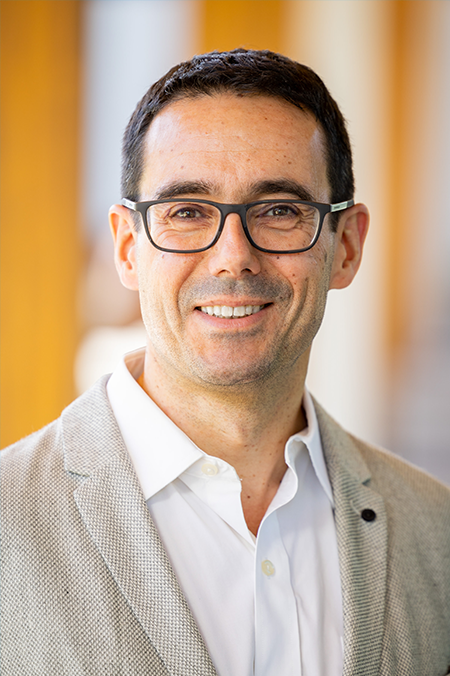
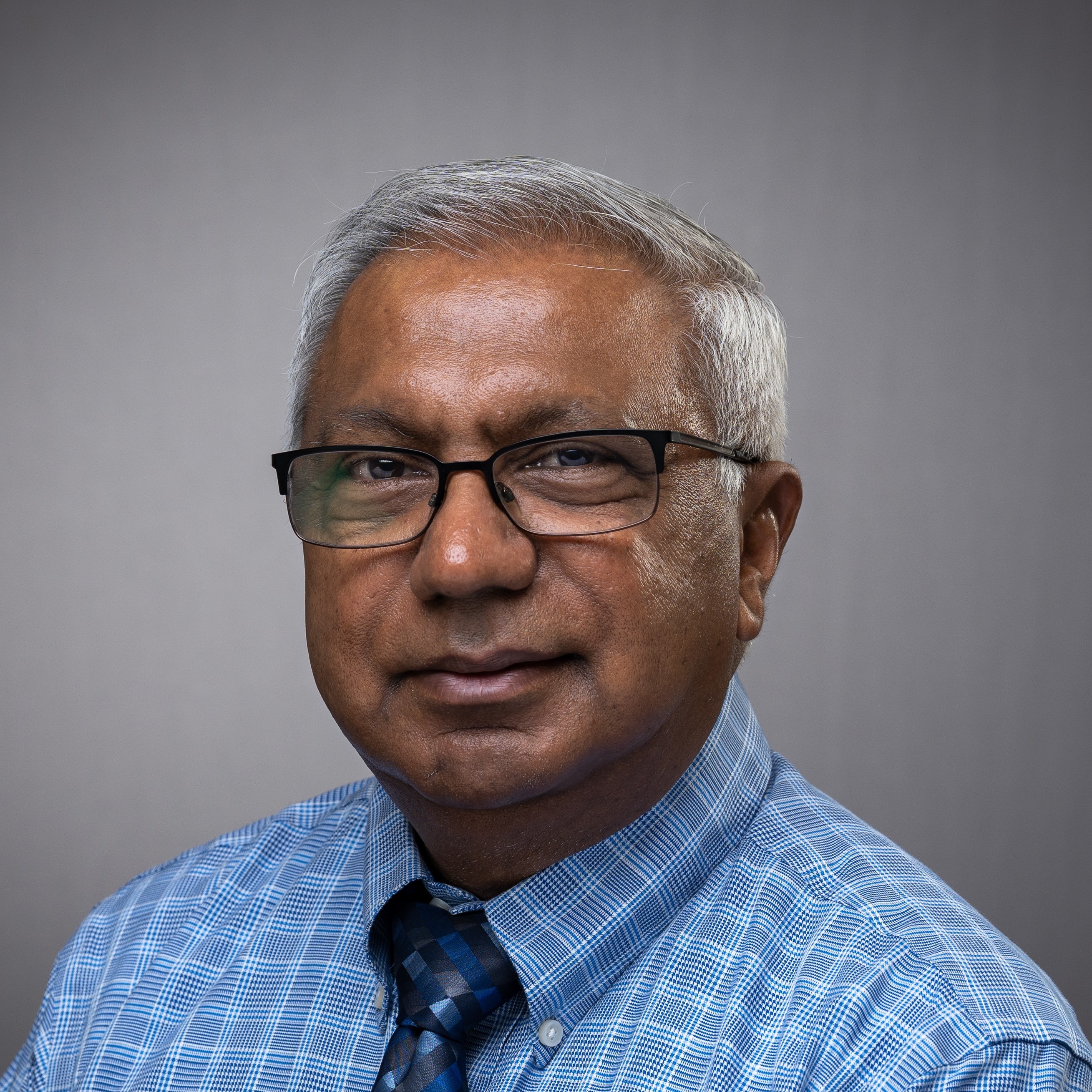
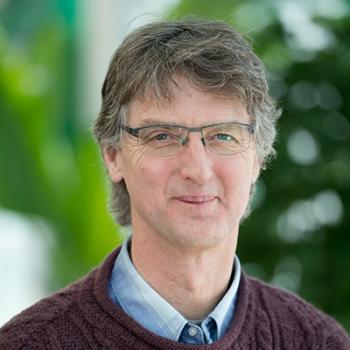
Boris Stoeber is a Professor and Associate Head of Teaching at the Department of Mechanical Engineering, University of British Columbia . He holds the Tier 2 Canada Research Chair in Microfluidics and Sensing Technology , focusing on experimental soft matter physics and sensor development. Microfluidics and Sensing Technology CRC Ph.D. (UC Berkeley), M.Sc. (TU Darmstadt, Germany), M.Sc. (EC Lyon, France) His research centers on soft matter and sensing technology , with applications in environmental monitoring and medical diagnostics . Key areas include: Complex Fluids and Microneedles Needle Puncture Mechanics Microoptical Systems and Functional Materials Poroelasticity and Skin Tissue Interaction Recent publications highlight advancements in light-field microscopy , microneedle drug delivery , and droplet dynamics . His lab has produced 15+ peer-reviewed articles since 2020, spanning disciplines like Soft Matter , Physics of Fluids , and Biomedical Microdevices . Scientific recognition includes: Dean’s Award for Excellence in Service (2021) Canada Research Chair Appointment (2015) His team has mentored numerous graduate students and postdoctoral fellows, including recipients of Vanier Scholarships and NSERC Awards . The Stoeber Lab actively investigates MEMS fabrication , biocompatible sensors , and environmental monitoring systems .
Nathanaël Machicoane is a CNRS Researcher at the Laboratory of Geophysical and Industrial Flows (LEGI) within Grenoble Institute of Technology at University Grenoble Alps. His research focuses on experimental and theoretical aspects of fluid dynamics, particularly in multiphase flows, atomization processes, and turbulence phenomena. He leads investigations using advanced imaging techniques including X-ray radiography and high-speed visualization to study complex fluid behaviors. His educational background includes a Habilitation from University Grenoble Alps (2024), a Ph.D. in Fluid Mechanics from ENS de Lyon (2014), and a Master degree in Physics from ENS de Lyon (2011). Prior to his current position, he completed postdoctoral research at the University of Washington's Multiphase & Cardiovascular Flow Lab (2016-2020) and at FAST laboratory. Machicoane's research interests span atomization and sprays, multiphase flows, turbulence, drops and bubbles, geophysical flows, particles/flow interactions and transport, heat transfer, mixing in two-phase flows, and Lagrangian and Eulerian approaches. His work combines theoretical modeling with sophisticated experimental techniques to investigate fundamental fluid phenomena with applications ranging from industrial processes to biomedical engineering. He has developed expertise in using synchrotron-based X-ray imaging to study liquid jet fragmentation and spray formation mechanisms. His publication record shows a strong focus on atomization mechanisms, particularly gas-assisted atomization, with significant contributions to understanding liquid jet fragmentation, spray formation, and particle dynamics in turbulent flows. His recent work increasingly incorporates advanced imaging techniques and computational validation, with emerging applications in biomedical fluid dynamics as evidenced by his publications on intracranial aneurysm hemodynamics. Machicoane actively participates in the EDT (Two-Phase Flows and Turbulence) team at LEGI, utilizing the laboratory's extensive experimental facilities including hydrodynamic tunnels, rotating platforms, and wave channels. His research often involves international collaborations with institutions such as the University of Washington, where he previously conducted postdoctoral research. His laboratory work employs a variety of sophisticated experimental setups, including high-speed flow visualization systems, Phase Doppler Particle Analysis, and synchrotron-based X-ray imaging. These techniques enable detailed characterization of complex fluid phenomena at multiple scales, from macroscopic spray patterns to microscopic interfacial dynamics.
Eduardo Divo is a Professor of Mechanical Engineering and currently serves as the Vice Provost for Faculty Affairs at Embry-Riddle Aeronautical University, within the College of Engineering. He previously held leadership roles as Chair of the Mechanical Engineering Department and Senior Associate Dean of the College of Engineering. His academic home is the Department of Mechanical Engineering at the Daytona Beach campus. Ph.D. in Mechanical Engineering, University of Central Florida, 1998 M.S. in Mechanical Engineering, University of Central Florida, 1996 B.S. in Statistical Control Analyst, Monterrey Institute of Technology (ITESM), 1993 Mechanical Engineering Degree, Central Technological University (UNITEC), Venezuela, 1992 Mechanics Technical Degree, UNITEC, 1990 Informatics Technical Degree, UNITEC, 1990 Dr. Divo's research is at the intersection of computational mechanics and biomedical engineering. He specializes in developing meshless methods and boundary element methods for automated numerical solutions in fluid dynamics, heat transfer, porosity, and elasticity. His work has significant applications in cardiovascular hemodynamics , particularly in modeling Fontan circulation, prosthetic heart valves, and left ventricular assist devices (LVADs). His research enables patient-specific simulations and optimization of medical device implantation. His recent publications show a strong trend in biofluid mechanics and biomedical device modeling , combining in vitro experiments with in silico simulations. These works span computational thermal sciences, fluid-structure interaction, and multi-scale optimization, reflecting a multidisciplinary approach to solving complex biomedical engineering challenges. Scientific Awards: 2001 Pi Tau Sigma UCF Professor of the Year 2007 UCF CECS Teacher of the Year 2009 E-Week Central Florida Engineer of the Year 2009 UCF CECS Distinguished Researcher Award 2008 & 2009 State of Florida University System Teaching and Research Awards 2014 National Education Award, Great Minds in STEM (HENAAC) 2015 Distinguished Researcher Award 2023 Distinguished Alumni Dr. Divo has secured over $5 million in research funding from federal, state, and private sources, including grants for mitigating microgravity deconditioning using resistive exercise. He has supervised 17 M.S. theses and 10 Ph.D. dissertations , contributing significantly to graduate education. He teaches core courses such as Fluid Mechanics , Thermodynamics , and Biofluid Mechanics , reflecting his broad expertise. He is also actively involved in professional service, including editorial duties for the Journal of Engineering Analysis with Boundary Elements . Dr. Divo is affiliated with several research teams and labs focused on computational modeling in biomedical applications. His collaborations include researchers from medical institutions and engineering teams working on cardiovascular devices. His lab integrates numerical simulation, benchtop experimentation, and clinical data to advance bioengineering solutions.
Valentin Lychagin is a Professor in the Department of Mathematics and Statistics at UiT The Arctic University of Norway. His research lies at the intersection of differential geometry, mathematical physics, and applied mathematics, with a focus on symmetry analysis, differential invariants, and geometric modeling of physical systems. His research interests include Differential Geometry , Fluid Dynamics , Thermodynamics , Continuum Mechanics , Control Theory , and Image Recognition . He applies geometric and algebraic methods to study fluid flows, filtration in porous media, phase transitions, and Hamiltonian systems. His work frequently involves the construction of differential invariants and their applications in symmetry classification and exact solutions of PDEs. The recent publications span topics such as symmetry classification of viscous and inviscid flows, geometric structures in relativity, thermodynamic modeling of real gases, optimal control in oil recovery, and geometric methods in image recognition. These works demonstrate a strong trend toward unifying geometric frameworks with physical modeling, particularly using tools from Lie group analysis, jet space theory, and contact geometry. His scientific contributions include collaborations with prominent mathematicians such as Valeriy Yumaguzhin, Alexei Kushner, Anna Duyunova, and Nadiia Konovenko. While no formal awards are listed, his consistent publication record in high-quality journals and books with Springer Nature underscores his scholarly impact. Lychagin advises or collaborates with several researchers, though no explicit list of students is provided. His work involves theoretical development with applications in engineering and physics, particularly in energy and environmental modeling. He has contributed to models of oil displacement, filtration dynamics, and nonlinear wave propagation. He is affiliated with a research group focused on geometric methods in differential equations and mathematical physics. His office is located in Realfagbygget A219, and he maintains an active research profile through UiT’s Cristin system.
Professor Jet Veldhuijzen van Zanten is a Senior Lecturer in Biological Psychology at the School of Sport, Exercise and Rehabilitation Sciences, University of Birmingham, where she also serves as Director of Graduate Research for the College of Life and Environmental Sciences. Her research integrates psychology and physiology to explore how behavior, especially physical activity, influences health in populations facing barriers such as rheumatoid arthritis, multiple sclerosis, aging, and adolescence. Education: MSc in Human Movement Sciences, Vrije Universiteit, Amsterdam Education: MSc in Psychology, Vrije Universiteit, Amsterdam Education: PhD in Sport and Exercise Sciences, University of Birmingham Her research emphasizes the biopsychosocial model, particularly how motivation, stress, and physical activity interact to affect mental and physical health. She uses both experimental and longitudinal designs to develop theory-based behavioral interventions. Her recent publications span topics such as mental health during the pandemic, fatigue in chronic illness, and the cardiovascular benefits of exercise in rheumatoid arthritis. The studies frequently employ randomized controlled trials and real-world assessments, reflecting a strong translational focus. Awards received by her students include: Young Investigator Award, American Psychosomatic Society Best Abstract in Clinical Science, European League against Rheumatism Best Publication Award, Dudley Group NHS Foundation Trust Poster Award, University of Birmingham Graduate School Research Day Achievement Award, Royal Embassy of Saudi Arabia Cultural Bureau She currently supervises nine postgraduate research students and welcomes PhD applicants aligned with her research interests. She teaches the third-year module ‘Exercise as Medicine’ and contributes to ‘Sport, Exercise, and Health Psychology’. She is an invited reviewer for journals in psychophysiology, behavioral medicine, and arthritis.
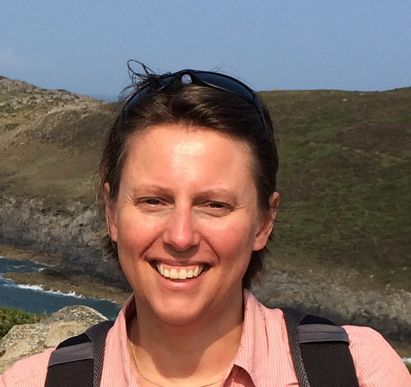
Rachel Frisbie is an Assistant Professor in the Department of Computational Mathematics, Science and Engineering (CMSE) at Michigan State University, with affiliations in both the College of Engineering and College of Natural Science. Her research spans computational methods, astrophysics, and education innovation. She explores interdisciplinary applications of computational science in both natural and technical domains. Her work includes studies on galaxy dynamics using X-ray astronomy and developing sustainable software practices in educational settings. Rachel’s research interests integrate computational problem-solving methodologies with astrophysical phenomena and pedagogical strategies. She has contributed to understanding thermal properties of galaxy clusters, stellar dynamics in early-type galaxies, and the impact of active galactic nuclei on galactic evolution. Her educational efforts focus on collaborative learning frameworks and inquiry-based approaches to teaching sustainable software development. Her articles highlight trends in both astrophysical data analysis and education technology, emphasizing the interplay between computational tools and disciplinary knowledge. While no scientific awards are explicitly mentioned, her work reflects rigorous contributions to interdisciplinary computational science. Rachel advises no listed students but actively engages in grant-supported research projects. Her work is housed within MSU’s CMSE department, fostering cross-college collaborations between engineering and natural sciences.
Dr. Sertaç Çadırcı is an Associate Professor in the Department of Mechanical Engineering at Istanbul Technical University, specializing in computational fluid dynamics (CFD), turbulence modeling, and multi-objective optimization. His research focuses on fluid-structure interaction, aerodynamics, heat transfer, and biomedical applications. He leads projects on turbulence model calibration, wind turbine blade optimization, and rocket engineering. His work has been published in high-impact journals like Physics of Fluids and International Journal of Green Energy. Education: Not explicitly stated in the provided text. Affiliations: Istanbul Technical University (Ayazaga Campus), College of Engineering. Projects: Includes BAP-funded initiatives on RANS turbulence model improvement, rocket production, and inertial focusing in microchannels. His research interests span CFD applications in aerospace, biomedical systems, and energy systems, with a focus on enhancing computational models for practical engineering challenges. He has supervised 32 theses and actively engages in collaborative international research. Recent articles analyze turbulence models for compressors, wind turbine aerodynamics, and blood pump hemocompatibility, showcasing his interdisciplinary approach. Awards and grants are not explicitly listed in the text.
Kenneth Kiger is a Professor and Associate Dean of Undergraduate Programs in the Department of Mechanical Engineering at the University of Maryland, College Park. He holds the endowed Keystone Professor title and is affiliated with the Maryland Energy Innovation Institute and Brain and Behavior Institute. His research focuses on fluid mechanics and experimental techniques, with emphasis on multi-phase flows, particle-turbulence interaction, turbulent mixing in complex geometries, and applications in nuclear reactor safety, spray cooling, and sediment transport. Dr. Kiger earned his Ph.D. in Mechanical Engineering from the University of California, San Diego (1995). He has received the National Science Foundation CAREER Award (1997) and the Distinguished Scholar-Teacher award from the University of Maryland. His work has advanced fluid dynamics education and curriculum development, particularly in hands-on engineering pedagogy. His research employs advanced experimental methods like Particle Image Velocimetry (PIV) and Laser Induced Fluorescence (LIF). Notable projects include studying air entrainment by plunging jets, boron mixing in nuclear reactors, and the dynamics of sediment-laden flows. He has contributed to biomimetic fluid dynamics, exploring gill kinematics in mayfly nymphs, and developed novel measurement techniques for two-phase flows. Prof. Kiger actively engages in academic service, serving on the organizing committee for the APS Division of Fluid Dynamics Annual Meeting (2000) and as a reviewer for journals including Physics of Fluids and Journal of Fluid Mechanics. He has mentored numerous students and pioneered educational initiatives such as mastery-based assessment approaches in engineering education. His lab work involves fluid-structure interaction studies, particularly flexible plate impacts on water surfaces, and high-fidelity simulations of complex fluid dynamics phenomena. Recent contributions address environmental fluid mechanics (e.g., foundry physics modeling) and energy-related applications (e.g., spray cooling for electronics).
Mark McPhail is a Clinical Professor in Experimental Medicine and Consultant in Liver Critical Care and Hepatology at King's College London's Institute of Liver Studies, with an additional role as Honorary Senior Lecturer at Imperial College London's Department of Hepatology. His research focuses on outcome prediction, metabolism, and immunity in liver failure syndromes, including novel diagnostic methods for hepatic encephalopathy and sepsis. He holds a PhD in Molecular Physics from the University of Strathclyde, with prior collaborations at NASA's Jet Propulsion Laboratory and the University of Bologna. Education includes a Bachelor of Medicine and Surgery (University of Glasgow, 2004), a PhD in Molecular Quantum Physics (University of Strathclyde, 1997), and a BSc in Physics (University of Strathclyde, 1994). His current work emphasizes metabolic profiling to improve prognostication and identify pathways for immune modulation via lipid interactions with CD14+ monocytes in acute and acute-on-chronic liver failure. Research trends in his articles highlight advancements in understanding monocyte behavior, sepsis prevention, and biomarker development for kidney injury post-transplantation. His projects include exploring adrenomedullin's role in immunosuppression and investigating checkpoint inhibitors to restore immune function in liver failure. Grants funded by MRC and KFAS support his work on fatty liver disease and immunometabolic pathways. Key grants include studies on normothermic machine perfusion for non-alcoholic fatty liver disease and the inhibition of lysophosphatidic acid pathways in cirrhosis. He collaborates internationally on topics like TIM-3 in immune dysregulation and gut microbiome interactions in cirrhosis.
Professor Godfrey Mungal is currently a Professor of Mechanical Engineering at Santa Clara University's School of Engineering. He previously held faculty and leadership roles at Stanford University from 1983 to 2007, including Director of the High Temperature Gasdynamics Laboratory, Associate Chair for Student Services, and Associate Dean for Graduate Policy. His expertise lies in turbulent combustion, mixing dynamics, and aerodynamic flow control, with over 200 publications and 12,000 Google Scholar citations. B.Sc. in Engineering Science, University of Toronto (1975) M.S. and Ph.D. in Aeronautics, California Institute of Technology (1977, 1983) His research focuses on supersonic/subsonic mixing and combustion, flame stability, drag reduction via polymer additives, and plasma-assisted ignition. He has pioneered experimental studies on turbulent reacting jets, separated flows, and vorticity dynamics, with applications in propulsion, microchannel flow, and aerodynamic design. Notable awards include the inaugural Special Faculty Senate Council Award at Santa Clara University (2017), Fellowships from the American Physical Society and ASME, and multiple teaching and advising honors at Stanford University. He is recognized for his contributions to combustion science and fluid mechanics education.
Oliver Schmidt is an Associate Professor in the Department of Mechanical and Aerospace Engineering at the University of California, San Diego. His research combines data-driven and theoretical methods to study hydrodynamic stability, computational fluid mechanics, and aeroacoustics, with a focus on turbulent jet mixing noise mitigation for silent aircraft development. Department: Mechanical and Aerospace Engineering Research focus: Turbulent flows, modal decomposition, model order reduction Educational Background: Ph.D. in Aeronautical Engineering, University of Stuttgart (2014) Graduate studies at Berlin University of Technology and University of Washington (2009) Research Interests center on computational flow physics, intermittency and rare events in turbulence, and synergistic empirical-theoretical approaches for low-order model design. His work has applications in aerospace optimization and noise control. Scientific Awards: Boeing/Lufthansa Reinhardt Abraham Scholarship Association of German Engineers’ excellent performance award Professional Affiliations include UC San Diego, Caltech Computational Flow Physics Group, Stanford’s Center of Turbulence Research, Von Karman Institute for Fluid Dynamics, and German Aerospace Center.
Stephen T. Pratt is a Senior Chemist and Argonne Distinguished Fellow at Argonne National Laboratory, where he leads the Fundamental Interactions Theme and the Gas-Phase Chemical Dynamics group in the Chemical Sciences and Engineering division. He joined Argonne in 1982 as a postdoctoral researcher and has since published over 150 journal articles. His work combines laboratory laser experiments with synchrotron-based studies at international facilities like SOLEIL and FERMI. Education: Ph.D., M.Phil., M.S. in Chemistry, Yale University B.A. in Chemistry, Bennington College Pratt's research explores photoionization and photodissociation dynamics in small molecules, focusing on energy transfer mechanisms in energized systems. His investigations include: Absolute photoionization cross sections for reactive radicals Near-threshold phenomena in molecular nitrogen using high-resolution spectroscopy Ultrafast processes studied with vacuum-ultraviolet/X-ray free-electron lasers Systematic behavior of photoabsorption in alkynes and combustion intermediates His recent publications emphasize autoionizing states, Auger electron dynamics, and photoelectron angular distributions, reflecting expertise in molecular spectroscopy and chemical dynamics using advanced light sources. Awards: Fellow of the American Physical Society (1995) for fundamental contributions to molecular physics, including studies of photoionization, predissociation, and autoionization. Pratt leads experimental initiatives at the Gas-Phase Chemical Dynamics group, developing techniques like photoelectron-photoion coincidence imaging and double-resonance spectroscopy to probe molecular systems. His group collaborates extensively with synchrotron facilities worldwide.
Adrian Sescu is an Associate Professor and Graduate Coordinator in the Department of Aerospace Engineering at Mississippi State University, College of Engineering. He is also affiliated with the High-Performance Computing Collaboratory (HPCC), where he serves as Graduate Coordinator for the Computational Engineering Program. His research focuses on high-speed shear flows, turbulence, and flow control, with applications in aerospace and defense systems. His research interests lie in computational fluid dynamics , particularly in simulating and controlling high-speed boundary layers, jet flows, and free mixing layers. He applies advanced numerical methods including large eddy simulations and nonlinear boundary region equations to study turbulence modeling , boundary layer transition , drag reduction , and aeroacoustics . His work has significant implications for improving aerodynamic efficiency and thermal management in aircraft and spacecraft. Dr. Sescu has published over 90 journal and conference papers in these areas, reflecting sustained contributions to fluid dynamics and aerospace engineering. His research is closely tied to practical applications in high-speed flight and propulsion systems, often in collaboration with the Air Force Research Lab. Notable honors include: Associate Fellow of the American Institute of Aeronautics and Astronautics (AIAA) Active participant in the American Physical Society, Division of Fluid Dynamics committees He advises graduate students as Graduate Coordinator in both the Aerospace Engineering and Computational Engineering programs, shaping next-generation researchers in high-performance computing and fluid dynamics. While no specific grants are listed, his repeated affiliations with AFRL and HPCC suggest sustained external funding and collaborative research support. Dr. Sescu is affiliated with the High-Performance Computing Collaboratory (HPCC) at Mississippi State University, a multidisciplinary research coalition focused on advancing computational science and engineering through high-performance computing resources and collaborative research initiatives.
Kostas Tassis serves as Professor in the Department of Physics at the University of Crete, Greece, having joined in 2012 as Assistant Professor, promoted to Associate Professor in 2018, and to full Professor in 2023. He leads the PASIPHAE project (Polar-Areas Stellar-Imaging in Polarization High-Accuracy Experiment), an ERC Consolidator Grant awarded in 2018, and maintains active affiliations with Skinakas Observatory and the Institute of Theoretical and Computational Physics. His academic background includes: BSc in Physics from the University of Thessaloniki (1999) PhD in Theoretical Astrophysics from the University of Illinois at Urbana Champaign (2005) His research centers on star formation processes, interstellar medium physics, and magnetohydrodynamic simulations, with particular emphasis on cosmic magnetic fields and their role in astrophysical systems. He employs both theoretical modeling and observational polarimetry to investigate phenomena ranging from molecular cloud dynamics to cosmological-scale magnetic field effects. Analysis of his recent publications reveals dominant focus on LiteBIRD mission simulations, interstellar dust polarization, and magnetic field strength estimation techniques. Key thematic clusters include cosmic microwave background polarization analysis, blazar variability studies, and computational approaches to non-ideal magnetohydrodynamics in star-forming regions, demonstrating strong integration of observational data with theoretical modeling. Notable recognitions include: ERC Consolidator Grant for PASIPHAE project (2018) His research program involves extensive international collaboration, particularly through the PASIPHAE survey and LiteBIRD mission consortia. Current work emphasizes polarimetric instrumentation development and large-scale cosmic magnetometry, with significant contributions to understanding magnetic field roles in galaxy evolution and star formation processes. He maintains active involvement with multiple University of Crete research units including the Crete Center for Theoretical Physics (CCTP) and Skinakas Observatory, where observational components of his PASIPHAE work are conducted.
Prof. Dr.-Ing. Stefan Pischinger serves as Professor and Chairholder of Thermodynamics of Mobile Energy Conversion Systems at RWTH Aachen University's Institute of Thermodynamics. He holds key leadership roles as Spokesperson for the Fuel Science Center (FSC) Cluster of Excellence, Energy, Chemical & Process Engineering (ECPE) profile area, and Competence Center Power to Fuel. His research infrastructure includes laboratory facilities at Forckenbeckstraße 4, 52074 Aachen (z-Building [4153]), with direct contact via pischinger_s@tme.rwth-aachen.de and +49 241 80-48001. His research program centers on decarbonizing combustion systems through hydrogen/ammonia fuel adaptation, multi-fuel engine optimization, and advanced aftertreatment technologies. Key focus areas include charge motion design for carbon-neutral fuels , predictive knock modeling for alternative fuel blends, and emission footprint analysis of sustainable propulsion pathways. His work bridges fundamental thermodynamics with practical engineering solutions for heavy-duty transportation and marine applications. Analysis of his 2023-2025 publications reveals three dominant research trajectories: (1) Hydrogen combustion system optimization for both on- and off-highway applications, (2) Data-driven calibration methodologies for multi-fuel engines, and (3) Life-cycle assessment of renewable fuel pathways. His team employs combined optical diagnostics, numerical simulation, and cloud-based data science tools to address Euro 7 emission challenges and zero-impact propulsion targets. Scientific Awards No scientific awards were documented in the source materials Advising and grant activities remain unspecified in available documentation. His leadership positions suggest oversight of substantial research funding through the FSC Cluster of Excellence and Competence Center Power to Fuel initiatives, though specific grant details aren't provided. Laboratory operations are centered within the Chair of Thermodynamics of Mobile Energy Conversion Systems, with collaborative frameworks through the Fuel Science Center's interdisciplinary network. His team maintains specialized capabilities in hydrogen jet formation analysis, ammonia combustion testing, and non-exhaust particle emission simulation, supporting both fundamental research and industry partnerships in sustainable mobility.