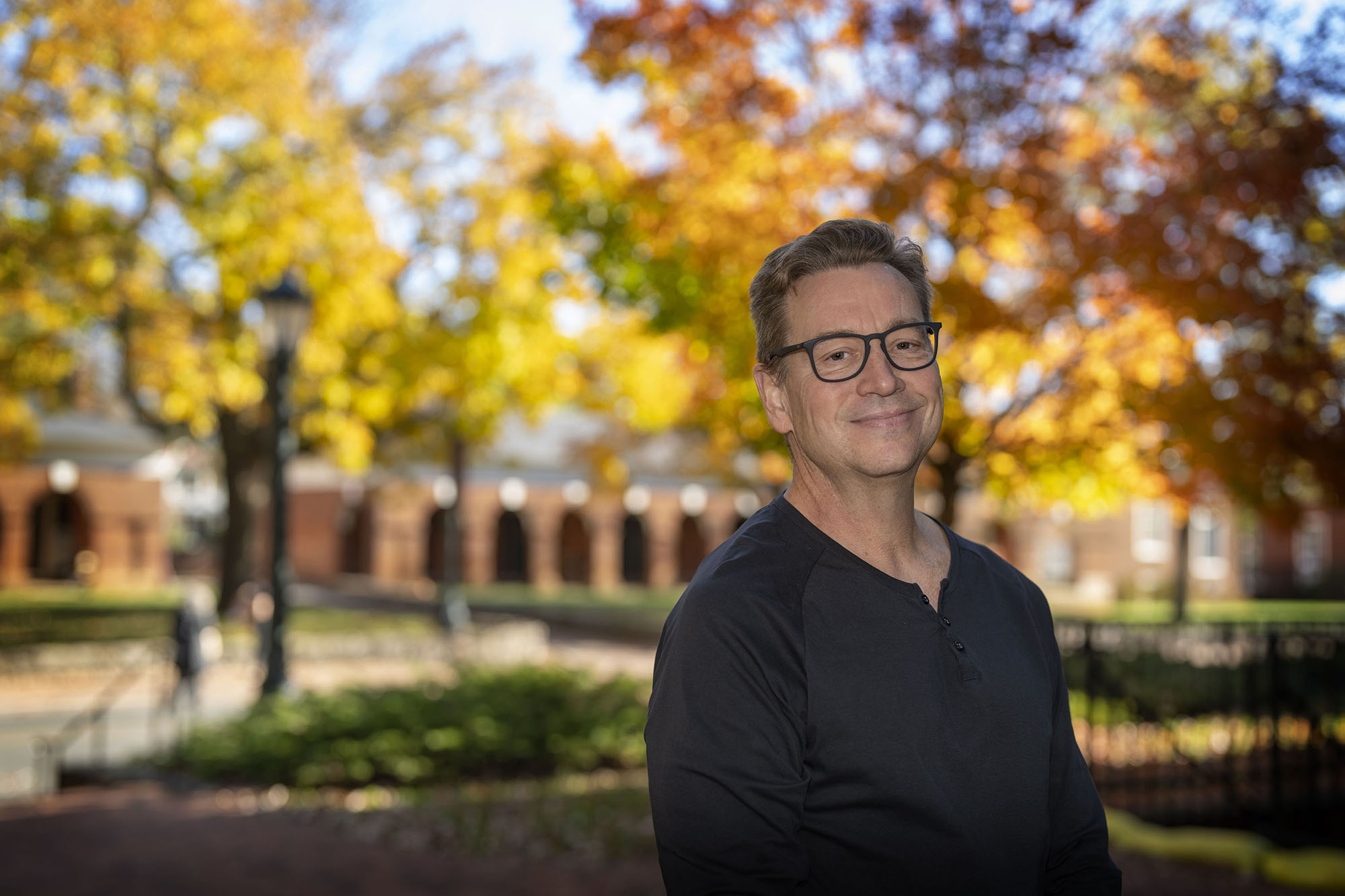
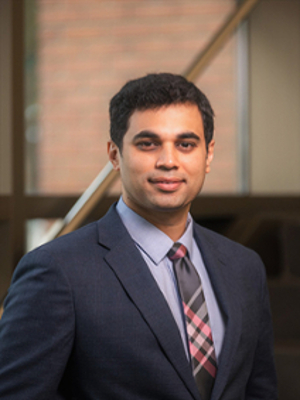
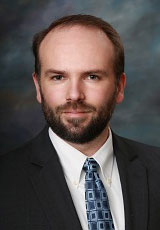
Eric Leeper is the Paul Goodloe McIntire Professor in Economics at the University of Virginia (since 2018) and Director of the Virginia Center for Economic Policy. He is also a Research Associate at the National Bureau of Economic Research and serves on advisory councils for the Federal Reserve Bank of Atlanta and Bundesbank. Previously, he held the Rudy Professorship at Indiana University and worked in the Federal Reserve System. Ph.D. in Economics (University of Minnesota, 1989) B.S. in Economics (George Mason University, 1980) His research focuses on macroeconomic policy modeling, emphasizing monetary-fiscal interactions, the fiscal theory of the price level, sovereign risk, and fiscal limit analysis. Recent work examines government spending impacts, fiscal imbalances resolution, and heterogeneous-consumer environments in fiscal inertia. Key publication themes include fiscal theory of the price level, inflation dynamics, sovereign debt risk, policy regime shifts, and monetary-fiscal coordination challenges. Articles frequently address historical policy frameworks (e.g., Great Depression) and modern crises like the post-COVID inflationary period. Appointments required for office hours. Contact: Monroe Hall, Room 252, University of Virginia; 434-924-3933.
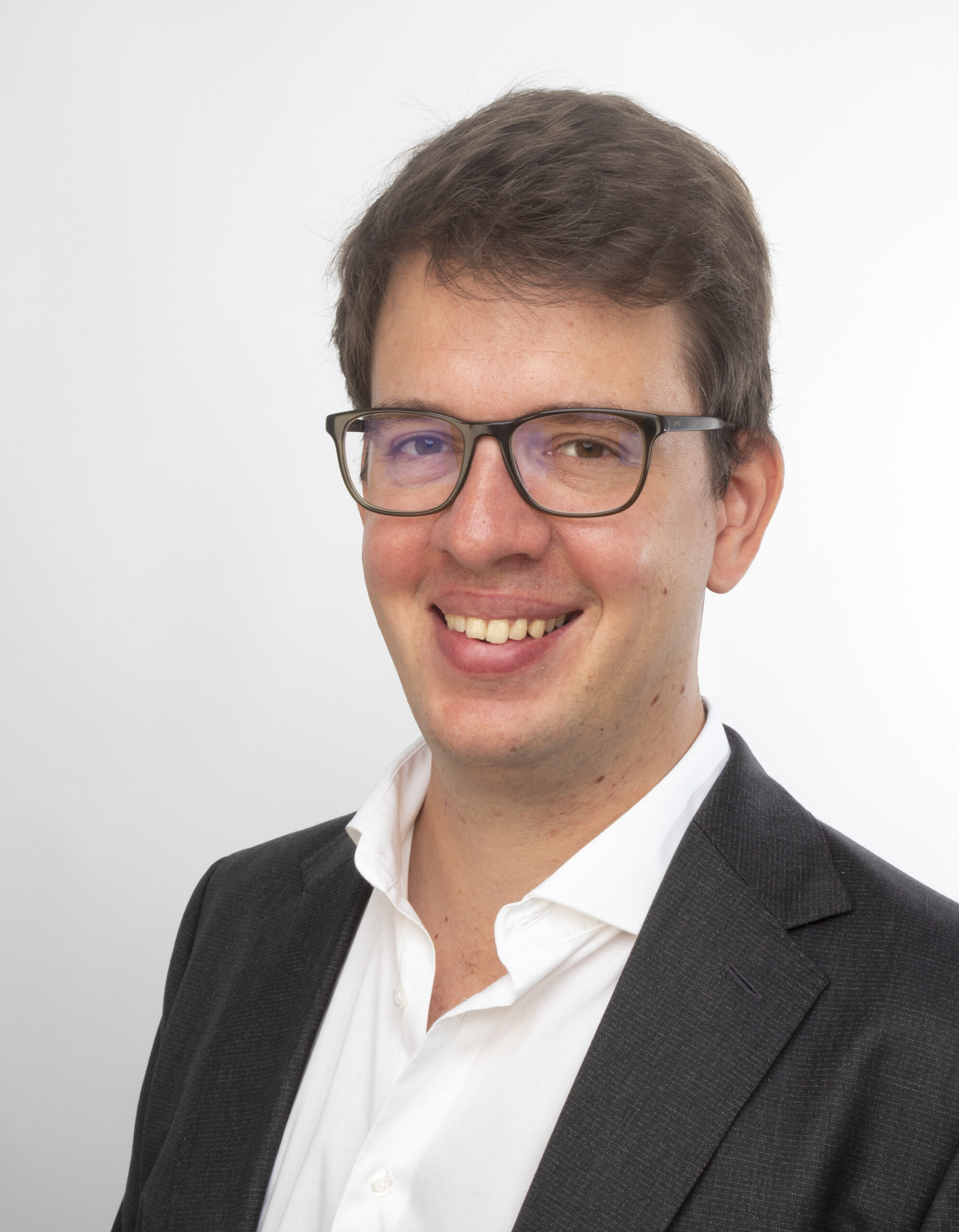
Xiaobo Li is a Professor in the Department of Bio-Medical Engineering at New Jersey Institute of Technology. Holding a Ph.D. in Computer Aided Geometric Design from the University of Birmingham and a B.S. in Automation from Nanjing University of Aeronautics, their research bridges computational methods with neuroimaging and psychiatric disorder analysis. Ph.D., University of Birmingham (Computer Aided Geometric Design, 2004) B.S., Nanjing University of Aeronautics (Automation, 1999) Dr. Li’s work focuses on applying machine learning and graph theory to understand brain network abnormalities in conditions like ADHD , schizophrenia , and traumatic brain injury . Their studies analyze structural-functional connectivity , reward processing , and gut-brain axis interactions using fMRI , fNIRS , and diffusion tensor imaging . Recent publications highlight their development of tools like the GAT-FD MATLAB toolbox for brain network analysis and their exploration of multimodal MRI in schizophrenia diagnosis. They also investigate the neurobiological effects of photobiomodulation and vision therapy interventions.
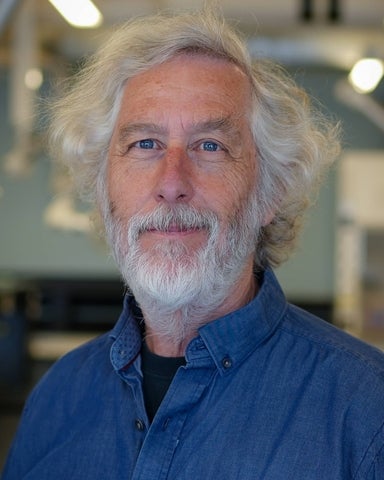
Lauri Rautkari is an Associate Professor in the Department of Bioproducts and Biosystems at Aalto University, Finland. His research focuses on water interactions in biomaterials, particularly wood, with an emphasis on developing advanced analytical methods for water vapor sorption, creating novel low-sorption materials, and investigating hygroscopicity and fungal decay resistance in modified wood systems. Research Highlights: Gas-phase ozone treatment for improved wettability, thermal and chemical wood modification, hyperspectral imaging for moisture prediction, bioinspired coatings for fungal protection, and interlaboratory studies on sorption data quality. Recent Publications: Key contributions to understanding lignin's role in moisture interactions, acetylation reversibility, and the impact of fungal degradation on heat-treated wood. The trend in his publications reflects a strong focus on hygroscopicity, chemical modification techniques (acetylation, melamine-formaldehyde impregnation), advanced imaging methods (hyperspectral, neutron scattering), and the development of sustainable wood-based materials for construction and acoustic applications. Collaborative interlaboratory efforts dominate his work, ensuring standardized methodologies for moisture analysis.
Felix Gille is a researcher at the University of Zurich , affiliated with the Institute for Implementation Science in Health Care under the Faculty of Medicine. He leads the DSI-funded project "Data handling, security and protection: reaching conceptual equivalence for the concept of public trust in national electronic health records in Switzerland and neighboring countries," collaborating with Prof. von Wyl (IfIS/DSI, UZH) and Prof. Thouvenin (Faculty of Law, UZH). His work bridges health system and policy research, digital health, data law, and data security. Education: BSc in European Public Health, Maastricht University MMedSc in Health Economics, Policy and Management, Karolinska Institute PhD in Public Trust in Healthcare Systems, London School of Hygiene and Tropical Medicine Research Focus: Gille specializes in public trust dynamics within healthcare systems, particularly examining data governance, health policy, and ethical dimensions of digital health innovations. His projects analyze cross-national trust frameworks, biobanking ethics, AI in healthcare, and pandemic data sharing mechanisms. Scientific Contributions: His publications address critical issues such as GDPR impacts on research, trustworthiness of mHealth apps, and interdisciplinary approaches to health data policy. Articles span 2015–2025, emphasizing conceptual trust models, policy harmonization, and stakeholder engagement in health data systems. Awards & Roles: Fellow of the Swiss School of Public Health Associate Editor for Public Health Reviews
Dr. Bei Bei is an Associate Professor at the School of Psychological Sciences, Monash University, and an NHMRC Emerging Leadership (EL2) Fellow. She leads the Behavioural Sleep Medicine service, research, and training at Monash University Healthy Sleep Clinic, focusing on individual differences in sleep-wake behaviors, sleep-mental health relationships, and community dissemination of evidence-based sleep interventions. Doctor of Psychology (Clinical), University of Melbourne PhD, University of Melbourne Her research spans six major areas: Sleep-wake circadian rhythm disorders Cognitive Behavioral Therapy for Insomnia (CBT-I) Psychological/behavioral aspects of sleep Sleep-mental health interactions (mood, anxiety) Adolescent sleep patterns and wellbeing Perinatal/postpartum sleep interventions for women Recent publications (2024-2025) address: Insomnia treatment mechanisms in depression comorbidity Neurodevelopmental impacts of circadian factors Pregnancy-related insomnia risk identification Adolescent sleep facilitators/barriers Integrated models for youth depression and sleep across continents She also contributes to: Antifungal drug tolerance mechanisms RNA polyadenylation dynamics Mitochondrial RNA stability in cancer 3' UTR splice variants in rare diseases Awarded the NHMRC Emerging Leadership (EL2) Fellowship and Early Career Research Grant , Dr. Bei serves on editorial boards for Sleep Medicine Reviews, Sleep, and Behavioral Sleep Medicine journals.
Surjo R. Soekadar is the Einstein Professor of Clinical Neurotechnology at Charité – University Medicine Berlin. He leads the Clinical Neurotechnology Laboratory , which focuses on developing noninvasive neurotechnologies for treating neurological and psychiatric disorders through closed-loop brain stimulation and advanced brain-machine interfaces (BCI/BMI). His work integrates real-time EEG/MEG monitoring with electromagnetic stimulation to modulate pathological brain oscillations and enhance neuroplasticity in conditions like stroke, spinal cord injury, and psychiatric disorders. Education : Studied medicine in Mainz, Heidelberg, and Baltimore Clinical Training : Residency in Psychiatry and Psychotherapy at University of Tübingen Academic Journey : 2008-2011 Research Fellow at NINDS (USA); 2017 Venia Legendi at University of Tübingen; 2018 First Professor of Clinical Neurotechnology in Germany His research interests span: • Closed-loop neurostimulation combining real-time brain state monitoring with targeted intervention • Next-generation BCI using optically pumped magnetometers (OPM) for mobile MEG recordings • Neurorehabilitation through exoskeleton control and sensory feedback • Neurophysiological modeling of entropy measures and phase flows Recent publications highlight: • Adaptive deep brain stimulation protocols • Real-time phase-sensitive tACS applications • OPM-based BCI innovations • Stroke recovery mechanisms through corticospinal tract analysis Scientific recognition includes: International BCI Research Award BIOMAG Award NARSAD Young Investigator Award Funded by the European Research Council (ERC) , his lab trains doctoral students like David Haslacher (EEG/MEG integration), Khaled Nasr (multicoil TMS optimization), and Annalisa Colucci (entropy-driven BCI development). The team also explores quantum AI applications in clinical decision-making and bidirectional BCI systems using OPM and tES.
Isabelle Augenstein is a Professor at the University of Copenhagen, Department of Computer Science (DIKU), where she heads the Copenhagen Natural Language Understanding (CopeNLU) research group and the Natural Language Processing section. She is also a co-lead of the Danish Pioneer Centre for Artificial Intelligence, Denmark's largest research center initiated by the Danish Ministry of Higher Education and Science. In October 2022, she became Denmark's youngest ever female full professor. Dr. Augenstein earned her undergraduate degree in Computational Linguistics and Psychology from Heidelberg University, followed by a Master's in Computational Linguistics. She completed her PhD in Computer Science at the University of Sheffield under the supervision of Dr. Diana Maynard and Prof. Fabio Ciravegna. In 2021, she earned a Habilitation at the University of Copenhagen in Explainable Fact-checking. Professor Augenstein's primary research focuses on fair and accountable Natural Language Processing, with particular emphasis on explainability, factuality, and bias detection. Her work spans multiple subfields including automated fact-checking, stance detection, gender bias analysis, and cultural bias in language models. She has pioneered research in explainable fact-checking, developing methods that not only predict claim veracity but also provide meaningful explanations of the decision-making process. Her research group has produced numerous influential papers on measuring model fragility, quantifying gender biases, and developing robust fact-checking systems that account for distribution shifts. Her significant contributions have been recognized with several prestigious awards: ERC Starting Grant on 'Explainable and Robust Automatic Fact Checking' DFF Sapere Aude Research Leader fellowship on 'Learning to Explain Attitudes on Social Media' Karen Spärck Jones Award from the British Computing Society and Bloomberg Hartmann Diploma Prize from the Hartmann Foundation Member of the Royal Danish Academy of Sciences and Letters since 2024 Professor Augenstein has secured significant research funding including her ERC Starting Grant supporting five years of blue-sky research. She actively mentors PhD students and postdoctoral researchers through her 'ExplainYourself' project. She served as President of SIGDAT (which organizes the EMNLP conference series), having previously held leadership roles as Vice President and Vice President-Elect. She is a co-founder of Widening NLP (WiNLP), an initiative to increase diversity in the NLP community, and maintains the BIG Directory of underrepresented groups in NLP. She leads the Copenhagen Natural Language Understanding (CopeNLU) research group, which relocated to the historic Østervold Observatory in Copenhagen's Botanical Gardens in 2023. The group focuses on developing methods for explainable and robust natural language understanding, with applications in fact-checking, bias detection, and social media analysis. Professor Augenstein also co-leads the Speech and Language collaboratory at the Pioneer Centre for Artificial Intelligence, where her team investigates how language models can better serve diverse populations while maintaining accountability and transparency.
E. Geoffrey Love is an Associate Professor of Business Administration at the University of Illinois at Urbana-Champaign, part of the Gies College of Business. He serves as Academic Co-Director of the Hoeft Technology and Management Program and Academic Director of the Carle Executive Education Program. With a PhD in Organizational Behavior from Harvard University (1997) and an AB in Applied Mathematics (1982), Love specializes in organizational innovation, corporate reputation, and institutional change. His research explores how firms navigate social evaluations, strategic innovation, and leadership dynamics. Education: PhD in Organizational Behavior (Harvard, 1997); AB in Applied Mathematics (Harvard, 1982) Positions: Academic Co-Director, Hoeft T&M Program (2024–present); Associate Professor (2016–present); Assistant Professor (2009–2016) Love's research interests span organizational design, leadership, and the impact of CEOs on corporate reputation. His work integrates institutional theory, strategic management, and behavioral insights. Notable studies include the dynamics of corporate reputation following downsizing, CEO succession, and the role of chief innovation officers. His recent articles highlight attention-based strategic leadership and innovation ecosystems across G-20 nations. Awards: Dean’s Impact Award (2022), Excellence in Graduate Teaching Award (2022) Love advises on multi-functional leadership and innovation strategy, emphasizing interdisciplinary education through programs like Hoeft T&M. His grants include funding for 'Attentional Control and Organizational Intelligence' (2024–2026). He teaches courses on strategic innovation, organizational behavior, and entrepreneurial management, leveraging over two decades of academic and industry insights.
David S. Corti is the Interim Jay and Cynthia Ihlenfeld Head of the Davidson School of Chemical Engineering at Purdue University, where he also serves as a Professor of Chemical Engineering and Director of Undergraduate Studies. His research focuses on thermophysical and kinetic properties of soft condensed-phase systems, including metastable liquids and colloidal dispersions. He employs theoretical and simulation techniques to study phenomena such as bubble nucleation and entropic force fields in colloidal systems. Corti holds a B.S. from the University of Pennsylvania (1991), an M.A. from Princeton University (1993), and a Ph.D. from Princeton (1997). His scientific contributions include advancements in understanding metastable liquid behavior, colloidal stability, and Hamaker constant estimation via atomic force microscopy. Notable honors include the NSF CAREER Award (2002), the 'Teaching for Tomorrow' Award (2002-2003), and University Faculty Scholar designation (2011-2016). Corti collaborates extensively, notably with Prof. Elias I. Franses on dispersion stability projects. His advising includes graduate student Betty Yung-Jih Yang. Research themes span bubble nucleation mechanisms, entropic control of colloids, and surfactant effects on nanoparticle stability. Corti's work bridges fundamental theory with industrial applications, addressing challenges in materials science and chemical engineering.
Ankita Raturi is an Assistant Professor in the Department of Agricultural & Biological Engineering at Purdue University, leading the Agricultural Informatics Lab. Her work focuses on human-centered design, information modeling, and software engineering to enhance resilience in food systems. She develops decision support tools for cover cropping, agronomic data services, and soil health technologies. Her research integrates digital agriculture applications across field crops, livestock, and food systems, emphasizing open-source solutions. Key projects include modular decision tools for diversified farming systems and information management frameworks for community food resilience. Publications highlight her expertise in sustainable tech adoption, precision agriculture, and ecosystem impact design. She actively bridges engineering and agriculture through interdisciplinary collaborations. Dr. Raturi's lab explores digital tools for smallholder farmers, pandemic response systems, and ecological wealth restoration through technology. She emphasizes trust-building in tech-mediated research and advocates for nonhuman-centric design in agroecosystems.
David Cory is a Professor and Canada Excellence Research Chair Laureate in Quantum Information Processing at the University of Waterloo's Department of Chemistry. He is affiliated with the Institute for Quantum Computing and the Waterloo Institute for Nanotechnology. His research focuses on quantum information science, neutron interferometry, structured light applications, and spin systems. Cory's work bridges quantum physics, materials science, and biomedical imaging, with contributions to quantum control, entanglement, and advanced neutron beam technologies. He has pioneered methods for generating structured neutrons and developing quantum measurement devices, including phase grating neutron interferometers. Scientifically, Cory has advanced quantum simulations of mesoscopic systems, explored thermal state structures in quantum models, and applied structured light for biomedical diagnostics. His recent articles highlight innovations in neutron Airy beam generation, robust micro-macro entanglement, and psychophysical studies of light perception. Awards include the Canada Excellence Research Chair, recognizing his leadership in quantum technologies. Awards: Canada Excellence Research Chair Laureate in Quantum Information Processing Labs/Teams: Institute for Quantum Computing, Waterloo Institute for Nanotechnology
Dr. Jackie Cha serves as an Assistant Professor in the Department of Industrial Engineering within Clemson University's College of Engineering, Computing and Applied Sciences. Her research bridges human factors engineering with healthcare innovation, focusing on surgical robotics, physiological signal analysis, and wearable medical technologies to enhance clinical performance and safety. Her academic foundation includes advanced degrees from leading institutions: Ph.D. in Industrial Engineering from Purdue University M.S.E. in Biomedical Engineering from the University of Michigan B.S.E. in Biomedical Engineering from the University of Michigan Cha's research program centers on quantifying human performance in high-stakes medical environments through sensor-based metrics. She investigates nontechnical skills in surgical teams, mental workload during robotic procedures, and ergonomics of exoskeleton implementation in operating rooms. Her work integrates physiological signals, eye-tracking, and proximity sensors to develop objective assessment tools for surgical proficiency and team dynamics. Analysis of her 2023-2025 publications reveals consistent thematic focus on human-robot collaboration in surgery, with emerging trends in AI-driven workload detection (s-DResNet), neural correlates of surgical expertise, and environmental factors affecting robotic surgery outcomes. Key methodological approaches include scoping reviews of human-robot interaction metrics, mixed-methods evaluations of exoskeleton efficacy, and extended reality applications for nontechnical skills training. She leads the ECHO Lab (Engineering for Clinical and Human Outcomes) at Clemson, which develops translational solutions for healthcare human factors challenges. Her lab's work spans from fundamental physiological signal analysis to applied interventions in operating rooms and emergency medical settings.
Dr. Sudeep Hegde is an Assistant Professor in the Department of Industrial Engineering at Clemson University, where he also serves as a Faculty Scholar in the Clemson University School of Health Sciences Research (CUSHR). His research focuses on proactive organizational learning, human-AI collaboration, and remote physiological monitoring, with applications in healthcare, education, and transportation. He holds a Ph.D. in Industrial and Systems Engineering from the University of Buffalo (2015), an M.S. from the University at Buffalo (2010), and a B.S./M.S. from Ramaiah Institute of Technology in India (2007). His professional experience includes roles at Texas A&M University, the State University of New York at Buffalo, and Harvard Medical School. Hegde’s work emphasizes resilience engineering, cognitive systems, and applied ergonomics. Notable research contributions include studies on organizational adaptive capacity during crises, healthcare workflow optimization, and leveraging AI for healthcare decision-making. He teaches courses such as Human Factors Engineering and Cognitive Systems and Resilience Engineering. Key research thrusts include: Proactive organizational learning frameworks Human-AI teaming for large-scale learning Remote physiological monitoring in high-stress environments Resilience in healthcare systems and emergency response Past grants and collaborations include studies on pandemic response strategies, ED physician workloads, and biofeedback applications for mental health. His interdisciplinary approach bridges systems engineering, human factors, and healthcare innovation.
Dr. Alan Lloyd is an Assistant Professor in Civil Engineering at the University of New Brunswick, specializing in structural response to extreme loads. He directs experimental research at the Drop Mass Impact Test Facility, focusing on blast-resistant design and retrofit techniques. Education: PhD Civil Engineering, University of Ottawa MASc Civil Engineering, University of Ottawa BEng Civil Engineering, Lakehead University Diploma Civil Engineering Technology, Camosun College Research: Investigates blast/impact effects on structures, structural retrofitting, material behavior under high strain rates, and experimental validation using shock tubes and impact testing. Current projects include developing blast-resistant building components and retrofit solutions for existing infrastructure. Publications: Focus on blast dynamics, FRP composites for structural strengthening, and experimental mechanics. Recurring themes include concrete/wood material performance under explosive loads and design methodologies for blast mitigation. Awards: NSERC Graduate Scholarships National Security Innovation Competition prizes (2010, 2011) ACI Blast Prediction Contest winner Advising: Supervises graduate students researching FRP materials, concrete properties, and structural modeling. Manages industry collaborations on blast-resistant technologies. Facilities: Leads development of the Drop Mass Impact Test Facility for structural component testing under controlled impact conditions.
Kimberly Becker is Professor in the Department of Psychology at the McCausland College of Arts and Sciences, University of South Carolina. She holds a BA from College of William & Mary, PhD from University of Arizona, Clinical Respecialization Certificate from University of Hawaii, completed clinical internship at Kennedy Krieger Institute, and postdoctoral fellowship at Johns Hopkins University. Dr. Becker directs the Becker Lab focused on extending mental health service reach and effectiveness. Her research encompasses: Treatment engagement strategies for youth/families Clinical decision support tools development Workforce training through supervision/coaching Expanding mental health workforce capacity School-based intervention implementation Dr. Becker's publications demonstrate consistent focus on mental health services research. Recent work (2023-2025) examines clinical decision-making, implementation science, school-based services during COVID-19, and cross-cultural interventions. Her articles frequently address treatment engagement barriers, workforce development, and scalable service models in diverse settings. Her research has been supported by: William T. Grant Foundation Klingenstein Foundation National Institute on Drug Abuse She trains doctoral students in evidence-based psychosocial treatments and clinical decision-making. Dr. Becker mentors students in developing research programs to improve mental health services for underserved populations. She leads the Becker Lab whose mission emphasizes equity, authentic partnerships, applied science, and paradigm-shifting approaches to children's mental health services.