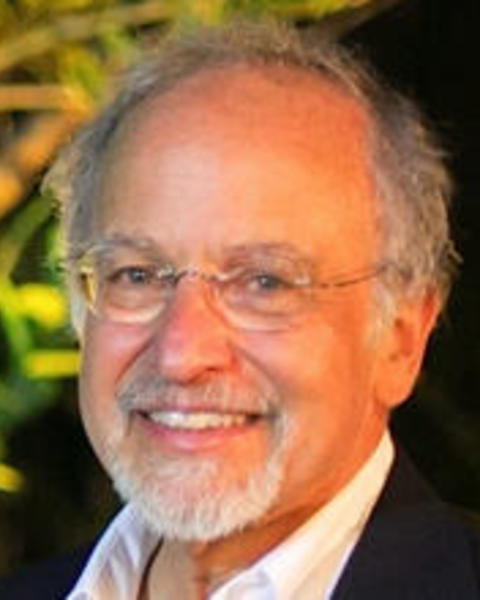
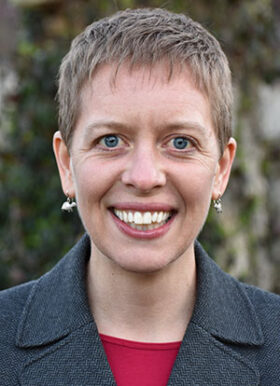
Dr. Larry I. Benowitz is a Professor of Neurosurgery and Ophthalmology at Harvard Medical School, based at Boston Children's Hospital. His research focuses on neural regeneration following CNS injuries, including spinal cord trauma, stroke, and glaucoma. He pioneered discoveries around oncomodulin and zinc chelation in optic nerve repair, with ongoing work in gene therapy and synapse restoration. Harvard Medical School affiliation Boston Children's Hospital principal investigator Neurosurgery/Ophthalmology departmental roles Research interests span: CNS injury mechanisms : Cell death pathways, regenerative failure Optic nerve repair : Axon regrowth, synaptic integration Biomolecular interventions : Inflammatory growth factors, gene editing Neurodegenerative diseases : Glaucoma models, stroke recovery Recent publications highlight: Zinc dynamics in retinal degeneration Transcriptional networks in regeneration Microglial engulfment mechanisms Evolution of axon regeneration strategies His lab employs: Molecular & behavioral neuroscience techniques Genetic models and iPSC systems Neuronal culture platforms Translational clinical approaches
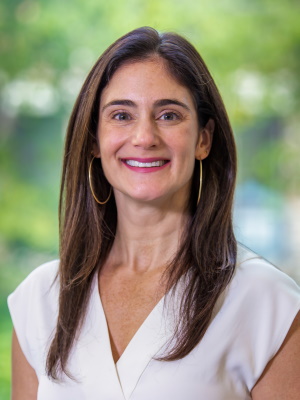
Lisa O'Donnell is an Associate Professor and MSW Director at Wayne State University's School of Social Work, joining in 2017. Her work focuses on mental health employment outcomes, workplace stigma, and interventions for underserved populations. PhD in Social Work and Clinical Psychology (University of Michigan, 2016) MSW in Interpersonal Practice and Mental Health (University of Michigan, 2005) BA in Communications and Psychology (University of Michigan) Her research examines biopsychosocial factors affecting occupational functioning in bipolar disorder, workplace stigma, and technology-driven interventions. She leads studies on simulation-based therapies for mood disorders and collaborates on cross-institutional projects. Recent publications highlight workplace mental health stigma, neurophysiological markers in bipolar disorder, and technology-assisted CBT. She is a member of CREST.BD, a multidisciplinary network addressing bipolar disorder psychosocial issues. Max Gray Fellowship (postdoctoral, UCLA) O'Donnell's teaching includes cognitive behavioral theory, integrative practice, and DSM-5 applications. She collaborates with Henry Ford Health System on feasibility studies and works on Grand Challenges for Social Work initiatives to reduce economic inequality and promote social justice.
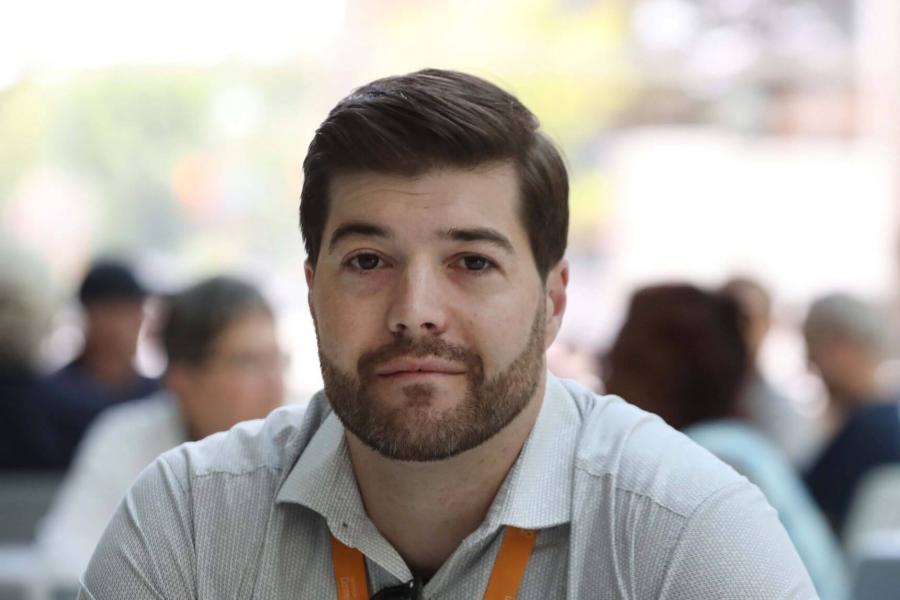
Dr. Dylan MacKay is an Assistant Professor in the Department of Food and Human Nutritional Sciences at the University of Manitoba , Faculty of Agricultural and Food Sciences, and holds a 50 % cross-appointment in the Section of Endocrinology, Rady Faculty of Health Sciences. Based at the 110 Richardson Centre for Food Technology and Research (Fort Garry Campus, Winnipeg), his work focuses on clinical nutrition trials in obesity, diabetes, and chronic kidney disease. Dr. MacKay earned his BSc (Biochemistry, Nutrition) and MSc (Biochemistry) from Memorial University of Newfoundland, followed by a PhD in Human Nutritional Sciences from the University of Manitoba. Research interests include: Post-prandial glucose metabolism and glycemic control Obesity and type 1 / type 2 diabetes management Chronic kidney disease nutrition and metabolic acidosis Rheumatoid arthritis prevention via nutritional supplements Functional foods, resistant starch, oat polyphenols, and hemp seed protein His recent publication portfolio (2020–2025) is dominated by systematic reviews, meta-analyses, and randomized controlled trials investigating dietary interventions, continuous glucose monitoring, diabetes remission strategies, and renal nutrition. Studies explore innovative delivery systems (e.g., DIY automated insulin delivery) and patient-centred outcomes, reflecting a translational approach that bridges bench to bedside and community. Scientific awards : none disclosed in the provided text. Student supervision : Dr. MacKay invites prospective MSc, PhD, and post-doctoral researchers to apply via the formal supervision inquiry form; direct emails are not accepted. No specific advisee names are provided. Laboratory & affiliations : He conducts trials through the Richardson Centre for Food Technology and Research and collaborates closely with the Section of Endocrinology, Rady Faculty of Health Sciences, enabling integrated clinical and nutritional research environments.
Dr. Vibhor Krishna is an Associate Professor in the Department of Neurosurgery at the University of North Carolina at Chapel Hill School of Medicine. A board-certified neurosurgeon with expertise in functional neurosurgery and neuromodulation, he serves as a surgeon-scientist whose work bridges clinical practice and translational research. Dr. Krishna's research focuses on translational neuroimaging with the goal of improving patient outcomes through personalized medicine approaches. His work aims to enhance neuromodulation's effectiveness, develop and optimize less-invasive neurosurgical techniques, and test emerging surgical treatments through clinical trials. His primary research areas include focused ultrasound ablation, deep brain stimulation, movement disorders, and neuromodulation technologies. His extensive publication record shows a clear trend toward advancing neuromodulation technologies, particularly focused ultrasound applications for movement disorders and deep brain stimulation systems with directional leads. Recent work emphasizes real-world clinical outcomes, safety profiles of bilateral procedures, and technical refinements in targeting precision. The majority of his publications appear in high-impact journals including Neurosurgery, Journal of Neurosurgery, Movement Disorders, Pain, and JAMA Neurology. Dr. Krishna has published over 60 research papers and continues to be actively involved in clinical trials and innovative neurosurgical techniques. His work represents the cutting edge of minimally invasive neurosurgery for movement disorders, with particular emphasis on improving precision, safety, and efficacy of neuromodulation therapies.
Gammon M. Earhart, PT, PhD, FAPTA is a Professor of Physical Therapy, Neurology, and Neuroscience at Washington University School of Medicine. She serves as Associate Dean for Physical Therapy and Director of the Program in Physical Therapy. Dr. Earhart leads the Movement and Neurodegenerative Disease research area within the Program in Physical Therapy and is affiliated with the Roy and Diana Vagelos Division of Biology & Biomedical Sciences and the Institute of Clinical and Translational Sciences. Dr. Earhart's research focuses on the neural control of walking and balance, with particular interest in adaptive control of mobility and developing intervention strategies for balance and gait deficits in Parkinson disease and other movement disorders. Her work employs kinematic, kinetic, electromyographic, and neuroimaging techniques to study locomotor and postural control. She has secured substantial NIH funding for studies examining walking interventions, freezing of gait, novel cueing strategies, and disease progression in Parkinson's. Analysis of her recent publications reveals a strong focus on Parkinson disease research, with particular emphasis on gait analysis (24%), freezing of gait (13%), and quality of life outcomes. Her work increasingly incorporates digital health approaches, wearable sensors, and personalized intervention strategies. The research shows consistent productivity with numerous publications in high-impact journals related to neurology, rehabilitation science, and movement disorders. Dr. Earhart has received significant recognition including the Catherine Worthingham Fellowship from the American Physical Therapy Association. She serves on editorial boards for Neurorehabilitation & Neural Repair and Gait & Posture, and is an active member of several professional societies including the International Parkinson and Movement Disorder Society. As a dedicated mentor, Dr. Earhart follows the MENTORING philosophy emphasizing mutual benefit, clear expectations, non-judgmental support, trust, originality, respect, individualized approaches, networking, and generosity. She actively mentors undergraduate students, PhD/MSTP students, health professions students, postdocs, and residents/fellows. Her lab includes postdoctoral fellows, PhD students, DPT students, and undergraduate researchers working on various aspects of movement disorders research. Dr. Earhart is deeply committed to diversity, equity, and inclusion. She co-founded Physical Therapy Inclusion and Diversity (PT ID) and serves as the Program in Physical Therapy liaison to the Office of Diversity, Equity and Inclusion at Washington University School of Medicine. Her personal background as the first in her working-class family to attend college informs her commitment to fostering an inclusive environment for all students and colleagues.
Linda J. Richards is the Chair of the Department of Neuroscience and Edison Professor of Neuroscience at Washington University School of Medicine in St. Louis. She leads the Brain Development and Disorders Laboratory, focusing on understanding how brain circuits are formed during development and how these circuits mediate behavior, particularly studying interhemispheric connections of the mammalian brain. Dr. Richards earned her Bachelor of Science Degree (Honours) from The University of Melbourne in 1990, followed by a Doctorate of Philosophy from the same institution between 1991-1994. Her educational background provided the foundation for her distinguished career in neuroscience research. Dr. Richards' research primarily focuses on the development, plasticity, and function of long-range connections of the cerebral cortex, with particular emphasis on the corpus callosum - the largest fiber tract in the brain of placental mammals that connects neurons in each cortical hemisphere. Her laboratory investigates how cellular and molecular/genetic mechanisms regulate brain wiring during development and how brain wiring is altered in congenital corpus callosum dysgenesis (CCD), which occurs in approximately 1 in 4,000 people. The lab examines the underlying causes of CCD, how long-range axonal plasticity occurs, and how these structural changes in brain wiring impact cognition and behavior. Analysis of Dr. Richards' recent publications reveals a strong focus on corpus callosum development and disorders, neural connectivity, and the genetic underpinnings of brain wiring abnormalities. Her work spans multiple disciplines including developmental neuroscience, neurogenetics, cognitive neuroscience, and neuroimaging, with particular attention to how structural brain abnormalities affect cognitive and behavioral outcomes. She frequently collaborates with international researchers through the International Research Consortium for the Corpus Callosum and Cerebral Connectivity (IRC5). Dr. Richards has received numerous prestigious awards and honors throughout her career, including: Officer (AO) of the Order of Australia (2019) for "distinguished service to medical research and education in the field of developmental neurobiology, and to science and community engagement in science" Fellow of the Australian Academy of Health and Medical Sciences (2016) Fellow of the Australian Academy of Science (2015) President of the Australasian Neuroscience Society (2017-2018) Nina Kondelos Prize from the Australasian Neuroscience Society (2010) Charles Judson Herrick Award from the American Association of Anatomists (2004) Krieg Cortical Kudos Discoverer Award (2020) As an academic leader and mentor, Dr. Richards has supervised numerous graduate students and postdoctoral researchers through her laboratory at Washington University. She has secured substantial grant funding to support her research on brain development and disorders. Beyond her laboratory research, Dr. Richards is a passionate advocate for neuroscience, having contributed to establishing the International Brain Initiative, the Australian Brain Alliance, and the Australian Brain Bee Challenge. She serves as a board member of the International Brain Bee and is a member of the Dana Alliance for Brain Initiatives. Dr. Richards leads the Brain Development and Disorders Laboratory, which conducts research on three main projects: activity-dependent mechanisms of early brain wiring, cellular and molecular mechanisms of early brain wiring (particularly studying nuclear factor one (Nfi) transcription factors), and human corpus callosum disorders. Her lab works in partnership with people who have corpus callosum disorders to understand how these conditions impact cognitive, social, and emotional function.
Charlotte Häger is a Professor of Physiotherapy at Umeå University's Faculty of Medicine, holding a joint clinical appointment in the Department of Community Medicine and Rehabilitation's Physiotherapy Unit. She leads the interdisciplinary U-Motion Laboratory, focusing on human sensorimotor control and rehabilitation. Her research examines movement mechanics in conditions like ACL injuries, stroke, and spinal cord damage using advanced methodologies including motion capture, fMRI brain imaging, and robotic exoskeletons. Her research interests span sensorimotor control , rehabilitation biomechanics , and neurological recovery , with particular emphasis on developing precision medicine approaches for knee injuries and neurorehabilitation. Current projects include ACL injury mechanisms, sensorimotor control post-stroke, and movement assessment innovations. She received the IKSU Sports Science Prize 2021 for research excellence. Her work is funded by major organizations including the Swedish Research Council, Swedish Brain Foundation, and Promobilia. Häger maintains extensive international collaborations across 8+ countries and leads a multidisciplinary team of engineers, statisticians, and clinicians. She teaches in physiotherapy programs and holds key university leadership positions including Research Board membership.
Dr. Marcos De Noronha serves as a Senior Lecturer in Physiotherapy at La Trobe University's Bendigo Campus within the La Trobe Rural Health School, where he has been employed since July 2012. His academic appointments and research activities are centered in the Physiotherapy department, focusing on evidence-based clinical practice and research in musculoskeletal conditions. His educational background includes: Bachelor of Physiotherapy from Federal University of São Carlos, São Carlos, Brazil (1994-1997) Certificate of Hydrotherapy from Universidade Tuiuti do Paraná, Curitiba, Brazil (1998-1999) Master of Human Movement Science from UDESC, Florianopolis, Brazil (2000-2001) PhD from University of Sydney, Sydney, Australia (2003-2007) Dr. De Noronha's research program demonstrates significant expertise in musculoskeletal physiotherapy, with particular focus on ankle instability, lower limb injuries, and knee osteoarthritis. His work often employs systematic review methodology, reflecting his commitment to evidence-based practice. He is also the co-author of a Cochrane Systematic Review on the effects of stretching on muscle soreness, highlighting his contribution to high-impact evidence synthesis in the field. His research extends to biomechanics, rehabilitation protocols, and clinical effectiveness of various physiotherapy interventions. Analysis of his recent publication record (2023-2025) reveals a strong emphasis on systematic reviews and clinical trials across multiple musculoskeletal conditions, particularly focusing on neck pain, knee osteoarthritis, and injury prevention. His work increasingly incorporates innovative methodologies including video-based assessment, telerehabilitation approaches, and quantitative sensory testing. The research demonstrates a clear trajectory toward understanding barriers to rehabilitation adherence, developing novel assessment tools, and examining the biomechanical aspects of common musculoskeletal conditions. Dr. De Noronha has been actively involved in research supervision, serving as joint supervisor for at least one research degree project titled 'The effects of sports specific fatigue in ankle joint, after a single leg drop jump in healthy participants' (2016-2018). He has secured external research funding from the Sao Paulo Research Foundation for a project examining 'The effects of different exercise protocols and different delivery methods on the progression of knee osteoarthritis' (2017-2018). His collaborative network is evident through his numerous co-authored publications across various institutions and countries, reflecting an active research program with multiple ongoing projects.
Dr. Sara Namvar is an Associate Professor in Biomedical Science at the University of Salford, School of Science, Engineering & Environment. She joined the University in 2018 after seven years of postdoctoral research at the University of Manchester and currently serves as Directorate Head of Student Experience while leading the Biomedical Science programme. Her dual expertise spans respiratory biology and biomedical education, making significant contributions to both scientific research and pedagogical innovation. Education: Postgraduate Certificate in Academic Practice (PGCAP), University of Salford (2019-2020) PhD in Neuroscience, University of Manchester (2007-2011) Bachelor's Degree in Neuroscience (2003-2006) Dr. Namvar's research program bridges fundamental science and educational practice. In respiratory biology, she investigates asthma mechanisms, particularly focusing on Aspergillus fumigatus and its role in airway inflammation and remodeling in fungal-sensitized individuals. Her educational research centers on graduate capital development, student employability, and innovative teaching methods that enhance engagement. She has pioneered authentic learning experiences including pathology specimen reception simulations and TED-style talks that develop professional skills. Her work with diverse student populations, many from underprivileged backgrounds, informs her inclusive educational approaches. Analysis of her publication trends reveals increasing integration between her scientific and educational research domains. Recent publications demonstrate how understanding disease mechanisms directly informs better training for future healthcare professionals, with growing emphasis on employability and authentic learning experiences alongside continued contributions to respiratory biology. Scientific Awards and Recognitions: IBMS Educational Institute of the Year (2024) Times Higher Most Innovative Teacher of the Year (Shortlist) (2021) Times Higher Most Innovative Teacher of the Year (Nomination) (2022) Renal Tract conference, best oral presentation (2018) Trevor Cook Award for best oral presentation (2017) University of Salford Merit Award (2022) Dr. Namvar has secured multiple research grants including the KidsCan Student Placement Grant (£2,000, 2019), 'Investigating the role of Endothelin-1 in A. fumigatus driven airway remodelling' (2019-2020), and 'Inorganic chaperons fused fungal derived chemotherapies for neuroblastoma' (PhD studentship, 2019-2022). She has organized significant events including the Human and Natural Sciences Careers festival (2021-2024), Future Health Conference (2020), and 'Current Challenges, Innovative Practice and Student Experience in Physiology Education' (2024). As Academic Editor for the Bioscientist magazine, she has co-created an initiative resulting in over 100 peer-reviewed articles by Salford students. Dr. Namvar serves in multiple leadership roles including Elected Member of University Senate (2021-2024, 2024-2027), Deputy Chair of the academic bureaucracy review (2024-2025), and membership on the Equity in Learner Outcomes Task and Finish Group (2023-2024). Her work on the 'Current Challenges' physiology education event and special issue on 'A Global Perspective on Current Research in Physiology Education' demonstrates her commitment to advancing teaching practices across the sector.
Godefroid Charbon is an Associate Professor in the Department of Biology at the University of Copenhagen, specializing in Functional Genomics. His research primarily focuses on bacterial chromosome replication mechanisms, antimicrobial resistance, and developing novel peptide-based antimicrobial strategies that minimize resistance development. Based at Ole Maaløes Vej 5 in Copenhagen, he maintains an active research program with extensive collaboration networks. Dr. Charbon's research centers on the molecular mechanisms of bacterial chromosome replication, particularly in Escherichia coli and Staphylococcus aureus . His work investigates the DnaA protein's critical role in replication initiation, cell cycle control, and how bacteria regulate DNA synthesis. A significant portion of his research focuses on developing peptide-nucleic acid conjugates that target essential replication proteins, creating antimicrobial approaches with reduced resistance potential. His functional genomics work examines bacterial responses to replication stress and antimicrobial challenges, with implications for understanding fundamental bacterial physiology and developing next-generation therapeutics. Analysis of Dr. Charbon's publication record reveals a consistent focus on bacterial replication mechanisms and antimicrobial development over the past five years. His research demonstrates expertise in molecular genetics, bacterial physiology, and antimicrobial discovery, with particular emphasis on overcoming antibiotic resistance mechanisms. The work spans from fundamental studies of replication initiation to applied research on novel antimicrobial compounds, showing strong translational potential. His frequent collaborations with Løbner-Olesen and others highlight interdisciplinary approaches combining molecular biology, genetics, and pharmaceutical sciences to address complex challenges in bacterial pathogenesis. Dr. Charbon maintains active research collaborations across multiple institutions, as evidenced by his extensive publication record totaling 35 research outputs. His work has generated significant academic interest, with multiple publications appearing in high-impact journals and receiving attention across academic platforms including Mendeley, X (Twitter), and Bluesky. His research program demonstrates strong continuity with publications spanning from 2021 through 2025, indicating an active and productive academic career trajectory at the University of Copenhagen.
Mark Christian Leake is the Anniversary Chair of Biological Physics at the University of York, holding a joint appointment between the Physics and Biology Departments within the School of Physics, Engineering and Technology. He serves as Coordinator of the Physics of Life Group, which hosts approximately 50 cross-disciplinary researchers, and previously served as Director and Founder of the Biological Physical Sciences Institute from 2013-2019. Leake is also an active Visiting Professor at Oxford University's Department of Physics since 2013. Leake's research focuses on developing innovative biophysical instrumentation and applying these tools to address fundamental biological questions at the single-molecule level. His work spans several key areas: DNA gyrase mechanisms as an antibiotic target; DNA replication and repair processes; signal transduction and gene regulation in yeast; DNA topology and protein interactions; and liquid-liquid phase separation in cells. His laboratory has constructed a wide range of custom light microscopy instruments including TIRF microscopy, smFRET, optical and magnetic tweezers, and rapid millisecond single-molecule imaging systems. Analysis of his recent publications reveals a strong emphasis on liquid-liquid phase separation phenomena across biological systems, DNA mechanics and replication processes, and the development of novel biophysical techniques to study these phenomena in vivo. His work increasingly bridges physics, biology, and medicine, with applications in antibiotic development, cancer research, and photosynthesis optimization. Rosalind Franklin Medal, Institute of Physics (2020) Young Investigator Award, British Biophysical Society (2010) Royal Society University Research Fellowship (2007) Daiwa Adrian Anglo-Japanese Prize (2007) Elected Fellow of the Institute of Physics, Royal Microscopical Society, and Royal Society of Biology Leake has secured significant research funding including EPSRC and BBSRC grants for projects such as 'The Biophysics of Mesoscale, Reversible, Biomolecular Assemblies' and 'How bacteria replicate their DNA in spite of barriers, one molecule at a time.' He actively mentors students and early-career researchers, having published a guide titled 'Surviving Early Career Research and Beyond in Biophysics/Biological Physics.' Leake leads the Physics of Life Group, which functions as a Discovery Research Theme fostering interdisciplinary collaboration between physical and life scientists at York.
Aaron Ames is the Bren Professor of Mechanical and Civil Engineering and Control and Dynamical Systems at the California Institute of Technology (Caltech). He serves as the Undergraduate and Graduate Option Representative for Control and Dynamical Systems and the Undergraduate Option Representative for Mechanical Engineering. His research focuses on robotics, nonlinear control, hybrid systems, and cyber-physical systems, with emphasis on bipedal robotic walking and assistive devices. Education: B.S. in Mechanical Engineering and Mathematics, University of St. Thomas (2001) M.A. in Mathematics, University of California, Berkeley (2006) Ph.D. in Electrical Engineering and Computer Sciences, University of California, Berkeley (2006) Research Interests: Ames’ work bridges theoretical foundations and experimental validation in bipedal robotics, including hybrid systems stability, Zeno behavior, and prosthetic device design. His AMBER Lab develops humanoid robots and exoskeletons to mimic human locomotion. Key themes include safety-critical control, control barrier functions, and real-time optimization. Awards and Honors: NSF CAREER Award (2010) Donald P. Eckman Award (2015) IEEE Fellow (2021) Leon O. Chua Award (2005) Grants and Labs: Ames leads the AMBER Lab, funded by agencies such as the National Science Foundation, NASA, and industry partners like Disney Imagineering. His research addresses challenges in robotic locomotion, safety, and human-robot interaction. Current projects include humanoid push recovery, exoskeleton gait training, and autonomous inspection robots.
Prof. W.P.M.H. (Maurice) Heemels is a Full Professor at the Eindhoven University of Technology in the Mechanical Engineering department, leading the Control Systems Technology group. His work focuses on hybrid systems , networked control , and model predictive control (MPC) with applications in cyber-physical systems , precision agriculture , and cancer treatment optimization . PhD in Mathematics (1999) and MSc in Mathematics (1995) from TU/e Assistant Professor at TU/e Electrical Engineering (2000-2004) Research Fellow at Embedded Systems Institute (2004-2006) His research addresses resource-aware control strategies to replace traditional time-triggered systems with event-triggered schemes , enabling efficient use of computational and communication resources. Applications span automated driving , precision agriculture , thermal control in lithography , and nuclear fusion reactors . He has developed innovative hybrid integrator-gain systems (HIGS) and reset controllers to overcome limitations of linear time-invariant controllers. Model predictive control is a core methodology, applied to hyperthermia treatments, wafer scanner thermal control, and drone-based farming systems. His 2025 publications emphasize networked control for nuclear fusion, safety-critical MPC in autonomous vehicles, and data-driven control barrier functions for nonlinear systems. Key trends include hybrid systems theory , resource-aware control , and scalable optimization for large-scale applications. 2025: DISC PhD Award for Stefan Heijmans 2019: EECI European PhD Award for Victor Dolk 2017: Best Paper Award @ EBCCSP Conference 2014: Automatica Outstanding Service Award 2000: ASML-award for best fundamental PhD thesis He has supervised 88+ students and secured over 7 MEuro in research funding from NWO, EU, and industry. His Control Systems Technology group operates labs including the Automotive Engineering Science Laboratory and Robotics Laboratory , contributing to the UN Sustainable Development Goals for sustainable cities and climate action through cyber-physical systems.
Professor Judith Hahn is a faculty member at the University of California, San Francisco (UCSF), affiliated with the Department of Medicine. Her academic rank is Professor, focusing on epidemiology and global health, particularly at the intersection of substance use and infectious diseases like HIV/AIDS and tuberculosis (TB). Her NIH-funded research includes studies on alcohol consumption’s impact on HIV care outcomes, TB preventive therapy adherence, and intervention development for vulnerable populations in sub-Saharan Africa and the U.S. Her research team leads the Uganda Alcohol Research Collaboration on HIV (ARCH) cohort, examining biomarkers of alcohol use (e.g., phosphatidylethanol) and behavioral interventions. Key projects include the Masibambisane trial (couples-based alcohol reduction), the Mlambe economic intervention for Malawian couples, and studies on HIV/TB coinfection among heavy drinkers. She collaborates extensively with global institutions, addressing issues like stigma, intimate partner violence, and pandemic-related health disruptions. Professor Hahn’s work emphasizes innovative methods, such as telemedicine adaptations during the pandemic and mobile health (mHealth) tools. Her studies often integrate qualitative insights with quantitative data, prioritizing marginalized groups like youth, pregnant women, and unhoused populations. Despite no explicit mention of awards, her contributions have advanced HIV care strategies in resource-limited settings. Her grants include NIH R01 funding for Uganda-based studies and collaborations with organizations like JCI Insight and the Lancet. She leads teams in Uganda, Malawi, South Africa, and Russia, with a focus on translating research into scalable interventions. Future directions include expanding the ARCH cohort and exploring biomarkers for substance use in global health contexts.
Inger Holm is a Professor at the University of Oslo since 1999, affiliated with the Department of Public Health and Interdisciplinary Health Sciences. She specializes in musculoskeletal health, rehabilitation, and clinical outcomes of orthopaedic injuries. Her research focuses on evaluating physical function, muscle strength testing, and physiotherapy in primary care settings. Key research interests include the long-term outcomes of anterior cruciate ligament (ACL) injuries, osteoarthritis progression, and the efficacy of exercise and cognitive behavioral therapies in musculoskeletal conditions. She has contributed to studies on knee and hip osteoarthritis management, ACL reconstruction outcomes, and pediatric orthopedics, particularly in cerebral palsy and Duchenne muscular dystrophy. Her publications span over two decades, emphasizing evidence-based interventions and clinical trials. Notable work includes evaluating the effectiveness of the MultiKnee trial protocol for knee osteoarthritis and analyzing patient-reported outcomes in multiligament knee injuries. She also investigates the impact of rehabilitation programs on functional recovery and quality of life in patients undergoing surgical or non-surgical treatments. Teaching includes courses such as 'Funksjon og funksjonsvurdering (HELSEF 4402)', focusing on functional assessment in health sciences. No awards or grants are explicitly listed in the provided materials, though her extensive publication record highlights her contributions to musculoskeletal and rehabilitation research.