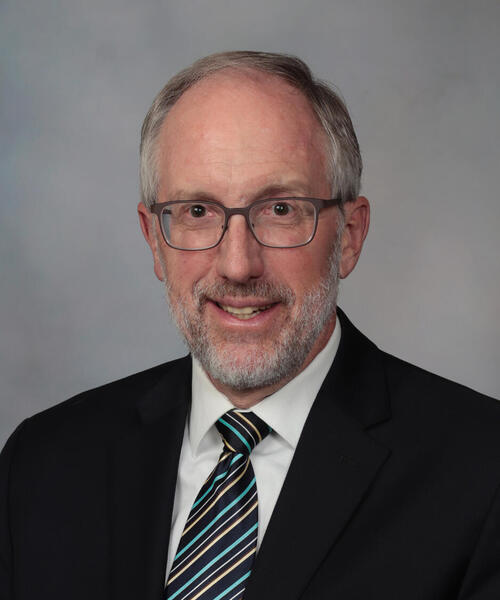
Paul N. GormanView profile
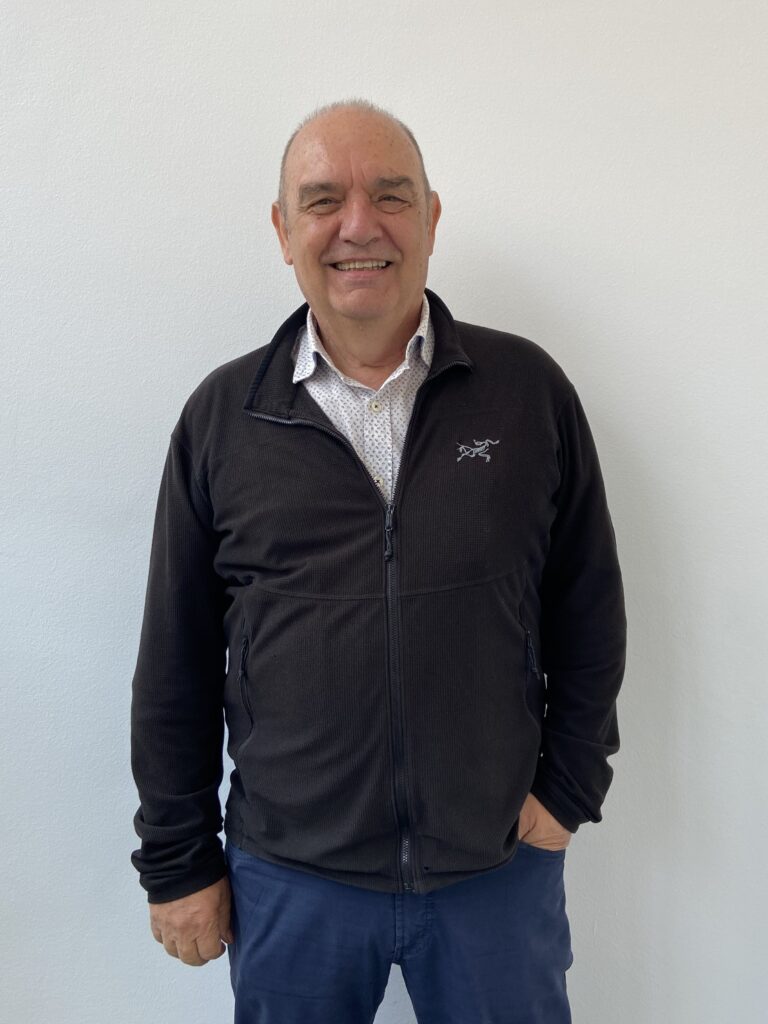
Professor
Dr. Paul N. Gorman serves as Thread Director for Health Systems Sciences and Assistant Dean for Rural Medical Education at Oregon Health & Science University's School of Medicine. With over 30 years of clinical experience spanning rural primary care internal medicine, geriatrics, and urban hospitalist practice, he integrates systems thinking into medical education through the OHSU YourMD curriculum and expands rural physician workforce development via the Campus for Rural Health. His educational foundation includes: B.S. from University of Illinois at Chicago Circle (1975) M.D. from Rush Medical College (1980) Internal Medicine Internship & Residency at Rush Presbyterian-St. Luke's Medical Center Chief Residency (1983-84) and General Internal Medicine Fellowship at Portland VA Medical Center (1990-92) Dr. Gorman's research examines clinician information seeking behaviors, distributed cognition in clinical settings, and naturalistic decision making with emphasis on human factors in healthcare systems. His work bridges medical informatics and practical clinical workflows to enhance healthcare delivery through systems-based practice education. Current scholarship focuses on health systems science curriculum development, clinical decision support optimization, and rural healthcare access. His publication trajectory demonstrates evolving expertise from foundational human factors research toward healthcare system transformation, with recent work emphasizing cost-conscious care integration, clinical workflow modeling, and sociotechnical system design. Key themes include optimizing decision support while mitigating alert fatigue, understanding team process variations, and developing context-aware educational interventions. Honors include: Fellow of the American College of Physicians Fellow of the American College of Medical Informatics Dr. Gorman actively advocates for universal healthcare access through Physicians for a National Health Program and Health Care for All Oregon. His leadership in rural medical education expansion addresses critical physician workforce shortages while maintaining board certification in Internal Medicine. Current initiatives focus on implementing health systems science threads across medical education continuums and strengthening academic-community partnerships for equitable care delivery.