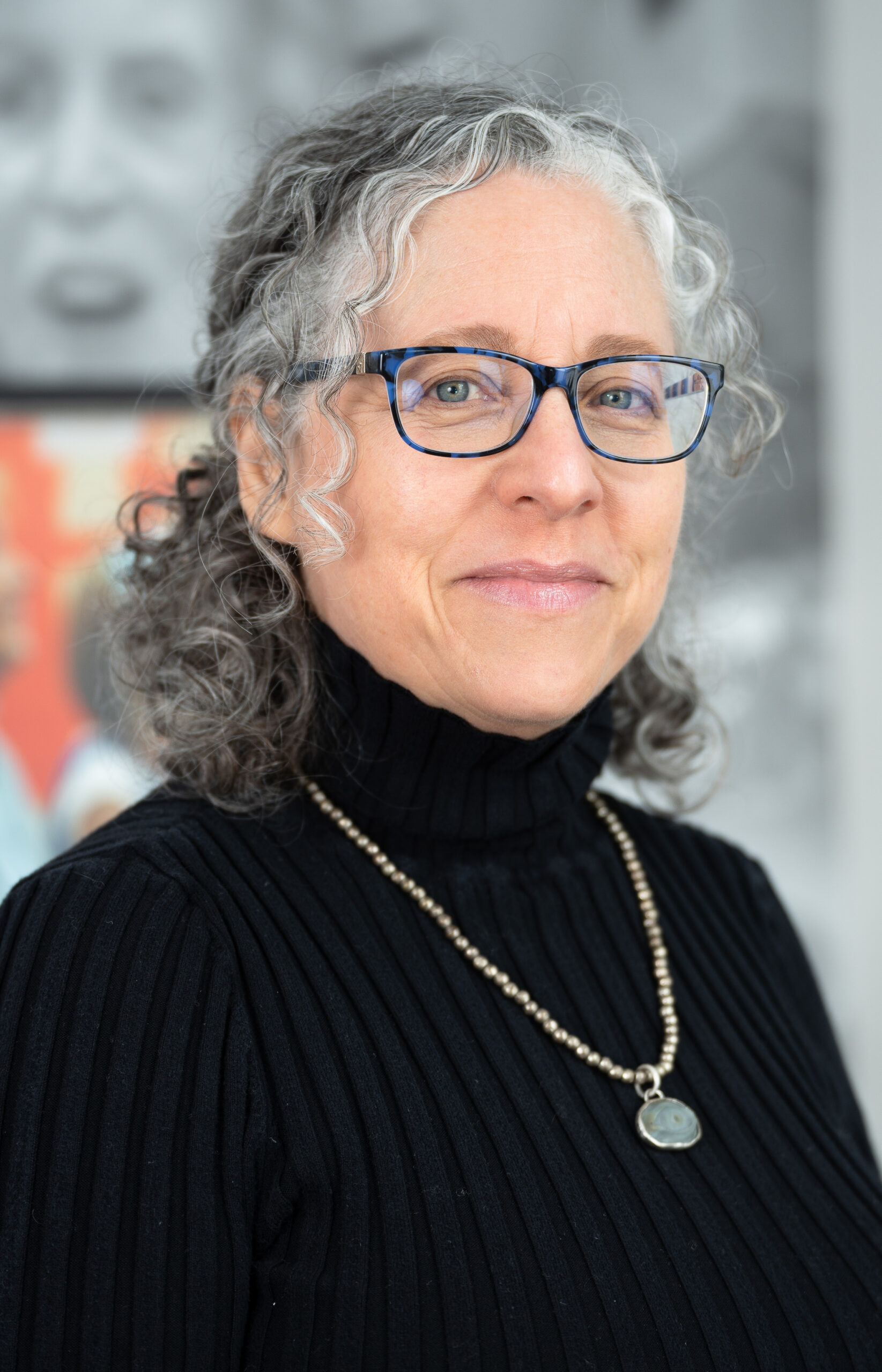
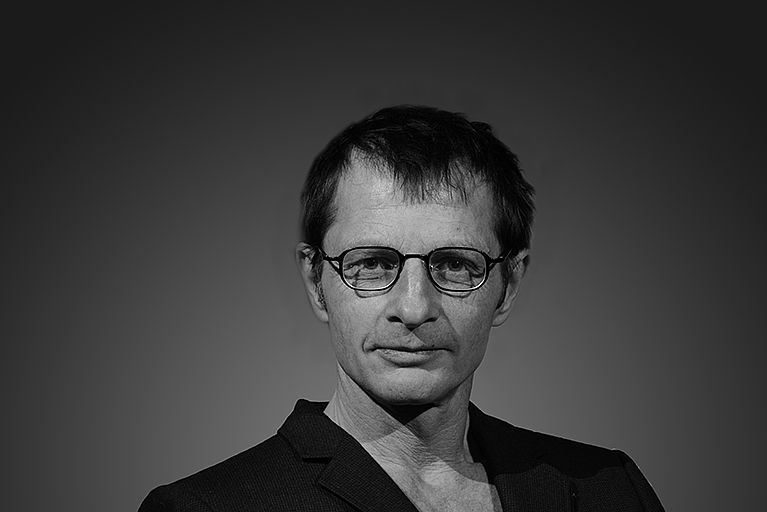
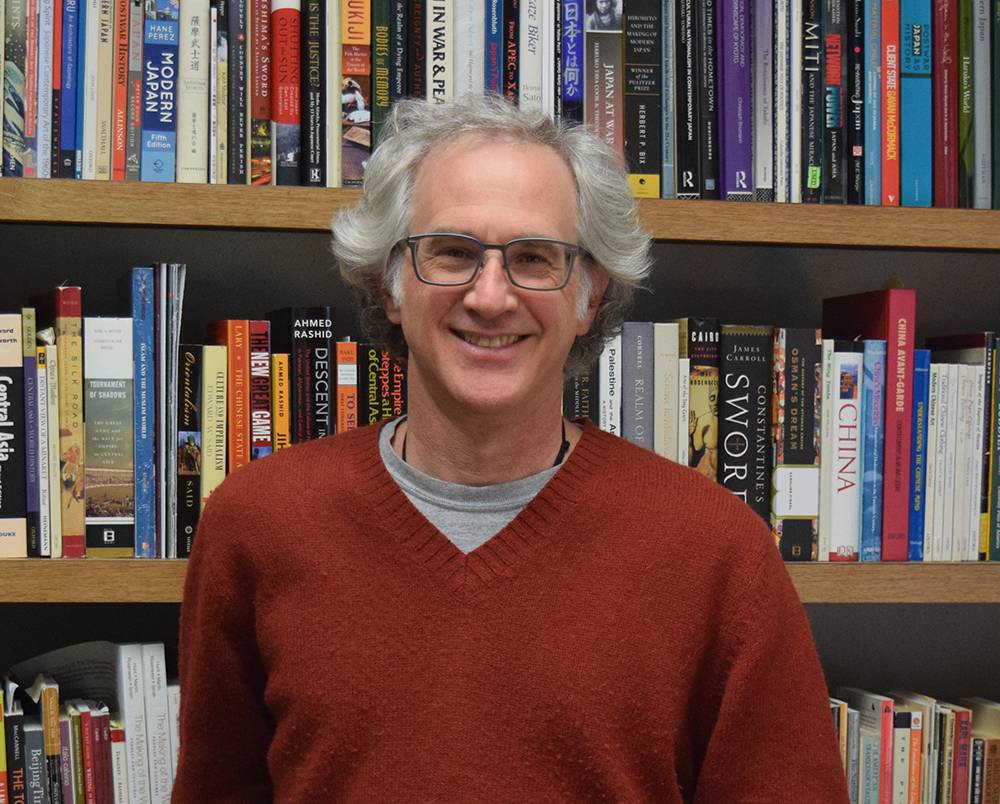
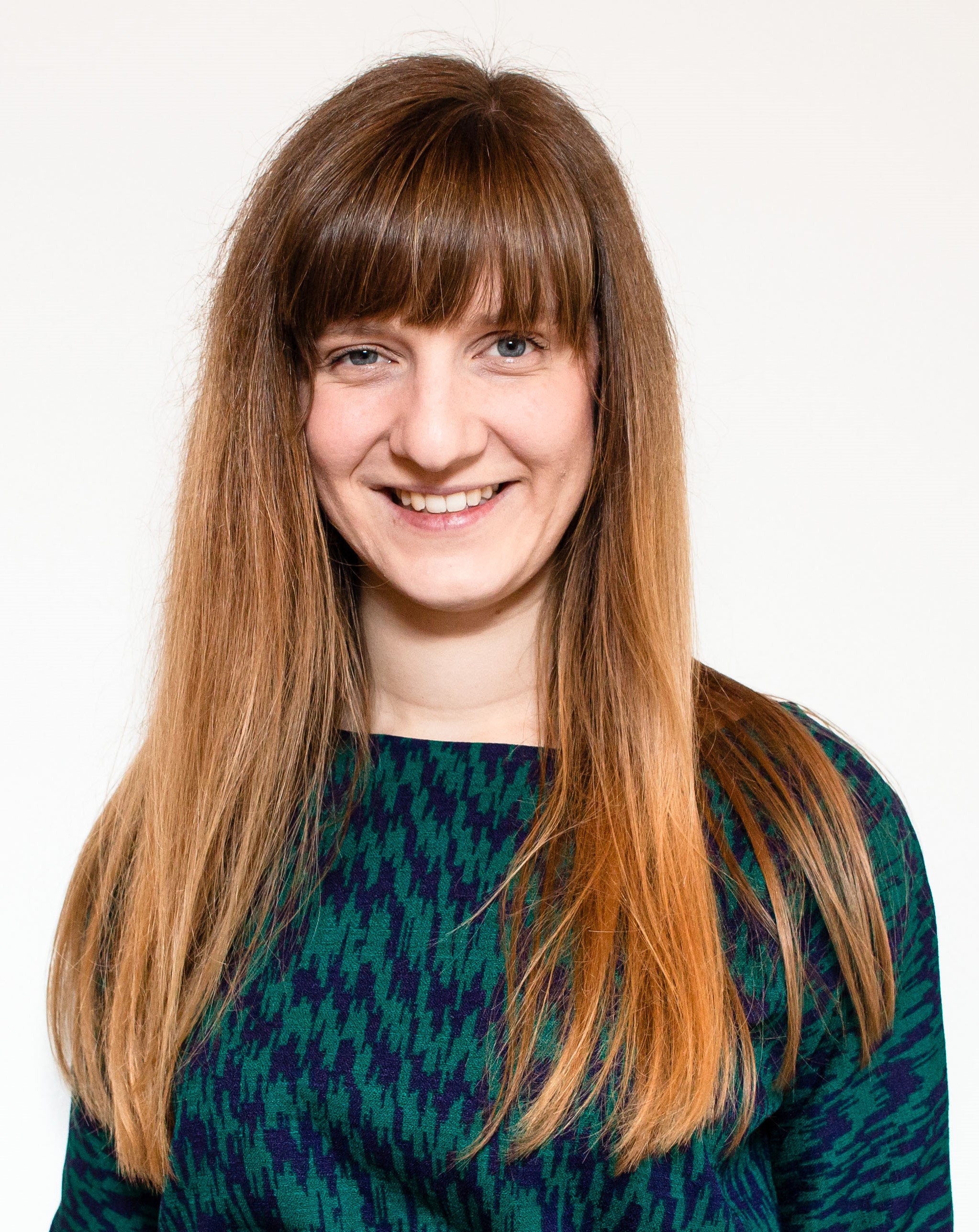
Saskia Holmkvist is a Professor of Contemporary Art at the Academy of Fine Art, working between Oslo and Stockholm. Her practice combines film installation, performance, and narrative structures to explore identity politics, translatability, and contested histories through participatory strategies. Education: MFA from Konstfack, Stockholm BA in Art History, History of Ideas, and Anthropology from the University of Stockholm Her research interrogates the limits of translation, historical erasure, and the ethics of collaborative art. Current projects like Back Translation engage with performative translation of Northern Irish women's performances from the 1990s, emphasizing archival fabulation and fictional assemblages. Recent exhibitions include Margaret (Back Translation) at the Cork Film Festival (2024) and Blind Understanding-New Commentary at Antics Gallery (2024). Collaborative Teams: Research group with PhD fellows Sara Eliassen and Manuel Pelmus Collaborators in translation and decolonizing studies: Sue-Ann Harding and Temi Odumosu
Dr. Karin M. Bausenhart is a researcher in the Cognition and Perception research group within the Department of Psychology at the Faculty of Science, University of Tübingen. She has been working as a Postdoctoral Research Assistant since 2011 and currently serves as Project Coordinator for the DFG Research Unit "Modal and Amodal Cognition" (FOR 2718) since 2020. Dr. Bausenhart received her PhD in Psychology from the University of Tübingen in 2009, following her Masters degree (Diplom) in Psychology from the same institution in 1999. Her research focuses on several key areas in cognitive psychology and time perception. She investigates how distance affects mental representations, examining whether we think differently about events in the present versus those in the future or distant locations. She also studies mechanisms of stimulus discrimination, particularly how the order of stimuli presentation affects our ability to compare them, with a focus on the concept of a dynamically updated internal reference. Another major area of her work explores how temporal information from different sensory modalities is processed and combined to form a coherent perception of time, despite the absence of a dedicated sensory system for time processing. Additionally, she researches temporal preparation - how warning signals can improve reaction times - and dual-task processing limitations. Dr. Bausenhart's publication record reveals a consistent focus on time perception, multisensory integration, and cognitive mechanisms. Her work often employs experimental psychology methods to investigate fundamental questions about how humans process temporal information across different contexts and sensory modalities. A significant portion of her research examines order effects in stimulus discrimination, suggesting these effects may stem from an internal reference that dynamically updates during experimental tasks. Her recent work has expanded into examining how mental representation varies with psychological distance, connecting temporal cognition with broader cognitive frameworks. Third price at the dissertation contest of the German Psychological Society (DGPS), section Cognitive Psychology (2011) Dissertation Award of the Faculty of Science, University of Tübingen (2010) Dr. Bausenhart has secured multiple research grants from the German Research Foundation (DFG), demonstrating the significance of her work in the field. Her projects have investigated mechanisms of stimulus discrimination, temporal ventriloquism effects, and interferences in stimulus classification. These grants have supported her research from 2010 through 2020, indicating sustained recognition of her scientific contributions. As part of the Cognition and Perception research group, Dr. Bausenhart collaborates with colleagues studying modal and amodal cognition. Her current role as Project Coordinator for the DFG Research Unit "Modal and Amodal Cognition" places her at the center of a significant interdisciplinary effort examining how cognitive processes function both within specific sensory modalities and across modalities.
Renee Romano serves as the Robert S. Danforth Professor of History and Professor of Comparative American Studies and Africana Studies at Oberlin College, Ohio, and holds an adjunct professorship in Museum Studies at CUNY School of Professional Studies. During Fall 2024, she was a Visiting Fellow at Bard Graduate Center, conducting research on Confederate memory sites outside the Southern United States with specific focus on Daniel Decatur Emmett—the 19th-century blackface performer and composer of "Dixie". Her scholarly work critically examines the construction and contestation of America's racial narratives through cultural and political history lenses. Key research areas include civil rights memory, postwar interracial marriage dynamics, and the public representation of race in contemporary culture, as demonstrated in her monographs Racial Reckoning: Reopening America's Civil Rights Trials (2014) and Race Mixing: Black-White Marriage in Postwar America (2003). She has further shaped discourse through co-edited volumes like Historians on Hamilton: How a Blockbuster Musical Is Restaging America's Past (2018), analyzing how popular media reframes historical understanding. Romano's expertise is sought by major cultural institutions including the New-York Historical Society, Smithsonian Museum of Natural History, Wilson Bruce Evans Home Historical Society, and Kent State University's May 4th Visitor’s Center, where she consults on historical interpretation and exhibition development. While specific grants and awards aren't detailed in available materials, her influential publications and high-profile consultancies underscore her significant contributions to American historical studies and public memory scholarship.
Maja Davidovic is a Senior Lecturer in International Relations at Cardiff University's School of Law and Politics, where she joined in October 2021. Her academic work focuses on the intersections of international politics and international law, with particular expertise in transitional justice, human rights norms, knowledge production, and the politics of memory. She brings an interdisciplinary approach informed by social theory to examine micro-macro, local-global, and individual-collective connections in global politics. Dr. Davidovic completed her PhD in the School of Government and International Affairs at Durham University in 2022, where she also worked as a tutor. She holds an MA in Human Rights from the Central European University. Her doctoral research, for which she received the Open Society Civil Society Scholar Award, investigated conflict prevention in Bosnia and Herzegovina. Her research interests span transitional justice, international law, human rights norms and norm interactions, knowledge production, politics of memory, ontological (in)security, historical revisionism, and epistemic violence. She approaches these topics through interdisciplinary frameworks that bridge international relations and international law, with a particular focus on how global norms interact with local contexts and how knowledge about justice is produced and contested. Davidovic's scholarly output reveals a consistent focus on the theoretical and practical dimensions of transitional justice, with recent work examining citational practices, disciplinary boundaries, norm relations, and the politics of memory. Her publications increasingly incorporate feminist perspectives on epistemic harm and gender-based violence, while maintaining a strong foundation in critical analysis of global governance structures related to justice and human rights. Her scientific recognition includes the Open Society Civil Society Scholar Award. Her forthcoming book with Cambridge University Press, Governing the Past: 'Never Again' and the Transitional Justice Project , represents a significant contribution to the field. Davidovic currently supervises Konstantinos Andrikopoulos and has taught courses including Gender, Sex and Death in Global Politics, Introduction to Globalisation, and International Law in a Changing World. She is also conducting research on historical revisionism in the Western Balkans through a British Academy-funded project. Her academic work is complemented by practical engagement with organizations including Beyond Borders Scotland and the Youth Initiative for Human Rights in Serbia. She is an active member of OSCE's WOMentorship program, providing long-term mentoring for young women in Serbia and Kosovo.
Beth Krensky is a Distinguished Professor in the Department of Art & Art History at the University of Utah. She received her formal art training from the School of the Museum of Fine Arts at Tufts University and MIT's Center for Advanced Visual Studies, holds an M.Ed. from Harvard Graduate School of Education, and earned her Ph.D. in Educational Foundations from the University of Colorado at Boulder. As one of the five founding members of the international artist collective, the Artnauts, she has participated in 226 exhibitions across 19 countries, using art as a tool for addressing global issues while connecting with artists worldwide. Her academic achievements include being named the Utah Higher Education Art Educator of the Year in 2022 and selected as one of Utah's 15 Most Influential Artists in 2019. Among her institutional honors from the University of Utah are the Presidential Scholar, Public Service Professor, and Distinguished Teaching awards. In 2023, she was selected as one of five performance art finalists for the 16th Arte Laguna Prize and her work "Float Away" won the Alfred Lambourne Prize for Movement. Krensky describes herself as "a gatherer of things—objects, words, spirit—and a connector of fragments, to make us whole." Her artistic practice traverses the borderlands between spirit and matter, creating objects and performative gestures as contemplative acts. Much of her work, cobbled together from the detritus of life, is intended to be portable and able to metaphorically cross layers of shared and contested existence. Her work addresses pressing social issues while providing refuge—a free space that allows participants to name themselves, envision different realities, and engage in the re-making of their world. As a scholar, Krensky focuses on community-based art education, youth activist art, and art for social change. Her co-authored book with Seana Lowe Steffen, Engaging Classrooms and Communities through Art , is widely used in the community-based art education field. She is also a Fellow with the Jewish Art Salon since 2014 and a scholar of youth-created art for social change. Her recent works demonstrate a consistent exploration of memory, loss, and transformation. Through performances like "Where Lies the Border Between Us?" in the historic Jewish Ghetto of Venice and installations like the "Hollows of Emptiness" series, she creates spaces for reflection on historical trauma, particularly related to the Holocaust. Her work often incorporates found objects and historical artifacts, transforming them into vessels for personal and collective memory. Utah Higher Education Art Educator of the Year (2022) Utah's 15 Most Influential Artists (2019) Presidential Scholar award (University of Utah) Public Service Professor award (University of Utah) Distinguished Teaching award (University of Utah) Alfred Lambourne Prize for Movement (2023) Alfred Lambourne Prize for Movement (2018) Performance art finalist for the 16th Arte Laguna Prize (2023) Krensky's academic work extends beyond her artistic practice to include significant contributions to art education theory and practice. Her research on youth-created art for social change has influenced community-based art education approaches nationwide. She has served as a mentor to numerous students and emerging artists, though specific advisees are not mentioned in the provided text. Her work with the Artnauts collective has created international connections and collaborations that extend her impact beyond the classroom. Her current projects continue to explore the intersection of personal and collective memory, particularly through works addressing the Holocaust and historical trauma. The "Hollows of Emptiness" series, created in collaboration with artist Zev Gorfinkle, uses pre-World War II model trains to create contemplative spaces honoring the 1.5 million children who perished in the Holocaust. Her performance work often takes place in historically significant locations, creating dialogues between past and present through ritualistic gestures and symbolic objects.
Nikolai Roskamm is a Professor of Planning Theory, Urban History and Sustainable Urban Development at Erfurt University of Applied Sciences (FH Erfurt), where he holds a professorship in the Department of Urban and Spatial Planning within the School of Architecture and Urban Planning. He also serves as the International Officer at the university. Previously, he was a Visiting Professor for Urban Peace and National Welfare at TU Wien (Vienna University of Technology) from 2015-2016. Dr. Roskamm completed his PhD (Promotion) at Bauhausuniversität Weimar in 2010 with a dissertation titled "Dichte. Eine transdisziplinäre Dekonstruktion" (Density. A Transdisciplinary Deconstruction). Prior to his current position, he worked as a Research Assistant at the Institute for Urban and Regional Planning (ISR) at TU Berlin from 2005-2011. His academic journey began with studies in urban planning and city construction in Berlin and Venice. Roskamm's research focuses on critical urban theory, post-foundational approaches to urban studies, urban conflict, public space, and sustainable urban development. His work engages deeply with political theory (particularly Laclau and Mouffe), spatial philosophy (including Lefebvre), and the theoretical foundations of urban density and mixture. He has developed a distinctive approach that examines urban spaces through lenses of contestation, unsettledness, and the tensions between settling and unsettling forces in contemporary cities. His research often bridges theoretical frameworks with empirical urban analysis across European and global contexts. Over the past decade, Roskamm's publications have consistently explored themes of urban contestation, political conflict in planning, the production of urban space, and critical approaches to sustainability. His recent work shows an increasing focus on post-foundational urban geographies, the politics of urban peace, and the theoretical underpinnings of urban density. The pattern across his publications reveals a sustained intellectual commitment to questioning foundational assumptions in urban theory while developing alternative frameworks for understanding urban complexity, conflict, and transformation. As an active academic leader, Roskamm has served as editor and editorial board member of sub\urban, Journal for Critical Urban Research since 2012. He has also been involved with the AESOP Thematic Group on Public Spaces and Urban Culture since 2010. His collaborative research projects include the DFG-funded project "Die unbesetzte Stadt – Postfundamentalistisches Denken und das urbanistische Feld" (2012-2014) and coordination of the cooperation between ISR TU Berlin and Politechnika Warschau from 2005-2010. His current work continues to shape critical urban studies through editorial leadership, theoretical innovation, and international scholarly collaboration. Roskamm maintains professional standing as an urban planner on the Berlin Chamber of Architects list since 2007 and has practical experience from his time with the independent planning group Berlin (1997-2005). His work bridges academic theory with practical urban planning concerns, particularly through his focus on how theoretical frameworks can inform real-world urban challenges related to conflict, sustainability, and spatial justice.
W.P. van Meurs is a Professor of Political History and Department Chair at Radboud University's Department of History, Art History and Classics. He leads the Radboud Institute for Culture and History and holds roles in the Board of Directors FoA. His research focuses on European integration, political modernization via peasant parties, and environmental governance. Notable projects include 'The Voice of Nature' (2013) rethinking environmentalism and the 'Repertoires of Democracy' (2008–2011) examining democratic contestation. Teaching includes courses on environmental history, historiography, and political studies. He has received awards for his textbook Europa in alle staten and contributed to EU policy studies. Major grants include NWO-funded projects on precarious statehood (2003–2005), Southeastern Europe transitions (2004–2008), and democratic repertoires (2008–2011). Currently leads a project on local governance during wartime liberation (2021–2024). Serves on the NWA steering committee 'Living Past.' Publications span books like Die Unvollendete (2018) and edited volumes on peasant international organizations. His work bridges historical analysis with contemporary policy, emphasizing East-West dynamics in environmentalism and EU governance.
Nan Kim is an Associate Professor of History and Affiliated Professor of Anthropology at the University of Wisconsin-Milwaukee (UWM), within the College of Letters & Science. She directs the Public History program and co-directs the Museum Studies initiative. Her roles include leading the Science & Technology Studies Working Group at UWM's Center for 21st Century Studies and serving on editorial boards for Critical Asian Studies and the Society for East Asian Anthropology. Education: PhD (200X) and MA (200X) in Sociocultural Anthropology from UC Berkeley, and an AB in English (magna cum laude) from Princeton University, winning the Edwin H. Tumin Memorial Prize for senior thesis. Research focuses on historical trauma, protest memory, nuclear Anthropocene, and political ecology. Recent work includes analyses of South Korea's nuclear energy policies and transnational activism against radioactive waste. Teaching spans courses like HIST 841: Contested Science and Digital Publics , ANTH 720: History of Museums , and global history topics. Her engaged scholarship includes museum consulting and community-based projects in Korea, the US, and UK. Key awards: Scott Bills Memorial Prize (2019) for her book Memory, Reconciliation, and Reunions in South Korea , and recognition for doctoral research from the Society for Economic Anthropology.
Peter Siegenthaler serves as a Senior Lecturer in the Department of History at Texas State University, where he has taught since fall 2004. His instructional portfolio spans World Civilization surveys (IST 2312, HIST 2320), specialized courses on Modern Japan (HIST 4344), Postwar Japan (HIST 4350F), and Empire and Identity in Central Asia (HIST 4350D), alongside honors seminars examining Japanese urban culture and East Asian tourism. Prior to academia, he spent over a decade as an editor for Oxford University Press, SR Books, and The American Poetry Review. Dr. Siegenthaler holds a BA from Swarthmore College (1984), an MA from the University of Pennsylvania (1989), and dual graduate degrees (MA 1998, PhD 2004) from the University of Texas at Austin. His doctoral dissertation, 'Looking to the Past, Looking to the Future: The Localization of Japanese Historic Preservation, 1950–1975,' established foundational research on grassroots preservation movements that catalyzed Japan's 1970s townscape conservation boom. His research interrogates the political and cultural frameworks of historic preservation in postwar Japan, with current projects analyzing the Allied Occupation's impact on heritage conservation in the late 1940s and the sociopolitical dynamics driving preservation initiatives in 1950s provincial cities. This work bridges urban history, cultural policy studies, and national identity formation, revealing how preservation movements served as contested sites for negotiating Japan's modern identity. Publications like 'Japanese Domestic Tourism and the Search for National Identity' and 'Creation Myths for the Preservation of Tsumago Post-town' demonstrate consistent thematic focus on heritage commodification, memory politics, and the instrumentalization of historical narratives. Collectively, his scholarship exposes preservation as a dynamic process where local actors, national policies, and global influences intersect to reshape cultural landscapes. No scientific awards or major honors are documented in available materials, though his pedagogical contributions span cross-disciplinary collaborations including Radio-TV-Film courses on Japanese cinema (RTF 370 series) and Space/Place in East Asian Film. While specific advisees remain unlisted, Dr. Siegenthaler has mentored students through graduate/undergraduate research in Japanese and Central Asian history. His pre-academic publishing career informs his scholarly communication approach, though grant funding or laboratory affiliations receive no mention in source materials.
Cynthia Milton is Professor of History at the University of Victoria. Former Canada Research Chair and Past President of the College of New Scholars of the Royal Society of Canada, she specializes in modern Latin American history with focus on human rights, memory, and transitional justice. Her research examines truth-telling mechanisms, cultural interventions, and historical narratives after state violence. Recent publications analyze military countermemories, contested public spaces, and museological approaches to difficult knowledge. Major honors include the Bolton-Johnson Prize, Humboldt Fellowship, Braudel Fellowship, and Trudeau Fellowship. Her curated exhibitions include 'Visual Footnotes: Art from a Fractured Past' exploring testimonial art. Collaborative projects involve 'Beyond Museum Walls' and community-based research on displacement narratives. Publications appear in International Journal of Transitional Justice, Memory Studies, and edited volumes on cultural memory.
Jon Olav Hove is an Associate Professor of Cultural Heritage Management at NTNU's Department of Historical and Classical Studies. He researches the history and memory of the transatlantic slave trade and colonialism in West Africa and Scandinavia. His work bridges African history, memory studies, and heritage management, focusing on how colonial pasts are represented in museums, fortifications, and urban landscapes. He teaches in NTNU's Cultural Heritage Management program and supervises MA students in history and heritage studies. Recent research includes studies of Danish-Norwegian colonial sites in Ghana, the Volta River Project's political economy, and the National Museum of Ghana's contested narratives. He frequently collaborates with institutions in Ghana and advises on heritage policy, including ethical guidelines for Norwegian museums. His public engagement includes media commentary on Norway's slave trade history, lectures at universities in Africa and Europe, and contributions to cultural heritage debates. Notable projects include analyzing Trondheim's historical ties to the Atlantic slave trade through its sugar refinery and documenting African representation in Norwegian missionary publications.
Eva-Maria Walther is a Research Fellow at the University of Vienna's Research Platform for the Study of Transformations and Eastern Europe. She holds a PhD from the Graduate School for East and Southeast European Studies at the University of Regensburg. Her research focuses on urban ethnography in Czech and Slovak cities, exploring how visual smog (urban clutter) becomes a platform for negotiating historical and future urban identities. Education: Social Anthropology studies at Universities of Tübingen (Germany), Pécs (Hungary), and Stockholm (Sweden). Dissertation: 'Helping refugees in Slovakia: Messy encounters, moral dilemmas, and mixed emotions' (2020). Research interests include: Anthropology of East/Central Europe, activism, mobility studies, urban studies, visual anthropology, and moral-emotional dimensions of social interactions. Current project examines how 'visual smog' (overloaded public visual stimuli) in post-socialist cities becomes a site of political-cultural contestation over urban space's past and future. Publications span refugee support dynamics in Slovakia, governmental transitions, and innovative pedagogies using performance art to engage historical trauma. Her work bridges ethnographic fieldwork with critical urban theory and visual studies.
Pieter Rodts is a researcher at the Faculty of Arts and Philosophy, Vrije Universiteit Brussel (VUB), specializing in archaeology and environmental history. His work centers on human-animal communities within the Sonian Forest ecosystem and controversial heritage discourse in urban contexts. His research interests bridge archaeology and environmental change , with focused expertise in cultural landscape evolution , interspecies coexistence , and heritage management . Rodts investigates how animals shaped historical landscapes through material traces, while critically examining contested heritage like antisemitic narratives in Brussels' Miracle Sacrament tradition. Recent publications reveal trends in zooarchaeology and critical heritage studies , emphasizing community-engaged approaches to forest management and historical accountability. His work consistently addresses human-environment entanglement across temporal scales. Professor dr. Renée De Bock-Doehaerd Prize 2014-2015 (awarded June 14, 2016) Rodts supervises PhD candidate De Bie, M. on the project 'Beastly Traces and Shared Spaces' (2024-2028). His public engagement includes 5 recent activities like the 'Paw prints from the past' lecture (Nov 2024) and media contributions for the Sonian Forest Research Day. Current grants support policy-based heritage and forest management research at 100% Brussels institutional level. His work integrates community-engaged research (CERL) with archaeological fieldwork in the Sonian Forest, examining how human-animal interactions shaped cultural landscapes through coexistence practices spanning centuries.
Prof. Jean-Louis Tornatore is a Professor of Heritage Studies, Museology, and Anthropology at the University of Burgundy. He is also a researcher at the Centre Georges Chevrier – Knowledge: Norms and Sensibilities (CNRS-uB, Dijon). His work bridges socio-anthropological studies of cultural memory with critical engagements on researcher expertise and non-authoritarian academic practices. Tornatore has conducted extensive research in France’s Lorraine region, examining how ordinary people engage with heritage and memory in industrial decline, as well as the artistic transformation of industrial sites into cultural landmarks. His research focuses on two core themes: the political dimensions of 'relationship to the past' (heritage, memory, culture) and the role of researchers in societal contexts. Recent projects include studies on monument affordances and public engagement, as well as dynamics around intangible cultural heritage. He currently explores emergent 'citizen-led heritage practices' and anti-capitalist cultural movements. Publications highlight intersections of heritage with foodways (e.g., French gastronomy), post-industrial identity, and UNESCO frameworks. His work emphasizes the socio-political stakes of heritage designation and its contested roles in cultural preservation and economic dynamics.
Eva Löfgren is a Lecturer in the Department of Cultural Preservation at the University of Gothenburg. Her academic work bridges architectural history, cultural heritage, and spatial theory, with a particular focus on the evolving roles of religious and legal buildings in Swedish society. Her research interests include: Space and society The church as cultural heritage Rural public space History of settlement Scientific theory and method in heritage studies Her recent publications span topics from courthouse architecture to the conservation of concrete buildings and the dual identity of churches as both religious and heritage sites. The articles reflect a consistent engagement with spatial practices, institutional architecture, and the socio-political dimensions of preservation. She frequently collaborates with scholars such as Ola Wetterberg and Mattias Kärrholm. Eva Löfgren is actively involved in research projects funded by the Swedish Research Council and the Swedish National Antiquities Board, including: 'The room of justice. On the architecture, technologies and spatial practices of the court' (2020–2023) 'Historical concrete' (2020–2022) Past projects include 'How did the Church of Sweden become a national cultural heritage?' (2014–2019) She has served as an editorial member and reviewer for journals such as Bebyggelsehistorisk Tidskrift and was editor of Byggnadskultur (2011–2014). No scientific awards are listed in the provided text. She has contributed significantly to academic discourse through numerous peer-reviewed articles, book chapters, and editorial work, particularly in Scandinavian heritage and architectural history contexts. There is no mention of student supervision or grant leadership, but her sustained research activity and publications indicate an established scholarly presence. She is not listed as part-time, retired, or deceased, and appears to be a current faculty member.