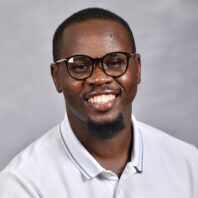
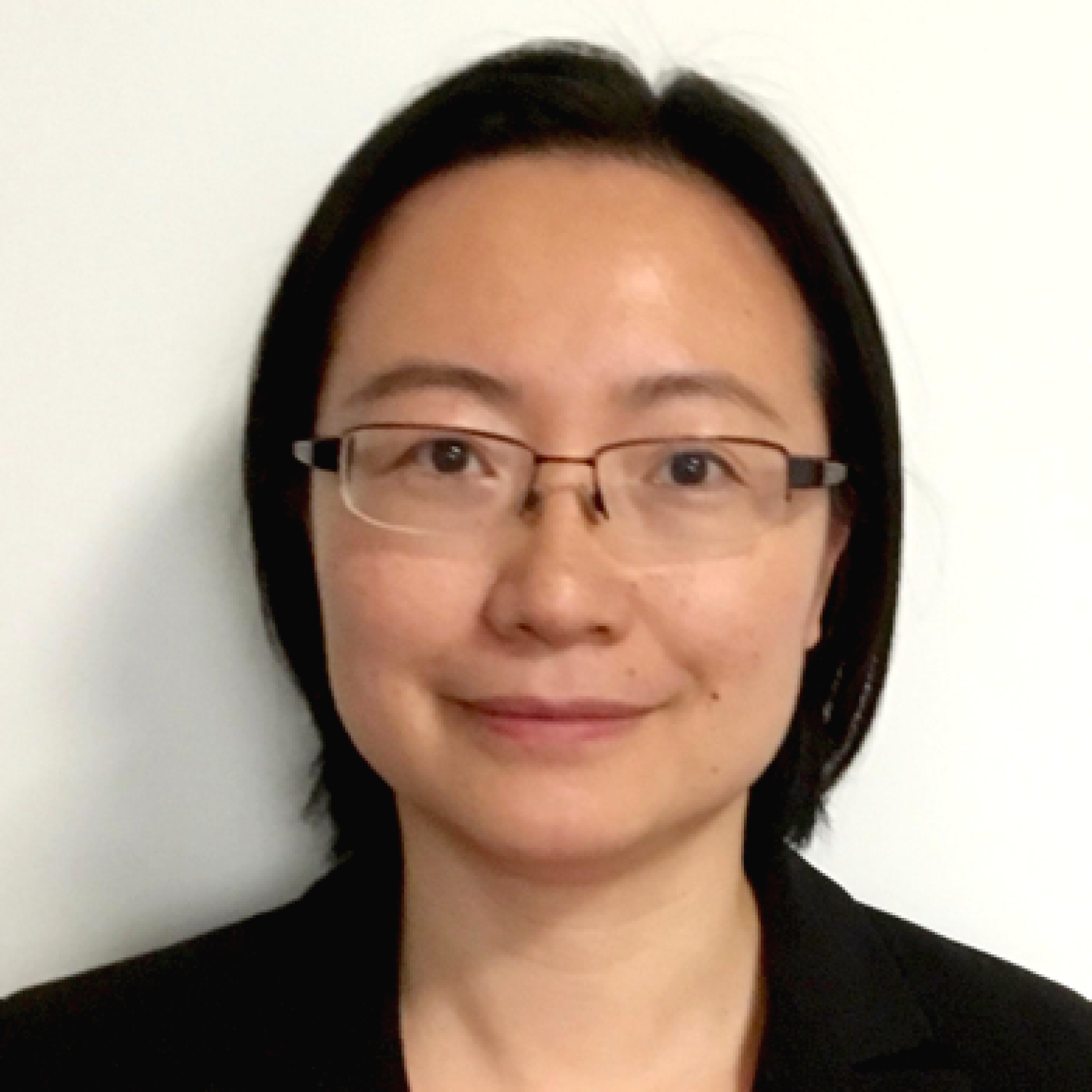
Dr. Emmanuel Arakpogun is a Senior Lecturer at the Management, Work and Organisation school of the University of Stirling . His research focuses on the intersection of Artificial Intelligence , Strategic Management , and Digital Resilience , particularly in African contexts . Specializes in AI-driven organizational performance Explores digital divide mitigation through institutional theory Analyzes fake news impact and mindfulness interventions Investigates sustainable supply chain finance and eHealth applications Recent work examines AI networks , digital contact-tracing , and Vaccine Passport policies . He maintains an active ORCID profile and contributes to open-access research platforms.
Drew Margolin is an Associate Professor in the Department of Communication at Cornell University. His research investigates the dynamics of collective communication behavior through quantitative analysis of digital discourse, focusing on accountability, credibility, and legitimacy in social networks. Doctorate from University of Southern California (2012) Bachelor of Arts from Yale University (1996) Appointed at Cornell University, NY Contact: 472 Mann Library Building, Ithaca, NY 14853 Email: dm658@cornell.edu His work explores: Social structural conditions for reason-based responses to facts Semantic signatures of coordinated misinformation campaigns Evolution of communication during unpredictable events Integration of computational methods into communication research Temporal analysis of information production dynamics Visual analytics of health-related discourse Recent research trends show growing focus on: Algorithmic impacts on health communication Political polarization in scientific discourse Temporal patterns in misinformation spread Visual analysis of social media content Equity implications of digital platforms Normative communication in networked environments
Prof. Dr. Stefan Stoll is a full-time faculty member at the Baden-Württemberg Cooperative State University Villingen-Schwenningen , where he leads the Business Informatics program with a focus on Business Engineering , Digital Technologies & Innovation , and Mental Models for Digital Transformation . He holds a doctorate in political science from the University of Freiburg (1996) and has been actively researching and teaching since 1997. His work bridges scientific concepts with practical applications , particularly in the digital transformation of industrial companies and data-driven economic systems . Research Focus: Digital transformation, technology forecasting, business engineering, and IT management Labs: Founder of the Digital Thinking Lab His publications span from 1997 to 2022, with recent works analyzing digital intelligence , process management , and strategies in network economies . Despite his extensive contributions, no specific scientific awards are documented in the provided texts.
Daniel Silver is a Professor of Sociology at the University of Toronto Scarborough, affiliated with the Department of Sociology. His research spans social theory, urban sociology, and cultural policy, with a focus on how cultural scenes shape social life, urban evolution, and political dynamics. He is available for supervising graduate students and maintains offices at UTSC (HL 480) and UTSG (17125-28, 700 University Ave). Education: Ph.D., University of Chicago Research Focus: Silver's work centers on Simmelian theory, pragmatism, and urban informatics. He pioneered the 'scenes' framework examining how cultural amenities shape neighborhood identities and political attitudes. Current projects analyze arts' role in city politics, urban evolution patterns, and cross-national variations in sociological theory pedagogy. His methodology increasingly integrates computational approaches with traditional theoretical analysis. Recent Publication Trends: Analysis of Silver's 2022-2025 publications reveals a sharp turn toward data-intensive urban studies. He combines Google Places data, graph neural networks, and temporal clustering algorithms to quantify cultural signatures across cities. This work bridges Simmel's formal sociology with contemporary data science, examining policy diffusion networks, neighborhood change dynamics, and uncivil discourse in digital public spheres. Scientific Awards: 2013 Theory Prize (American Sociological Association) 2017 Distinguished Scholarly Publication Award in Sociology of Consumers and Consumption (with Kristie O’Neill) 2015 Honorable Mention for Junior Theorist Award (ASA) Advising and Research Leadership: As an active graduate supervisor, Silver leads major collaborative projects including Toronto's Culture Plan outcomes framework and Chicago Music City analysis. His grant-funded work produces actionable policy tools like the Urban Genome Project's cultural signature metrics. He frequently partners with municipal governments and arts organizations on community-based studies such as Community Voices, which documents inner-suburb experiences through participatory research. Laboratories and Collaboratives: Silver co-directs The Scenes Project (scenescapes.weebly.com) and the Urban Genome Project (academic.daniels.utoronto.ca/urbangenome), interdisciplinary hubs combining sociologists, data scientists, and urban planners. These initiatives develop open-source tools like tscluster for temporal urban analysis while maintaining strong community engagement through public workshops and policy briefings.
Martel Escobar, María Carmen is a University Professor at the Department of Quantitative Methods in Economics and Management, University of Las Palmas de Gran Canaria. She is affiliated with the GIR TIDES research group focused on Bayesian Statistical Techniques and the IU of Tourism and Sustainable Economic Development. Her research spans Bayesian statistics, meta-analysis, and applications in tourism economics and health. Articles like "Managing score heterogeneity between online consumer review websites" (2023) and "Contagious statistical distributions" (2022) highlight her work in Bayesian frameworks and interdisciplinary applications. She applies these methods to tourism management, hospitality, and clinical studies such as the Pickwick trials on obesity hypoventilation syndrome. Key collaborations include work with Vázquez Polo, Francisco José, Masa, Juan F., and others. Her publications in journals such as PLOS ONE , The Lancet , and Thorax reflect her impact in both statistical and medical fields. She contributes to textbooks on business mathematics and is active in cost-effectiveness analysis and decision-making models.
Bonnie I. Chi-Lum, MD, MPH is an Associate Professor in the Department of Preventive Medicine at the School of Medicine and an Assistant Professor at the School of Public Health at Loma Linda University . Her work bridges public health, medical education, and digital health communication. Research Focus: Dr. Chi-Lum's research explores the intersection of medical informatics and health communication , particularly how physicians and consumers use the Internet for health-related purposes. She has contributed to guidelines for medical websites and digital health literacy initiatives. Publications Overview: Her publications (1990–2001) span topics such as Internet-based health information quality Medical education reforms Preventive care integration Digital tools for physicians Neurological and oncological research
Laura M Shannon is an Associate Professor in the Department of Horticultural Science at the University of Minnesota (UMN). Her work focuses on potato breeding, genetics, and genomics, with emphasis on climate resilience and agricultural sustainability. She leads multiple research projects in collaboration with institutions like USDA, North Dakota State University, and Michigan State University. Key research areas: Potato Breeding Polyploid Genetics Genomic Tools Development Microbiome-Host Interactions Agricultural Technology Current projects include: Blackspot Bruise Resistance Breeding Rhizosphere Microbiome Dynamics Pangenome Development for Crop Plants Seed Tuber Physiological Age Studies Fresh Market Potato Variety Creation Her research aligns with UN Sustainable Development Goals for zero hunger and climate action through crop improvement initiatives.
Nathalie Bonvallot is a Professor at the French School of Public Health (EHESP) and Deputy Director of the Research Institute for Environmental and Occupational Health (IRSET), INSERM UMR_S1085. She leads research in toxicology and environmental health risk assessment, with particular focus on chemical mixtures and vulnerable populations including pregnant women and children. Her work bridges scientific research with public health policy development through collaborations with national agencies. Her academic credentials include: HDR (Authorization to Direct Research) in Pharmacy, University of Rennes 1 (2017) PhD in Toxicology, Pathology, Genetics and Nutrition, SEVAB Doctoral School, INP Toulouse (2014) Doctor of Pharmacy, René Descartes University, Paris (2000) Master's in Environmental and Industrial Toxicology, University of Law and Health, Lille (2000) Dr. Bonvallot's research program focuses on developing innovative methodologies for health risk assessment of chemical mixtures, moving beyond traditional single-chemical approaches. She integrates diverse toxicological data sources (in vivo, in vitro, omics) to construct more relevant risk indicators for real-world exposure scenarios. Her work particularly addresses indoor environments, pesticides, endocrine disruptors, and semi-volatile compounds during critical developmental windows. She has pioneered approaches to prioritize relevant chemical mixtures and develop cumulative risk assessment frameworks applicable to public health decision-making. Her scientific leadership is recognized through: Membership in the National Academy of Pharmacy (Public Health section) Active participation in ANSES expert committees on environmental contaminant risk assessment Contributions to the French Society of Environmental Health (SFSE) Development of indoor air quality guidelines and risk assessment methodologies As an educator, Dr. Bonvallot teaches toxicology to civil service students (IES, IGS, T3S, MEN) and master's degree students across multiple institutions including EHESP, University of Rennes, and University of Paris. Her teaching covers fundamental toxicology principles, public health applications, environmental monitoring, chemical regulations, and risk assessment of mixtures. She has co-authored significant educational resources including 'Glossaire de santé environnementale' (2024) and 'Perturbateurs endocriniens: vers une meilleure prevention des expositions' (2024). Dr. Bonvallot leads multiple research initiatives at IRSET, including the SCREENPEST project for characterizing human pesticide exposure and studies on chemical mixtures in indoor environments. Her work directly informs public health policy through methodological innovations that translate complex exposure scenarios into actionable risk management strategies.
Stig Kvaal is a Professor at the Department of Interdisciplinary Studies of Culture, Norwegian University of Science and Technology (NTNU). With a career spanning over two decades, his research focuses on the intersections of cultural studies, technology history, food studies, and Norwegian society. He has supervised numerous Master’s and doctoral theses, often collaborating closely with Per Østby and Terje Finstad. Recent research themes include: AI and Workplace Ethics (2024 ChatGPT study) Marine and Food Industries (2023 seaweed economy, 2022 food quality) Norwegian Cultural Identity (2024 EU-Norway relations, 2013 food culture) Historical Technology (2022 dynamic positioning systems, 2019 chocolate industry history) His 15 most recent publications (2021-2024) explore artificial intelligence, food systems, and EU integration through cultural studies frameworks. No scientific awards are mentioned in the provided text. He has actively shaped NTNU’s interdisciplinary research landscape through thesis supervision and collaborative projects.
Christian Knoll is a researcher affiliated with the Faculty of Computer Science and the Department of European and Comparative Literature and Language Studies under the Faculty of Philological and Cultural Studies. His interdisciplinary work bridges computational methods with philological research. Research Interests: Christian's expertise lies in Data Visualization , Visual Communication , and Design Science , focusing on human-computer interaction and information design. His projects explore medical network data, user preferences, and collaborative visualization workshops. Recent Publications: His 2023-2025 works emphasize the challenges of translating data into meaningful messages, while his 2020 study on visualization workshops highlights participatory design methodologies. Collaborations: His research network spans disciplines, with key contributions to Medical Data Visualization Consumer-Centric Design Multi-Frequency Data Analysis
Gary L Cochran , PharmD, SM, is an Associate Professor at the University of Nebraska Medical Center within the College of Pharmacy and Department of Pharmacy Practice and Science . His work focuses on enhancing rural healthcare safety through medication systems and health information technologies. Research: Evaluates medication error reporting, EHR integration, and rural-urban health disparities. Teaching: Coordinates courses like Pharmacy and Healthcare and Pharmacotherapy I , with lectures on research methods and pharmacy management. Publications: Span 2004–2020, addressing rural pharmacy systems, EHR adoption, and drug safety. Collaborations: Works with institutions like the Agency for Healthcare Research and Quality and academic partners in health informatics.
Chiara Bordin is an Associate Professor in Energy Informatics at the Department of Computer Science, UiT The Arctic University of Norway. She focuses on teaching and research within the Energy Informatics domain, with particular expertise in mathematical optimization applied to smart energy and power systems. Member of the Arctic Centre for Sustainable Energy (ARC) Member of the Aurora Center MASCOT (Mathematical Structures in Computation) Principal Investigator for projects including Smart Senja and TENORS Editorial board member for Energy Informatics Journal (Springer) and Discover Applied Science Journal (Springer Nature) Guest editor for special issue in Energies Journal on Smart and Sustainable Energy Hubs Dr. Bordin's research focuses on mathematical optimization in computer science applied to smart energy and power systems. Her work spans models for storage integration, strategic network design, power systems reliability, multi-agent systems for microgrids, stochastic multihorizon optimization, and electric vehicle management. By combining mathematical modeling with computer science, power systems engineering, economics, big data analytics, and machine learning, she addresses complex research questions within energy systems. Her work contributes significantly to the interdisciplinary field of Energy Informatics, particularly in smart energy-saving systems and smart grids. Her recent publications demonstrate a strong trend toward integrating artificial intelligence with traditional power system optimization, with increasing focus on resilience, reliability, and multi-use applications of energy infrastructure. The research spans both theoretical modeling and practical implementation challenges in Arctic and sub-Arctic environments. Member of technical program committee for Energy Informatics.Academy Conference Member of technical program committee for DACH+ Energy Informatics Conference Member of technical program committee for KES Sustainability in Energy and Buildings Conference Reviewer for high-ranked journals (Elsevier, Springer, Wiley) Academic R&D advisor for industries and startups in power systems and energy management Dr. Bordin teaches several advanced courses including INF-3010/INF-8010: Energy Informatics - Smart Energy and Power Systems Modelling at master's and PhD levels. She is available for capstone projects and can develop tailored special curriculum courses focusing on mathematical modeling, optimization, prescriptive analytics, and decision support systems within energy informatics. Her pedagogical approach emphasizes interdisciplinary connections between computer science, engineering, and energy systems. She is actively involved in the Arctic Centre for Sustainable Energy research community, contributing to the Digitalization research area where she collaborates on solutions for renewable energy system challenges through advanced digital technologies.
Kennedy Odongo is a Lecturer and Ph.D. candidate in Economics at Washington State University's School of Economic Sciences. He holds an M.A. in Economics from Kent State University and an M.S. in Statistics from WSU. His research focuses on Microeconomics, Agricultural Economics, and Machine Learning applications in social and agricultural sciences. Research interests include labor market dynamics, agricultural market analysis, and statistical reliability. He has presented work at venues like the University of Washington's Data For Good and Carnegie Mellon's Data Fest. Major Awards: Mercer Ranches Fellowship (2022), Data Science for Social Good Fellowship (2022) Teaching experience includes leading Principles of Microeconomics courses and assisting in graduate-level Microeconomic Theory. He has served as a Research Assistant at WSU and Kent State, focusing on econometric methods and policy analysis.
Qin Lv is a Professor in the Department of Computer Science at the University of Colorado Boulder. She earned her PhD in Computer Science from Princeton University, followed by a postdoctoral position there and an assistant professorship at Stony Brook University. Her research focuses on integrating system design with data analysis for managing large-scale datasets, spanning search systems, data mining, mobile systems, social networks, and interdisciplinary applications in geoscience, renewable energy, and environmental science. Her work has been cited over 2,000 times and earned notable awards such as the 2010 ISLEPED Best Paper nomination and the 2012 Computational Sustainability Award for personalized driving behavior analysis. Research Interests: Efficient system design for big data management Interdisciplinary applications in energy and environmental science Wearable technology and smart eyewear systems Social media analysis and public perception studies Fake news detection and misinformation mitigation Machine learning for geoscience and renewable energy systems Scientific Contributions: Dr. Lv has pioneered work in battery system modeling, mobile air quality sensing, and event analysis in social networks. Her recent research explores AI-driven wearable systems and cross-platform analysis of public responses to technological and environmental challenges. Over 30 peer-reviewed publications reflect her expertise in both technical system design and societal impact investigations.
Bidyut Hazarika is an Associate Professor of Business Information Systems at the Haworth College of Business, Western Michigan University. He joined the institution in 2016 and serves as the faculty advisor for the Business Technology Network. His expertise spans IT innovation, analytics, and the Internet of Things, with a focus on digital transformation, consumer behavior, and healthcare IT. He holds a Ph.D. in Computer Science and Information Systems (University of Colorado Denver, 2016), an MBA (University of Toledo, 2007), and a B.E. in Electronics and Telecommunication (Bharati Vidyapeeth College of Engg., Mumbai, 2005). Dr. Hazarika's research explores topics such as technology frustration in mobile apps, digital payment adoption during pandemics, and cybersecurity in healthcare. His work bridges theoretical frameworks like protection motivation theory and practical applications in ride-sharing, e-commerce, and disaster management. His recent studies address cross-border e-commerce challenges, social media's role in disaster recovery, and the psychological impact of digital platforms on work-life stress. No scientific awards or grants are explicitly mentioned. His advising role emphasizes fostering student engagement with technology through the Business Technology Network.