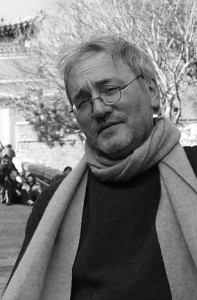
Yannick Bosc is a Lecturer specializing in modern history and the French Revolution at the University of Rouen. He holds affiliations as an Associate Researcher at Paris Diderot University (ICT laboratory) and the University of Barcelona's GREECS laboratory. He co-edits the Révolution Française.net platform and contributes to the Thomas Paine Collected Works Project . His research focuses on the French Revolution, republicanism, natural law, and the intersection of property/commons with revolutionary thought. Education includes a Master’s in History and Geography from ESPE and a Master’s in Epistemology of History from Paris Diderot University. Research interests emphasize republican political economies, the historiography of the French Revolution, and the legacy of key figures like Robespierre and Thomas Paine. His recent publications include analyses of Bonaparte’s Consulate, Hannah Arendt’s revolutionary thought, and the Directory’s political structure. Editorial work spans academic journals and book series, including the Kimé collection. He actively participates in seminars on Enlightenment and revolution themes.
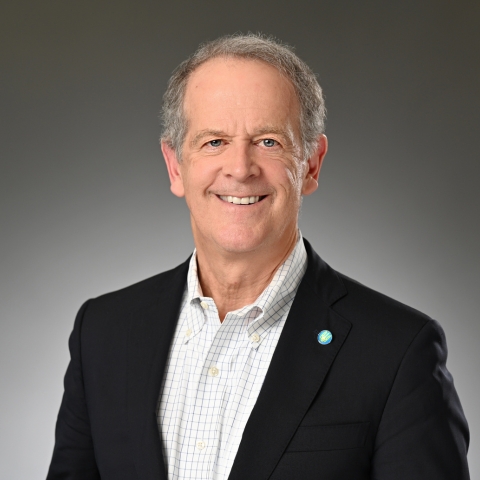
Martin S. Flaherty serves as Leitner Family Professor of International Human Rights Law and Founding Co-Director of the Leitner Center for International Law and Justice at Fordham University School of Law. He holds concurrent positions as Visiting Professor at Princeton University's School of Public and International Affairs, Charles and Marie Robertson Visiting Professor, and teaches at Columbia Law School and Barnard College. His extensive career includes clerkships with Justice Byron R. White of the U.S. Supreme Court and Chief Judge John Gibbons of the U.S. Court of Appeals for the Third Circuit. Flaherty's educational background includes a B.A. summa cum laude from Princeton University, an M.A. and M.Phil. with distinction from Yale University (in history), and a J.D. from Columbia Law School where he served as Book Reviews and Articles Editor of the Columbia Law Review. His research spans constitutional law and history, international human rights, and foreign relations law. Flaherty examines the intersection of judicial power and international affairs, advocating for robust judicial review in foreign policy matters. His work critically analyzes U.S. constitutional interpretation through historical lenses while addressing contemporary human rights challenges in authoritarian regimes and post-colonial contexts. Recent scholarship focuses on Hong Kong's autonomy, drone warfare legality, and academic responsibility in authoritarian states. His publications reveal a consistent focus on constitutional interpretation in foreign affairs, historical analysis of legal doctrines, and human rights protection mechanisms. Key trends include challenging executive power essentialism, examining judicial globalization, and addressing the practical implementation of international human rights standards in domestic legal systems. President of the American Association of the International Commission of Jurists Member of the Council on Foreign Relations Legal Expert Advisor at the Sixth Committee of the United Nations General Assembly Flaherty directs the Leitner Center for International Law and Justice, leading human rights missions to Northern Ireland, Turkey, Hong Kong, Mexico, Malaysia, Kenya, Romania, and China. His advocacy work with Human Rights First and the New York City Bar Association demonstrates significant engagement with practical human rights implementation. His research has been supported by institutional affiliations and publication in premier law journals, though specific grant details aren't provided in the source material. As Founding Co-Director of the Leitner Center, Flaherty oversees a multidisciplinary team focused on international human rights advocacy and education. The Center conducts field missions, produces policy reports, and collaborates with global human rights organizations. His work bridges academic scholarship with practical human rights interventions through this institutional framework.
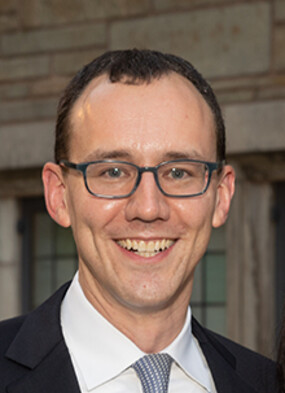
Louay N. Mohammad is a Professor and Irma-Louise Rush Stewart Professor at the Department of Civil and Environmental Engineering , Louisiana State University (LSU) , and serves as Transportation Group Coordinator. He directs the Sustainable and Resilient Pavement Materials and Technologies Center and the Engineering Materials Characterization and Research Facility at LSU’s Louisiana Transportation Research Center. Education: B.S. Civil Engineering, LSU (1980) M.S. Civil Engineering, LSU (1982) Ph.D. Civil Engineering, LSU (1989) Research Interests: His work focuses on highway construction materials , pavement engineering , accelerated pavement testing , advanced materials characterization and modeling , and infrastructure sustainability . Key areas include asphalt mixture design, intelligent compaction, moisture susceptibility, and recycling of materials like crumb rubber and plastics for pavement applications. Article Trends: His 2025 publications emphasize asphalt mixture durability, moisture resistance, and sustainability, with studies on polymer/epoxy modified binders, SCB test protocols, and environmental impact integration. Recent works also explore self-healing materials and high-recycled-content mixes.
Jonathan Earle is the Roger Hadfield Ogden Dean of the LSU Honors College and an Associate Professor in the Department of History at Louisiana State University (LSU). His research focuses on U.S. political history, particularly the Civil War era and antislavery movements. Earle earned his B.A. from Columbia University (1990), M.A. from Princeton University (1992), and Ph.D. from Princeton (1996). His recent research includes Electing Abraham Lincoln: The Revolution of 1860 (forthcoming), examining the 1860 presidential election's transformative impact. He has authored or edited influential books, including Bleeding Kansas, Bleeding Missouri (2013) and John Brown’s Raid (2008). Earle has received numerous accolades, including the J. Michael Young Advising Award (2011) and the James A. Broussard Best First Book Award (2005). His teaching excellence is recognized through awards such as the W.T. Kemper Fellowship (2003) and fellowships from the Huntington Library and ACLS (1999-2000). Earle’s work bridges academic research with public scholarship, emphasizing accessible historical narratives through edited volumes and documentary collections.
Vivienne Jabri is Professor of International Politics in the Department of War Studies at King's College London and Principal Investigator of the ERC-funded Mapping Injury project. Her research examines international political theory through critical social theory, postcolonialism, and feminist perspectives, focusing on conflict, violence, security, and justice. She holds editorial positions at Security Dialogue, Peacebuilding, and International Political Sociology. Her academic work bridges political theory with arts practice, notably co-curating exhibitions like 'Traces of War' (2016) and 'Conflict and Injury' (2023). Research Focus: War as constitutive force in world-making processes Embodied and sociopolitical dimensions of injury Postcolonial agency in international relations Arts-based approaches to conflict representation Her publications develop frameworks for understanding contemporary warfare's impact on political subjectivity and global justice. Recent work analyzes war's aesthetic dimensions and injury's role in international politics. The Mapping Injury project (2022-2027) develops interdisciplinary perspectives on injury and justice mechanisms in Global South contexts. Teaching includes MA modules on global conflict governance, postcolonial conflict cultures, war and criminality, and violence in global politics.
Duane Cronin is a Professor and Tier 1 Canada Research Chair in Trauma Biomechanics and Injury Prevention at the University of Waterloo. His research focuses on computational biomechanics, human body modeling, and injury prevention strategies, with applications in automotive safety, sports safety, and military protection systems. He leads a lab investigating material characterization, finite element modeling, and biomechanical testing of musculoskeletal systems. Key areas of study include neck injury mechanisms in vehicle crashes, thorax response to ballistic impacts, and spinal cord biomechanics. He develops advanced computational models validated against experimental data to predict injury risks under various loading conditions. His work integrates multidisciplinary approaches combining engineering, medicine, and computer science. Recent research trends involve refining human body models with anatomically specific geometries and advanced material properties, particularly for vulnerable populations like elderly and pediatric patients. He also explores adhesive joint mechanics in automotive materials and synthetic turf performance in sports injury mitigation. His team collaborates on projects funded by industries and government agencies, aiming to translate biomechanical insights into real-world safety improvements. Active in academic leadership, he mentors graduate students in biomechanics and hosts international symposia to advance injury prevention research.
Prof. Kerstin Braun is Professor of Law and Justice at the University of Southern Queensland's School of Law and Justice. Her research examines comparative criminal law, human rights frameworks, and legislative reforms. Key research areas include criminal justice responses to domestic violence, assisted dying legislation, and human rights conflicts in healthcare access contexts. Recent publications analyze German criminal law reform needs, safe access zone legislation, and historical development of voluntary assisted dying laws. Scholarship frequently employs comparative methodology to examine legal reforms across Commonwealth jurisdictions and civil law systems.
Griffin Davis serves as a Research Fellow at the University of Arizona, where she is deeply engaged with the Gilbertson Mycological Herbarium (located in Marley 804). Concurrently, she is advancing his academic career by pursuing a Master of Science in Plant Pathology at the same institution, supported by the prestigious BRIDGES NRT Fellowship which fosters interdisciplinary research training in biological systems. Davis has built a robust educational foundation through a Bachelor of Science in Earth and Space Exploration with a concentration in Geological Sciences and a minor in Astronomy, both completed at Arizona State University. His current graduate trajectory represents a strategic pivot from planetary sciences to biological disciplines, specifically targeting plant-fungal interactions and disease mechanisms. Research Interests: Griffin's scholarly focus centers on Mycology and Plant Pathology, leveraging the extensive specimen collections of the Gilbertson Mycological Herbarium. His unique interdisciplinary perspective—forged through geological sciences and astronomy training—enables innovative approaches to understanding fungal biodiversity, host-pathogen dynamics, and environmental impacts on plant health. This cross-domain expertise positions him to address complex challenges in agricultural sustainability and ecosystem resilience. Awards and Recognition: The BRIDGES NRT Fellowship constitutes his primary scholarly accolade, reflecting NSF's investment in training next-generation researchers capable of bridging biological and physical sciences. This competitive fellowship provides comprehensive support for advanced methodology development and collaborative projects. Professional Activities: As a current graduate researcher and fellowship recipient, Davis is not listed as advising any students. However, his active herbarium involvement and fellowship participation indicate emerging leadership potential in collaborative research networks. The BRIDGES program specifically cultivates mentorship skills through interdisciplinary team projects. Laboratory Affiliation: Davis contributes significantly to the Gilbertson Mycological Herbarium at the University of Arizona—a critical resource for fungal taxonomy, biodiversity documentation, and disease diagnostics. His work supports the herbarium's dual mission of preserving specimen collections and advancing research on economically significant plant pathogens.
Andrew Keane Woods holds the Milton O. Riepe Professor of Law chair and directs the TechLaw program at the University of Arizona’s James E. Rogers College of Law. His research focuses on global technology regulation, including data sovereignty, platform governance, and international law. He has published in top journals like the Yale Law Journal and Stanford Law Review, and his work influences policy worldwide, cited by regulatory bodies and media outlets like The Economist and NPR. Education: A.B. from Brown University (magna cum laude, 2002), J.D. from Harvard Law School (cum laude, 2007), and Ph.D. in Politics from the University of Cambridge (Gates Scholar, 2012). Prior roles include visiting professorships at the University of Texas and University of Copenhagen, a Climenko Fellowship at Harvard Law School, and postdoctoral research at Stanford University. Research interests emphasize balancing innovation with legal frameworks, particularly in cybersecurity, cross-border data issues, and ethical AI. His recent work explores social contracts in digital contexts and regulatory responses to AI-driven challenges like shallow fakes. Key publications address data localization, platform liability, and the evolving role of tech firms in global governance. Awards include the Fulbright Schuman Innovation Award (2023) and recognition as a Gates Scholar. His contributions extend beyond academia: he has testified before Congress, advised regulatory agencies, and writes for outlets like the New York Times and Lawfare. Advising and grants highlight collaborative research on emerging technologies and their legal implications. He leads the TechLaw program, fostering interdisciplinary dialogue on law, technology, and policy. Ongoing work focuses on AI ethics in healthcare and the intersection of international law with digital sovereignty.
Adelina Iftene is an Associate Professor of Law at the Schulich School of Law, Dalhousie University, and Coordinator of the Criminal Justice Certificate Program. She specializes in criminal law, evidence, sentencing, and prison policy, with a focus on prison health care, aging prisoners’ rights, and access to justice. Her research addresses systemic issues in Canadian penitentiaries, including compassionate release mechanisms, end-of-life care, and pandemic management. Education: LLB (Babes-Bolyai University, Romania) LLM (Queen’s University) PhD (Queen’s University) LLB Accreditation (Canadian Federation of Law Societies) Research Interests: Prison law, sentencing reform, Charter rights of incarcerated individuals, medical assistance in dying for prisoners, and the intersection of public health and criminal justice during crises such as the pandemic. Awards: President’s Research Excellence Award (2020) Hanna & Harold Barnett Teaching Award (2019) SSHRC Post-doctoral Fellowship (2015–2017) Advising & Grants: Leads projects on sentencing vulnerability, prison mother-child programs, and pandemic policies. Holds grants from SSHRC and institutional funding for penal policy research. Supervises students in criminal justice and sentencing studies. Labs/Teams: Member of the Dalhousie Health Justice Institute and the Prison Law Advisory Committee (Legal Aid Ontario). Active in advocacy roles like the Canadian Association of Prison Lawyers.
Dr. Dion Curry is an Associate Professor in Public Policy at Swansea University's Department of Political and Cultural Studies, within the Faculty of Humanities and Social Sciences. He holds a PhD in Politics from the University of Sheffield (2011) and prior degrees from the University of Saskatchewan, Simon Fraser University (Canada), and Central European University (Hungary). Before joining Swansea, he worked as a EU policy consultant in Lithuania and as a research fellow at Erasmus University Rotterdam, focusing on public sector reform under the EU's COCOPS project. His research expertise spans multi-level governance, political legitimacy, blockchain governance, and public sector modernization, with notable works including his 2015 book on network approaches to governance and a 2025 analysis of blockchain's trust challenges. Dr. Curry’s career highlights include securing funding from the EU Marie Skłodowska Curie Fellowship, SSHRC Canada, and the UK Overseas Research Scholarship. He directs the IMPACKT initiative, fostering collaboration between policymakers and academics. His teaching includes coordinating the MA Public Policy program and modules like Comparative Governance in Complex Systems. His research outputs emphasize governance structures, legitimacy in decentralized systems (e.g., blockchain), and EU policy coordination. Key themes include the gap between academic theory and practitioner needs in public administration reform, as well as the impact of technological advancements like AI on regional policy frameworks. Dr. Curry’s awards reflect his contributions to public policy scholarship, including fellowships from major international bodies. He actively advises PhD students on topics ranging from affective polarization to pandemic-driven democratization, reflecting his commitment to bridging theoretical and applied governance challenges.
Nicholas R. Parrillo is the William K. Townsend Professor of Law at Yale Law School and holds a secondary appointment as Professor of History. His research focuses on administrative law, government bureaucracy, legal history, remedies, and legislation. He has authored influential works such as *Against the Profit Motive* (2013), which won major awards, and has contributed to foundational scholarship on administrative regulatory power and judicial contempt mechanisms. Parrillo's work has been cited by the U.S. Supreme Court and discussed in major legal journals like the *Harvard Law Review* and *Yale Law Journal*. Education: Ph.D. (American Studies), Yale University, 2012 J.D., Yale Law School, 2004 A.B., Harvard University, 2000 Research Interests: His work bridges administrative law, legal history, and constitutional theory. Key areas include the nondelegation doctrine's originalist foundations, federal agency guidance practices, and the historical evolution of bureaucratic accountability. Recent projects explore early federal tax legislation and the constitutional limits of administrative power. Notable Recognition: Recipient of the ABA’s Annual Award for Best Administrative Law Scholarship Hurst Prize (Law and Society Association) for *Against the Profit Motive* Yale Law School’s Annual Teaching Award Professional Activities: Parrillo has testified before Congress, advised the Administrative Conference of the United States (ACUS), and contributed to policy reforms on agency guidance. He has lectured at institutions like the New York Historical Society and the U.S. Department of Justice. Labs/Teams: Collaborates with interdisciplinary scholars on projects at the intersection of law, history, and public policy, including symposia on administrative law reform and constitutional interpretation.
Gregory McDaniel is an Associate Professor in the Department of Mechanical Engineering at Boston University's College of Engineering, with affiliations in Materials Science & Engineering. He holds a Ph.D. from the Georgia Institute of Technology. His research focuses on advanced materials, computational mechanics, and structural acoustics, particularly viscoelastic materials and acoustic metamaterials. Key research initiatives include developing computational methods for dynamic systems, imaging complex connections via high-speed cameras, and creating novel acoustic sources for target identification. His work integrates experimental and theoretical approaches to address challenges in vibration damping, noise reduction, and biomimetic systems. Awards: Metcalf Cup and Prize (2010) Fellow of the Acoustical Society of America (2006) Professor of the Year (2006) 2022 Residence Life Service Award He leads the McDaniel Research Group, which collaborates on funded projects such as 'Radical Computational Approach to Dynamic Systems' and 'Acoustic Metamaterials with Amplified Dissipation.' His lab explores applications in aerospace, bio-inspired engineering, and infrastructure diagnostics using vibration-based machine learning.
David Glick is a Professor in the Department of Political Science at Boston University, holding positions since 2011. He is the faculty director of MetroBridge, a co-PI of the Menino Survey of Mayors, and a Fellow at multiple institutions including the Office of Evaluation Sciences (GSA) and Brown University’s Policy Lab. He earned his Ph.D. in Politics from Princeton University and previously served as a visiting fellow at Dartmouth College’s Rockefeller Center. His research focuses on American political institutions, courts, local governance, housing policy, and policy diffusion, with a notable book Neighborhood Defenders: Participatory Politics and America’s Housing Crisis . His work has been published in top journals like Nature , PNAS , and American Journal of Political Science . Education: Ph.D., Politics, Princeton University (2010) B.A., Astrophysics and Political Science, Williams College (2002) Research Interests: Glick’s work examines political institutions (especially courts), local policy dynamics, housing crises, and policy diffusion. Recent studies include Zoom’s impact on participatory democracy, vaccination behavior during the pandemic, and mayors’ responses to climate change. His collaborations with Katherine Einstein and Maxwell Palmer on housing policy have gained significant media attention. Key Contributions: Co-authored Neighborhood Defenders (2019), analyzing housing policy coalitions Launched the Menino Survey of Mayors, tracking municipal priorities since 2015 Recipient of prestigious awards including the Heinz Eulau Award and APSA Law and Courts prizes Teaching: Courses include Constitutional Law, Judicial Politics, and a unique class analyzing HBO’s The Wire through a political lens. He pioneered MetroBridge, linking BU courses with real-world municipal projects. Labs/Teams: Active in MetroBridge and the Policy Lab @ Brown, focusing on applied policy research and civic engagement initiatives.
Richard Elliott is a Dean’s Visiting Research Fellow in Law and Government at the Law Center, specializing in political theory and the history of political thought. His work bridges historical analysis of political movements (17th–20th centuries) and contemporary issues in democratic governance, constitutional design, and political epistemology. He holds a D.Phil. and M.Phil. in Political Theory from the University of Oxford and a B.A. in History from the University of Cambridge. His current research focuses on developing a Wittgensteinian grammatical approach to political theory, integrating normative and descriptive methods to analyze political practice. Collaborative projects include experimental work on democratic constitutional deliberation with ETH Zurich and a study of the New Liberal movement’s radical democratic theory in late 19th/early 20th century Britain.