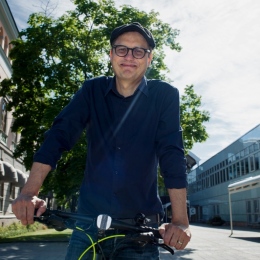
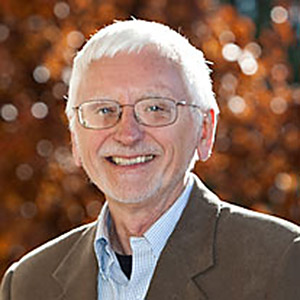
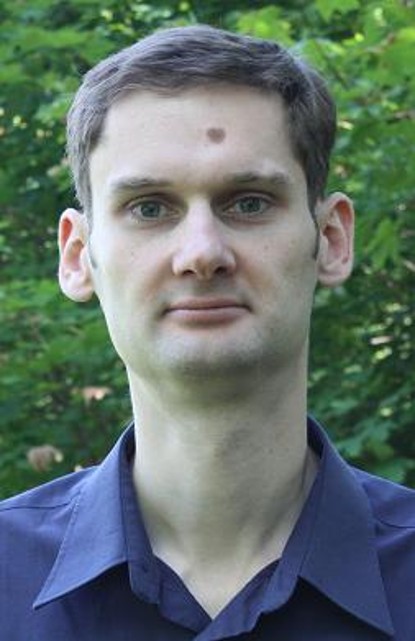
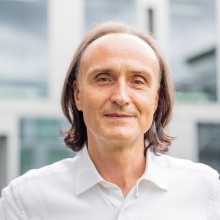
Boli Xu is an Assistant Professor of Economics at the University of Iowa's Tippie College of Business. Their research focuses on microeconomic theory and industrial organization, with a particular emphasis on strategic decision-making in partnerships, auctions, and sequential search problems. Email contact: boli-xu@uiowa.edu . Ph.D. in Economics from Northwestern University (June 2023) Research interests center on game theory, contract design, and information economics, exploring topics like partnership stability under imperfect monitoring, strategic exits in stochastic environments, and optimal disclosure mechanisms in matching markets. Their work often bridges theoretical insights with practical applications in auction design and sequential decision frameworks. Recent publications include analyses of stochastic partnership exits in Theoretical Economics (2025) and reserve price signaling in online auto auctions in The RAND Journal of Economics (2024). Working papers cover robust contracting in sequential search and information acquisition mechanisms.
Nicolas Garcia Trillos is an Associate Professor in the Department of Statistics at the University of Wisconsin-Madison, with research spanning applied analysis, computational probability, statistics, and machine learning. His work focuses on the intersection of calculus of variations, optimal transport, and partial differential equations in learning systems. His educational background includes: Bachelor's degree in Mathematics from Universidad de Los Andes, Bogotá, Colombia (2010) Ph.D. in Mathematics from Carnegie Mellon University (2015) Prager Assistant Professor (postdoctoral position) at Brown University (2015-2018) Garcia Trillos' research centers on the mathematical foundations of machine learning , developing tools in optimal transport and calculus of variations to analyze graph-based learning and continuum models. Key contributions address adversarial robustness , federated learning , and spectral clustering , providing theoretical guarantees for large-scale problems through PDE frameworks. Recent publications (2022-2025) demonstrate a cohesive focus on geometric approaches to adversarial robustness , using optimal transport to derive classification bounds and study solution existence. He has advanced federated learning via consensus-based bi-level optimization (CB2O) and developed Fermat distances for metric approximation, bridging pure mathematics with statistical learning theory. No scientific awards were mentioned in the provided text. There is no information available regarding student advising, research grants, or laboratory affiliations in the source material.
Johan Sandahl is a Professor and Assistant Head of Department at Stockholm University’s Department of Teaching and Learning. He serves as Director of Research Studies in humanities, social sciences, and aesthetics education, with a focus on social science and geography education. His work bridges disciplinary knowledge and life-world perspectives, emphasizing citizenship education through projects like the Swedish Research Council-funded Social Science Education on Trust for an Active and Critical Citizenship . He co-edits the leading journal Journal of Social Science Education (JSSE) and leads the collaborative research initiative Stockholm Teaching and Learning Studies (STLS) . Academic Roles: Professor (2024), Associate Professor (2021), Assistant Head of Department, Director of Research Studies. Research Themes: Citizenship education, political polarization, financial literacy, climate change pedagogy, and interdisciplinary teaching development. Collaborations: Works with international researchers, schools in Stockholm, and contributes to curriculum reforms. His recent publications analyze civic narrative competence, trust in democracy, financial literacy’s societal implications, and geographical reasoning on migration. Though no formal awards are listed in the text, his leadership in research groups and editorial roles underscores his academic influence.
Steven Allender is a Deakin Distinguished Professor at Deakin University's School of Health and Social Development within the Faculty of Health. He serves as founding Director of the Global Centre for Preventive Health and Nutrition (GLOBE), a World Health Organization Collaborating Centre, and leads the Institute for Health Transformation. His work spans public health, epidemiology, and nutrition with focus on chronic disease prevention through systems thinking approaches. Professor Allender holds a PhD from the University of Ballarat. His research focuses on solving complex public health problems, particularly the burden of chronic disease, malnutrition, and climate change impacts in both developed and developing countries. He pioneers community-based interventions using complex systems approaches, with significant emphasis on obesity prevention, food retail environments, and health equity. His methodology integrates systems thinking, implementation science, and community engagement to address structural determinants of health. His recent publications demonstrate strong trends in applying systems thinking to obesity prevention (12 of 15 recent articles), with growing emphasis on climate change-health interactions (3 articles), food retail policy (5 articles), and health equity measurement (4 articles). The work increasingly employs community co-design, implementation research, and sophisticated evaluation methodologies including RCTs and meta-analyses. Consultant, Prevention, Health Policy and Epidemiology Section, European Association for Cardiac Prevention and Care (2010) Honorary Membership, Faculty of Public Health, Royal College of Physicians, UK (2009) World Heart Federation Fellowship in Cardiovascular Epidemiology (2006) Nominated Future Leader, Deakin University Developing Research Leaders Program (2010) Multiple Merit Awards from University of Oxford for outstanding research contributions Professor Allender actively supervises 5 current doctoral students while having completed 17 PhD supervisions, focusing on community action, climate change health impacts, obesity prevention, and mental wellbeing. He has secured over $10 million in competitive grant funding including major NHMRC Partnership Projects, CREs, and international grants from NIH and EU bodies. His current leadership includes the NHMRC TCR on Commercial Determinants of Aboriginal Health ($1.5M), the RE-FRESHING CRE ($2.5M), and the STAIR obesity prevention trial ($1.4M). He maintains significant community partnerships through VicHealth contracts and local government collaborations across rural Victoria. He leads the Global Obesity Centre (GLOBE) as a WHO Collaborating Centre, directing research teams focused on systems approaches to obesity prevention, food retail environments, and climate change-health interactions. His work engages multiple stakeholders including local governments, health services, and international organizations through the World Heart Federation and European Association for Cardiovascular Prevention.
David Peak is a Professor of Physics in the Department of Physics at Utah State University's College of Science, where he has served since 1994. Awarded the 2009 Carnegie Professor of the Year, he is nationally recognized for transformative undergraduate teaching and research mentorship, embodying his mantra that 'research is teaching.' Peak's research pioneers the intersection of biophysics and complex systems, investigating how stomatal networks in plants exhibit computational properties analogous to cellular automata. His work on stomatal patchiness reveals emergent problem-solving capabilities in biological systems, while his educational scholarship develops innovative approaches to quantum mechanics and relativity instruction. This dual focus creates a synergistic cycle where research informs pedagogy and classroom discoveries fuel new scientific inquiries. Analysis of Peak's recent publications (2018-2023) shows consistent exploration of computational parallels in nature, particularly stomatal dynamics and majority automata. His work bridges theoretical physics, plant physiology, and computer science, demonstrating how biological systems solve complex computational tasks. Notably, he integrates educational materials (e.g., problem sets on quantum mechanics) with fundamental research, reflecting his commitment to making advanced concepts accessible. Peak received the 2009 Carnegie Professor of the Year award for his exceptional teaching impact. His mentorship has directly enabled students to secure elite national honors: Rhodes Scholarship Marshall Scholarship Fulbright Award 14 Goldwater Scholarships As a dedicated advisor, Peak has mentored students across achievement levels, including Rhodes Scholar Lara Anderson and Goldwater Scholar Jennifer Albretsen Roth. He founded USU's undergraduate research program and established the 'Peak Prizes in Undergraduate Research' endowment (2008) with his wife Terry Peak. His 'scholarship boot camp' has produced unprecedented national award success, including Rhodes, Marshall, and Fulbright recipients, demonstrating his systematic approach to cultivating student excellence. Peak co-founded the national Council on Undergraduate Research (1978) and collaborates with campus leadership like Associate VP Joyce Kinkead to expand research access. His initiatives specifically address gender equity in STEM, creating inclusive pathways for all students to engage in authentic research experiences that enhance competitiveness for prestigious awards.
Prof. Dr. Frank Aurzada is a Professor of Stochastics at the Department of Mathematics, Darmstadt University of Technology (Technische Universität Darmstadt). He serves as Vice Dean and leads the Stochastics Research Group (Arbeitsgruppe Stochastik). His office is located at Schlossgartenstraße 7, 64289 Darmstadt, Germany, in room S2|15 341. Professor Aurzada's research focuses on probability theory and stochastic processes, with particular expertise in persistence probabilities, fractional Brownian motion, Lévy processes, and Brownian motion. His work often examines first passage problems, asymptotic analysis, and path properties of stochastic processes. He has made significant contributions to understanding the behavior of processes under various constraints and conditions, including conditioned Brownian motion and persistence exponents in diverse settings. His recent publications demonstrate a consistent focus on theoretical aspects of stochastic processes with applications spanning from communication networks to interacting particle systems. The research trends show increasing sophistication in handling complex constraints on stochastic processes and developing perturbation methods for analyzing persistence phenomena. Professor Aurzada has organized numerous academic events, including multiple Spring Schools on specialized topics in probability theory dating back to 2014. His most recent and upcoming events include the Spring School on "Extrema of logarithmically correlated random fields and applications" (March 2025) and the Spring School on "Multiplicative chaos and cascades" (February 2024). For teaching, Professor Aurzada offers courses such as "Statistik I für Cognitive Science und Wirtschaftsingenieurwesen" and "Stochastische Prozesse" for the Winter 2025/2026 semester. His research group actively collaborates with institutions worldwide, including universities in Russia, France, and the United States.
Prof. Dr. Remigijus Paulavičius is a Senior Researcher, Professor, and Group Leader at the Blockchain and Quantum Technologies Group of Vilnius University. He earned his Doctor of Science degree in Computer Science in 2010 from Vilnius University's Institute of Mathematics and Informatics, focusing on global optimization with simplex subdomains under the supervision of Dr. J. Žilinskas. Research Interests : His work bridges global optimization methods with blockchain and quantum computing. Key areas include non-convex bilevel programming, derivative-free optimization algorithms (e.g., DIRECT), and applications in blockchain scalability, consensus protocols, and quantum circuit design. Scientific Awards : Best Paper Award, Journal of Global Optimization (2014) Funding from Lithuanian State Science and Studies Foundation for doctoral students (2007–2009) Member, Young Academy of the Lithuanian Academy of Sciences (since 2019) Projects & Leadership : Leads research on blockchain simulators, quantum machine learning frameworks, and optimization toolboxes (e.g., DGO, DIRECTGO). Involved in international collaborations and conference committees, including AIChE and EUROPT. Publications : Over 70 works on global optimization algorithms, blockchain applications, and quantum computing, with recent focus on generative AI, energy consumption in blockchains, and reproducibility in machine learning.
Dr. Ernestas Filatovas is a Senior Researcher and Chief Researcher in the Project at Vilnius University's Institute of Data Science and Digital Technologies (formerly Institute of Mathematics and Informatics), where he has been affiliated since 2013. He leads the Blockchain and Quantum Technologies Group, focusing on cutting-edge research at the intersection of quantum computing, blockchain, and artificial intelligence. Previously, he served as an Associate Professor and Lecturer at Vilnius Gediminas Technical University's Faculty of Fundamental Sciences from 2013 to 2019. Dr. Filatovas earned his Doctor of Technology in Computer Science Engineering from Vilnius University Institute of Mathematics and Informatics in 2012. His dissertation, supervised by Prof. Dr. Olga Kurasova, focused on the interactive solution of multi-criteria optimization problems. His research spans multiple high-impact domains, with particular expertise in blockchain technologies, quantum computing, artificial intelligence, and machine learning. He has pioneered work in quantum blockchain implementations, reproducibility of AI research through blockchain verification, and quantum machine learning applications. His research bridges theoretical computer science with practical applications in financial markets, healthcare, and distributed systems. His extensive publication record—over 50 scientific papers, with more than 25 in Clarivate Analytics-indexed journals—demonstrates consistent productivity and international collaboration. Recent work shows a clear trajectory toward quantum-enhanced AI systems, blockchain-based research verification frameworks, and quantum algorithms for practical problems. Laureate of the 4th LMA Young Scientists' Conference (2014) INFOBALT scholarship 2nd place winner (2014) Lithuanian State Science and Studies Foundation funding recipient (2009, 2010) Recognized as one of Lithuania's most active doctoral students Master's degree with honors (2006) Dr. Filatovas leads multiple significant research projects, including the 2021-2024 project 'Solving the problems of reproducibility of scientific research in the field of artificial intelligence using blockchain technologies' as team leader, and the 2023-2027 project 'Development and validation of quantum machine learning methods using prepared datasets' as Chief Researcher. He has also contributed to international collaborations such as the Spanish-funded 'High Performance Solutions for Modern Scientific Computing Challenges' (2019-2021). His popular science contributions, including the VU news portal article 'Quantum Computing: Who and Why?', demonstrate his commitment to science communication. As a key member of Vilnius University's Blockchain and Quantum Technologies Group, Dr. Filatovas contributes to Lithuania's growing reputation in quantum computing research and blockchain innovation, working closely with international collaborators across Europe.
Oluwaseun Priscilla Olawale is a Lecturer in Software Engineering at Near East University (Nicosia, Cyprus), where she is concurrently pursuing her master's degree in Software Engineering. She previously served as a teaching assistant at the same institution. Her academic background includes a Bachelor's degree in Computer Science from Bowen University, Nigeria, complemented by professional experience as an IT Specialist at the Standards Organisation of Nigeria and Software Developer at Royal Niger Company. Research Focus: Her work centers on developing reliable software solutions with emphasis on artificial intelligence applications. Primary domains include healthcare technology (medical imaging, remote healthcare, IoHT security), industrial systems (Industry 4.0 automation), cybersecurity (blockchain integration, anomaly detection), and educational technology (post-pandemic learning environments). She demonstrates consistent interest in interdisciplinary AI implementations bridging theoretical models and practical challenges. Publication Trends: Recent articles (2020-2025) reflect a progression from foundational surveys in data mining and blockchain verification toward applied AI solutions. Emerging themes include disaster prediction systems, audio-visual signal processing, and security-enhanced healthcare networks. Her technical approach frequently employs deep learning architectures (CNNs, VGG-16), blockchain frameworks, and signal processing techniques to address real-world problems across diverse sectors.
Johannes van der Merwe is a Lecturer at the Faculty of Medicine, KU Leuven, affiliated with the Department of Development and Regeneration. His work focuses on maternal-fetal medicine, prenatal diagnosis, and management of high-risk pregnancies. He actively participates in clinical research projects including: Lung function and phenotype in intrauterine growth restriction Fetal management strategies for gastroschisis Preterm birth prevention in twin pregnancies Prenatal spina bifida repair His research spans obstetrics, gynecology, and fetal medicine with emphasis on: Interventional radiology applications Cerclage complications Placental artery-to-vein anastomoses Membrane biomechanics Maternal anemia screening He contributes to teaching activities in obstetrics and gynecology, including courses on: Specialized midwifery Problem-solving in gynecology Evidence-based clinical practice
François-Laurent De Winter is a Lecturer at the Faculty of Medicine, KU Leuven, affiliated with the Department of Neuroscience and working within the Neuropsychiatry unit at UZ Leuven. He is a member of the LBI - KU Leuven Brain Institute and serves on both the Faculty Council of Medicine and the Departmental Council of Neurosciences as ZAP (Zelfstandig Academisch Personeel). His professional activities span teaching, research, and institutional governance within the university's medical faculty. Dr. De Winter's research focuses on neuropsychiatry and neuroscience, with particular emphasis on neurodegenerative diseases including Alzheimer's disease, Huntington's disease, and frontotemporal dementia. His work explores the intersection of sleep disorders, brain imaging techniques (particularly fNIRS and PET), and neuropsychiatric manifestations of neurological conditions. He is currently co-promoting a project on non-invasive measurement of brain activity in freely moving populations using functional near-infrared spectroscopy (fNIRS) running from 2023-2024. His recent publications demonstrate a strong focus on the relationship between neurodegenerative processes and clinical manifestations, with particular attention to sleep physiology in Alzheimer's disease, social cognition in Huntington's disease, and behavioral aspects of frontotemporal dementia. His work spans both fundamental neuroscience and clinical applications, often employing advanced neuroimaging techniques to bridge these domains. As an educator, Dr. De Winter contributes to numerous courses in adult psychiatry, including skills training, evidence-based medicine, problem-solving abilities, and communication skills. His teaching portfolio reflects a comprehensive approach to psychiatric education across multiple dimensions of clinical practice. His professional activities demonstrate significant engagement with interdisciplinary approaches to neuropsychiatric disorders, emphasizing the importance of bridging neurological and psychiatric perspectives in understanding complex brain disorders. His work on anti-NMDA receptor encephalitis specifically highlights the challenges of interdisciplinary recognition of neuropsychiatric conditions.
David Randall White is a Professor in the Department of Otolaryngology - Head and Neck Surgery at the Medical University of South Carolina (MUSC) . He serves as the Director of Pediatric Otolaryngology and is affiliated with multiple specialized centers at MUSC, including the Airway and Aspiration Center for Children, Craniofacial Anomalies and Cleft Palate Center, Velopharyngeal Insufficiency and Speech Team, Cochlear Implant Center, and Vascular Anomalies Program. Education: MD, Medical University of South Carolina Residency, Otolaryngology-Head and Neck Surgery, University of North Carolina Fellowship, Pediatric Otolaryngology, Cincinnati Children's Hospital Medical Center Clinical Focus: Pediatric Ear, Nose, and Throat Disorders Speech and Swallowing Disorders Airway and Hearing Problems Cochlear Implantation Dr. White has authored over 100 articles and chapters, with recent research interests spanning pediatric airway disorders , neuroimaging in aging and Alzheimer's , and innovative cancer therapies . His work includes consensus guidelines for pediatric tracheostomy emergency readiness and non-tuberculous mycobacterial infections. Scientific Awards: Recipient of multiple research awards at national otolaryngology meetings, though specific awards are not listed in the provided text.
Maurice Herlihy serves as the An Wang Professor of Computer Science at Brown University, where he leads research in distributed systems and blockchain technology. His academic career spans decades with continuous contributions to concurrency theory and practical distributed system design. Education: PhD in Computer Science from Massachusetts Institute of Technology (1984) MS in Computer Science from Massachusetts Institute of Technology (1980) BA from Harvard University (1975) His research focuses on fundamental problems in distributed computing, particularly transactional memory systems and blockchain scalability. Recent work centers on overcoming concurrency limitations in blockchain execution through sharding techniques, optimized transaction scheduling, and cross-chain protocols. He investigates how hardware features like trusted monotonic counters can enhance Byzantine fault tolerance in asynchronous networks. Analysis of his 2020-2025 publications reveals a dominant focus on blockchain systems, with 85% of recent work addressing scalability, concurrency, and security challenges. Key trends include sharded permissioned ledgers for enterprise applications, concurrent execution models for Ethereum, and formal verification of cross-chain protocols. His work bridges theoretical distributed computing with practical cryptocurrency system design. He has secured significant research funding including NSF SHF grants for run-time support in concurrent programming. While specific advisees aren't listed in source materials, his teaching of advanced courses like CSCI 1760 (Multiprocessor Synchronization) indicates active graduate mentorship in distributed systems.
Frank Leymann is a Professor at the Institute for Architecture of Application Systems, University of Stuttgart. His research spans quantum computing, cloud systems, middleware, and business process management. Affiliation: University of Stuttgart, Institute for Architecture of Application Systems Key Projects: PlanQK, EniQmA, OpenTOSCA, SeQuenC Academic Recognition: Over 30 years of publications in service computing and quantum technologies Research Interests: His work focuses on quantum software engineering , hybrid quantum-classical systems , and cloud application architectures . Notable contributions include TOSCA standardization for cloud deployment and systematic studies on quantum optimization. Recent Publications: 2025-2024 articles emphasize quantum algorithm expressivity , cross-chain blockchain transactions , and post-quantum security . Earlier works (2023-2021) address quantum workflow provenance , QAOA optimization , and IoT platform architectures . Technical Leadership: Director of a multidisciplinary team developing frameworks like OpenTOSCA and tools for quantum application deployment.
William D. Marelich is a Professor of Psychology at California State University, Fullerton, within the College of Humanities and Social Sciences. With a Ph.D. in Applied Social Psychology from Claremont Graduate University (1997) and a BA from California State University, Sacramento, he has established himself as a prominent researcher in health psychology, particularly in HIV/AIDS research, decision-making in health settings, and statistical methodology. His educational background includes a National Institute of Mental Health (NIMH) postdoctoral fellowship from UCLA. Dr. Marelich's research interests span applied social psychology, health psychology, judgment and decision making, persuasion, social influence, research methods, and sexuality. He has developed several psychological measurement scales including the Need for Sexual Intimacy Scale (NSIS), Sexual Deception Scale, and various HIV-related assessment tools. His work demonstrates a strong emphasis on quantitative methods applied to real-world health problems, with particular focus on HIV-positive populations and their psychosocial contexts. He also maintains an active interest in Sport Psychology, particularly as it applies to baseball, having taught courses and worked with college baseball players. His publication record includes over 90 peer-reviewed publications and three books, with recent work (2021-2025) focusing on maternal HIV disclosure interventions, relationship dynamics, and methodological approaches. His research often employs longitudinal and multisite designs, particularly in the HIV disclosure intervention studies (TRACK project). The consistent theme across his work is the application of rigorous quantitative methods to understand health-related behaviors and decision-making processes. Outstanding Scholarship and Creativity Award (twice recipient from College of Humanities and Social Sciences) Dean's Faculty Scholarly Achievement Award (2025) Editorial Board Member, International Journal of Adolescence and Youth Dr. Marelich has taught Advanced Psychological Statistics, Health Psychology, and Multivariate Statistics for Psychology. His past appointments include Senior Statistician for Health Risk Reduction Projects at UCLA, research consultant for UCLA's Neuropsychiatric Institute, Research Scientist on a grant to reduce childhood maltreatment in Kenya, and Research Analyst for the California Department of Health Services Office of AIDS. He maintains active research collaborations with Murphy, Armistead, and Schulte on HIV-related projects and continues to develop measurement tools for relationship and health psychology research.