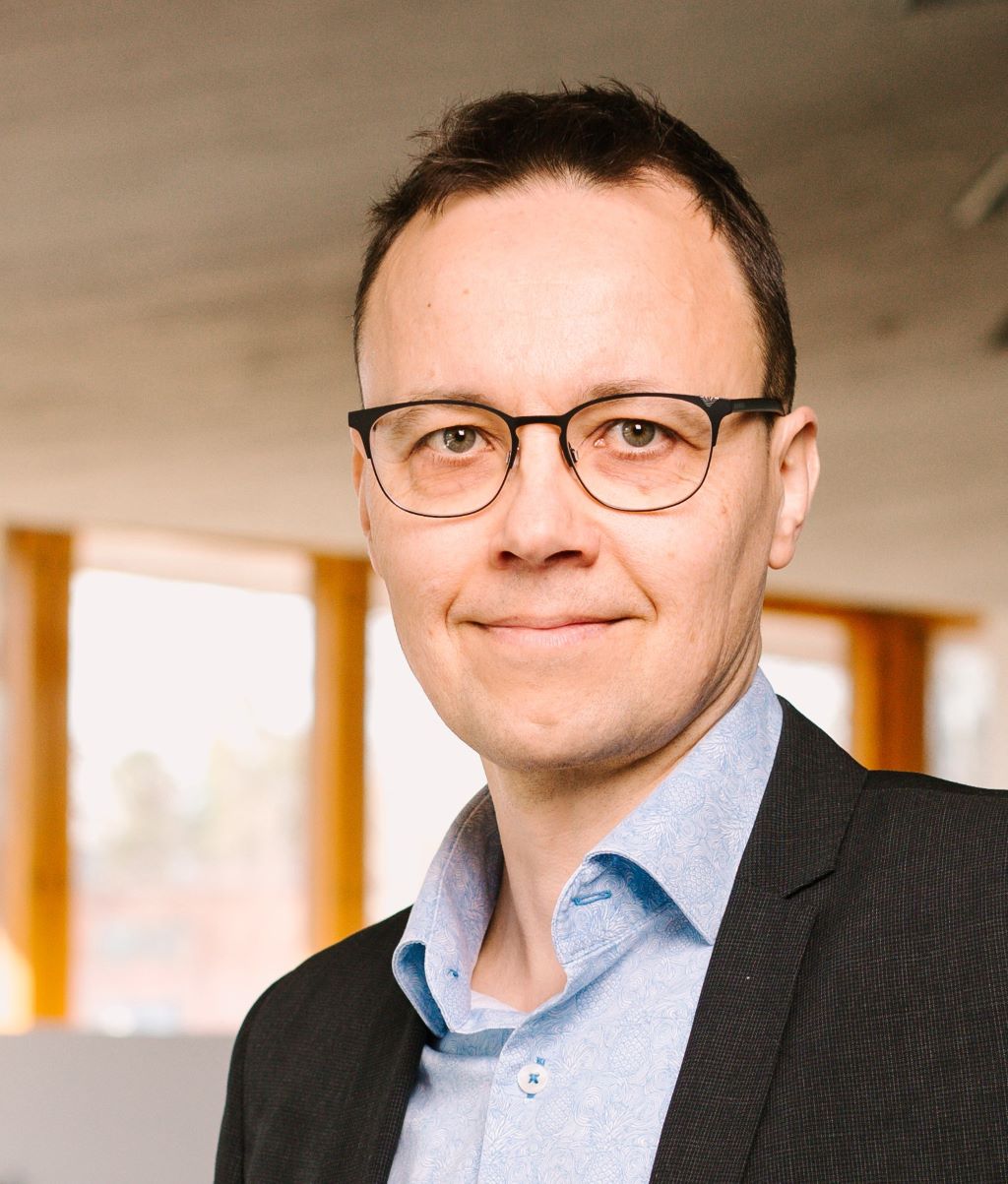
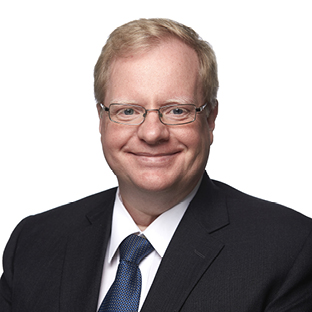
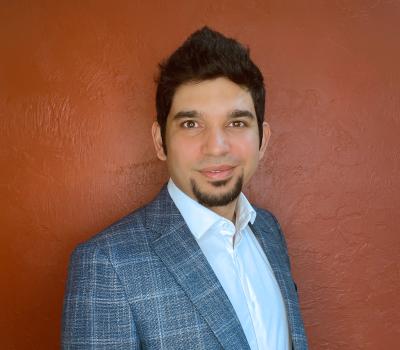
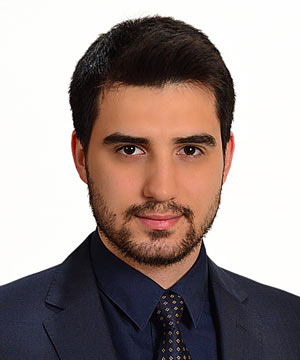
Simo Hostikka is a Professor in the Department of Civil Engineering at Aalto University's School of Engineering. His research focuses on fire safety engineering , utilizing numerical fire simulations to address critical challenges in building and infrastructure safety. Key Expertise: Fire Dynamics Simulator (FDS) development, thermal radiation heat transfer, pyrolysis modeling, fire toxicity calculations, and probabilistic risk analysis. Leadership: Supervises advanced fire safety research and contributes to international fire safety standards. Research Trends: Recent publications emphasize fire toxicity modeling , hydrogen fire safety , radiation heat transfer , and fire retardancy of polymeric materials . His work bridges computational methods with real-world fire safety applications. Scientific Awards: Philip Thomas Medal of Excellence (2008, 2005) Sjölin Award (2012) Interflam Trophy (2007) Harmathy Award (2020, 2019) Dean’s Award for Best MSc Thesis (2020) Best Paper in Rakenteiden Mekaniikka (2009) Advising: Supervised Topi Sikanen, who received the Young Talent Award from the International Water Mist Association.
Christoph Gehlen is Professor and Chair of Materials and Materials Testing in Civil Engineering at the Technical University of Munich (TUM), based at Franz-Langinger-Str. 10 in Munich. His research group focuses on advanced concrete technologies, materials science, and digital construction methods, with significant contributions to additive manufacturing in civil engineering through the Collaborative Research Center TRR 277. His research spans concrete technology, durability assessment, and sustainable construction practices. Key interests include corrosion mechanisms in reinforced concrete, non-destructive testing methodologies, and additive manufacturing techniques like Selective Paste Intrusion (SPI). Recent work emphasizes 3D concrete printing for structural applications, life cycle assessment of printed elements, and fundamental studies on material behavior under environmental stressors including carbonation, chloride exposure, and freeze-thaw cycles. Analysis of his 15 most recent publications (2024-2025) reveals dominant research trajectories in digital fabrication of concrete structures, particularly SPI-based additive manufacturing. His work integrates materials science with structural engineering to develop functionally graded components, assess sustainability metrics, and solve reinforcement integration challenges. Significant interdisciplinary efforts address durability issues through electrochemical monitoring, coda wave interferometry, and advanced imaging techniques for concrete microstructure characterization. Gehlen leads the Chair of Materials and Materials Testing in Civil Engineering at TUM, which operates advanced laboratories for concrete characterization including confocal laser scanning microscopy and virtual testing environments. His team actively participates in TRR 277 (Additive Manufacturing in Construction), developing fabrication-aware design methods and experimental validation protocols for novel construction technologies.
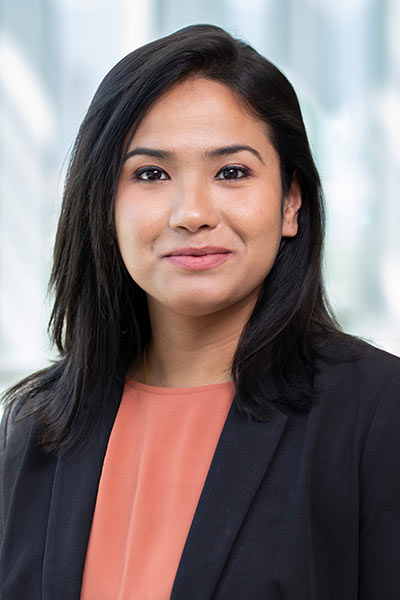
Dr. Srishti Banerji is an Assistant Professor in the Department of Civil and Environmental Engineering at Utah State University and Director of the Systems, Materials, and Structural Health (SMASH) Lab. She leads research on advanced construction materials, structural resilience under extreme loads (particularly fire), sustainable infrastructure, and structural health monitoring. Her group focuses on experimental testing, numerical simulations, and developing design solutions for civil infrastructure. Education: PhD in Civil (Structural) Engineering, Michigan State University (2021) MS in Civil (Structural) Engineering, Concordia University (2016) BS in Civil Engineering, National Institute of Technology Silchar (2013) Research Focus: Her work spans: 1) Characterization of high-performance/sustainable materials (e.g., UHPC, recycled glass pozzolan), 2) Structural behavior under fire exposure, 3) Integration of electric charging systems in concrete pavements, 4) Non-destructive testing and structural health monitoring, and 5) Retrofitting techniques for infrastructure strengthening. She employs machine learning, thermo-mechanical modeling, and full-scale experimentation. Publication Trends: Her 13+ journal articles primarily analyze fire resistance of concrete/timber structures, UHPC material properties at high temperatures, sensor-based infrastructure monitoring, and sustainable material development. Recent works increasingly incorporate machine learning and electrification concepts. Awards & Honors: Teacher of the Year (USU, 2025) ASCE ExCEEd Faculty Teaching Fellowship (2023) Top Cited Article Award, Fire and Materials Journal (2023) SHMII-11 Early Career Grant (2022) NSERC Scholarship (2015) Best Conference Paper (SEC 2016) Current Projects & Teams: She leads 5+ funded projects including fire performance of polymer concrete, self-healing concrete for bridges, and Utah-sourced UHPC development. Mentees include 3 PhD students (Abdullah Al Sarfin, Mehrnoosh Nazari, Mahmoud Ali) and alumni working on sustainable materials and additive manufacturing.
Jing Li is a Staff Scientist at Stockholm University's Department of Chemistry, leading operations at the MACAL Soft Matter Characterization Lab and Surface Analysis Core. She holds two PhDs in Physical Chemistry (Xiamen University, China) and Surface Science (KTH Royal Institute of Technology, Sweden), with postdoctoral experience at University of Alberta and Swedish University of Agricultural Sciences (SLU). Her interdisciplinary research bridges electrochemistry, atomic force microscopy (AFM), and bio-based nanomaterials. PhD in Physical Chemistry (2004-2010), Xiamen University PhD in Surface Science (2011-2015), KTH Royal Institute of Technology Postdoctoral Fellow, University of Alberta (2010-2011) Researcher, Swedish University of Agricultural Sciences (2016, 2017-2018, 2020) Guest Researcher, BOKU Vienna (2017-2018) Research Focus: Development of advanced AFM methodologies for nanoscale surface science, electrochemistry of conductive nanomaterials, and functionalization of cellulosic composites. She investigates corrosion mechanisms through in situ electrochemical-AFM, with applications in water treatment membranes and renewable energy systems. Her work employs quantitative force mapping and nanomechanical analysis of bio-based materials. Scientific Leadership: Manages MACAL's multimode AFM, DMA, tensile testing, and gas adsorption analyzers. Teaching responsibilities include two advanced courses: Introduction into AFM (KZ41005) and Introduction into Dynamic Mechanical Analysis (KZ41021) , emphasizing practical data acquisition and interpretation.
Prof. Dr. Selcuk Paker is a faculty member at the Department of Electronics and Communication Engineering , Faculty of Electrical and Electronics Engineering , Istanbul Technical University. His research spans electromagnetic field theory, microwave systems, and telecommunications, with a focus on antenna design, radar imaging algorithms, and bioelectromagnetics. Research Interests : Electromagnetic scattering, inverse scattering, radar systems, SAR imaging, GNSS algorithms, microwave heating, and wireless communication. Recent publications highlight his work in 5G antenna design , radar-based earthquake detection , and biological effects of RF exposure . He contributes to microwave and radar technologies, including applications in structural diagnostics and sensor networks.
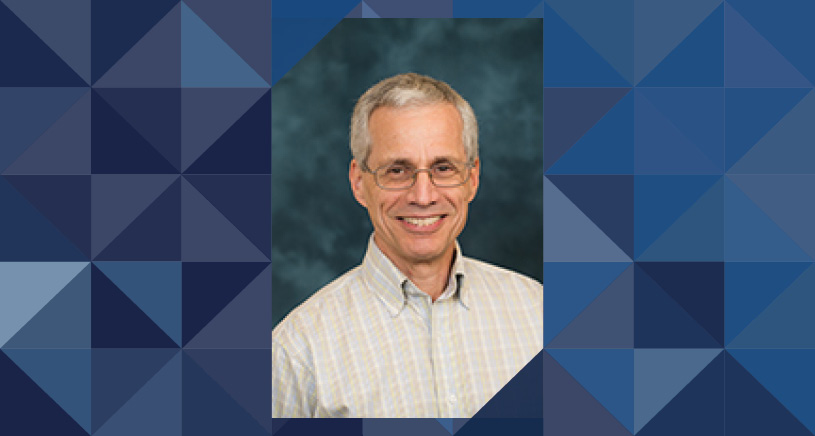
Stuart Batterman is a Professor at the University of Michigan's School of Public Health and College of Engineering. His work spans environmental health sciences, air and water quality, and global public health initiatives. Education: PhD in Water Resources and Environmental Engineering, Massachusetts Institute of Technology (1986) MS in Water Resources and Environmental Engineering, MIT (1981) BS in Environmental Sciences, Rutgers University (1979) Professor Batterman specializes in environmental impact assessment, exposure analysis for volatile organic compounds (VOCs), environmental justice, life cycle analysis, and pollution control strategies. His research integrates laboratory and field studies with statistical modeling to address urban and industrial health risks. His recent publications focus on VOC exposure, asthma interventions, environmental justice, and sustainable systems. Projects include NSF-funded work on concrete materials, NIH/Fogarty collaborations in South Africa, and CDC/NIOSH-supported health and safety programs. Contact: stuartb@umich.edu | Office: 734-763-2417 | Address: M6075 SPH II, University of Michigan
Bjorn Birgisson is the Chair of the School of Environmental, Civil, Agricultural and Mechanical Engineering and holds the Georgia Power E-Mobility Distinguished Professorship at the University of Georgia. His research focuses on infrastructure resilience, pavement engineering, materials science, and novel construction technologies. He has pioneered work on asphalt mixture performance, autonomous vehicle impacts on roadways, and extraterrestrial construction materials using lunar regolith. His interdisciplinary approach integrates computational modeling, experimental testing, and environmental sustainability. Educational Background: Ph.D., P.E. credentials are highlighted but formal education details are not provided in the text. His professional appointments emphasize practical application of research to real-world infrastructure challenges. Research Interests include: Transportation infrastructure resilience to climate change Advanced material characterization for pavements Additive manufacturing for space exploration Non-destructive evaluation techniques His recent publications (2020-2025) address: Moisture variation in clayey soils Pavement crack initiation modeling Autonomous truck infrastructure impacts Lunar regolith utilization Scientific Awards: Georgia Power E-Mobility Distinguished Professorship recognizes his contributions to sustainable transportation infrastructure. Advising/Grants: While student names are not listed, his research teams focus on doctoral-level projects in geotechnical engineering and materials science. Grant activities likely include federal/state transportation initiatives and space exploration partnerships. Labs/Teams: Active in the Boyd Research and Education Center, collaborating with industry partners on pavement testing and additive manufacturing technologies.
Erdem Coleri is an Associate Professor at Oregon State University's College of Engineering, Department of Civil and Construction Engineering. He joined OSU in 2014 after postdoctoral work at the University of California Pavement Research Center. His research focuses on sustainable pavement materials, energy-efficient design, and infrastructure health monitoring using wireless sensor networks. He directs the OSU Asphalt Materials and Pavements (AMaP) Lab, emphasizing recycled materials and pavement sustainability. Education: Ph.D., Civil and Environmental Engineering (UC Davis, 2011); M.S. and B.S., Civil Engineering (Middle East Technical University, Turkey). Research interests include asphalt characterization, pavement management systems, and wireless sensor networks for infrastructure monitoring. Notable awards include the John and Jean Loosley Faculty Fellow (2015) and Oregon State University Teaching Excellence (2020). He advises students like David Covey and Aiman Mahmoud, focusing on tack coat performance and recycled materials. His lab develops technologies to reduce environmental impact and improve pavement longevity. Key projects include the AMaP Lab's work on permeable pavements, warm-mix asphalt, and energy-efficient designs. He collaborates with ODOT and agencies on field tests and sensor systems. Recent publications address balanced mix design, recycled materials, and fuel efficiency linked to pavement roughness.
Vamvatsikos Dimitrios serves as an Associate Professor in the Department of Structural Engineering at the School of Civil Engineering, National Technical University of Athens (NTUA), maintaining active research and teaching roles in seismic engineering and structural dynamics. His work centers on risk assessment methodologies, fragility analysis, and innovative seismic protection systems for buildings and critical industrial infrastructure. His research spans seismic risk assessment of oil refineries and industrial facilities, development of advanced protection systems (including inerter devices and fiber-reinforced elastomeric isolators), and experimental validation of non-structural component performance. Key methodological contributions include probabilistic fragility curve estimation via Bayesian updating, analysis of vertical ground motion effects, and hazard-consistent risk frameworks. His work extends to cultural heritage protection and infrastructure resilience decision-support systems. Recent publications (2024-2025) demonstrate intense focus on practical industrial risk assessment, particularly for oil refineries and steel racking systems, integrating experimental shaking table tests with computational modeling to validate seismic protection strategies like nonlinear steel fuses. A growing trend incorporates sustainability-driven design principles and climate change impacts into risk assessment frameworks. Scientific Awards: No scientific awards were documented in the provided source material. Advising and Grants: No information regarding student advising, research grants, or funding sources was available in the scraped content.
Semih Doğu is an Assistant Professor at the Department of Electronics and Communication Engineering , Faculty of Electrical and Electronics Engineering , Istanbul Technical University . His research focuses on Electromagnetic Theory , Microwave Imaging , Inverse Scattering Problems , and Antenna Design . Doctorate: Istanbul Technical University (2023) Master's: Istanbul Technical University (2017) Bachelor's: Yıldız Technical University (2015) His research interests emphasize microwave-based diagnostics, including: Microwave imaging for breast cancer detection Antenna optimization for medical and security applications Inverse problem solving in electromagnetic systems Through-the-wall imaging for surveillance Semih Doğu's recent publications demonstrate his expertise in: Neural networks for temperature monitoring in hyperthermia Ku/Ka-band antenna designs for satellite systems Microwave salinity sensing Algorithm development for improved imaging accuracy He contributes to the ITU Electromagnetics Research Group , participating in projects like: Microwave Brain and Breast Imaging Device Development Compressed Sensing for Energy-Efficient Communication Microwave Tissue Analysis
Jeffery S. Volz holds the title of Associate Dean for Partnerships and is a Lloyd G. and Joyce Austin Presidential Professor at the University of Oklahoma 's Gallogly College of Engineering. He is affiliated with the School of Civil Engineering and Environmental Science (CEES), where he previously served as associate director for undergraduate studies and director of the Donald G. Fears Structural Engineering Laboratory. His academic journey includes roles in industry for 16 years at firms like Skidmore, Owings & Merrill, and the Portland Cement Association. Education : PhD, Civil Engineering, Pennsylvania State University MS, Architectural Engineering, Pennsylvania State University BAE, Architectural Engineering, Pennsylvania State University Research Focus : Volz's work centers on structural engineering and material science , emphasizing resilient and sustainable infrastructure solutions. Key areas include UHPC applications, bridge column reinforcement, and recycled material utilization in concrete. His research has been funded by NSF, DoD, FHWA, and industry partners like Ameren Corporation and Dolese. Grants & Projects : Over 20 grants since 2013, including studies on UHPC link slabs, FRP bridge decks, and high-volume recycled materials in pavements. He has led projects addressing bridge-pavement interaction, in-stream structure erosion effects, and corrosion-resistant concrete formulations. Labs & Teams : Director of the Donald G. Fears Structural Engineering Laboratory . Advises ASCE student chapters and competition teams (Concrete Canoe, Steel Bridge).
Dr. Aliakbar Gholampour is a Senior Lecturer in Civil and Structural Engineering at the College of Science and Engineering, Flinders University. He earned his PhD in Structural Engineering from the University of Adelaide in 2019 and served as a Postdoctoral Research Fellow at the University of Melbourne until July 2020. He currently serves as Sustainable Construction Materials and Technologies Lead at Flinders University. Dr. Gholampour's educational background includes: PhD in Structural Engineering, University of Adelaide (2019) MSc in Structural Engineering BSc in Civil Engineering (Honours) His research focuses on sustainable infrastructure development through innovative materials and technologies. Dr. Gholampour specializes in recycling waste materials, industrial by-products, and fibers to develop sustainable construction materials. His work encompasses cementitious composites containing nanomaterials, smart multifunctional construction materials, 3D printable concrete, and advanced modeling of fiber-reinforced concrete. In structural engineering, he investigates the behavior, performance, and design of civil infrastructure with emphasis on resilience, sustainability, and management of deteriorating assets. Analysis of his recent publications reveals a strong focus on sustainable construction materials, particularly in recycling waste streams (foundry sand, plastic, glass, lead slag) for concrete production. His work integrates advanced computational methods including machine learning for material property prediction. The research trends show increasing emphasis on life cycle assessment, carbon reduction technologies, and the development of high-performance sustainable concrete alternatives using industrial by-products and recycled materials. Dr. Gholampour's scientific recognition includes: World's top 2% scientist by Stanford University and Elsevier (2021-2023) Emerging Research Leader Award, Flinders University (2023) Vice-Chancellor's Award for Early Career Researchers, Flinders University (2022) Finalist, SA Climate Leaders Awards (2024) Dean's Commendation for Doctoral Thesis Excellence, University of Adelaide (2019) His research is supported by significant grants including the International Clean Innovation Researcher Networks for Decarbonising the Building Industry (2023-2027), multiple Research Investment Funds from Flinders University, and the CRC-P grant for Recycling Waste Plastics. Dr. Gholampour serves as Special Issue Editor for multiple journals including Materials, Fibers, and Frontiers in Built Environment, and as Associate Editor for Frontiers in Built Environment Journal. He is a Steering Committee Member of the International Researcher Network for Decarbonising the Building Industry and a member of the Concrete Institute of Australia.
Michael Raupach is a Professor at RWTH Aachen University holding the Chair of Building Materials Science - Building Conservation. His work focuses on concrete durability, reinforcement corrosion, and sustainable construction materials, with particular expertise in alkali-activated binders, carbon textile reinforcement, and electrochemical monitoring systems. Research Interests: Concrete durability, corrosion protection, sustainable materials, structural maintenance, BIM applications, and non-destructive testing. Recent Work: Investigates electrically heated carbon textile reinforced concrete systems, develops hybrid alkali-activated materials for realkalization, and explores chloride diffusion mechanisms in low-carbon binders. Publications: Active in journals covering concrete technology, corrosion engineering, and sustainable construction methods.
Dr. Spencer Quiel is an Associate Professor of Structural Engineering at Lehigh University's P.C. Rossin College of Engineering and Applied Science. His research focuses on structural resilience to extreme loads such as fire, blast, and progressive collapse, with particular emphasis on bridges, tunnels, and building systems. He has secured over $1.5 million in grants from NSF, USDOT, and others, and his work is published in leading journals like Engineering Structures and Fire Safety Journal. Prior to academia, he worked at Hinman Consulting Engineers, contributing to structural designs for hazard resistance. He holds a PhD from Princeton University (2009) and a BS from Notre Dame (2004), supported by a DHS Fellowship during his doctoral studies. Dr. Quiel teaches undergraduate courses in engineering statics and civil engineering design, as well as graduate-level structural fire engineering. He currently serves as Vice Chair of the PCI Blast Resistance and Structural Integrity Committee and contributed to ASCE standards on fire loads and structural fire engineering. His research group focuses on experimental testing, numerical modeling, and large-scale infrastructure resilience. Education: PhD, Civil Engineering, Princeton University (2009) Professional Affiliations: ASCE, AISC, PCI Licenses: Professional Engineer (PA, VA) Key Projects: World Trade Center collapse studies, tunnel liner resilience, thermal energy storage systems His research interests span structural fire effects, blast-resistant design, progressive collapse frameworks, and innovative cladding systems. Recent work includes developing fire-resistant tunnel liners and thermal energy storage solutions using concrete matrices. He also investigates multi-hazard simulation methods for tall buildings using real-time hybrid techniques.
Rosario Ceravolo is a Full Professor in the Department of Structural, Building and Geotechnical Engineering (DISEG) at the Polytechnic University of Turin , where he conducts cutting-edge research in structural dynamics, earthquake engineering, and structural health monitoring with a focus on architectural heritage. He is a member of the Interdepartmental Center R3C (Responsible Risk Resilience Center) and the University Quality Assurance Committee, reflecting his leadership in academic and research governance. His research interests include: Dynamic identification of structures Seismic assessment and protection of cultural heritage Structural health monitoring (SHM) Natech (natural-technological) risk Earthquake engineering and structural control His recent publications demonstrate a strong trend toward integrating advanced computational techniques, satellite data, and experimental monitoring for assessing historical and modern structures. Key themes include modal tracking, digital twinning, ferrocement durability, and data fusion for heritage conservation. His work bridges civil engineering and heritage science, often involving interdisciplinary collaborations. Scientific Awards and Recognitions: Keeping it Modern Implementation Grant, Getty Foundation (2019) Fellow, ICOMOS (2024–) Fellow, ISCARSAH (2014–) Fellow, American Society of Civil Engineers (1999–) Evaluator, Rita Levi Montalcini Program (2018) Advising and Grants: He supervises multiple PhD students in architectural and civil engineering programs and leads several major research initiatives, including EU-funded and national projects such as REcube (Erasmus+), OPTIMISE, SAT4SHM, and CAMELOT. He serves as Scientific Director for numerous research contracts with public and private institutions, including long-term monitoring projects at the Vicoforte Sanctuary and Torino Esposizioni. Research Labs and Teams: He leads activities in the Dynamics and Seismic Laboratory (DISEG) and is involved in research networks such as ICOMOS-ISCARSAH and IASS-WG17, fostering international collaboration in structural analysis and heritage conservation.