Hilde Moseby Berge is an Associate Professor in the Department of General Practice at the University of Oslo. Her research focuses on cardiovascular health in athletes, injury and illness prevention in elite sports, and the psychological and social impacts of cardiac arrest survival among young exercisers. She has collaborated extensively with institutions like the Norwegian Olympic and Paralympic committees, contributing to longitudinal health monitoring programs for athletes. Her work includes evaluating automated external defibrillator (AED) availability in sports clubs and analyzing post-surgical outcomes for musculoskeletal injuries. Berge is also affiliated with the Clinical General Practice Research (Allmix) and General Practice Health Services Research (ALHF) groups, emphasizing her commitment to practical healthcare solutions. Key research themes include: 1) Cardiac events in sports contexts, 2) Health disparities affecting Paralympic athletes, and 3) Long-term health surveillance for Olympic/Paralympic participants. Her studies often use systematic reviews and multi-year cohort analyses, with findings published in journals like British Journal of Sports Medicine and Resuscitation . Berge’s contributions to healthcare systems include designing prevention protocols for sudden cardiac arrest and investigating bone density issues in elite Para athletes. She has co-authored over 15 peer-reviewed articles since 2014, addressing topics such as ECG interpretation in athletes, post-cardiac arrest quality of life, and the epidemiology of sports-related injuries. Her work bridges clinical research and real-world healthcare applications, particularly in sports medicine and emergency preparedness.
Dr. Hong Ming Tan is a Senior Lecturer at the Department of Analytics and Operations, NUS Business School, and a Research Fellow at the Institute of Operations Research and Analytics (IORA) at National University of Singapore. He holds a PhD in Operations Research and Analytics (2021), MSc in Mathematics (2017), and BSc (Hons) in Applied Mathematics and Economics (2013) from NUS. Doctor of Philosophy, Operations Research and Analytics (2021) Master of Science, Mathematics (2017) Bachelor of Science (Hons), Applied Mathematics and Economics (2013) His research spans Business Analytics , Machine Learning , Operations Research , and Pharmacogenetics . Recent work includes: EcoVal Framework for efficient data valuation in ML Personalized Mental Health through adaptive testing and clustering Antibiotic Resistance modeling using antiresistic strategies CYP2D6 Methylation prediction for precision medicine His publications demonstrate expertise in ML optimization , healthcare informatics , behavioral analytics , and decision science . Current projects include AI-led Smart Data Centre Management and SIA Corp Lab research. He serves as Chair of the Department Finance Committee and advisor to student clubs like Business Analytics Consulting Team. His work addresses real-world challenges in industrial operations, healthcare diagnostics, and educational innovation.
Susan Embretson is a Professor of Psychology at the School of Psychology, Georgia Institute of Technology, with a distinguished career spanning modern psychometric theory and cognitive assessment methodologies. Her educational foundation includes a Ph.D. in Psychology from the University of Minnesota (1973). Dr. Embretson pioneers the integration of cognitive theory into psychometric models , specializing in item response theory and cognitive diagnosis. Her groundbreaking work on "tests without items" leverages artificial intelligence for dynamic item generation targeting cognitive difficulty sources. Research spans fluid reasoning, spatial ability, mathematical reasoning, and verbal comprehension, fundamentally advancing personalized assessment. Analysis of her 2012-2016 publications reveals sustained innovation in multicomponent latent trait modeling, cognitive complexity applications, and AI-driven test development. Key themes include diagnostic precision in mathematics assessment, cognitive load optimization, and personality impacts on test performance, establishing new paradigms in educational measurement. She directs the Cognitive Measurement Laboratory at Georgia Tech, driving research at the intersection of cognitive science and psychometrics.
Denny Yu is an Associate Professor at the Edwardson School of Industrial Engineering, Purdue University. His work bridges human factors, neuroergonomics, and healthcare safety through advanced sensor systems and AI. Primary Affiliation : Edwardson School of Industrial Engineering, Purdue University Research Themes : Surgical ergonomics, autonomous vehicle human factors, cognitive workload assessment, multimodal physiological sensing Dr. Yu's research focuses on neuroergonomics and human-robot interaction , particularly in surgical and transportation contexts. His team develops sensor-based systems for workload monitoring, including: EEG-eye tracking fusion for situation awareness Wearable exoskeletons for surgical posture support Computer vision tools for lifting task risk analysis Smart infusion pump usability frameworks AI-driven surgical coaching systems Recent publications emphasize deep learning applications in soft tissue deformation estimation and real-time adaptive systems for robotic surgery augmentation. His work spans both occupational health (veterinary surgeons, airport workers) and medical device innovation domains.
Dr. Dawn M. Johnson is a Professor in the Department of Counseling Psychology at the University of Akron. She holds a Ph.D. in Counseling Psychology from the University of Kentucky (2001) and completed a postdoctoral research fellowship at Brown University School of Medicine (2003), focused on clinical trials for PTSD. She has been affiliated with the Summa-Kent State Center for the Treatment and Study of Traumatic Stress and has led NIH-funded research projects since joining the University of Akron in 2008. Her research focuses on trauma-related interventions, particularly for survivors of intimate partner violence (IPV), PTSD, and domestic violence shelter residents. She developed the HOPE treatment program, a CBT and empowerment-based therapy targeting PTSD in domestic violence shelters. Current projects include trauma-informed care planning in Summit County, HIV prevention for transgender women with IPV, and online interventions for perinatal women experiencing IPV. Co-PI: Trauma Informed Care Planning in Summit County (opioid-related services) Co-PI: HIV risk reduction intervention for transgender women with IPV Co-I: Computerized Intervention for Perinatal Women with IPV Her scholarly work spans over 15 years, with publications in Psychology of Women Quarterly , Journal of Traumatic Stress , and Psychological Trauma . She emphasizes interdisciplinary approaches to address trauma, gender-based violence, and health disparities.
Leanne M. Currie is an Associate Professor at the UBC School of Nursing , part of the University of British Columbia's Faculty of Applied Science. Her work bridges nursing practice with health informatics, focusing on technology-mediated stigma reduction, usability design, and equity in digital health platforms. Nursing Informatics Health Information Technology Virtual Health Systems Stigma Reduction in Digital Platforms Equity, Diversity, and Inclusion (EDI) in Technology Community and Rural Health Equity Her recent research explores EHR compatibility, mHealth adoption, and the social determinants of critical illness recovery. She develops tailored digital tools for patient self-management and integrates Indigenous knowledge frameworks into health informatics curricula. Her work emphasizes human-centered design, safety in clinical technology, and cross-sectoral collaboration. Dr. Currie's publications highlight partnerships with healthcare providers to address technology-related safety events, co-design of person-centered apps, and the impact of digital tools on nurse emotional exhaustion. She actively contributes to defining anti-stigma design guidelines and advancing fair classification systems in health equity.
Scott Morris is a Professor and Nambury S. Raju Endowed Chair in Psychology at Illinois Institute of Technology (IIT), leading the Industrial/Organizational Psychology Program within the Lewis College of Science and Letters. He holds a Ph.D. from the University of Akron (1994) and a B.A. from the University of Northern Iowa (1987). A Fellow of the Society for Industrial and Organizational Psychology and the American Psychological Association, Morris is also an associate editor for the Journal of Applied Psychology . His research focuses on advanced statistical methods in personnel selection systems, including meta-analysis, adverse impact analysis, and computer adaptive testing. He explores bias in subjective hiring practices and develops psychometric models to ensure fairness in employment decisions. Morris’s work bridges quantitative methodology with real-world applications, emphasizing ethical and equitable employment practices. Key research areas include adverse impact measurement, meta-analytic techniques, differential item functioning, and the design of efficient testing systems. He co-authored Adverse Impact Analysis: Understanding Data, Statistics and Risk (2017), a foundational text in the field. Morris’s lab, the Personnel Selection & Analytics Lab , investigates topics like multidimensional adaptive testing and statistical methodologies for EEO compliance. Awards: Fellowships from SIOP and APA, recognition for contributions to organizational psychology and statistical rigor. Media Expertise: Regularly consulted on psychology, data science, and ethics in employment. Labs/Teams: Leads the IIT Personnel Selection & Analytics Lab, focusing on quantitative methods in HR and equity analysis.
Prof. Dr. Marcus Hasselhorn is Acting Director at DIPF | Leibniz Institute for Educational Research and Information and serves as a professor in the Department of Educational Psychology at Goethe University Frankfurt's Department 05 Psychology & Sports Science . His career spans over 25 years of leadership roles in educational research, including geschäftsführender Direktor (2012-2019) at DIPF and speaker of the Hessian LOEWE Center IDeA (2008-2019). Professor of Psychology (2007-present) at DIPF Former Director roles (2012-2019) and ongoing Scientific Board membership Leadership in Leibniz Research Network Bildungspotenziale (2013-2025) Research focuses on the ontogenesis of learning prerequisites , learning disorders , and educational diagnostics , particularly examining individual development and adaptive education for at-risk children. His recent work includes computerized learning assessment systems ( LONDI , iLearn ), language acquisition interventions ( BiSS-Transfer ), and inclusive education frameworks ( INCLASS ). Scientific engagement includes: President of German Psychological Society (2006-2008) Editorial leadership in Zeitschrift für Erziehungswissenschaft (2017-2024) Scientific Board member at IDeA Center (2008-present) Advisory roles in Mercator Institute (2013-present) and Kassel University Council (2010-present) Active in developing diagnostic tools like the Frostig Developmental Test of Visual Perception-3 and leading the BRISE initiative for early childhood education. Current projects address neurobehavioral development ( ReAL ), mental health in schools ( Mentale Gesundheit ), and language acquisition ( TRIO ).
Hiroko H. Dodge is a Full Professor of Neurology at Harvard Medical School and serves as Director of Research Analytics at the Interdisciplinary Brain Center, Massachusetts General Hospital (MGH) in Boston, Massachusetts, USA. Her work bridges clinical neurology, data science, and epidemiology with a focus on dementia research. Dr. Dodge's research spans multiple critical areas in aging and cognitive decline, with particular emphasis on clinical trials (both behavioral and pharmacological) in dementia research. Her expertise includes the epidemiology of dementia, application of demographic methods to clinical fields, and advanced data science approaches to understanding cognitive aging. She has made significant contributions to understanding the relationship between social isolation and cognitive decline, as demonstrated through her leadership of the Internet-Based Conversational Engagement Clinical Trial (I-CONECT). Her work explores how social engagement, environmental factors, and nutritional status impact cognitive trajectories in older adults. Dr. Dodge has pioneered research on digital biomarkers for early detection of cognitive impairment, utilizing computerized cognitive testing, speech analysis, and facial expression recognition through projects like the ARMADA study. She has also investigated the role of environmental exposures such as air quality and lead in dementia risk. Editorial Board Member for The Journals of Gerontology Series B Editorial Board Member for Alzheimer's & Dementia Associate Editor for Alzheimer's & Dementia: Translational Research & Clinical Interventions Her research has been widely recognized, with 445 publications that have garnered over 15,000 citations. Dr. Dodge leads innovative clinical trials and methodology development for dementia research, including decentralized trial approaches and synthetic control methods that address challenges in contemporary Alzheimer's disease therapeutic development. She leads "Hiroko Hayama Dodge's Lab" which focuses on innovative approaches to dementia research, particularly through the integration of technology and clinical assessment. Her I-CONECT project, which investigates the impact of frequent social interactions via webcam/internet on cognitive function in socially isolated older adults, represents a novel approach to dementia prevention. Dr. Dodge collaborates extensively with researchers across multiple institutions, with notable partnerships at Oregon Health & Science University and other leading research centers.
Håkan Fischer is a Professor of Human Biological Psychology at Stockholm University, where he has served as Head of the Department of Psychobiology and Epidemiology since 2011. He also holds an associate professor position at Karolinska Institutet, is affiliated with the Aging Research Center and Stockholm University Brain Imaging Centre, and is a faculty member at Digital Futures at the Royal Institute of Technology. Since September 2025, he has additionally served as a visiting professor at Linköping University. Fischer has established himself as a leading researcher in emotional and cognitive processing, with particular expertise in socio-emotional aspects across the lifespan. Fischer earned his PhD in psychology from Uppsala University in 1998, followed by postdoctoral research at Harvard Medical School (1999-2001). He then worked at the Aging Research Center at Karolinska Institutet before joining Stockholm University in 2011. His academic journey includes a sabbatical year (2021-2022) at the University of Florida's Department of Psychology. Fischer is actively involved in university governance as a member of the Swedish Research Council's Subject Council for Humanities and Social Sciences (2023-present) and represents Stockholm University in multiple international collaborations. Håkan Fischer's research primarily focuses on investigating intra- and interindividual differences in affective, cognitive, social and perceptual processing, with special emphasis on age-related differences in adults. His laboratory employs advanced neuroimaging techniques including fMRI, PET, and fNIRS to examine brain function, while also utilizing structural imaging methods like T1-weighted imaging, DTI, and perfusion imaging to study brain structure. Fischer advocates for single-subject small-N designs to better understand emotional and cognitive mechanisms. His current research lines include socio-emotional perception and recognition, oxytocin effects on socio-emotional processing across the lifespan, and AI development for interpersonal communication analysis. Analysis of Fischer's recent publications reveals a strong focus on emotion recognition across populations, neurobiological mechanisms of socio-emotional processing, and methodological innovations. His work consistently integrates behavioral testing, neuroimaging, and genetic analysis to provide comprehensive insights. The increasing incorporation of AI approaches demonstrates his adaptation to emerging technological advances in psychological research. Fischer has published 136 peer-reviewed articles with over 12,200 citations and a Google Scholar h-index of 53. Fischer has received consistent funding since 2002 from prestigious sources including the Swedish Research Council, Wallenberg Foundation, STINT, Riksbankens Jubileumsfond, and Konung Gustav V och Drottning Victorias stiftelse. He currently leads nine funded research projects (two as principal investigator totaling 6.9 million SEK, seven as co-applicant totaling 24.8 million SEK) spanning multiple international collaborations in Sweden, Germany, and the USA. As an educator, Fischer leads the basic course in Cognitive Neuroscience and the master's course in Emotion Psychology and Affective Neuroscience. He regularly teaches at both undergraduate and advanced levels, primarily in biological psychology, cognitive neuroscience, and emotion psychology. Fischer currently supervises six doctoral students (one as main supervisor, four as assistant supervisor) and has mentored graduate students since 2002. Håkan Fischer leads a dynamic research laboratory that investigates emotional, social, perceptual, and cognitive processing. The lab examines how intraindividual variations across stimuli and time, as well as interindividual differences in age, gender, genetics, personality, and sleep deprivation affect these processes. His lab maintains active national and international collaborations with researchers at Stockholm University, Uppsala University, Karolinska Institutet, University of Florida, and University of Gothenburg, creating a robust interdisciplinary research environment focused on translating basic neuroscience into practical applications.
Professor Stuart Johnstone is a prominent researcher and educator in the School of Psychology at the University of Wollongong. He has held academic positions at UOW since 1999, progressing from Lecturer to his current role as Professor since 2018. He previously served as Deputy Head of School (Teaching and Learning) from 2020-2023 and Acting Head of School in 2024. He also maintains a Visiting Professor position at Zhejiang Normal University's Faculty of Special Education since 2018. His educational background includes a PhD and Bachelor of Science (Honours Class I) from the University of Wollongong, followed by post-doctoral work at the University of Sydney's Department of Psychological Medicine. He is a Registered Psychologist with the Australian Health Practitioner Regulation Agency (2001-2022). Johnstone's research focuses on neurophysiological approaches to understanding and treating ADHD, particularly using brain electrical activity measures to improve assessment and diagnosis. His work spans biological psychology, psychophysiology, and developmental psychology, with emphasis on neurocognitive training interventions for children with ADHD. He has developed innovative approaches to ADHD assessment that incorporate EEG measurements alongside traditional clinical evaluations. His publication record demonstrates consistent focus on ADHD neurophysiology, with recent work expanding into cross-cultural applications, portable EEG technology for educational settings, and animal-assisted interventions. His research shows growing emphasis on practical applications of neurocognitive assessment and training, with increasing attention to remote delivery methods and cross-cultural validity of interventions. UOW Vice-Chancellors Award for Outstanding Achievement in Research Commercialisation (2013) UOW Vice-Chancellors Award for Global Strategy (2018) Johnstone actively supervises numerous PhD students, with current projects examining sleep patterns in ADHD, human-dog interactions for wellbeing, and test anxiety in school children. His research is supported by multiple grants including external funding from the Prevention Research Support Program and internal University of Wollongong grants focused on neurocognitive assessment and training. His work has strong international collaboration, particularly with Chinese institutions. He coordinates courses in Biological Psychology and Psychophysiology and has developed international educational programs in Singapore. His research group focuses on translating neurophysiological findings into practical assessment tools and interventions for ADHD, with recent work emphasizing portable technology and cross-cultural applications.
April L. Zenisky is a Research Professor and Director of Computer-Based Testing Initiatives at the Center for Educational Assessment, University of Massachusetts Amherst. She specializes in psychometrics, large-scale assessment, and computer-based testing. Her work focuses on improving test designs, score reporting, and innovative item types for credentialing and educational programs. She leads projects like the Massachusetts Adult Proficiency Tests (MAPT-CCR) and has contributed to NAEP evaluations. Currently, she is the Associate Editor of the International Journal of Testing. Education: B.A. in English and Psychology from Amherst College (1997) Ed.D. in Educational Research from University of Massachusetts Amherst (2004) Research Interests: Dr. Zenisky’s work emphasizes practical applications of psychometric principles to real-world testing challenges, including adaptive testing paradigms, cross-cultural assessment, and actionable score reporting. She advocates for user-centric design in score reports and has pioneered methods for integrating technology into testing environments. Lab/Team: She directs the Center for Educational Assessment, collaborating with institutions globally on large-scale assessment projects. Her team develops tools for validating test designs and improving stakeholder communication of assessment outcomes.
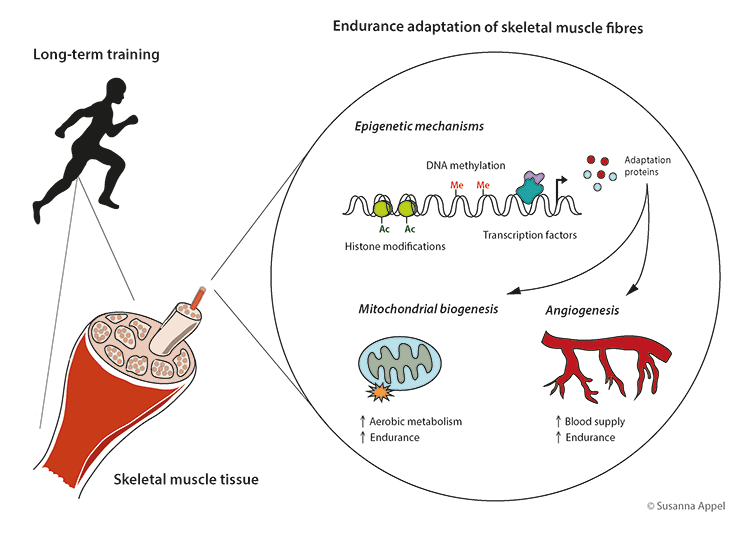
Carl Johan Sundberg is a Professor at the Karolinska Institutet , affiliated with the Department of Physiology and Pharmacology and the Department of Learning, Informatics, Management and Ethics (2025-2027). He serves as Dean for KI Nord and is a licensed physician. Current research focuses on molecular exercise physiology , including mitochondrial biogenesis , epigenetic regulation , and cardiometabolic disease . Key research areas: Medical Genetics and Genomics , Physiology and Anatomy , Public Health . His work bridges molecular mechanisms in skeletal muscle with clinical applications for diabetes, cancer, and post-stroke rehabilitation. Notable awards include the EMBO Certificate of Commendation and European Commission’s Descartes Communication Prize (2005). Recent publications highlight epigenetic differences between trained/untrained individuals, exercise-induced immune mobilization , and digital health tools for cardiac risk stratification. Grants include funding from the Swedish Research Council and Swedish Heart-Lung Foundation .
Teresa Treat is a Professor in the Department of Psychological and Brain Sciences at the University of Iowa. Her research integrates clinical psychology with cognitive science, focusing on sexual aggression prevention, social perception, disordered eating, and psychometrics. Education: PhD from Indiana University (2000) Her work examines cognitive mechanisms underlying sexual aggression risk, including attentional biases, memory deficits, and social norm misperceptions. She has developed computerized prevention programs combining cognitive training with motivational interviewing to address sexual aggression, risky sex, and heavy drinking among college men. Recent publications analyze sexual perception accuracy, cognitive processing of affective cues, and health behavior misjudgments. Her lab employs signal detection theory, eye-tracking, and computational modeling to study these processes. Projects include NIAAA-funded studies on alcohol’s impact on visual attention and NIH-funded development of protective behavioral strategies. Collaborators include Drs. Corbin (ASU), Viken (IU), and McFall (IU).
Professor Nellie Georgiou-Karistianis serves as the Pro Vice-Chancellor (Research Training) at Monash University within the Deputy Vice-Chancellor (Research) portfolio, where she leads and shapes the graduate research training agenda. She previously held significant leadership roles as Associate Dean (Graduate Affairs, 2015-2018) and Deputy Dean (Academic and Graduate Affairs, 2019-2021) within the Faculty of Medicine, Nursing and Health Science. She heads the Georgiou-Karistianis Experimental Neuropsychology Research Unit within the Turner Institute of Brain and Mental Health and serves as Director of the Huntington's Research Group of Victoria (HRGV). Her research focuses on neurodegenerative disorders, particularly Huntington's disease and Friedreich ataxia. She has pioneered work in discovering novel biomarkers for tracking disease progression that are now used in early drug development. Her research spans cognitive neuroscience, neuroimaging, biomarker development, and cognitive interventions. She has made significant contributions to understanding disease progression at brain, cognitive and motor levels, with work that has informed clinical trials and therapeutic approaches. Analysis of her recent publications reveals a strong focus on advanced neuroimaging techniques for tracking neurodegenerative processes, machine learning applications for biomarker development, and cognitive interventions for neurodegenerative conditions. Her work increasingly integrates multimodal data analysis and international collaboration to validate imaging biomarkers for clinical trial use. H-index of 57 with over 10,500 citations Editor-in-chief of Journal of Huntington's Disease since 2017 Editor-in-chief of Recent Patents on Biomarkers since 2017 Leadership certification from Harvard University Professor Georgiou-Karistianis has supervised 29 doctoral students to completion, seven of whom received NHMRC ECR Fellowships and one a Fulbright Fellowship. She has secured over $16 million in research funding from competitive government schemes (NHMRC, ARC Linkage) and philanthropic bodies. As Overall Coordinating Principal Investigator, she leads TRACK-FA, an international study with seven academic partners and six industry sponsors across four continents. She leads the Georgiou-Karistianis Experimental Neuropsychology Research Unit and chairs the TRACK-FA Neuroimaging Consortium. Her work involves close collaboration with international research networks including the Huntington's Disease Regulatory Science Consortium (HD-RSC), Critical Path Institute, and the Cure Huntington's Disease Initiative (CHDI, USA) Foundation.