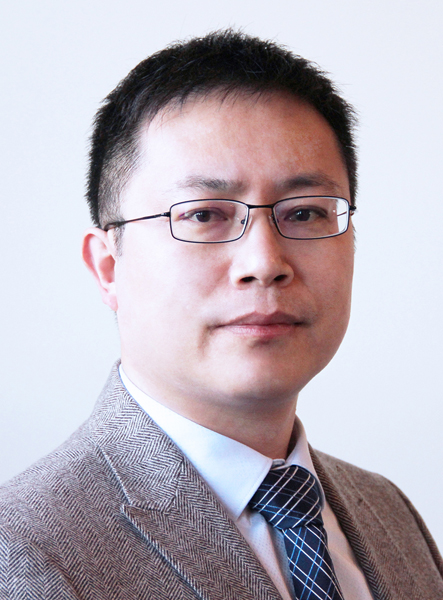
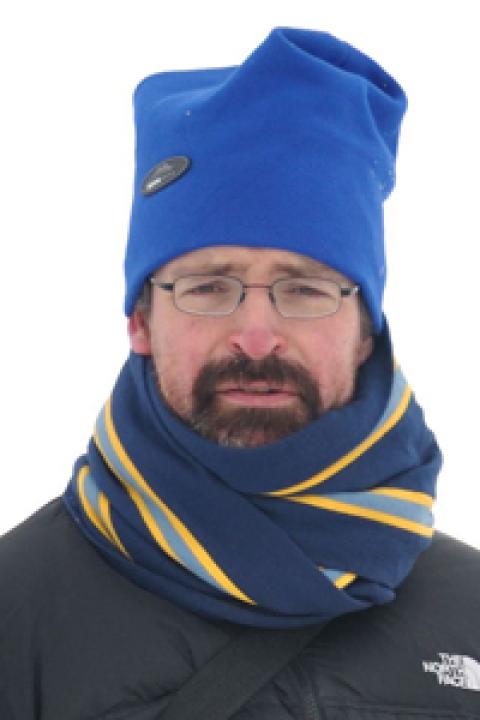
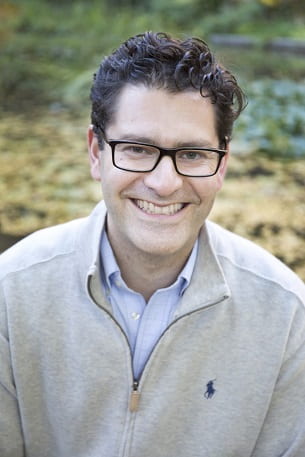
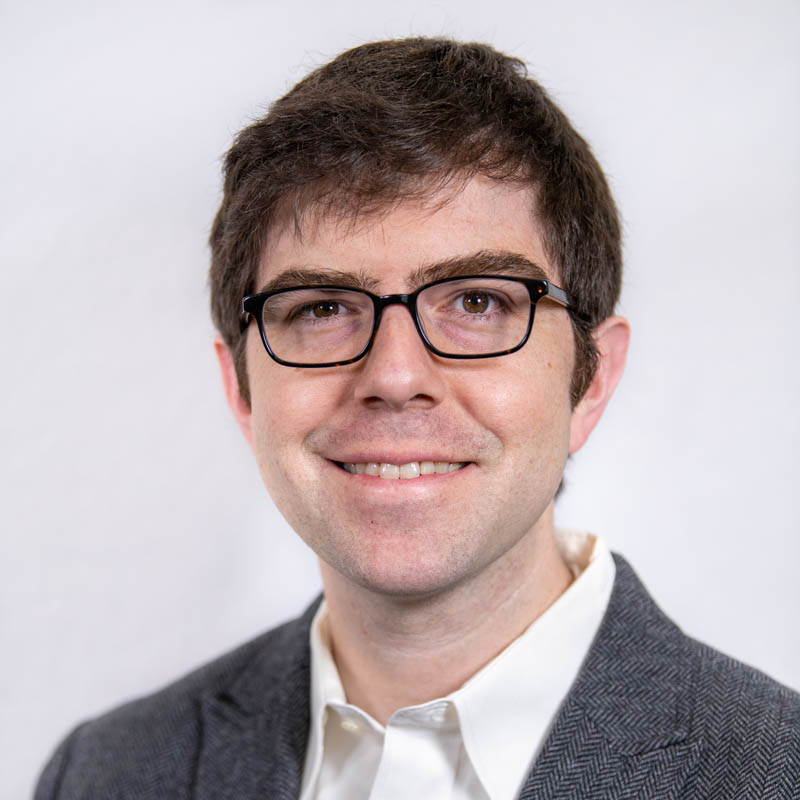
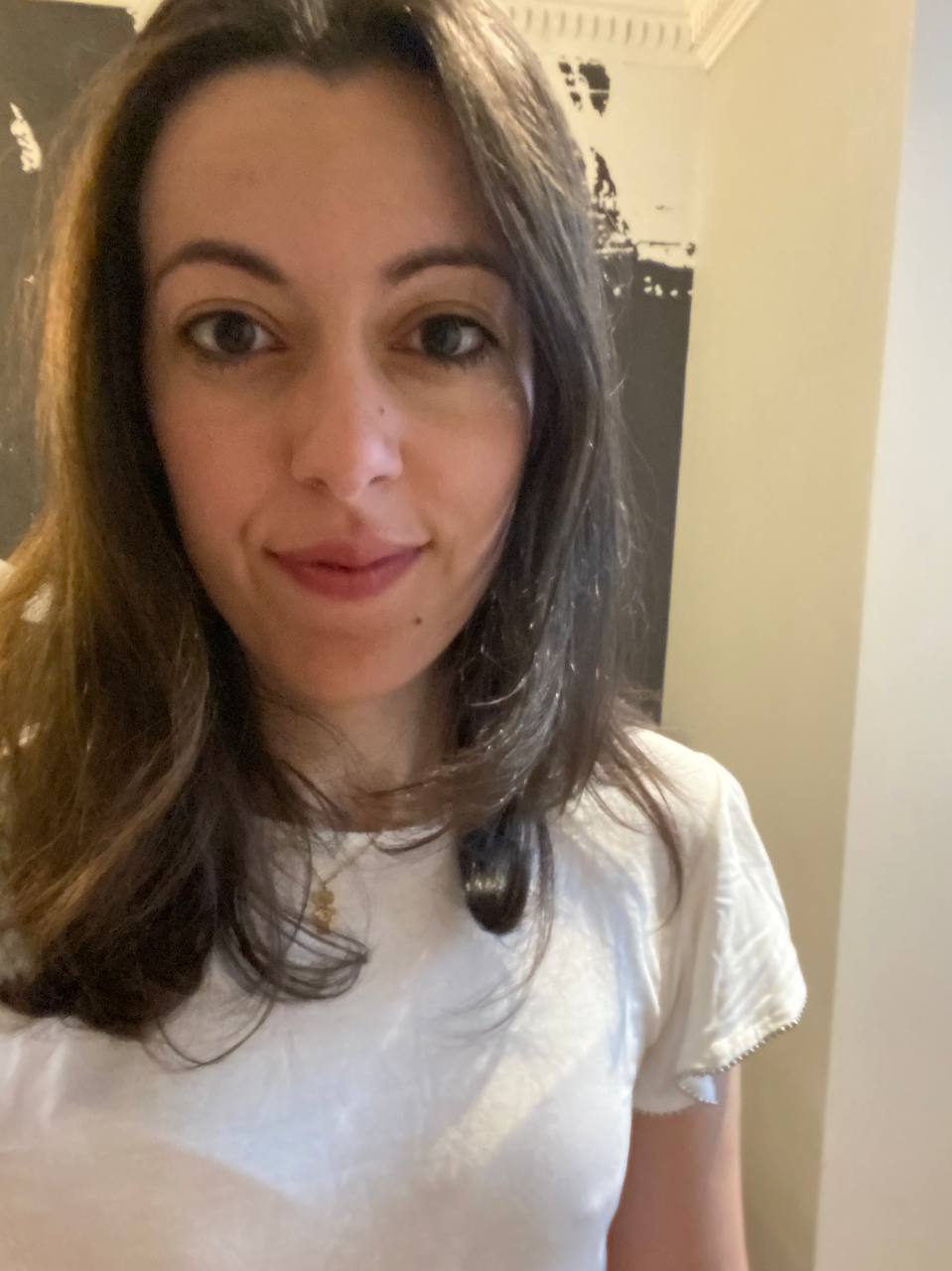
Prof. Wang Cheng-Xiang is a Professor of Wireless Communications at the Institute for Signal and System Processing (ISSS), School of Engineering and Physical Sciences (EPS), Heriot-Watt University, Edinburgh, UK since 2011. His academic journey includes roles as Deputy Head of ISSS (2014-2018), Programme Director for BEng Telecom Engineering (2015-2018), and Director for China Development Group (2006-2018). He holds a PhD from Aalborg University (2004) and prior research experience at Siemens AG and Universities in Germany, Norway, and the UK. His research focuses on applying artificial intelligence to wireless networks, 6G systems, and wireless channel modeling. He has published over 390 papers with an h-index of 57 and 13,460+ citations. Notable recognitions include IEEE/Clarivate Analytics' Highly Cited Researcher (2017-2019) and 11 Best Paper Awards. Prof. Wang serves as Executive Editorial Committee (EEC) Member for IEEE Transactions on Wireless Communications, and has held editorial roles in 10 journals. He actively organizes conferences, serving as chair for events like the IEEE World Congress on Computational Intelligence (2008) and 25th International Conference on Neural Information Processing (2018).
Dr. Otto Koppius is an Assistant Professor at the Rotterdam School of Management , Department of Technology and Operations Management. His research focuses on sports analytics , predictive analytics , and complex networks , emphasizing data-driven decision-making in organizations. He explores applications ranging from talent identification in sports using sensor data to sustainability in supply chains. Key research interests include: Methodological advances in predictive analytics, including feature engineering and algorithmic bias detection. Integration of predictive analytics into organizational practices. Smart cargo sensor data for optimizing supply chain networks. Past work includes studies on social influence in networks, closed-loop supply chains, and knowledge transfer within firms. His articles analyze topics like network interventions, innovation dynamics, and digital ecosystem orchestration. No scientific awards were explicitly mentioned in the provided text. He has supervised 6 academic works, though specific student names are not listed. Research extends to themes like sustainability, business strategy, and organizational behavior, with a focus on translating technical methods to real-world business challenges.
Brian Calder is a Research Professor at the Center for Coastal and Ocean Mapping, University of New Hampshire, with a strong affiliation in Ocean Engineering and Earth Sciences. He holds a Ph.D. and M.S. in Image Analysis and Electronics Communications Engineering from Heriot-Watt University. His academic work is centered on advanced methods in seafloor characterization and hydrographic data processing. Ph.D., Image Analysis, Heriot-Watt University M.S., Electronics Communications Eng, Heriot-Watt University His research focuses on the development and application of computational techniques for seabed mapping, bathymetric uncertainty modeling, and autonomous ocean sensing. He integrates machine learning, signal processing, and remote sensing to improve the accuracy and reliability of marine geospatial data. His work supports navigation safety, coastal zone management, and deep-ocean exploration. Recent publications highlight trends in automated nautical chart generalization, trusted community bathymetry systems, and wireless ocean-of-things networks for volunteer data collection. His article portfolio reveals a strong emphasis on data quality, uncertainty quantification, and algorithmic innovation in hydrography and marine geodesy. Brian Calder has received multiple research grants, primarily from NOAA and the U.S. Navy, supporting projects such as IT support for NOAA personnel at UNH, development of bathymetric uncertainty models, and autonomous mapping using Saildrone technology. These grants reflect sustained funding and recognition in the field of hydrographic science. He teaches graduate courses including Seafloor Characterization , Seabed Mapping , and Doctoral Research , indicating active mentorship and academic leadership. His work is conducted within the Center for Coastal and Ocean Mapping, a leading institution in hydrographic research, where he collaborates extensively with experts like Yuri Rzhanov, Larry Mayer, and Christos Kastrisios.
Michalis Vazirgiannis is a Professor at LIX, École Polytechnique (France) leading the Data Science and Mining (DaSciM) group. With academic backgrounds in Physics (Athens University), AI (Heriot-Watt University), and Informatics (Athens University), he has conducted research at Fraunhofer, Max Planck MPI, and INRIA/FUTURS while teaching at institutions across Greece, France, China, and Spain. His research spans Machine/Deep Learning for Graphs (GNNs, graph kernels, embeddings) Text Mining & NLP (Graph-of-Words, biomedical text analysis) Combinatorial Optimization for pandemic forecasting and energy systems Event/Anomaly Detection in time series and sensory data Industrial collaborations with Airbus, Google, Tencent, and BNP . He has supervised 29 completed PhD theses, published over 250 papers, and received prestigious awards including Marie Curie and Tencent Rhino-Bird Fellowships. His team leads the ANR-HELAS Chair (2020-2025) focusing on heterogeneous data deep learning.
Marc G. Berman is a Professor and Chair of the Department of Psychology at the University of Chicago. His research focuses on understanding how environmental factors interact with human cognition, emotion, and behavior, particularly through the lens of environmental neuroscience. He leads the Environmental Neuroscience Lab (ENL), investigating how natural and urban environments influence brain function, memory, attention, and mental health. Dr. Berman holds a B.S.E. in Industrial and Operations Engineering from the University of Michigan and a Ph.D. in Psychology and Engineering from the same institution. His postdoctoral training was at the Rotman Research Institute in Toronto. Prior to Chicago, he was an Assistant Professor at the University of South Carolina. His research interests include the cognitive and affective benefits of natural environments, brain network efficiency, and the neurobiological underpinnings of self-control and emotion regulation. Recent work explores how urban design elements (e.g., greenspace, street activity) relate to crime rates and mental health outcomes, leveraging big data from social media and geospatial tools. Key contributions include demonstrating that natural environments improve memory and attention by ~20%, and that city characteristics like population diversity and segregation correlate with implicit racial biases. His lab employs fMRI, neuroimaging, computational modeling, and ecological data to quantify brain-environment interactions. Dr. Berman collaborates across disciplines, integrating neuroscience, psychology, urban planning, and data science to inform evidence-based environmental design for public health. Current projects include analyzing social media data to map gang networks and investigating how heat and greenspace influence emotional states in urban populations.
Daryl Cameron is an Associate Professor of Psychology at The Pennsylvania State University and the Sherwin Early Career Professor in the Rock Ethics Institute (2023-2026). He serves as the Social Area Coordinator in the Department of Psychology and is a Senior Research Associate in the Rock Ethics Institute. His interdisciplinary work bridges psychology, philosophy, and neuroscience to investigate empathy and moral decision-making. His educational background includes: Ph.D. in Psychology, University of North Carolina at Chapel Hill, 2013 M.A. in Psychology, University of North Carolina at Chapel Hill, 2009 B.A. in Philosophy and Psychology, College of William and Mary, 2006 Cameron's research centers on the psychological mechanisms of empathy and moral judgment, investigating motivational and situational factors that shape empathic responses in contexts like mass suffering and intergroup conflict. His lab employs affective science , social cognition , and moral philosophy to study empathy regulation toward humans, animals, and artificial intelligence. Key findings reveal that people often avoid empathy due to perceived cognitive costs, and he explores creative interventions to foster compassionate responses across diverse populations including students, community adults, voters, patients, and physicians. Analysis of his 2019-2025 publications shows consistent focus on empathy regulation, moral judgment, and cognitive underpinnings of prosocial behavior, with emerging emphasis on artificial intelligence and animal ethics. His work spans social psychology , cognitive science , and applied ethics , demonstrating how cognitive load influences empathy choices, the dynamics of moral outrage in social media, and cross-species empathic decision-making. Cameron has received the following scientific awards: Sherwin Early Career Professor, Rock Ethics Institute (2023-2026) While specific grant awards and doctoral advisee lists are not detailed in source materials, Cameron's leadership of two major research initiatives—the Empathy and Moral Psychology Laboratory and the Consortium on Moral Decision-Making—demonstrates active mentorship and research funding acquisition. His laboratory explicitly recruits trainees from psychology, philosophy, neuroscience, and related disciplines, reflecting commitment to interdisciplinary training. Cameron directs the Empathy and Moral Psychology Laboratory (https://emplab.la.psu.edu/), which investigates empathy mechanisms using implicit measurement and mathematical modeling, and leads the Consortium on Moral Decision-Making (https://moralconsortium.psu.edu/), an interdisciplinary network advancing research on empathy and moral decisions across diverse contexts and populations.
Prof. Torsten Wolfgang Kuhlen serves as a Universitätsprofessor at RWTH Aachen University, leading the Teaching and Research Area for Virtual Reality and Immersive Visualization within the Department of Computer Science. He is affiliated with Chair of Computer Science 12 (High Performance Computing), the Visual Computing Institute, and remains an integral part of the RWTH IT Center where his research group operates one of the world's largest Virtual Reality laboratories including the 30 sqm aixCAVE visualization chamber. The group maintains strong connections with Computational Science & Engineering Division, National High Performance Computing Center for Computational Engineering Science (NHR4CES), and VR in Science and Industry Network NRW e.V. Prof. Kuhlen's research spans virtual reality, immersive visualization, and multimodal 3D user interfaces with applications across simulation science, production technology, neuroscience, and medicine. His work combines basic research on advanced methods and algorithms with interdisciplinary collaborations involving RWTH Aachen institutes, Forschungszentrum Jülich, and industry partners. Recent publications demonstrate strong focus on audiovisual perception, immersive analytics, collaborative virtual environments, and practical VR applications in education and manufacturing. His research group has produced significant work on listening effort in virtual environments, immersive authoring techniques, and VR applications for scientific visualization. Notable projects include VRScenarioBuilder for automated vehicle testing and applications in monitoring additive manufacturing processes. The group actively participates in major conferences including IEEE VIS and EuroVis, with several award-winning contributions. Prof. Kuhlen has advised PhD students including Martin Bellgardt who recently completed his doctoral degree on "Increasing Immersion in Machine Learning Pipelines for Mechanical Engineering". The research group maintains state-of-the-art VR infrastructure including the aixCAVE facility which is open to all RWTH research groups.
Dr. Yanqing Hu is an Associate Professor at the Department of Statistics and Data Science, School of Science, Southern University of Science and Technology (SUSTech). With a Ph.D. in Systems Theory from Beijing Normal University (2011) and postdoctoral experience at the Levich Institute, City University of New York (2011-2013), his work focuses on big data analysis of complex systems, particularly in social media dynamics, network resilience, and graph neural network applications. Ph.D.: Beijing Normal University (Systems Theory, 2011) Postdoctoral: Levich Institute, CUNY (2011-2013) Research spans complex network analysis, information spreading mechanisms, and predictability of network structures. His work combines theoretical frameworks with real-world applications in social networks, infrastructure systems, and brain connectivity. Recent publications explore information percolation in social media, resilience quantification in interdependent networks, and intrinsic structure predictability. These studies appear in high-impact journals like Nature Human Behaviour (IF: 24.3), Nature Communications (IF: 17.7), and PNAS (IF: 10). World AI Conference Youth Outstanding Paper Nomination Beijing Outstanding Doctoral Dissertation Award Guangdong Special Support for Young Talents Guangdong Outstanding Youth Fund Collaborations include leading researchers from Boston University, King's College London, and Shenzhen-Hong Kong Institute of Microelectronics. His work informs network defense strategies and efficient navigation mechanisms in complex systems.
Ben Seiyon Lee is an Assistant Professor in the Department of Statistics at George Mason University's College of Science. His work bridges computational statistics, climate modeling, and environmental risk assessment. Education: PhD in Statistics, Pennsylvania State University (2020) Lee specializes in computational methods for high-dimensional spatiotemporal data and uncertainty quantification in climate models. His research explores climate change impacts on extreme hydrological events, wildfire emissions, and medical decision-making. Recent publications focus on Bayesian spatiotemporal frameworks for extreme precipitation analysis, zero-inflated spatial models, and multisector uncertainty quantification. His work addresses challenges in flood risk assessment, agricultural yield projections, and healthcare compliance metrics.
John Psarras is a Professor at the National Technical University of Athens (NTUA) in the School of Electrical and Computer Engineering, specifically within the Division of Industrial Electric Devices and Decision Systems. He serves as the Director of the Decision Support Systems Laboratory (DSSlab) and the University Research Institute of Communication and Computer Systems. He holds a Diploma in Mechanical Engineering (1982) and a Ph.D. in Electrical and Computer Engineering (1989), both from NTUA. His research specializes in decision support systems with applications in energy management, environmental analysis, and information systems. Key areas include: Multi-criteria analysis for energy policy and renewable integration AI-driven optimization of smart grids and building efficiency Sustainable finance mechanisms for green projects Blockchain applications in education and data security His recent publications (2023–2025) demonstrate a strong focus on AI-enhanced decision tools for energy transitions, smart infrastructure, healthcare diagnostics, and cross-border renewable cooperation, reflecting interdisciplinary innovation. He has supervised 22 PhD theses and coordinates EU-funded projects in energy policy, clean technology, and capacity building. No scientific awards are listed in available sources. He leads the Decision Support Systems Laboratory (DSSlab), advancing research in energy analytics, and directs the University Research Institute of Communication and Computer Systems, facilitating large-scale interdisciplinary collaborations.
Dr. Gabriella Pizzuto is a Lecturer in Robotics and Chemistry Automation at the University of Liverpool's Faculty of Science and Engineering, jointly appointed in the Departments of Computer Science and Chemistry. She leads the Pizzuto Group and joined the university in 2021 after completing her PhD at the University of Manchester. Born in Malta, she obtained her undergraduate degree from the University of Malta. Her research focuses on intelligent robotic systems for laboratory automation, specializing in: Contact-based robot skill learning for chemistry labs Failure recovery methods in experimental environments Safe human-robot collaboration frameworks Physics-constrained machine learning Machine vision for laboratory workflows Her work aims to develop robotic scientists that accelerate material discovery through autonomous experimentation. Publication analysis reveals strong emphasis on robotic manipulation (70%), laboratory automation (60%), and machine learning applications (40%), with recent work showing increased focus on multi-modal sensing and physics-informed learning. Her most frequent collaborators include Prof. Andy Cooper and Prof. Michael Mistry. Awards and Fellowships: Royal Academy of Engineering Research Fellowship (2023-2028) Marie Skłodowska-Curie Doctoral Scholarship EPSRC New Investigator Award (2025) Advising and Grants: Currently supervising 4 PhD students and 2 postdoctoral researchers Principal Investigator: £1.2M RAEng Fellowship for 'Upskilling Robotic Scientists' Co-Investigator: £12M EPSRC AI for Chemistry Hub (AIChemy) Lead Researcher: €8M ERC Synergy ADAM project Recipient of Google DeepMind Research Ready Grant (2024) Leads the Autonomous Robotic Chemistry Lab at Liverpool's Leverhulme Research Centre for Functional Materials. Her group combines expertise in robotics, computer science, chemistry, and engineering to develop next-generation robotic scientists.
Prof. Dr. Harald Wehnes serves as a Professor at the University of Würzburg within the Faculty of Mathematics and Computer Science, specifically affiliated with the Institute of Computer Science's Chair of Computer Science III (Communication Networks). His office is located in room A206 at the Hubland campus, with contact email wehnes@informatik.uni-wuerzburg.de. His research centers on project management methodologies, with particular emphasis on the Project Excellence Model and its practical applications. Prof. Wehnes has developed significant expertise in applying project management frameworks to complex IT infrastructure initiatives and healthcare systems. His work demonstrates how theoretical project management concepts translate into real-world implementation, especially in cross-organizational contexts. Analysis of his publication history reveals a consistent focus on practical project management applications, particularly the NIMBUS project case study which documented the consolidation of 12 data centers into a single state data center. His publications demonstrate evolving expertise from foundational programming work (evidenced by his 1981 book "Strukturierte Programmierung mit FORTRAN 77" which went through seven editions) to sophisticated project management frameworks. Prof. Wehnes has maintained active engagement with the German Project Management Association (GPM), presenting at numerous forums and events. His international reach is evident through presentations at institutions including the University of the United Arab Emirates and the University of Canterbury in New Zealand. From 2013-2020, he taught specialized courses on professional project management (Spezialvorlesung aus der Praxis: Professionelles Projektmanagement) at the University of Würzburg, sharing his extensive practical experience with students. His work environment within the Chair of Computer Science III connects his project management expertise with research areas including 5G & 6G network technologies, network and service management, and green communication networks.
Yize Zhao is an Associate Professor in the Department of Biostatistics at Yale School of Public Health and an Associate Professor in the Department of Biomedical Informatics & Data Science at Yale University. She holds affiliations with multiple Yale research centers including the Yale Center for Analytical Sciences, Yale Alzheimer's Disease Research Center, Yale Wu Tsai Institute, Yale Center for Brain and Mind Health, and Yale Computational Biology and Bioinformatics. Dr. Zhao's research focuses on developing statistical and AI methods to analyze large-scale complex biomedical data including medical imaging, genomics, and electronic health records. Her methodological expertise spans Bayesian statistics, feature selection, predictive modeling, data integration, missing data analysis, and network analysis. Her research interests span multiple biomedical domains with a strong focus on mental health, psychiatry, neurodegenerative diseases, and aging. Her recent work includes brain-to-behavior modeling, multi-layer biomedical networks, imaging genetics and genomics, and the integration of multi-modal biomedical data with real-world data. Dr. Zhao's work has resulted in numerous high-impact publications, with recent research focusing on Alzheimer's disease, brain network analysis, and advanced statistical methods for neuroimaging. Her publications show a strong trend toward integrating multi-modal data sources and developing sophisticated statistical approaches to address complex biomedical questions. Thelma and Marvin Zelen Emerging Women Leaders in Data Science Award from the Institute of Mathematical Statistics (IMS) COPSS Emerging Leader Award from the Committee of Presidents of Statistical Societies (COPSS) YSPH Investigator Research Award Yale Alzheimer's Disease Research Center Research Scholar Award Elected member of the International Statistical Institute Dr. Zhao serves as an Associate Editor for Biometrics and is a standing member of the NIH Biodata Management and Analysis (BDMA) study section. Her research is supported by multiple NIH grants, highlighting the significance and impact of her work in biostatistics and biomedical data science.
Prof. Dr. Michael Schloter serves as Director of the Research Unit for Comparative Microbiome Analysis at Helmholtz Munich since 2011 and holds a Professorship in Microbiology at the Technical University of Munich since 2010. He concurrently acts as Principal Investigator at both the German Center for Lung Diseases (DZL) and the Central for Food and Nutrition (ZIEL) at TU Munich, driving interdisciplinary research at the intersection of environmental and human health through the "Planetary Health" framework. His educational foundation was built through diploma studies at Ludwig Maximilian University Munich and doctoral research at the University of Bayreuth, followed by formative work in Brazil and the United States where he pioneered bioinocula development for stress-resilient agriculture. At Helmholtz Munich (formerly GSF), he evolved from group leader in soil microbial ecology (2001) to Research Unit Director, expanding his focus from agricultural systems to human microbiome-health connections. Dr. Schloter's research program centers on microbiome-host crosstalk across ecological scales, investigating how environmental microbiota interact with human and plant microbiomes to influence health outcomes. His work integrates ecological theory with microbiome analysis to decode host-microbe co-evolution patterns, with applications spanning sustainable agriculture, allergy prevention, and infection control. Key thematic pillars include holobiont theory, probiotic development, and microbiome-mediated disease prevention through environmental quality improvement. Analysis of his 2025 publications reveals a strategic research portfolio bridging fundamental and applied microbiome science. Agricultural studies dominate (maize, potato, apple systems), examining microbial inoculants and soil management, while human health investigations explore preterm birth complications and Antarctic mammal microbiomes. Computational approaches for antimicrobial resistance assessment and ecosystem-scale projects like JenaTron demonstrate methodological breadth, all converging on translating microbiome functionality into real-world sustainability solutions. Major recognitions include: Election to the Bavarian Academy of Science (2021) Consistent placement among the top 1% of highly cited global researchers (2019-2021) Heinrich Baur Research Award (2011) for agricultural microbiology contributions As Research Unit Director, Schloter leads large-scale collaborative initiatives including the DZL and ZIEL consortia, securing major funding for microbiome standardization projects and international research networks. His leadership extends to developing analytical frameworks for cross-ecosystem microbiome comparisons and establishing protocols for translating microbial ecology principles into clinical and agricultural applications. The Comparative Microbiome Analysis unit operates as a nexus for multi-host microbiome research, employing comparative genomics, field-scale agricultural trials, and clinical cohort studies to investigate microbiome dynamics across environmental, plant, and human systems. Current infrastructure includes advanced sequencing facilities and experimental platforms for plant-microbe and host-microbe interaction studies under controlled and natural conditions.
Mohsen Lesani is an Associate Professor in the Computer Science and Engineering Department at the University of California, Santa Cruz's Baskin School of Engineering. His research focuses on reliability and security of software systems, particularly concurrent and distributed systems, with recent emphasis on secure replicated systems and distributed machine learning. Dr. Lesani received his PhD from UCLA, MS in artificial intelligence from Sharif University of Technology, and BS in software engineering from University of Tehran. He was previously a postdoc at MIT. His educational background provides a strong foundation for his interdisciplinary research spanning programming languages, distributed systems, and security. His research interests center on creating reliable and secure distributed systems. Current projects include resilient and secure distributed systems, heterogeneous and reconfigurable secure distributed systems, automatic analysis and synthesis of replicated objects, verification of distributed systems, data analytics, secure exchange across blockchains, machine learning for performance models, domain-specific languages and type systems, and automatic fence insertion for concurrent systems. His work bridges theoretical foundations with practical implementations to address real-world challenges in distributed computing. Lesani's research has been recognized with several prestigious awards including the NSF CAREER award in 2020 and DARPA YFA award in 2022. His work has also received the SIGPLAN Research Highlight in 2019, a distinguished paper award at OOPSLA 2018, and a best paper award at ISSRE 2015. These accolades reflect the impact and quality of his contributions to the field. He actively mentors PhD students in the Safe and Secure Software (S3) lab, including Xiao Li, Eric Chan, Javad Saber-Latibari, and Tejas Mane. His research has been supported by multiple NSF grants, demonstrating sustained funding for his innovative work. Lesani serves on program committees for major conferences including POPL, PLDI, OOPSLA, and DISC, contributing to the academic community. Lesani leads the Safe and Secure Software (S3) lab at UC Santa Cruz, where his team works on cutting-edge research in distributed systems, programming languages, and security. The lab fosters a collaborative environment where theoretical insights are translated into practical systems that address real-world challenges in reliability and security of distributed applications.