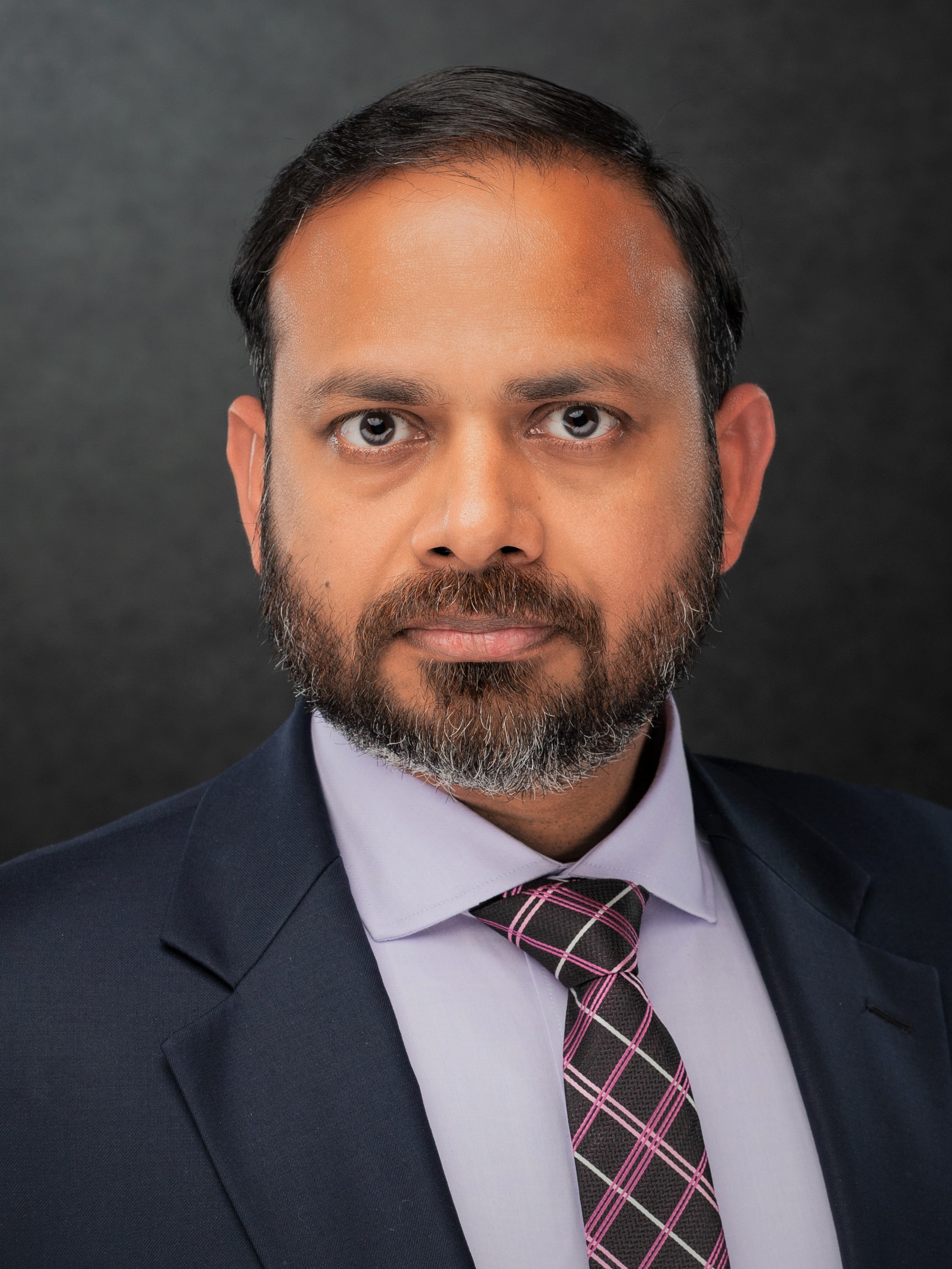
Kamlesh K Yadav is an Associate Professor in the Department of Molecular & Cellular Medicine at Texas A&M University's School of Medicine. He holds an MTech in Environmental Engineering & Management (IIT Kanpur, 2004) and a PhD in Cell and Molecular Biology (NYU, 2010). His research spans cell signaling (RAS-MAPK pathway), prostate cancer biology, and digital health applications like clinical data mining and genomic analysis. Dr. Yadav has pioneered large-molecule inhibitors targeting the RAS oncogene (Nature Genetics 2007, Nature Chemical Biology 2011). He leads translational research on prostate cancer biomarkers (GATA2 mRNA urine test) and combinatorial therapies. Awards include the 2014 Prostate Cancer Foundation Young Investigator Award and 2012 DoD PCRP Postdoctoral Award. Professional roles include Co-Director of the Foundation of Medicine II course and medical education innovation through Team-Based Learning (TBLC-certified). Patents include Ras/Sos modulators (WO2012122059A1) and pseudouridine biomarkers. His recent work integrates AI with radiomics for cancer aggressiveness prediction (2022) and develops organ-on-a-chip models for drug testing (2022). He also addresses health disparities via genomic analysis of African-American prostate cancer cases (Cancer Reports 2018).
Thomas Seidel is a Professor in the Department of Pharmaceutical Sciences at the Faculty of Life Sciences. His research focuses on computational methods for drug discovery, including pharmacophore modeling, virtual screening, and ligand-receptor interaction analysis. He has contributed to the development of tools like GRADE/X-GRADE, PharmacoMatch, and QPhAR for enhancing the efficiency and accuracy of drug design processes. His work integrates molecular dynamics simulations, machine learning, and structure-based approaches to address challenges in neuropharmacology and medicinal chemistry. Key areas include GABAA receptor modulation, metabolite prediction, and the optimization of lead compounds for drug targets such as the large neutral amino acid transporter 1 (LAT1). Seidel’s collaborative projects span academic and industrial partnerships, with a focus on advancing predictive toxicology through initiatives like the NeuroDeRisk toolbox. His research consistently bridges computational methodologies with experimental validation, emphasizing translational applications in drug development.
Dan Rathbone is a Senior Lecturer in Pharmaceutical Sciences at the Aston Pharmacy School, part of the College of Health and Life Sciences at Aston University. He leads the Pharmaceutical & Clinical Pharmacy Research Group (PCPRG) and holds a PhD from Warwick University (1987) and a BA from Oxford University (St Edmund Hall). His research focuses on antimicrobial compound design, transglutaminase inhibitors, and computational methods in pharmaceutical formulations. He teaches chemical aspects of pharmacy in the MPharm program and drug design/discovery in MSc courses. Research Interests: Design/synthesis of antimycobacterial compounds, computer-aided drug design, nanoparticulate drug delivery targeting the CNS, and transglutaminase inhibitors. His work bridges synthetic chemistry with computational modeling, addressing challenges in antimicrobial resistance and targeted drug delivery. Recent publications explore molecular dynamics simulations of antibiotic resistance mechanisms (2023), antibiotic combinations for mycobacterial infections (2020), neuroblastoma-targeted drug delivery (2019), and enzyme inhibition mechanisms (2018). Supervised 14 academic works to date with a focus on drug design and formulation science.
Marek Skoršepa is an Associate Professor at the Department of Chemistry, Faculty of Natural Sciences, Matej Bel University in Banská Bystrica, Slovakia. He has held this position since December 2004, with promotion to Associate Professor awarded on December 15, 2015, following his successful habilitation procedure in subject-specific didactics - theory of chemical education. Dr. Skoršepa also serves as Deputy Head of the Department of Chemistry since 2013, demonstrating leadership in academic administration alongside his teaching and research responsibilities. His academic journey began with university studies from 1994-1999 at the Faculty of Natural Sciences, Matej Bel University, focusing on chemistry and biology education. He continued with doctoral studies (1999-2002) in theory of teaching chemistry, and in 2000 completed his rigorous examination with a thesis on electrochemical methods in environmental monitoring. Dr. Skoršepa's research centers on Chemistry Didactics , particularly the integration of computer technology into chemistry education. His work bridges theoretical chemical concepts with practical classroom applications, with special emphasis on computer-aided experiments for school practice. This focus is evident in his teaching of courses such as computers in chemistry teaching and computer-supported experiments, which he has developed and taught since 2011 and 2013 respectively. His scientific recognition includes the award of Associate Professor title in December 2015, following his habilitation thesis titled 'Computer-aided experiment in school practice,' which represents a significant contribution to the field of chemistry education methodology. As an educator, Dr. Skoršepa has taught extensively across multiple domains including biochemistry I & II, chemistry didactics, history of chemistry, and supervised numerous final theses. His teaching portfolio reflects a comprehensive approach to chemistry education that spans foundational concepts to specialized applications, with particular attention to modern technological integration in traditional science instruction.
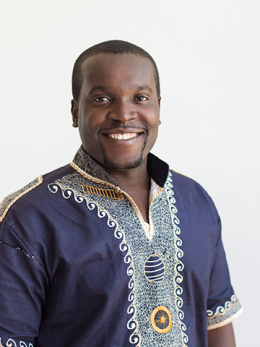
Professor Gunnar Kwakye serves as faculty in the Department of Neuroscience within Oberlin College's College of Arts and Sciences. He teaches specialized courses including Neurotoxicology and Neurodegeneration (NSCI 337), Neurotox Neurodegen Laboratory (NSCI 338), and Neurobiology of Disease (NSCI 381) for Spring and Fall 2025 semesters. His academic credentials include: BS from University of Maryland Eastern Shore PhD from Vanderbilt University Professor Kwakye's research investigates gene-environment interactions in neurodegenerative disorders through molecular genetics, analytical chemistry, pharmacology, and cell biology approaches. His laboratory examines how pesticide and metal exposures interact with genetic factors to trigger neuronal dysfunction, utilizing neuronal and glial cell culture models to characterize disease mechanisms and selective neuropathology. The lab integrates high-throughput screening with toxicological and functional analyses to identify pathological pathways. Collaborative projects within the Kwakye lab focus on innovative therapeutic development, employing computer-aided drug design, genetic editing, and chemical synthesis of organic/inorganic probes to target neurodegenerative diseases and cancer. This multidisciplinary work aims to translate mechanistic insights into neuroprotective strategies for environmentally induced neurological disorders. Mentorship forms a core component of Professor Kwakye's academic role, with undergraduate researchers in his lab pursuing advanced opportunities including Goldwater Scholarships and internships at institutions like the Elahi Lab at Mount Sinai and Johns Hopkins Multiple Sclerosis Center.
Annika Karlsson is a Senior Lecturer and Docent at the Karolinska Institutet , affiliated with the Department of Laboratory Medicine . Her academic career spans clinical virology, immunology, and HIV/SARS-CoV-2 research, with leadership roles since 2005. PhD in Clinical Virology (2000, KI) Postdoctoral Fellow at Gladstone Institutes (2001-2005) Associate Professor (Docent) in Clinical Virology (2009, KI) Her research focuses on virus-specific T cell responses across demographics, including pregnancy, pediatrics, aging, and cancer . She investigates how genetic variability in viruses and hosts shapes immunopathogenesis, with funding from the Swedish Research Council, Centrum for Innovative Medicine, and other foundations. Recent publications highlight her work on cross-reactive T cell immunity between common cold coronaviruses and SARS-CoV-2, immune exhaustion mechanisms in HIV, and T cell dynamics in immunocompromised populations. Scientific Awards include the Sven Gard Stipend (2001), Gladstone Institute's Mentored Scientist Award (2003), and recognition from the Swedish Physicians Against AIDS Research Foundation. As a educational leader , she organizes the Biomedical Laboratory Science Level-C program and served on KI's educational board (2016-2022). Her team collaborates internationally with experts in bioinformatics, virology, and immunology.
Szymon Antoni Głowania is a Researcher at the Department of Machine Learning within the Faculty of Informatics and Communication at the University of Economics in Katowice. Holding an MSc degree, he serves as a teaching and research assistant with his scholarly work focused entirely on information and communication technology (ICT) as documented by institutional records. His research expertise centers on Artificial Intelligence and Machine Learning , with significant contributions in Image Processing , Financial Risk Analysis , and Data Modeling . Głowania's work demonstrates strong interdisciplinary applications, connecting computer science with finance, cultural studies, industrial contexts, and chemistry as evidenced by his publication keyword profile which includes terms like 'sztuczna inteligencja' (artificial intelligence), 'ryzyko' (risk), 'finanse' (finance), and 'przemysł' (industry). Analysis of his 19 publications reveals a consistent research trajectory with increasing sophistication in applying machine learning techniques to practical problems. His work shows progression from foundational classification algorithms to specialized applications in financial risk assessment, industrial quality control, and cultural heritage preservation. The interdisciplinary nature of his research is particularly notable, bridging economic applications with technical AI implementations. Głowania has achieved an h-index of 3 according to both Scopus and Web of Science citations, with a total impact factor of 8.938 and a SNIP score of 5.077. His ministerial score of 1,035 reflects the significance of his contributions within the Polish academic system. As a teaching and research assistant, he contributes to academic programs within the Faculty of Informatics and Communication. While specific advising relationships aren't documented, his position suggests involvement in mentoring students within the Department of Machine Learning. His ORCID identifier (0000-0003-1137-4350) and presence across multiple academic platforms indicate active engagement with the international research community. His research appears conducted within the Department of Machine Learning's facilities, with practical applications particularly evident in finance and industrial contexts, aligning with the University of Economics in Katowice's mission to connect technical expertise with economic applications.
Dr. Orhan Kaya is an Assistant Professor at the Faculty of Engineering and Architecture, Department of Mechanical Engineering, Kırşehir Ahi Evran University (Turkey) since 2025. He earned his PhD in Mechanical Engineering from Lehigh University (United States) in 2019, where he worked as a Full-Time Research Assistant until 2025. Education: PhD in Mechanical Engineering from Lehigh University (2019). Current Role: Full-Time Assistant Professor at Kırşehir Ahi Evran University. His research focuses on advanced materials engineering, with emphasis on membrane technology, polymer composites, and 3D-printed ceramics. His work explores interfacial dynamics, wettability, and computational modeling of material properties. Key trends in his publications include studying hydrophobic membrane interactions under varying salinity and temperature (2025), developing force field parameters for polymers (2024), and optimizing ceramic composites through shear-induced alignment (2017). Scientific Awards: Certificate of Achievement in Industrial Energy Efficiency and Assessment (2025, U.S. Department of Energy) Doctoral Fellowship for Academic Excellence (2023, Lehigh University) With over 85 citations (Google Scholar) and an h-index of 2, his work contributes to mechanical and chemical engineering applications in material design.
Özlem Gündoğdu Aytaç is an Associate Professor at the Kaman Vocational School of Kırşehir Ahi Evran University , specializing in Organic Chemistry and Biochemistry . She holds a PhD in Chemistry (2023) and Organic Chemistry (2016) from Atatürk University , alongside a BSc in Chemistry (2012) and Secondary Science Education (2009). Education : PhD in Chemistry (2023), Atatürk University PhD in Organic Chemistry (2016), Atatürk University MSc in Organic Chemistry (2012), Atatürk University BSc in Chemistry (2012), Atatürk University BA in Secondary Science Education (2009), Atatürk University Research Focus : Her work bridges Organic Synthesis , Medicinal Chemistry , and Computational Studies , with emphasis on: Designing Schiff bases and metal complexes for anticancer and neurodegenerative disease applications Enzyme inhibition (carbonic anhydrase, acetylcholinesterase, aldose reductase) Antioxidant properties of hybrid molecules Theoretical calculations (DFT, molecular docking) for reaction mechanisms and drug-target interactions Green chemistry approaches for pharmaceutical and environmental applications Recent Publications highlight trends in isoindole derivatives , thiophene hybrids , and aziridine-containing compounds , with applications in diabetes, cancer, and Alzheimer's research. Her team explores regioselectivity , stereoselective synthesis , and photoluminescent properties through experimental and computational methods. Collaborations span institutions like Atatürk University , Hacettepe University , and İzmir Institute of Technology , with 39 joint projects. She serves in administrative roles such as Center Deputy Manager and Accreditation Committees , and holds memberships in organizations like Chemists Association and Quality Assurance Committees .
Dr. Sertan Aytaç is a full-time Lecturer at Kırşehir Ahi Evran University's Kaman Vocational School in the Food Processing Department since 2013. He holds a PhD in Chemistry from Hacettepe University (2013) and has dual master's degrees in Chemistry (2006) and Business Administration (2014). His academic career includes administrative roles as Department Head (2013-2022) and Vice Director (2015-2018) at Kaman Vocational School. PhD: Hacettepe University , Chemistry (2013) MSc: Hacettepe University , Chemistry (2006) BA: Anadolu University , Business Administration (2014); Niğde Ömer Halisdemir University , Chemistry (2020) His research focuses on organic and pharmaceutical chemistry with applications in food technology and environmental science. Key areas include: Synthesis of Schiff bases for enzyme inhibition Development of green chemistry methods Microwave-assisted synthesis for efficiency Computational modeling of drug interactions Antioxidant and antimicrobial agents from natural sources Environmental applications of chemical compounds Recent articles (2024-2025) emphasize computational drug design for diabetes and neurological diseases, eco-friendly synthesis of thiophene/piperazine derivatives, and environmental remediation of heavy metals. His work often integrates DFT calculations and molecular docking for predictive modeling. Scientific accolades include: TÜBİTAK Yayın Teşvik awards (2008, 2010, 2012, 2023, 2024) Kırşehir Ahi Evran University Academic Incentive Awards (2018, 2023, 2024) He has led 19 research projects since 2005, including "Ahilik Diyarı Bilimle Şenleniyor" (2021) and "Nutritional Profile of Walnut" (2017). Collaborations span 24 researchers, notably with Özlem Gündoğdu-Aytaç (2018-2025) and Emre Yavuzer (2016-2018).
Funda Bulut Arikan serves as a Lecturer in the Department of Physiology within the Faculty of Medicine at Kırıkkale University. Her academic role integrates teaching with extensive research in physiological mechanisms, particularly focusing on endocrine and metabolic systems. Her research spans endocrinology, metabolism, neuroscience, and public health genetics. Key investigations include hormonal interactions during menopause and obesity, genetic polymorphisms in metabolic disorders, and epidemiological studies on consanguineous marriages. She employs diverse methodologies from molecular analysis to clinical cross-sectional studies. Recent publications reveal strong interdisciplinary trends combining machine learning diagnostics for neurological conditions, genetic association studies in autoimmune comorbidities, and population-based investigations into metabolic health. Her work consistently bridges basic physiological research with clinical applications, particularly in the Kırıkkale region of Turkey.
Thomas W. Bell is a Professor in the Department of Molecular Biosciences at the University of Nevada, Reno, with a focus on medicinal chemistry and drug discovery. His research group develops small molecules targeting protein translation and degradation pathways for diseases like HIV, cancer, and autoimmune disorders. Education Ph.D., University College, University of London (F. Sondheimer), 1980 B.S., California Institute of Technology, 1974 NIH Postdoctoral Fellow, Cornell University (J. Meinwald), 1980-1982 His work centers on cyclotriazadisulfonamide (CADA) compounds, initially developed for HIV by targeting the CD4 receptor, now expanded to treat cancer, Graves’ disease, and viral infections like SARS-CoV-2. Key methodologies include organic synthesis, molecular modeling, and proteomics to understand co-translational protein degradation mechanisms. Recent studies explore applications in malaria, substance use disorder, and preterm labor therapies. CADA derivatives show broad utility in protein-specific degradation, with trends in publications emphasizing HIV therapy, ER translocation inhibition, and multi-disease targeting. Collaborations span virology, oncology, and pharmacology disciplines. Scientific Awards NIH Postdoctoral Fellow (1980-1982) AAAS Fellow (1995-present) Korean Chemical Society Plaque of Appreciation (2002) UNR College of Science Senior Scholar Mentor (2006) UNR College of Science Westfall Scholar Mentor (2016) UNR Foundation Established Innovator Award (2018) UNR Outstanding Researcher Award (2021)
Doğukan MUTLU is an Assistant Professor in the Department of Molecular Biology and Genetics at Uskudar University, Istanbul. With a PhD from Pamukkale University (2022), he specializes in biochemical and pharmacological evaluations of natural and synthetic compounds for anticancer and antimicrobial applications. BSc, MSc, and PhD in Biology from Pamukkale University (2012, 2015, 2022) His research focuses on cancer biology, molecular genetics, and bioinformatics, with particular emphasis on apoptosis induction, biofilm inhibition, and drug development using natural products and metal complexes. His work bridges computational modeling with experimental validation in human cancer cell lines. Recent publications highlight his expertise in iridium/ruthenium complexes, plant-derived extracts (Salvia, Liquidambar), and innovative biomaterials (cryogels, nanofibers). Collaborative projects with international scientists explore multidisciplinary approaches to chemotherapy and antimicrobial resistance. As Deputy Head of Department (2024-2025) and active member of research groups (Nanobiotechnology, Biochemical Computations), he contributes to academic administration while mentoring students and participating in conferences like the International Selcuk Scientific Research Congress (2024).
Jeroen van der Laak is a Visiting Professor at Linköping University's Faculty of Medicine, affiliated with the Department of Health, Medicine and Care (HMV) and the Department of Diagnostics and Specialist Medicine (DISP). He is a key member of the Computational Pathology Group and contributes to the Wallenberg Centre for Molecular Medicine (WCMM), focusing on advancing digital pathology through artificial intelligence and deep learning methodologies. Dr. van der Laak's research centers on computational pathology, with specific expertise in developing deep learning algorithms to improve cancer diagnostics and prognosis. His work spans multiple domains including histopathological image analysis, tumor detection, biomarker identification, and computer-aided diagnosis systems. He investigates how machine learning techniques can enhance pathologist efficiency while reducing observer bias and identifying novel prognostic indicators for personalized cancer treatment. His research addresses critical challenges in computational pathology, including the need for high-quality, large-scale histopathological datasets and clinical validation of AI models. Analysis of Dr. van der Laak's recent publications reveals a strong focus on applying deep learning to diverse pathology challenges across multiple organ systems. His work demonstrates expertise in whole-slide image analysis, tumor segmentation, cancer grading, and biomarker discovery. Notably, his research spans breast cancer, prostate cancer, colorectal cancer, kidney transplant pathology, and gynecological pathology, showing both depth in specific applications and breadth across medical specialties. Key themes include attention-based image compression, human-in-the-loop refinement of AI models, and automated lesion scoring systems. Dr. van der Laak actively collaborates with international pathologists and participates in major European initiatives like the BIGPICTURE project, which aims to build an EU-scale digital pathology repository. His research emphasizes clinical validation of AI models to ensure safety and utility in routine practice, with contributions to consensus studies including recommendations for diagnosing serous tubal intraepithelial carcinoma (STIC) and standardization of molecular pathology education. As part of the Computational Pathology Group, Dr. van der Laak contributes to developing, validating, and deploying novel medical image analysis methods based on deep learning technology, with a focus on computer-aided diagnosis systems that directly support pathologists in their daily work while identifying potential new biomarkers for individualized treatment approaches.
Kimon Divaris is a Professor and James Bawden Distinguished Professor at the Adams School of Dentistry, University of North Carolina at Chapel Hill , where he serves as Chair of the Department of Pediatric Dentistry and Dental Public Health. His work bridges clinical practice, public health, and biological research, focusing on early childhood caries, oral microbiome, and genomics. Postdoctoral Fellowship: Oral and Genetic Epidemiology, UNC-Chapel Hill (2012) Certificate: Pediatric Dentistry, UNC-Chapel Hill (2011) PhD: Epidemiology, UNC-Chapel Hill (2011) DDS: National and Kapodistrian University of Athens (2005) His research explores the intersection of clinical, public health, and biological determinants of oral health, with NIH-supported studies including genome-wide association analyses and microbiome investigations. He leads the ZOE 2.0 study (U01-DE025046) and contributes to the Pediatric HIV/AIDS Cohort Study (U01-HD052102). Recent publications emphasize machine learning applications, microbial biomarkers, and precision oral health frameworks. Scientific awards include the Burton C. Borgelt Faculty Advisory Award (2022), IADR Distinguished Scientist Young Investigator Award (2020), and IADR Centennial Emerging Leader Award (2020). He has authored over 130 publications, including groundbreaking work on fibrin's role in oral inflammation in Science (2021). His mentorship philosophy emphasizes creating intellectually stimulating environments for training the next generation of oral health professionals.