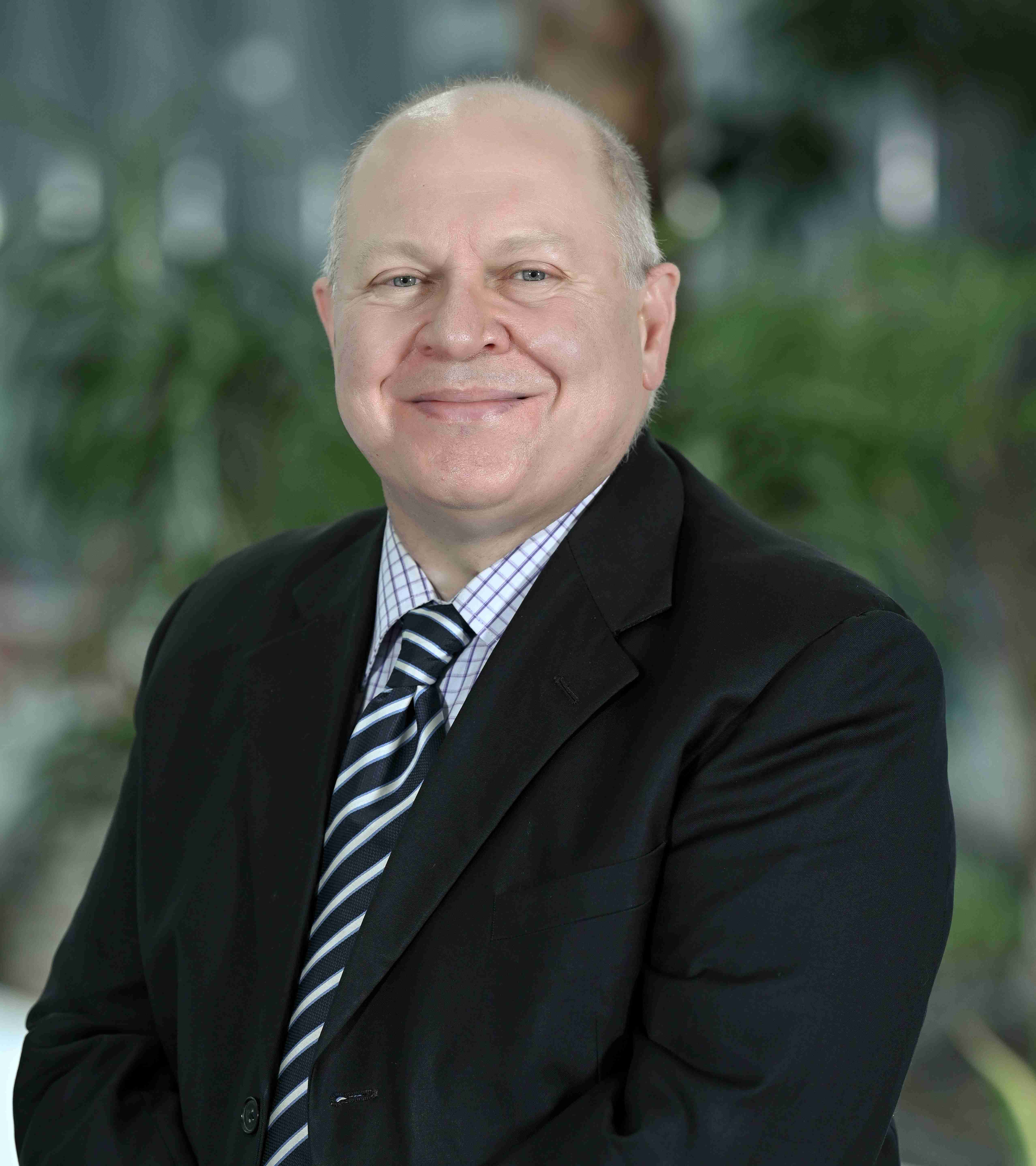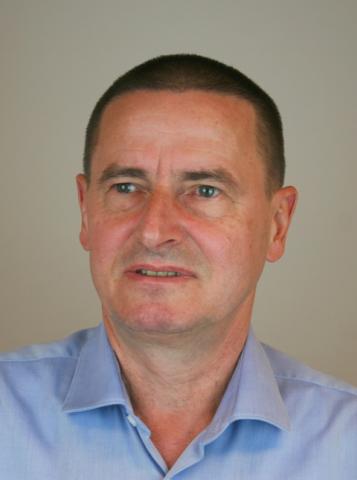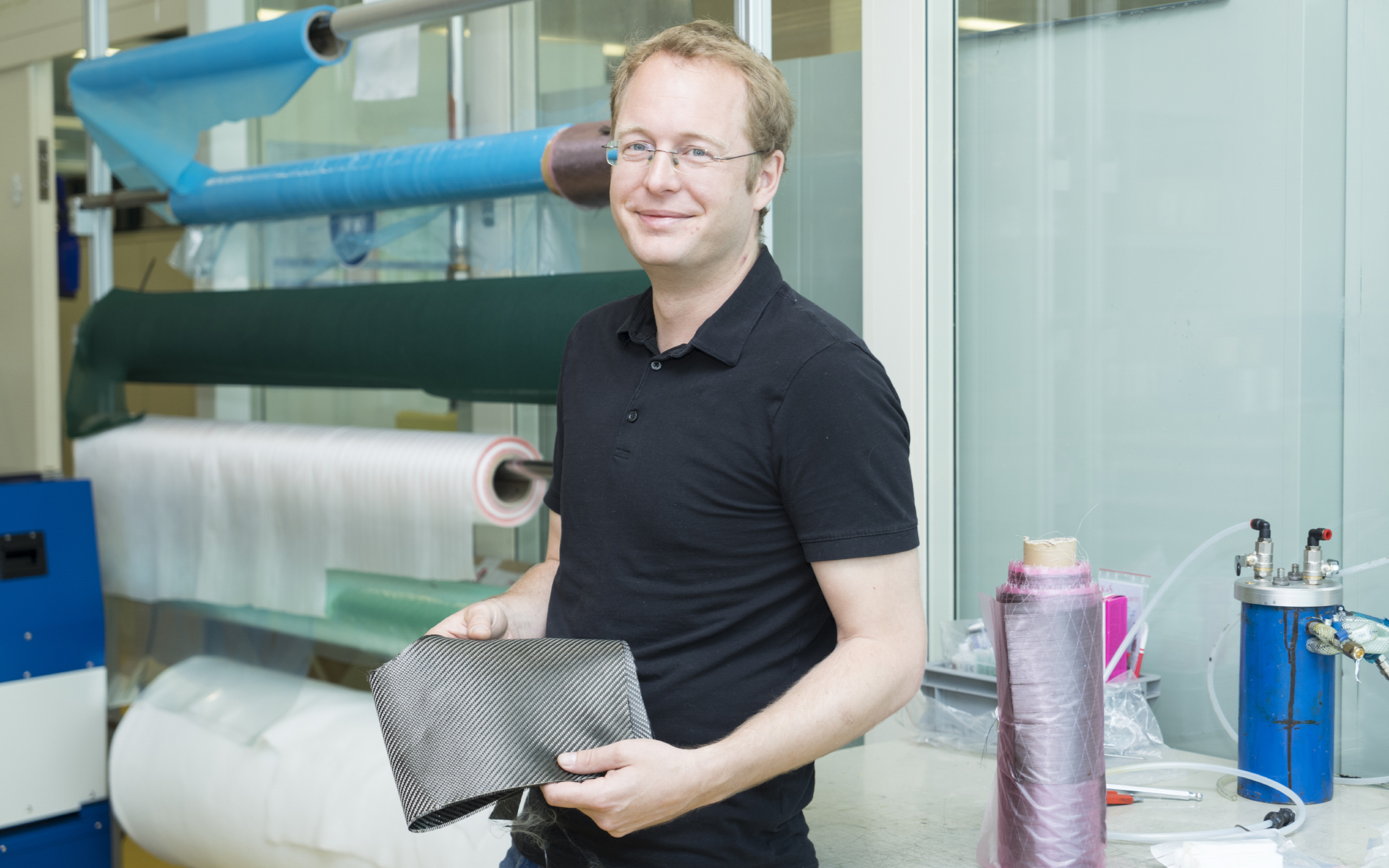
Christian BraunerView profile
Professor
Prof. Dr. Christian Brauner serves as a Professor and Group Leader of the Structural Mechanics group (Lightweight Construction and Fiber Composite Technologies) at the Institute of Polymer Technology within the School of Engineering and the Environment at the University of Applied Sciences Northwestern Switzerland (FHNW). He has held this position since 2017 and concurrently serves as Chairman of the Board of Composite United Switzerland since 2018. His educational background includes a Diploma in Mechanical Engineering (Dipl.-Ing. FH) from Bielefeld University of Applied Sciences (1991-2005) and a Master’s degree (M.Sc.) in “Computer Aided Mechanical Engineering” from FH Flensburg (2006-2008). He completed his doctorate at the University of Bremen on numerical methods for manufacturing process modeling. Prof. Brauner's research focuses on fiber composite design methods, manufacturing simulation (draping, infusion, curing, warping), multiphysical modeling, and material development. He specializes in Production 4.0 integration—virtually mapping manufacturing processes with online monitoring systems. Current projects include infrared curing of thermoset composites, ultrasonic welding techniques, fatigue testing of dynamically loaded components, and high-temperature aerospace composites. His work spans automotive, marine, medical devices, and footwear applications, demonstrating cross-industry relevance of composite technologies. He leads multiple research initiatives including the EU project on high-temperature aviation composites, SuCoHS (sustainable composites), and Filapodo (patient-specific orthopedic filaments). As initiator of the NTN Innovation Booster Plastics for Zero Emission (since 2022), he drives sustainability in plastics engineering while teaching advanced composites courses across FHNW’s academic programs. Prof. Brauner heads the Structural Mechanics group at FHNW’s Institute of Polymer Technology, leveraging experience from building an eight-person department at Bremen’s Fiber Institute where he developed simulation methods to replace empirical industrial practices with knowledge-based manufacturing planning.