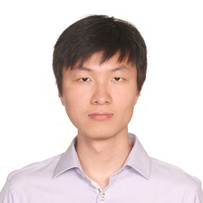
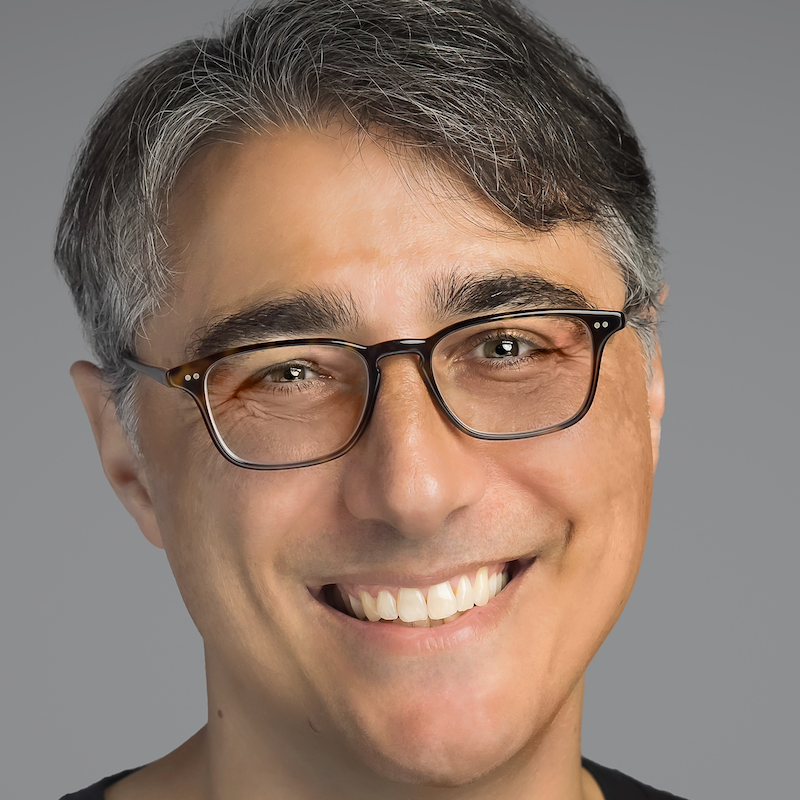
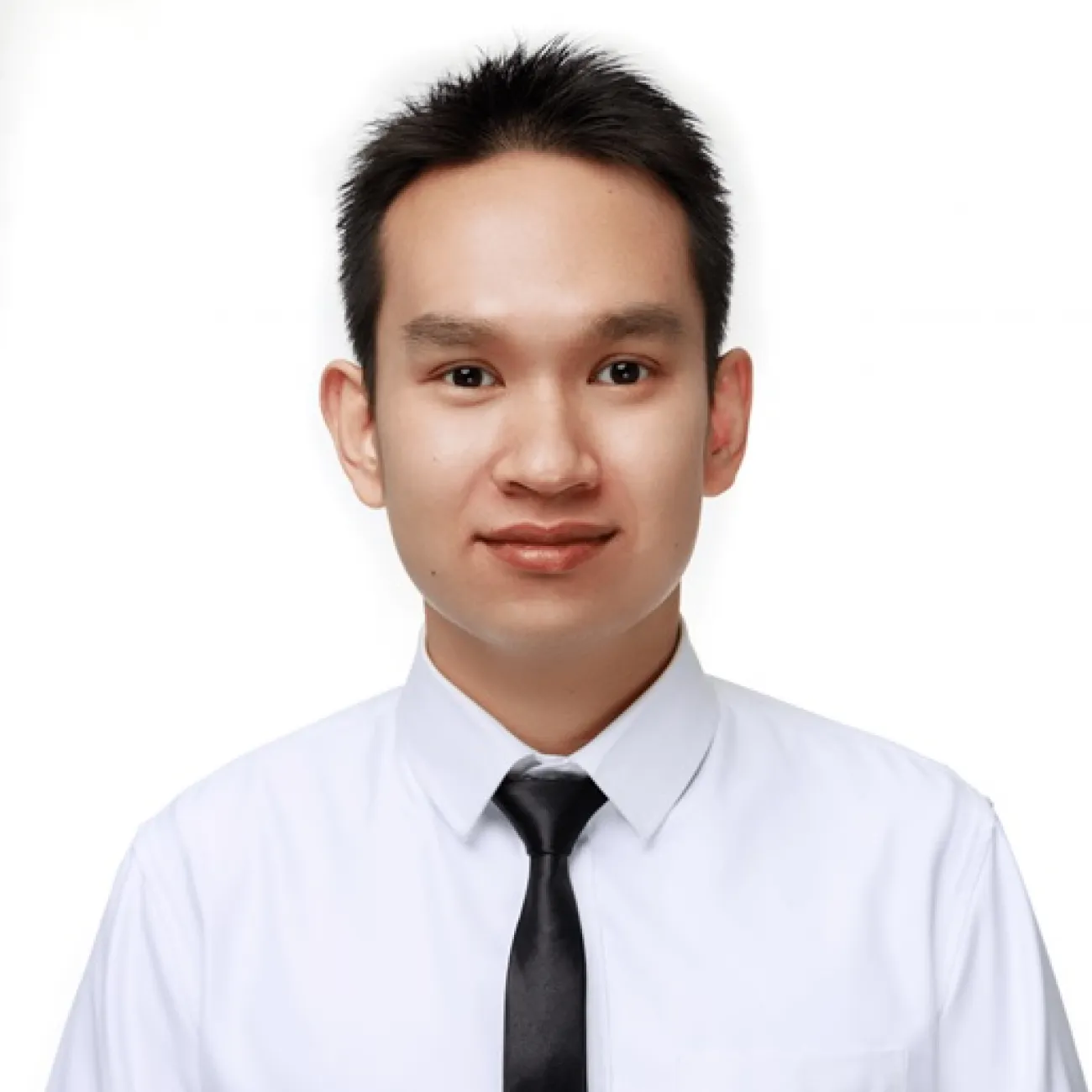
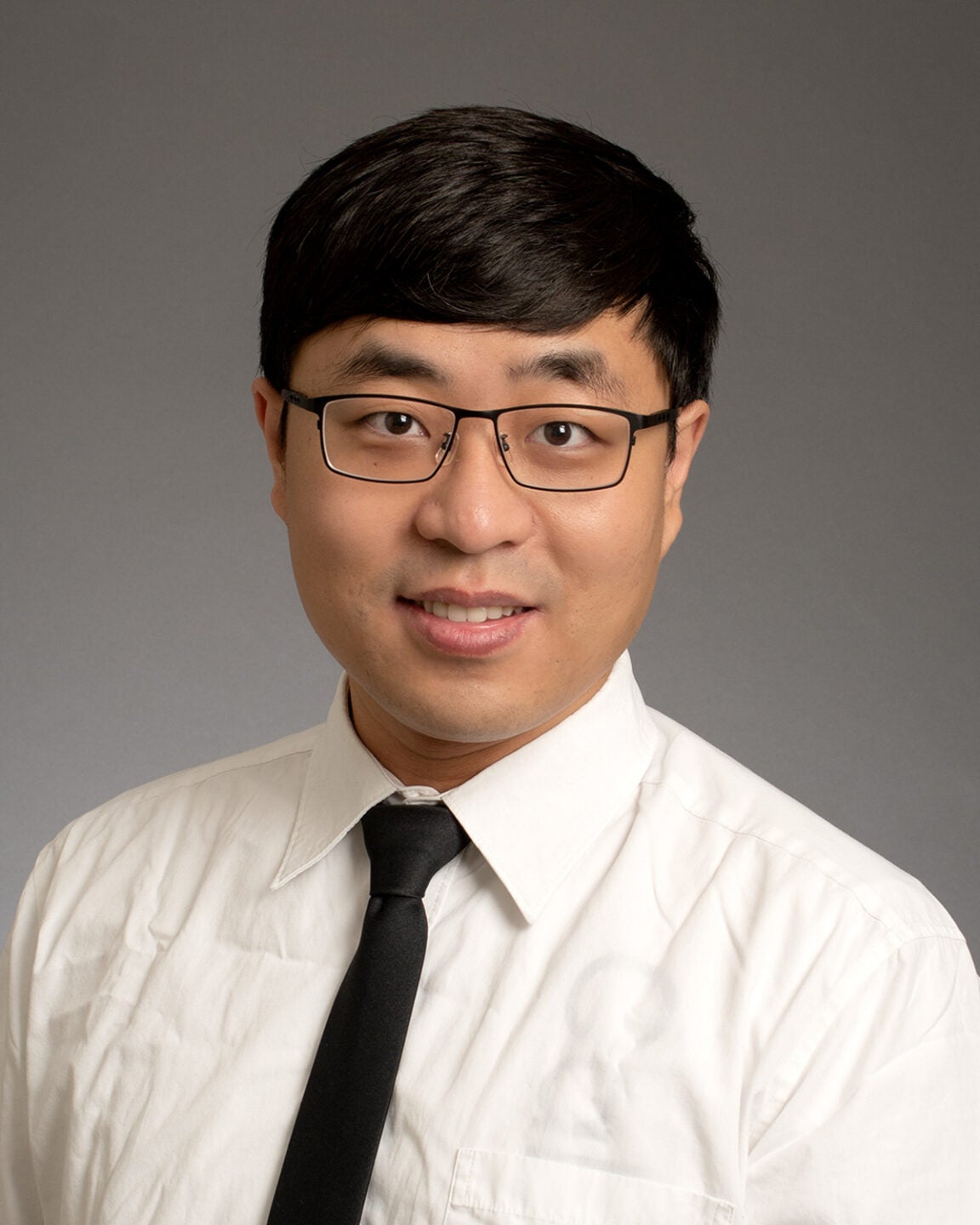
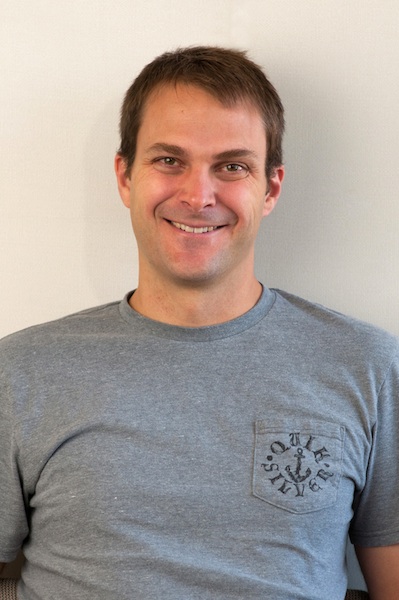
Shiqing Ma is an Assistant Professor in the Manning College of Information and Computer Sciences at the University of Massachusetts Amherst. Previously, he held a faculty position at Rutgers University from 2019 to 2023. He earned his Ph.D. in Computer Science from Purdue University (2019) and B.E. from Shanghai Jiao Tong University (2013). His research focuses on secure, intelligent, and transparent computing systems, particularly at the intersection of security, AI, and software systems. Key areas include integrating machine learning into software systems, ensuring algorithmic security through program analysis, and developing novel system architectures. Professor Ma's work has been recognized with prestigious awards, including the NSF CAREER Award (2023), and distinguished paper awards at USENIX Security (2017) and NDSS (2016). He actively contributes to the academic community through editorial roles and program committees in security, privacy, and software engineering. His research explores topics like backdoor attacks, AI safety, and bias mitigation in large language models. Recent articles emphasize defense mechanisms against adversarial attacks, watermarking techniques, and automated debugging systems for machine learning pipelines.
James Zou is an Associate Professor of Biomedical Data Science at Stanford University, with courtesy appointments in Computer Science and Electrical Engineering. His research focuses on advancing machine learning methodologies for healthcare applications, emphasizing reliability, fairness, and statistical rigor. He holds a Ph.D. from Harvard University and has held positions at Microsoft Research, Cambridge University (as a Gates Scholar), and UC Berkeley (Simons Fellow). Zou leads the Stanford Data4Health hub and is a Chan-Zuckerberg Investigator. His work spans AI-driven diagnostics, spatial transcriptomics, and ethical AI frameworks. Key achievements include the EchoNet AI system for echocardiography and foundational contributions to data valuation (e.g., Data Shapley). Awards include the Sloan Fellowship, NSF CAREER Award, and Google/Tencent AI awards. Education: Ph.D., Harvard University (2014); Postdoctoral roles at Microsoft Research, Cambridge, and Berkeley. Research Interests: Machine learning for healthcare, algorithmic fairness, interpretable AI, spatial omics, and translational bioinformatics. His lab develops tools like TextGrad (PyTorch for text agents) and frameworks for evaluating medical AI systems. Recent work addresses LLMs in peer review and clinical decision-making. Grants/Grants: Supported by NSF, Sloan Foundation, Chan-Zuckerberg Initiative, and industry partnerships (Google, Amazon, Adobe). Advises on over 20 doctoral students, many contributing to high-impact papers in Nature , Science , and top conferences (NeurIPS, ICML). Leads collaborations in cardiology, oncology, and veterinary medicine. Labs/Teams: Stanford AI Lab, Stanford Data4Health, and interdisciplinary groups in precision medicine. Active in open-source projects like FrugalML and MetaViz.
LU Wen Feng is an Adjunct Associate Professor in the Department of Mechanical Engineering at the National University of Singapore (NUS), affiliated with the College of Design and Engineering. His research focuses on advanced manufacturing technologies, including additive manufacturing, robotics, and AI-driven systems. He explores sustainable design methodologies, smart manufacturing innovations, and bioprinting applications. Key areas include optimizing material processes, enhancing mechanical properties of printed materials, and developing autonomous robotic solutions for industrial tasks. Contact: mpelwf@nus.edu.sg , located at E3-02-07. Research Interests : His work bridges AI and manufacturing, emphasizing Knowledge graph integration for additive manufacturing, Autonomous robotic systems in industrial settings, Bioprinting for tissue repair with smart bioinks, Topology optimization for lightweight and sustainable structures, Material characterization and process engineering for 3D-printed composites. Recent Article Trends : LU Wen Feng's 2025 articles highlight advancements in AI-augmented manufacturing systems (e.g., MaViLa, AutoMEX) and sustainable design workflows. His 2024 studies address material anisotropy, corrosion behavior, and topology optimization strategies for lattice structures. These trends reflect his interdisciplinary approach to solving challenges in additive manufacturing, robotics, and biomedical applications. Awards : No scientific awards explicitly mentioned. Advising & Grants : No current graduate students or grants listed. His research likely integrates industry-academia collaborations given the focus on applied manufacturing technologies. Labs/Teams : Not explicitly detailed, but his work suggests involvement in advanced manufacturing labs and AI-robotics teams at NUS.
Professor Ryan Ko is a leading academic in Cyber Security at the University of Queensland (UQ), serving as Chair and Director of the UQ Cyber Research Centre, Director of Research at the School of Electrical Engineering and Computer Science, and a member of UQ's Academic Board. He holds a BEng (Computer Engineering) and PhD from Nanyang Technological University, Singapore. His research focuses on data provenance, industrial control systems (ICS) security, privacy-preserving technologies, and AI-driven cybersecurity solutions. Ko has pioneered initiatives such as the UQ Cyber Centre, interdisciplinary cybersecurity education programs (MCyber, PGDipCyber), and the Oceania Cybersecurity Challenge. He has attracted over AUD 20 million in competitive grants as lead investigator, including the NZ$12.2M STRATUS project. Ko’s work spans industry and policy, including advisory roles with INTERPOL, governments, and NGOs. He has authored over 100 publications, contributed to ISO standards (e.g., ISO/IEC 21878), and co-founded cybersecurity startups. Awards include Fellowships from the Australian Computer Society and Queensland Academy of Arts and Sciences, and the CSA Ron Knode Service Award. Education: Bachelor of Engineering (Computer Engineering) (Hons.), Nanyang Technological University (2005) PhD in Computer Science, Nanyang Technological University (2011) Awards: Fellow, Australian Computer Society (2016) Fellow, Queensland Academy of Arts and Sciences (2020) Young Professional Award, Singapore Government (2018) Grants & Leadership: AUD 20M+ lead investigator grants; NZ$12.2M STRATUS project (2014–2018) Established UQ Cyber Centre (2019) and NZ’s first cybersecurity graduate program (2012) His research emphasizes returning data control to users, with applications in agriculture, energy, and critical infrastructure. Ko’s contributions include patents, open-source tools (e.g., Kali Linux), and frameworks like TrustCloud for cloud accountability.
Dr. Dennis Buckmaster is a Professor in Agricultural & Biological Engineering at Purdue University, serving as Dean's Fellow for Digital Agriculture. He holds a B.S. from Purdue University and M.S./Ph.D. from Michigan State University. His research focuses on digital agriculture, machine systems engineering, and data science applications in farming. He co-coordinates the Agricultural Systems Management program and teaches courses like Computing Technology with Applications and Ag Tech and Innovation. He leads the Open Ag Technology and Systems Center (OATS Center), advancing open-source solutions for agriculture through platforms like ISOBlue and OADA. His work integrates IoT, robotics, and machine learning to optimize crop production, livestock management, and farm decision-making. He has authored over 150 publications on precision agriculture technologies. Professional memberships include American Society of Agricultural and Biological Engineers and Fluid Power Society. He emphasizes data interoperability, edge computing, and bridging engineering with agricultural practices through collaborative frameworks like LATTICE and Meta Ag.
Zhao Guoying is an Academy Professor at the Academy of Finland and holds a tenured Full Professorship at the University of Oulu, Finland. His research focuses on human behavior understanding, emotion AI, and computer vision. He has held visiting positions at institutions including Stanford University and Aalto University. He earned his PhD (2005) in Computer Science from the Chinese Academy of Sciences. His work has led to pioneering contributions in facial expression analysis, micro-expression recognition, and remote physiological signal measurement. Zhao has secured over €19.8 million in research grants as PI, including the prestigious Academy Professor Grant (2021-2026) and Profi-7 Hybrid Intelligence funding. He has supervised 22+ PhD students and 16+ postdocs, many of whom hold academic and industry leadership roles. His awards include IEEE Fellow (2022), IAPR Fellow (2020), and Finland’s Most Publishing AI Researcher (2017). His research interests span machine learning, affective computing, and feature representation. Notable contributions include the first systems for spontaneous micro-expression analysis, novel methods for face anti-spoofing, and remote health monitoring via video. He actively organizes conferences (e.g., Arctic AI Days) and chairs committees such as the Finnish AI Society board.
Nicholas Antipa is an Assistant Professor at the University of California San Diego's Jacobs School of Engineering, in the Electrical and Computer Engineering department. His research focuses on the co-design of optical systems and algorithms to develop advanced computational imaging systems, leveraging innovations in 3D printing, sensors, machine learning, and AI. He holds a PhD in Computational Imaging from UC Berkeley and previously worked at the Lawrence Livermore National Lab on optical metrology for the National Ignition Facility. His work includes pioneering projects like the DiffuserCam and Miniscope3D, which enable high-dimensional optical signal capture and 3D microscopy. Education: PhD in Computational Imaging, UC Berkeley (2020) MS in Optics, University of Rochester Institute of Optics BS in Optical Science and Engineering, UC Davis Research Interests: Computational imaging systems, single-shot high-dimensional optical capture, lensless imaging, and applications in neuroscience and marine science. His lab explores novel optical designs, compressed sensing, and AI-driven imaging techniques to push the boundaries of conventional systems. Scientific Awards: Best Paper at ICCP 2019, 2016 Best Demo at ICCP 2017 No. 2 in Optica 15 Top-Cited Articles (2020) Affiliations: Director of the Computational Imaging Systems Lab at UCSD. Collaborates with institutions like Lawrence Livermore National Lab and the Scripps Institution of Oceanography for projects in marine sediment mapping and underwater object detection. His lab emphasizes open-source tools, such as the DiffuserCam Raspberry Pi tutorial.
Fernando De la Torre is a Courtesy Professor in the Department of Electrical and Computer Engineering at Carnegie Mellon University, with an affiliation to the Robotics Institute where he has been a research faculty member since 2005. He holds a Ph.D. in Electronic Engineering from Ramon Llull University (2002). His research focuses on machine learning and computer vision, with applications in human health, augmented/virtual reality, generative models, and data-centric methodologies. He directs the Human Sensing Laboratory, which explores technologies for human behavior analysis and health monitoring. Notable contributions include founding FacioMetrics LLC (acquired by Meta), advancing facial recognition and 3D human digitization, and developing frameworks for robust visual models. His work bridges theory and practice, with over 225 peer-reviewed publications and editorial roles, including Associate Editor for IEEE Transactions on Pattern Analysis and Machine Intelligence. Recent research trends emphasize generative AI applications in satellite imagery analysis, VR/AR rendering optimizations (e.g., Gaussian splatting), and clinical motion recognition for healthcare. His projects often intersect with industry, addressing challenges in wearable health monitoring and immersive technologies. His lab collaborations span academia and industry, focusing on scalable solutions for 3D human modeling, adversarial robustness, and multimodal data fusion. Key achievements include pioneering work on 3D face animation from speech and garment reconstruction from single images.
Dr. Mao Shan is a Senior Research Fellow at the Australian Centre for Robotics, part of The University of Sydney. He holds a PhD from The University of Sydney (2014) and has held research positions at Nanyang Technological University (2016-2017) and the Australian Centre for Robotics (2014-2016). His research focuses on autonomous systems, V2X communication, cooperative perception, and sensor fusion. Current students include Yaoqi HUANG, Henry LYU, Zhenxing MING, Nguyen TRAN, Tzu-yun TSENG, and Yupeng WANG. His work spans robotics, intelligent transportation systems, and control systems. Recent publications emphasize 3D object detection, cooperative perception frameworks, and autonomous navigation. He has contributed to the development of the University of Sydney Campus Dataset for robust autonomy testing and led cooperative perception projects funded by iMOVE CRC (2018). His research bridges theoretical advancements with practical applications in autonomous vehicles and multi-robot systems. Labs and affiliations include the Australian Centre for Robotics and the Intelligent Transport Systems Group. His interdisciplinary approach integrates probabilistic modeling, sensor fusion, and machine learning to address challenges in autonomous systems.
Dr. Tan Viet Tuyen Nguyen is a New Frontiers Fellow (Lecturer) in AI at the University of Southampton, specializing in Human-Centered Artificial Intelligence and Social Human-Robot Interaction. His research focuses on multimodal learning for robots to adapt their behavior to human social needs, with applications in healthcare, education, and service environments. Prior to this role, he was a Research Associate at King’s College London and a Research Assistant on the EU-funded CARESSES project, developing culturally-aware assistive robots for elderly support. Education: PhD in Information Science (Robotics) from Japan Advanced Institute of Science and Technology. He has organized conferences such as the IEEE RO-MAN 2022 special session on nonverbal communication and served as a reviewer for top-tier robotics and AI conferences. Research Interests include: Human-Robot Collaboration, Multimodal Perception, Generative AI for Social Interaction, and Context-Aware Robot Behavior Generation. His work has been recognized with awards including the Best Paper Award at ROMAN 2022 and the Prospective Research Award at ICServ 2023. Teaching Responsibilities include courses on Biologically Inspired Robotics, High-Level Programming, and MSc/Undergraduate project supervision. He currently oversees two PhD students and collaborates on projects like 'Exploring the impact of AI-driven writing of engagement in climate change' and 'Bridging Generations and Cultures through Generative AI.' Labs/Teams: Member of the Agents, Interaction and Complexity Centre and the Centre for Robotics Research at Southampton.
Simon Dobson is a Professor of Computer Science and Deputy Head of the School of Computer Science at the University of St Andrews. His research focuses on complex systems, sensor analytics, computational tools for simulation, and data analytics. He leads grants exceeding EUR30M, including a £5M EPSRC-funded programme in Sensor Systems Software. He is a Fellow of the Royal Society of Edinburgh (2020) and advises the Scottish government. Education: BSc (University of Newcastle), DPhil (University of York), both in Computer Science. Professional: Chartered Engineer, Fellow of the British Computer Society. Research Interests: Complex systems, network science, higher-order networks, epidemiological modeling, and sensor data integration. Teaching: CS4203 (Computer Security), CS5728 (Complex Systems Modelling). Supervises PhD/MSc projects. Awards: Includes RSE Fellowship, BCS Fellowship, and multiple leadership roles in conferences and committees.
Jun Zhuang is an Assistant Professor in the Department of Computer Science at Boise State University. He holds a Ph.D. from Indiana University-Purdue University Indianapolis (IUPUI), M.S. degrees in Computer Science (University at Buffalo) and Finance (Rochester Institute of Technology), and a B.E. in Safety Engineering (South China University of Technology). His research focuses on trustworthy and robust AI systems, Bayesian inference, generative models, quantum computing, and medical imaging. Education: Ph.D., Computer Science, IUPUI (2023) M.S., Computer Science, University at Buffalo (2018) M.S., Finance, Rochester Institute of Technology (2013) B.E., Safety Engineering, South China University of Technology (2011) Research Interests: Jun investigates robust machine learning algorithms, particularly in quantum information, medical imaging, and graph-based systems. He emphasizes mitigating adversarial attacks, enhancing model interpretability, and integrating blockchain for AI security. His work spans theoretical foundations and practical applications, including generative adversarial networks (GANs) and trustworthy AI frameworks. Recent Articles: His recent work addresses jailbreaking vulnerabilities in large language models (LLMs), quantum computing optimization challenges, and robust graph structure learning. These studies highlight interdisciplinary approaches to advancing AI reliability and security. Awards & Grants: Recipient of the SIGIR Student Travel Grant for CIKM 2022. Active in grant activities through research collaborations and institutional funding. Advising & Labs: Advisor to Ph.D. student Maqsudur Rahman and M.S. students Chia-Ying Wu and Shipra Kumari. Leads the T rustworthy and R obust AI L ab (TRAIL), focusing on developing resilient AI systems.
Filip Biljecki is an Assistant Professor jointly appointed at the Department of Architecture within the College of Design and Engineering and the Department of Real Estate at the NUS Business School, National University of Singapore. He is the founder and principal investigator of the NUS Urban Analytics Lab and was awarded the prestigious NUS Presidential Young Professorship in 2020. With over 150 peer-reviewed publications, his research bridges geomatic engineering, geospatial technologies, and urban data science to advance digital twins and data-driven urban planning. Dr. Biljecki's educational background includes: PhD in 3D GIS (cum laude), Delft University of Technology, Netherlands (2017) MSc in Geomatics, Delft University of Technology, Netherlands (2010) BSc in Geodesy and Geoinformatics, University of Zagreb, Croatia (2008) His research interests focus on emerging urban data sources, particularly urban imagery, and their application in 3D city modeling, digital twins, and GeoAI. He explores how crowdsourcing and open science can inform cutting-edge techniques for urban sensing and analytics at city-scale. His work significantly contributes to establishing smart cities through innovative methods that integrate recent advancements in computer science, geomatics, and urban data science. Analysis of his recent publications reveals a strong focus on street view imagery applications for urban analytics, digital twin development, and geospatial AI. His research spans multiple domains including urban morphology, environmental assessment, public health applications, and urban comfort analysis. The interdisciplinary nature of his work is evident in collaborations with researchers from diverse fields, producing impactful studies that address complex urban challenges through innovative methodological approaches. His notable scientific achievements include: Annual Teaching Excellence Award (ATEA), 2025 College Educator Award AY2023/2024, 2025 Urban Informatics Paper of the Year Award, 2023 Top 2% scientists worldwide (Stanford University), 2021 Presidential Young Professorship (NUS), 2020 As an educator, Dr. Biljecki has supervised dozens of students leading to publications in leading journals and placements at top universities and organizations. He has delivered talks at over 120 universities and organizations worldwide including MIT, Stanford, Harvard, and ETH Zurich. His research is supported through various grants and affiliations including his role as Principal Investigator at the Future Cities Lab Global at the Singapore-ETH Centre. The NUS Urban Analytics Lab, which he established, brings together scholars from diverse disciplines to drive research on making cities smarter and more data-driven. The lab has developed innovative tools like ZenSVI for street view imagery analysis and has produced influential research on urban digital twins, urban morphology, and GeoAI applications. Through his leadership, the lab continues to pioneer methods that advance data-driven urban planning and smart city development.
Yang (Gilbert) Ye is an Assistant Professor in the Department of Civil and Environmental Engineering at Northeastern University, joining in January 2025. His research focuses on human-AI/robot teaming, automation in engineering, and assistive technologies, with a particular emphasis on human-centric robotics and sensorimotor processes. He holds a PhD in Civil Engineering from the University of Florida (2024), advised by Dr. Eric Jing Du. **Affiliations**: Member of ASCE, IEEE, and HFES. His work integrates VR/AR, robotics (e.g., drones, exoskeletons), and AI to enhance civil engineering workflows and workforce training. He leads the Ye Lab, actively recruiting PhD students and postdocs with coding experience (Python/C++/C#) and backgrounds in engineering or computer science. **Key Research Themes**: Human-robot interaction, construction automation, exoskeleton training, and delayed feedback mitigation in teleoperation. Over 20 peer-reviewed publications in journals like ASCE JoCEN, IEEE Access, and Advanced Engineering Informatics. **Lab Opportunities**: PhD/postdoc applicants require strong academic records (GPA ≥3.5) and coding skills. Undergrad/master students can apply for thesis/research roles. Funding covers tuition, insurance, and stipends.
John Serences is a Professor in the Department of Psychology at the University of California, San Diego (UCSD). He leads the Perception and Cognition Lab, which participates in the Neuroscience Graduate Program. His research focuses on how behavioral goals and attention influence perception, memory, and decision-making, employing techniques like psychophysics, computational modeling, EEG, and fMRI. Key projects explore serial dependence, neural adaptation in visual cortex, and the interplay between sensory processing and mnemonic storage. Recent work highlights mechanisms reconciling repulsive neuronal adaptation with attractive behavioral biases. Affiliations: Department of Psychology, UCSD; Neuroscience Graduate Program. Research Themes: Visual perception, working memory, decision-making, neuroimaging. His lab investigates neural dynamics underlying cognitive processes, with particular emphasis on how attentional modulations and stimulus history shape neural representations. Notable contributions include studies on adaptive sensory coding and the role of top-down signals in perceptual stability.