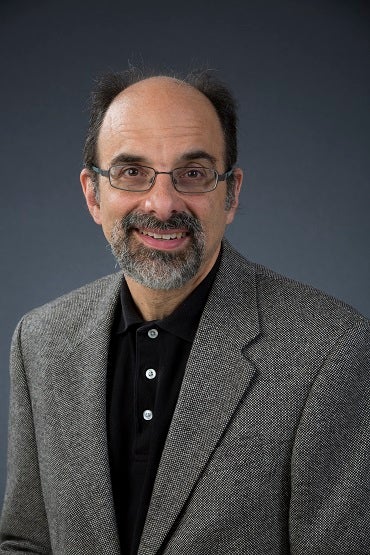
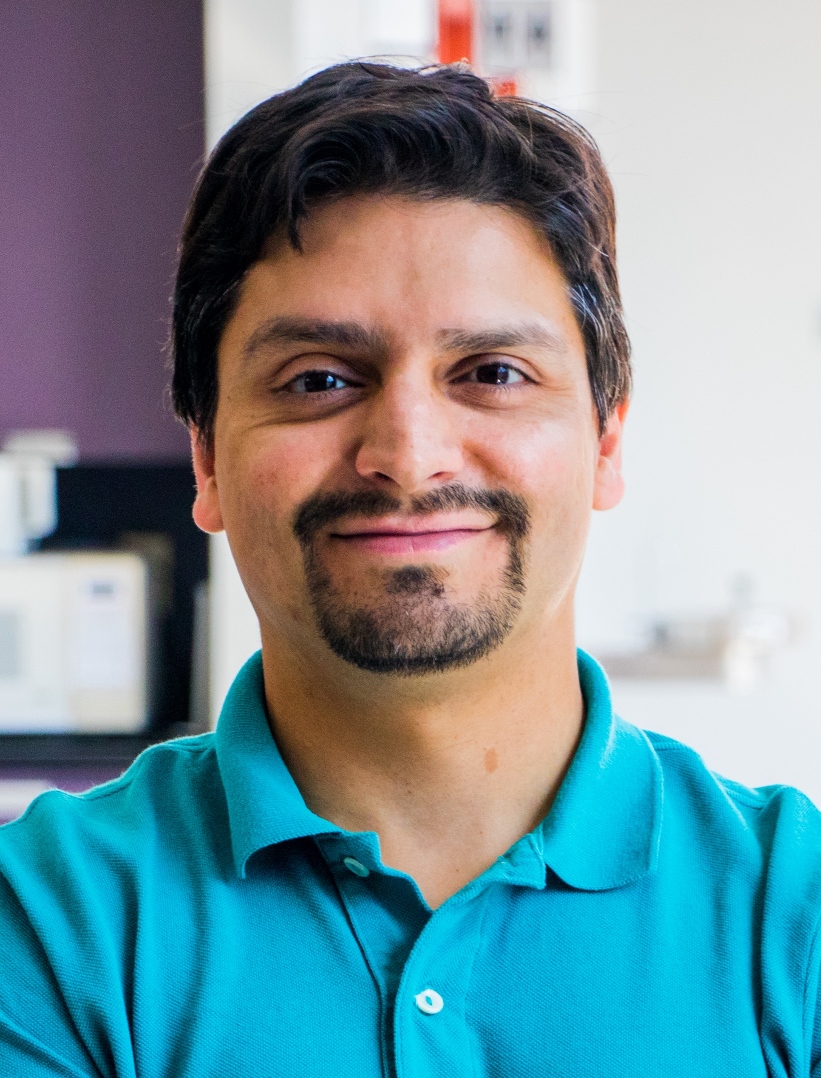
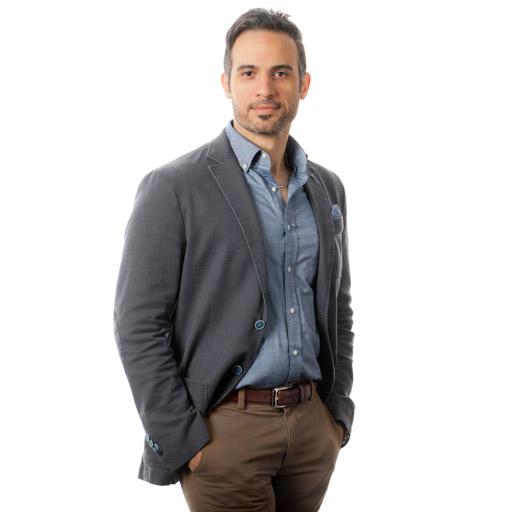
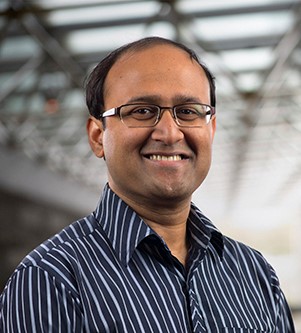
Stephen A. Vavasis is a Professor in the Department of Combinatorics and Optimization at the University of Waterloo, part of the Faculty of Mathematics. He holds a PhD in Computer Science from Stanford University (1989) and has held academic positions at Cornell University (1989–2006) before joining Waterloo. His research focuses on continuous optimization, data science, first-order methods, scientific computing, and computational mechanics. Current teaching includes courses on convex optimization and portfolio optimization methods. He has served as Associate Dean of Computing (2017–2020) and Interim Director of Data Science graduate programs. His work is supported by NSERC grants. Notable awards include the Hertz Fellowship, Churchill Scholarship, and Guggenheim Fellowship. Vavasis's research emphasizes applications of optimization to clustering, machine learning, and fracture mechanics. His publications span convex optimization frameworks, algorithmic analysis of gradient methods, and numerical methods in mechanics. Recent work explores unifying analyses of first-order optimization algorithms and robust optimization techniques for high-dimensional data problems.
Roberto A. Chica is a Full Professor in the Department of Chemistry and Biomolecular Sciences at the University of Ottawa, Faculty of Science. His research focuses on computational and experimental protein engineering, particularly in designing novel enzymes and fluorescent proteins for biotechnological applications. He develops advanced algorithms for protein design and investigates enzyme dynamics using molecular modeling and structural biology approaches. Key research interests include biocatalysis, structural biology, and the application of computational methods to engineer proteins with tailored functions. His lab integrates experimental protein chemistry with computational simulations to understand catalytic mechanisms and design proteins for industrial and biomedical uses. Recent work emphasizes ensemble-based computational enzyme design, exploring how conformational landscapes influence catalytic efficiency. His articles highlight advancements in artificial enzyme creation, substrate specificity modulation, and fluorescent protein optimization. Chica’s contributions bridge fundamental biochemistry with applied innovations in protein engineering. Notable achievements include the design of bright red fluorescent proteins via computational approaches and the development of biosensors for protein expression monitoring. His research has implications for drug discovery, biocatalytic synthesis, and personalized medicine.
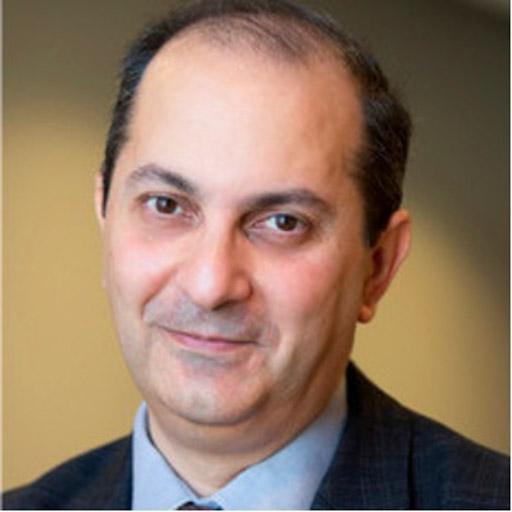
Mazdak Nik-Bakht is an Associate Professor at Concordia University's School of Building, Civil, and Environmental Engineering. His work bridges construction engineering with digital innovation, focusing on smart infrastructure and sustainable development. PhD, Construction Engineering & Mgmt., University of Toronto PhD, Structural Engineering, Iran University of Science & Technology MASc & BASc, Structural and Civil Engineering, Iran University of Science & Technology His research integrates Artificial Intelligence and Social Network Analysis into construction management systems. Key areas include: Smart infrastructure and urban computing Deconstruction and circular economy principles Building Information Modeling (BIM) and digital twinning Process mining in Architecture, Engineering, and Construction (AEC) industry Decision models in construction project management Semantic computing and computational linguistics applications Recent publications show a focus on BIM analytics , urban resilience , and social media's role in infrastructure planning . Papers often combine AI and network theory to solve complex construction challenges. 2015 Outstanding paper award - Built Environment Project and Asset Management journal He teaches courses on: Big Data Analytics for Smart City Infrastructure Building Information Modeling (BIM) for Construction Building Economics Project Cost Estimating
Septimiu E. Salcudean is a Professor at the University of British Columbia's Department of Electrical and Computer Engineering, holding the C.A. Laszlo Chair in Biomedical Engineering and a Canada Research Chair. His research focuses on medical robotics, image guidance systems, and ultrasound elastography. He has contributed to advancements in haptic interfaces, teleoperation, and needle insertion modeling. Education: B.Eng and M.Eng from McGill University (1979-1981), Ph.D. from UC Berkeley (1986). He has held positions at IBM T.J. Watson Research Center and was a Killam Research Fellow at ONERA in France. His work spans robotics, biomedical engineering, and surgical systems. Research interests include medical robotics, real-time imaging, and surgical navigation. Notable projects involve ultrasound-guided surgery, vibro-elastography for tissue characterization, and haptic feedback systems. His lab, the Robotics and Control Laboratory (RCL), develops technologies like the da Vinci surgical system integration with ultrasound imaging. Awards include the NSERC Synergy Award, IEEE Fellowship, and UBC Killam Research Prize. He has advised over 30 graduate students and published extensively in robotics and biomedical journals.
Jonathan Baugh is a Professor in the Department of Chemistry at the University of Waterloo, serving as Director of the Quantum Information Graduate Program. His research focuses on quantum devices, nanoelectronics, and molecular electronics with affiliations at the Institute for Quantum Computing and Waterloo Institute for Nanotechnology. He leads the Baugh Research Lab, exploring quantum control, semiconductor spin qubits, and superconducting hybrid systems. Research interests include quantum information processing, nanoscale charge transport, and the development of next-generation photonic sources. His work bridges quantum physics and materials science, with recent breakthroughs in dopant-free semiconductors and single-molecule transistors. Publications emphasize scalable quantum architectures, noise mitigation in quantum control, and phase-coherent molecular electronics. Current projects involve cryogenic CMOS device modeling and topological quantum computing in silicon-based systems. No awards are explicitly listed, though his work has been highlighted in invited reviews and special sessions on quantum systems. Advising focuses on graduate students in quantum nanotechnology and condensed matter physics. His lab collaborates on integrated quantum networks and III-V/Si nanowire photodetectors. Labs/Teams: Baugh Research Lab (Quantum Nanoelectronics Group), Institute for Quantum Computing (IQC), Waterloo Institute for Nanotechnology (WIN).
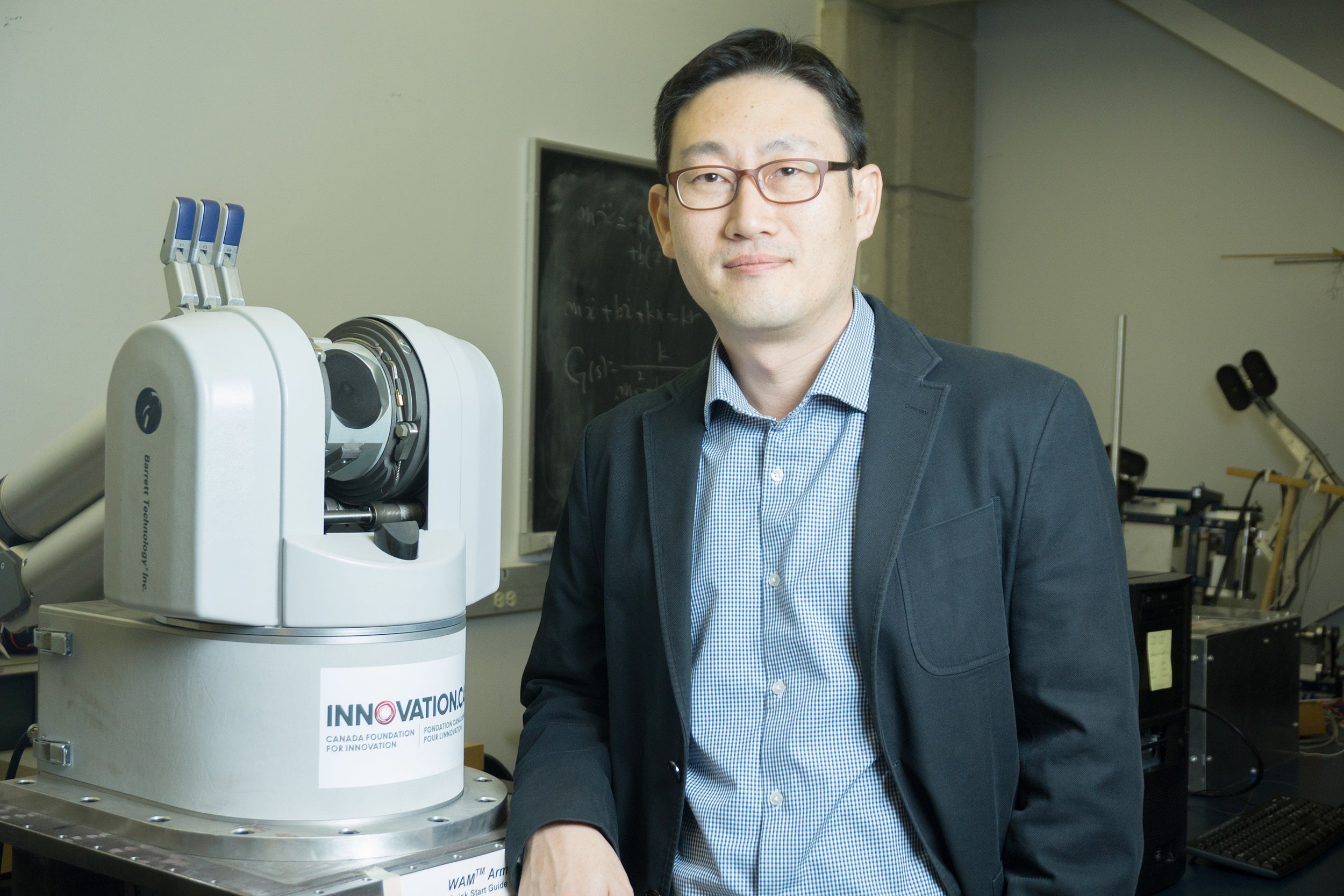
Soo Jeon is a Professor in the Department of Mechanical and Mechatronics Engineering at the University of Waterloo, part of the Faculty of Engineering. He holds a PhD from the University of California at Berkeley (2007) and prior degrees from Seoul National University. His research focuses on mechatronics, dynamic systems, and control, with applications in robotics, autonomous systems, and precision motion control. He has held roles as Assistant Professor (2009–2015), Associate Professor (2015–2024), and Full Professor (2024–present). Professor Jeon’s expertise includes intelligent sensing and control for mechatronic systems, nonlinear dynamics, and autonomous systems. He has received notable awards such as the 2022 Engineer of the Year Award (AKCSE/KOFST), 2015 NSERC Discovery Accelerator Supplement, and 2010 ASME Rudolf Kalman Best Paper Award. He serves as an Associate Editor for several journals, including the ASME Journal of Dynamic Systems and IEEE Transactions on Automation Science and Engineering. His research interests span robotics, control systems, and automation, with recent work on autonomous navigation, tactile exploration, and model predictive control. He supervises graduate students in MASc and PhD programs and teaches courses like ME 649 (Control of Machines and Processes) and ME 360 (Introduction to Control Systems). Jeon holds patents in areas like low-power magnetic locks and remote plasma source seasoning. His lab, the Waterloo Mechanical Systems & Control Laboratory (WMSCL), focuses on advanced mechatronics and robotics projects, including collaborations with international institutions such as the Korea Institute of Machinery & Materials (KIMM).
David Sivak is a Professor and Canada Research Chair Tier 2 in the Department of Physics at Simon Fraser University (SFU). His research focuses on theoretical and computational biophysics, exploring the physical limits of energy and information transduction in molecular machines. He investigates how biological systems operate efficiently under fluctuating conditions, with emphasis on molecular motors, free-energy transduction, and nonequilibrium thermodynamics. Education: Ph.D. in Biophysics, University of California, Berkeley B.A. in Philosophy, Politics & Economics, University of Oxford A.B. with Honors in Applied Mathematics, Harvard University Research Interests: Sivak's work integrates statistical mechanics, information theory, and molecular biophysics to understand how microscopic systems achieve functional efficiency. Key areas include: Optimal control strategies for nonequilibrium systems Energy-information trade-offs in molecular machines Stochastic thermodynamics of biochemical processes Design principles of ATP synthase and similar rotary motors Publications & Awards: Sivak has authored over 60 peer-reviewed articles, including foundational work on nonequilibrium fluctuation theorems and optimal control in stochastic systems. His awards include the Canada Research Chair and the Young Investigator Award from the Biophysical Society of Canada. Grants & Collaborations: He leads projects funded by the Simons Foundation and collaborates with experimental groups globally. His lab actively mentors graduate students and postdocs, emphasizing interdisciplinary approaches to biophysical problems. Labs & Teams: The Sivak Group at SFU develops theoretical models and numerical simulations to analyze molecular-scale processes. Current projects explore information engines, microbiome dynamics, and the thermodynamics of cellular processes.
Amin Hammad is a Professor at the Concordia Institute for Information Systems Engineering, with an additional appointment as Affiliate Professor in Building, Civil, and Environmental Engineering at Concordia University. His research focuses on advancing construction technology through digital transformation, automation, and AI integration. He leads work in BIM applications, 4D simulation, robotic systems, and sustainable infrastructure management. His interdisciplinary approach bridges civil engineering with computer science and data analytics. Key research areas include: Automation and robotics in construction (Construction 4.0) BIM and digital twin lifecycle management AI-driven defect detection and inspection systems Occupational safety through exoskeleton performance evaluation Multi-purpose utility tunnel optimization Energy-efficient building systems Recent work emphasizes applying machine learning to construction equipment activity recognition, UAV path optimization for infrastructure inspection, and ontology development for integrated systems. His research addresses industry challenges in productivity, safety, and sustainability through data-driven solutions.
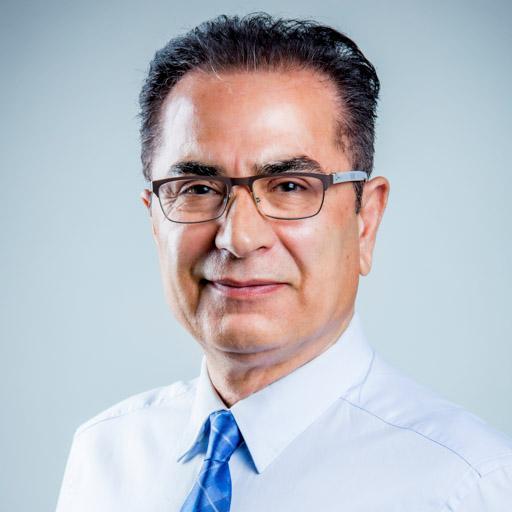
Javad Dargahi is a Professor of Mechanical, Industrial and Aerospace Engineering at Concordia University, Montreal. His research focuses on haptic sensors, robotic systems for minimally invasive surgery, and smart sensor fabrication using micromachining and piezoelectric polymers. He leads projects in teletaction, embedded force sensing for soft robots, and medical device innovation. Research interests include tactile sensor design for robots and endoscopes, nonlinear impedance matching in surgical robotics, and deep learning-driven force estimation for catheters. His work bridges mechanical engineering with biomedical applications, emphasizing safety and precision in interventional surgeries. Recent publications explore multitask neural architectures for intracardiac catheters, real-time force control algorithms, and biomimetic soft robotics. His lab develops miniature optical sensors and stiffness-adaptive systems for surgical tools, with applications in cardiac ablation and vascular navigation.
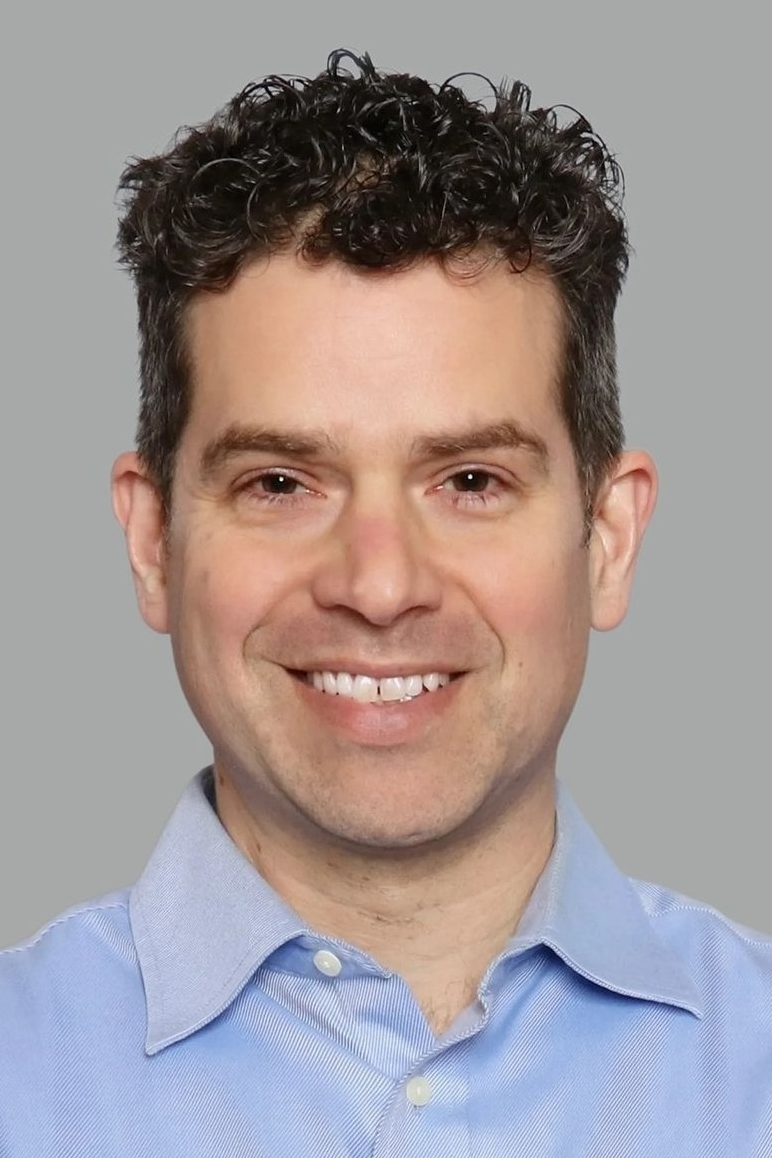
K. Rajibul Islam is an Associate Professor at the University of Waterloo, affiliated with the Institute for Quantum Computing (IQC) and the Department of Physics and Astronomy. He holds a joint appointment with the Perimeter Institute for Theoretical Physics and co-founded Open Quantum Design and Lightflow Optics Inc. His research focuses on quantum information processing, quantum simulation, and trapped ion systems, with applications in quantum computing and entanglement studies. Education: Ph.D. in Physics (2012, University of Maryland), M.Sc. in Physics (2007, Tata Institute of Fundamental Research), B.Sc. in Physics (2005, Jadavpur University). Postdoctoral research at Harvard University (2012–2015) and MIT (2015–2016). Research Interests : Quantum simulation of spin models, quantum computing with trapped ions, entanglement measurement, frustrated spin systems, and quantum materials. His lab, QITI (Quantum Information with Trapped Ions), develops scalable quantum simulators and open-access quantum computers like 'QuantumIon.' Awards : Fellow of the American Physical Society (2024), VAIBHAV Fellowship (2024), Excellence in Teaching Award (2024), Early Researcher Award (2019), and Distinguished PhD Dissertation Award (2012–13). Teaching : Courses include PHYS 701 (Graduate Quantum Physics), PHYS 234 (Quantum Physics I), PHYS 393 (Physical Optics), and PHYS 256 (Geometrical and Physical Optics). He emphasizes outreach via initiatives like Bigyan.org.in , a Bengali-language science platform. Lab and Collaborations : Active in developing trapped-ion quantum hardware, including ion trap designs, optical addressing systems, and holographic control methods. Collaborates on quantum algorithms, machine learning for quantum systems, and experimental quantum thermodynamics.
Prof. Abbas Samani is a Professor at the Department of Electrical and Computer Engineering and holds a joint appointment in the Department of Medical Biophysics at Western University . He is a core faculty member of the Biomedical Engineering Graduate Program and an Associate Scientist at Imaging Research Laboratories of Robarts Research Institute . His academic journey includes a Ph.D. from the University of Waterloo, an M.Sc. from the University of Tehran, and a B.Sc. from Amirkabir University of Technology. His research focuses on biological tissue computational modeling and its applications in medical imaging, intervention, and image analysis . He develops computer/image-assisted tools for minimally invasive disease diagnosis and therapy , targeting heart disease, cancer, and lung disease . Key projects include myocardium biomechanical modeling , handheld medical devices for breast cancer screening , and lung disease diagnostics via CT image segmentation . His recent publications emphasize ultrasound elastography , finite element modeling , and inverse problems in biomechanics , primarily in journals like IEEE Transactions on Computational Imaging and Translational Oncology . His work spans both computational modeling and medical device development . Selected Graduate Supervision : Ph.D. Candidates : Seyed Hassan Haddad, Elham Karami, Seyed Mohammad Hesabgar Graduated Ph.D. Students : Ali Sadeghi Naini, Seyed Reza Mousavi M.Sc. Students : Cristian Linte, Patrick Courtis, Joseph O'Hagan, Hatef Mehrabian, Hirad Karimi, Hosein Amooshahi, Seyed Mohammad Hesabgar, Nastaran Ghadarghadr, Shadi Shavakh, Ehsan Salamati, Ehsan Omidi Teaching Contributions : Graduate: BME9519B/CAMI9519B/ECE9202B/ECE9022B - Advanced Image Processing and Analysis , MBP9530A - Human Biomechanics and Biomedical Applications Undergraduate: ECE4438B - Advanced Image Processing and Analysis , ES1050 - Introductory Engineering Design and Innovation Studio , MBP3330F - Human Biomechanics and Biomedical Applications Research Affiliations : Robarts Research Institute - Associate Scientist at Imaging Research Laboratories Western University - Core Faculty, Biomedical Engineering Graduate Program
Samia Khan is a Professor in the Department of Curriculum & Pedagogy at the University of British Columbia's Faculty of Education, where she also serves as Associate Dean of Research. Her academic work bridges educational technology, science education, and teacher preparation across K-16 contexts. Dr. Khan earned her PhD from the University of Massachusetts. Her educational background informs her interdisciplinary approach to learning sciences and technology integration. Her research centers on how digital technologies transform science learning , with emphases on model-based teaching , visualization tools , and equitable participation in STEM . She investigates simulation technologies, future-state modeling, and strategies to broaden science engagement through interpretive and mixed-methods research. Her work particularly examines teacher epistemologies, scientific reasoning development, and socio-cultural factors in technology-mediated learning environments. Analysis of her recent publications reveals three dominant trends: (1) International comparative studies of science curricula across Southeast Asia, (2) Efficacy of digital tools (PhET, GeoGebra, Symbolab) in conceptual understanding, and (3) Pre-service teacher development in model-based science instruction. Her research spans diverse contexts from Canadian classrooms to Rwandan and Vietnamese educational settings. Dr. Khan's contributions have been recognized through: New Scholar Award from the Canadian Society for Study in Education Prime Minister’s Award of Canada for Teaching Excellence in Science, Technology, and Mathematics As former MET Director (2021-2022) and author of foundational courses ETEC 530/533, she has significantly shaped UBC's educational technology programs. Her Faculty Associate role at the Institute of Resources, Environment, and Sustainability demonstrates cross-disciplinary engagement with sustainability education. Her research appears in leading journals including Journal of Technology and Teacher Education, Computers and Education, and Educational Technology Research and Development, with consistent citation as field-shaping work in educational technology.
Qizhen Zhang is a Professor in the Department of Computer Science at the University of Toronto's Faculty of Arts and Science. Specializing in hyperscale data processing systems, Zhang leads research at the intersection of cloud computing, distributed systems, and data center networking. Recent work focuses on network-centric designs for efficient large-scale data processing, including pioneering contributions to disaggregated data center architectures. Research interests center on hyperscale data processing , network-aware system design , and disaggregated infrastructure . Current projects investigate DPU-accelerated systems (dpBento, DPDPU), memory disaggregation (Cowbird, Redy), and blockchain scalability (FlexChain). Zhang's approach systematically integrates network characteristics into distributed system optimization, addressing challenges in trillion-item workloads through novel shuffle layers (TeShu) and compute pushdown mechanisms (TELEPORT). Zhang advises multiple graduate students working on satellite networking (SaTE), federated learning, and DPU-optimized storage (DDS). Professional service includes program committees for SIGMOD, VLDB, NSDI, and EuroSys (2023-2026), plus journal reviews for ACM TODS and IEEE/ACM Transactions on Networking. Industrial collaborations with Microsoft Research have yielded production-oriented systems like Redy and CompuCache. Key contributions include MimicNet for scalable network simulation (SIGCOMM 2021), GraphRex for network-aware graph processing (SIGMOD 2019), and foundational work on disaggregated data centers (CIDR 2020, VLDB 2020). Teaching responsibilities encompass graduate courses CSC2235 (Cloud-native Data Management) and undergraduate CSCC43 (Databases) at the University of Toronto.
Dr. Gary Scavone is a Professor and Department Chair in the Music department at McGill University's Schulich School of Music. He holds a PhD in Computer-Based Music Theory & Acoustics and MS in Electrical Engineering from Stanford University, alongside degrees from Syracuse University in Music and Electrical Engineering. His research focuses on music technology, including acoustic modeling, sound synthesis, and instrument design. He directs the Computational Acoustic Modeling Laboratory (CAML), which explores advanced techniques for simulating musical instruments and developing software tools. As a saxophonist, he specializes in contemporary concert music performance. Research interests include physically-based sound synthesis, wind instrument acoustics, and digital waveguide modeling. He has contributed to studies on brass and woodwind impedance measurements, violin soundpost dynamics, and free-reed instrument modeling. His work bridges engineering and artistry, with applications in music pedagogy, instrument design optimization, and virtual acoustic replication. Key contributions include open-source projects for wind instrument modeling and the development of tools for automated timbre assessment. His research often combines experimental methods with computational simulations, addressing challenges in both theoretical and applied music acoustics. Current projects focus on deep learning for friction modeling, impedance measurement systems, and cross-cultural instrument analysis.
Dr. Karim El-Basyouny is a Killam Laureate Professor and City of Edmonton Urban Traffic Safety Research Chair at the University of Alberta's Faculty of Engineering, where he serves as Associate Dean (Research Infrastructure and Innovation) in the Civil and Environmental Engineering Department. A licensed Professional Engineer in Alberta, he holds advanced degrees in Transportation Engineering from the University of British Columbia and has dedicated his career to advancing road safety through data-driven management frameworks. His academic credentials include: Doctor of Philosophy, Civil Engineering, University of British Columbia, 2011 Engineering Management Sub-specialization, Civil Engineering, University of British Columbia, 2010 Master of Applied Science, Civil Engineering, University of British Columbia, 2006 Bachelor's degree (ABET Equivalent), Civil & Environmental Engineering, United Arab Emirates University, 2003 El-Basyouny's research pioneers the integration of remote sensing, machine learning, and statistical modeling to enhance transportation safety. His work develops automated tools for infrastructure digitization, collision prediction, and speed management, treating safety as a systemic product requiring management frameworks. Key contributions include LiDAR-based road feature extraction, network-level safety evaluations, and frameworks for vision-zero outcomes that address both human-driven and autonomous vehicle contexts. His recent publications demonstrate a cohesive research trajectory centered on leveraging point cloud data and computational intelligence for safety management. Over 15 major publications since 2021 focus on automated infrastructure assessment (light pole detection, clear zone mapping, vertical clearance evaluation), weather-impact modeling, and enforcement resource optimization. This body of work bridges transportation engineering with computer vision and operations research to create scalable safety solutions. His scientific contributions have been recognized with prestigious honors including: 2024 Killam Annual Professorship Award 2024 Road Safety Achievement Award from TAC 2023 Donald Stanley Award for environmental engineering 2022 Faculty of Engineering Graduate Teaching Award 2021 Daniel B. Fambro Student Paper Award As an academic leader, El-Basyouny actively mentors graduate students and secures significant research funding through his endowed chair position. He currently recruits fully-funded PhD and postdoctoral candidates specializing in remote sensing applications, machine learning, and geomatics for road digitization projects. His research group collaborates with national safety committees and municipal agencies to translate findings into policy, while he serves on editorial boards for Transportation Research Record and Analytic Methods in Accident Research. The research group operates at the intersection of transportation engineering and computational science, developing automated frameworks that merge sensor technologies with data processing tools. Current projects focus on semantic segmentation of 3D point clouds, safety implications of infrastructure digitization, and machine learning applications for road feature extraction in both urban and rural environments.