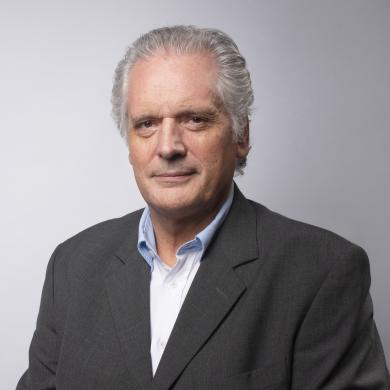
Prof. Dr.-Ing. Dieter Krause is a faculty member at the Institute of Product Development and Engineering Design at Hamburg University of Technology (TUHH). His academic career spans decades, with a focus on modular product development , lightweight design , and additive manufacturing across industries like aerospace, automotive, and medical technology. Research Interests : Modularization strategies for sustainable product families Integration of AI and data-driven methods in design engineering 3D-printed medical phantoms for interventional training Composite material analysis and tribological interface design Scientific Contributions : 2015 Hamburg Teaching Award for excellence in university instruction DFG Review Board member for Product Development Leadership in international conferences and academic governance
Durval Costa is a Principal Investigator at the Champalimaud Foundation , leading the Durval Costa Lab within the Nuclear Medicine - Radiopharmacology department. His research focuses on radiopharmaceutical development , quantitative imaging analysis , and radiation dosimetry for oncology and neuropsychiatry applications. Key Research Areas: SPECT/PET imaging, tumor phenotyping, personalized radiotherapy dosimetry, and computational analysis of functional abnormalities Collaborative Expertise: Integrates physics, mathematics, and clinical nuclear medicine Recent Publications (2023-2025) highlight his work on deep learning in lesion segmentation , interhemispheric brain asymmetry in dementia , and standardization of digital/analog PET/CT scanners . Collaborations span oncology, neurology, and metabolic imaging domains. Lab Team includes nuclear medicine physicians, mathematicians, physicists, and technicians working on: Developing MC simulation-based dosimetry Optimizing 18F-florbetaben for amyloid imaging Validating EARL1-compliant PET reconstruction protocols Investigating PSMA expression in thyroid pathology
Nikos Komodakis is a Professor in the Computer Science Department at the University of Crete, Greece, where he develops efficient, scalable and mathematically well-grounded algorithms for analyzing visual data including static natural images, video, and medical image data. His research spans deep learning, computer vision, machine learning, and artificial intelligence with significant contributions to self-supervised learning, few-shot learning, and knowledge distillation techniques. His work demonstrates a strong theoretical foundation combined with practical applications, particularly in medical imaging. Komodakis has published extensively in top-tier computer vision venues including CVPR, ICCV, ECCV, and IEEE Transactions on Image Processing. His recent publications (2022-2025) show a growing emphasis on medical image analysis applications while maintaining strong contributions to fundamental computer vision problems. Notable contributions include novel approaches for unsupervised representation learning that surpass state-of-the-art methods, effective techniques for knowledge distillation (such as the QUEST framework), and innovative frameworks for few-shot visual learning. Komodakis serves on the editorial boards of prestigious journals including the International Journal of Computer Vision, Computer Vision and Image Understanding Journal, and Computational Intelligence Journal. He has been a frequent area chair for major computer vision conferences including CVPR, ICCV, ECCV, and BMVC. Spyros Gidaris received the Ponts Foundation Best Thesis Prize and the University Paris-Est Best Thesis prize under Komodakis' supervision Sergey Zagoruyko received the AFRIF 2018 Thesis Prize for his PhD work supervised by Komodakis His research group has developed influential techniques including Online Bag-of-Visual-Words Generation for Unsupervised Representation Learning, which surpassed previous state-of-the-art methods. The group maintains active GitHub repositories for many of their publications, demonstrating commitment to reproducible research. Current research directions include advancing medical image analysis through deep learning, improving self-supervised learning frameworks, and developing more efficient neural network architectures.
Zbisław Tabor is a Professor and Deputy Head of the Department of Biocybernetics and Biomedical Engineering within the Faculty of Electrical Engineering, Automatics, Computer Science and Biomedical Engineering at AGH University of Science and Technology in Kraków, Poland. His office is located in building C-2, room 411 (4th floor), with contact phone +48 12 617 46 60 and email ztabor@agh.edu.pl. He also serves on the Biomedical Engineering Discipline Council, contributing to academic governance in his field. Professor Tabor's research spans the critical intersection of biomedical engineering and artificial intelligence, with emphasis on medical image analysis and clinical decision support systems . His work focuses on: Advanced medical image segmentation using deep learning architectures (e.g., nnU-Net) Uncertainty quantification in AI-driven diagnostic tools Quantitative imaging for radiation therapy planning and monitoring Computer-aided diagnosis systems for oncology and cardiology Improving reliability of medical image annotation through computational methods Analysis of his recent publications (2022-2025) reveals a strong trajectory toward clinically applicable AI solutions. Key trends include the development of automated body composition analysis for cancer prognosis, SPECT/CT imaging protocols for targeted alpha therapy of brain tumors, and robust deep learning frameworks for wound assessment and cardiomegaly screening. His research consistently addresses multi-center validation and real-world implementation challenges in medical AI. No scientific awards are documented in the available information. There is no mention of student advising, research grants, or laboratory facilities in the provided materials.
Adam Piórkowski is an Associate Professor at AGH University of Science and Technology, affiliated with the Faculty of Electrical Engineering, Automatics, Computer Science and Biomedical Engineering. He works in the Department of Biocybernetics and Biomedical Engineering, focusing on interdisciplinary research at the intersection of artificial intelligence, medical imaging, and biomedical engineering. Education: PhD, DSc, Eng. Collegial Roles: Member of the Faculty College, Rector's Ethics Committee, and Biomedical Engineering Discipline Council His research centers on medical image processing, with recent work exploring AI-driven diagnostics, texture analysis in CT/MRI images, and biometric authentication systems. He has pioneered quaternion-based filtering techniques for image enhancement and developed machine learning models for automated disease assessment in radiographs. Key trends in his publications include advancements in CT/MRI image quality assessment, applications of deep learning in musculoskeletal imaging, and innovations in cancelable biometric systems for IoT security. His work bridges computational methods with clinical applications, particularly in bone age assessment and cardiovascular imaging. Contact: pioro@agh.edu.pl | Office: C-3, 2nd floor, room 206 | Website: http://home.agh.edu.pl/~pioro
Daniel Simões Lopes is an Assistant Professor at Instituto Superior Técnico, Universidade de Lisboa, working with INESC-ID Lisbon. His research spans computer graphics, virtual reality, augmented reality, and medical interfaces, with a strong focus on applying these technologies to healthcare, education, and rehabilitation. His scientific interests include collision detection, motion processing, virtual reality, augmented reality, 3D content creation, and medical interfaces. His work bridges fundamental computer graphics techniques with practical applications in healthcare settings, particularly in surgical training, rehabilitation, and medical visualization. His recent publications demonstrate a strong trend toward medical applications of VR/AR, with numerous papers on dental education, surgical planning, rehabilitation tools, and medical visualization techniques. His research shows increasing integration of AI techniques with immersive technologies for healthcare applications. OpenSim Developer's Week Travel Award Carlos Lima Award (honorable mention) Dr. Lopes has advised numerous research projects at the intersection of computer science and medicine, particularly in virtual and augmented reality applications for healthcare. His work has been supported by various research grants focused on medical visualization, rehabilitation technologies, and surgical training systems. He has contributed significantly to collaborative projects involving medical professionals, computer scientists, and engineers. His research is conducted through INESC-ID Lisbon, where he leads or contributes to projects developing virtual and augmented reality tools for medical applications, including anatomy education, surgical planning, and rehabilitation systems. His work often involves close collaboration with medical institutions and healthcare professionals to ensure clinical relevance and applicability.
Peter Lundberg is an Adjunct Professor at Linköping University, affiliated with the Department of Health, Medicine and Care (HMV) and Department of Diagnostics and Specialist Medicine (DISP) . His research focuses on quantitative magnetic resonance imaging (MRI/MRS/NMR) for organ function analysis, particularly in liver disease (MASLD, HCC), neurological disorders (pediatric brain tumors, MS), and metabolic syndrome . He also works on text-based AI and federated learning applications in medical imaging. Developed non-invasive liver diagnostics replacing biopsies Co-founder of physiologically-based digital twin models for alcohol metabolism Active in MR safety standardization through ESMRMB Research Trends in recent articles include: Multi-organ interactions (liver-heart axis) Deep learning for brain tumor classification Population-level MASLD prevalence studies Advancements in MR spectroscopy for neurochemical analysis Collaborations with international societies like ISMRM and ESMRMB , and research centers including the Center for Medical Imaging and Visualization (CMIV) and Wallenberg Center for Molecular Medicine .
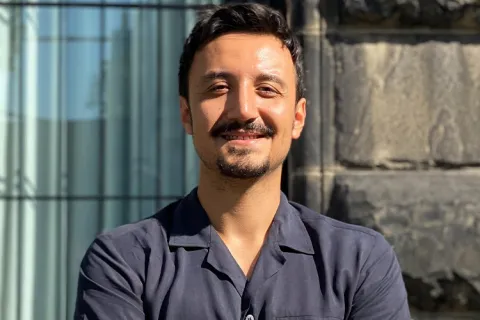
Mehmet Kurt is an Associate Professor at the University of Washington in the Department of Mechanical Engineering and an Adjunct Associate Professor in the Department of Radiology. He directs Kurtlab , a multidisciplinary research group focused on brain mechanobiology and advanced neuroimaging. B.Sc. in Mechanical Engineering, Bogazici University (2010) Ph.D. in Mechanical Science and Engineering, University of Illinois at Urbana-Champaign (2014) Postdoctoral Scholar, Department of Bioengineering at Stanford University (2014–2016) Assistant Professor at Stevens Institute of Technology (2016–2022) Research interests span brain biomechanics, neuromechanics imaging, nonlinear systems, and smart biomedical devices. His work integrates advanced neuroimaging tools (e.g., 3D aMRI, 7T MRI, MR Elastography) with multi-scale computational models to study traumatic brain injury (TBI), Alzheimer's Disease, Chiari Malformation I, intracranial aneurysms, and hydrocephalus. Key projects include: Investigating perfusion-mechanics coupling in the hippocampus Developing 3D amplified MRI (aMRI) for intrinsic brain motion quantification Characterizing brain tissue viscoelasticity across age groups Designing patient-specific computational fluid dynamics simulations Creating AI-driven tumor segmentation frameworks Scientific awards include: NSF Vizzie Best Scientific Visualization Award (2018) Lucile Packard Children's Hospital Postdoctoral Fellowship Thrasher Research Foundation Early Career Award Provost's Early Career Award for Research Excellence Fortune Magazine's 40 Under 40 in Turkey (2020) Annals of Biomedical Engineering Editor's Choice Award Grants from NSF, NIH, and DoD support his work. He actively mentors LGBTQ+ students in STEM through programs like PRIDE and Kurtlab , which trains undergraduates, graduate students, and postdocs in neuroimaging and biomedical device development.
Dr. Moritz Herrmann is a postdoc researcher and Reproducibility & Open Science Transfer Coordinator at the Munich Center for Machine Learning (MCML). He is affiliated with the Biometry in Molecular Medicine working group led by Prof. Anne-Laure Boulesteix at Ludwig-Maximilians-Universität München, and contributes to initiatives like the LMU Open Science Center , Open Science Initiative in Statistics (OSIS) , and Open Science Initiative in Medicine (OSIM) . Ph.D. in Statistics from LMU (2022), M.Sc. in Statistics (2018), and B.Sc. in Mathematics/Sports Science (2014) His research focuses on Empirical Machine Learning , Manifold Learning , and Metascience , with emphasis on epistemological foundations and reliability in ML research. He advocates for open science practices and data literacy, as outlined in his ICML 2024 position paper on rethinking empirical ML research. As a member of the Empirical Machine Learning research focus group and the Statistical Learning and Data Science Chair , Herrmann bridges statistical methodology with biomedical applications. His work spans outlier detection, cluster analysis, and reproducibility frameworks, reflected in his recent publications in journals like Biometrical Journal and Data Mining and Knowledge Discovery .
Alfred Michael Franz is a Professor of Medical Informatics at Ulm University of Applied Sciences (THU) since 2017, where he serves as Dean of Studies for Computer Science. Prior to this position, he worked as a scientist and deputy research group leader at the German Cancer Research Center in Heidelberg. His research focuses on navigated medical interventions , with particular emphasis on: Medical instrument tracking and localization Ultrasound imaging and image fusion Augmented reality applications for medical procedures Artificial intelligence for diagnostic and therapeutic support Cancer and stroke treatment technologies Prof. Franz's recent publications demonstrate a strong trend toward integrating AI with medical imaging and intervention technologies. His work spans applications in cancer ablation therapy, stroke treatment, and diagnostic imaging, with a particular focus on improving precision through navigation systems and augmented reality. Notable recognition includes: DEMA Award third place in 2020 for a student project on image fusion Program committee member for MICCAI 2017 and IPCAI 2021 Reviewer for prestigious journals including Medical Physics and International Journal of Computer Assisted Radiology and Surgery Prof. Franz actively involves students in his research through project work and theses. His "Navigation for Medical Interventions" laboratory provides opportunities for students from various programs including Data Science in Medicine, Computer Science, and Medical Devices. He has supervised numerous student projects that have led to publications and conference presentations, and offers doctoral opportunities in cooperation with universities. The "Navigation for Medical Interventions" laboratory, led by Prof. Franz, conducts cutting-edge research on medical tracking systems, ultrasound imaging, and augmented reality applications. Current projects include developing systems for 3D reconstruction of residual limbs, AI support for interventional radiology, and navigation systems for cancer and stroke treatments.
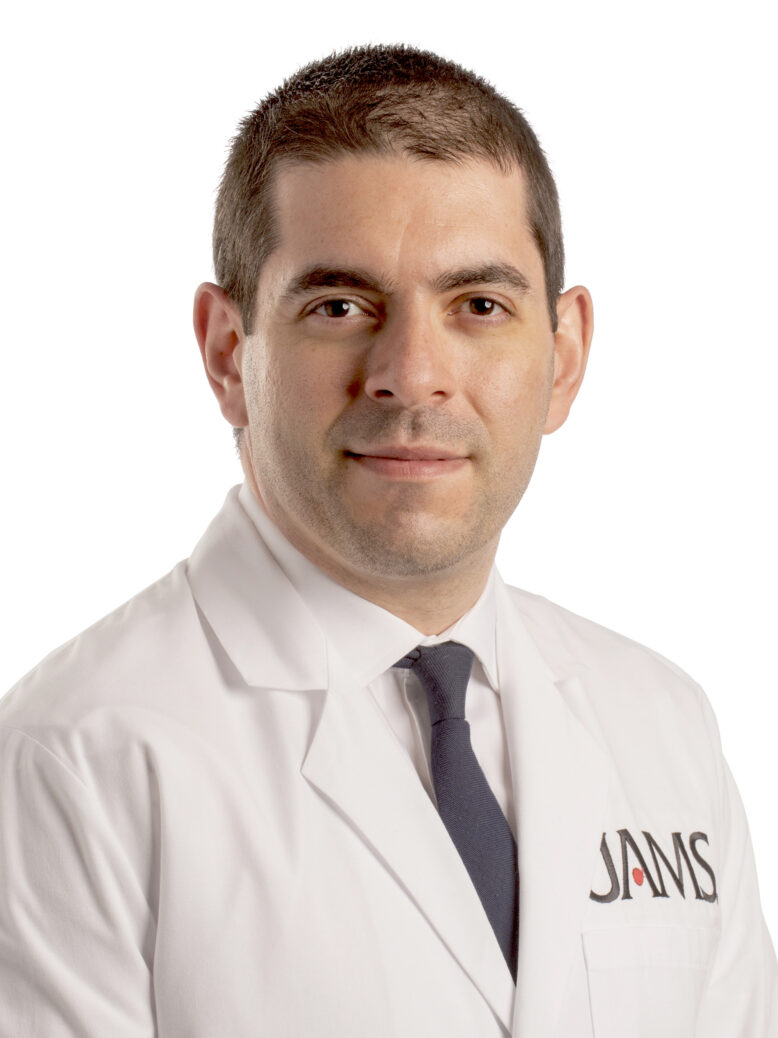
Subhi J. Al'Aref, M.D. serves as an Assistant Professor in the Department of Internal Medicine — Division of Cardiovascular Medicine at the University of Arkansas for Medical Sciences (UAMS). He is an interventional cardiologist at the UAMS Medical Center's Heart Center in Little Rock, Arkansas, with clinical expertise in adult heart care, interventional cardiology, and 3D cardiac imaging. His educational journey comprises a medical degree from Weill Cornell Medicine - Qatar (with Honors in Research), followed by Internal Medicine residency and Cardiovascular Medicine fellowship at New York Presbyterian Hospital/Cornell Medical College. He completed specialized training in Interventional Cardiology and a Visiting Fellowship in Cardiac Imaging at the University of Virginia. Medical School: Weill Cornell Medicine - Qatar (Internal Medicine) Residency: New York Presbyterian Hospital/Cornell Medical College (Internal Medicine) Fellowship: New York Presbyterian Hospital/Cornell Medical College (Cardiovascular Medicine) Fellowship: New York Presbyterian Hospital/Cornell Medical College (Interventional Cardiology) Fellowship: University of Virginia (Cardiac Imaging, Visiting) Dr. Al'Aref's research is dedicated to translational cardiology, focusing on the integration of interventional techniques with advanced imaging and artificial intelligence. He leads an NIH-funded multi-center study on machine learning applications for cardiac resynchronization therapy and has edited two seminal textbooks: '3D Printing for Cardiovascular Applications' and 'Machine Learning in Cardiovascular Medicine', establishing him as an innovator in AI-driven cardiovascular research. Analysis of his 2025 publications reveals a strong emphasis on computational approaches in cardiology, including AI-based clinical trial design, coronary plaque characterization via CT angiography, and pericoronary fat analysis for predicting acute coronary events. These works demonstrate his leadership in merging radiological imaging with machine learning to address critical challenges in cardiovascular diagnosis and treatment. No specific scientific awards were detailed in the source material. As principal investigator of an NIH-funded study, Dr. Al'Aref directs significant research efforts in machine learning for cardiac therapies. His academic role entails mentoring trainees in cardiovascular medicine, though specific advisees are not listed. He also contributes to medical education through textbook authorship and clinical teaching. Dr. Al'Aref collaborates extensively with the UAMS Heart Center and multi-center research consortia like the ICONIC Study, working alongside interdisciplinary teams of cardiologists, imaging specialists, and data scientists to translate laboratory innovations into clinical practice.
Robert Gaffney is a Senior Lecturer at the Medical School of University College Cork (UCC) , with a focus on medical education and patient safety. He has held roles including Director of Clinical Skills and Senior Medical Demonstrator since 2005. Education: MB BCH BAO in Medicine (1998) from University College Cork His research spans interdisciplinary medical education, simulation-based training, and clinical safety protocols. Key areas include communication skills assessment, emergency medicine simulations, and interdisciplinary collaboration in healthcare education. Earlier work explored oncology (synovial sarcoma genetics), neurology (ALS dysphagia), and radiology (cochlear implant imaging). Publications highlight trends in medical education (2010s), patient safety frameworks (2011-2012), and foundational research in oncology (2002-2006) and gastrointestinal diagnostics (1999-2004). Scientific Awards: Teaching Awards (2008, 2002) from UCC; Ethicon Travelling Scholarship (1998) At UCC, he contributed to curriculum development and interdisciplinary teaching initiatives, emphasizing simulation technology for student training. His career also involved clinical roles at Cork University Hospital (1999-2001) and research in cardiology and genetics earlier in his career.
Associate Professor İLHAN BAHŞİ is affiliated with Gaziantep University Faculty of Medicine, Department of Anatomy. His research focuses on craniofacial anatomy, medical education methodologies, and historical medical scholarship. He also investigates bibliometric trends in craniofacial surgery and contributes to debates on AI integration in academic publishing. Doctorate in Anatomy (2013-2017), Gaziantep University Doctorate in Deontology (2018-?), Çukurova University His work spans anatomical morphometry (e.g., optic canal, sella turcica, cranial nerves) and medical history (e.g., historical figures like Bartolomeo Eustachi, Giulio Cesare Casseri). He explores the ethical implications of AI in co-authorship and open access citation dynamics using advanced imaging techniques. Recent publications address robotic surgery (HEARO procedure), predatory journal detection , and 3D PDF applications in craniofacial surgical planning. His 129+ peer-reviewed articles in SCI/ESCI journals reflect interdisciplinary collaborations with clinicians and researchers. He contributes to medical education through studies on cadaver use, student motivation, and modern teaching approaches, while serving editorial roles for the European Journal of Therapeutics and Journal of Craniofacial Surgery.
André Da Luz Moreira is a Researcher at Linköping University , affiliated with the Faculty of Medicine and its departments of Diagnostics and Specialist Medicine (DISP) and Health, Medicine and Care (HMV) . His work involves modeling heart valves and blood flow dynamics using Computational Fluid Dynamics (CFD) to advance cardiac physiology research. Research Interests: Biomedical Engineering Computational Fluid Dynamics (CFD) Cardiovascular Sciences Medical Imaging Cardiac Physiology Recent Publications: His 2023 contribution on 4D visualization in cardiac education highlights his focus on integrating advanced imaging and computational modeling into medical training. Keywords include Medical Education and Educational Technology , reflecting his interdisciplinary approach. Additional Information: André's research bridges cardiovascular and radiological sciences , with an emphasis on improving clinical understanding through simulation-based tools. He is actively engaged in projects related to systems biology and regenerative medicine , as indicated by the faculty's broader research areas.
Feride KULALI ÖZDEK serves as an Associate Professor at Uskudar University's School of Health and Medical Sciences in the Department of Nuclear Technology and Radiation Safety. She holds dual leadership roles as Deputy Director of SHMYO and Director of ÜSMERA, while also heading the Radiotherapy and Audiometry programs. Her academic journey began with undergraduate studies in Physics at Süleyman Demirel University (2005), followed by a Master's (2009) and Doctorate (2016) in Nuclear Physics from the same institution. She joined Uskudar University as a PhD Lecturer in 2018. Her research spans Radiation Protection , Nuclear Physics , and Earthquake Prediction Methods , with particular expertise in radon monitoring systems and gamma-ray shielding materials. Key projects include investigating radon concentration correlations with seismic activity, developing radiation shielding composites, and assessing radiation exposure in medical and environmental contexts. Her work bridges nuclear physics with practical applications in public health and disaster prediction. Analysis of her 15 most recent publications (2014-2025) reveals three dominant research streams: (1) Radon-based seismological prediction systems (40% of output), (2) Radiation shielding materials development (30%), and (3) Medical radiation dosimetry applications (20%). Her work demonstrates strong interdisciplinary connections between nuclear physics, environmental science, and medical applications. Administrative leadership includes significant roles across 17 committees (2018-2025), particularly in curriculum development, quality assurance, and international student affairs. She has supervised one master's thesis on AI applications for nuclear power plant safety and teaches 16 undergraduate courses including Reactor Theory, Radiation Physics, and Accelerator Physics.