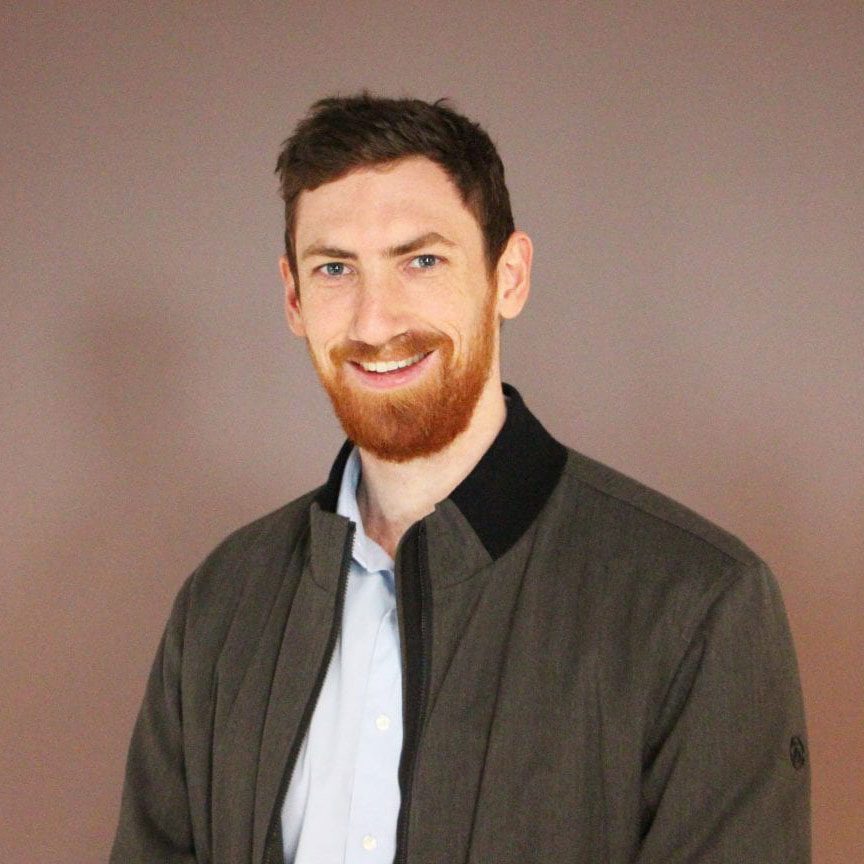
Elena De Momi is an Assistant Professor in the Electronic Information and Bioengineering Department at Polytechnic University of Milan, where she co-founded the Neuroengineering and Medical Robotics Laboratory in 2008 and leads the Medical Robotics section. She also serves as Specialty Chief Editor for Biomedical Robotics at Frontiers in Robotics and AI. Her educational background includes: MSc in Biomedical Engineering (2002) PhD in Bioengineering (2006) Dr. De Momi's research focuses on medical robotics, neuroengineering, and computer-assisted surgery. She pioneers autonomous robotic systems for minimally invasive procedures, integrating computer vision, machine learning, and surgical expertise to enhance precision in interventions like fetoscopy and neurosurgery. Her work bridges engineering innovation with clinical applications to address challenges in surgical navigation and human-robot collaboration. Analysis of her 2023 publications reveals dominant trends in medical image processing for fetal surgery, kinematic analysis of movement under gravitational forces, and AI-driven surgical assistance systems. Key advancements include deep learning for placental vessel segmentation, real-time stereo depth estimation during operations, and gesture-based autonomous camera control—highlighting her focus on practical robotics solutions for complex surgical environments. She directs the Medical Robotics section within the Neuroengineering and Medical Robotics Laboratory, driving research on surgical robotics platforms, intra-operative imaging systems, and human-robot interaction frameworks for clinical deployment.
Nick Green is a Biomedical Engineer affiliated with the Royal Brisbane and Women’s Hospital (RBWH) and Queensland University of Technology (QUT) , specializing in orthopaedic surgery and 3D medical printing. He holds a Masters in Engineering (Research) and collaborates with A/Prof Kevin Tetsworth on 3D printed surgical models for over 100 cases. Role: Biomedical Engineer in Orthopaedic Surgery Institutions: RBWH (clinical), QUT (academic) Focus: 3D printing, patient-specific implants, surgical navigation Research Interests: His work bridges orthopaedics and biomedical engineering , with a focus on 3D printing for preoperative planning, segmentation techniques , and implant design . Recent trends in his publications highlight augmented reality in shoulder surgery, biomechanical modeling , and surgical tool innovation . Labs & Collaborations: Nick collaborates with multidisciplinary teams across neurology , maxillofacial surgery , and vascular surgery , with a strong emphasis on shoulder surgery and bio-printing . He also explores commercialization pathways for medical devices.
Alfred Michael Franz is a Professor of Medical Informatics at Ulm University of Applied Sciences (THU) since 2017, where he serves as Dean of Studies for Computer Science. Prior to this position, he worked as a scientist and deputy research group leader at the German Cancer Research Center in Heidelberg. His research focuses on navigated medical interventions , with particular emphasis on: Medical instrument tracking and localization Ultrasound imaging and image fusion Augmented reality applications for medical procedures Artificial intelligence for diagnostic and therapeutic support Cancer and stroke treatment technologies Prof. Franz's recent publications demonstrate a strong trend toward integrating AI with medical imaging and intervention technologies. His work spans applications in cancer ablation therapy, stroke treatment, and diagnostic imaging, with a particular focus on improving precision through navigation systems and augmented reality. Notable recognition includes: DEMA Award third place in 2020 for a student project on image fusion Program committee member for MICCAI 2017 and IPCAI 2021 Reviewer for prestigious journals including Medical Physics and International Journal of Computer Assisted Radiology and Surgery Prof. Franz actively involves students in his research through project work and theses. His "Navigation for Medical Interventions" laboratory provides opportunities for students from various programs including Data Science in Medicine, Computer Science, and Medical Devices. He has supervised numerous student projects that have led to publications and conference presentations, and offers doctoral opportunities in cooperation with universities. The "Navigation for Medical Interventions" laboratory, led by Prof. Franz, conducts cutting-edge research on medical tracking systems, ultrasound imaging, and augmented reality applications. Current projects include developing systems for 3D reconstruction of residual limbs, AI support for interventional radiology, and navigation systems for cancer and stroke treatments.
Jia Zhenzhong is an Assistant Professor in the Department of Mechanical and Energy Engineering at Southern University of Science and Technology (SUSTech), where he has been employed since September 2019. His research focuses on robotics, control systems, and intelligent automation with applications spanning medical robotics, mobile robots for extreme environments, and advanced manufacturing. Dr. Jia received his academic training from prestigious institutions: Ph.D. in Naval Architecture and Ocean Engineering (Control Engineering) from University of Michigan (2014) Master's in Applied Mathematics from University of Michigan (2014) Master's in Mechanical Engineering from University of Michigan (2009) Master's in Mechanical and Electronic Engineering from Tsinghua University (2007) Bachelor's in Measurement and Control Technology and Instrumentation with a minor in Computer Science from Tsinghua University (2005) Dr. Jia's research spans three main interconnected domains that reflect his expertise in both theoretical foundations and practical applications of robotics and control systems. His work in robotic manipulation addresses fundamental challenges in dexterous manipulation, assembly tasks, and logistics automation. In mobile robotics , he has made significant contributions to terrain interaction modeling, particularly for extraterrestrial environments like Mars and the Moon, as well as for autonomous vehicles operating under challenging conditions. His research in intelligent control bridges traditional control theory with modern machine learning techniques, with particular focus on model predictive control, reinforcement learning, and their applications in energy systems and autonomous decision-making. His publication record demonstrates a consistent trajectory of impactful research that bridges theoretical innovation with practical engineering applications. The publications show increasing sophistication in modeling techniques, particularly in terrain-vehicle interactions and robotic manipulation. There's a clear evolution from fundamental modeling work to more complex system integration and application-specific implementations. His research consistently addresses real-world challenges in robotics, from medical applications to space exploration and industrial automation. Dr. Jia has received several notable honors throughout his career: 2007 Department Fellowship, Department of Mechanical Engineering, University of Michigan, USA 2005 Outstanding Graduate of Tsinghua University Dr. Jia has led and participated in numerous research projects funded by prestigious organizations including the Beijing Science and Technology Commission, the National Natural Science Foundation of China (NSFC), the 863 Program, the US Army/Navy, the National Science Foundation (NSF), and Foxconn Technology Group. His research portfolio demonstrates strong interdisciplinary connections between robotics, control theory, and practical engineering applications across multiple domains. He has published over 20 academic papers, obtained numerous invention patents, and translated four renowned textbooks, including "Modern Robotics." His laboratory work focuses on developing advanced robotic systems for manipulation and mobility challenges, with particular emphasis on applications requiring high precision in unstructured environments. Current research directions include improving robotic dexterity for assembly tasks, enhancing mobile robot navigation in challenging terrains, and developing more efficient control algorithms that integrate learning with traditional control frameworks.
Bret Hanlon, PhD is an Associate Professor in the Department of Biostatistics at the University of Michigan School of Public Health, where he serves as Associate Director of Clinical Trials for the SABER Research program. Trained at Cornell University (PhD, 2009), Harvard University (postdoc), and with earlier degrees from Texas Tech University (MS, 2005) and University of North Carolina (BS, 2003), Dr. Hanlon brings extensive expertise in biostatistical methodology and clinical research to his academic role. Dr. Hanlon's research spans both methodological development and applied statistical collaboration in biomedical and health services research. His methodological work focuses on high-dimensional inference , robust estimation techniques , branching processes with random effects , and regularized ordinal regression . Applied interests center on clinical trial design , particularly cluster- and stepped-wedge randomized trials, and analytic support for independent data monitoring in multi-site industry-sponsored studies. His work spans oncology , cardiology , bariatric surgery , and critical care , with recent projects using machine learning for risk prediction and scenario planning to guide end-of-life decision-making. Dr. Hanlon's publication record shows consistent productivity, with publications spanning biostatistics methodology, surgical outcomes, cancer research, and obesity studies. His recent work demonstrates increasing focus on machine learning applications in public health and clinical decision support. His methodological contributions in regularized regression and high-dimensional data analysis have been implemented in widely used statistical software packages. Aging Biostatistics Cancer Cardiovascular Health Clinical Trials Health Care Health Informatics Modeling Women's Health As a biostatistician with deep expertise in clinical trial design and analysis, Dr. Hanlon has served as principal investigator and lead statistician on numerous industry- and federally funded studies, including large-scale trials in oncology, cardiology, and population health. His collaborative work spans academic medicine and independent statistical oversight for pharmaceutical trials, demonstrating his ability to bridge theoretical statistical methodology with practical clinical applications.
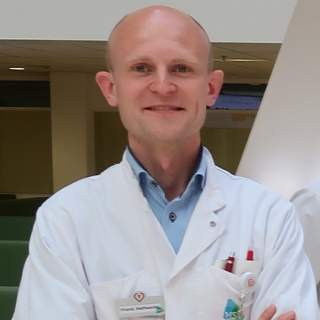
Frank Ruben Halfwerk is an Assistant Professor at the University of Twente, affiliated with the Faculty of Engineering Technology, Biomechanical Engineering department. He is part of the Engineering Organ Support Technologies group under Prof. Jutta Arens and serves as the principal investigator of the Cardiac Surgery Innovations Lab. His work bridges biomedical engineering and clinical medicine, focusing on innovations in cardio-thoracic surgery and medical technology development. Dr. Halfwerk obtained his Bachelor (2010) and dual Master of Science (2014) degrees in Technical Medicine with specialization in Reconstructive Medicine, along with a Master in Health Sciences with specialization in Health Services and Management, all from the University of Twente. He began his career as a Technical Physician and external Doctoral Candidate in October 2014 in cardio-thoracic surgery at Thorax Centrum Twente and in the department of Biomechanical Engineering. Halfwerk's research focuses on technical and applied innovations in cardio-thoracic surgery, including personalized rehabilitation after cardiac surgery using accelerometers and artificial intelligence, simulation-based surgical training, 3D-planning, and surgical technology assessment. His work spans the development of artificial organs, surgical training methodologies, and advanced monitoring systems for postoperative care. He has established a strong research program that integrates engineering principles with clinical applications to improve surgical outcomes and patient care. His publication record demonstrates expertise across multiple domains including biomedical engineering, cardiothoracic surgery, artificial organs, and medical education. Recent work focuses on artificial lung and kidney support devices, surgical training with emphasis on inclusion and diversity, 3D visualization for surgical planning, and physiological monitoring systems. His research shows a clear trajectory toward developing integrated solutions for complex medical challenges. Halfwerk has received numerous scientific awards, including: Prof. Snellen Award (2014) from the Dutch Society for Cardiology / Dutch Society for Cardio-Thoracic Surgery Prof. Schuijer Campus Culture Prize (2012) for 'combining excellent cultural performance with good study results' Nomination for the prof. David Winter Young Investigator Award from the International Society of Biomechanics (2015) 3rd Price Best Oral Presentation MST Wetenschapssymposium 2019 ASAIO 2024 Paul S Malchesky Fellowship for Young Innovators ASAIO Abstract Award ASAIOfyi Student Design Competition 2023 - 1st place Best abstract Technical innovations in Medicine Conference 2021 As a dedicated educator, Halfwerk has supervised over 70 bachelor's and master's students. He is actively involved in co-applying for and managing research projects, with a focus on translating engineering innovations into clinical practice. His work with the Cardiac Surgery Innovations Lab represents a significant contribution to advancing surgical technology and training methodologies. Halfwerk leads the Cardiac Surgery Innovations Lab, which focuses on developing and validating new technologies for cardio-thoracic surgery. The lab's work includes simulation-based training systems, 3D visualization tools, and novel medical devices for organ support. This interdisciplinary team brings together engineers, clinicians, and students to tackle complex challenges in surgical innovation.
Marco Antonio Bruno Esposito is an Associate Professor in the Department of Oral Diseases and Dentistry at the School of Medicine, Vita-Salute San Raffaele University. He teaches courses in the Master's Degree in Medicine and Surgery (including internships in Surgery/Surgical Specializations) and the Degree Course in Dental Hygiene (Epidemiology). His academic responsibilities extend until 2026, confirming active faculty status. Research Focus Professor Esposito's research centers on evidence-based dental implantology and oral rehabilitation. Key interests include: Surgical Innovations : Flapless techniques, computer-guided placement, and sinus lift procedures. Prosthetic Outcomes : Immediate loading protocols, abutment design, and splinting strategies. Biomaterials : Bone substitutes and soft tissue management in alveolar ridge preservation. Publication Trends His 75 publications emphasize multicenter randomized controlled trials (RCTs) with long-term follow-ups (5-13 years). Recent work (2023-2025) predominantly evaluates clinical outcomes of dental implants, comparing surgical techniques, prosthetic designs, and biomaterials. Over 85% of extracted articles are RCTs, reflecting a rigorous focus on evidence-based oral rehabilitation. Teaching & Academic Service He coordinates professional internships in surgical specializations and lectures on Head/Neck Diseases and Epidemiology. No awards, students, or grants were identified in available data.
Eline van Es is a Researcher at Erasmus MC in the Department of Orthopedics and Sports Medicine . Her work focuses on 3D biomechanical modeling, corrective osteotomy techniques, and bone morphology analysis. Research interests include: 3D surgical planning for orthopedic procedures Bone growth dynamics in pediatric patients Biomechanical analysis of upper limb deformities Computational modeling for osteotomy corrections Publication trends : Recent articles emphasize 3D technology applications in orthopedic surgery, with specific focus on forearm malunion correction (2025), bone growth modeling (2025), and automated landmark identification (2024). Research spans both adult and pediatric populations, covering diagnostic imaging, surgical simulation, and biomechanical analysis.
Associate Professor İLHAN BAHŞİ is affiliated with Gaziantep University Faculty of Medicine, Department of Anatomy. His research focuses on craniofacial anatomy, medical education methodologies, and historical medical scholarship. He also investigates bibliometric trends in craniofacial surgery and contributes to debates on AI integration in academic publishing. Doctorate in Anatomy (2013-2017), Gaziantep University Doctorate in Deontology (2018-?), Çukurova University His work spans anatomical morphometry (e.g., optic canal, sella turcica, cranial nerves) and medical history (e.g., historical figures like Bartolomeo Eustachi, Giulio Cesare Casseri). He explores the ethical implications of AI in co-authorship and open access citation dynamics using advanced imaging techniques. Recent publications address robotic surgery (HEARO procedure), predatory journal detection , and 3D PDF applications in craniofacial surgical planning. His 129+ peer-reviewed articles in SCI/ESCI journals reflect interdisciplinary collaborations with clinicians and researchers. He contributes to medical education through studies on cadaver use, student motivation, and modern teaching approaches, while serving editorial roles for the European Journal of Therapeutics and Journal of Craniofacial Surgery.
Jamel Ali, Ph.D. , is an Assistant Professor in the Department of Chemical & Biomedical Engineering at the FAMU–FSU College of Engineering, a joint unit of Florida A&M University and Florida State University. His office is located in Building B, Room B373F, and he can be reached via e-mail at jali@eng.famu.fsu.edu . Dr. Ali earned a B.S. (2011) and M.S. (2013) in Chemical Engineering from Howard University, followed by a Ph.D. (2016) in Mechanical Engineering & Mechanics from Drexel University. His research spans four tightly integrated thrusts: Micro/nanobiorobotics – design and wireless control of bacteria-inspired and erythrocyte-based micro/nanorobots for targeted therapy and minimally invasive surgery; Microbial dynamics – understanding how flagellar mechanics and collective motion govern bacterial locomotion in complex biological fluids; Cancer mechanobiology – elucidating mechanical cues that drive pancreatic cancer progression, adipocyte reprogramming, and acinar-ductal metaplasia; Biomaterials for biomedical applications – developing 3-D extracellular matrix scaffolds, hydrogels, and biofabricated organoids for regenerative medicine, drug screening, and personalized therapy. Across 40+ peer-reviewed articles (2015-2025), Dr. Ali’s work exhibits a clear trajectory from fundamental fluid-mechanics studies of microswimmers and colloidal gels to translational applications in diabetes, pancreatic cancer, and targeted drug delivery. Recent high-impact contributions include demonstrations of symmetry-breaking propulsion in viscoelastic fluids, magnetically actuated erythrocyte micromotors for localized therapy, and organoid-based reversal of hyperglycemia in type-1 diabetes models. Labs & Teams: While explicit laboratory names are not provided, Google-Scholar entries and publication affiliations indicate active collaboration with the Micro/Nanoscale Bio-Robotics Laboratory (formerly at Drexel) and ongoing participation in multi-university consortia such as the Florida-California CaRE2 Health Equity Center.
Ayşe Armutlu, M.D. is an Attending Physician and Specialist in the Department of Pathology at Koç University since 2016. She completed her medical education and pathology residency at Gazi University Faculty of Medicine (2002–2014) and advanced training in liver pathology at Indiana University (2018). Her clinical focus includes Liver Pathology , Hepatopancreatobiliary Pathology , and Uropathology . Medical Doctorate , Gazi University School of Medicine (2002–2009) Medical Pathology Residency , Gazi University Department of Medical Pathology (2009–2014) Observer in Pathology , Indiana University Department of Pathology (2018) Her research spans prostate cancer staging , pancreatic tumor subtyping , and hepatic pathology , with over 20 publications since 2016. Key studies include PSMA PET/CT applications , duct-centric Whipple specimen analysis , and metaplastic pancreatic carcinomas . While no scientific awards are explicitly documented, her work emphasizes imaging-pathology integration and novel diagnostic protocols . She has no known part-time affiliations and no appointments are listed in the scraped data.
James Weiland is a Professor in Biomedical Engineering at the University of Michigan Medical School and holds a joint appointment as Professor in the Ophthalmology and Visual Sciences Center. He is also a Member of the Biosciences Initiative Center, Robotics Institute Center, and Biointerfaces Institute at the University of Michigan. His academic career spans multiple interdisciplinary fields bridging engineering and medicine. Weiland's primary research focuses on visual prosthetics and neural interfaces, particularly developing retinal and cortical prostheses to restore vision for individuals with retinal degenerative diseases. His work encompasses neural engineering, biomaterials, microfabrication of neural interfaces, computational modeling of neural responses to electrical stimulation, and clinical translation of visual prosthetic devices. He has made significant contributions to the development of carbon fiber microelectrodes, wireless neural stimulators, and patient-specific computational models for retinal prostheses. Analysis of Weiland's recent publications (2023-2025) reveals a strong emphasis on improving the spatial resolution and perceptual quality of visual prostheses through advanced electrode design, stimulation strategies, and computational modeling. His research spans from fundamental neural interface materials and fabrication techniques to clinical studies with Argus II retinal prosthesis users. Current work focuses on subcellular-scale carbon fiber electrodes, wireless neural stimulation systems, phosphene optimization, and understanding cortical plasticity in response to visual prosthetic use. Weiland has secured substantial research funding from NIH, NSF, and industry partners including Ford Motor Company. His active grants include projects on multi-modal navigation interfaces for the visually impaired, flexible carbon fiber neural interfaces, intraretinal stimulation for high acuity artificial vision, and brain-computer interfaces for speech restoration. His research program demonstrates a strong translational focus from basic neural engineering to clinical applications. Professor Weiland directs research in neural prosthetics and visual rehabilitation, with laboratory work spanning neural interface design, microfabrication, computational modeling, and clinical studies with visually impaired patients. His interdisciplinary team bridges engineering, neuroscience, and ophthalmology to advance visual prosthetic technology and understanding of the visual system in health and disease.
Ardit Ramadani is a Postdoctoral Researcher at Deutsches Herzzentrum München (German Heart Center Munich) and affiliated with the Technical University of Munich's Department of Informatics, Chair of Computer Aided Medical Procedures (Prof. Navab). His work bridges medical image analysis, computer vision, and surgical robotics to advance minimally invasive cardiac interventions through computational solutions. His educational background includes: Doctor of Natural Sciences in Computer Science - Biomedical Computing (2019-2025), Technical University of Munich Master of Science in Biomedical Computing (2015-2018), Technical University of Munich Bachelor of Science (Hons) in Computer Science (2012-2015), University of Sheffield, International Faculty CITY College, Thessaloniki Ramadani specializes in multimodal catheter tracking systems, developing novel approaches for electromagnetic, image-based, and active-element tracking combined with shape sensing and hybrid methodologies. His research addresses critical challenges in registration accuracy and motion compensation during endovascular procedures, with direct applications in cardiac interventions requiring real-time spatial precision. His 2022-2023 publications reveal a concentrated research trajectory in catheter tracking innovation, particularly focusing on electromagnetic tracking enhanced by bioelectric sensing and dynamic time warping algorithms. These works demonstrate strong integration of computer vision with medical robotics, targeting motion artifacts in cardiac environments through multimodal data fusion and robust registration frameworks applicable to ultrasound and preoperative imaging. No scientific awards were documented in the provided materials. Ramadani actively supervises student projects in multimodal catheter tracking, minimally invasive endovascular procedures, and motion-compensation techniques. He contributes to the DHM Research Group and RobUSt (Robotics and Ultrasound) lab, developing surgical data science solutions for cardiac interventions while teaching advanced courses in medical image computing and surgical robotics at TUM.
Thomas Wendler is a Professor at the Chair of Computer Aided Medical Procedures & Augmented Reality at Technische Universität München (TUM). His research focuses on the intersection of Artificial Intelligence, Medical Imaging, and Robotics, with specific interests in Longitudinal Image Analysis, Image-Guided Interventions, and Dosimetry for Radioisotope Therapy. Current affiliation: TUM Institute of Informatics Former leadership: Director of the Interdisciplinary Research Lab (IFL) Research Interests: Thomas Wendler's work bridges Artificial Intelligence Applications in Medicine with Robotic Imaging , emphasizing Longitudinal Image Analysis for disease progression and Image-Guided Interventions in clinical settings. His technical expertise includes Dosimetry for nuclear medicine and 3D Computer Vision for surgical applications. Teaching: He actively contributes to TUM's curriculum through lectures and practical courses such as: Computer Aided Medical Procedures I Medical Augmented Reality Introduction to Surgical Robotics Foundations in 3D Computer Vision Collaborations: Wendler collaborates with Prof. Nassir Navab and researchers like Mohammad Farid Azampour, Francesca De Benetti, and Zhongliang Jiang. His work has been published in journals including IEEE Transactions on Medical Imaging and Medical Image Analysis , with recent advancements in robotic ultrasound navigation and catheter tracking methodologies.
Estela Bicho is a Full Professor at the Department of Industrial Electronics, School of Engineering (EEUM), University of Minho, where she coordinates the Control, Automation and Robotics Group and leads the MAR Lab (Mobile and Anthropomorphic Robotics Lab). She previously served as Associate Director of Algoritmi Research Centre (2013-2015) and vice-president of EEUM (2019-2022). Her research focuses on Uni- and multi-robot systems Human-robot interaction & collaboration Machine learning applications Bimanual robotic manipulation Autonomous navigation Medical robotics for Parkinson's/Alzheimer's diagnosis Neuro-rehabilitation technologies Her work has produced over 100 publications in top journals (Mechanism and Machine Theory, Autonomous Robots, Neural Networks) and conferences (IROS, ICRA). Notable achievements include: 1999 IBM Portuguese PhD Award JAST project selected as European robotics success story IEEE IROS Jubilee video award finalist 2019 student team prize in Beijing Brain-Inspired Computing Competition 2021 RoboHub '50 Women in Robotics' recognition She has supervised 12 PhD theses and 35+ MSc dissertations, with current advisees including Ana Margarida Trigo, Ankit Patel, Gianpaolo Gulletta, and Tiago Malheiro.