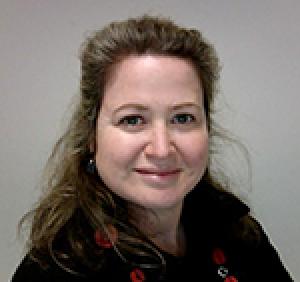
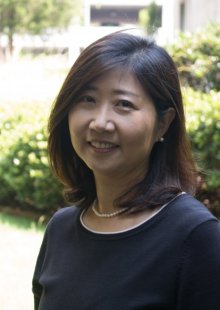
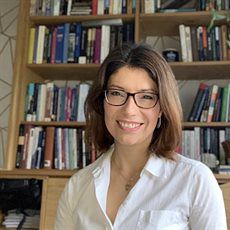
AnnMarie Brennan is a Senior Lecturer in Design Theory at the Melbourne School of Design, University of Melbourne. Her academic roles include teaching architectural theory and studio design. Her research focuses on the history and theory of 20th- and 21st-century design and architecture, with special interests in architectural utopian studies, political economy of design, media studies, and material culture. She holds degrees from Catholic University of America (B.A. 1993, B.Arch 1994), Yale University (M.E.D. 2001), and Princeton University (M.A. 2003, Ph.D. 2011). Currently, she is transforming her doctoral work on Olivetti's industrial utopia into a book manuscript. Education background includes: Bachelor of Arts and Architecture at Catholic University of America Masters of Environmental Design from Yale University Master of Arts and Doctorate from Princeton University Her research directions emphasize architectural and urban histories, with interdisciplinary projects spanning media studies, labor history, and design pedagogy. Key contributions include co-editing Cold War Hothouses: Inventing Postwar Culture and organizing exhibitions such as Anna Castelli Ferrieri, Architecture and Design . She has taught at Yale, Princeton, and Pratt Institute, and is affiliated with the Australian Centre for Architectural History, Urban and Cultural Heritage (ACAHUCH). Her exhibitions and publications highlight intersections between design, technology, and cultural critique. Notable works explore postmodern architecture, Italian design, and media's role in shaping architectural discourse.
Hugo Lundhaug is a Professor of Biblical Reception and Early Christian Literature at the University of Oslo, affiliated with the Department of Theology. He leads the research group 'Coptic Texts and Manuscripts' and has held prestigious grants, including the ERC Consolidator Grant (2020-2025) and ERC Starting Grant (2012-2016). His work focuses on early Christian texts, particularly Coptic apocrypha, monastic manuscript culture, and the intersection of textuality with cognitive theory and digital humanities. Research Interests: Lundhaug explores the transmission and interpretation of early Christian literature, with a focus on Coptic-language texts from Egypt. His current projects analyze apocryphal texts within Byzantine and Islamic contexts, examining their role in monastic communities and debates over orthodoxy. Methodologically, he integrates new philology, media studies, and cognitive approaches to understand textual fluidity and manuscript practices. Key Publications: His recent work includes studies on the Nag Hammadi Codices, Shenoute of Atripe, and Coptic apocryphal literature. Notable articles address topics like textual authority, monastic worldbuilding, and the materiality of manuscripts. Awards: Lundhaug has received major grants from the European Research Council, reflecting his international standing in Coptic studies and early Christian textual scholarship. His leadership in digital initiatives, such as the Coptic Wordnet project, underscores his commitment to advancing interdisciplinary research. Labs/Teams: He directs the ERC-funded 'APOCRYPHA' project and collaborates with global networks in Coptic studies. His research group examines manuscripts as cultural artifacts, blending traditional philology with digital methodologies.
Sungmee Park is a Principal Research Scientist at the School of Materials Science and Engineering at Georgia Institute of Technology. Her work bridges academia and industry, with groundbreaking contributions to smart textiles and wearable technologies. She co-invented the world’s first Wearable Motherboard (Smart Shirt) in 1996, foundational to modern wearables. At Kolon Glotech in South Korea, she developed Printronix printing technology and heating textiles (HeaTex), applied in sports, military, and automotive sectors. She also served as Vice President and Head of Future Strategy at Kolon Corporation, driving innovation in strategic partnerships and new ventures. Her research focuses on electronic textiles, smart fabrics, and wearable biomedical systems, addressing health monitoring, security, and human welfare. With over 30 patents and numerous publications, her work emphasizes translating research into practical applications like low-cost reusable masks and respiratory protection devices. Key collaborations include ongoing projects with Professor Jayaraman on wearable data platforms and Big Data analysis. Dr. Park’s articles highlight advancements in textile-based electronics, wearable healthcare systems, and smart textile manufacturing. She has pioneered methodologies for integrating sensors and communication systems into fabrics, enabling applications from athlete monitoring to SIDS prevention. Her contributions reflect a vision of technology enhancing quality of life through interdisciplinary innovation at the intersection of art, science, and engineering. Notable projects include the Inspiring Journey Exhibit showcasing her work in art-science fusion and strategic leadership in identifying new growth areas for the Kolon Group. Her research continues to drive global impact through sustainable, human-centered technological solutions.
Calum Cook is a Research Computing Technician and Researcher at the University of St Andrews, part of the School of Psychology and Neuroscience. He joined in 2022 and is currently pursuing a PhD examining the dynamics between performers and audiences at live music events under the supervision of Prof Steve Reicher and Dr Fergus Neville. Calum holds a BSc (Hons) in Psychology and an MSc in Psychological Research Methods from the University of Dundee, where he worked as a Research Assistant across multiple labs for five years prior to joining St Andrews. His research interests focus on group behavior, leadership, rhetoric, and the history of psychology. He explores how audiences at live music events perceive themselves as groups, leadership dynamics within these crowds, and the psychological processes involved in performer-audience interactions. His work employs mixed-methods approaches combining qualitative and quantitative techniques. Calum is also a state-educated individual, a trade union representative for UCU, and a member of the British Psychological Society. His PhD thesis critically examines boundaries of group identity, leadership emergence, and conflict resolution in music audiences, building on crowd psychology frameworks outlined in Drury & Reicher (2020). While no specific grants or funded projects are detailed in the provided information, his advising relationships include collaboration with prominent scholars in social psychology and organizational behavior. He contributes to research infrastructure within the School of Psychology and Neuroscience and supports research-based teaching activities.
Michael J. Jacobson Jr. is a Professor in the Department of Computer Science at the University of Calgary. He also serves as Deputy Director of ISPIA and Director of the Information Security Program. His research focuses on computational number theory and its applications to public-key cryptography, including the development of efficient algorithms for arithmetic in class groups of number fields and algebraic curves. His work aims to enhance cryptographic protocol efficiency while improving security through algorithmic advancements and benchmarking. His research interests span cryptographic protocol design, discrete logarithm problem analysis, and the interplay between number theory and cryptography. Notable contributions include studies on divisor arithmetic on hyperelliptic curves, class group computations in quadratic fields, and the security implications of cryptographic systems. Recent publications highlight his interdisciplinary work in both cryptography and medical informatics, including studies on clinical trial methodologies for dermatological conditions. He has also contributed to foundational research in computational algebraic geometry and algorithm optimization for cryptographic applications. Michael has received no publicly listed scientific awards in the provided texts. His advising and grants include collaborations on topics ranging from cryptographic infrastructure to clinical trial design. He leads the Information Security Program at the University of Calgary, fostering interdisciplinary research in cybersecurity and algorithmic security.
Joachim Wiewiura is a Research Fellow at Aalborg University, affiliated with the Centre for AI Ethics, Law and Policy within the Faculty of Social Sciences and Humanities. He holds a PhD in Political Philosophy from the University of Copenhagen (2020) and has held roles including Postdoc at the Humanomics Research Centre (2021–2022), Research Assistant at Aalborg University (2022–2023), and Visiting Scholar at the University of Oxford’s Oxford Internet Institute (2017). His research focuses on political semantics, education policy, AI ethics, medieval philosophy, and the intersection of communal autonomy with welfare systems. Education: PhD in Political Philosophy, University of Copenhagen (2020) MA in Philosophy, University of Copenhagen BA in Philosophy, Aarhus University Research Interests: He explores historical and contemporary political philosophy, including figures like Montesquieu, Hannah Arendt, and Georg Simmel. His work examines the evolution of the public sphere, canon formation in philosophy, and ethical implications of AI technologies. He analyzes how educational institutions shape societal discourse and investigates the role of communal autonomy in welfare systems. Scientific Awards: Recipient of the Fulbright Scholarship (2018) for research at MIT Media Lab Won Open Access grant for co-editing If Schools Didn’t Exist (MIT Press, 2020) Grants & Collaborations: Project Participant in the REPAI: Responsible AI for Value Creation project (2023–2027) focusing on computational discourse analysis and AI ethics Labs/Teams: Humanomics Research Group Publics, Power & Media Centre for AI Ethics, Law and Policy
Professor Alexander Breeze is a Chair in the School of Medicine at the University of Leeds, affiliated with the Multidisciplinary Cardiovascular Research Centre. His research focuses on structural biology, drug design, and molecular mechanisms of disease, particularly involving protein-protein interactions and NMR spectroscopy. Key areas include RAS oncogene inhibition, fibroblast growth factor receptors (FGFRs), and amyloid aggregation modulation. Education Background: Details of formal education not explicitly provided in the text, but extensive career history in structural biology and medicinal chemistry suggests advanced degrees in relevant fields. Research Interests: Professor Breeze’s work spans cardiovascular research, cancer biology, and infectious diseases. He develops novel therapeutics targeting oncogenic signaling pathways (e.g., RAS, FGFR) and investigates mechanisms of protein misfolding in amyloid diseases. His lab employs fragment-based drug design, NMR spectroscopy, and computational methods to study protein dynamics and drug interactions. Publications Overview: His recent work highlights advancements in small-molecule inhibitors for RAS proteins, CRACR2A genetic associations with COVID-19 severity, and modulation of amyloid aggregation pathways. Research trends emphasize translational applications, bridging basic science and clinical targets like cancer and neurodegenerative diseases. Awards & Recognition: No specific awards mentioned in the provided text, though his sustained high-impact publications suggest recognition in the field. Grants & Advising: Leadership in multidisciplinary cardiovascular research and training of early-career researchers through collaborative projects. No explicit grant details provided in this dataset. Labs & Teams: Active in the Multidisciplinary Cardiovascular Research Centre, fostering cross-departmental collaborations in cardiovascular and structural biology research.
Diane Jakacki is a Research Fellow in the Writing and Communication Program at Georgia Tech, specializing in early modern printed drama and digital humanities. She holds a PhD from the University of Waterloo, where she focused on social semiotic analysis of early modern theatre and contributed to federally-funded digital humanities projects. At Georgia Tech, she integrates digital tools into pedagogy, notably developing a digital edition of Tarlton’s Jests and exploring the touring relationship between Elizabethan clown Richard Tarlton and the Queen’s Men. She is a software consultant for imageMAT and the Records of Early English Drama. Her research spans digital humanities methodologies, early modern performance history, and innovative teaching practices. Collaborations include presenting at the Renaissance Society of America (2012) and co-authoring work on digital image annotation. She received the CIOS Teaching Excellence Award and contributed to the Georgia Tech It Gets Better video project, addressing LGBTQ+ support on campus. She emphasizes interdisciplinary approaches, blending literary analysis with technology to enhance student engagement in courses like #DigitalBard: New Media Approaches to Shakespearean Drama . Her future work continues examining Tarlton’s legacy and advancing digital pedagogical frameworks. She is actively involved in the Communication Center’s design, fostering spaces for 21st-century communication skills.
Christina Lupton is a Professor in the Department of English and Comparative Literary Studies at the University of Warwick, School of Arts. She is currently on secondment to the University of Copenhagen, where she directs the School of English, Germanic, and Romance Languages and leads the Carlsberg-funded research project Lockdown Reading . Her work bridges literary history, media theory, and cultural studies, with a focus on the material and temporal dimensions of reading. University: University of Warwick School: School of Arts Department: Department of English and Comparative Literary Studies Current Affiliation: University of Copenhagen (secondment) Email: C.Lupton@warwick.ac.uk Christina Lupton holds a PhD from Rutgers University and an MA from the University of Sussex. Her research explores the interplay between literature, time, and materiality, particularly in the eighteenth century and contemporary periods. She investigates how reading is shaped by codex formats, institutional contexts, and socio-political histories of work and leisure. Her research interests include: Eighteenth-century literature History of reading Theories of the novel Media and mediation Material cultural studies Temporal experience in literature Autofiction and life writing Lupton’s recent publications reveal a sustained engagement with how literary forms register temporal and material conditions. Her work moves from the eighteenth-century codex to contemporary digital reading, examining how narrative structures reflect changing conceptions of time, work, and personal agency. She frequently draws on systems theory (e.g., Bruno Latour, Michel Serres) and queer temporality to analyze reading as both a historical practice and a phenomenological experience. Her forthcoming book Love and the Novel blends memoir with literary criticism, exploring affective relationships between readers and fiction. Her scholarly contributions have been recognized through prestigious fellowships: Leverhulme Fellowship Humboldt Fellowship Carlsberg Fellowship Lupton supervises postgraduate students in eighteenth-century literature, media history, and literary theory. She has not listed specific advisees in the provided text. She is currently not accepting new PhD students due to her secondment. She has been actively involved in international research collaborations, including the Lockdown Reading project, which investigates novel reading during the 2020 pandemic through interviews and surveys, culminating in the co-authored monograph Viral Novels: What We Read in 2020 . She delivers frequent invited lectures at major universities across Europe and North America. She is affiliated with the following research initiatives: Lockdown Reading Project: A Carlsberg-funded interdisciplinary team studying reading during global crisis Books Out of Place Workshop: Hosted at University of Warwick, exploring displaced texts Novel Worlds Seminar: Collaborative research on computational and theoretical approaches to the novel
Professor Stephanie Decker is a leading academic at the University of Birmingham, affiliated with the Birmingham Business School and the Department of Strategy and International Business. She is Professor of Strategy and Co-Vice Chair for Research & Publications at the British Academy of Management (2022–2025). Her interdisciplinary work connects history and the social sciences, particularly in organization studies, strategy, and international business. Her research focuses on business history, especially the historical development of organizations and entrepreneurs in Africa, with attention to multinational corporations and postcolonial transitions. She is a pioneer in developing historical and archival methods for management research, including digital and email archives. She has published extensively in top journals such as Academy of Management Review , Journal of Management Studies , and Business History , and co-edited the Handbook of Historical Methods for Management (2023). Her recent work explores decolonizing curricula, generative AI, and organizational wrongdoing. Stephanie has secured research funding from the ESRC, AHRC, Leverhulme Trust, Newton Fund, Mellon Foundation, and British Academy. She has held visiting appointments at universities in Italy, Denmark, and Germany. Her awards include the Emerald Citations of Excellence (2017), the Henrietta Lawson Prize (2018 and 2021), and Best Paper Awards at the British Academy of Management (2020, 2024). She is a Fellow of the Academy of Social Sciences (2024) and the Higher Education Academy (2013). She supervises doctoral students at the University of Birmingham and the University of Bristol. She is a member of Unilever’s Independent Research Panel and serves on several scientific advisory boards, including those of the Chartered Association of Business Schools and Austrian Society of Business History. She also contributes to professional development for archivists and knowledge managers.
Laraine Porter is a Senior Lecturer in Film at De Montfort University, affiliated with the Leicester Media School within the Faculty of Computing, Engineering and Media. She is a core member of the Cinema and Television History Centre (CATH) research group, contributing significantly to the study of British cinema history. Her research focuses on British silent cinema, with particular expertise in silent film music, the role of women in early cinema, the transition from silent to sound films in Britain (1929–1932), British film comedy, and cinema exhibition practices. Her work bridges academic scholarship and public engagement through film festivals and archival projects. Her recent publications and presentations explore themes such as female desire in silent cinema, the feminization of film music, the impact of sound technology on women’s voices, and the cultural significance of British silent film comedy. She has contributed to major reference works and edited collections, demonstrating sustained scholarly output. Scientific Awards: No specific awards listed in the provided text. Laraine Porter supervises PhD students, including Vivienne Chadder and Sandra Frost. She has secured external funding from Arts Council England, EM Media/National Lottery, and Creative England, as well as internal RIF funding for research and the British Silent Film Festival. Her consultancy work includes directing the Broadway Media Centre and curating film festivals, highlighting her leadership in media exhibition and policy. She is actively involved in professional networks, serving on the steering group of the Women’s Film and TV History Network and as a former trustee of MACE and Ridewise Ltd. Her public engagement includes BBC appearances, festival presentations, and media interviews, reinforcing her role as a public scholar in film history.
John Albeck is a Professor in the Department of Molecular and Cellular Biology at the University of California, Davis, within the College of Biological Sciences. He leads the Albeck Lab, which is dedicated to understanding the dynamic behavior of signaling pathways such as ERK, Akt, AMPK, and mTOR in regulating cell growth, survival, and metabolism. His research combines live-cell imaging with computational modeling to decode how temporal signaling patterns determine cell fate decisions. He is affiliated with the Biochemistry, Molecular, Cellular and Developmental Biology (BMCDB) Graduate Group and actively mentors graduate students and postdoctoral researchers. Position: Professor Institution: University of California, Davis Department: Molecular and Cellular Biology Graduate Program: BMCDB Lab Website: albecklab.ucdavis.edu Education: B.A. in Biological Sciences, Cornell University, 2000 Ph.D. in Computational and Systems Biology, Massachusetts Institute of Technology, 2007 Dr. Albeck's research focuses on the information flow in signal transduction networks , particularly how dynamic activation patterns encode specificity in cellular responses. His lab uses genetically encoded fluorescent biosensors to track signaling events in real time across single cells, integrating this data with computational models to predict cellular behaviors. This approach addresses how a limited set of pathways can control diverse outcomes like proliferation, apoptosis, and autophagy. A major goal is to improve cancer therapies by predicting how cells respond to targeted inhibitors, especially in the context of heterogeneous and adaptive responses. His recent publications highlight work on ERK signaling dynamics , inflammatory responses in airway cells , and the development of biosensors for FGF and AMPK. These studies employ advanced techniques such as cyclic immunofluorescence (4i) , machine learning , and ordinary differential equation (ODE) modeling to infer signaling history from fixed-cell data. The lab also develops computational tools for data analysis, including automated cluster detection and spectral unmixing. Scientific Contributions and Trends: Deciphering how temporal patterns in ERK activity correlate with downstream gene expression (e.g., Fra-1, pRb, Egr-1) Modeling signaling dynamics to predict cell fate under therapeutic inhibition Investigating spatiotemporal signaling clusters in epithelial inflammation Developing Red-FRET biosensors for AMPK and ERK Exploring metabolic signaling and immune modulation by lactate Dr. Albeck advises a diverse group of graduate students and has trained several postdoctoral researchers who have gone on to careers in academia and biotechnology. His lab fosters a collaborative environment that bridges experimental biology and computational analysis. While no formal awards are listed in the provided text, his lab's recognition through publications in high-impact journals and integration into major research initiatives (e.g., UC Davis Lung Center T32 training) underscores his impact. The lab also supports research through internal grants and collaborative projects focused on cancer signaling and lung biology. Laboratory and Team: The Albeck Lab includes graduate students, postdoctoral researchers, and staff scientists working on projects ranging from biosensor development to single-cell data analysis. Current team members include Christi Abbate, Elijah Kofke, and Marion Hardy (graduate students), and staff such as Michael Pargett and Carolyn Teragawa. The lab emphasizes interdisciplinary training and open science, with code and methods shared via GitHub.
Professor Melanie Swalwell is a leading scholar in digital media heritage at Swinburne University of Technology, affiliated with the School of Social Sciences, Media, Film and Education. She leads the Digital Heritage Lab and is Principal Investigator on multiple Australian Research Council (ARC) projects focused on preserving digital games and media art. Her work bridges academia, cultural institutions (such as ACMI and RMIT), and the public through exhibitions, policy reports, and media engagement. Her research interests include digital preservation, media archaeology, videogame history, and the cultural significance of obsolete computing technologies. She explores how complex digital artifacts—like 1980s and 1990s Australian videogames and interactive media artworks—can be conserved, accessed, and studied using emulation and digital infrastructure. Her work emphasizes community, national identity, and vernacular digital practices. Her recent publications reflect a strong trajectory in digital heritage, focusing on emulation (EaaSi), archival methodologies, and the cultural history of home computing. Themes include the democratization of digital creation, the fragility of born-digital works, and collaborative preservation across GLAM sectors. She has published with MIT Press, Palgrave, and Routledge, and her book Homebrew Gaming and the Beginnings of Vernacular Digitality is a foundational text in the field. ARC Future Fellow (2014–2018) Lead on multiple ARC Linkage and LIEF projects including 'Play It Again' and 'Archiving Australian Media Arts' Chair of SIGCIS (Special Interest Group for Computers, Information and Society) She supervises doctoral and master’s students in areas such as media art conservation, hardware hacking, and cross-cultural computing history. Her grants involve partnerships with national institutions to build emulation infrastructure and train heritage professionals. She also manages the Digital Heritage Lab, which houses vintage computing systems for research and preservation.
Rebecca Ross is Programme Director of Graphic Communication Design at Central Saint Martins, University of the Arts London. She holds a PhD in History & Theory of Architecture and Urbanism from Harvard, an MSc from UCL, and an MFA from Yale. Her academic appointments include positions at Harvard, NYU, and Yale. Research interests span: Graphic/communication design and urban media Interaction of images/media/data with urban environments Addressing systems and location-based media Graphic design as knowledge practice Alternative academic publishing formats Publications focus on urban media, spatial representation, and design research methodologies, with recurring themes of public engagement, digital mediation of urban experience, and critical analysis of technology corporations. Awards include: Honorary Senior Research Associate at UCL (2016-2019, 2024-2027) Supervision includes 5+ PhD students researching urban communication, spatial bureaucracy, and design practices. Developed the MA 'Communicating Complexity' program. Professional activities include grant assessment for AHRC and promotion reviews for international institutions. Co-founded Urban Pamphleteer publication with UCL Urban Lab and created the public installation London is Changing .
Institute of Science and Technology AustriaAustria
Thomas Henzinger is a Professor at the Institute of Science and Technology Austria (ISTA), where he leads the Henzinger Thomas Group focused on improving software reliability through mathematical methods. He previously served as ISTA's President (2009–2022) and held academic positions at EPFL, Max Planck Institute, UC Berkeley, and Cornell University. Education: Dipl.-Ing. in Computer Science (Johannes Kepler University, Austria), M.S. in Computer and Information Sciences (University of Delaware), PhD in Computer Science (Stanford University), and Honorary Doctorates from Fourier University (France) and Masaryk University (Czech Republic). The group's research spans concurrent systems , embedded systems , quantitative model checking , runtime monitoring , and trustworthy AI . They develop tools like HyTech and VAMOS, emphasizing predictability, robustness, and fairness in safety-critical software. Recent publications highlight trends in quantitative automata , fairness in AI , quantum algorithms , and automata theory , reflecting interdisciplinary applications from cyber-physical systems to neural networks. Collaborative projects include SPyCoDe (security foundations) and VAMOS (software monitoring). Honors & Awards: 2024 Fellow of the Royal Society 2020 Member, US National Academy of Sciences 2015 Royal Society Milner Award 2012 Wittgenstein Award 2006 ACM and IEEE Fellow 1995 NSF CAREER and ONR Young Investigator Awards Henzinger advises current and former PhD students including Mahyar Karimi, Pavol Kebis, and Mathias Lechner. His grants include ERC Advanced Grants (QUAREM, VAMOS) and FWF funding (Wittgenstein Award, NFN RISE). Labs & Teams: He leads the Henzinger Thomas Group at ISTA, collaborating with FORSYTE (TU Wien) and contributing to EU-funded initiatives. The group integrates postdocs, PhD students, and interns in formal methods and system verification.