Munir Squires is an Assistant Professor at the Vancouver School of Economics , University of British Columbia. His research focuses on development economics and economic history , particularly kinship systems, cultural norms, and the socioeconomic effects of cousin marriage. Education: PhD from the London School of Economics Contact: Email: Munir.Squires@ubc.ca , Office: Iona Building 257 Research Interests: Dr. Squires examines how kinship structures influence economic outcomes, including taxation, growth, and cooperative behaviors. His work spans historical data analysis, cultural economics, and experimental studies in developing economies. Recent Publications: His research trends include analyzing kinship taxation in Kenyan microenterprises, health impacts of cousin marriage, and historical census data methodologies. He also explores the intersection of mobile money networks and traditional financial systems in Africa. Teaching: He instructs ECON 442 (Issues in Economic Development) , covering topics like global economic divergence, poverty, institutional impacts, and labor/credit market dynamics.
Eamonn Bell is an Assistant Professor in the Department of Computer Science at Durham University, with affiliations to the Institute of Advanced Study. His research focuses on digital humanities, applying computational methods to musicology and examining the history of digital technology in music production. He leads projects like CCP-AHC and DISKAH to enhance digital infrastructure for arts researchers. Previously, he was a postdoctoral Research Fellow at Trinity College Dublin, studying the cultural impact of the Compact Disc. He holds a PhD in Music Theory from Columbia University (2019) and a joint degree in Music and Mathematics from Trinity College Dublin (2013). His educational background includes advanced studies in music theory, digital humanities, and mathematics. He teaches courses on algorithms, software engineering, and music processing within Durham’s Computer Science curriculum. Supervision includes postgraduate students focusing on music technology and computational analysis. Research interests span digital musicology, the history of technology, and accessibility of computational tools for non-specialists. Awards include the Government of Ireland Postdoctoral Fellowship (2019–2021). His work addresses ethical issues in genetic studies of musicality and explores emerging digital tools for music analysis, such as time-coded YouTube comments and CD data extraction techniques. Key initiatives include designing DRI projects for UK-based researchers and advancing digital skills through collaborative frameworks. He actively participates in academic conferences and has published widely on topics ranging from media archaeology to interdisciplinary computational research.
Hilairy Hartnett is a Professor at Arizona State University (ASU) with joint appointments in the School of Earth and Space Exploration and the School of Molecular Sciences. She is affiliated with the Central Arizona-Phoenix Long Term Ecological Research (CAP LTER) and the Global Drylands Center, contributing to interdisciplinary initiatives like Earth Systems Science for the Anthropocene and the Global Futures Scientists and Scholars program. Her research focuses on biogeochemical processes, astrobiology, and urban ecology. Hartnett earned an A.B. in Chemistry from Vassar College (1990) and M.S./Ph.D. in Oceanography from the University of Washington. After postdoctoral work at Rutgers University studying river and estuarine systems, she joined ASU in 2003. Her expertise spans geochemical cycles, organic reactions under hydrothermal conditions, and planetary habitability assessments. Research Interests 1. Biogeochemistry : Investigates how geochemical, microbial, and human activities influence elemental cycles in modern and ancient environments. 2. Astrobiology : Explores organic geochemistry in hydrothermal systems and its implications for life detection on icy ocean worlds like Enceladus/Europa. 3. Urban Ecology : Analyzes ecological infrastructure in arid urban environments, such as central Arizona, focusing on stormwater systems and soil-water dynamics. 4. Interdisciplinary Science : Advocates for transdisciplinary approaches to address complex planetary and astrobiological challenges. Recent Trends in Publications Her work emphasizes experimental studies of organic reactions under hydrothermal conditions, leveraging mineral interactions to refine biosignature detection criteria for exoplanets. She also collaborates on global-scale initiatives like the TREC team to integrate elemental abundance data into planetary evolution models. Urban ecology research highlights innovative methods for water sustainability in hyperarid regions like the Atacama Desert. Advising & Grants While no formal advisees are listed, Hartnett leads collaborative research teams and participates in major programs (e.g., CAP LTER, Global Drylands Center). Grant details are not explicitly provided but inferred from her involvement in interdisciplinary projects and experimental facilities. Labs/Teams Affiliated with the Central Arizona-Phoenix LTER, Global Drylands Center, and the TREC team. These collaborations support her work on planetary habitability, astrochemical reactions, and urban biogeochemical processes.
Parker VanValkenburgh is an Associate Professor of Anthropology and Associate Professor of Archaeology and the Ancient World at Brown University. His research employs archaeological methods to address anthropological questions, focusing on colonialism and imperialism's impacts on Indigenous people and environments in the Peruvian Andes. He directs the Brown Digital Archaeology Laboratory and co-directs several major projects including the Paisajes Arqueológicos de Chachapoyas (PACha) project and GeoPACHA (Geospatial Platform for Andean Culture, History and Archaeology). His educational background includes: PhD from Harvard University (2012) MA from University of London (2005) MPhil from University of Cambridge (2004) BA from Stanford University (2003) VanValkenburgh's research focuses on the long-term impacts of colonialism and imperialism on Indigenous people and environments in the Peruvian Andes. Through studying architecture, ceramics, environmental datasets, and archival documents, he explores how relationships between people, institutions, and environments transform during imperial histories. His work emphasizes how survival and resilience strategies developed by communities dealing with empires are passed down across generations. He applies digital methodologies, particularly GIS, to map and analyze social, political, and environmental change in space and time, while also critically examining how digital mediation transforms archaeological practice. His recent publications reveal a strong trend toward integrating advanced computational methods with archaeological research. There's a clear emphasis on using AI, machine learning, and remote sensing technologies to enhance archaeological survey and analysis in the Andes. His work spans traditional archaeological topics like landscape, ceramics, and colonial architecture with cutting-edge digital approaches including vision foundation models, point cloud processing, and semi-supervised learning for identifying ancient urbanization patterns. His scientific achievements have been recognized with numerous awards: John Carter Brown Faculty Fellow (2023-24) Meenakshi Narain Excellence in Research Mentoring Award (Brown University, 2023) William G. McLoughlin Award for Excellence in Teaching in the Social Sciences (2021) Cogut Center for the Humanities Faculty Fellowship (2018) American Council of Learned Societies Fellowship (2017) VanValkenburgh has successfully secured substantial research funding for multiple projects. His Paisajes Arqueológicos de Chachapoyas (PACha) project has received NSF funding through 2025, while his GeoPACHA initiative has garnered support from ACLS and SPARC grants. He also co-directs the 'Mapping Historical Trauma in Tulsa, 1921-2021' project. His teaching portfolio includes courses on Geographic Information Systems, cartography, critical digital archaeology, and the archaeology of the Andean region, for which he received Brown's prestigious teaching award. He directs the Brown Digital Archaeology Laboratory, which serves as a hub for integrating digital methodologies with archaeological research. His collaborative network includes scholars from institutions like Vanderbilt University (Steven Wernke) and the University of Tulsa (Alicia Odewale), reflecting his commitment to interdisciplinary research that bridges archaeology, anthropology, and digital humanities.
Timothy D. O'Connor is an Associate Professor in the Department of Medicine at the University of Maryland School of Medicine, serving as Co-Director for the Program in Health Equity and Population Health (HEPH). His research focuses on the evolutionary and population genetic influences on disease and phenotypic diversity, integrating evolutionary theory with large genomic datasets. He leads the O’Connor Evolutionary Genomics Group, emphasizing collaboration and multi-omics approaches. Education: B.S. Bioinformatics, Brigham Young University (2001-2007) Ph.D. Evolutionary Genetics, University of Cambridge (2007-2011), supported by the Gates Cambridge Scholarship Senior Research Fellow, University of Washington (2010-2013) Research Interests: Dr. O’Connor’s work spans human evolutionary genetics, computational biology, and genetic epidemiology. His lab develops novel algorithms to analyze large genomic datasets, with a focus on New World populations, including studies of Peruvian genomic dynamics, malaria parasite migration, and the evolutionary origins of phenotypic diversity. He emphasizes interdisciplinary collaboration and the application of evolutionary principles to modern biomedical challenges. Grants & Awards: NIH/NIAID R01 (2020-2025): $499,998 for malaria genomic migration studies in Cambodia/Thailand NIH/NIGMS R35 (2019-2024): $299,713 for evolutionary multi-omics research 2021 Faculty Mentoring Award 2019 Teacher of the Year Award Labs & Collaborations: His lab is part of the TOPMed Program, co-leading the Population Genetics Working Group. He also collaborates on projects like the Peruvian Genome Project and the Gynecological Cancer Center of Excellence. His work bridges academia and clinical practice, addressing disparities in genomic medicine through initiatives like the PENGUIN model for patient engagement.
Kaitlyn Crawford is an Associate Professor of Materials Science and Engineering at the University of Central Florida, with a secondary appointment in Chemistry. She directs the Functional Materials and Sensors Lab, focusing on sustainable soft materials for flexible electronics and biomedical applications. Her research integrates polymer science and engineering to develop wearable sensors for health monitoring, biodegradable materials to reduce e-waste, and natural polymer composites. Current projects include a $1.5M DHS-funded wearable for firefighter heat-stress monitoring and NASA-funded space applications. Her recent publications emphasize sustainable polymers, bionic devices, and AI-driven diagnostics. Awards include the 2024 ACS PMSE Early Investigator Award and a Jewish National Fund fellowship. She leads multiple graduate students in biomedical and materials research. Awards: 2024 ACS PMSE Early Investigator Award Faculty Fellowship Program in Israel, Jewish National Fund Faculty Excellence Honoree, Women’s History Month (UCF)
Deborah McGuinness is a Professor of Computer Science, Cognitive Science, and Industrial and Systems Engineering at Rensselaer Polytechnic Institute (RPI), holding the Tetherless World Senior Constellation Chair. She leads research in semantic web technologies, ontology engineering, explainable AI, and applications in health and environmental informatics. Her work emphasizes semantic technologies to enhance human-machine collaboration through knowledge representation and reasoning. Education: B.S./B.A. (Computer Science & Mathematics, Duke University, 1980), M.S. (Computer Science, UC Berkeley, 1981), Ph.D. (Knowledge Representation, Rutgers University, 1997). Research interests include: ontology creation/evolution, commonsense AI, machine learning fairness, clinical decision support systems, knowledge graphs for scientific data, and policy modeling. Recent work focuses on AI explainability, semantic data dictionaries for public health surveys, and leveraging knowledge graphs for personalized health recommendations. Her publications span semantic web standards, AI commonsense benchmarks, clinical informatics applications, and policy frameworks. Notable projects include the Explanation Ontology for user-centered AI and the CHEAR Data Repository for environmental health research. McGuinness has pioneered semantic technologies for data integration across diverse domains like nanomaterials science and stroke care policy analysis.
Dr. Raj M. Manglik is a Professor of Mechanical & Materials Engineering and Director of the Thermal-Fluids & Thermal Processing Laboratory at the University of Cincinnati. His research focuses on interfacial phenomena, molecular dynamics, heat transfer enhancement, and thermal systems design. He holds a Ph.D. from Rensselaer Polytechnic Institute, an M.S. from Iowa State University, and a B.Tech. from Indian Institute of Technology Madras. Dr. Manglik has secured over $9.5M in grants, including recent projects on advanced dry-cooling systems, 3D printed ceramic heat exchangers, and thermal energy storage. His work spans experimental and computational studies of heat exchangers, non-Newtonian fluids, and phase-change materials. He has authored numerous peer-reviewed publications and co-edited books such as Principles of Heat Transfer . Awards include the ASME Heat Transfer Memorial Award (2016), ASME James Harry Potter Gold Medal (2018), and multiple university teaching and research accolades. His lab explores topics like boiling heat transfer, drop impact dynamics, and energy-water nexus solutions in power plants.
James E. Anderson serves as the William B. Neenan, S.J. Millennium Professor in the Department of Economics at Boston College. His research centers on international trade theory, with particular expertise in gravity models, trade policy analysis, and economic history. Anderson maintains an active research program with recent publications addressing contemporary trade challenges including the China shock and zero trade flows. His research interests focus on International Economics and Economic History , specializing in gravity model applications, trade policy diagnostics, and the interplay between institutions and trade patterns. Anderson's work bridges theoretical frameworks with empirical trade analysis, often developing novel methodologies for measuring trade restrictiveness and policy impacts. His influential 2003 paper "Gravity with Gravitas: A Solution to the Border Puzzle" (co-authored with Eric van Wincoop) revolutionized trade cost measurement. Anderson's publication trends reveal sustained contributions to trade theory since the 1990s, with recent work emphasizing non-parametric gravity approaches, export diversification dynamics, and institutional impacts on North-South trade. His research consistently addresses methodological challenges in trade modeling while providing policy-relevant insights for trade liberalization and agreement design. William B. Neenan, S.J. Millennium Professor (endowed chair) Anderson maintains an extensive research portfolio with over 30 working papers through Boston College's Economics Department. His work includes significant contributions to trade policy aggregation methods, tariff reform diagnostics, and the development of computable general equilibrium models for trade analysis. Anderson actively collaborates with leading economists including Yoto V. Yotov, J. Peter Neary, and Eric van Wincoop, and disseminates his research through RePEc, Google Scholar, and his personal website.
Michael Russell is a Professor in the Department of Measurement, Evaluation, Statistics & Assessment at Boston College's Lynch School of Education and Human Development. His expertise spans educational measurement, systemic racism in testing, and accessibility in assessment design. He holds a Ph.D. and M.Ed. from Boston College and a B.A. from Brown University. Russell leads research addressing racism in educational measurement, including his book Systemic Racism and Educational Measurement (2023), which critiques the influence of systemic racism on testing practices. His work emphasizes anti-racist methodologies, intersectionality, and equitable assessment design. Key research interests include innovative uses of computer-based technologies, large-scale assessment design, and Universal Design principles. Russell has published extensively on topics like differential item functioning, deficit narratives in quantitative research, and the social justice implications of testing. He collaborates on redesigning graduate programs to prepare scholars for anti-racist research. His courses include Foundations in Research Methodology and Assessment Programs . Russell's work bridges critical theory with practical assessment tools, advocating for equitable educational practices.
Ain A. Grooms serves as an Assistant Professor in the Educational Leadership and Policy Analysis Department at the University of Wisconsin-Madison School of Education. Her research centers on K-12 educational equity, specifically examining access and outcomes for students of color and traditionally disenfranchised communities through the critical lens of race and place. She investigates how educational policies impact student achievement and leadership practices across school, district, and state levels. Her primary research domains include: Educational equity frameworks and implementation Race and place intersections in policy analysis Retention strategies for educators of color Equity-focused principal pipeline development Computer science education policy implementation Chronic absenteeism in marginalized communities Analysis of Dr. Grooms' recent publications reveals a consistent focus on dismantling systemic barriers through leadership development and policy innovation. Her work examines how educational leaders navigate racialized contexts, with particular attention to computer science equity, pandemic response adaptations, and the sustainability of equity-focused initiatives. Publications span high-impact journals including Educational Policy and Urban Education, demonstrating rigorous mixed-methods approaches to educational justice. Her scholarship connects theoretical frameworks with practical leadership applications, emphasizing community-engaged solutions to persistent educational inequities. Current projects investigate institutional responses to demographic shifts and the development of counterspaces for marginalized students and educators.
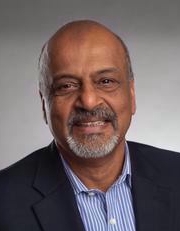
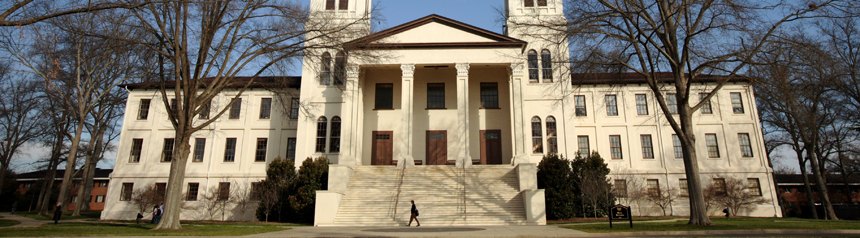
Dr. Katherine Mickley Steinmetz is a Professor in the Department of Psychology at Wofford College, where she directs the Neuroscience of Cognition and Emotion Lab. Her office is located in the R. Milliken Science Center 231D, and she can be reached at (864) 597-4643 or steinmetzkr@wofford.edu. She has established herself as a prominent researcher in emotional memory and cognition through her extensive publication record and laboratory work. Dr. Steinmetz earned her undergraduate degree in Psychology and Neuroscience from Allegheny College, where she participated in the Neuroscience in the Humanities program and completed a thesis on electrophysiological changes caused by learning words in emotional contexts. She then pursued graduate studies at Boston College under Dr. Elizabeth Kensinger, using neuroimaging (fMRI), eye-tracking, electrophysiological, and behavioral techniques to investigate neural mechanisms influencing memory for emotional events. Following this, she completed a post-doctoral fellowship focusing on stress and sleep effects on memory at Boston College and Notre Dame. Her research program focuses on understanding the neuroscience behind how emotional processing influences attention and memory. Dr. Steinmetz combines behavioral testing, event-related potential (ERP) recordings, and salivary hormonal assays to examine both cognitive and neural processes guiding attention toward and memory for emotional information. She is particularly interested in how factors like stress and anxiety modulate these processes. Her work spans multiple domains including emotional memory enhancement, cross-cultural differences in memory, physiological correlates of emotional processing, and the interaction between sleep, stress hormones, and memory consolidation. Analysis of Dr. Steinmetz's publication history reveals consistent focus on emotional memory mechanisms across various contexts. Her research demonstrates how emotional content differentially affects item versus background memory, how stress hormones like cortisol modulate memory processes, and how attentional mechanisms interact with emotional processing. Her methodological approach integrates multiple techniques including ERP, eye-tracking, physiological monitoring, and behavioral paradigms to provide comprehensive insights into emotion-cognition interactions. Dr. Steinmetz has authored numerous peer-reviewed publications in prominent journals including Journal of American College Health, Frontiers in Physiology, Cognition and Emotion, Memory, and Affective Science. She has also contributed book chapters and co-authored the book "How Does Emotion Affect Attention & Memory?" (2010) with Elizabeth A. Kensinger, which reviews behavioral and neuroimaging evidence on emotion's effects on memory and attention in individuals with and without PTSD. As an educator, Dr. Steinmetz has focused on developing effective undergraduate research experiences in cognitive neuroscience. Her work in this area addresses the challenges of preparing students for careers in this interdisciplinary field while maintaining sustainable faculty development. She appears to be actively involved in mentoring undergraduate researchers through her laboratory work at Wofford College. Dr. Steinmetz's Neuroscience of Cognition and Emotion Lab serves as the primary research hub for her investigations. The lab employs multiple methodological approaches to study emotion-cognition interactions, providing students with hands-on research experience in cognitive neuroscience techniques. Her research program demonstrates continuity from her graduate and postdoctoral training while developing its own distinct focus on the interplay between emotional processing, attention, and memory.
Paul Nuyujukian serves as an Assistant Professor of Bioengineering and Neurosurgery, with courtesy appointment in Electrical Engineering at Stanford University. He is a Faculty Scholar of the Wu Tsai Neurosciences Institute, directing the Brain Interfacing Laboratory where his team develops neural interface technologies for clinical applications in stroke and epilepsy. Education: MD, Stanford University (2014) PhD in Bioengineering, Stanford University (2012) BS, UCLA (2006) Dr. Nuyujukian's research integrates motor systems neuroscience with neuroengineering to decode brain activity during movement and recovery from injury. His laboratory pioneers brain-machine interface (BMI) platforms that translate neural signals into communication and control systems, with particular emphasis on intracranial EEG recording and real-time neural decoding. Current work focuses on developing clinically viable BMI solutions for neurological conditions through both preclinical models and human trials, advancing our understanding of neural population dynamics in health and disease. Recent publications reveal strong trends in intracranial EEG acquisition systems, seizure detection algorithms using information theory, and closed-loop BMI applications for ambulatory neuroscience. His work bridges fundamental neuroscience with clinical translation, particularly in epilepsy monitoring, chronic pain management, and neural prosthetics for paralysis. A notable emphasis exists on creating scalable, minimally invasive recording platforms that reduce clinical burden while maintaining high-fidelity neural data. Scientific Awards: No specific awards listed in provided materials As director of the Brain Interfacing Laboratory, Dr. Nuyujukian mentors students and collaborators in neural engineering research while securing grant funding for BMI development. His group maintains active collaborations with Stanford's Department of Neurosurgery and Neurology for clinical translation, with current projects including real-time decision-state decoding and personalized network mapping for pain management. The laboratory operates advanced facilities for both animal and human neural recording, emphasizing seamless integration of engineering innovation with clinical neuroscience. The Brain Interfacing Laboratory comprises multidisciplinary scientists and engineers developing next-generation neural interfaces. Current initiatives include the LiCoRICE platform for ambulatory neuroscience, seizure detection systems using compression-enabled entropy estimation, and ketamine's effects on hippocampal connectivity. The team actively participates in clinical trials for BMI applications in stroke rehabilitation and epilepsy, with strong partnerships across Stanford's medical and engineering schools to accelerate technology translation.
Christopher Thomas Ryan is an Associate Professor in the Operations and Logistics Division at the UBC Sauder School of Business. He holds a PhD and BA from UBC in Management Science and Mathematics, respectively. His research spans optimization theory, game theory, theoretical economics, video game design, and pedagogy for business education. He has held positions at the University of Chicago Booth School of Business and is affiliated with the Colibri Learning Foundation. Education: BA (Mathematics) and PhD (Management Science) from UBC; BA (Sociology and Economics) from University of Guelph. He has authored numerous textbooks and case studies, including works on research careers, operations management, and teaching methodologies. His work integrates human-centric approaches to operations and education systems. Research Interests include small business operations, education operations, theoretical economics, and the design of video games. He has published in top journals like Management Science, Econometrica, and Mathematical Programming. His grants include SSHRC and NSERC awards. Ryan advises students across multiple institutions and has mentored prominent faculty in marketing, operations, and MIS fields. Teaching focuses on core operations management for MBA programs and pedagogical innovation. He has developed cases on AI in education, early childhood development, and small business sustainability. Ryan’s work bridges academic research with practical applications in business and education sectors.
Kathleen L. Komar is a Distinguished Professor in the Department of Comparative Literature at the University of California, Los Angeles (UCLA), part of the UCLA College. She holds a Ph.D. in Comparative Literature from Princeton University (1977). Her primary language expertise includes German, reflecting her focus on German literary traditions. Professor Komar’s research spans feminist theory, modernist literature, and post-symbolist poetry, with significant contributions to the study of Rainer Maria Rilke, Hermann Broch, and Robert Musil. She has authored and edited works analyzing mythological reinterpretation, gender dynamics in literature, and the intersection of digital humanities with traditional literary studies. Her academic career includes leadership roles such as serving as ACLA President, where she championed interdisciplinary approaches and the evolution of comparative literature as a discipline. Komar’s scholarship bridges historical analysis and contemporary critical theory, addressing themes like utopianism, postcommunism, and the role of silence in postwar discourses. She has also explored pedagogical innovations in teaching world literature and the application of predictive analytics in educational technology. Notable research areas include: Reinterpretation of classical myths (e.g., Klytemnestra) Modernist aesthetic theory in German literature Electronic poetry and digital textuality Feminist explorations of literary space Comparative studies of European and American literary traditions Her publications reflect a commitment to interdisciplinary dialogue, spanning edited companions, critical essays, and theoretical interventions in both print and digital formats. Komar’s work frequently emphasizes the transformative potential of literature to interrogate cultural, political, and gendered structures.