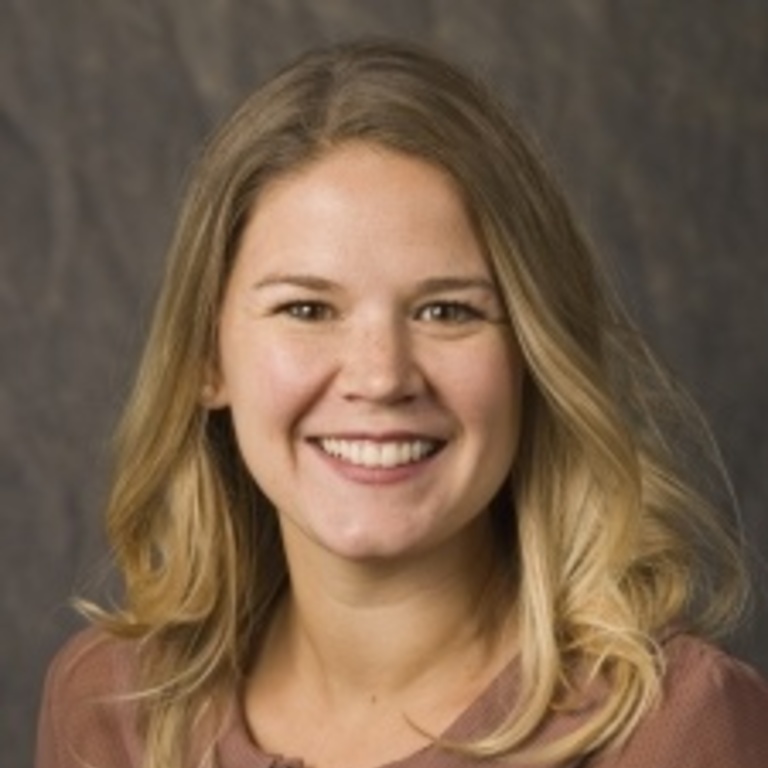
Dr. In Um is a Research Fellow at the School of Medicine, University of St Andrews, with an email address at ihu@st-andrews.ac.uk. Their research focuses on interdisciplinary medical and computational sciences, including advanced imaging techniques, oncology, genomics, and ecological behavioral studies. Key areas include mass spectrometry imaging for cancer biomarker discovery, computational methods for medical image analysis, and drug mechanism exploration. Research interests span Medical Imaging, Oncology, Genomics, Computational Biology, and Ecology. Publications emphasize innovative applications of AI in medical diagnostics, kidney disease mechanisms, and symbiotic effects on insect behavior. Dr. Um supervises PhD student Clare Orange and collaborates on projects involving drug development and ecological predator-prey dynamics. Recent work includes co-developing GAN-based tools for virtual staining and exploring transcription factors in glomerulonephropathies. Their contributions bridge clinical, computational, and ecological research domains, with a focus on translational applications in healthcare and environmental science.
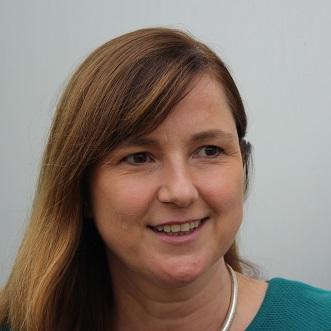
Amanda Brown is a Research Fellow at Bayes Business School, City, University of London, where she has been contributing since 2009. She is a key member of the Centre for Creativity enabled by AI (CebAI) and the Centre for Creativity in Professional Practice (C2P2), working across multidisciplinary teams to develop AI-powered tools that enhance human creativity in professional settings. University: City, University of London School: Bayes Business School Position: Research Fellow Email: amanda.brown.1@citystgeorges.ac.uk Location: Room FSQ501, 106 Bunhill Row, London, EC1Y 8TZ, United Kingdom Research Interests: Amanda Brown's research is centered on the intersection of artificial intelligence and human creativity. She investigates how digital tools can support and augment creative thinking in diverse domains such as journalism, elite sports coaching, and public service innovation. Her work emphasizes human-centered AI, ensuring that technology empowers professionals rather than replaces them. Key areas include AI-augmented idea generation, digital creativity support systems, and interdisciplinary innovation in complex organizational environments. Publications and Research Trends: Her recent publications focus on designing co-creative AI tools like Sport Sparks and JECT.AI, which assist coaches and journalists in generating novel ideas. These works reflect a strong trend in applying AI to real-world creative challenges, with an emphasis on usability, human control, and practical impact. The research spans computer science, cognitive psychology, and design, demonstrating a highly interdisciplinary approach. Scientific Contributions: While no formal awards are listed, Amanda's collaborative research has led to influential publications in top-tier venues such as CHI, Creativity and Cognition, and Communications of the ACM. Her work is embedded in large-scale, funded projects that evaluate the effectiveness of digital tools in professional settings. Advising and Grants: Although no direct students are listed, she collaborates extensively with PhD candidates and senior researchers. Her projects are supported by competitive grants from bodies such as EPSRC, EU H2020, Innovate UK, and Arts Council England, reflecting the applied and interdisciplinary nature of her work. Labs and Teams: Amanda is integral to CebAI and C2P2, where she contributes to the development of tools like INJECT and Sport Sparks. These teams bring together experts from computer science, psychology, design, and business to create impactful solutions for creative industries and public services.
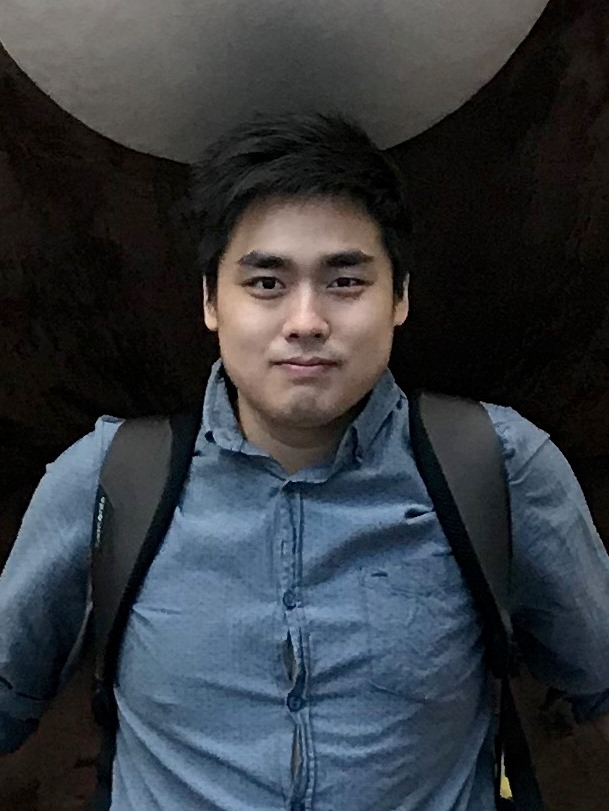
Professor Nao Tsuchiya is a neuroscientist at Monash University's Turner Institute for Brain & Mental Health, specializing in consciousness studies. He holds a PhD in Computation and Neural Systems from Caltech and a Bachelor's in Science from Kyoto University. His research explores the neural basis of consciousness, attention, and qualia, employing methods like neuroimaging (EEG/MEG/fMRI), psychophysical experiments, and mathematical frameworks (category theory, quantum cognition). Current projects include the Dreamscape Project (neurophysiology of dreams), analyzing multi-channel neurophysiological data, and testing quantitative theories of consciousness. He also leads the 'Lifting the Veil' project on visual perception disorders and serves as an editorial board member for Neuroscience of Consciousness . His work addresses fundamental questions about consciousness in animals, machines, and humans, contributing to UN Sustainable Development Goals. Education PhD in Computation and Neural Systems, California Institute of Technology (2000-2005) Bachelor in Science, Kyoto University (1996-2000) Research Interests His lab investigates: Neuronal correlates of conscious/non-conscious processing Consciousness vs attention mechanisms Quantitative theories of consciousness (e.g., Integrated Information Theory) Qualia structure mapping via mathematical models Cross-modal perception and emotion Grants & Projects Leads/co-leads 15+ research projects including: Australian Research Council-funded Dreamscape Project (2024-2027) NHMRC Equipment Grant for neural stimulation technology (2023-2024) Adversarial testing of consciousness theories (2021) Awards & Recognition While no explicit awards are listed, his work has been referenced in multiple Wikipedia pages and news outlets, indicating academic impact. Labs & Teams Runs the Tsuchiya Lab at Monash with active collaborations across disciplines (psychology, physics, computer science), focusing on experimental and theoretical approaches to consciousness.
Sarah C. Vigmostad is an Associate Professor of Biomedical Engineering and Interim Associate Dean at the University of Iowa's College of Engineering. She also serves as a Researcher at the Iowa Institute for Biomedical Engineering. Her work focuses on computational techniques for fluid-structure interactions, computational fluid mechanics, and multiscale modeling of biological phenomena. She joined the faculty in 2008 and holds degrees from the University of Iowa: a BSE (2001), MS (2003), and PhD (2007) in Biomedical Engineering. Her research spans coronary blood flow dynamics, heart valve mechanics, cardiovascular implant design, RBC dynamics, and vocal cord biomechanics. Notable projects include studies on Descemet membrane endothelial keratoplasty biomechanics, mitral valve surgical simulation, and hybrid CT/MRI vocal tract modeling. Her work often integrates medical imaging data with computational fluid dynamics to address clinical challenges in cardiovascular and ophthalmologic systems. Professional affiliations include the Biomedical Engineering Society (BMES). Her publications reflect interdisciplinary collaboration across biomechanics, fluid dynamics, and medical device innovation. Though no awards are listed in the provided texts, her extensive publication record indicates significant contributions to biomedical engineering research. Her advising and grant activities are not detailed here, but her involvement in the Iowa Institute for Biomedical Engineering suggests engagement in collaborative research initiatives. Her work interfaces with labs focused on biomedical imaging, cardiovascular mechanics, and tissue engineering.
Briana Morrison is an Associate Professor in the Department of Computer Science at the University of Virginia, within the School of Engineering and Applied Science. She is on the teaching track as part of the Academic General Faculty, focusing on computer science education. Prior to UVA, she served as an Assistant Professor at Southern Polytechnic State University (now Kennesaw State University) and the University of Nebraska Omaha. She holds a PhD in Human-Centered Computing from Georgia Tech and has over two decades of academic experience. Her educational background includes: Ph.D. in Human-Centered Computing, Georgia Institute of Technology M.S. in Computer Science, Southern Polytechnic State University B.S.E. in Computer Engineering, cum laude, Tulane University Briana Morrison's research focuses on applying principles from educational psychology to computer science education, particularly in the context of learning programming. Her work centers on cognitive load theory, subgoal labeling, worked examples, and broadening participation in computing. She is deeply engaged in improving K–12 access to qualified computing teachers and expanding the pipeline of CS educators through professional development and community-building initiatives. Her recent publications reflect a strong trend in computing education research, emphasizing empirical studies on instructional methods such as subgoal-labeled worked examples, dual-modality explanations, and self-explanation training. These works span journals and conferences like International Journal of STEM Education , Computer Science Education , and ICER, demonstrating sustained contributions to both theory and practice in CS education. Her scientific awards include: University of Nebraska Omaha Alumni IS&T Outstanding Teaching Award (2021) Georgia Tech College of Computing Dissertation Award (2018) Foley Scholars Finalist (2015) ICER Chairs’ Best Paper Award (2015) SPSU Outstanding Faculty Award (2002, 2007) Briana has been actively involved in advising and grant-funded research. She leads the Subgoal Labels for Learning Programming project, which investigates how structured problem-solving frameworks improve student success in introductory programming. She also co-leads a collaborative research initiative to grow computer science teachers in Iowa through partnerships with Area Education Agencies (AEAs). Her leadership extends to service roles as co-Chair of the ACM Education Board, member of the AP CS A Development Committee, Associate Editor of Transactions on Computing Education , and co-Editor-in-Chief of EngageCSEdu . She directs the Computing Education Center at UVA and has led the development of the Disciplinary Commons for Computing Educators (DCCE), fostering a community of practice among educators. Her work integrates outreach, curriculum design, and faculty development to strengthen computing education at all levels.
Anikó Kusztor is a Postdoctoral Research Fellow at Monash University, Australia, specializing in consciousness studies. She holds a PhD from Monash University and prior degrees from Eötvös Loránd University and the University of Oslo. Her research focuses on understanding how subjective experience transforms under conditions like sleep deprivation, dissociation, and dreaming, employing EEG and neuroimaging techniques. She is affiliated with Tlab (Qualia Structure Research) and M3CS (Monash Mind Modelling and Computational Systems), contributing to interdisciplinary projects on consciousness and open science. Education: BSc Psychology (Eötvös Loránd University), MSc Cognitive Neuroscience (University of Oslo), PhD (Monash University) Her work bridges cognitive neuroscience, clinical research, and computational modelling. Recent studies include investigations into color perception, arousal mechanisms, and the neural basis of dissociative disorders. She actively participates in journal clubs and conferences, promoting collaborative research in consciousness science. Articles highlight her contributions to understanding color qualia structures, the role of cardiac activity in age-related neural signals, and the neurobiology of grief. Her work emphasizes interdisciplinary approaches, integrating experimental and computational methods.
Anders Nymark Christensen is an Associate Professor in the Department of Applied Mathematics and Computer Science at the Technical University of Denmark (DTU), specializing in Visual Computing. His work bridges computer vision, medical imaging, and materials science, with a strong focus on explainable AI in clinical applications and structural analysis of complex materials. Institution: Technical University of Denmark (DTU) School: Department of Applied Mathematics and Computer Science Department: Visual Computing Role: Associate Professor Christensen’s research interests include image analysis, computer vision, explainable AI, ultrasound imaging, fetal medicine, and fiber orientation in composites. He applies advanced computational techniques to solve real-world problems in healthcare and materials engineering, particularly through structure tensor analysis and deep learning. His recent publications highlight a strong trend in developing AI tools for clinical decision support in fetal medicine, structural analysis of food and composite materials, and ultrasound imaging. These works span journals such as Scientific Reports , Food Structure , and IEEE Access , reflecting interdisciplinary innovation. Clinical validation of explainable AI for fetal growth scans Characterization of anisotropy in mozzarella cheese Determining fetal orientations from ultrasound video Structure tensor analysis in composites He supervises several PhD students in projects related to AI in skin lesion analysis, cancer detection, and ultrasound imaging. His collaborative network includes key researchers at DTU such as Anders Bjorholm Dahl, Vedrana Andersen Dahl, and Mads Nielsen. He has been involved in significant research grants and is active in both medical and engineering domains, contributing to open datasets and reproducible research. Christensen leads and contributes to numerous active projects, including: Decision Support AI for Skin Lesions (2024–2027) Fighting Cancer with Generative AI (2024–2027) SONAI: Explainable AI in the Clinic (2022–2026) Deep learning for identifying biomarkers in medical images (2022–2025) His work supports UN Sustainable Development Goals related to health, innovation, and responsible consumption, particularly through advancements in medical diagnostics and sustainable materials.
Annette Kinder is a Professor of Psychology of Learning (W2) at the Department of Education and Psychology, Freie Universität Berlin. She has held this position since 2010, following a Heisenberg Fellowship (2004–2010) at the University of Potsdam and a substitute professorship at the same institution in 2008. Her academic journey includes roles as a university assistant at Philipps-Universität Marburg (1999–2004) and research associate in a DFG project on associative learning (1995–1999). She obtained her habilitation in psychology (specializing in general psychology) in 2003 and completed her PhD in 1996 at Philipps-Universität Marburg with a scholarship from Hessian Promotion for Junior Researchers. Research Interests: Cognitive Psychology Artificial Grammar Learning Numerical Processing Educational Diagnostics Machine Learning in Education Neurocognitive Poetics Scientific Awards: Heisenberg Fellowship (2004–2010) Teaching: She has taught courses like 'Pädagogische Diagnostik' (Educational Diagnostics) and research colloquia for qualifying theses since 2018/2019, focusing on cognitive and educational psychology.
Camilla Grane serves as a Senior Lecturer in Psychology at Luleå University of Technology, where she is affiliated with the Department of Health, Education and Technology and specifically works within the Division of Health, Medicine and Rehabilitation. In addition to her teaching responsibilities, she holds the position of deputy head of education for the Department of Health, Medicine, and Rehabilitation (HMR). Dr. Grane holds a Master of Science degree in Ergonomic Design and Production and earned her PhD in Engineering Psychology. Her educational background has prepared her for interdisciplinary work at the intersection of psychology, engineering, and human factors, focusing on the practical application of psychological principles to real-world technological challenges. Her research centers on human-machine interaction and psychosocial factors, with notable expertise in attention and distraction when using multimodal interfaces in vehicles. She has expanded her research scope to include workers' digital tools and wearable sensors in mining and process industries, examining critical aspects such as usability, efficiency, safety, acceptance, and privacy. Dr. Grane is particularly interested in how ongoing digital development creates new relationships between humans and technology, with emerging interests in generative AI and human-robot interaction as research areas. Her publication record demonstrates a strong focus on automotive human factors, with numerous studies on gear shifter usability, human-automation interaction, and safety in industrial contexts. Her work spans multiple disciplines including psychology, engineering, ergonomics, and industrial safety, reflecting her interdisciplinary approach to understanding human-technology interactions across different environments. Dr. Grane teaches across multiple academic programs including the Psychology Bachelor's program and the Master of Science program in Industrial Design Engineering. Her extensive teaching portfolio covers Introduction to Psychology, Engineering Psychology, Social Psychology: Psychological Perspectives, Work and Motivation Psychology, Human-Machine Interaction, Usability, and Ergonomics and Cognition, among other specialized courses. She has led and participated in several significant research projects including 'Working environment of control room operators' (Swedish Transport Administration), 'SIMS' (attitudes towards positioning technology in mining environments), 'Quicktag' (mobile applications for inspections at Boliden), 'The Future Operator' (digital tools for future operators at LKAB and Boliden), 'MODAS' (measuring trust in highly automated vehicles), and 'Life on Board' (usability of future gear selectors in vehicles).
Prof. Dr.-Ing. Roland Dückershoff is a faculty member at the Technical University of Central Hesse in the Department of Mechanical Engineering, Mechatronics, and Materials Technology. He leads the Laboratory for Turbomachinery and has published extensively on hybrid MGT-SOFC systems, gas turbines, and cooling technologies. Specializes in turbomachinery, fuel cells, and hybrid energy systems Develops compact energy converters for sustainable hydrogen economy Recipient of multiple Best Paper Awards (2023, 2019, 2017) His research focuses on optimizing mechanical and thermal efficiency in hybrid systems through computational modeling, pressure dynamics, and flow visualization. Recent work emphasizes hydrogen production and marine applications. Key lectures include Turbomachines 1 and Turbomachines 2 . Awards include: 2023: Best Paper Runner-Up in Energy Technology 2019: Best Paper Runner-Up in Energy Technology 2017: Best Paper Award in Alternative Energy
Dr. Yendrew Yauwenas is a Researcher in the College of Engineering at the University of New South Wales (UNSW), specifically within the Department of Aerospace Engineering . Based in the Ainsworth Building (J17), Level 4, Room 408, Kensington Campus, his work focuses on aerospace engineering, aerodynamics, acoustics, and noise control. Research Interests : Yendrew’s research spans aeroacoustics, drone propeller noise, turbulent boundary-layer dynamics, and blade-tower interaction noise. He investigates noise generation mechanisms in aerospace systems, including wingtip vortices, ducted propellers, and rotor turbulence. Publications : His work includes experimental and numerical studies on noise directivity in small rotors, unsteady thrust in strut wakes, and innovative noise control using 3D-printed porous materials. Recent articles (2024) explore wall-pressure anisotropy and cross-correlation of turbulent flows. Contact : yendrew@unsw.edu.au
Prof. Dr. Muhammet DEMİRBİLEK serves as a Professor in the Faculty of Education, holding joint appointments across the Department of Educational Sciences, Department of Science, and Department of Curriculum and Instruction. His academic work centers on the intersection of educational technology and human cognition within digital learning environments. His educational background includes a Licence in Electronic Engineering from Istanbul University (1993), a Master's degree in Electrical-Electronic Engineering (with thesis) from Istanbul University (1996), and a Doctor of Philosophy in Education from the University of Florida (2004). DEMİRBİLEK's research examines critical challenges in digital education including conscious cognitive overload in hypermedia environments, user interface effectiveness measurement, and the design of immersive learning systems. His work spans simulation-based environments, 3D virtual spaces, educational gaming mechanics, and social network integration in pedagogy. He investigates how multimedia production impacts teaching efficacy while addressing practical implementation challenges in diverse educational contexts. His publication record (2009-2023) reveals consistent focus on technology-mediated learning across international contexts, particularly examining social media's dual role as both distraction and collaborative tool. Key trends include bibliometric analysis of learning analytics, smartphone usage patterns among students, and cross-cultural studies of ICT adoption in European adult education. His work frequently employs mixed-method approaches to evaluate digital tools like GeoGebra in mathematics instruction and lecture capture systems in specialized fields.
Kamila Misiejuk is a Postdoctoral Researcher at the Center of Advanced Technology for Assisted Learning and Predictive Analytics (CATALPA) within FernUniversität Hagen since October 2024. She previously served as a Senior Researcher and PhD Fellow at the Centre for the Science of Learning and Technology (SLATE) , University of Bergen (2017-2024), where she developed expertise in learning analytics and network modeling. Her research focuses on Interdisciplinary applications of Epistemic Network Analysis (ENA) and Transition Network Analysis (TNA) Designing data-driven educational tools for assessment and feedback Evaluating generative AI in academic writing and peer assessment Studying ethical implications of learning analytics dashboards Key trends in her 15 most recent publications (2024-2025) include Systematic reviews of generative AI and dashboard effectiveness Development of network analysis frameworks for collaborative learning Investigations into human-AI interaction dynamics and idiographic analytics Methodological tutorials in educational data visualization and R programming She contributes to professional networks as: Board Member , International Society for Quantitative Ethnography (ISQET, since 2021) Committee Chair , ISQET Resources Committee (2021-2023) Member , Society for Learning Analytics Research (SoLAR, since 2018)
Niels Seidel is a computer scientist and researcher at FernUniversität in Hagen, where he serves as the Lead of project APLE II at the CATALPA research center and as an alternate/deputy member of the CATALPA executive board. He works within the Faculty of Mathematics and Computer Science, focusing on the development of adaptive personalized learning environments for higher education. His work bridges computer science and educational technology, with particular emphasis on supporting self-regulated learning, reading comprehension, and assessment activities across diverse student populations. Seidel's research interests span multiple interconnected domains in educational technology. His primary focus is on Adaptive Learning Environments , where he designs, develops, and evaluates systems that support learners in self-regulated learning, reading, and assessment. His work in Learning Analytics involves analyzing and visualizing learning behavior at individual, group, and organizational levels while accounting for learner diversity. He has made significant contributions to Video-Based Learning , examining how video content can be structured and presented to optimize learning outcomes. His research increasingly incorporates Artificial Intelligence to create more responsive and personalized educational experiences, as evidenced by his recent work on generative AI applications for evaluating self-regulated learning skills. His publication record shows a clear trajectory toward increasingly sophisticated adaptive learning systems. Early work focused on foundational aspects of video-based learning and interaction design patterns, while recent publications demonstrate sophisticated integration of AI, learning analytics, and adaptive techniques. His research consistently addresses practical challenges in distance education while contributing to theoretical frameworks in educational technology. The 2024-2025 publications reveal particular emphasis on self-regulated learning assessment, reading comprehension support, and the application of generative AI in educational contexts. As an academic advisor, Seidel has supervised numerous bachelor's, master's, and diploma theses since 2018, mentoring students working on diverse projects related to educational technology. His current leadership roles include serving as spokesman for the Working Group Learning Analytics within the SIG Educational Technology of the German Informatics Society since 2021. He has secured funding for multiple projects, including the Google.org-funded Theresienstadt explained project and the BMBF-funded Life Long Learning Open Operating Platform (L³OOP). Seidel leads the APLE II project at CATALPA research center, which aims to develop domain-independent adaptive personalized learning environments for higher education. His work leverages the research infrastructure at FernUniversität in Hagen, particularly the Moodle-based learning management system, to implement and test innovative educational technologies with large student cohorts in real-world settings.
Rebeca Garcia Fandiño is a Full Professor in the Department of Organic Chemistry at the Faculty of Biology, University of Santiago de Compostela. She leads the SupraNanoBioMol research group focused on supramolecular systems, nanobiomimetics and molecular biophysics. Develops cyclodextrin-based therapeutics for age-related diseases Studies cyclic peptide nanotubes for antimicrobial applications Specializes in molecular dynamics simulations of biomolecular systems Her research explores hierarchical membrane structures, water model effects in nanoconfined environments, and membrane-targeted therapies. She has published extensively on: Toxic oxysterol removal using cyclodextrin dimers Antimicrobial D,L-α-cyclic peptide interactions Quantum-classical simulation hybrid approaches Post-COVID condition molecular characterization Augmented reality applications in education The SupraNanoBioMol group at CIQUS center utilizes experimental and computational techniques including DSC, ATR-FTIR and MD simulations. Recent work addresses antimicrobial resistance through membrane disruption mechanisms and AI-driven drug discovery.