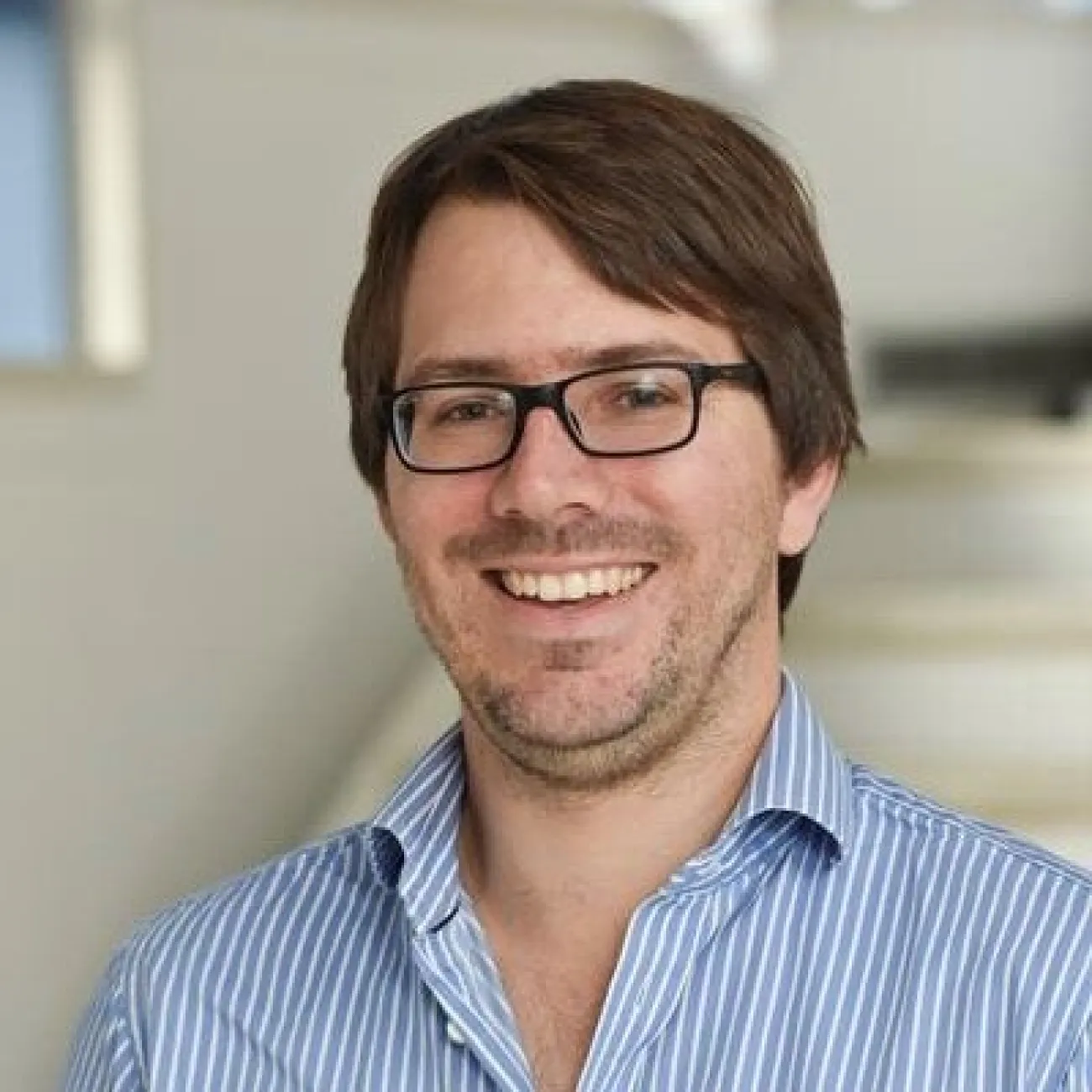
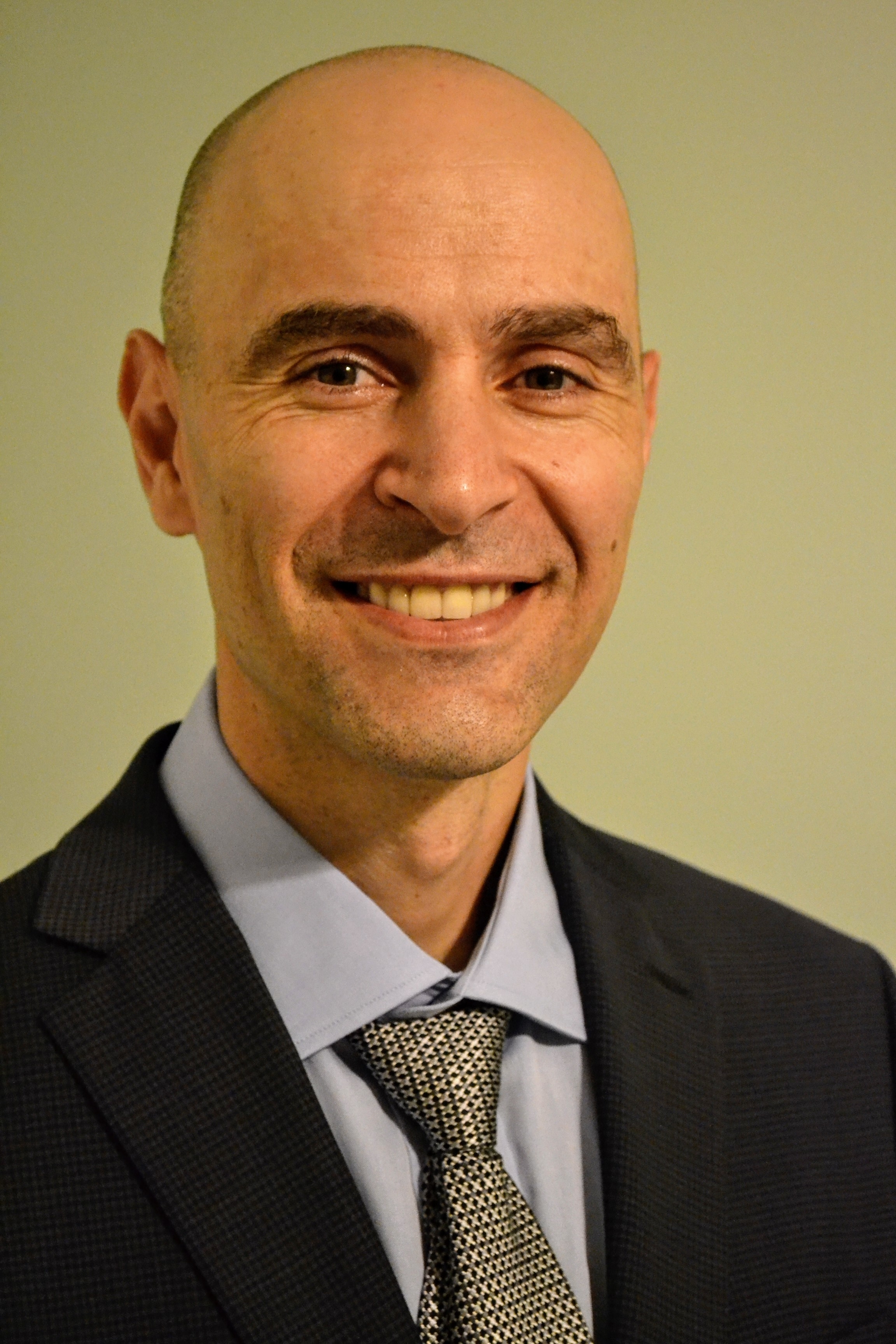
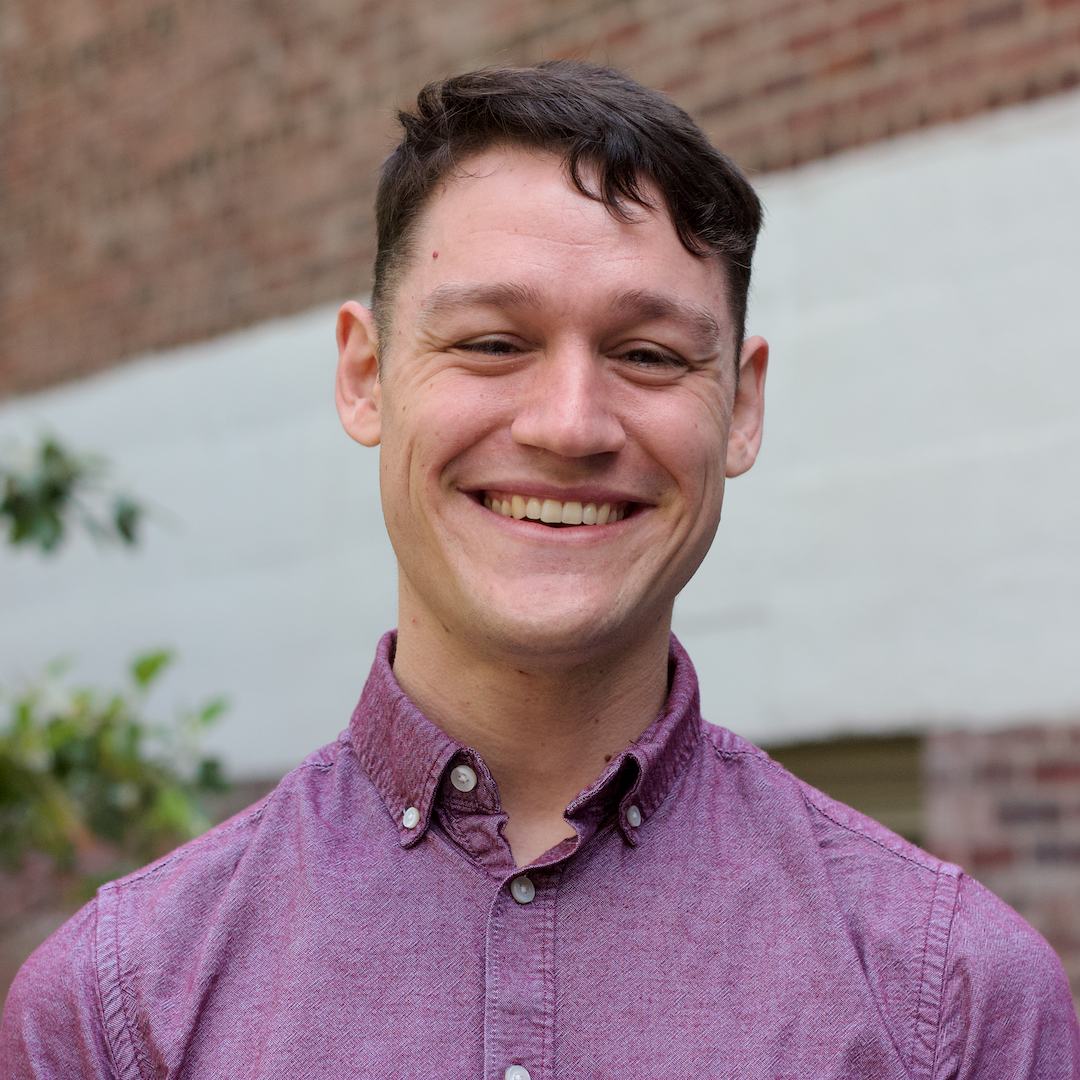
Professor Peter Wells is an Associate Professor at the University of Southampton, with a joint appointment at Diamond Light Source. His research focuses on operando spectroscopy, heterogeneous catalysis, and nanoparticle design. He coordinates the CHEM3054 module on Inorganic Materials Chemistry and holds a Fellow accreditation from the Higher Education Academy. Education: MChem in Chemistry (University of Surrey, 2003) PhD in tailored metal nanoparticle preparation and characterization (University of Southampton, 2007) His research integrates advanced X-ray techniques (e.g., X-ray absorption spectroscopy) with computational methods like DFT simulations to study catalyst dynamics. Key areas include stabilizing structural changes in palladium nanoparticles and designing nanoparticle catalysts for sustainable chemical production from waste biomass. He collaborates with the UK Catalysis Hub and serves on peer-review panels for Diamond Light Source and the Swiss Light Source. Active Research Projects (EPSRC): Core Equipment 2024 (£1.26M, PI) Nitridic and Carbidic Pd Nanoparticles for Directed Catalysis Peter supervises multiple PhD students in Chemistry and actively mentors researchers through collaborative grants. His work bridges experimental and theoretical approaches to catalysis, emphasizing real-time structural analysis under operational conditions.
Ivon Arroyo is a Professor in the Department of Teacher Education & Curriculum Studies (TECS) at the University of Massachusetts Amherst. Her research focuses on integrating novel technologies into math and computational thinking education, emphasizing affective and metacognitive states. She develops intelligent tutoring systems, such as COVES, which personalize learning in real-time and utilize facial expression recognition to enhance engagement. Her work on WearableLearning explores embodied, physically active multiplayer games for K-12 classrooms, leveraging mobile devices and wearable technologies to create immersive learning experiences. Dr. Arroyo holds an Ed.D. (2003) and M.S. (2000) from UMass Amherst and a B.S. from Universidad Blas Pascal in Argentina (1995). She has been recognized with multiple awards, including Best Paper Awards at the 2009 International Conference on Artificial Intelligence in Education and the 2010 Educational Data Mining Conference, a Fulbright Fellowship (1996), and a 1994 undergraduate prize for computer vision research. Her research interests span interdisciplinary areas such as Learning Sciences , Computer Science , Data Science , and Psychology . She prioritizes culturally responsive pedagogical agents and cross-cultural studies in educational technology, particularly in Argentina, India, and the U.S. Her projects often address challenges in developing countries, including localization of tutoring systems to Spanish. Advising and grants are central to her work, with grants like the NSF CAREER Award (2020) supporting embodied math classrooms. She collaborates on teacher dashboard frameworks and explores ethical AI integration in education. Her labs focus on creating tools that merge computational innovation with theoretical learning science principles, emphasizing real-world applications like the WearableLearning Cloud Platform.
Erald Troja is a Tenured Associate Professor in the Mathematics, Computer Science and Science Division at St. John's University's Collins College of Professional Studies. He serves as the acting Program Director for the Cyber Security Systems program and the Director of the National Security Agency Center of Academic Excellence in Cybersecurity (NCAE). He holds a Ph.D. in Computer Science from The Graduate Center, CUNY, and previously served as an Assistant Professor at IONA College. With over 20 years of industry experience, he worked as a Sr. Systems Engineer at Time Warner Cable and Charter Communications. His research focuses on cybersecurity, privacy-preserving computations, location privacy, applied cryptography, and mobile computing. Recent work includes gamification of cybersecurity education using the metaverse, AI integration in cybersecurity curricula, and mitigating threats in autonomous systems. He has published in top-tier venues like IEEE Access, Ad Hoc Networks, and IEEE VTC. Teaching interests include network security, wireless security, and cryptography. He has developed innovative pedagogical methods like escape room-style learning and virtual reality-based training. His contributions to cybersecurity education and research have positioned him as a leader in advancing practical cybersecurity solutions and educational frameworks.
Brooks Casas, Ph.D., is a Professor at the Fralin Biomedical Research Institute at VTC, with joint appointments in the Department of Psychology (College of Science), Department of Biomedical Engineering and Mechanics (College of Engineering), and the Department of Psychiatry and Behavioral Medicine (School of Medicine) at Virginia Tech. He is also a College of Science Faculty Fellow, recognized for his contributions to decision neuroscience and computational psychiatry. Ph.D. in Psychology, Harvard University Postdoctoral Fellowship, Baylor College of Medicine Former Assistant Professor of Neuroscience and Psychiatry, Baylor College of Medicine Brooks Casas investigates the neural computations underlying social decision-making, focusing on how valuation, learning, and social preferences shape human choices. His research integrates decision neuroscience, behavioral economics, and social psychology to understand both normative and pathological decision processes. Key areas include trust, risk preferences, social influence, and impaired decision-making in psychiatric disorders such as substance abuse and borderline personality disorder. His lab employs fMRI, computational modeling, and longitudinal studies to explore these phenomena. His recent publications span topics such as machine learning applications in diagnosing borderline personality disorder, neural predictors of adolescent risk behaviors, and the role of cognitive control in substance use. His work often involves large-scale longitudinal studies, such as the decade-long investigation into early life adversity and brain development with Jungmeen Kim-Spoon. He has not received any explicitly mentioned scientific awards in the provided text. Casas leads the Casas Lab within the Center for Human Neuroscience Research and collaborates extensively with students and researchers across disciplines. His work is supported by grants from the National Institutes of Health and the Institute for Society, Culture, and Environment. He advises multiple graduate students and early-career researchers, contributing significantly to training in computational psychiatry and decision neuroscience. His lab, the Casas Lab, is part of the Fralin Biomedical Research Institute and focuses on human neuroscience research, particularly using neuroimaging and behavioral experiments to study social and economic decision-making.
Andrew Head is an Assistant Professor at the University of Pennsylvania's Department of Computer Science, specializing in Human-Computer Interaction (HCI) and Programming. His work bridges interactive reading , math notation accessibility , and AI-assisted code comprehension . Affiliated with Penn HCI, PLClub, and MindCORE, he co-leads research with Danaé Metaxa and Benjamin Pierce. University of Pennsylvania Assistant Professor, Computer Science Affiliations: Penn HCI, PLClub, MindCORE His research focuses on interactive reading interfaces , AI-powered programming tools , and math notation analysis . Recent projects include: FreeForm : Interactive math notation editor Tyche : Property-based testing tools Explainable Notes : Medical note interpretation systems Publications in CHI , UIST , and ICSE demonstrate his systems-centric approach combining user studies with working prototypes. Notable awards include Best Paper at UIST 2024 and CHI 2022. Advising: Ph.D. Students: Alyssa Hwang, Litao Yan, Hita Kambhamettu, Jeff Tao, Jessica Shi Grants: $1M NSF grant for Property-based Testing Tools (2024) Teaching: Spring 2025: CIS 4120/5120 - Human-Computer Interaction Fall 2024: CIS 7000 - Interactive Reading
Jerry Zeyu Gao is a Professor in the Department of Computer Engineering at San Jose State University, part of the Charles W. Davidson College of Engineering. He maintains active office hours and has a strong presence in both academic and industry domains, combining over 15 years of academic experience with more than 10 years in software engineering and IT development management. His research spans a wide range of cutting-edge areas in computing, including: Cloud Computing and Services Software as a Service (SaaS) and Testing as a Service (TaaS) Test Automation Mobile Computing and Mobile Cloud Technologies Software and Service Engineering Mobile Sensor Technologies Smart Cities infrastructure Dr. Gao has published over 180 papers in top-tier IEEE and ACM journals and conferences, and has co-authored three technical books while editing several others in software engineering and mobile computing. His scholarly output reflects a strong focus on practical, scalable solutions in cloud, mobile, and service-oriented systems. The publications show consistent themes in automation, service delivery, distributed architectures, and real-world software validation. He has played a leadership role in the international research community, having served as conference chair, program co-chair, and workshop co-chair for numerous prestigious events such as IEEE MobileCloud, IEEE SOSE, SEKE, and others between 2004 and 2015. These roles highlight his influence and recognition in the software engineering and cloud computing communities. Dr. Gao advises students and contributes to graduate and undergraduate education, although specific advisees are not listed. He is involved in research projects and likely secures external funding given his publication and conference leadership activities, though specific grants are not mentioned. He is associated with research initiatives related to mobile systems, cloud services, and smart city technologies.
Martin Nilsson Jacobi serves as President and CEO of Chalmers University of Technology, holding the position of the institution's fourteenth President since September 2023. He simultaneously maintains his academic standing as Professor of Complex Systems at the university, demonstrating his dual commitment to academic leadership and scholarly work. Professor Nilsson Jacobi's research portfolio spans theoretical physics, complex systems theory, and ecological applications. His work bridges multiple disciplines, creating innovative approaches to understanding natural systems through mathematical and computational frameworks. His research trajectory shows an evolution from theoretical physics to complex ecological systems, with particular emphasis on spatial patterns, ecosystem stability, and marine conservation strategies. His scholarly output demonstrates consistent productivity across multiple domains. The most recent publications (2020-2022) focus on complex ecological communities, spatial coherence in heterogeneous landscapes, and species-area relationships, while earlier work (2010-2015) explored self-assembly systems, hierarchical dynamics, and theoretical approaches to complex systems. This progression reflects his ability to apply fundamental theoretical concepts to increasingly complex real-world ecological challenges. Lifetime member of the Swedish Royal Academy of Engineering Sciences (IVA) Professor Nilsson Jacobi has held significant leadership roles beyond his current presidency, including serving as chairman of the Faculty Senate and Head of Department at Chalmers. His international research experience includes collaborations with Los Alamos National Laboratory and the Nordic Institute for Theoretical Physics (NORDITA), highlighting his global scientific engagement. He has successfully secured research funding through multiple projects supported by the Swedish Research Council and the European Commission, demonstrating his ability to lead substantial research initiatives.
Lisandra (Lia) Costiner is an Assistant Professor in the History of Art (Digital Art History) at Utrecht University's Faculty of Humanities. She specializes in late-medieval and early-modern visual culture through digital methodologies. Trained at University of Oxford (MSt, PhD), Harvard University (BA), and MIT Postdoctoral experience at Villa I Tatti (Florence) and EPFL (Switzerland) Founded international (En)coding Heritage Network and co-leads Oxford X-Reality Hub Her research combines computational analysis of paintings, manuscripts, and artifacts with mixed reality applications. Current projects include two Netherlands eScience Center-funded initiatives. Scientific Awards & Grants: Swiss Government Excellence Scholarship Delmas Foundation Grant Renaissance Society of America Support NWO Open Competition XS Funding
Professor Roland J. Pieters is a distinguished academic at Utrecht University's Faculty of Science, where he serves as a full Professor in the Department of Chemical Biology and Drug Discovery. With over two decades of experience at the institution, he has progressed from Assistant Professor (1998) to Associate Professor (2005) and ultimately to Full Professor (2010-present). His research group is internationally recognized for groundbreaking work at the intersection of carbohydrate chemistry, chemical biology, and drug discovery, with particular emphasis on developing novel therapeutic approaches against bacterial infections and pathogenic mechanisms. Full Professor, Utrecht University (2010-present) Associate Professor, Utrecht University (2005-2010) Assistant Professor, Utrecht University (1998-2005) NWO Talent Post-doctoral Fellow, ETH-Zürich (1995-1996) Postdoctoral Researcher, University of Groningen (1996-1998) Professor Pieters earned his M.Sc. in Organic Chemistry from the University of Groningen in 1990, where he worked with Professor Ben Feringa, and completed his Ph.D. at MIT in 1995 under the supervision of Professor Julius Rebek Jr. His doctoral research focused on molecular recognition and template effects in bisubstrate systems, establishing the foundation for his lifelong interest in molecular interactions. Professor Pieters' research primarily centers on glycodrugs and the strategic interference with protein-carbohydrate interactions using multivalent systems of varying architectures. His laboratory has made significant contributions to understanding how rigid spacers in multivalent ligands can dramatically enhance binding affinity to target proteins, with applications against viral and bacterial adhesion proteins, toxins, galectins, and glycosidases. A particular focus has been on developing inhibitors for Pseudomonas aeruginosa lectin LecA, cholera toxin, influenza virus hemagglutinin, and more recently, SARS-CoV-2 spike protein interactions with host cell receptors. His group also pioneered the use of glyco- and peptide-microarrays for high-throughput screening of carbohydrate-protein interactions and drug discovery, particularly in the area of O-GlcNAcylation research. The publication record of Professor Pieters demonstrates consistent innovation in the field of multivalent carbohydrate-based therapeutics. His recent work (2020-2024) shows a strategic expansion into viral pathogenesis (particularly influenza and SARS-CoV-2), immune modulation through glycan recognition, and novel approaches to vaccine development. A notable trend is the increasing sophistication of multivalent architectures, moving from simple divalent systems to tetra- and hexavalent ligands with precisely engineered spatial arrangements. His research bridges fundamental chemical principles with practical therapeutic applications, maintaining strong connections to pharmaceutical development while advancing basic science understanding of carbohydrate-mediated biological processes. Professor Pieters' scientific achievements have been recognized with prestigious awards including a Fellowship from the Royal Netherlands Academy of Arts and Sciences (KNAW) in 1999 and a VICI personal grant from the Netherlands Organisation for Scientific Research (NWO) in 2008. These competitive awards reflect the significance and innovation of his research program. He has also served on editorial advisory boards, notably as Section Editor-in-Chief for Chemical Biology in the journal Molecules (2018-2022), contributing to the scholarly community through peer review and academic leadership. Fellowship of Royal Netherlands Academy of Sciences (KNAW), 1999 VICI, personal grant, NWO, 2008 Section Editor-in-Chief Chemical Biology for Molecules (2018-2022) Throughout his career, Professor Pieters has coordinated significant research projects including the EU project POLYCARB and secured competitive funding that has sustained his innovative research program. His laboratory has fostered numerous collaborations across Europe and internationally, creating a vibrant research environment that has trained many scientists now working in academia and industry. His research on multivalent carbohydrate systems represents a sustained intellectual contribution to chemical biology with direct relevance to developing new anti-infective strategies and therapeutic approaches. Professor Pieters leads an active research group within Utrecht University's Department of Chemical Biology and Drug Discovery, situated in the David de Wied Building. His laboratory maintains strong connections with other research groups both within Utrecht University and internationally, particularly in the fields of glycobiology, infectious diseases, and drug discovery. The research environment he has cultivated emphasizes interdisciplinary approaches, combining synthetic chemistry, biophysical analysis, and biological testing to address fundamental questions in carbohydrate-mediated biological processes with therapeutic applications.
Daniel Schnurr holds the Chair of Machine Learning, especially Uncertainty Quantification at the University of Regensburg since August 2022, where he conducts research at the intersection of artificial intelligence, data economics, and digital market regulation. Previously, he headed the Data Policies research group at the University of Passau, building his expertise in the economic and regulatory aspects of digital markets. His educational background includes a doctorate in business informatics from the Karlsruhe Institute of Technology (2016), where he also worked for three years as a research associate at the Institute for Information Systems and Marketing. He completed his undergraduate and master's studies in Information Systems at KIT (2007-2013), with international experience at Concordia University in Canada and Singapore Management University. Professor Schnurr's research focuses on the technical, economic, and social implications of new machine learning methods and data as a decisive competitive factor and driver of innovation in digital markets. His work examines how data functions as both an economic asset and regulatory challenge, particularly in contexts of market power, competition policy, and AI governance. He investigates uncertainty quantification in machine learning systems while considering their broader economic and societal impacts. His publication portfolio demonstrates consistent output in top-tier journals including Management Science, Journal of Information Technology, and Journal of Competition Law & Economics, with recent work increasingly focusing on AI regulation, data access remedies, and uncertainty-aware AI systems. The trajectory shows evolution from telecommunications infrastructure research to contemporary digital market and AI regulation issues. As a Research Fellow at the Centre on Regulation in Europe (CERRE) since 2022, he has authored numerous policy reports addressing regulation of cloud computing services, digital platforms, and data economy frameworks. His policy contributions bridge academic research with practical regulatory implementation, particularly regarding the European AI Act and Digital Services Act. His research program involves experimental approaches to understanding data markets, human-AI interaction dynamics, and regulatory effectiveness. Through his work at CERRE and collaborations with international scholars, he contributes to shaping evidence-based digital policy in the European context while maintaining strong connections to academic research communities in information systems and economics.
Dr. João F. Henriques is a Research Fellow at the Royal Academy of Engineering and a core member of the Visual Geometry Group (VGG) at the University of Oxford. His work spans the intersection of machine learning , deep learning , and computer vision , with notable contributions to visual tracking , 3D reconstruction , and robotics . He actively mentors DPhil students and collaborates across disciplines including AI safety , NeRFs , and optimisation . Current Students: Marian Longa, Tim Franzmeyer, Dominik Kloepfer, Yash Bhalgat, Shivani Mall, Lorenza Prospero, Mark Eid Graduated Students: Xu Ji, Mandela Patrick, Shu Ishida, Andreea Oncescu Research Trends from his recent work include advances in 3D scene reconstruction (e.g., Flash3D, GST), robotic adaptation (Rapid Motor Adaptation), and multimodal learning (Text2Loc, SCENES). His publications frequently address theoretical guarantees in unsupervised detection and reinforcement learning for POMDP environments. Scientific Recognition includes: Research Fellow, Royal Academy of Engineering CVPR Best Paper Finalist (2012) for Kernelized Correlation Filters (KCF) SIGBOVIK 2020 Most Timely Paper Award for Deep Industrial Espionage He also develops open-source tools like OverBoard , a Python dashboard for deep learning experiment monitoring, and advocates for preregistration workshops to improve machine learning research transparency.
Daniel Frischemeier is a Professor of Mathematics Didactics with a focus on Primary Education at the University of Münster's Faculty of Mathematics and Computer Science. He has established himself as a leading researcher in statistics and data science education for primary school students, with extensive contributions to educational methodology and teacher training. University of Münster (2021-present) TU Dortmund (2020-2021) University of Paderborn (2009-2020) Ludwig-Maximilians-Universität München (2017-2018) Dr. Frischemeier completed his doctoral studies at the University of Paderborn with a dissertation on statistical thinking and research using TinkerPlots software. His educational background includes graduate studies in Mathematics and undergraduate studies in Mathematics and Physics for teaching at various school levels. His research focuses on the design and testing of teaching-learning environments for primary mathematics education, particularly in the areas of data analysis, probability, and statistics. He conducts qualitative analysis of learners' cognitive processes related to the guiding principle of 'data and chance' in primary education. His work also includes the design and evaluation of teaching materials in data science and civil statistics, the use of learning videos to promote process-related skills, and the implementation of Fermi tasks and computer science education within primary mathematics lessons. Analysis of Dr. Frischemeier's recent publications reveals a strong emphasis on data literacy development in primary education, with increasing focus on the integration of digital tools and the conceptual understanding of data as models. His work bridges mathematics education with emerging fields of data science, addressing both theoretical frameworks and practical classroom applications. The research demonstrates a progression from basic statistical concepts toward more complex data modeling approaches suitable for young learners. Elected member of the International Statistical Institute (ISI) Chair of the Local Organizing Committees for IASE Satellite 2025 Conference Council-Member of the International Statistical Institute Special Edition Editor of the Statistics Education Research Journal Member of International Program Committees for major statistics education conferences Co-Leader of CERME Thematic Working Group 5 on Probability and Statistics Education Dr. Frischemeier serves in numerous editorial capacities and review roles for prominent journals in mathematics and statistics education. He leads significant research projects including 'Promoting Data Science Education for Teacher Education at the University level (DataSETUP)' and 'Data Science Education in STEAM for Civic Engagement and Social Justice from the Early Years (DataScEd4CiEn)'. His work has substantial impact on teacher education programs and curriculum development in statistics and data science for primary schools. He is actively involved in the development and leadership of the Math Center Münster (MaZ), which promotes mathematical potential for all students. His team includes numerous research assistants and doctoral candidates working on various aspects of mathematics education research, particularly focusing on data literacy and statistical reasoning in primary education contexts.
Dr. Wanju Huang is a Clinical Assistant Professor in the Learning Design and Technology program at Purdue University , where she focuses on enhancing online learning experiences through innovative instructional design and emerging technologies. Prior to joining Purdue in Fall 2016, she served as an instructional design manager at Teaching and Learning Technologies and spent six years as a lecturer and instructional designer at Eastern Kentucky University. Education: Ph.D. in Curriculum & Instruction (Technology concentration) from University of Illinois at Urbana-Champaign Her research interests center on technology-mediated online communities, instructor presence in digital learning, augmented reality applications, and faculty development programs. She has published extensively on these topics, including studies on multimedia interventions for teaching presence, immersive technologies in ESL education, and adaptive cyber training platforms. Dr. Huang's publications reflect a strong focus on EdTech innovation , with trends spanning AI integration in K-12 , model-based systems engineering , and microlearning strategies . Her work bridges theoretical frameworks like social constructivism with practical implementations in professional education. Professional memberships include the American Educational Research Association, Association for Educational Communications and Technology, and Quality Matters. She teaches courses on learning design foundations, e-learning systems, and professional competency demonstrations in LDT.
Rika Hanamitsu is a Professor at the School of Social Sciences, Waseda University, where she teaches courses related to intercultural communication studies. She holds a Doctor of Philosophy degree from Waseda University and is also affiliated with the Center for International Education and the Global Education Center at the university. Education: Doctor of Philosophy from Waseda University Affiliations: Center for International Education, Global Education Center Her research focuses on intercultural communication and applied linguistics, particularly examining how cultural stereotypes, identities, and communication styles are represented in media and literature. She has conducted extensive research on Allen Say's works and their cultural implications, analyzing how they depict multicultural experiences and identity formation. Professor Hanamitsu's educational activities include teaching various courses including 'Seminar III (Intercultural Communication Studies)', 'Exploring Cultures through Film', 'Inter-Cultural Communication', 'Freshman Seminar', and 'Intercultural Communication' in both fall and spring semesters of 2025. Her teaching emphasizes the use of films as educational tools for intercultural understanding and literacy development. She has participated in overseas activities such as attending the Summer Institute of Intercultural Communication at Hope College, University of Michigan in 2002. Her social activities include intercultural communication training using games to develop communication skills, which she has conducted since 2011. International Presentations: 35th IBBY World Congress (2016), Summer Institute of Intercultural Communication (2002) Domestic Conferences: Japan Association for Language Education & Technology, Japan Association of College English Teachers, Japan Society of English Usage and Style Research Projects: Cultural Comparison of Conflict Scenes in Movies and Their Treatment (2005)
Uwe Zdun is a Professor at the Faculty of Computer Science, University of Vienna, where he serves as Vice-Director of Studies for Computer Science and Head of the Research Group Software Architecture. His teaching portfolio includes core courses such as Software Engineering 2, Advanced Software Engineering, and Practical Software Courses for Bachelor's and Master's theses across multiple semesters (2024W-2025S). His research spans software architecture with emphasis on microservices, cloud computing, and DevOps. Key focus areas include architectural design decisions, infrastructure-as-code conformance, security in distributed systems, and the integration of machine learning operations (MLOps/RLOps). He investigates cognitive aspects of architecture practices through controlled experiments and develops model-driven approaches for quality assessment in complex systems. Recent publications (2024-2026) reveal three dominant trends: (1) Security and coupling analysis in infrastructure-as-code deployments, (2) MLOps/RLOps integration for Industry 4.0 cyber-physical systems, and (3) Performance optimization patterns for CI/CD pipelines and autoscaling. His work bridges theoretical architecture models with industrial practice, particularly in microservice ecosystems and reinforcement learning applications. Professor Zdun leads the Research Group Software Architecture at the University of Vienna's Faculty of Computer Science. The group focuses on empirical validation of architectural patterns, tool development for conformance checking, and advancing design decision methodologies in cloud-native and AI-driven systems.