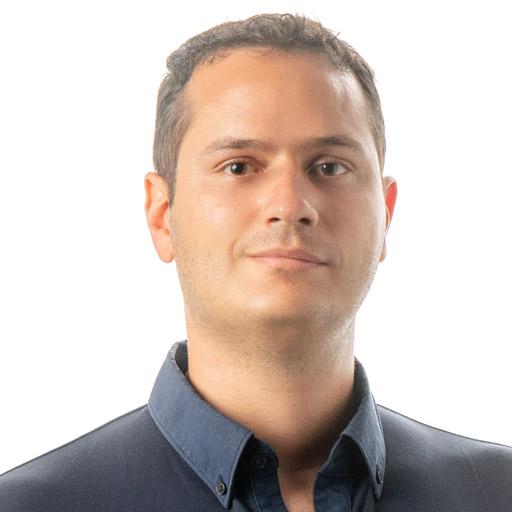
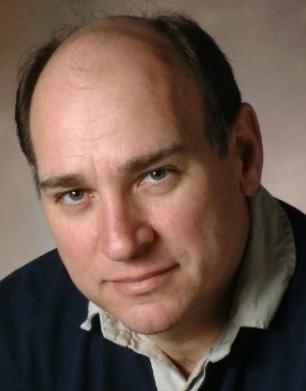
Septimiu E. Salcudean is a Professor at the University of British Columbia's Department of Electrical and Computer Engineering, holding the C.A. Laszlo Chair in Biomedical Engineering and a Canada Research Chair. His research focuses on medical robotics, image guidance systems, and ultrasound elastography. He has contributed to advancements in haptic interfaces, teleoperation, and needle insertion modeling. Education: B.Eng and M.Eng from McGill University (1979-1981), Ph.D. from UC Berkeley (1986). He has held positions at IBM T.J. Watson Research Center and was a Killam Research Fellow at ONERA in France. His work spans robotics, biomedical engineering, and surgical systems. Research interests include medical robotics, real-time imaging, and surgical navigation. Notable projects involve ultrasound-guided surgery, vibro-elastography for tissue characterization, and haptic feedback systems. His lab, the Robotics and Control Laboratory (RCL), develops technologies like the da Vinci surgical system integration with ultrasound imaging. Awards include the NSERC Synergy Award, IEEE Fellowship, and UBC Killam Research Prize. He has advised over 30 graduate students and published extensively in robotics and biomedical journals.
Prof. Abbas Samani is a Professor at the Department of Electrical and Computer Engineering and holds a joint appointment in the Department of Medical Biophysics at Western University . He is a core faculty member of the Biomedical Engineering Graduate Program and an Associate Scientist at Imaging Research Laboratories of Robarts Research Institute . His academic journey includes a Ph.D. from the University of Waterloo, an M.Sc. from the University of Tehran, and a B.Sc. from Amirkabir University of Technology. His research focuses on biological tissue computational modeling and its applications in medical imaging, intervention, and image analysis . He develops computer/image-assisted tools for minimally invasive disease diagnosis and therapy , targeting heart disease, cancer, and lung disease . Key projects include myocardium biomechanical modeling , handheld medical devices for breast cancer screening , and lung disease diagnostics via CT image segmentation . His recent publications emphasize ultrasound elastography , finite element modeling , and inverse problems in biomechanics , primarily in journals like IEEE Transactions on Computational Imaging and Translational Oncology . His work spans both computational modeling and medical device development . Selected Graduate Supervision : Ph.D. Candidates : Seyed Hassan Haddad, Elham Karami, Seyed Mohammad Hesabgar Graduated Ph.D. Students : Ali Sadeghi Naini, Seyed Reza Mousavi M.Sc. Students : Cristian Linte, Patrick Courtis, Joseph O'Hagan, Hatef Mehrabian, Hirad Karimi, Hosein Amooshahi, Seyed Mohammad Hesabgar, Nastaran Ghadarghadr, Shadi Shavakh, Ehsan Salamati, Ehsan Omidi Teaching Contributions : Graduate: BME9519B/CAMI9519B/ECE9202B/ECE9022B - Advanced Image Processing and Analysis , MBP9530A - Human Biomechanics and Biomedical Applications Undergraduate: ECE4438B - Advanced Image Processing and Analysis , ES1050 - Introductory Engineering Design and Innovation Studio , MBP3330F - Human Biomechanics and Biomedical Applications Research Affiliations : Robarts Research Institute - Associate Scientist at Imaging Research Laboratories Western University - Core Faculty, Biomedical Engineering Graduate Program
WonSook Lee is a tenured Full Professor in the School of Electrical Engineering and Computer Science at the University of Ottawa’s Faculty of Engineering. Her expertise spans medical imaging, machine/deep learning, computer graphics, and computer vision. She earned her Ph.D. in Computer Science from the University of Geneva (Switzerland) and holds degrees from POSTECH (Korea) and NUS (Singapore). Before academia, she worked at Korea Telecom, Samsung Advanced Institute of Technology, and Eyematic Interfaces Inc. (USA). Her research focuses on applications such as virtual/augmented reality, MRI/CT/Ultrasound analysis, and 3D mesh modeling. She has authored over 130 publications, including 30+ journal papers, and serves on conference committees and editorial boards. Lee has secured major grants (NSERC, CFI, ORF) as Principal Investigator and contributed to global initiatives like South Korea’s National Research Foundation. Her lab explores cutting-edge techniques in medical imaging, AI-driven object detection, and multimodal systems. Notable projects include adversarial perturbation analysis for model robustness, cross-domain GANs for semantic segmentation, and real-time ultrasound-enhanced pronunciation training. She actively promotes interdisciplinary research in healthcare technology and autonomous systems.
Matthew Holden is an Associate Professor in the School of Computer Science at Carleton University. He holds a PhD (2018) and MSc (2014) from Queen's University and a BScH (2012) from Western University. His research focuses on Surgical Data Science, applying machine learning to surgical time-series data from operating rooms and simulations to improve patient outcomes and surgical training. Key areas include real-time decision support, performance assessment, and surgical efficiency through domain-knowledge integration. Research interests emphasize machine learning for surgical workflows, skill assessment via sensor data (e.g., motion tracking, EEG), and computer-assisted interventions. Notable work includes automated proficiency evaluation in cataract surgery, ultrasound-guided procedures, and neurosurgical training. His contributions span medical robotics, surgical education, and clinical decision support systems. Publications highlight advancements in surgical workflow anticipation, tool detection, and skill metrics across domains like ophthalmology, emergency medicine, and neurology. Holden advocates for interdisciplinary approaches combining computational methods with clinical expertise to enhance healthcare delivery.
Babak Taati is an Associate Professor at the University of Toronto (UofT), affiliated with the Department of Computer Science, Institute of Biomedical Engineering (BME), and Rehabilitation Sciences Institute (RSI). He holds the Barbara G. Stymiest Chair in Rehabilitation Technology Research at UHN and is a Senior Scientist at KITE, UHN's research arm. He is also a Vector Institute Faculty Affiliate. His work focuses on applying computer vision and machine learning to healthcare challenges, particularly in rehabilitation technologies for aging populations, gait analysis, fall prevention, and dementia care. Taati leads the Aging team at KITE and is affiliated with the Intelligent Assistive Technology and Systems Lab (IATSL) and the Computational Vision group. Research interests include noninvasive monitoring of health conditions such as Parkinsonism, sleep apnea, and pain management in older adults. His contributions span datasets like the Toronto NeuroFace Dataset and TOAGA archive, emphasizing clinical applications. Taati has taught CSC420 (Image Understanding) repeatedly and has organized workshops on topics like AI in dementia care and ambient intelligence in healthcare. His awards include the TRI-UHN Best Paper Award (2017) and the AMS Healthcare Fellow in Compassion and Artificial Intelligence (2021). He has advised students like Michael Li and collaborates on grants involving federal initiatives (e.g., FedDev Ontario). His research bridges theoretical computer science with practical healthcare solutions, addressing unmet clinical needs through vision-based systems.
Dr. Anil Ufuk Batmaz is an Assistant Professor in the Department of Computer Science and Software Engineering at Concordia University. His research focuses on Virtual Reality (VR), Augmented Reality (AR), and Human-Computer Interaction, with emphasis on interaction techniques, immersive analytics, and motor skill training systems. He holds a BSc in Electrical and Electronics Engineering (2007-2011), an MSc in the same field (2011-2013), and a PhD in Biomedical Engineering (2015-2018). His work bridges engineering and cognitive science, investigating how visual and haptic feedback impact user performance in immersive environments. Research interests include: 3D interaction techniques for mid-air tasks Effects of display technologies on motor coordination Hybrid UI design for mixed reality systems Training systems for precision tasks using VR Recent publications emphasize evaluation of AR/VR interfaces in healthcare, sports training, and collaborative environments. His work has appeared in venues like IEEE TVCG, ACM CHI, and ISMAR, addressing challenges in spatial navigation, error feedback, and system reliability.
Fuchsia Howard, PhD, RN serves as an Associate Professor and PhD Coordinator at the University of British Columbia School of Nursing. Her office is located at T201 2211 Wesbrook Mall, Vancouver, BC V6T2B5, with contact via phone (1-604-822-4372) and email (fuchsia.howard@ubc.ca). Her research spans oncology nursing, reproductive health, critical care survivorship, and health equity . She investigates fertility preservation for cancer patients, endometriosis-associated dyspareunia management, and digital health interventions for sexual health. Her work emphasizes patient-reported and family-reported outcomes , particularly in chronic disease management and post-ICU recovery. Current projects address social determinants of health in critical illness survivorship and destigmatizing design for sexual health technologies. Her recent publications (2023-2025) demonstrate strong focus on Patient-centered outcome measures in oncology and gynecology Digital resource development for endometriosis and fertility challenges Family caregiver roles in critical illness recovery Health equity in Canadian cancer care systems Key methodologies include qualitative studies, scoping reviews, and mixed-methods approaches. As PhD Coordinator, she guides nursing doctoral candidates though specific students aren't listed in available materials. Her work connects with clinical practice through collaborations with BC Cancer and UBC-affiliated hospitals.
Septimiu (Tim) E. Salcudean is a Professor in the Department of Electrical and Computer Engineering at the University of British Columbia (UBC), holding both the Laszlo Chair in Biomedical Engineering and a Canada Research Chair. He earned his BEng and MEng from McGill University and his PhD from UC Berkeley in Electrical Engineering. From 1986 to 1989, he was a Research Staff Member at IBM T.J. Watson Research Center's robotics group before joining UBC. Education: BEng (McGill University, 1979) MEng (McGill University, 1981) PhD (University of California at Berkeley, 1986) Dr. Salcudean's research focuses on Medical Robotics , Image-Guided Interventions , and Elastography applications . He develops systems for robot-assisted surgery with da Vinci integration and ultrasound vibro-elastography for tissue parameter identification. His work spans prostate brachytherapy guidance , needle insertion simulation , and haptic interfaces for virtual environments. His research projects include Medical robotics with da Vinci system integration Ultrasound vibro-elastography for tissue analysis Needle insertion simulation in deformable tissue Prostate brachytherapy treatment planning His publications demonstrate expertise in Robotics and control systems Medical imaging and segmentation Teleoperation and haptics Scientific Awards: NSERC Synergy Award (2009) IEEE Fellowship (2004) UBC Killam Research Prize (2004) PRECARN Research Excellence Award (2008) Best Paper Awards (2004, 2003, 1999) As Technical/Editorial Board member of IEEE Transactions on Robotics and steering committee member at IPCAI , he contributes to academic leadership. He has supervised numerous graduate students in projects ranging from medical ultrasound to needle steering systems , with funding from NSERC, CIHR, and NIH. The Robotics and Control Laboratory at UBC, which he co-leads, houses advanced equipment including 5-DOF haptic interfaces, ultrasound machines, and motion simulators for medical and industrial applications.
Owais Khan serves as an Assistant Professor in the Department of Biomedical Engineering at Toronto Metropolitan University, where he leads research in cardiovascular biomechanics to improve heart disease diagnosis and treatment through engineering-driven approaches combining computational simulations, medical imaging, and biomechanics. His research program focuses on three interconnected pillars: developing physics-based computational models for blood flow simulation in patient-specific anatomies; advancing medical imaging techniques like dynamic CT myocardial perfusion and vessel wall MRI for quantitative physiological assessment; and conducting fundamental biomechanics studies to optimize prosthetic valve designs. This work directly addresses critical clinical challenges including heart surgery complications, aneurysm rupture prediction, and vein graft failure in coronary bypass patients. Khan's publication record demonstrates consistent innovation in cardiovascular computational modeling, with recent work emphasizing personalized medicine through physics-informed neural networks, multi-fidelity uncertainty quantification, and integration of CT perfusion imaging for coronary hemodynamics. His research bridges engineering principles with clinical cardiology to enable virtual treatment planning and risk stratification without additional patient risk. His scientific contributions have been recognized with prestigious awards including the American Heart Association Postdoctoral Fellowship, NSERC Postdoctoral Fellowship, Baxter Young Investigator Award, and MITACS Globalink Research Award. As director of the Cardiovascular Imaging and Modeling Biomechanics Lab (CIMBL), Khan maintains active collaborations with clinicians and radiologists at major hospitals, facilitating direct translation of engineering solutions to clinical cardiovascular medicine through a multi-disciplinary approach focused on personalized treatment strategies.
James Stewart is a Professor at Queen's University's School of Computing. His research focuses on biomedical computing and surgical navigation systems. Education: Ph.D. in Computer Science from Cornell University (1992) Location: Office Goodwin 732 Contact: Phone 613 533-3156 Research Interests Professor Stewart's work bridges computer graphics, image processing, and medical applications. Key areas include: Computer-assisted surgical navigation 3D medical visualization Geospatial data representation Robust geometric computation Human-computer interaction in clinical settings Medical imaging uncertainty analysis Scientific Awards Best Poster Award (2013) for 'Image-guided Osteochondral Autologous Autografting of the Ankle' Publications His publications span multiple domains including: Computer graphics algorithms Medical imaging techniques Geospatial visualization Biomedical engineering applications Surgical navigation systems Robust geometric computation
Dr. Stella Daskalopoulou is a Senior Scientist at the Research Institute of the McGill University Health Centre (RI-MUHC) and a Professor in the Department of Medicine at McGill University's Faculty of Medicine and Health Sciences. She specializes in translational cardiovascular research with a focus on vascular health, atherosclerosis, and hypertension management. Senior Scientist, RI-MUHC Glen site Professor, Department of Medicine, McGill University Member, Cardiovascular Health Across the Lifespan Program Research Focus: Her work integrates biomedical technology with clinical investigation to identify early vascular impairment markers. Key areas include: Arterial stiffness and hemodynamic assessment Adiponectin signaling pathways in atherosclerosis Sex-specific cardiovascular risk stratification Biomarker discovery for plaque instability Pregnancy-related vascular complications Machine learning applications in plaque classification Scientific Engagement: Dr. Daskalopoulou contributes to hypertension guideline development (2024 ESC Guidelines) and explores environmental impacts on vascular health (household pollution studies). Her recent publications emphasize: Deep learning for plaque characterization Sex hormone receptor pathways in atherosclerosis Adipokine interactions with HDL metabolism Clinical decision tools for preeclampsia prediction Laboratory: Leads the Vascular Health Unit at RI-MUHC, combining histopathology, immunophenotyping, and advanced imaging for translational research.
Lindsey Westover, PhD, PEng, serves as an Associate Professor in the Department of Mechanical Engineering and Associate Dean in the Faculty of Engineering at the University of Alberta. Her research and teaching activities are centered in the Biomedical Engineering program, with her laboratory located in the Donadeo Innovation Centre for Engineering (13-224, 9211 116 St, Edmonton, AB T6G 2H5). She maintains an active research profile while contributing to academic leadership through her deanship. Her educational background includes: 2018: Postdoctoral Fellowship in Rehabilitation Medicine, University of Alberta 2016: Ph.D. in Mechanical Engineering, University of Alberta 2011: M.Sc. in Mechanical Engineering, University of Calgary 2007: B.Sc. in Mechanical Engineering, University of Calgary Dr. Westover's research program spans biomechanics and biomedical engineering with emphasis on noninvasive assessment of biological structures, vibration analysis for percutaneous implants, joint biomechanics (ligaments and cartilage), spinal deformity analysis through asymmetry metrics, mechanical testing of biological tissues, and computational modeling of biological systems. Her work integrates laboratory experiments, computational methods, and in vivo studies to develop innovative diagnostic and therapeutic approaches. Analysis of her 15 most recent publications (2018-2020) reveals consistent focus on bone mechanics, implant stability, and symmetry analysis across orthopedics, audiology, and dentistry. Key themes include osseointegration evaluation using ASIST technology, pelvic/spinal deformity quantification, and computational modeling of biological structures. Her work appears in high-impact journals spanning engineering and clinical disciplines, demonstrating strong interdisciplinary collaboration. Scientific recognition includes: Nomination for Ear and Hearing 2018 Editor's Award for bone conduction device research Dr. Westover mentors graduate students through co-authorship on numerous publications and teaches core mechanical engineering courses including MEC E 451 (Vibrations and Sound), MEC E 390 (Numerical Methods), and MEC E 200 (Introduction to Mechanical Engineering). Her research is supported by collaborative grants with clinical partners and engineering colleagues. She leads biomechanics research within the Department of Mechanical Engineering, collaborating extensively with the Faculty of Rehabilitation Medicine and surgical departments. Her laboratory develops advanced testing systems like ASIST for implant stability evaluation across hearing devices and dental applications, while her computational work informs clinical approaches to scoliosis management and fracture reconstruction.
Jonathan Gammell is an Assistant Professor at Queen's University's Department of Electrical and Computer Engineering and a member of the Ingenuity Labs Research Institute. He holds an adjunct fellowship at the Oxford Robotics Institute (University of Oxford), where he previously taught. His expertise spans autonomous systems, robotics, and AI, with a focus on motion planning for diverse applications, including medical devices, self-driving cars, and aerial robotics. He leads the Estimation, Search, and Planning (ESP) group, which develops algorithms for autonomous systems. Educations: BASc in Mechanical Engineering and Physics from the University of Waterloo MASc and PhD in Robotics from the University of Toronto Institute for Aerospace Studies Research Interests: Dr. Gammell's work addresses fundamental motion planning challenges in robotics, emphasizing asymptotically optimal algorithms like BIT*, AIT*, and FCIT*. His research integrates robotics with medical applications (e.g., knee replacement implants) and autonomous systems (e.g., aerial mapping for emergency response). His algorithms are widely adopted in industry and academia, including collaborations with NASA JPL and Oxford orthopaedic surgeons. Publications: His recent work explores advanced motion planning frameworks (e.g., AORRTC, Osprey), multimotion visual odometry (MVO), and medical robotics applications. These contributions highlight his dual focus on theoretical algorithm development and practical, high-impact applications. Awards: CIPPRS Award for Best Canadian PhD Thesis (Medical Imaging/Robotics) NASA Group Achievement Award (2021, 2022) IROS Best Paper Shortlist (2020) Advising & Grants: He advises on projects involving autonomous systems, medical robotics, and AI. His grants support collaborations with industry and academic partners, including NASA JPL and Oxford's robotics and medical teams. The ESP group's open-source tools (e.g., Planner Developer Tools) enable reproducible motion-planning research. Labs/Teams: He leads the ESP research group at Queen's University and collaborates with the Oxford Robotics Institute and Ingenuity Labs, focusing on cutting-edge robotics solutions for real-world challenges.
Tim Salcudean is a Professor in the Department of Electrical & Computer Engineering and School of Biomedical Engineering at the University of British Columbia, holding the Charles A. Laszlo Chair in Biomedical Engineering. His research focuses on medical robotics, teleoperation systems, and image-guided interventions, with notable contributions to ultrasound technology, needle steering, and surgical robotics. He collaborates with clinicians to advance diagnostic and therapeutic methods, particularly in prostate cancer imaging and robot-assisted surgery. Key research themes include haptic interfaces, control systems for teleoperation, and biomedical device development. His work combines robotics, control theory, and medical imaging to enhance precision and safety in surgical procedures. Notable projects involve robotic systems for medical ultrasound and adaptive control strategies for stable teleoperation under time delays. Publications span over three decades, emphasizing medical robotics, image-guided interventions, and control systems. His research has been widely cited, reflecting significant impact in both engineering and healthcare fields. Current efforts aim to integrate artificial intelligence with medical imaging to improve cancer diagnosis and treatment planning.
Houssem Gueziri serves as a Professor at TÉLUQ University, leveraging his expertise in computer science to advance medical technology applications. He holds a Bachelor's degree in Software Engineering from Houari Boumediene University of Science and Technology (USTHB), a Master's in Computer Science specializing in image processing from Paris Descartes University, and a Ph.D. in Engineering from École de technologie supérieure (ÉTS) awarded in 2017. His academic credentials include: Bachelor of Software Engineering, USTHB (Algiers) Master of Computer Science (Image Processing), Paris Descartes University Ph.D. in Engineering (Health Technology), ÉTS (2017) Professor Gueziri's research integrates medical imaging with interactive technologies, focusing on user-centered design of segmentation methods for medical images and ultrasound-guided neurosurgery navigation systems. His work spans three core domains: surgical assistance systems, medical education/simulation platforms, and low-cost medical device development. Key methodologies involve machine learning, virtual/augmented reality, and digital image processing to create immersive visualization solutions for clinical applications. Prior to his appointment at TÉLUQ, he conducted postdoctoral research and served as a Research Associate at McGill University's Department of Neurology and Neurosurgery, where he developed smart sensor technologies and navigation systems for neurosurgical procedures. He maintains professional certification as a member of the Ordre des ingénieurs du Québec.