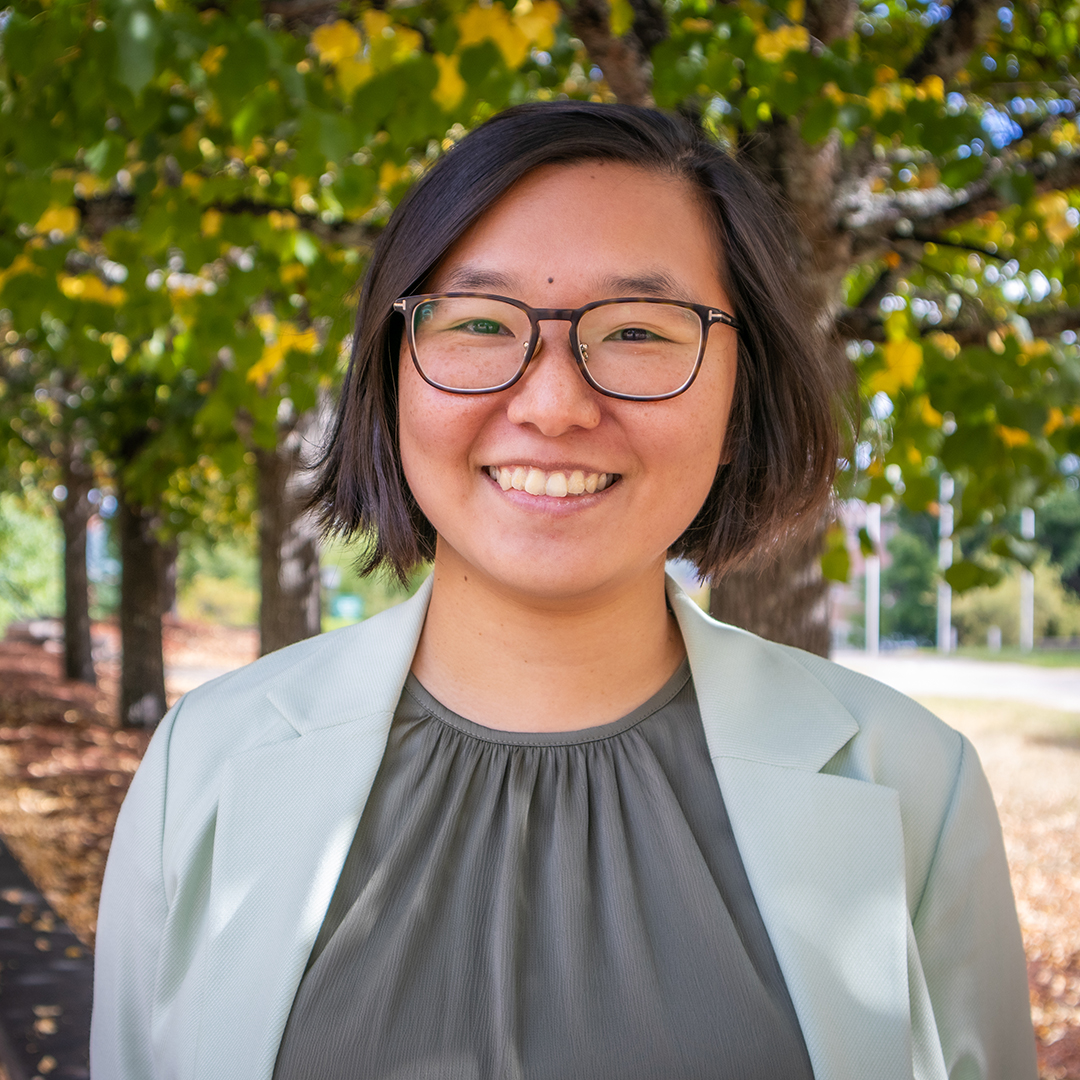
Lavy KhoushinskyView profile
Assistant Professor
Lavy Khoushinsky serves as Assistant Professor in the Marketing Department at Laval University's Faculty of Administrative Sciences, where he maintains an active research program bridging analytical marketing, artificial intelligence, and consumer behavior. His work addresses critical contemporary challenges including ideological polarization in markets, healthcare access barriers, and ethical AI implementation. His educational foundation includes a Ph.D. from Smith School of Business, Master's in Sustainable Energy Policy from Carleton University, and Bachelor's in Communication from Concordia University. This interdisciplinary background informs his research approach that integrates technical marketing analytics with social impact considerations. Professor Khoushinsky's research program demonstrates remarkable thematic evolution from sustainable transportation (2019) through banking experience innovation (2020-2021) to his current focus on AI-consumer interactions in contested spaces. His 14 publications (2019-2025) reveal three dominant trajectories: AI-Mediated Consumer Interactions (50% of recent work): Examining chatbots, healthcare navigation systems, and accountability frameworks Ideological Market Dynamics (30%): Analyzing niche marketing in polarized environments and consumer discourse patterns Technology Adoption Barriers (20%): Studying privacy paradoxes, e-waste responsibility, and mixed-reality banking experiences His methodological approach combines computational linguistics with experimental design to address complex marketing phenomena. Through his teaching portfolio spanning Marketing Principles to AI applications, Professor Khoushinsky prepares students for evolving marketing landscapes. His course development emphasizes practical analytical skills while addressing contemporary ethical challenges in digital marketing. The collaborative nature of his publication record (80% co-authored) indicates strong team-based research practices and interdisciplinary connections across institutions.