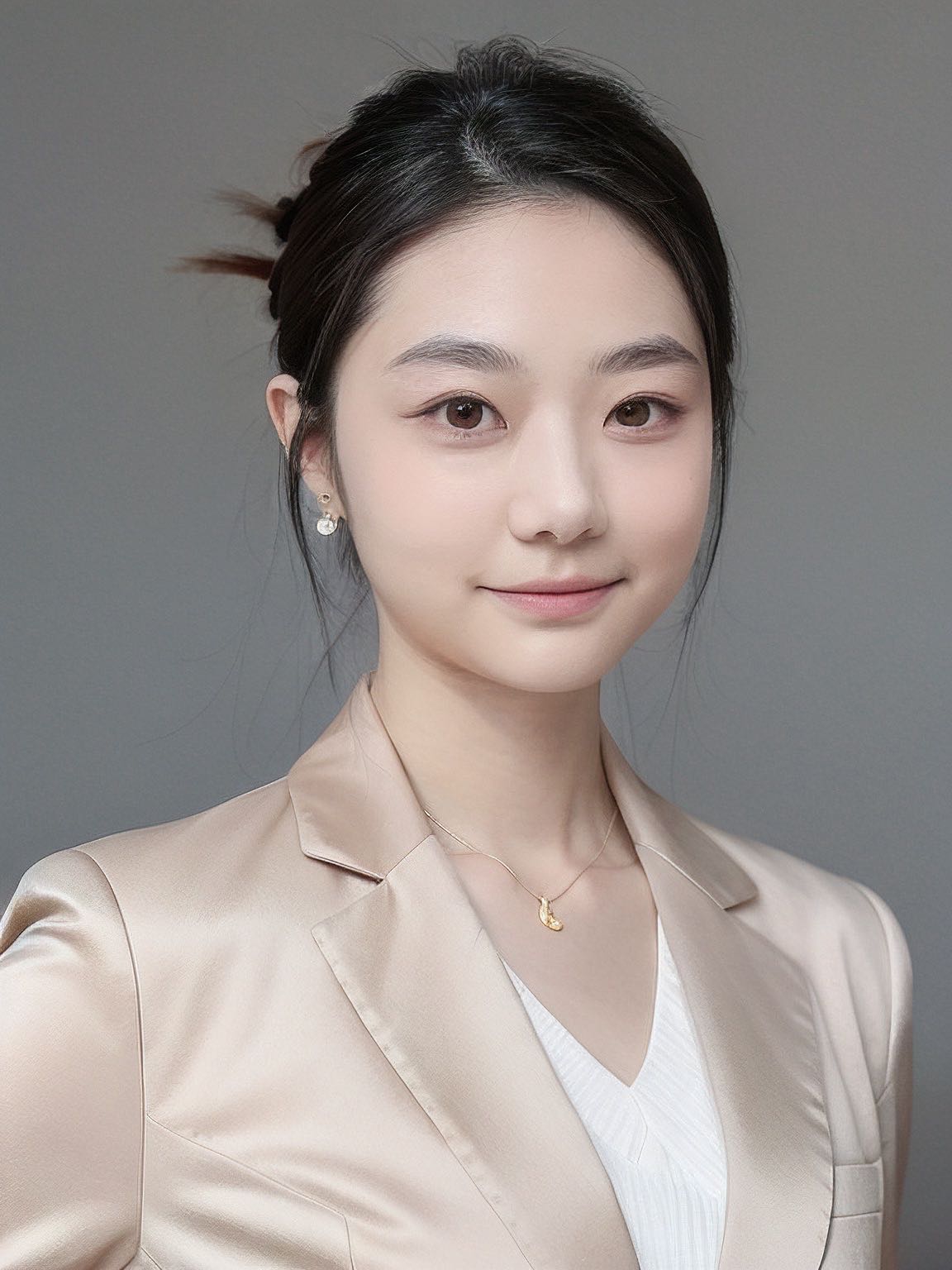
Timothy Hale is a Teaching Assistant Professor in the Department of Kinesiology and Community Health at the University of Illinois. His research focuses on digital inequality , health information technology , and technology usability for older adults . Collaborations with institutions like Taylor and Francis, Frontiers in Public Health, and the International Symposium on Human Factors and Ergonomics in Health Care Research areas include: Social media regulation in healthcare LGBTQ+ virtual outreach Usability testing for mobile health apps Legacy and emergent digital inequalities Key research trends from 2014-2024 show interdisciplinary work at the intersection of public health , gerontechnology , and digital equity . His work spans user-centered design , telemedicine , and health behavior analysis across diverse populations.
Dr. Alexander Kirpich is an Assistant Professor in the Department of Population Health Sciences at Georgia State University's School of Public Health. With a Ph.D. in Biostatistics from the University of Florida (2015) and prior postdoctoral experience in infectious disease modeling, he specializes in biostatistical analysis and epidemiological forecasting. Since joining Georgia State in 2019, his work integrates viral genomics, public health surveillance, and computational modeling to address emerging disease threats. Ph.D. in Biostatistics, University of Florida (2015) Master of Statistics, University of Florida (2011) Specialist Degree in Mathematics, Belarusian State University (2006) His research focuses on infectious disease modeling , including COVID-19 , HIV , mpox , and cholera , employing techniques like epidemic forecasting , genomic analysis , and statistical modeling . He also develops computational tools (e.g., StatModPredict) for public health applications and contributes to interdisciplinary projects on food security, smoking cessation, and pediatric health outcomes. Dr. Kirpich's recent work demonstrates trends in Integrating internet search data with traditional epidemiological models Applying machine learning to genomic datasets Developing agent-based stochastic models for disease transmission Quantifying excess mortality in politically constrained settings Contact: akirpich@gsu.edu | Office: Urban Life Building, Suite 407, Atlanta, GA
Tara Johnson, M.D., is an Assistant Professor in Pediatric Neurology at the University of Arkansas for Medical Sciences College of Medicine. She serves as Founding Director of the Arkansas Children’s Biomedical Innovations Program. Her research focuses on early identification of neurodevelopmental disabilities in infants, particularly cerebral palsy prediction using movement assessment tools. She specializes in translating diagnostic methods like the General Movement Assessment into clinical practice. Publications (2013-2025) concentrate on: Movement analysis and cerebral palsy prediction in high-risk infants Innovative diagnostic tools including AI-based movement quantification Neurodevelopmental outcomes in congenital heart disease patients Assistive technologies for motor impairments Clinical management of Tourette syndrome She leads implementation of novel clinical protocols for early diagnosis at Arkansas Children's Hospital. Mentors include Alan Tackett, Ph.D. and Kenneth Knecht, M.D.
Tim Salcudean is a Professor in the Department of Electrical & Computer Engineering and School of Biomedical Engineering at the University of British Columbia, holding the Charles A. Laszlo Chair in Biomedical Engineering. His research focuses on medical robotics, teleoperation systems, and image-guided interventions, with notable contributions to ultrasound technology, needle steering, and surgical robotics. He collaborates with clinicians to advance diagnostic and therapeutic methods, particularly in prostate cancer imaging and robot-assisted surgery. Key research themes include haptic interfaces, control systems for teleoperation, and biomedical device development. His work combines robotics, control theory, and medical imaging to enhance precision and safety in surgical procedures. Notable projects involve robotic systems for medical ultrasound and adaptive control strategies for stable teleoperation under time delays. Publications span over three decades, emphasizing medical robotics, image-guided interventions, and control systems. His research has been widely cited, reflecting significant impact in both engineering and healthcare fields. Current efforts aim to integrate artificial intelligence with medical imaging to improve cancer diagnosis and treatment planning.
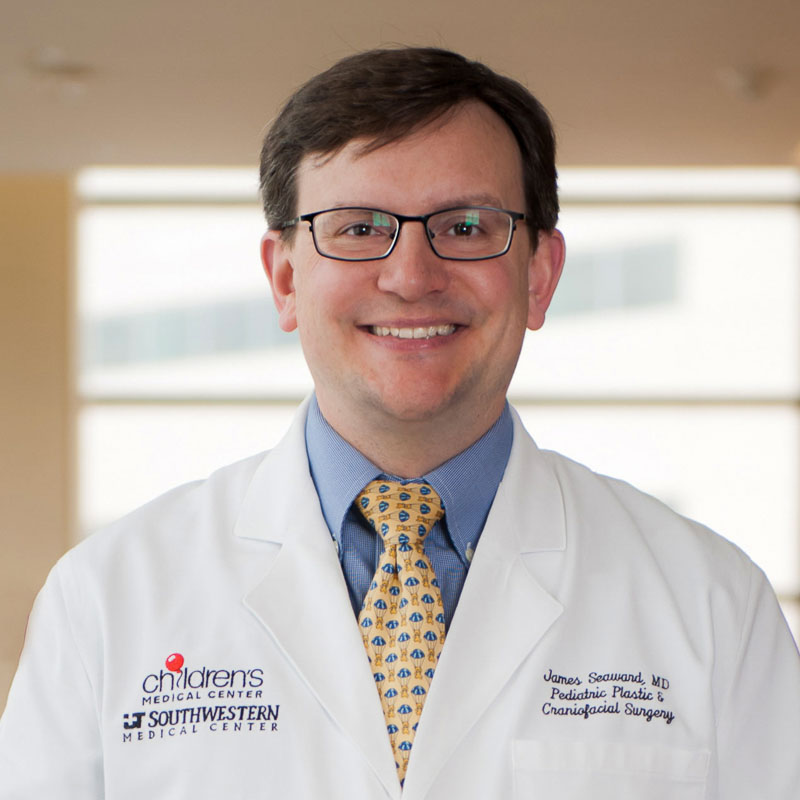
Dr. James Seaward is an Associate Professor of Pediatric Plastic and Craniofacial Surgery at UT Southwestern Medical Center and a pediatric plastic surgeon at Children’s Health℠. He specializes in cleft lip and palate surgery, craniofacial reconstruction, and vascular anomalies. His clinical practice focuses exclusively on pediatric cases, emphasizing minimally invasive techniques and multidisciplinary team care. Education: MBBS from Royal Free and University College Medical School (2000), Fellowship training in pediatric plastic surgery at UT Southwestern Certifications: Board-certified in plastic surgery (UK), Fellow of the Royal College of Surgeons of England Research interests include 3D imaging for facial asymmetry evaluation, cleft speech acoustics, MRI applications for speech disorders, and computer-aided surgical design. He leads the 22q Multi-Specialty Clinic and co-directs the Vascular Anomalies Team Clinic at Children’s Medical Center, Dallas. Publications emphasize surgical outcomes in craniofacial conditions, innovations in imaging, and multidisciplinary care models. Notable contributions include work on cleft palate speech analysis and minimally invasive craniosynostosis techniques. Awards: Royal College of Surgeons Fellowship He oversees surgical residency training as Associate Program Director and mentors craniofacial fellows. Active in global health, he previously volunteered with Operation Smile in Ghana.
Virpi Vellonen is a Lecturer at the University of Eastern Finland , affiliated with the Special Education department under the School of Educational Sciences and Psychology . Her work focuses on leveraging educational technology to support children with autism spectrum disorders (ASD) , emphasizing inclusive pedagogy and student well-being . She has led projects like Student Teacher Well-Being: Deepening Understanding and Building Support (STeWDUBS) , which explored stress and resilience in teacher training. Research Interests : Designing technology-enhanced learning environments for ASD students, strength-based educational models , and DIY (do-it-yourself) educational tools . Key Contributions : Validating inclusion measures in Finnish higher education, analyzing narrative research in teacher well-being, and pioneering participatory design with ASD children and families. Email : virpi.vellonen@uef.fi
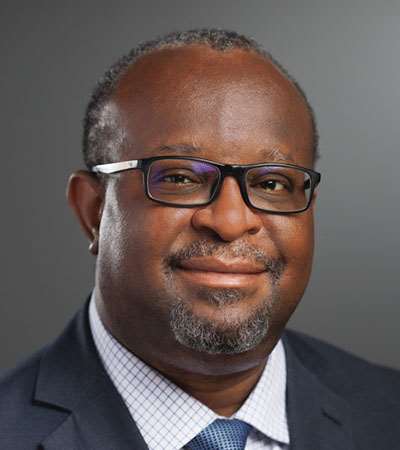
Akinyemi I. Ojesina, MD, PhD is an Assistant Professor in the Department of Obstetrics & Gynecology at the Medical College of Wisconsin (MCW). He leads the Ojesina Oncopathogenomics Laboratory, which investigates the underlying causes of cancer through the lens of tumor ecology, where microbes synergize with genomic alterations to influence tumor initiation, progression, response to therapy, and prognosis. His work bridges translational genomics, metatranscriptomics, molecular epidemiology, and precision oncology. Dr. Ojesina's research program focuses on three primary areas: genomic characterization of molecular drivers in women's cancers, biology of atypical cervical cancers (particularly HPV-independent tumors), and the role of tumor microbiome in cancer initiation and progression. His laboratory applies cutting-edge genomic analyses and laboratory experiments to interrogate population-based patient samples, cell lines, and animal models. A key methodological contribution is his co-development of PathSeq, a computational tool for identifying microbial sequences in high-throughput sequencing data. His recent publications demonstrate a strong emphasis on cervical cancer genomics, with particular attention to HPV-related mechanisms, genomic alterations, and potential therapeutic targets. Across his work, Dr. Ojesina integrates multiple approaches including genomic sequencing, transcriptomic analysis, and functional validation to uncover novel insights into cancer biology, with implications for diagnostic biomarkers and predictive models in both local and global health contexts. Dr. Ojesina leads an active research team comprising postdoctoral researchers and fellows, and has secured significant funding from the National Cancer Institute for his project 'Molecular Markers for Tumors Associated with Extrachromosomal HPV' (2024-2029). His collaborative approach is evident in numerous multi-institutional publications, including major contributions to The Cancer Genome Atlas (TCGA) and other large consortia focused on cervical cancer genomics. His work has appeared in high-impact journals including Nature, Nature Genetics, and Cancer Cell.
Professor Bob Doherty serves as Dean of the School for Business and Society at the University of York. A leading scholar in hybrid organizations, fair trade, and sustainable food systems, he holds a Professorship in the field of management and public policy. He has secured over £10.1m in grant funding, including a £6m UKRI award for the FixOurFood project, which focuses on regenerative food systems. His research bridges academia and policy, with significant contributions to DEFRA's science research program and advisory roles for the National Food Strategy and Co-op's Future of Food Strategy. Research & Grants Principal Investigator of FixOurFood (£6m, 2020) IKnowFood Project (£3.4m, 2016) ESRC Business Boost Grant (2018) on hybrid organizations in agriculture Newton Fund Grant (2018) for small-scale agriculture in the Mekong Region Policy & Public Engagement Provided oral/written evidence to UK Parliament committees (House of Commons, EFRA, Lords Food Poverty) and advised on national food strategies. Serves as a trustee of the Fairtrade Foundation and member of Fera Science Committee. Education & Students Supervises PhD students in areas like UK Food Poverty, Big Data in food trust incidents, and socio-ecological supply chains. Former roles include Deputy Dean (2013-2015) and Acting Dean (2015-2016) at York Management School. Labs & Collaborations Lead of N8 Food Systems Policy Hub Director of YESI Sustainable Food Research Theme Collaborations across UK universities (Oxford, Leeds, Manchester, etc.) and global partners
James Agutter is an Associate Professor at the University of Utah's School of Architecture, with research focusing on information visualization in healthcare and cybersecurity. He serves as Director of the Spark Design Initiative and Bachelor of University Studies. His work has produced patents in medical device design and software tools like eSNAP and HAIL-CAT. University of Utah, School of Architecture (2016–present) Research Assistant Professor (2000–2011) Director roles in design programs and undergraduate studies Research interests span healthcare systems, design informatics, and technology solutions for clinical environments. Key publications explore aging in pandemic contexts, ICU alarm management, and infusion pump interfaces. Awards include the 2016 Distinguished Innovation and Impact Award and 2014 Beacon of Excellence. 2024: Pandemic adaptations in aging environments 2023: eSNAP caregiver support tool 2021: Anesthesia pharmacology visualization 2018–2011: ICU display design, wearable clinical aids Scientific honors include: 2005 Creative Achievement Award (ACSA) 2005 AIA Top Ten Research Program 2016 University of Utah Distinguished Innovation Award
Kang Zhao is the Leonard A. Hadley Professor in Business Analytics and Senior Associate Dean at the Tippie College of Business, University of Iowa. He holds a faculty appointment in the Department of Business Analytics and is affiliated with the Interdisciplinary Graduate Program in Informatics. He previously served as Department Executive Officer (2023–2025) and Faculty Director of the Master of Business Analytics program (2020–2023). His educational background includes: PhD in Information Sciences and Technology, Pennsylvania State University MS in Computer Science, Eastern Michigan University BE in Electrical and Information Engineering, Beijing Institute of Technology Dr. Zhao's research lies at the intersection of data science and network analytics, focusing on social and business networks. His work explores social influence, engagement, and health outcomes in online health communities; develops advanced recommendation systems for social media and live streaming platforms; applies 'people analytics' to scholarly and sports data; models information and behavior diffusion; and analyzes supply chain network resilience. His research has been featured in prominent media outlets such as MIT Technology Review, Forbes, BBC, and The Washington Post. The 15 most recent publications reflect a strong trend in applying graph neural networks, dynamic representation learning, and deep learning to model complex networked systems in health, finance, and social media. Key themes include user engagement prediction, misinformation diffusion, stock movement forecasting, and personalized recommendations using temporal and structural network data. His scientific achievements have been recognized with numerous awards: Top Cited Article, Journal of the Association for Information Science and Technology (2024, 2023) Journal of Operations Management Ambassador Award (2024) Charles A. Taff Research Excellence Award, Tippie College of Business (2023) Best Paper Award, INFORMS Workshop on Data Science (2017) Early Career Faculty Research Award, Tippie College of Business (2016) Dr. Zhao has successfully led multiple research grants as Principal or Co-Principal Investigator from the National Science Foundation (NSF), National Institutes of Health (NIH), and the Institute of Museum and Library Services. His projects span topics including gender gaps in academic science, smoking cessation networks, misinformation in health communities, and disaster resilience in public libraries. He actively mentors a cohort of PhD and master’s students, many of whom have secured positions in academia and leading industry firms. He also contributes to the academic community through editorial roles at top journals such as Decision Support Systems , Electronic Commerce Research and Applications , and Journal of the Association for Information Science and Technology . He leads the Data and Network Analytics Research Group at the University of Iowa, which focuses on cutting-edge research in network science, machine learning, and data mining applied to real-world social and business problems.
Shannon Cromwell serves as an Extension Professor with Utah State University Extension in Sanpete County, specializing in youth development and family studies. Her work spans multiple areas including 4-H youth programs, relationship education, nutrition education, and STEM engagement for families. She is actively involved in community outreach programs that connect schools, families, and communities through evidence-based educational initiatives. Extension Professor, Sanpete County, Utah State University (2011-present) Specializes in Home and Community programs with focus on youth development Coordinates 4-H programs and family relationship education initiatives Dr. Cromwell holds an MA in Human Development and Family Studies from the University of Missouri (2010) with a focus on Family Studies, and a BS in Family Studies and Human Services from Kansas State University (2000). She has also completed numerous professional certifications including Youth Mental Health First Aid (2019), Infant & Child CPR and First Aid (2018), and Master Food Preserver Certification (2011). Her research interests center on youth development through 4-H programs, strengthening interpersonal relationships, and integrating STEM education into family engagement activities. She has developed numerous curricula focused on social-emotional learning, healthy living, and family relationship education. Her work emphasizes practical applications that address community needs, particularly in rural settings, with a focus on improving protective factors among youth and strengthening family bonds through educational interventions. Analysis of her recent publications reveals a strong emphasis on social-emotional learning in afterschool settings, innovative approaches to family engagement in STEM education, and creative methods for strengthening family relationships. Her work consistently bridges research and practice, developing accessible educational materials that address contemporary challenges in youth development and family education. The Hidden Gems series represents a significant contribution to family education, offering practical activities that promote communication and bonding. Excellence in Afterschool Programming, Western Region Winner (2024) Faculty of the Year, Utah Association of Extension 4-H Youth Development Professionals (2023) Mid-Career Service Award (2022, 2023) Jim Kahler Excellence in Science, Technology, Engineering, and Mathematics (2021) Communications Award for Live Well Utah Blog (2016) Dr. Cromwell has received consistent recognition for her innovative programming and community impact, particularly in the areas of youth development and family education. Her work with the Hidden Gems curriculum and STEM family engagement initiatives has been particularly noted for its creativity and effectiveness. She has secured funding for various extension programs focused on youth development, relationship education, and nutrition education, with a strong emphasis on reaching rural communities through accessible, evidence-based approaches. She coordinates the Sanpete County 4-H programs and has developed several notable initiatives including the Hidden Gems Adventure Guides series, Family STEM Nights, and the Food Sense Nutrition Education Program. Her work often involves collaboration with local schools, community organizations, and other extension professionals to create comprehensive programs that address multiple aspects of youth and family well-being.
Alessandro Evangelista is an Assistant Professor at the Polytechnic University of Bari, Italy, within the Department of Mechanics, Mathematics & Management. His scientific-disciplinary sector is ING-IND/15, focusing on Design methods for industrial engineering. His research integrates Virtual, Augmented and Mixed Reality technologies into industrial and training contexts, with strong attention to ergonomics, safety, and human factors. Research Interests Virtual Reality (VR) and immersive simulation for industrial training and safety Augmented Reality (AR) interface design and ergonomic assessment Mixed Reality (MR) applications in product lifecycle and medical prosthesis design Human-computer interaction, cognitive workload, and age-related performance in XR systems Industry 4.0 smart maintenance and real-time data visualization Recent works repeatedly explore how immersive technologies can enhance learning outcomes, safety behaviors, and user experience across manufacturing, retail, maritime navigation and healthcare domains. Studies often adopt comparative user evaluations, ergonomic assessment protocols (e.g., RULA), and multidimensional performance metrics. Publications Trend From 2020 to 2025 Evangelista authored numerous peer-reviewed articles concentrated on immersive technologies. Major themes include: (1) VR training effectiveness for confined spaces and industrial tasks, (2) AR visualization for maintenance and navigation, (3) ergonomic and age-related factors in XR, and (4) application of cinematic VR for safety attitude change and mental-health rehabilitation. His output evidences systematic review work, empirical user studies, and tool prototyping, positioning him at the intersection of design engineering and interactive technologies. Scientific Awards & Grants No specific awards or funded projects are mentioned in the supplied material. Advising & Labs No explicit list of students or research group descriptions are provided; therefore advising activity and laboratory affiliations cannot be detailed at present.
Dr. Yixuan Zou is a Lecturer in Digital Signal Processing at the School of Electronic Engineering and Computer Science, Queen Mary University of London (QMUL). She co-teaches QMUL's Joint Programme with Beijing University of Posts and Telecommunications (BUPT). B.Sc. in Mathematics M.Sc. from Imperial College London Ph.D. in Computer Science, QMUL (2022) Her research focuses on applying artificial intelligence to wireless communications, specifically non-orthogonal multiple access (NOMA), IRSs/RISs-aided systems, and resource allocation for 6G networks. She integrates machine learning, deep reinforcement learning, and meta-learning techniques to optimize network performance. Recent publications highlight advancements in secure IoT node identification, UAV-assisted RIS-NOMA networks, STAR-RIS beamforming, and wideband near-field communication optimization. She contributes to IEEE conferences as a Technical Program Committee member and session chair. Academic Fellow at Digital Environment Research Institute (DERI) Dr. Zou supervises PhD students researching next-generation multiple access, AI-driven near-field communication, and human action recognition, while also serving as a reviewer for top-tier journals like IEEE TWC and IoT-J.
Fuad Abujarad is an Associate Professor of Emergency Medicine and Biostatistics at the Yale School of Public Health . His interdisciplinary research bridges Digital Health , Gerontechnology , and Health Informatics to address critical gaps in elder mistreatment detection and informed consent processes. PhD in Computer Science from Michigan State University (2010) MSc in Computer Science from Michigan State University (2005) His work focuses on developing Virtual cOaching in making Informed Choices on Elder Mistreatment Self-Disclosure (VOICES) – an NIH/NIA-funded digital screening tool for elder abuse – and Virtual Multimedia Interactive Informed Consent (VIC) , an AHRQ-funded mHealth solution to enhance patient comprehension. Additional projects span Personal Care Aides (PCA) workforce strengthening and Health Information Technology systems for abuse prevention. Recent publications highlight applications of his tools in dementia care , emergency departments , and primary care settings . Key trends include digital risk assessment , multimodal patient education , and fault-tolerant software design for healthcare systems. Merit of Achievements (2006) from Yale University Fulbright Fellowship (2004) Dr. Abujarad leads grants from NIA , AHRQ , CMS , RWJF , and National Institutes of Health . His lab collaborates with Michigan State University and Yale Cancer Center , emphasizing patient-centered design and real-time background check systems for long-term care worker vetting.
Daniel Appelbaum, MD, is a Professor of Radiology at the University of Chicago, specializing in nuclear medicine and molecular imaging. He serves as a radiologist and nuclear medicine physician at the University of Chicago Medicine, where he leads a section involved in multiple oncology PET/CT clinical trials. Dr. Appelbaum chairs the University of Chicago Radioactive Drug Research Advisory Committee (RADRAC) and is an active member of the national Society of Nuclear Medicine Committee on Education. Mallinckrodt Institute of Radiology at Washington University, St. Louis, MO (2000) - Fellowship in Nuclear Medicine University of Chicago, Chicago, IL (1999) - Residency in Diagnostic Radiology Mount Sinai School of Medicine, New York, NY (1995) - MD Cornell University, Ithaca, NY (1991) - BA in English Literature American Board of Radiology Certification (1999) American Board of Nuclear Medicine Certification (2000) Dr. Appelbaum's research focuses on nuclear and molecular imaging in both basic science and clinical settings. His current work includes developing a novel brain imaging agent for multiple sclerosis and a metabolic catalyst to enhance tumor detection with PET imaging. He has pioneered new strategies for computer-aided diagnosis (CAD) in nuclear medicine, for which he holds an AI patent. His research spans oncologic, neurologic, and cardiac applications of PET and PET/CT imaging, with special emphasis on metabolic tumor volume analysis, molecular targeted therapies, and quantitative imaging biomarkers. His laboratory investigates applications of artificial intelligence in radiographic image interpretation, particularly for cancer detection and monitoring treatment response. Analysis of Dr. Appelbaum's recent publications (2015-2025) reveals a strong focus on quantitative nuclear medicine imaging, particularly PET/CT applications in oncology. His work consistently explores metabolic tumor volume as a prognostic marker across various cancers including lung cancer, lymphoma, and neuroendocrine tumors. There is a clear trajectory toward integrating artificial intelligence with nuclear medicine imaging, as evidenced by his research on computer-aided diagnosis systems and quantitative image analysis. His publications span multiple disciplines including oncology, neurology, cardiology, and hematology, demonstrating the broad applicability of nuclear imaging techniques across medical specialties. America's Top Doctor (Castle Connolly, 2014-present) Chicago's Top Doctor (Chicago Magazine, 2012-present) Marc Tetalman Teacher of the Year Award (University of Chicago, 2006-2007) As an educator, Dr. Appelbaum has made significant contributions to nuclear medicine education, serving on the national Society of Nuclear Medicine Committee on Education for many years. He authored the textbook Nuclear Medicine RadCases as a comprehensive review resource for the field. He frequently accepts lecture invitations on nuclear and PET imaging at medical institutions and conferences worldwide. His research program has secured multiple clinical trials funding, particularly in oncology PET/CT applications for monitoring therapy response. Dr. Appelbaum's AI-related patent in computer-aided diagnosis represents a significant translational research achievement with potential clinical impact. Dr. Appelbaum leads a research section at the University of Chicago focused on nuclear and molecular imaging. His team collaborates extensively with oncologists, neurologists, and cardiologists on clinical trials and translational research projects. The group is particularly active in developing novel imaging biomarkers and quantitative analysis methods for cancer imaging. They maintain strong collaborations with computer science researchers for AI development in medical imaging. The section participates in multiple multi-center clinical trials evaluating PET/CT for cancer staging, treatment response assessment, and prognostication across various malignancies.