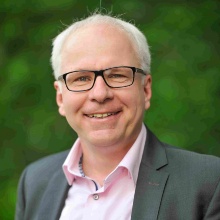
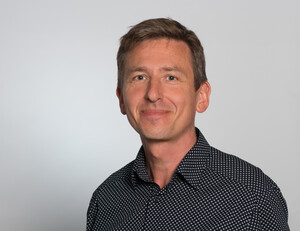
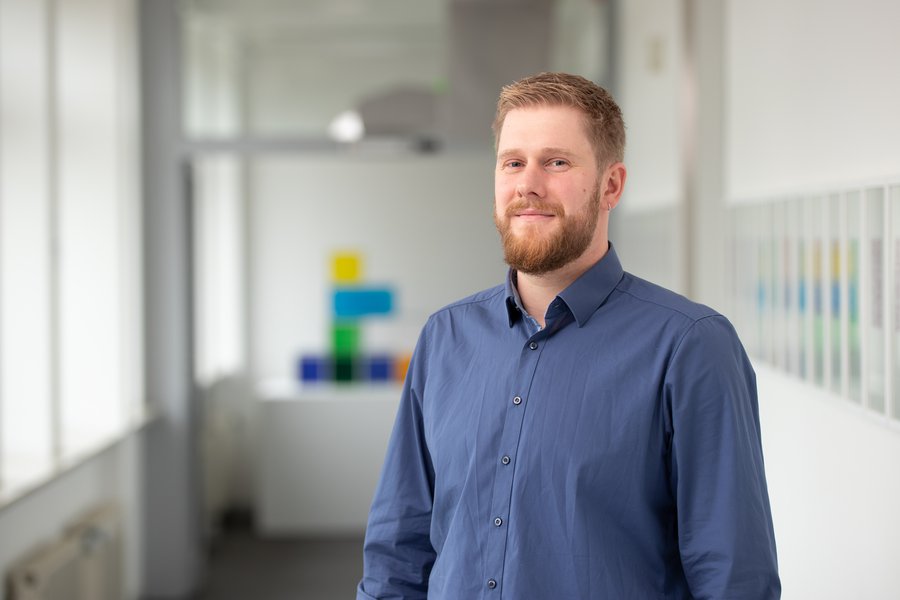
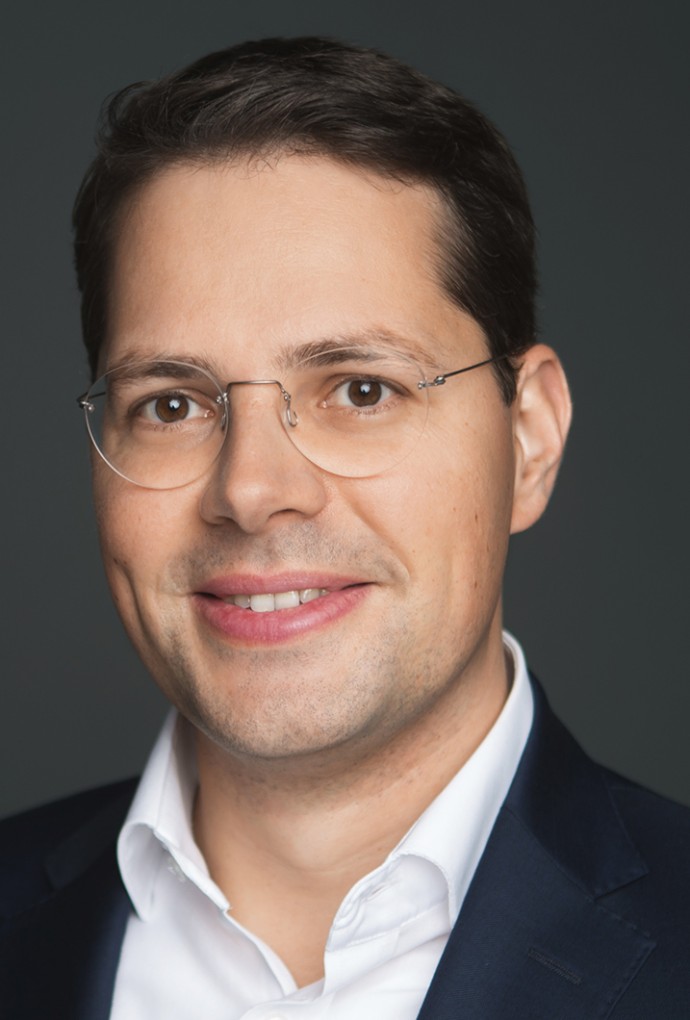
Christian Becker serves as a Professor at the Westphalian University of Applied Sciences in Gelsenkirchen, Germany, affiliated with the Faculty of Mechanical Engineering, Environmental and Building Technology. His office is located in room B2.2.24 at Neidenburger Str. 43. His research specializes in engineering simulations with emphasis on Modeling and Simulation, Building Simulation, Finite Element Method (FEM), Finite Difference Method (FDM), and computational implementations using Python. Teaching responsibilities include Mathematics 1-3, Building Simulation, Computer-Aided Engineering Mathematics, and foundational computational courses within flexible modular programs. No scientific awards, research grants, or student advising relationships are documented in the available materials. His work appears focused on practical engineering simulation applications without indication of laboratory affiliations or ongoing research teams.
Prof. Dr. Sonja Grothe is a Professor of Physics and Applied Mathematics in the Department of Mechanical Engineering, Environmental and Building Technology at Westfälische Hochschule in Gelsenkirchen, Germany, a position she has held since September 2016. Her academic journey includes significant industrial experience in chemical manufacturing prior to her current faculty role. Professor of Physics and Applied Mathematics, Westfälische Hochschule (2016-present) Plant Manager for Titanium Dioxide White Production, Huntsman P&A Germany GmbH (2015-2016) Project Manager in Process Development, Huntsman (Sachtleben Chemie GmbH) (2014-2015) Laboratory Manager, Sachtleben Chemie GmbH in Product and Application Development (2008-2014) Prof. Grothe's research focuses on nanotechnology and materials science with particular emphasis on nanoparticle synthesis, composite materials, and surface modification. Her doctoral work on FePt nanoparticles from the gas phase established her expertise in nanomaterials, which she has since translated into numerous industrial applications. Her research bridges fundamental physics with practical industrial solutions, particularly in the fields of titanium dioxide and barium sulfate composites. Her publication record shows a clear evolution from fundamental nanoparticle research toward applied industrial materials science. Recent work demonstrates expertise in nanoparticle reinforcement of polymers, functionalization of inorganic particles, and development of specialized composites with enhanced mechanical, optical, and processing properties. The interdisciplinary nature of her work spans physics, chemistry, and engineering disciplines. Graduate Prize of the Year 2000 for exceptional academic achievement PhD in Physics completed with distinction ("mit Auszeichnung") Prof. Grothe teaches core physics courses including Physics 1, Physics 2, Electrical Engineering and Electrical Machines, and Computer-Aided Engineering Mathematics 2. Her extensive industrial experience in chemical manufacturing and materials development provides practical context to her academic instruction, creating a valuable bridge between theoretical principles and real-world engineering applications.
Jakub Rosenthal serves as Professor at the Faculty of Mechanical Engineering and Environmental Technology of Amberg-Weiden University of Applied Sciences, where he also holds the position of Internship Coordinator for programs MA, MB, MO, KT, and IPM. His office is located in Building D, Room 252 in Amberg, with contact details including phone +49 (9621) 482-3339 and email j.rosenthal@oth-aw.de. Office hours for SS 2025 are Tuesdays 09:45-10:30 by appointment. His research spans critical mechanical engineering domains with emphasis on: Design and Product Development Computational Strength Verification methodologies Material Fatigue Strength analysis Mechanical Machine Elements design Advanced Computer-Aided Design (CAD) systems Finite Element Method (FEM) applications in Structural Mechanics No scientific awards were documented in available materials. Information regarding student supervision, research grants, laboratory facilities, or collaborative teams was not provided in the source documentation.
Jirka Dell´Oro-Friedl is a Professor at Furtwangen University in the Faculty of Digital Media, specializing in application design with a focus on game design since October 2010. He concurrently serves as founder and managing director of EnterTrain Software GmbH, developing award-winning educational and game software for clients including Daimler AG. Education: Diploma in Mechanical Engineering from University of Applied Sciences Wiesbaden (1987-1991), thesis: Computer-aided vibration analysis and simulation of a wind rotor using finite element methods Physics studies at Johannes Gutenberg University, Mainz (1986-1987) Graphical data processing lectures at Johannes Gutenberg University, Mainz (1985) Research Interests: Professor Dell´Oro-Friedl pioneers game design and game-based learning through serious games and e-learning applications. His work integrates real-time 3D , generative computer graphics , and interactive design to create engaging educational experiences like Sound of Magic and ExperiMINTe, demonstrating how entertainment mechanics enhance knowledge retention in corporate and academic settings. Scientific Awards: 2025: Founding member of German Society for Game Studies (DGSW) 2019: Digital Publishing Award for Sound of Magic 2010: German Computer Game Award for ExperiMINTe 2009: German Computer Game Award for Techforce 2009: German Educational Media Award 'Digita' 2008: Comenius Seal for Game-Based Learning software 2007: Double Comenius Seal for learning software 2006: Double Comenius Medal for learning software 2005: Double Comenius Medal for learning software 1996: Macromedia Award and Apple Benelux Special Prize for 'Opera Fatal' 1991: Adam Opel Prize and Book Prize for academic excellence Professional Activities: He founded the non-profit Aiki-Academy for violence prevention and self-defense training, while leading EnterTrain Software GmbH since 1997 in developing over 30 game-based learning productions. His industry collaborations demonstrate practical translation of academic research into commercial educational solutions.
Christian Bauriedel serves as a Professor at Technical University of Applied Sciences Augsburg within the Faculty of Architecture and Civil Engineering. He holds dual leadership roles as Head of the Energy Efficiency Design (E2D) Master of Engineering program and Academic Advisor for E2D curricula, while also contributing to institutional governance as a Faculty Council member. His research integrates digital design methodologies with sustainable construction, specifically focusing on: Computer Aided Design (CAD) systems optimization Algorithmic and parametric design workflows Rapid prototyping techniques for architectural components Energy modeling for building performance Digital fabrication in construction Through THA_funkenwerk, Professor Bauriedel bridges academia and industry by mentoring student startups in construction technology. His academic advising emphasizes practical application of computational tools in energy-efficient building design, supported by industry partnerships embedded in the E2D programs. The Faculty of Architecture and Civil Engineering provides specialized facilities including model workshops and digital fabrication labs that enable his research vision.
Dr. Joel Mieres Pérez is a researcher at TU Dortmund University's Department of Computational Bioengineering, where he investigates chemical processes through computational modeling. His work focuses on reactive intermediates, biocatalysis mechanisms, and drug design methodologies. Research Focus Dr. Mieres Pérez specializes in computational approaches to chemical and biological systems, with core interests in: Reactive intermediate characterization Biocatalysis and chemical reaction modeling Free energy calculation methods Multiscale simulation frameworks Computational drug discovery pipelines He conducts this research through the Computational Chemical Reactivity group at TU Dortmund.
Prof. Dr.-Ing. Jens Bechthold is a Professor in the Department of Mechanical Engineering and Automation Technology at South Westphalia University of Applied Sciences (Soest campus), a position he has held since 2010. He chairs the Mechanical Engineering Examination Committee and maintains industrial collaborations through past roles at Winergy AG and Ipsen International GmbH. His affiliations include: Full-time Professor at South Westphalia University (2010-present) Former Development Engineer at Ipsen International GmbH (2007-2010) Former Calculation Engineer at Winergy AG (2006-2007) His research spans mechanical engineering , automation , and sustainable technology , with specialized focus areas: Electric mobility and automotive system design Experimental validation of simulation models Wind turbine gearbox dynamics and vibration analysis Additive manufacturing/3D printing applications He directs the Laboratory for Design Engineering and 3D Printing Lab , facilitating hands-on student projects. He actively supports the R4 Team Westfalen, a student group competing in humanitarian rally events. His 13 publications demonstrate consistent output in mechanical systems validation, CAD education, and renewable energy technology, with recent work exploring electric vehicle innovation. Professor Bechthold teaches courses including Machine Elements, Automotive Technology, Fatigue Strength, and Design for 3D Printing. He holds a European patent for industrial furnace gas processing systems.
Wolfram Remlinger is a Professor and Head of Interior Design Engineering at the Institute for Engineering Design and Industrial Design, University of Stuttgart. His work focuses on the analysis, evaluation, and design of vehicle interiors and cockpits, with particular emphasis on innovative computer-aided and model-based design methods for automated driving systems. Professor Remlinger completed his dissertation "Analyse von Sichteinschränkungen im Fahrzeug" (Analysis of Sight Restrictions in Vehicles) at the Technical University of Munich in 2013, earning his Dr.-Ing. (Doctor of Engineering) degree. His academic journey reflects a deep specialization in automotive human factors and ergonomics. Professor Remlinger's research spans vehicle interior design for automated driving , digital human modeling , and ergonomic evaluation methods . He specializes in developing innovative approaches to assess comfort, safety, and usability in next-generation vehicle interiors. His work bridges traditional automotive engineering with emerging technologies like virtual reality , mixed reality , and serious gaming for interior evaluation. A key focus area is analyzing driver take-over scenarios in automated driving systems, examining both physical readiness and cognitive aspects of the human-machine handover process. Analysis of his recent publications (2023-2025) reveals a strong research trajectory focusing on shared automated vehicles, with particular attention to passenger security, comfort optimization, and user acceptance. His methodological approach increasingly incorporates immersive technologies and user-centered frameworks , reflecting the evolving challenges of designing interiors for fully automated mobility. The interdisciplinary nature of his work connects automotive engineering with human factors, cognitive science, and industrial design. Professor Remlinger maintains an active research program with numerous industry collaborations, particularly evident from his extensive patent portfolio with automotive manufacturers like Audi AG. His work demonstrates consistent contribution to both academic knowledge and practical automotive design solutions. Based at the University of Stuttgart in Room 1.204 at Pfaffenwaldring 9, Professor Remlinger leads a research group utilizing advanced simulation technologies and digital human modeling tools to address contemporary challenges in vehicle interior design. His team's work is particularly relevant as the automotive industry transitions toward higher levels of automation and shared mobility concepts.
Heiko Alxneit serves as an External Lecturer at the Institute of Construction Technology and Technical Design, University of Stuttgart, specializing in dynamic simulation methodologies for product development. His role bridges theoretical engineering principles with industrial applications. Research focuses on Mechanical Engineering and Product Development , emphasizing simulation-driven design through Dynamic Simulation , Finite Element Analysis , and Multibody Dynamics . His work integrates Computer-Aided Engineering tools to optimize structural integrity and performance in complex systems. Holding a Dr.-Ing. (Doctor of Engineering), Alxneit contributes to academic instruction without documented scientific awards, grants, or student supervision in the provided materials. His expertise targets practical implementation of simulation techniques within engineering workflows.
Prof. Dr.-Ing. Matthias Blau is a Professor at Jade University of Applied Sciences in Oldenburg, Germany, working within the Department of Civil Engineering Geoinformation Health Technology under the School of Technology and Health for People. He leads the Institute for Hearing Technology and Audiology and conducts research on sound transmission to and perception by the human auditory system, and the design of technical systems that interact with this system. His research interests focus on understanding how sound is transmitted to and perceived by the individual human auditory system, and how technical systems (including hearing systems, medical implants, or concert halls) can be designed to interact with this system. His work spans ear canal modeling, hearing aid technology, head-related transfer functions, and individualized audio systems. He has developed methods for predicting sound pressure at the eardrum, modeling infant ears, and improving binaural audio rendering. Analysis of his publication record reveals a consistent research trajectory focused on individualized approaches to hearing technology. His work has evolved from basic ear canal modeling to sophisticated applications in hearing aids, virtual environments, and infant hearing assessment. Key themes include the development of models that account for individual anatomical differences, the creation of databases for acoustic research, and the improvement of spatial audio rendering techniques. Prof. Blau has supervised multiple PhD students whose work has contributed significantly to the field. His former students include Tobias Sankowsky-Rothe (2023), Mina Fallahi (2021), Eugen Razumow (2015), and current students Felix Stärz and Reinhild Roden. His research has practical applications in hearing aid design, hearing assessment for infants, and virtual reality audio systems. He leads the Institute for Hearing Technology and Audiology at Jade University, which maintains the IHA database of human geometries including torso, head and complete outer ears for acoustic research. This database, available on Zenodo, contains complete ear canals up to the eardrums, making it an ideal tool for studying interactions with in-ear hearing systems.
Sebastian Freese serves as a Senior Lecturer at the School of Mechanical Engineering, Kiel University of Applied Sciences. His office is located in room C12-0.02 at Grenzstraße 3, 24149 Kiel, with contact details: telephone +49 431 210-2506 and email sebastian.freese@fh-kiel.de . His primary teaching domains include CAD (Computer-Aided Design) laboratory instruction and Machine Elements (ME2) practical exercises, delivered through the university's Moodle platform. He emphasizes technical drawing standards and construction principles in engineering education, requiring students to prefix email subjects with "[CAD]" or "[ME]" tags for course-specific communication. Dr. Freese guides students in academic writing standards for scientific work, referencing resources from Prof. Jochen Hasenpath. He manages active course channels (CAD IVE and ME2-Praxis-Freese) while noting responsibility boundaries for other sections like CAD1/CAD2 and ME1 taught by colleagues.
Julian Raabe serves as a PartTime Lecturer at the Faculty of Mechanical Engineering and Environmental Technology, Amberg-Weiden University of Applied Sciences. His instructional role focuses on specialized software training within engineering education. His expertise centers on parametric design methodologies using Grasshopper in the Rhino 3D environment, spanning computational design, 3D modeling, and advanced CAD applications. This specialization supports practical engineering education through algorithmic modeling techniques essential for modern mechanical and environmental technology workflows. Contact is maintained via institutional email for course-related correspondence, reflecting his dedicated teaching function within the faculty's curriculum.
Prof. Dr.-Ing. Marc Hainke serves as Professor and Program Director for the Bachelor's program in Medical Engineering at the Faculty of Industrial Engineering and Healthcare, Amberg-Weiden University of Applied Sciences. His office is located at the Weiden Campus (Weidener Technologie-Campus), Room 1.34, with contact via phone (+49 (961) 382-1606) or email, and flexible office hours by appointment. His research centers on Computer-Aided Engineering (CAE) with specialized applications in Medical Product Development , supported by expertise in Technical Mechanics and Design and Development . This work integrates computational methods to solve complex engineering challenges in medical technology, emphasizing practical implementation in product lifecycle management.
Jan Erik Heller Arko is a Professor at a Munich institution (Lothstraße 34, 80335 Munich) with office room A 204. He maintains consultation hours on Mondays from 13:15–14:00 or by appointment, and can be reached via telephone (+49 89 1265-1648) or fax (+49 89 1265-1603). His research centers on Mechanical Engineering with specialized expertise in CAD (Computer-Aided Design), Design Engineering, Design Methodology, Technical Drawing, and Machine Elements. He directs the Laboratory for CAD and Virtual Product Development, focusing on digital prototyping and engineering design systems where trends emphasize integrated virtual workflows and computational design optimization. He is affiliated with Faculty 06 and actively contributes to mechanical engineering education through curriculum development in technical drawing and machine element design.