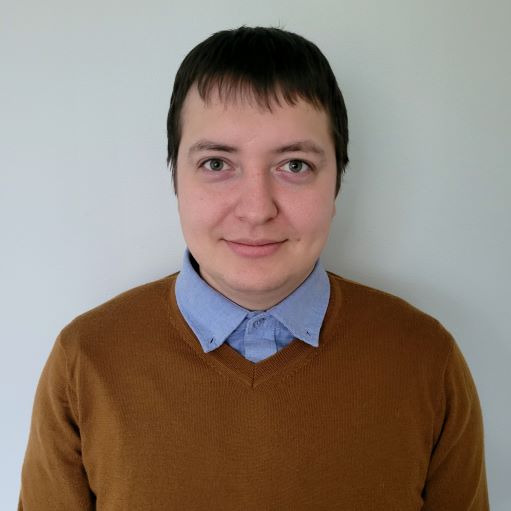
Renzo Arina is a Tenured Associate Professor at the Department of Mechanical and Aerospace Engineering (DIMEAS) at the Polytechnic University of Turin . His academic career spans decades of contributions to Aeroacoustics and Computational Fluid Dynamics (CFD) . Research Interests : Numerical simulation of flow-induced noise Drag reduction techniques for vehicle optimization Computational methods for aeroacoustic modeling Boundary layer dynamics and separation control Research Projects : Erasmus Mundus Master in Aeroacoustics (2024–2025): Member of research group Aerodynamic Optimization of Vehicles (2016): Scientific Director for industrial efficiency Detailed Numerical Modeling of Airborne Sound Field (2013–2016): EU-funded research Discontinuous Galerkin Method for Aeroacoustics (2010–2012): National PRIN project Advising : Supervises PhD candidates Daniele Fabbri (Mechanical Engineering, 2023–ongoing) and Francesco Bellelli (Aerospace Engineering, 2022–ongoing) Labs & Teams : Member of the Boundary Layer Flow, Separation and Control research group at DIMEAS
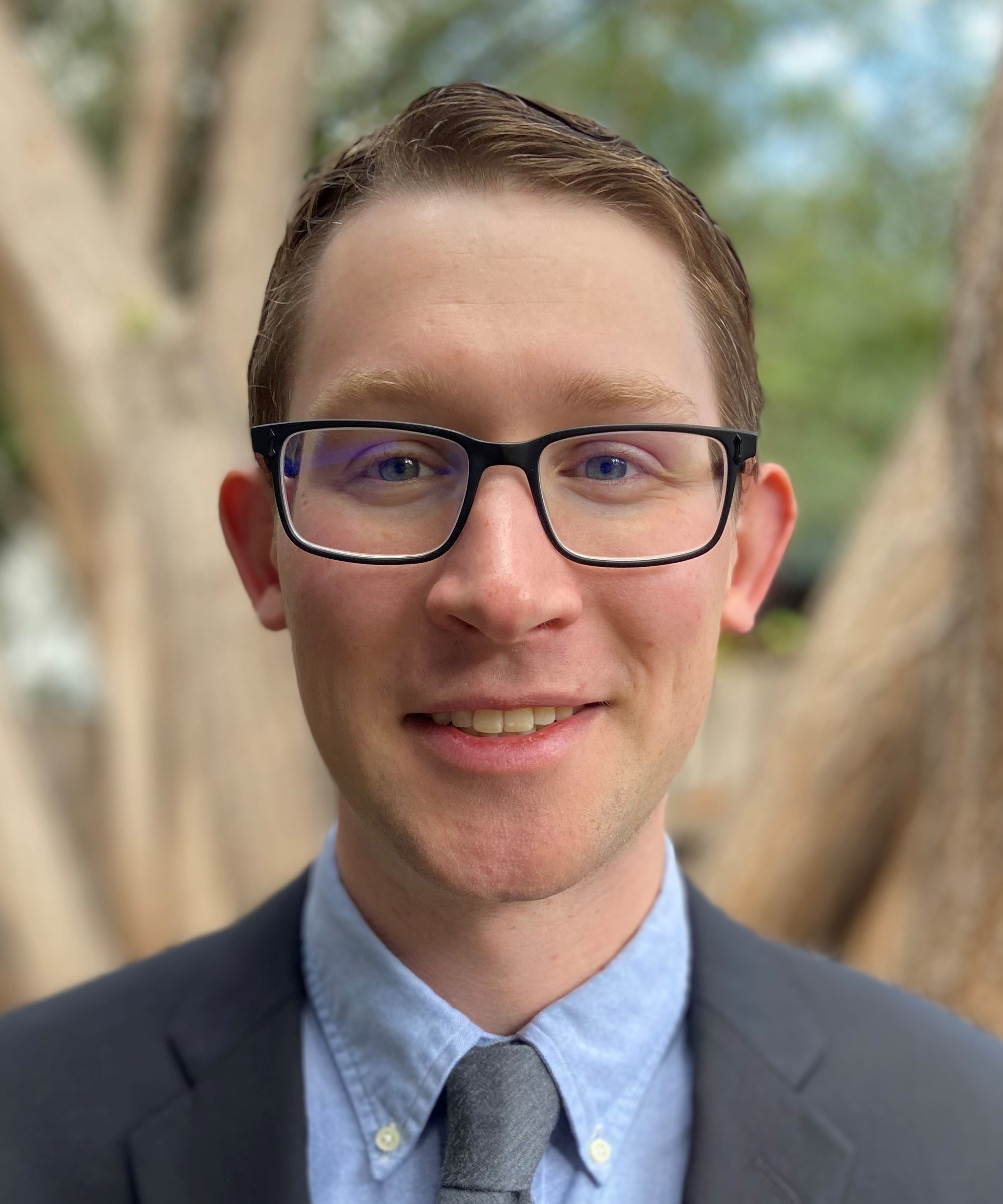
Tomohiro Suzuki is an Associate Professor at KU Leuven and Ghent University (UGent) , affiliated with the Department of Civil Engineering under the Faculty of Engineering Science (KU Leuven) and Faculty of Engineering and Architecture (UGent) . With 25 years of expertise in coastal engineering, he specializes in wave overtopping , wave-structure interactions , and Nature-Based Solutions for coastal management. Key research areas: Numerical Modeling (DualSPHysics, SWASH), Wave-Current-Vegetation Interaction , Coastal Flood Resilience Teaching roles: Project Hydraulic Engineering 3 , Hydraulic Structures , Hydrodynamics His recent projects include: INTEGRATOR (2024–2026): Integrated coastal hydrodynamics modeling Numerical Coastal Basin (2021–2025): Virtual testing for floating structures Wind Generation System (2025–2028): Fan Array Wind Tunnel for Coastal & Ocean Basin Publications focus on 3D wave-vegetation dynamics , SPH-based coastal simulations , and shallow foreshore resilience against extreme waves. No scientific awards are explicitly mentioned.
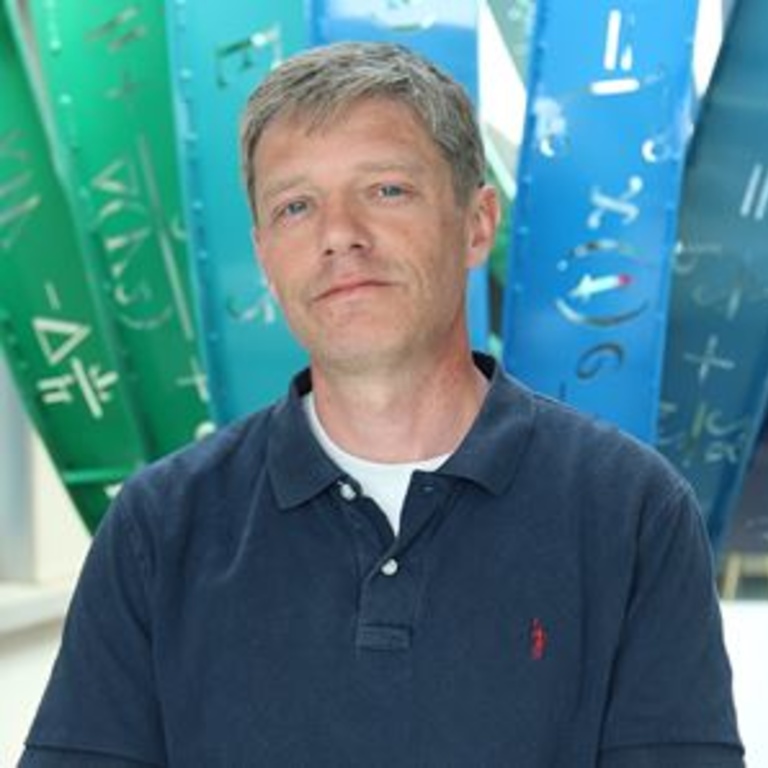
Aleksandr Zinoviev is a Senior Research Associate at the School of Engineering and Information Technology (SEIT) at UNSW Canberra, where he has been working since 2022. His research spans multiple institutions across the globe, including previous positions at Siemens Digital Industries Software in Belgium, University of Bremen and AMSIS GmbH in Germany, and Institute of Strength Physics and Materials Science of the Russian Academy of Sciences and Tomsk Polytechnic University in Russia. He has also conducted research stays at the University of Bremen (Germany) and São Paulo State University (Brazil). Dr. Zinoviev's research interests are highly interdisciplinary, focusing on metal additive manufacturing, thermodynamics of materials, computational materials science, solid mechanics, software engineering, and machine learning. He specializes in developing and applying novel knowledge-based approaches to address engineering challenges, particularly in improving materials and parts produced by advanced manufacturing, optimizing production processes, and enhancing data processing. His work bridges the gap between fundamental materials science and practical engineering applications, with a strong emphasis on computational modeling and simulation. Analysis of his recent publications (2021-2025) reveals a consistent focus on additive manufacturing process modeling, microstructure-property relationships in additively manufactured metals, and computational approaches to materials science. His research particularly emphasizes cellular automata modeling, multiscale simulation techniques, and the application of machine learning to materials processing. The publications demonstrate expertise in both experimental characterization and advanced computational methods for predicting mechanical behavior of additively manufactured components. Dr. Zinoviev actively mentors prospective PhD and Research Master's candidates, offering guidance on topics related to thermal modeling of additive manufacturing and process optimization. He has indicated that scholarships of up to $35,000 (AUD) are available for qualified candidates who achieved High Distinction in their undergraduate program and/or have completed a Masters by Research.
Jason Szafron is an Assistant Professor in the Department of Biomedical Engineering at Carnegie Mellon University’s College of Engineering. He leads a research group focused on developing computational tools to understand and treat cardiovascular diseases, particularly congenital heart defects, pulmonary vascular diseases, and fetal growth restriction. His work integrates biomechanical modeling with experimental data to improve treatment planning and medical device design. Education: B.S. in Biomedical Engineering, Texas A&M University (2015) M.S. and Ph.D. in Biomedical Engineering, Yale University (2018, 2020) Postdoctoral Research Fellow at Stanford University’s Department of Pediatrics (2023) Research Interests: Simulation tools for cardiopulmonary disease progression Biomechanical modeling of vascular adaptation Computational frameworks for organ-scale growth remodeling Optimization of tissue-engineered vascular grafts His lab combines experimental and computational approaches to study disease mechanisms, with a focus on mechanobiological and immunological factors driving vascular pathology. Publications highlight advancements in pulmonary hypertension modeling, vascular graft design, and open-source diagnostic tools like HemoLens. Recent work emphasizes personalized treatment planning via neural network-based digital twins. Awards: Parker B. Francis Fellow (2022–2025) for pulmonary disease research Labs/Teams: Director of the Szafron Lab at CMU, focused on translational cardiovascular engineering. Collaborates with Stanford University and Mayo Clinic on clinical applications.
Satya Prakash Saraswat is a Postdoctoral Researcher at KTH Royal Institute of Technology's Nuclear Science and Engineering Unit in Stockholm, Sweden. He holds a Ph.D. from the Indian Institute of Technology Kanpur, with expertise in thermal-hydraulics, nuclear reactor safety, computational fluid dynamics (CFD), and system code development. His work spans fission and fusion reactor analysis, including contributions to the VALIDATIO project (University of Pisa) for fusion safety tools and the ATLAS project (Khalifa University) for advanced reactor safety enhancements. Research interests focus on computational modeling, AI integration in nuclear safety, and experimental validation of safety systems. He has developed skills in both experimental and numerical techniques, addressing challenges in multiphase flow, reactor core dynamics, and material compatibility. Key projects include validation of ASYST and SIMMER codes for condensation phenomena and lead-lithium interaction studies. Publications highlight advancements in burn-up wave characterization, code stability analysis (RELAP5/SIMMER), and thermal-hydraulic safety assessments for reactors like ESBWR and ITER systems. His work emphasizes enhancing safety tools through rigorous validation and innovative methodologies.
Stefano Scialo' is an Associate Professor in the Department of Mathematical Sciences "G.L. Lagrange" (DISMA) at the Polytechnic University of Turin. He is also a member of the Interdepartmental Center Ec-L - Energy Center Lab and serves as the contact person for the Bachelor's Degree Program in Mathematics for Engineering (L3). His academic journey began with a Master’s in Aerospace Engineering (2007), followed by a PhD in Mathematics for Engineering (2014), both from the same institution. After his PhD, he held postdoctoral and Assistant Professor positions at DISMA before being promoted to Associate Professor. Education: PhD in Mathematics for Engineering, Politecnico di Torino, 2014 Master in Aerospace Engineering, Politecnico di Torino, 2007 His research focuses on advanced numerical methods for partial differential equations, particularly in the context of complex multiscale and multiphysics systems. Key areas include the Virtual Element Method (VEM), domain decomposition techniques based on PDE-constrained optimization, and the simulation of flows in fractured porous media. He has made significant contributions to 3D-1D coupled problems, with applications in geosciences and biomedical modeling such as tumor-induced angiogenesis. His methodological work emphasizes robustness, scalability, and applicability to non-conforming and polygonal meshes, enabling high-performance computing solutions. The trend in his recent publications reveals a strong emphasis on developing and analyzing mixed virtual element methods, optimization-based coupling strategies, and their applications to engineering and biological systems. His work bridges theoretical numerical analysis with practical implementations in fluid dynamics and subsurface flow. Scientific Contributions: Principal Investigator of the FREYA project (2023–2026) on hybrid numerical approaches for fault reactivation. Coordinator of the INdAM-GNCS research project (2018–2019). Member of the research group "Numerical Analysis and Scientific Computing" at DISMA. Stefano Scialo' actively supervises doctoral students, including Matteo Trombini in the PhD program in Mathematical Sciences. He teaches a range of courses such as Advanced Scientific Programming in MATLAB, Numerical Methods and Scientific Computing, and specialized topics on Virtual Element Methods. He also contributes to curriculum development and academic governance through roles in doctoral colleges and degree program committees, including those for Mathematical, Mechanical, Aerospace, and Automotive Engineering. Laboratories and Research Groups: Member, Interdepartmental Center Ec-L - Energy Center Lab Research Group: Numerical Analysis and Scientific Computing (DISMA)
Leif Asp is a Professor in Lightweight Composite Materials and Structures at Chalmers University of Technology, working within the Division of Materials and Computational Mechanics. His research focuses on developing innovative materials that serve multiple functions, particularly structural batteries that can simultaneously store energy like a battery and carry mechanical load. Professor Asp's primary research interests include: Structural batteries and multifunctional composites Carbon fiber-based energy storage materials Synthesis, characterization, and design of multifunctional materials Mechanical and electrochemical properties of composite materials Computational modeling of structural battery systems Sustainable manufacturing and life cycle analysis of structural power composites His work bridges the gap between traditional structural materials and energy storage systems, creating what's often referred to as "massless energy" solutions. These materials could revolutionize industries like electric vehicles and aerospace by reducing overall weight while maintaining or increasing energy capacity. Analysis of Professor Asp's recent publications reveals a strong focus on practical implementation of structural battery technology. His research spans fundamental material science (characterizing carbon fibers for battery electrodes), engineering design (optimizing structural battery components), and systems integration (assessing viability for electric vehicles and aerospace applications). A notable trend is the increasing emphasis on sustainability, with several recent papers addressing recycling, life cycle analysis, and green synthesis methods for structural battery components. Professor Asp leads multiple significant research projects funded by prestigious organizations including the United States Air Force, Swedish Research Council, European Commission, and Swedish Innovation Agency. These projects focus on advancing structural battery technology from laboratory concepts toward practical applications. His research group appears to be highly collaborative, with numerous publications featuring co-authors from various institutions and disciplines, reflecting the interdisciplinary nature of structural power composites research.
Navdeep Singh Dhillon is an Associate Professor in the Department of Mechanical and Aerospace Engineering at California State University, Long Beach (CSULB), where he has been since Fall 2016. He holds a Ph.D. in Mechanical Engineering from UC Berkeley, an M.S. in Electrical Engineering and Computer Sciences (UC Berkeley), an M.S. in Mechanical Engineering (Purdue University), and a B.Tech in Ocean Engineering and Naval Architecture (IIT Kharagpur). His research focuses on enhancing thermo-fluidic and phase change processes through experimental imaging and CFD methods, with applications in renewable energy, nuclear safety, and electronics cooling. Education Ph.D., Mechanical Engineering (UC Berkeley, 2012) M.S., Electrical Engineering and Computer Sciences (UC Berkeley, 2012) M.S., Mechanical Engineering (Purdue University, 2009) B.Tech., Ocean Engineering and Naval Architecture (IIT Kharagpur, 2007) His work leverages surface micro/nano-engineering to advance solar-thermal energy technologies and improve carbon emission reduction strategies. He has collaborated on government and industry projects, including with DARPA and Chevron Corporation. Dr. Dhillon has published in prestigious journals like Nature Communications and serves as a reviewer for journals such as Nature Scientific Reports and International Journal of Heat and Mass Transfer . He is a member of professional societies including ASME, APS, and MRS. Scientific Awards Shapiro Postdoctoral Fellow Dr. Dhillon teaches Thermal-Fluids courses and conducts experimental/theoretical research on boiling heat transfer. His lab, STEAMi (Thermal-Fluids and Multiphysics Innovation Lab), develops MEMS and microfluidic systems for electronics cooling and medical diagnostics. His recent work on boiling crisis modeling highlights his expertise in phase change dynamics. Contact: Office: ECS-628 | Phone: 562.985.2613 | Office Hours: Tues./Thurs. 7:30-9:00 p.m. (via Zoom) | Lab Website
Edward Sander is a Professor in the Department of Biomedical Engineering at the University of Iowa's College of Engineering, where he has been a faculty member since 2011. He also holds researcher positions at the Iowa Institute for Biomedical Imaging and the Iowa Technology Institute, contributing to interdisciplinary research in biomedical engineering and imaging sciences. Education: PhD in Biomedical Engineering, Tulane University, 2006 MS in Biomedical Engineering, Tulane University, 2004 BSE in Chemical Engineering, The University of Texas at Austin, 2000 His research focuses on multiscale mechanics and modeling of biological tissues, with particular emphasis on wound healing, skin tissue engineering, microvessel formation, and the biomechanics of connective, vascular, and ocular tissues. He employs advanced microscopy and image-based computational modeling techniques to study tissue damage and mechanical behavior across scales. His work integrates biomaterials, tissue engineering, and mechanobiology to develop engineered tissue systems and understand native tissue function. Dr. Sander is a member of the Biomedical Engineering Society and leads the Sander 3MT Lab, which focuses on mechanistic, microstructural, and multiphysics modeling of biological materials. While specific publications are not listed in the provided text, his research output is tracked through Google Scholar, indicating an active publication record in his fields of expertise. Scientific Awards and Honors: Robert and Virginia Wheeler Faculty Fellow in Engineering Dr. Sander advises graduate students and likely participates in externally funded research projects, though specific grants and advisees are not detailed. His affiliations with major research institutes at the University of Iowa underscore his role in advancing translational biomedical research and engineering innovation. Research Affiliations: Iowa Institute for Biomedical Imaging Iowa Technology Institute
R Rekha is a researcher affiliated with Charles University , contributing to computational methods in numerical analysis and mechanics. She has participated in prestigious conferences like ESOP 2019 , including program committees and publications. Research Interests include stress-assisted diffusion, elasto-acoustic wave propagation, virtual element methods, and hybrid high-order schemes. Her work focuses on developing robust numerical methods for solving complex partial differential equations in engineering and physics applications. Publications (2025–2021) demonstrate expertise in computational mechanics, with a focus on virtual element methods for stress-assisted diffusion, coupled systems, and biharmonic equations. Key trends include error analysis, polygonal mesh discretization, and multiphysics modeling. Conference Contributions span program committee roles and authored papers at events like ESOP, indicating active engagement in academic communities.
James Bain is a Professor in the Electrical and Computer Engineering (ECE) Department at Carnegie Mellon University, with a courtesy appointment in the Department of Materials Science and Engineering. He serves as Associate Director of the Data Storage Systems Center (DSSC) within the College of Engineering. B.S. in Materials Science and Engineering from the University of Pennsylvania (1988) M.S. (1991) and Ph.D. (1993) in Materials Science and Engineering from Stanford University His research spans magnetic, optical, electrical, thermal, and mechanical devices for information storage. Current programs focus on heat-assisted magnetic recording and resistive switches for memory and reconfigurable electronics, with interdisciplinary applications in energy security, industrial decarbonization, and nanofabrication. His work intersects materials science , electrical engineering , and nanotechnology . Scott Institute Seed Grant (2018) for energy research Member of Materials Research Society and IEEE Magnetics, Electron Devices, and Photonics Societies Bain has co-authored over 225 publications and leads research at the interface of data storage and energy systems . He actively contributes to multiphysics modeling, nanoscale thermal transport, and phase-change materials. His lab is affiliated with Carnegie Mellon’s Data Storage Systems Center, advancing technologies for grid-interactive and high-performance buildings.
Leonardo Orazi is a Full Professor at the University of Modena and Reggio Emilia's Department of Engineering Sciences and Methods. He specializes in advanced manufacturing technologies, particularly laser processing, polymer engineering, and biomedical surface functionalization. His teaching roles include courses on Smart Manufacturing, Injection Molding, and Additive Manufacturing in Digital Automation and Mechatronic Engineering programs. Research focuses on laser-induced periodic surface structures (LIPSS), material characterization, and micro/nanostructuring for biomedical and industrial applications. Develops innovative manufacturing processes for antibacterial surfaces, microfluidic devices, and enhanced material properties. Research Interests: Laser texturing, polymer processing, surface engineering, additive manufacturing, and simulation-driven design. Labs/Teams: Active in laser-matter interaction research and collaborative projects on biomaterial functionalization. His work bridges computational modeling (e.g., Moldflow simulations) with experimental validation. Publications: Over 40 peer-reviewed articles since 2010, emphasizing laser-based manufacturing advancements, polymer molding optimization, and biomedical material surface treatments. Recent work includes antibiofouling polymer functionalization via ultrafast lasers and fiber orientation modeling in composites.
Filippo Masseni is a Fixed-term Tenure-Track Assistant Professor at the Department of Mechanical and Aerospace Engineering (DIMEAS) , Politecnico di Torino. His academic and research activities focus on aerospace propulsion systems, particularly hybrid rocket engines and solid propellant development. Scientific disciplinary sector: IIND-01/G - Aerospace Propulsion ERC sector: PE8_1 - Aerospace Engineering Research Interests include combustion instability modeling, coupled propulsion/trajectory optimization, multidisciplinary design optimization, and robust optimization techniques. His work bridges theoretical modeling with practical applications in hybrid rocket engines and advanced propulsion systems. In teaching , he serves as Course Lecturer for Combustion in Aerospace Engines and supervises courses like Aeronautical Propulsion and Aircraft Engines, spanning academic years 2019-2025. Supervised PhD Students : Vincenzo Madonia, Daniele Tozzi, Leonardo Stumpo, Alessandra Zumbo, Lorenzo Folcarelli, Giovanni Polizzi Research group: Aerospace Propulsion (DIMEAS)
Hong Wei is a Professor at the Department of Mechanics and Aerospace Engineering , Southern University of Science and Technology (SUSTech) . He also serves as Director of SUSTech Global and Associate Dean of Academic Affairs at Shuli College . Previously, he held tenured positions at Iowa State University and dual appointments at Hokkaido University . Hong Wei earned his B.S. and M.S. in Solid Mechanics from Tsinghua University , followed by a Ph.D. in Engineering Science from Harvard University (2006) . His research spans solid mechanics , soft matter mechanics , dielectric breakdown , smart materials , electrochemical reactions , and surface instability . Current work focuses on phase-field modeling and coupled deformation-transport phenomena in soft materials. His representative publications cover cutting-edge topics in Science Advances , J. Mech. Phys. Solids , and Soft Matter , with trends in hydrogel mechanics , electromechanical coupling , and material failure analysis . Scientific recognition includes being named a Fellow of the American Society of Mechanical Engineers (ASME) , alongside editorial roles in journals like Meccanica and International Journal of Applied Mechanics . Hong Wei has mentored students such as Sun Xingjian (doctoral student), Wang Sicong , Pan Lei , Feng Xianke , and Shen Zhiyuan , who received the Lixue Scholarship . He has led international projects and secured grants from the National Science Foundation (USA) and National Natural Science Foundation of China .
Dr. Ivana Kovacevic is a Lecturer at the Department of Information Technology and Electrical Engineering at ETH Zürich. Her research focuses on power electronics, semiconductor device modeling, and electromagnetic analysis of wide bandgap devices. ETH Zürich, Department of Information Technology and Electrical Engineering Contact: kovacevic@aps.ee.ethz.ch Her research explores SiC power MOSFETs, emphasizing their dynamic performance, reliability, and optimization through advanced modeling techniques like the Partial Element Equivalent Circuit (PEEC) method. She investigates parasitic extraction, thermal behavior, and stability issues in power modules, contributing to design improvements for high-efficiency systems. Her publications highlight trends in electromagnetic modeling, device-circuit interactions, and reliability analysis under extreme conditions. Key subfields include gate resistance dynamics, frequency-dependent capacitances, and multi-chip module design. Current projects involve virtual prototyping for power electronics and mission profile-based optimization of wearable power systems.