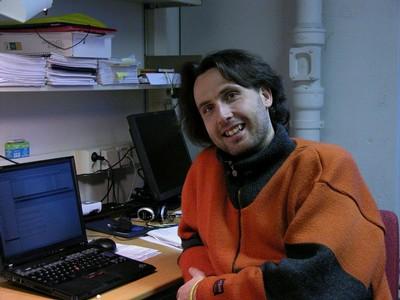
Luca Frediani is a Professor in Theoretical and Computational Chemistry at the Hylleraas Center, Department of Chemistry, UiT The Arctic University of Norway. His research focuses on advanced quantum chemistry methods, including density functional theory, multiwavelet basis sets, and solvation modeling. He actively develops computational tools like MRChem and VAMPyR for molecular electronic structure calculations. Current affiliation: UiT The Arctic University of Norway Research group: Theoretical and Computational Chemistry Teaching: KJE-2001 Theoretical Chemistry and Spectroscopy His work spans relativistic quantum chemistry, numerical methods for response properties, and benchmarking of basis set limits. Publications emphasize eliminating basis set errors, multiwavelet applications, and polarizable continuum models for solvation. He collaborates extensively on software development for quantum chemistry. Recent articles highlight multiwavelet-based DFT at the basis set limit, noise-tolerant force calculations, and relativistic effects in electronic structure. Sub-fields include scalar relativity, cavity-free solvation, and metal-ligand interaction accuracy.
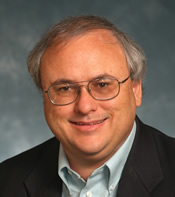
Thomas Brunold is a Professor of Chemistry at the University of Wisconsin–Madison, focusing on the geometric and electronic properties of metal centers in proteins and cofactors . His work integrates spectroscopic techniques (electronic absorption, circular dichroism, magnetic circular dichroism, resonance Raman, electron paramagnetic resonance) with density functional theory (DFT) and quantum mechanics/molecular mechanics (QM/MM) calculations to validate bonding descriptions and explore catalytic intermediates. Bio-organometallic cofactors (adenosylcobalamin, methylcobalamin, NiF430) Metal-dependent superoxide dismutases (Ni-, Fe-, Mn-SODs) Polynuclear NiFeS enzymes (ACS, CODH) His research spans vitamin B12 chemistry , metalloenzyme specificity , and redox-active clusters , with a focus on resolving substrate-bound intermediates and mechanistic debates in catalytic cycles. Recent publications emphasize ligand dynamics , second-sphere residue effects , and metal-cofactor interactions . Scientific awards include the Taylor Teaching Award (2024) , Kellett Mid-Career Award (2020) , and NSF-CAREER Award (2003) . He mentors students in the Brunold Lab, including Ryan Hall , Laura Elmendorf , and Maddy Rodemeier (co-advised with Andrew Buller), with multiple Outstanding TA Awards to lab members.
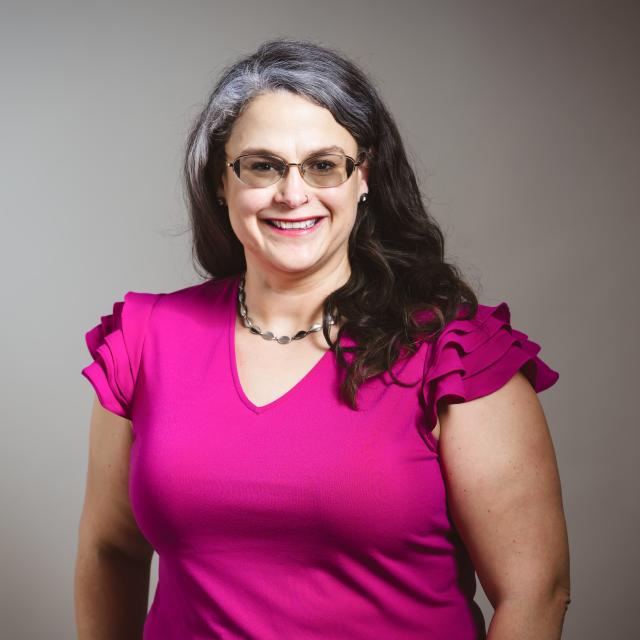
Yuan Ping is an Associate Professor in the Department of Materials Science & Engineering at the University of Wisconsin–Madison, with affiliated appointments in Chemistry and Physics. She joined the university in 2023 and is also a member of the Theoretical Chemistry Institute (TCI). Her research bridges theoretical and computational materials science, focusing on quantum dynamics and many-body interactions. Education : B.Sc. (2007) from University of Science and Technology of China, Ph.D. (2013) from UC Davis, and postdoctoral work at Caltech (2016). Research Interests include: First-principles many-body theory Open quantum dynamics (density-matrix formalism) Spin, exciton, and magnon dynamics Quantum defects for spin qubits Chiral and nonlinear optics in solids Applications in energy conversion, low-power electronics, and quantum information Recent Publications highlight advancements in spin relaxation mechanisms, exciton dynamics in 2D materials, quantum defect modeling for qubits, and terahertz emission technologies. Her work integrates spin-orbit coupling, light-matter interactions, and environmental screening effects. Scientific Awards : Alfred P. Sloan Research Fellow (2022) NSF CAREER Award (2022) DOE Computational Chemistry Science Award (2022) Air Force YIP (2021) ACS COMP OpenEye Award (2021) Teaching : Courses in computational materials science (MSE 460), graduate research (CHEM 990), and advanced seminars.
Michael Herbst is an Assistant Professor (tenure-track) at EPFL, holding a joint appointment in the School of Basic Sciences (SB) and the School of Engineering (STI). He leads the Mathematics for Materials Modelling (MatMat) research group, focusing on error control in atomistic simulations, density-functional theory (DFT), and interdisciplinary computational methods. His work bridges mathematics, materials science, and computer science, emphasizing robust algorithms and Julia-based software development. Herbst holds a PhD from Heidelberg University and has held postdoctoral positions at RWTH Aachen and Inria Paris. He is a core member of the MARVEL and CESMIX research centers. Education: 2018: Dr. rer. nat. (magna cum laude), Heidelberg University 2009–2013: BA and MSci (1st class) in Natural Sciences, University of Cambridge 2008–2009: Studies in Mathematics/Physics, TU Kaiserslautern Research Interests : Herbst's research centers on developing reliable computational methods for materials modeling, including error estimation in DFT, black-box SCF algorithms, and Julia-based tools like the Density-Functional Toolkit (DFTK). His work addresses challenges in high-throughput simulations, numerical stability, and interdisciplinary collaboration across mathematics, physics, and computer science. Grants & Projects : MARVEL Center for Computational Design (EPFL) CESMIX Center for Extreme-Scale Simulations (MIT) EMC² Project (Sorbonne/Inria/École des Ponts) Awards : HGS MathComp PostDoc Fellowship (2018–2021) DAAD Travel Funding (2018) Exploratory Research Space Fund (RWTH Aachen, 2022) Labs & Teams : Head of the MatMat group at EPFL, focusing on error-controlled simulations and open-source software development.
Professor Daniel Singleton is a distinguished academic in the Department of Chemistry at Texas A&M University, holding the Davidson Chair in Science. He specializes in reaction mechanisms, kinetic isotope effects, and dynamic effects in organic and organometallic chemistry. His research employs NMR-based methodologies to study reaction pathways and combines experimental and computational approaches. Singleton has contributed significantly to understanding reaction dynamics, including hydroboration selectivity, cycloadditions, and transition-state geometry measurements. Education: B.S. in Chemistry (Case Western Reserve University, 1980); Ph.D. in Chemistry (University of Minnesota, 1986). Postdoctoral training at the University of Wisconsin-Madison and General Electric. Research Interests: Focuses on reaction mechanisms, kinetic isotope effects, and dynamic effects. Key areas include the study of organic reaction dynamics using NMR, computational predictions of isotope effects, and resolving mechanistic controversies. His lab investigates energy redistribution in reactions and the role of transition-state geometry in selectivity. Awards: Arthur C. Cope Scholar Award (2008), Davidson Professor of Science (2005), and multiple teaching awards from Texas A&M. Recognized for contributions to organic chemistry and education. Grants & Advising: Advises graduate students like Jonathan Bailey and Andrew Jeffreys. Active in mentoring, including the Wells Fargo Faculty Mentor Award (2017). Research supported by grants from NIH, NSF, and industry collaborations (e.g., Process Origins Company). Labs & Teams: Singleton Research Group, focused on mechanistic organic chemistry. Collaborations with experts like Prof. K.N. Houk (UCLA) and Dr. Jack Waas. Active in journal editorial roles, including The Journal of Organic Chemistry (2005–2011).
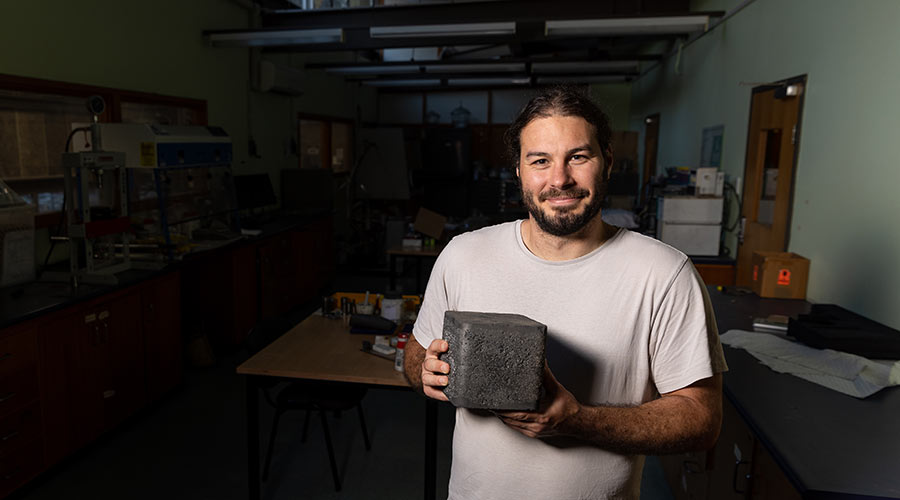
Dr Dylan Cuskelly is a Lecturer in the School of Engineering at the University of Newcastle, Australia. His research focuses on advanced materials development for energy storage and sustainable manufacturing, alongside STEM education innovation. He co-founded MGA Thermal, a company commercializing thermal energy storage materials derived from miscibility gap alloys (MGAs). Education: PhD in Mechanical Engineering (University of Newcastle, 2015) Bachelor of Engineering (Mechanical) (Hons) (University of Newcastle, 2009) Research Interests: Development of novel materials for energy storage applications Synthesis of MAX/MAB phase ceramics and metal alloys Economical material production processes Integration of renewable energy storage solutions STEM education pedagogy and curriculum design Grants & Awards: 2022: iSTEM Zero to Hero grant (Google Australia, $11,863) 2019: Optimisation of Thermal Energy Storage grant (MGA Thermal, $192,000) 2017: Excellence in Teaching and Learning Award (University of Newcastle) Collaborations: Active partnerships with industry (MGA Thermal, Sunburnt Space Co), academia (University of Melbourne), and international research networks. Labs/Teams: Leads the Advanced Materials Group at Newcastle, focusing on thermal energy storage materials and sustainable manufacturing processes.
Frank Neese is the Director and Managing Director (since 2024) of the Max-Planck-Institut für Kohlenforschung in Mülheim an der Ruhr, Germany, where he leads the Department of Molecular Theory and Spectroscopy. He holds honorary professorships at the University of Bonn (since 2013) and the University of Duisburg-Essen (since 2020), reflecting his strong academic affiliations. His research program bridges theoretical chemistry, quantum mechanics, and spectroscopy with applications in bioinorganic and materials chemistry. Education: Diploma in Biology, University of Konstanz (1993) Ph.D. (Dr. rer. nat.), University of Konstanz (1997) Postdoctoral Research, Stanford University (1997–1999) Habilitation, Universität Konstanz (2001) Frank Neese's research focuses on the development and application of advanced quantum chemical methods for understanding molecular electronic structures, particularly in transition metal complexes and metalloenzymes. His work emphasizes spectroscopic simulations (EPR, XAS, MCD, etc.) and reaction mechanisms in catalysis. He is renowned as the lead developer of the ORCA quantum chemistry software, a widely used tool in computational chemistry. His theoretical frameworks integrate density functional theory, wavefunction-based methods, and multiscale modeling to achieve high accuracy in predicting chemical properties. The 15 most recent publications highlight a consistent trajectory in electronic structure theory, with strong emphasis on spectroscopy, transition metal chemistry, and method development. Key themes include double-hybrid functionals, spin-state energetics, spin-orbit coupling, and QM/MM modeling of biological systems. The interdisciplinary nature of his work spans chemistry, biochemistry, and materials science, often targeting challenges in catalysis and energy conversion. Scientific Awards: Gottfried Wilhelm Leibniz Prize (2023) Humboldt Research Award ISACS Award Fellow of the Royal Society of Chemistry Member of the North Rhine-Westphalian Academy of Sciences Member of the Leopoldina Neese has secured extensive third-party funding for his research, enabling a large, interdisciplinary team of scientists and students. He actively mentors PhD and postdoctoral researchers, fostering the next generation of theoretical chemists. His leadership extends to official functions in scientific societies and editorial roles in major chemistry journals. The ORCA development team, which he heads, is a central hub for innovation in computational chemistry software. He leads a vibrant research group focused on method development and applications in molecular spectroscopy and reactivity. The team collaborates internationally and organizes the ORCA User Meeting, fostering a global community of users and developers in quantum chemistry.
Lisa Fredin is an Associate Professor in the Department of Chemistry at Lehigh University , with research spanning theoretical and computational chemistry , electronic structure , disorder in materials , photoredox catalysis , and nanochemistry . Her work bridges experiment and theory , focusing on density functional theory (DFT) and quantum chemistry to model catalytic materials , charge transport , and excited-state dynamics in systems ranging from transition-metal complexes to oxide nanoparticles . Education: Ph.D. in Chemistry (Northwestern University, 2012), B.S. in Chemistry, Biochemistry, Applied Mathematics (UT Austin, 2007) Previous Appointments: Postdoctoral Researcher at Lund University (2012–2014), Research Associate at NIST (2015–2018) Her research explores: Disorder in Inorganic and Organic Materials: Modeling defects , doping , and dynamic molecular vibrations to understand their impact on electronic properties and device performance . Photophysics of Light-Harvesting Complexes: Studying Fe(II) , Ru(II) , and Pd(II) complexes to optimize charge separation , excited-state lifetimes , and photocatalytic efficiency . Surface and Nanoscale Reactivity: Predicting reactivity of oxide nanoparticles and metal surfaces for CO disproportionation , water oxidation , and photoredox reactions . Her recent publications highlight TD-DFT applications, Boltzmann transport in organic materials, and defect engineering in TiO2 and SrTiO3 . She has received the Sloan Research Fellowship (2024) and ACS-PHYS Postdoctoral Award (2016) . Prof. Fredin mentors 6 graduate students and 15 undergraduates , teaches Physical Chemistry and Quantum Chemistry , and leads the Fredin Group , which develops computational tools for materials discovery.
Mariela Martins Nolasco is an Assistant Researcher at the Department of Chemistry, University of Aveiro. She specializes in computational spectroscopy, focusing on bridging theoretical and experimental research through combined computational and spectroscopic methods. Her work emphasizes understanding molecular dynamics in materials like deep eutectic solvents, polymers, and luminescent systems. Education: B.Sc. in Chemical Engineering (1999), M.Sc. in Chemistry (2004), Ph.D. in Physical Chemistry (2007), all from University of Aveiro. Research Interests: Computational Spectroscopy, Neutron Scattering, Deep Eutectic Solvents, Polymer Dynamics, Cellulosic Materials. She has led 9 R&D projects (2 national, 7 international) and contributed to 15 others. Notable collaborations include work at ISIS Neutron & Muon Source (UK) and Institut Laue-Langevin (France). Her awards include the 2021 ISIS Impact Award for societal impact in polymer research.
Nisanth N. Nair is Professor of Chemistry at the Indian Institute of Technology Kanpur (IITK), India, holding the position since 2018. He obtained his PhD from the Universität Hannover, Germany (2004) after completing his MSc in Chemistry at IIT Madras (2001). His research group pioneers advanced computational-chemistry methods to address grand-challenge problems in energy, healthcare and materials science. Education PhD (2004), Universität Hannover, Germany MSc (2001), Chemistry, Indian Institute of Technology Madras Research Interests Professor Nair’s work is organized around five tightly linked thrusts: Method development: massively parallel QM/MM algorithms, polarizable force-fields, metadynamics and hybrid functionals for large-scale catalytic systems. Energy catalysis: computational design of Rh/Al₂O₃ and Rh/TaON catalysts for efficient water-splitting and H₂ production. Healthcare: molecular mechanisms behind antibiotic resistance in NDM-1 and Class-C β-lactamase enzymes, guiding de-novo inhibitor discovery. Aerospace materials: multi-scale modelling of thermo-oxidative degradation of high-temperature polymers in collaboration with Boeing. Heterogeneous catalysis: olefin hydrogenation on Rh/Y-zeolite and single-atom catalysis phenomena. Publications Trend His recent articles (2011–2013) highlight an integrative approach combining rigorous electronic-structure calculations with micro-kinetic modelling to unravel complex catalytic cycles, antibiotic-resistance pathways and support-effects in single-atom catalysts. Honours & Awards P. K. Kelkar Young Faculty Research Fellow, IIT Kanpur (2012–2015) Young Associate, Indian Academy of Sciences, Bangalore (2012–2015) Young Scientist Medal, Indian National Science Academy, New Delhi (2013) Contact & Resources Office: SL 302, Department of Chemistry, IIT Kanpur, Kanpur 208016, India Phone: +91 512 259 6311 Email: nnair@iitk.ac.in Web: http://home.iitk.ac.in/~nnair
Dr. Matthew Palframan is a Lecturer in Pharmaceutical Chemistry at the School of Pharmacy , University of Wolverhampton . His research focuses on synthetic organic chemistry, particularly natural product synthesis and reaction development involving radicals, carbenes, and photochemistry. BSc in Pharmaceutical Science MPharm courses: 4PY019, 5PY022 4CH003 - Fundamentals of Organic Chemistry 7CH005 - Advanced Topics in Organic Chemistry Education: MChem in Chemistry (University of Oxford, 2002-2006) PhD in Chemistry (University of York, 2007-2010) Research Interests: Dr. Palframan's work centers on synthetic organic chemistry, with emphasis on natural product synthesis, reaction development, and mechanistic studies. Key techniques include radical chemistry, photoredox catalysis, and cycloaddition reactions. Scientific Contributions: His publications span biomimetic synthesis of taxanes, cembranoid chemistry, radical arylation methods, and computational studies of reaction mechanisms. Notable works include studies on sobralene rearrangements and grandifloracin derivatives. Associate Fellowship of the Higher Education Academy (2019) Member of the Royal Society of Chemistry (2015)
Prof. Dr. Ali Coruh is a distinguished faculty member at Sakarya University 's Faculty of Science, Department of Physics , where he has served as Head of the General Physics Department since 2022. With a career spanning over three decades, his expertise lies in Condensed Matter Physics , Nanotechnology , and Materials Science , focusing on perovskite oxides , adsorbent materials , and supercapacitor applications . PhD in Physics, Middle East Technical University (2003) MSc in Physics, Sakarya University (1996) BSc in Physics, Karadeniz Technical University (1989) His research interests include computational modeling of molecular structures, environmental pollutant removal using nanomaterials, and electrochemical properties of advanced materials. Recent studies focus on pharmaceutical pollutant recovery via organoclay composites, Pd-doped perovskites for biosensing, and perovskite oxides for energy storage. His work bridges theoretical and experimental approaches in solid-state physics and environmental remediation . The article trends show consistent contributions to Journal of the Taiwan Institute of Chemical Engineers , Chemical Engineering Journal , and Journal of Energy Storage , with a focus on adsorption mechanisms , electrocatalysis , and nanocomposite synthesis . Collaborations span international institutions, including studies on supercapacitor electrode materials and microwave absorbing textiles . As an academic leader, he has supervised 14 doctoral and master's theses , including works on molecular dynamics , perovskite oxides , and nanoparticle-based sensors . He has also served on editorial boards for journals like Materials Chemistry and Physics (2010-2013) and contributed to TUBITAK Olympiad training .
Elizabeth (Liza) Lee is an Assistant Professor at the Samueli School of Engineering , University of California, Irvine (UCI), with joint appointments in Materials Science and Engineering and Chemical and Biomolecular Engineering . Her research program focuses on theory and computational modeling of materials formation, breakdown, and transport to design sustainable solutions for quantum and energy technologies. Ph.D. , MIT, Chemical Engineering M.S. , MIT, Chemical Engineering Practice B.S./B.A. , Johns Hopkins University, Chemical and Biomolecular Engineering and Chemistry Lee’s research bridges ab initio calculations , machine learning , and molecular simulations to study functional materials. Key areas include catalytic plastic waste deconstruction , quantum defects in semiconductors , and computational method development using statistical mechanics and machine learning. Her work has implications for sustainable synthesis , quantum information science , and energy technologies . Her recent publications (2025–2024) span nanostructure modeling , electrocatalysis , machine learning in materials science , and solid-state electrolytes , reflecting her interdisciplinary approach. Notable awards include the NSF CAREER Award , UCI Samueli Faculty Development Chair , and DOE ASCR Leadership Computing Challenge Award . NSF CAREER Award UCI Samueli Faculty Development Chair DOE ASCR Leadership Computing Challenge Award NSF Graduate Research Fellowship AIChE Electronics and Photonics Materials Award UCI Engineering Student Council’s Professor of the Year Award Maria Lastra Postdoctoral Mentor Award
Dr. Guanna Li is an Assistant Professor in the Biobased Chemistry and Technology group at Wageningen University & Research. Her research focuses on catalyst design and reaction mechanism studies in heterogeneous catalysis, leveraging advanced computational methodologies such as DFT, ab initio molecular dynamics (AIMD), and machine learning. She investigates dynamic catalyst behavior under reaction conditions and aims to establish structure-activity relationships for rational catalyst design. Key areas include biomass conversion, CO2 hydrogenation, and plastic upcycling. Dr. Li holds a dual PhD from Eindhoven University of Technology (TU/e) and Dalian Institute of Chemical Physics, with postdoctoral experience at TU/e and Delft University of Technology, supported by a VENI Talent Programme grant (NWO, 2016). She collaborates closely with experimental groups to bridge theory and practice in catalytic processes. Education: PhD in Heterogeneous Catalysis (TU/e), PhD in Raman Optical Activity (DICP), postdoctoral research at TU/e and Delft University of Technology. Research Interests: Multiscale modeling of catalytic reactions, transition metal carbide catalysts, CO2 hydrogenation to methanol, plastic upcycling via mechano-catalysis, and surface reaction dynamics. Her methodologies include DFT, AIMD, and machine learning for mechanistic insights. Projects: Transition metal carbide catalyst design, CO2 hydrogenation collaborations with DICP, and plastic upcycling initiatives. These projects emphasize synergy between computational and experimental approaches. Awards: VENI Talent Programme Grant (2016). Grants/Advising: Supervises MSc/PhD students and postdocs on catalysis and computational chemistry projects. Open to collaborations and applications for research positions. Labs/Teams: Leads a research team in Wageningen’s Biobased Chemistry and Technology group, emphasizing computational catalysis and sustainable chemical processes.
Fabio H. Ribeiro is the William Nicholas and Elizabeth Holstein Delgass Distinguished Professor of Chemical Engineering at Purdue University's Davidson School of Chemical Engineering. He serves as Director of the Center for Innovative and Strategic Transformation of Alkane Resources (CISTAR). His research focuses on heterogeneous catalysis, particularly in catalytic combustion, NOx traps, biomass-to-fuels conversion, and low-temperature water-gas shift reactions. He has advised over a dozen graduate students and collaborates with industry partners. Education: B.S. Chemical Engineering, Instituto Militar de Engenharia, Brazil (1982) M.S. Chemistry, Instituto Militar de Engenharia, Brazil (1984) M.S. & Ph.D. Chemical Engineering, Stanford University (1986–1989) Research Interests: His group combines experimental and computational methods to study catalyst kinetics and design. Key areas include catalyst stability under dynamic conditions, industrial process optimization, and sustainable energy solutions. Techniques involve surface science, microkinetic modeling, and operando spectroscopy. Publications: Recent work emphasizes catalytic dehydrogenation of light alkanes, NOx selective catalytic reduction, and shale gas upgrading. Themes include catalyst structure-reactivity relationships and reaction mechanisms. Awards: Herman Pines Award (2015) AIChE Fellow (2014) Purdue Research Excellence Award (2014) Lab & Teams: Leads CISTAR, a NSF Engineering Research Center, and collaborates with the Purdue Catalysis Center. Active in developing catalysts for renewable energy and pollution control.