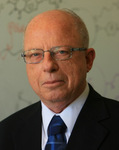
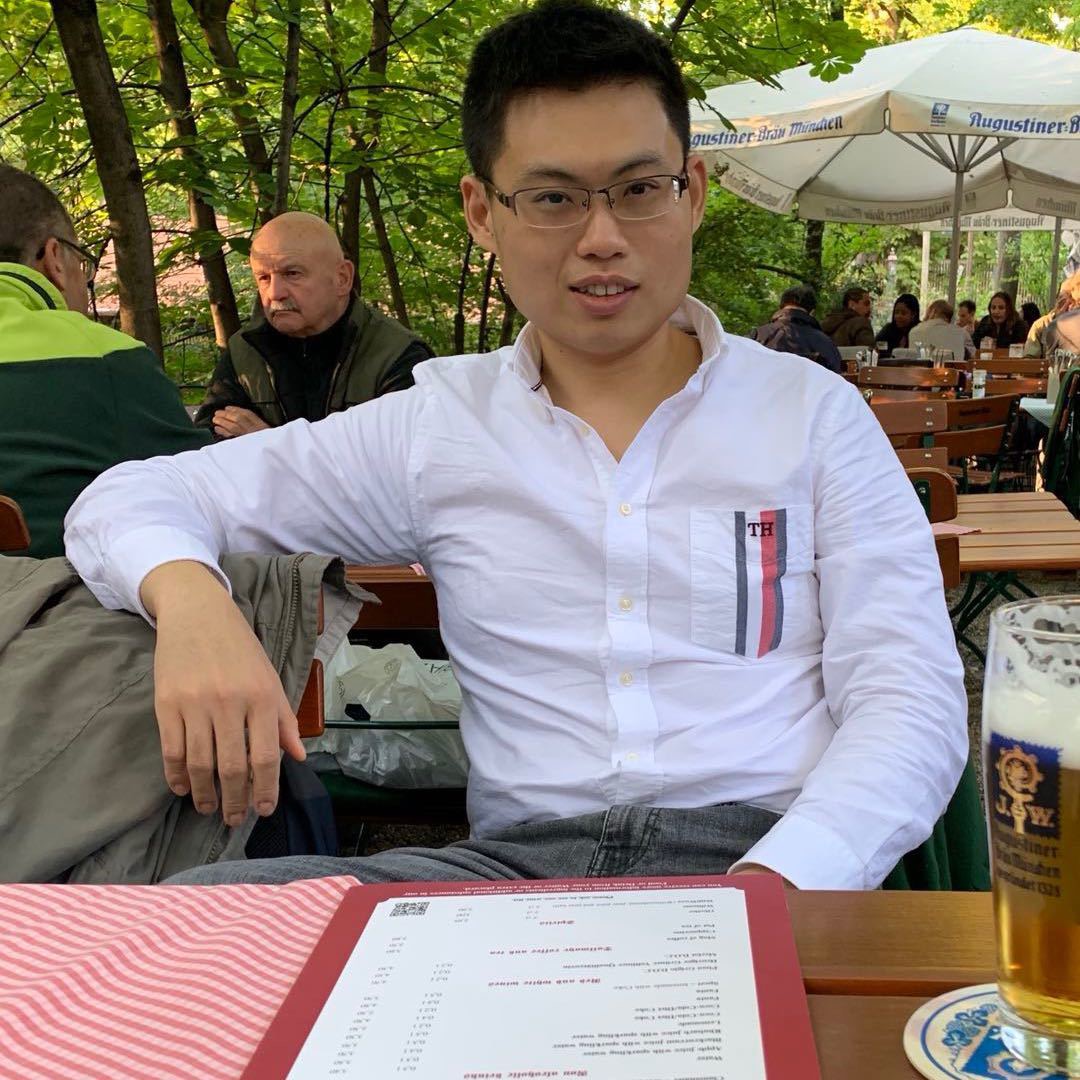
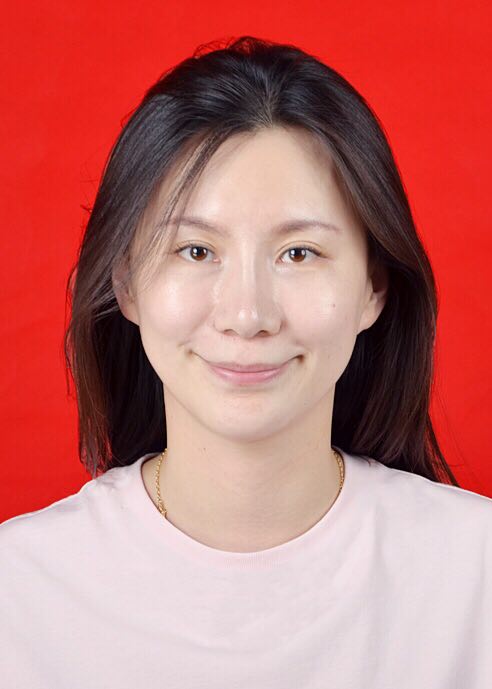
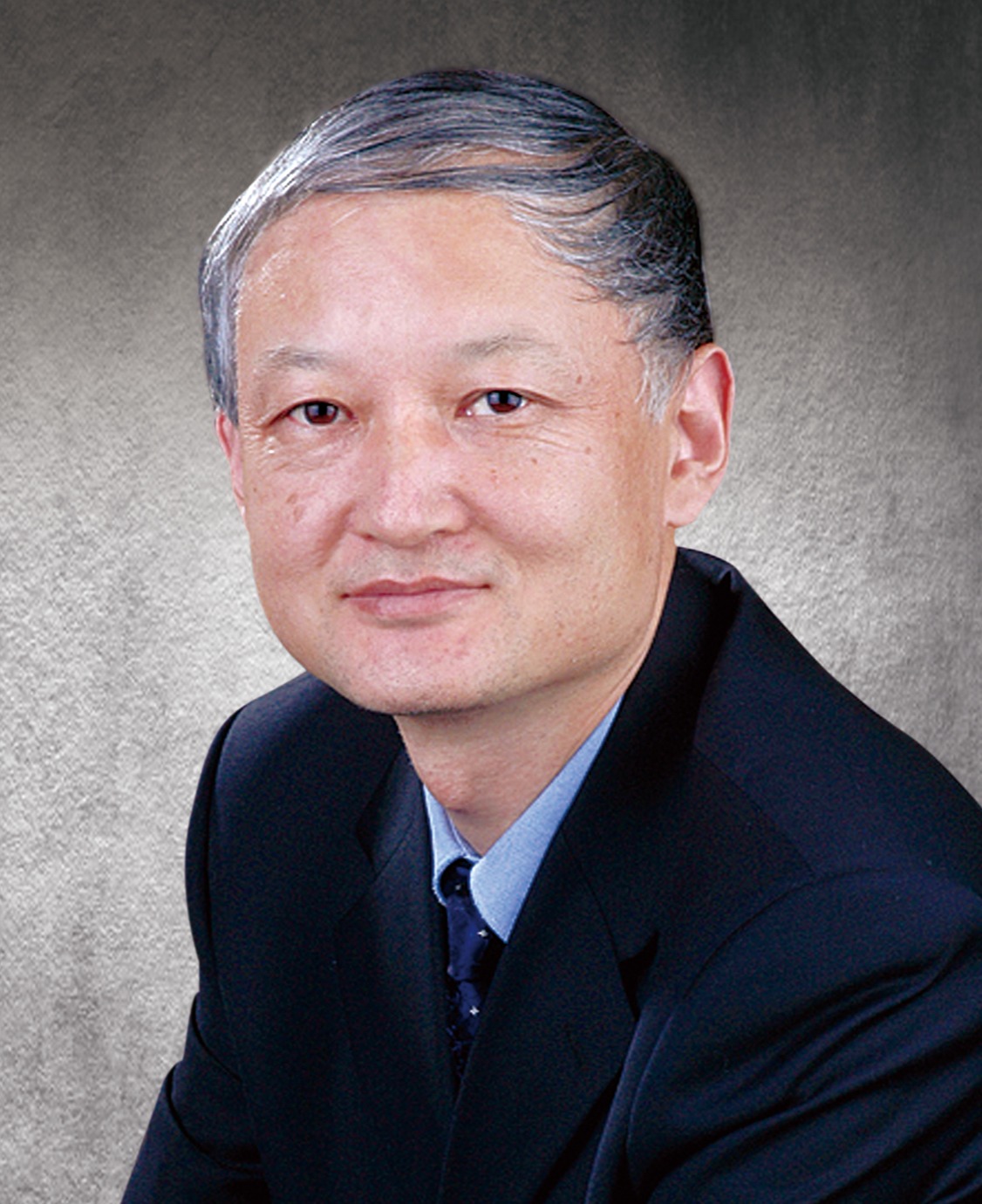
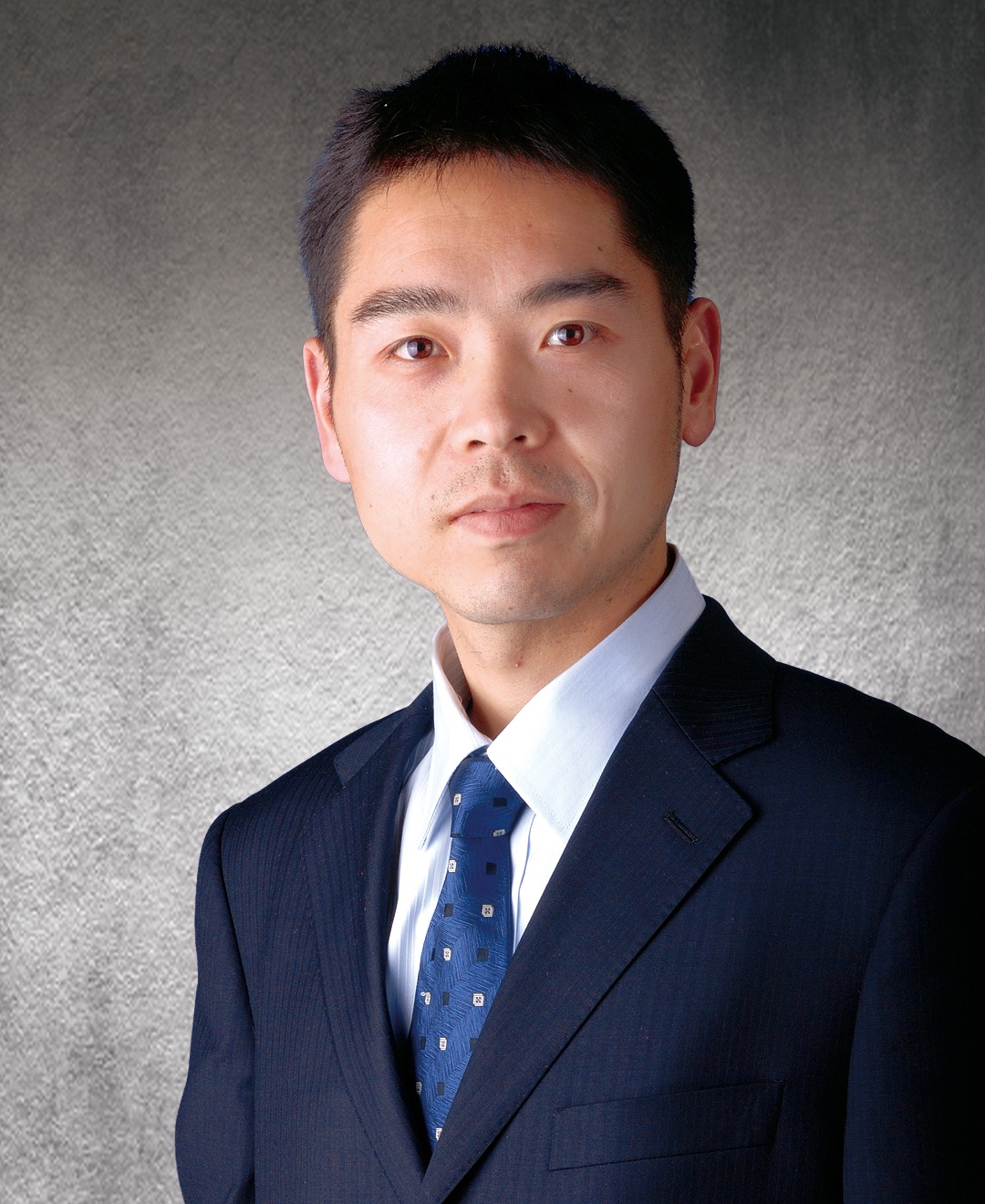
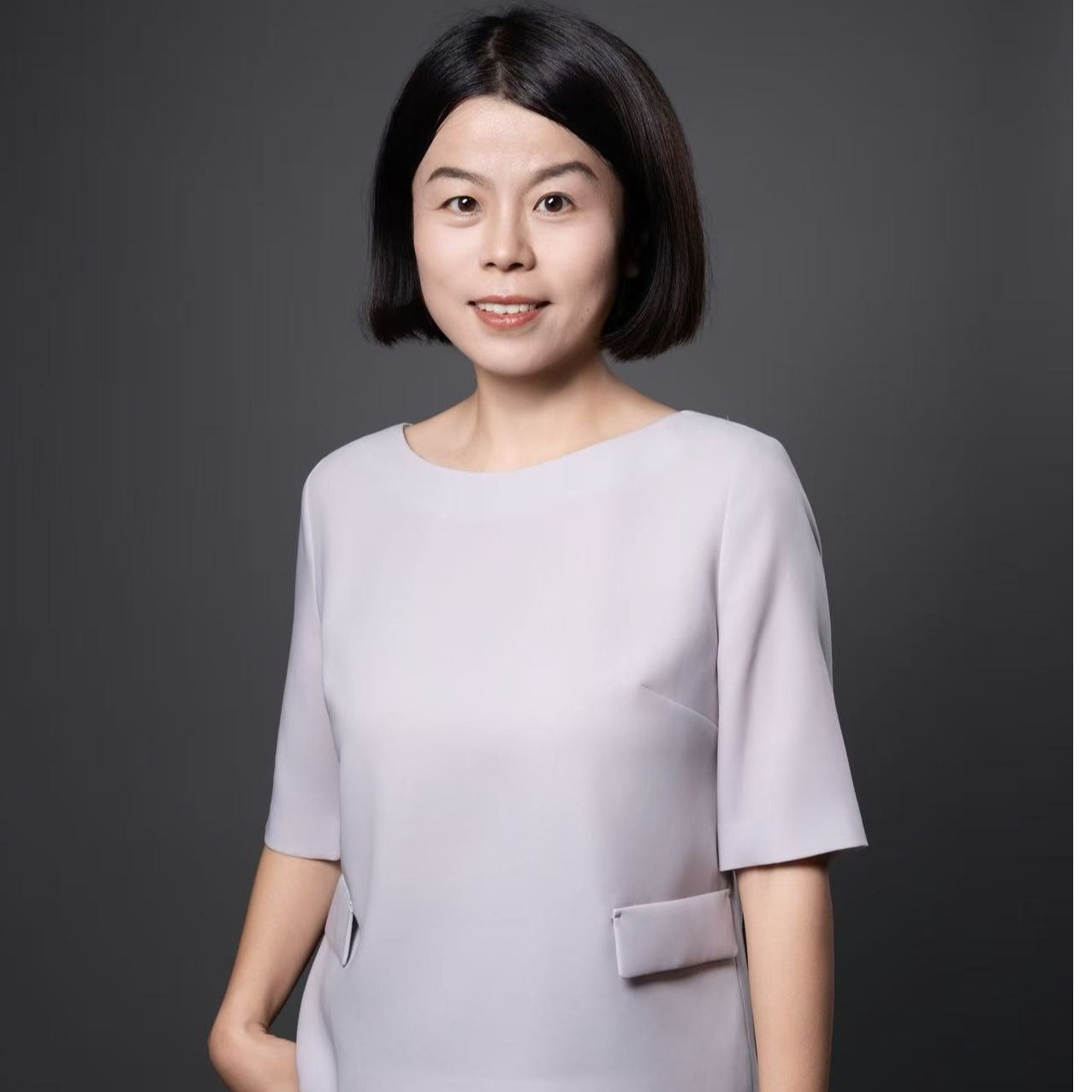
Dr. Alexander Kurganov is a Chair Professor in the Department of Mathematics at Southern University of Science and Technology (SUSTech), China, since 2019. Previously, he served as Professor at SUSTech (2016–2019) and Tulane University (2010–2015, 2004–2010, 2001–2004). He has held visiting positions at Shanghai Jiao Tong University, University of Bordeaux I, Johannes Gutenberg University, Paul Sabatier University, and University of Michigan. PhD in Applied Mathematics, Tel Aviv University, 1998 MS in Mathematics, Moscow State University, 1989 Research Interests: Dr. Kurganov specializes in scientific computing, numerical methods for time-dependent PDEs, finite-volume methods, geophysical fluid dynamics, and nonlinear PDEs. His work focuses on developing robust numerical schemes for complex fluid dynamics problems, including shallow water systems, chemotaxis models, and compressible flows. Publication Trends: His recent publications emphasize high-resolution numerical schemes for hyperbolic conservation laws, shallow water equations, and interdisciplinary applications in environmental modeling, fluid dynamics, and financial mathematics. 2015–2018 NSF Research Grant (PI) 2012–2015 ONR Research Grant (PI) 2011 German Research Foundation (DFG) Grant 1997 The Rosset Prize (Tel Aviv University) Grants & Collaborations: Dr. Kurganov has secured multiple NSF and ONR grants as principal investigator. His collaborations span institutions in the USA, China, France, Germany, and Sweden, with applications in geophysics, biology, and finance.
Jingzhi Li is a Professor and Associate Chair of the Department of Mathematics at Southern University of Science and Technology (SUSTech), where he has been serving since January 2020. Previously, he was an Associate Professor at SUSTech from June 2012 to December 2019. His research focuses on scientific computing, finite element methods, inverse problems in mathematical physics, shape optimization in differential forms, and computational finance. Education: PhD in Applied and Computational Mathematics, Chinese University of Hong Kong, 2009 MS in Computer Science, Wuhan University, 2004 BS in Mathematics, Wuhan University, 2001 Professor Li's research spans multiple areas of computational mathematics with a particular emphasis on inverse problems and their applications. His work combines theoretical analysis with practical numerical methods to solve challenging problems in mathematical physics. He has made significant contributions to the development of globally convergent numerical methods for coefficient inverse problems, finite element methods for high-order PDEs, and optimization techniques using differential forms. His research has applications across various domains including electromagnetic scattering, wave propagation, and computational finance. Analysis of Professor Li's recent publications reveals a strong focus on inverse problems, particularly in the areas of coefficient identification, scattering theory, and phaseless data reconstruction. His work demonstrates consistent innovation in developing convexification methods for solving nonlinear inverse problems with guaranteed global convergence. The research spans multiple mathematical disciplines including partial differential equations, numerical analysis, and optimization theory, with applications in physics, engineering, and medical imaging. Scientific Awards: Career Award, Shenzhen, 2021 Excellent Mentor Award, Shude Residential College, SUSTech, 2020 Dual-excellence Award, Faculty of Science, SUSTech, 2020 Highlight Award, Faculty of Science, SUSTech, 2019 Excellent Research Award, SUSTech, 2016 Excellent Mentor Award, SUSTech, 2016 Peacock Award (Tier B), Shenzhen, 2013 Best Doctoral Dissertation Award, Mathematical Society of Hong Kong, 2011 Shenzhen Excellent Talent Project (Outstanding Young Scientists Project), 2021 National Key Talent Program Youth Project, Mathematics and Science, 2012 Professor Li has demonstrated strong commitment to student mentorship, evidenced by multiple Excellent Mentor Awards from SUSTech. His research has been supported by significant grants including the National Key Talent Program Youth Project and Shenzhen's Peacock Plan. His collaborative work spans multiple institutions, particularly with ETH Zurich and Chinese Academy of Sciences, reflecting a strong international research network. While specific grant details aren't provided in the text, his extensive publication record in top journals suggests substantial research funding. Professor Li's research activities are centered around computational mathematics with particular strength in inverse problems. His work connects theoretical mathematics with practical applications across physics and engineering domains. The consistent publication record in high-impact journals demonstrates an active and productive research program with significant contributions to the field of computational inverse problems.
Jia SHI is an Associate Professor in the Department of Chemical Engineering and Biological Engineering at Xiamen University's School of Chemistry and Chemical Engineering. With a background in Control Science and Engineering, they have contributed to advanced process control techniques for batch processes over their academic career. Education: Bachelor's (Control Science, Xiamen University, 1994), Master's (Operations Research and Cybernetics, Xiamen University, 1997), Doctorate (Control Science and Engineering, Zhejiang University, 2006) Academic Career: Lecturer at Xiamen University's School of Information Science and Technology (1997-2007), Associate Professor since 2008 Their research focuses on complex intermittent process modeling and advanced process control techniques , particularly iterative learning control (ILC) and model predictive control (MPC). These methods address challenges in batch process systems through robust, adaptive, and intelligent control strategies. Selected recent publications demonstrate expertise in 2D modeling approaches for control systems, fault-tolerant control, and integrated feedback mechanisms. Key trends include application of mathematical optimization techniques to industrial chemical processes and development of robust algorithms for process reliability. As an active researcher, they have collaborated with institutions like Hong Kong University of Science and Technology (Research Assistant, 2003-2006) and maintain a strong publication record in top-tier journals such as AIChE Journal and Industrial & Engineering Chemistry Research.
Yu-Mei Lin is an Associate Professor at Xiamen University's School of Chemistry and Chemical Engineering, specializing in metal cluster chemistry and catalytic reaction design. Her research bridges synthetic chemistry, materials science, and catalysis. Education: Ph.D. in Chemistry, Xiamen University (2005-2010) Postdoctoral Research & Humboldt Scholar, University of Marburg, Germany (2010-2012) B.S., Quanzhou Teachers College (2001-2005) Research Focus: Dr. Lin's work centers on designing novel metal clusters and developing catalytic methodologies. Her group explores photoredox systems, metallaaromatic compounds, and nanocluster assemblies for applications in energy conversion, sensing, and green synthesis. Recent advances include visible-light-triggered C-H functionalization and π-aromaticity-driven structural transformations. Publication Trends: Her recent articles (2019-2024) demonstrate strong emphasis on photoredox catalysis, organometallic synthesis, and nanocluster design, with frequent collaborations in multidisciplinary teams. Works frequently appear in high-impact journals like JACS , Angewandte Chemie , and Nature Communications . Awards: Humboldt Research Fellowship (2011-2012)
Fuchun SUN is a Full-time Professor at Tsinghua University's Department of Computer Science and Technology, where he has been affiliated since 1998. He holds a Bachelor's (1986) and Master's (1989) in Automation from the Institute of Naval Aeronautical Engineering, and a Ph.D. in Computer Science & Technology from Tsinghua University (1997). Prof. SUN serves as Deputy Director of the State Key Laboratory of Intelligent Technology and Systems and holds editorial positions in IEEE Transactions on Neural Networks and Soft Computing. Research Focus: His work spans Intelligent Control, Robotics, Networked Control Systems, and Artificial Cognitive Systems. He pioneers neuro-fuzzy modeling, adaptive control of nonlinear systems, and Markov jump system filtering, with applications in spacecraft, mobile robots, and flexible manipulators. Research projects include National 863 High-Tech Programs and National Basic Research (973) Programs on hyperspace vehicle control and multi-satellite networking. Publications Trend: His 15 most recent articles (2002–2010) demonstrate consistent focus on neuro-fuzzy adaptive control, robotics, Markov jump systems, and H-infinity filtering. Over 80% involve experimental validation of theoretical frameworks for robotic manipulators and nonlinear systems. Awards: National Natural Science Funds for Distinguished Young Scholars (2006) New Century Talents Award, Ministry of Education (2004) National Science and Technology Progress Award, Second Class (2002) 18th Choon-Gang Academic Award, Korea (2003) Science and Technology Progress Award, Beijing (Second Class, 2004) National Distinguished Doctoral Dissertation (2000) Academic Leadership: Supervised 15 Ph.D. and 20 Master's students. Secured 10+ national grants including NSFC Distinguished Young Scholars funding. Developed experimental platforms: two flexible-link robot test-beds and a space teleoperation system for on-orbit servicing.
Itamar Willner is a distinguished Israeli chemist and Professor at the Hebrew University of Jerusalem who holds significant affiliations with the East China University of Science and Technology. He was appointed as an Honorary Professor in 2007, co-established the Ministry of Education's Joint Laboratory for International Cooperation in Structurally Controlled Molecular Engineering in 2017 as international director, and was appointed an "Internationally Renowned Master Visiting Professor" in 2022. He is a Foreign Academician of the Chinese Academy of Sciences (elected 2021), member of the Israel Academy of Sciences and Humanities (2002), European Academy of Sciences and Arts (2004), and German National Academy of Sciences (2009). Professor Willner's research spans supramolecular chemistry, nanomaterials, and biomaterials, with specific focus on DNA chemical biology and optoelectronic biosensing. His pioneering work includes the construction of bio/nanofunctional self-assembly systems such as DNA molecular machines and logic gates, development of bio-nanocatalytic methods, and the innovative concept of "nucleic acid aptamers" that enhances enzyme-mimicking catalysis. His recent development of "DNA dynamic networks" provides a powerful platform for studying non-equilibrium biomolecular assembly, while his work on artificial photosynthesis systems explores novel energy dissipation mechanisms. His extensive publication record includes over 850 SCI-indexed papers in journals like Nature and Science, with more than 89,000 citations and an H-index of 142. His research has led to significant applications in molecular-supramolecular electronics, intelligent responsive materials, controllable functional interfaces, and optoelectronic/bioelectronic assembly systems, driving innovations in photo/electrochemical probes, drug delivery systems, and molecular machines. His scientific achievements have been recognized with numerous prestigious awards: Israel Prize in Chemistry Rothschild Prize EMET Award (awarded by the Prime Minister of Israel) Israel Chemical Society Gold Medal Professor Willner has served on the editorial boards of nearly 20 major academic journals including JACS, ACIE, Nano Letters, ACS Nano, Small, and ChemPhysChem. His collaborative work with Chinese scholars through the Ministry of Education's Joint Laboratory has established a significant hub for basic research, talent development, and international collaboration in precision chemistry and molecular engineering, bringing together top scientists from China and abroad.
YUE MEI is an Associate Professor at Dalian University of Technology's School of Mechanics and Aeronautics. He holds a doctoral degree in Mechanical Engineering from Texas A&M University and has postdoctoral experience at Swansea University (UK) and Saint-Etienne Mines (France). His research focuses on computational mechanics, biomedical applications, and CAE software development, particularly addressing national needs in industrial software autonomy. He leads major national projects including National Key R&D Programs and National Natural Science Foundation grants. Awards include the Liaoning Provincial Talent Aggregation Plan and Dalian High-level Talents designation. His work spans mechanical inversion methods, multi-physics finite element analysis, and structural nondestructive testing. Education: PhD in Mechanical Engineering, Texas A&M University (2013-2017) MSc in Solid Mechanics, South China University of Technology (2010-2013) BSc in Engineering Mechanics, China University of Petroleum (2006-2010) Research Interests: Integrating computational mechanics with biomedical and advanced materials fields. Key areas include: Mechanical inversion techniques for medical/industrial applications Multiphysics finite element methods (fluid-structure, electromagnetics) Development of autonomous CAE software tools Grants & Projects: Leads 7+ ongoing projects including 'Jointly Driven Cross-Scale Mechanical Analysis' (Liaoning Provincial) and 'General CAE Implicit Solver Engine' (National Key R&D). Recent papers focus on topology optimization in biomechanics, soft tissue characterization, and energy harvesting.
Yin Guoyin is a full-time Professor and doctoral supervisor at the Institute for Advanced Studies, Wuhan University. He serves as a Principal Investigator (PI) in multiple research centers, including the Interdisciplinary Research Center for Chemistry and Life Health and the Photoelectric Nanocatalysis and Industrial Application Research Center. He holds a part-time PI role at the Wuhan University Advanced Light Source Research Center. Education: PhD in Organic Chemistry (2006–2011), Shanghai Institute of Organic Chemistry, Chinese Academy of Sciences Bachelor of Science in Applied Chemistry (2002–2006), Northeast Agricultural University Research Interests: His work focuses on synthetic chemistry and metal catalysis, particularly in the areas of metal migration-driven alkene transformations, catalytic reaction mechanisms, and the design of efficient synthetic pathways. His lab employs physical organic chemistry and computational methods to elucidate reaction mechanisms, with applications in developing novel catalysts and asymmetric synthesis techniques. Key Publications Trends: His recent work emphasizes nickel-catalyzed alkene functionalization, enantioselective boration reactions, and mechanistic studies of transition-metal-mediated transformations. The articles highlight advancements in regio- and stereoselective synthesis, catalyst-controlled divergent pathways, and the application of borylation and arylation strategies for complex molecule construction. Awards: National Natural Science Foundation of China Excellent Youth Fund (2021) Thieme Chemistry Journals Award (2017) Outstanding Doctoral Dissertation of the Chinese Academy of Sciences (2014) Humboldt Scholarship (2011) Advising & Labs: Yin’s group welcomes students and postdocs interested in synthetic chemistry and catalysis. His lab is part of the Wuhan University Advanced Light Source Research Center and collaborates internationally. Undergraduates are invited to join via graduation or innovation projects.
Hu Ding is a pre-tenure Professor in the School of Computer Science and Engineering at the University of Science and Technology of China (USTC), where he directs the Data Intelligence, Algorithms, and Geometry (DIAG) research group. He previously held positions as a tenure-track Assistant Professor at Michigan State University (2016-2018) and a Simons-Berkeley Research Fellow jointly at Tsinghua University and UC Berkeley (2015-2016). Education: • Ph.D. in Computer Science, State University of New York at Buffalo (2015) • B.S. in Mathematics, Sun Yat-Sen University (2009) Research Interests: Hu Ding's research focuses on developing efficient algorithms for geometric optimization problems with applications in machine learning, big data, and biomedical imaging. His work bridges theoretical computer science (especially computational geometry) with practical challenges in distributed systems, outlier detection, and high-dimensional data analysis. Key areas include constrained clustering, truth discovery in crowdsourced data, and geometric methods for biomedical image analysis. Publication Trends: His recent publications demonstrate a strong focus on scalable algorithms for high-dimensional geometric optimization, particularly in distributed environments with noisy data. A consistent theme is developing theoretically-grounded solutions with practical efficiency, evidenced by work on sublinear-time algorithms, coreset constructions, and approximation frameworks for problems like k-center clustering and SVM optimization with outliers. Awards and Honors: Young Investigator Award, Ministry of Science and Technology (2021) Simons-Berkeley Research Fellowship (2015-2016) CCF Committee Member for Theoretical CS and Big Data (2021) Grants and Projects: USTC Innovation Group Grant: 'Toward Electronic Design Automation: Theories and Algorithms from AI' (2021) MOST Young Investigator Grant: 'Optimal Transportation in Medical Imaging' (3M RMB, 2021) Research Group: Leads the DIAG group with focus on geometric algorithms for data intelligence. Current team includes 6 PhD students and 15 Master's students working on problems in clustering, distributed optimization, and biomedical applications. Former students hold positions at Alibaba, ByteDance, and academic institutions.
Xiao ZHANG is a Faculty Tutor at the School of Civil Engineering, Shandong University, specializing in advanced robotics, teleoperation systems, and machine learning applications in manufacturing. Their work bridges human-robot interaction, surgical robotics, and materials engineering. Research focuses on improving precision in telemanipulation, optimizing additive manufacturing processes, and developing context-aware robotic systems for healthcare and industrial automation. Key research interests include gaze-based control mechanisms, intent recognition in human-robot collaboration, and AI-driven quality assessment in manufacturing. Xiao ZHANG has extensively explored applications of neural networks and multi-agent systems to enhance robotic dexterity and safety, particularly in scenarios requiring real-time adaptation like laparoscopic surgery and autonomous vehicles. Recent Trends: Recent publications emphasize integrating machine learning with traditional manufacturing processes (e.g., laser additive manufacturing) and advancing human-centric robotics through shared control frameworks. Awards: No specific awards listed, but contributions span over two decades of peer-reviewed work. Grants/Advising: No explicit grants or student advisees mentioned in the provided text. Labs/Teams: Affiliated with robotics and manufacturing research groups at Shandong University, focusing on experimental and computational methods.
Qingrong Xiong is a Professor in the Department of Hydraulic Engineering at the School of Civil Engineering, Shandong University. He holds a PhD in Civil Engineering from the University of Manchester (2012–2015) and received a Master's and Bachelor's in Hydraulic and Hydroelectric Engineering from Wuhan University (2010–2012, 2006–2010). Education: PhD in Civil Engineering, University of Manchester (2012–2015) Master of Hydraulic and Hydroelectric Engineering, Wuhan University (2010–2012) Bachelor of Hydraulic and Hydroelectric Engineering, Wuhan University (2006–2010) His research focuses on Hydrogen Storage , Carbon Capture and Storage , Nuclear Waste Disposal , and Thermal-Hydraulic-Chemical-Mechanical (THCM) Modeling of geomaterials. He specializes in pore network modeling, reactive transport in porous media, and coupled stress-seepage field analysis of underground rocks. Recent publications emphasize 3D mesostructural modeling , reactive diffusion in clays , and numerical simulation of microstructural evolution in nuclear materials. His work combines computational methods (finite element analysis, pore network models) with experimental validation. Scientific Awards President's Doctoral Scholar Award, University of Manchester
Chen Guoqing is a Professor and Senior Professor of Humanities at Tsinghua University's School of Economics and Management, where he serves as Deputy Director of the Academic Committee. He chairs the National Natural Science Foundation of China's Big Data Major Research Program Guidance Expert Group and directs the Ministry of Education's Higher Education Management Science and Engineering Professional Teaching Guidance Committee, with additional roles on national informatization and New Liberal Arts committees. Education: Bachelor's Degree, Renmin University of China (1982) Master's Degree, University of Leuven, Belgium (1988) Doctorate, University of Leuven, Belgium (1992) Research Focus: Professor Chen pioneers research in Business Intelligence and Big Data Analysis, developing frameworks like PAGE for data-driven decision-making. His work spans E-commerce, IT Strategy, and Fuzzy Logic, with recent emphasis on personalized recommendation systems, online consumer behavior, and AI-human collaboration in business contexts. His publications reveal a trajectory from foundational fuzzy logic research to cutting-edge big data applications, consistently bridging technical innovation with managerial relevance. Awards: AIS Fellow (first from mainland China) IFSA Fellow Fudan Management Outstanding Contribution Award Changjiang Scholar Distinguished Professor National Science Fund for Distinguished Young Scholars National Outstanding Doctoral Dissertation Advisor Leadership: As former Executive Vice Dean of Tsinghua SEM and Vice President of IFSA, he has shaped academic policy globally. He leads major NSFC projects and international collaborations while advising government bodies on informatization strategy. His teaching includes national-level courses like "Management Information Systems" and "Management in the Big Data Era."
Liu Chun is an Associate Professor in the Department of Finance at Tsinghua University's School of Economics and Management. He holds a PhD from the University of Toronto (2002-2007), a Master's (1999-2001) and Bachelor's (1995-1999) in Economics and Management from Tsinghua University. His research focuses on capital markets, financial measurement, and risk management. Professor Liu teaches courses including Intermediate Financial Theory, Financial Data Analysis, and Financial Practice Classes. His research explores diverse aspects of China's financial system including local government financing, SME credit access, investor behavior, and market microstructure. Recent work analyzes policy impacts using advanced econometric methods like Bayesian latent variable models and survival analysis. His publications predominantly appear in finance and economics journals, with thematic concentrations in: Chinese financial market dynamics Behavioral finance and investor decision-making Policy evaluation and regional development Financial econometrics and statistical modeling Market microstructure and volatility analysis Fintech innovations and digital finance Professor Liu maintains research collaborations across departments and supervises projects on financial infrastructure development. His office is located in Room B310 of Tsinghua University's Lihua Building in Beijing.
刘潇 is a Professor in the Department of Economics at Tsinghua University's School of Economics and Management. She joined Tsinghua in 2012 as an Assistant Professor and advanced through roles including Associate Professor (2016-2021), Tenured Associate Professor (2021-2025), and Professor (2025-). She holds a Bachelor's degree from Renmin University of China (2006) and a PhD from the University of Michigan (2012). Her research focuses on Experimental Economics , Behavioral Economics , and Computational Economics , utilizing field experiments and game theory to analyze human decision-making. Recent work explores AI-driven economic rationality, incentive structures in digital platforms, and behavioral interventions in social policies. Her publications emphasize experimental methodologies applied to diverse contexts like online education, labor incentives, and environmental markets. Trends include increasing integration of computational tools and cross-disciplinary collaboration with computer science. Awards & Honors: Advanced Worker, Tsinghua University (2021) Advanced Worker, Tsinghua SEM (2014, 2020) Outstanding Student Work Award (2020) Outstanding Class Advisor (2017) Advanced Research Work Award (2014) She serves as Associate Editor for Management Science , Journal of Economic Behavior & Organization , and Journal of Behavioral and Experimental Economics , and holds leadership roles in academic committees including the Economic Science Association.
Bao Xueyang is an Assistant Professor at the Department of Earth and Space Sciences (Faculty of Science) of Southern University of Science and Technology (SUSTech) , where he has worked since January 2019. His academic background includes a Ph.D. in Geology from the University of Missouri-Columbia (2011) , M.S. and B.S. degrees in Geophysics from the University of Science and Technology of China . Ph.D., Geological Sciences, University of Missouri-Columbia (2011) M.S., Earth and Space Sciences, University of Science and Technology of China (2005) B.S., Earth and Space Sciences, University of Science and Technology of China (2001) His research focuses on seismological full-waveform inversion , seismic wave attenuation measurement , and geophysical studies of tectonically active regions such as the Tibetan Plateau and Tethys domain. Methodologically, he develops techniques for: 3D full-waveform inversion Joint seismic-gravity inversion Seismic wave attenuation anisotropy Background noise tomography Wavefield simulation on complex topographies Seismic source parameter inversion Analysis of his recent publications reveals expertise in full-waveform sensitivity kernel development , ocean-bottom seismology , and cratonic lithosphere thermal structure through Rayleigh wave attenuation studies. His work spans both theoretical advancements in inversion algorithms and practical applications in energy resource characterization and tectonic studies. Scientific recognition includes: 2019 Shenzhen Overseas High-Level Talent 2022 Excellence Awards in Reviews of Geophysics and Planetary Physics He leads multiple National Natural Science Foundation projects while co-leading international research initiatives. His teaching portfolio includes undergraduate and graduate courses on geophysical inversion theory, covering both linear and nonlinear inversion methods with machine learning applications.