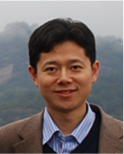
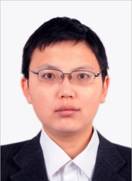
Dr. Oscar Lung Wa Chung is a tenured Full Professor at the Department of Chemistry, Southern University of Science and Technology of China (SUSTech), with a research focus on multi-scale and machine learning simulations for complex homogeneous catalysis and biocatalysis. He holds a Ph.D., M.Phil., and B.Sc. (1st Honors) in Chemistry from The Hong Kong University of Science and Technology (HKUST), where he studied under Prof. Yun-Dong Wu. Education Ph.D. (2006), HKUST M.Phil. (2003), HKUST B.Sc. (2000), HKUST His research spans multi-scale simulations of chemical and biochemical systems, with emphasis on sustainable/bio-inspired catalysis, biocatalysis, and method development. He has published 100+ SCI-indexed papers, including Chemical Reviews , Accounts of Chemical Research , and Journal of the American Chemical Society , with over 5,600 citations. Notable achievements include the 2024 Organic Chemistry Horizon Prize from the Royal Society of Chemistry and inclusion in Stanford University's Top 2% Global Scientists (2021-2024). Scientific awards 2024 Royal Society of Chemistry's Organic Chemistry Horizon Prize World's Top 2% Scientists (2021-2024) Shenzhen's Peacock Plan Awardee (2014) Fukui Fellowship (2006-2010) He teaches General Chemistry , Bioinorganic Chemistry , and Computational Chemistry , while serving as a reviewer for 20+ journals and funding agencies. His work often bridges computational predictions with experimental validation, with two proposed mechanisms incorporated into standard textbooks.
Andrew Hutchins is an Associate Professor in the Department of Biology at Southern University of Science and Technology (SUSTech). His research bridges computational and experimental approaches, focusing on next-generation sequencing technologies to study epigenetics, transposable elements, and their roles in cell biology and human disease. PhD from John Innes Centre and University of East Anglia (UK), 2004 BSc from University of Wolverhampton (UK), 2000 His research explores how transposable elements contribute to epigenetic control and cell fate decisions, with implications for understanding developmental processes and diseases. Key areas include chromatin accessibility, single-cell transcriptomics, and reprogramming mechanisms. Recent publications highlight his expertise in computational genomics, RNA-seq, and epigenetic regulation of transposable elements across stem cells and developmental contexts. His work employs advanced bioinformatics tools to analyze chromatin dynamics and transcriptome modulation. At SUSTech, he teaches Bioinformatics and Genomics and Scientific Writing postgraduate courses. He collaborates with international institutions and leads the Chrom Lab, which focuses on interdisciplinary research integrating genomic technologies and computational methods.
Dr. Qi Hao is an Associate Professor and Deputy Director of the Department of Computer Science and Engineering at Southern University of Science and Technology (SUSTech) in Shenzhen, China. He also serves as Executive Director of the SUSTech & Haylion Intelligent Transportation Center and Head of the SUSTech & FengXiangBiao ICV Education Joint Laboratory. Prior to joining SUSTech in 2014, he was an Assistant Professor at the University of Alabama (2007-2014) following postdoctoral training at the University of Kentucky. Dr. Hao received his PhD in Electrical and Computer Engineering from Duke University in 2006, with Master's and Bachelor's degrees from Shanghai Jiaotong University (1997 and 1994). His academic journey includes research positions at Singapore's Data Storage Institute (1998-2001) and engineering experience at Shanghai Electric Tool Research Institute (1997-1998). As an expert in intelligent sensing and unmanned autonomous systems, Dr. Hao's research spans bionic intelligent sensor design, machine learning applications, and autonomous vehicle technologies. His work demonstrates a strong integration of theoretical frameworks with practical implementations, particularly in pyroelectric infrared sensing, UAV systems, and distributed sensor networks. His research has evolved to address increasingly complex challenges in autonomous navigation, multi-robot coordination, and edge computing for intelligent transportation systems. Dr. Hao's publication trend reveals a strategic shift toward integrated autonomous systems, with recent work emphasizing robotics, machine learning, and wireless communication. His research bridges computer vision, sensor fusion, and deep learning to solve practical challenges in autonomous vehicle perception, wireless energy transfer, and human activity recognition. The interdisciplinary nature of his work connects electrical engineering principles with cutting-edge AI techniques. US National Science Foundation Research Awards (2009, 2011) Multiple IEEE conference best paper awards and finalists (2012-2021) Shenzhen Overseas High-level Talents Peacock Plan Category C (2017) Advanced Educators in Shenzhen (2017) Outstanding Teacher of Guangdong Province (2021) SUSTech Outstanding Research and Service Awards (2017-2021) Dr. Hao has secured significant research funding as Principal Investigator for projects from NSFC, Shenzhen Nanshan District, and industry partners including Huawei, Intel, and Haylion Technology. His current projects focus on intelligent binary sensing, next-generation camera systems, autonomous driving safety frameworks, and federated learning for vehicle perception. He has also contributed to educational initiatives through Guangdong Province and Shenzhen City education reform projects. Leading the SUSTech & Haylion Intelligent Transportation Center and the SUSTech & FengXiangBiao ICV Education Joint Laboratory, Dr. Hao oversees research teams developing solutions for intelligent transportation challenges. His labs integrate expertise across computer science, electrical engineering, and mechanical engineering to advance autonomous vehicle technologies, sensor networks, and robotics applications for real-world implementation.
Yuxiu Hu serves as an English Instructor at the Center for Language Education, Southern University of Science and Technology (SUSTech) in Shenzhen, China. She has held the position of Lecturer at SUSTech since 2013, specializing in English language instruction for science and engineering students in a non-English speaking environment. Education: PhD in Linguistics, The University of Hong Kong (2007-2011) MA in Linguistics, The University of Hong Kong (2005-2006) BA in English Education, Harbin Normal University (1999-2003) Dr. Hu's research focuses on Second Language Acquisition, Curriculum Development, and College English Teaching. Her work examines how Mandarin influences English acquisition among Chinese students and develops specialized English curricula for STEM fields. She has conducted extensive research on technology-enhanced language learning, particularly exploring web-based instruction, MOOCs, and the flipped classroom model for engineering English education. Her longitudinal studies track language acquisition patterns and the effectiveness of various teaching methodologies in non-English speaking contexts. Scientific Recognition: Excellent Teaching Award, Southern University of Science and Technology (2018) The University of Hong Kong Research Student Scholarship (2007-2011) The University of Hong Kong Oversea Conference Grant (2008) Dr. Hu has led significant research initiatives including "The Development of STEM-based English Curriculum in Higher Education" (2017-2019) as Principal Investigator, and has contributed as Co-investigator to multiple projects involving MOOC development for engineering English, flipped classroom models for public speaking instruction, and web-based learning systems. She serves the academic community as a Proposal Reviewer for TESOL International Convention and previously as Associate Editor for Ubiquitous Learning: An International Journal. Her teaching portfolio encompasses College English Reading & Writing, Academic English, TOEFL preparation, Academic Writing, Engineering English, and English Reading Strategies courses.
JIANG Liguang is an Assistant Professor in the School of Environmental Science and Engineering at Southern University of Science and Technology (SUSTech). He received his MSc from the Institute of Geographic Sciences and Natural Resources Research, Chinese Academy of Sciences in 2014, and his PhD in Remote Sensing & Hydrology from the Technical University of Denmark in 2018. Prior to joining SUSTech in March 2021, he completed a postdoctoral fellowship at the Technical University of Denmark. Dr. Jiang's research spans both remote sensing and hydrological sciences, with a focus on satellite altimetry applications for inland water monitoring and modeling. His work investigates the hydrological dynamics of surface water bodies such as lakes, reservoirs, and rivers in the context of climate change. He has made significant contributions to hydrodynamic modeling using distributed altimetry-derived Water Surface Elevation data, broadening the applications of satellite altimetry in hydrology. His recent publications reveal a strong focus on advancing satellite altimetry techniques for river and lake monitoring, with particular emphasis on Sentinel-3, CryoSat-2, and SWOT missions. His research integrates machine learning approaches with traditional hydrological modeling, demonstrating innovative methods for streamflow prediction and water resource assessment. The interdisciplinary nature of his work connects remote sensing technology with practical water management applications. Scientific Awards: 2023 Reviewer Award of The Innovation Geoscience 2023 Reviewer Award of IAHS Hydrological Sciences Journal 2021 Shenzhen Overseas High-Caliber Personnel 2019 Otto Mønsteds Fund Travel award 2018 Outstanding Reviewer of the Remote Sensing of Environment Dr. Jiang serves as an Associate Editor for Sustainable Water Resources Management (Springer Nature) and as a Young Editorial Board Member for the Journal of Remote Sensing. His funded research projects include significant work with international organizations such as the European Space Agency, NASA/CNES, and Danish research agencies, demonstrating strong international collaboration in his field.
LUO Guangfu is an Associate Professor at the Department of Materials Science and Engineering, School of Engineering, Southern University of Science and Technology (SUSTech). Previously, he held academic positions at Washington University in St. Louis (2017-2018) and University of Wisconsin-Madison (2012-2017), and postdoctoral roles at the Institute for Molecular Science, Japan (2010-2012). His research focuses on first-principles calculations of functional materials, particularly defects and dynamic behaviors leading to device failure, and the development of accurate computational methods for transition state analysis. His Computational Materials Design (CMD) group collaborates extensively with experimental teams globally. Awards and honors include the Beijing Natural Science Award (2022), Shenzhen Peacock Plan Level B (2019), and Fellowships at the Institute for Molecular Science, Japan (2011). His key publications address epitaxial growth mechanisms, excited-state activation barriers, and Li dendrite suppression in batteries using nanosieve materials. Beijing Natural Science Award (2022) Shenzhen Peacock Plan Level B (2019) Seed Project Awards (2016, 2017) Institute for Molecular Science Fellowship (2011)
Zhengbo LI is a Research Assistant Professor at Southern University of Science and Technology (SUSTech), specializing in geophysics and seismology. He received his education at the University of Science and Technology of China (USTC), earning a Bachelor's degree from the School of the Gifted Young (2010–2014) and a Ph.D. from the Department of Earth and Space Sciences (2014–2020). Prior to his current role, he was a Postdoctoral Fellow at SUSTech (2020–2022). His research focuses on three primary areas: High-order surface wave observation and application, including the development of the CC-FJpy software and FJ-VoroTomo method. Observation and application of leaking energy modes for subsurface velocity structure inversion. Artificial intelligence in seismology, where he developed tools like TraceNet for seismic baseline correction and DisperNet for dispersion curve analysis. LI's publications emphasize surface wave imaging, earthquake dynamics, and computational methods. Recent articles (2019–2023) demonstrate consistent themes: multi-modal dispersion analysis, machine learning applications, and high-resolution simulations of seismic events. He leads multiple projects, including National Natural Science Foundation of China (NSFC) grants and national key R&D initiatives. While no students or lab affiliations are mentioned, he serves as a peer reviewer for journals like Journal of Geophysical Research and Seismological Research Letters .
Li Dong is a Research Associate Professor in the Department of Earth and Space Sciences at Southern University of Science and Technology (SUSTech) in Shenzhen, China. He joined SUSTech in July 2018 after holding academic positions at Auburn University in the United States where he served as Research Assistant Professor and Instructor. His educational background includes a Ph.D. in Atmospheric Sciences from Cornell University (2006), an M.S. from the Lanzhou Institute of Plateau and Atmospheric Physics, Chinese Academy of Sciences (2000), and a B.S. from Lanzhou University (1997). Professor Dong's research spans several critical areas in atmospheric science, with primary focus on midlatitude block onset mechanism and the dynamical linkage between atmospheric blocking and extreme weather . His work also encompasses typhoon rapid intensification from large-scale atmospheric dynamics perspective, onshore and offshore wind resource assessment , regional climate simulation with MPAS model , and paleoclimate dynamics for periods like the Last Glacial Maximum and Mid-Holocene. His innovative approach to wind resource assessment using cluster analysis and artificial intelligence has significantly advanced quantitative methods in renewable energy planning. His publication record demonstrates a consistent contribution to top atmospheric science journals including Journal of Atmospheric Sciences, Journal of Climate, and Monthly Weather Review. His research shows a clear progression from fundamental atmospheric dynamics to practical applications in renewable energy and extreme weather prediction. Associate Editor of Monthly Weather Review (2008-2012) Panelist of AWEA Annual Workshop of Wind Resource Assessment (2009) Outstanding Teaching Assistant Award from Cornell University (2003) Professor Dong has successfully secured research funding including a National Natural Science Foundation project on 'Dynamical Study of Interaction between Midlatitude Atmospheric Static Stability and Blocking High' (630,000 RMB, 2020-2023) and a Shenzhen Science and Technology Innovation Commission project on 'Theoretical Study of Extreme Weather Outbreak Mechanisms in Shenzhen and Surrounding Areas' (300,000 RMB, 2020-2023). His industry experience at WindLogics Inc. (2007-2009) where he served as Senior Atmospheric Scientist provides valuable practical perspective to his academic work. As part of the Department of Earth and Space Sciences at SUSTech, Professor Dong contributes to a growing research environment that includes 31 faculty members with expertise in geophysics, space physics, satellite geodesy, and planetary science, working toward establishing a world-class research and education center for Earth and Space Sciences.
Dr. FENG Weiqiang is an Assistant Professor and PhD supervisor at the Department of Ocean Science and Engineering, Southern University of Science and Technology (SUSTech), Shenzhen, China. He received his PhD in Geotechnical Engineering from The Hong Kong Polytechnic University in 2016, after completing a Master's at Zhejiang University and a Bachelor's at Central South University. His research bridges marine geotechnics with advanced computational and sensing technologies. PhD: Geotechnical Engineering, The Hong Kong Polytechnic University (2011–2016) MSc: Geotechnical Engineering, Zhejiang University (2008–2011) BEng: Mining & Geotechnical Engineering, Central South University (2004–2008) Dr. Feng specializes in marine soil consolidation , elasto-viscoplastic constitutive modeling , and fiber optic geotechnical sensors . He pioneered a modified Cam-Clay model incorporating nonlinear loading-unloading and temperature effects , with applications in major projects like Hong Kong International Airport's Third Runway and the Tseung Kwan O reclamation. His fiber Bragg grating effective stress meter , licensed to NanZee Sensing Co., Ltd., represents the first global instrument for direct soil stress measurement. His publications (73 SCI papers, H-index 23) focus on submarine pipeline-soil interaction , robot safety systems , and offshore energy islands . Key trends include multi-physics coupling in geotechnical systems, machine learning integration for damage detection, and advanced sensing techniques for marine environments. 2024: Outstanding College Advisor Award, SUSTech 2023: Dual Outstanding Individual Awards (Student Recruitment & Party Affairs), SUSTech 2020: Shenzhen Municipal Government Category C Overseas High-Level Talent 2016: 'Ringo Yu' Best Doctoral Thesis, Hong Kong Institution of Civil Engineers 2007: National Scholarship, Ministry of Education, China Dr. Feng actively leads 5 research projects (including 1 National NSFC grant and 3 provincial/municipal grants), participates in over 10 national/Hong Kong SAR funded programs, and mentors prospective postdoctoral fellows, PhD, and master's students in geotechnical, mechanical, and environmental disciplines. His team develops intelligent geotechnical systems for offshore applications, including submarine robot safety frameworks and smart energy island infrastructure . Current collaborations span Canadian National Geotechnical Code implementation and Kunlong 500 tracked mining vehicle soil interaction studies.
Thomas Fischer is a Professor at the School of Design, Southern University of Science and Technology (SUSTech), with over 25 years of international academic experience. He leads the Design Cybernetics Group at SUSTech and serves as Chief Design Officer of anabrid technology company. Previously, he held teaching positions at The Hong Kong Polytechnic University (Interactive Systems Design & Industrial Design, 10+ years) and Xi’an Jiaotong-Liverpool University (Architecture & Industrial Design, 10 years), along with visiting positions at National Cheng Kung University and Humboldt University. Double PhD: Education (University of Kassel), Architecture & Design (RMIT University) Certification: Graduate Certificate in Cybersecurity (Harvard University) Research Focus: Design cybernetics, computational design theory, autopoietic systems, and digital media. His work bridges cybernetics with architectural and product design, emphasizing indeterminism, circular causality, and epistemic processes. Academic Contributions: Over 100 peer-reviewed publications with notable works on non-trivial machine design, BIM adoption models, and cybernetic design epistemology. Key journals include Kybernetes , International Journal of Architectural Computing , and Frontiers of Architectural Research . Fellow, Design Research Society Fellow, Cybernetics Society Certified Talent, International Academy for Systems & Cybernetic Sciences Recipient, Warren McCulloch Award (American Society for Cybernetics) Collaborations: Active partnerships with Christiane M. Herr, Guillermo Sánchez Sotés, and other systemic design researchers. His recent publications appear in Constructivist Foundations and Materials & Design , focusing on autopoietic architecture and cross-morphological performance analysis.
Li Zeng is an Associate Professor in the Department of Statistics and Data Science at Southern University of Science and Technology (SUSTech) since January 2021, following her Assistant Professor role at the same institution from August 2019 to December 2020. Previously, she was an Eberly Postdoctoral Fellow at Pennsylvania State University under Prof. Runze Li (2017-2019) and a Research Assistant at the University of Washington with Dr. Fang Han (2017). Ph.D. in Statistics and Actuarial Science from the University of Hong Kong (2017), advised by Prof. Jianfeng Yao M.Sc. in Statistics from Renmin University of China (2012) B.Sc. in Mathematical Science from Beijing Normal University (2009) Her research centers on Random Matrix Theory and High Dimensional Statistics , with significant contributions to eigenvalue/singular value distributions in large-dimensional matrices. She extends these theoretical foundations to Time Series Analysis for lagged auto-correlation structures and applies them to Machine Learning problems including neural network optimization and regularization. Her work bridges asymptotic probability theory with practical data science applications, developing robust methods for high-dimensional inference. Analysis of her 15 most recent publications (2016-2025) reveals a dominant focus on high-dimensional statistical theory with increasing machine learning integration. Key trends include asymptotic analysis of covariance/correlation matrices (60% of publications), factor modeling innovations (20%), and deep learning applications (20%). She consistently publishes in top-tier venues including Annals of Statistics (5 papers), Journal of the American Statistical Association , and machine learning conferences (ICML, ECCV), demonstrating exceptional interdisciplinary impact. Excellent Teaching Assistant Award (5 times) from HKU Department of Statistics and Actuarial Science (2012-2017) Dr. Li actively recruits postdoctoral researchers specializing in probability theory and high-dimensional statistics, emphasizing candidates with strong mathematical backgrounds. As a referee for premier journals including Annals of Statistics , JASA , and Journal of the Royal Statistical Society: Series B , she contributes significantly to scholarly review. Her research is institutionally supported through SUSTech faculty positions, with potential external funding inferred from extensive publication output and conference participation. Within SUSTech's Department of Statistics and Data Science (established 2019), Dr. Li contributes to a rapidly expanding research ecosystem focused on high-dimensional data analysis. The department supports multiple research directions including biostatistics and financial statistics, with active graduate programs (M.Phil/Ph.D.) and developing initiatives in data science education. Her teaching portfolio includes undergraduate Statistical Calculation and Software and graduate-level High Dimensional Statistics courses.
Dr. Yuan Chen serves as an Assistant Professor at Southern University of Science and Technology in the School of System Design and Intelligent Manufacturing. He obtained his PhD in Aerospace Engineering from the University of Sydney in 2019 and completed postdoctoral research there before joining SUSTech in 2022. Education: PhD in Aerospace Engineering, University of Sydney (2015-2019) ME in Mechanical Engineering, Hunan University (2012-2015) Dr. Chen's research focuses on composite materials and advanced manufacturing. His work spans multiple interconnected areas including: Mechanism analysis and damage modeling for composites Additive manufacturing of continuous fiber reinforced composites Topology optimization and structural design of composites Multiscale modeling and experimental techniques Design and intelligent manufacturing of innovative metacomposites Non-destructive testing methods for composite structures His recent publications demonstrate a strong focus on 3D printing of carbon fiber composites, mechanical metamaterials, and structural optimization. The research shows progression from fundamental mechanical analysis of composite structures toward advanced manufacturing techniques and innovative material designs with specialized properties like negative Poisson's ratios and thermal-dimensional stability. Scientific Awards: Best Oral Presentation, 6th International Conference on Material Strength and Applied Mechanics (2023) Pengcheng Peacock Plan, Shenzhen Government (2022) Travel Award, Multidisciplinary Digital Publishing Institute (2022) Best Oral Presentation, 4th International Conference on Material Strength and Applied Mechanics (2021) Young Scientist Medal, International Association of Advanced Materials (2021) World's Top 2% Scientists (2024) Dr. Chen serves as Editor-in-Chief for Advanced Manufacturing: Polymer & Composites Science and is on the editorial boards of several other journals. He has been supported by multiple prestigious grants including the National Natural Science Foundation of China, National Key Research & Development Program of China, and Guangdong University Key-Area Special Program. He is actively involved in mentoring students and has established the Chen Garden research group focusing on advanced composite materials. Dr. Chen maintains strong international collaborations with researchers in Australia, the UK, Germany, and other countries, and is a member of several professional societies including the Royal Aeronautical Society and the European Materials Research Society.
Hao Fang is a Professor of Medicinal Chemistry and Associate Dean at Shandong University's School of Pharmacy, concurrently serving as Vice Director of Scientific Research and International Affairs for Shandong University Cheeloo College of Medicine. His research focuses on developing targeted anticancer therapeutics through structure-based drug design and molecular recognition technologies. He earned his Ph.D. in Medicinal Chemistry (2001) and B.S. in Pharmacy (1996) from China Pharmaceutical University. Dr. Fang's research integrates Medicinal Chemistry and Bioorganic Chemistry to combat cancer. His primary work targets histone deacetylase (HDAC), Bcl-2, and Cyclin-dependent kinase (CDK) using structure-based design. In molecular recognition, he develops fluorescent sensors for tumor-cell surface oligosaccharides to enable precise cancer detection. His methodology combines computational modeling, organic synthesis, and biological validation to create novel therapeutic agents. Analysis of his recent publications reveals a strategic focus on dual-target inhibitors (particularly Bcl-2/Mcl-1 combinations) and HDAC inhibitors. His work increasingly employs computational techniques like pharmacophore modeling and molecular docking to enhance inhibitor specificity. These studies predominantly appear in high-impact medicinal chemistry journals, demonstrating significant contributions to rational anticancer drug development. His honors include: The 8th “My Favorite Advisor” at Shandong University (2016) Outstanding Oral Presentation at the 9th International Symposium for Chinese Medicinal Chemists (2014) New Century Excellent Talents in University (Ministry of Education, 2012) CPA-Servier Young Investigator Award (2011) International Medical Communication Young Award (2008) Editorial Board memberships for Letters in Drug Design, Acta Pharmaceutica Sinica, and China Pharmaceutical Industry As principal investigator, Dr. Fang has secured seven major grants including multiple National Natural Science Foundation of China projects (2007-2020) focusing on Mcl-1, Bcl-2, and HDAC inhibitors. His international collaboration with the University of Minnesota highlights his global research impact. His mentorship excellence was recognized through Shandong University's top advising award. He leads an active research group within Shandong University's Department of Medicinal Chemistry, operating advanced laboratories for synthetic chemistry, computational modeling, and biological testing. His team maintains strong domestic and international collaborations to accelerate anticancer drug discovery.
Professor Yu Guodong is a faculty member in the Department of Project Management and Industrial Engineering at Shandong University's School of Management. He holds the title of Qilu Young Scholar and leads an excellent young innovation team. His research focuses on data-driven decision optimization , particularly in small data environments, with applications in supply chain management, emergency response, and industrial systems. He has pioneered methods like Wasserstein distributionally robust optimization and fairness-aware resource allocation frameworks. His work addresses challenges in high-end manufacturing, emergency logistics, and low-probability event scenarios. Yu has published extensively in top-tier journals including Manufacturing & Service Operations Management , Production and Operations Management , and INFORMS Journal on Computing . He has secured 12 national and provincial grants, including key projects from the National Natural Science Foundation of China. Collaborations with industry leaders like Weichai Power and Jereh Petroleum Equipment demonstrate his applied research impact. His team develops computationally efficient algorithms (e.g., Benders decomposition, Branch-and-Benders-cut) to solve complex optimization problems under uncertainty. Notable contributions include integrating inverse optimization with historical data for contract pricing, quantifying fairness-efficiency trade-offs via robust optimization, and designing resilient service networks for emergencies. His research bridges theoretical advancements and practical implementation, enhancing decision-making resilience in data-scarce scenarios.
Rentai LIU is a Professor and doctoral supervisor at Shandong University's School of Civil Engineering, affiliated with the Geotechnical and Structural Engineering Center. He earned his Ph.D. in Geotechnical Engineering from Shandong University in 2012 and subsequently joined the faculty, with a postdoctoral stint at Shandong Energy Group (2012-2015). His research focuses on controlling geological hazards in underground engineering and developing innovative grouting technologies. Research Interests: Dr. LIU specializes in dynamic water grouting theory, quantitative grouting design for water-rich strata, and novel material development. His work addresses practical challenges like water inrush disasters, sand layer stabilization, and rock mass reinforcement. Key innovations include cement-based anti-dispersion grouts and expansion materials for high-pressure water surges, applied in major infrastructure projects across China. Research Trends: His publications (2011-2019) predominantly explore grouting material properties, underground water control, and geomechanical modeling. Recent work emphasizes computational simulations, subsea tunnel risks, and sustainable materials like pervious concrete. Awards & Honors: Second Prize, Shandong Provincial Science and Technology Progress Award (2019) Second Prize, China Coal Association Science and Technology Award (2018) Second Prize, Ministry of Education Technology Invention Award (2017) Second Class, China Highway and Transportation Society Award (2016) First Prize, Shandong Provincial Science and Technology Progress Award (2015) First Prize, Ministry of Education Science and Technology Progress Award (2014) Grants & Projects: Dr. LIU leads multidisciplinary projects including: National Natural Science Foundation grants on grouting reinforcement mechanisms (¥610K active) National Key R&D Program sub-projects on infrastructure resilience (¥300K) 14 industry collaborations with Qingdao Metro, China Railway Bureaus, and Shandong Energy Group (total value ~¥4.5M), addressing tunnel safety and material R&D. Laboratory & Advising: He directs research at the Geotechnical Engineering Center and mentors doctoral candidates in geotechnical engineering, emphasizing practical solutions for underground construction hazards.