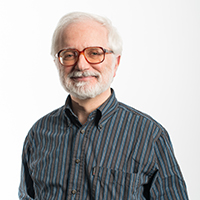
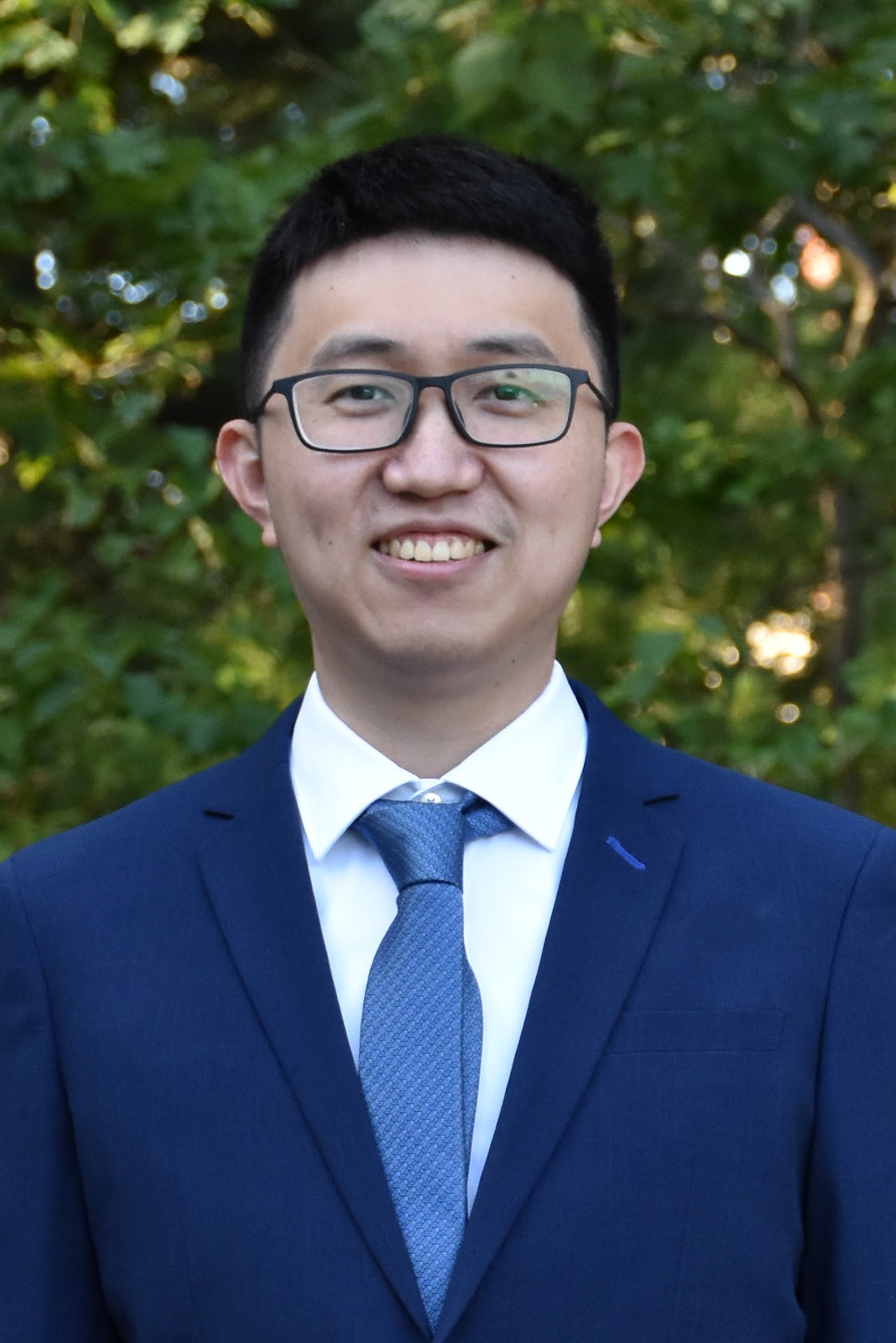
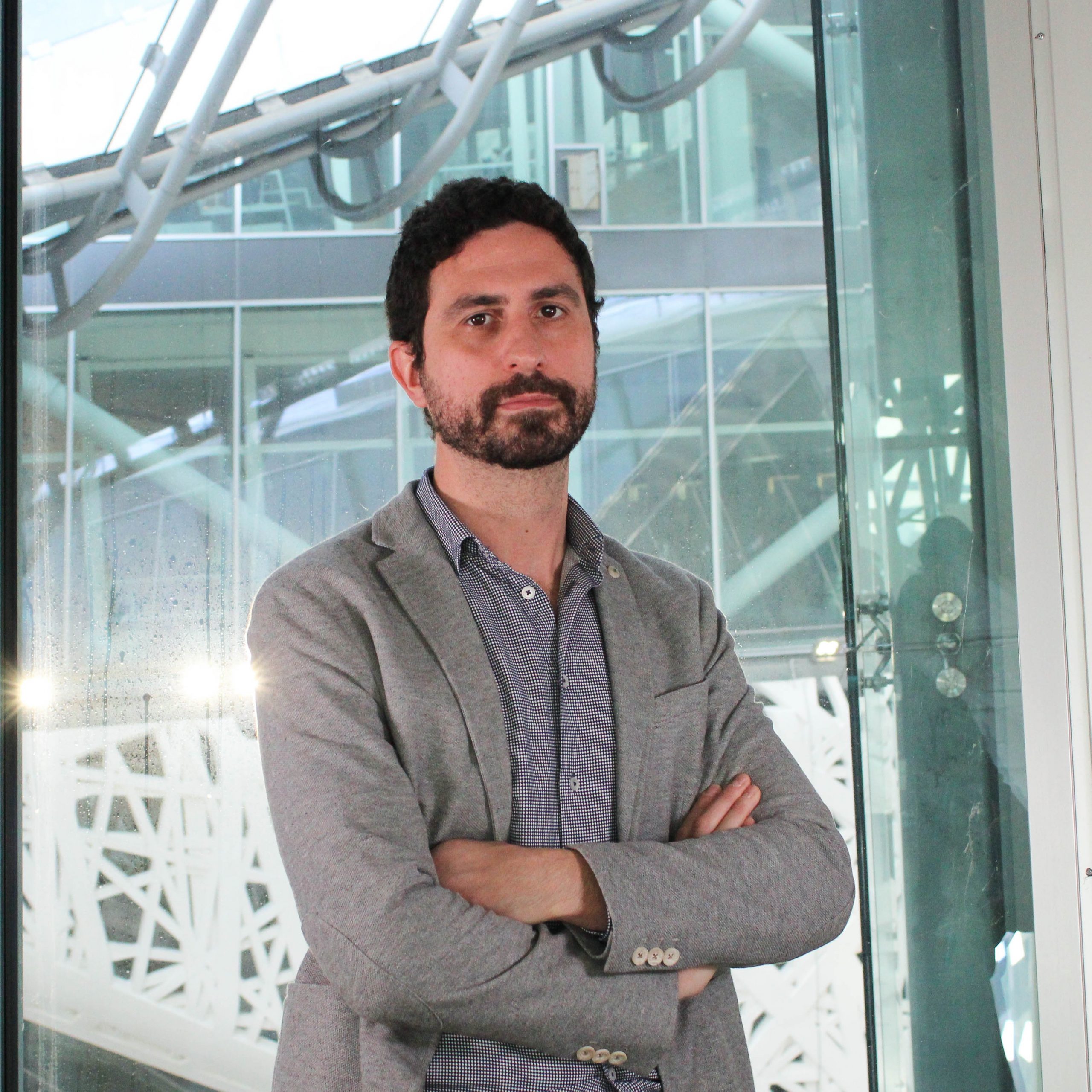
Lorenzo Strigini is a Professor of Systems Engineering at City St George's, University of London , where he has been affiliated since 1995 and served as Director of the Centre for Software Reliability from 2012–2024. His research focuses on dependability assessment , fault tolerance , and defense in depth for safety, security, and reliability in computer-based and socio-technical systems. He has also explored high-speed networking during his earlier career at the Italian National Research Council (IEI-CNR) and as a visiting scientist at UCLA and Bell Communications Research.
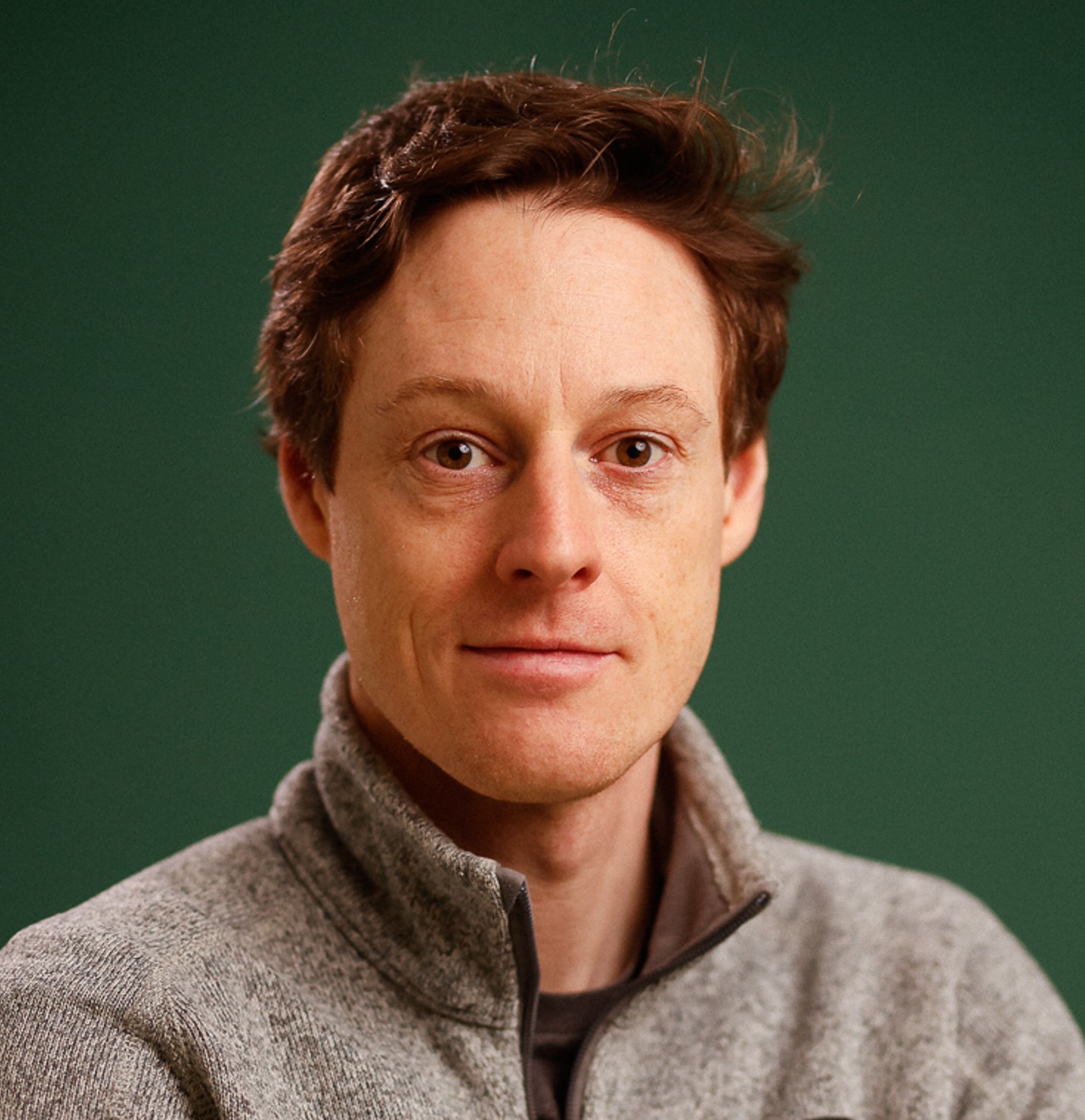
Hugo Georges Victor Lavenant serves as Assistant Professor in the Department of Decision Sciences at Bocconi University, Milan, where he has held a faculty position since 2020. Previously, he completed a postdoctoral fellowship at the University of British Columbia (2019-2020) under the Pacific Institute of Mathematical Sciences and earned his PhD in Mathematics from Université Paris-Sud (2016-2019) under Filippo Santambrogio's supervision. His academic foundation includes: PhD in Mathematics, Université Paris-Sud (2016-2019) Studies at École Normale Supérieure (2012-2016) covering mathematics, physics, history, and philosophy of science Classes préparatoires in mathematics and physics (2010-2012) Lavenant's research centers on optimal transport theory and its applications across mathematical disciplines. He investigates geometric structures in Wasserstein spaces, develops numerical methods for dynamical optimal transport, and bridges theoretical advances with Bayesian statistics. His work demonstrates particular innovation in trajectory inference for biological data and dependence measures for random measures, connecting pure mathematics with computational statistics. Recent publications reveal accelerating interdisciplinary impact, with 2024-2025 works extending optimal transport to machine learning (kernel methods, variational inference) and data science (opinion dynamics, single-cell analysis). This trajectory shows increasing methodological sophistication in handling measure-valued mappings and non-smooth geometries while maintaining computational tractability. Award recognition includes: Pacific Institute of Mathematical Sciences Postdoctoral Fellowship Lavenant actively mentors early-career researchers through formal advising relationships and collaborative projects. He currently supervises two PhD candidates (George Kanchaveli and Francesco Mascari, co-advised with Marta Catalano) and has guided Master's students including Mathis Hardion and Niccolò Bargellini. His teaching portfolio spans advanced analysis, optimization, and real analysis courses at Bocconi, reflecting his commitment to mathematical rigor in education. He operates within Bocconi's Decision Sciences ecosystem while maintaining international collaborations with researchers at UBC, Université Paris-Sud, and statistical groups worldwide. Current projects focus on entropy-based transport methods and geometric approaches to nonparametric statistics, positioning his work at the intersection of theoretical mathematics and data-driven applications.
Steven Collins is a Professor of Practice in Civil Engineering at Aalto University , specializing in industrial wood construction. His work bridges scientific research and industry applications to enhance timber's role in sustainable structural engineering. Research Interests : Species-specific timber behavior (particularly birch), focusing on modeling, testing, and variance analysis. Non-destructive testing techniques like laser scattering, grain orientation analysis, and digital image correlation. Statistical and Bayesian approaches for probabilistic modeling of material properties and uncertainty quantification. Timber finger joint mechanics and wood processing techniques (e.g., densification, chemical treatment). Scientific Contributions : His recent publications (2022–2025) emphasize mechanical behavior of timber , predictive modeling , and innovative processing methods . Key trends include optimizing birch timber for structural applications, advancing Bayesian statistical models for wood mechanics, and improving non-destructive testing protocols using laser technologies and digital image correlation. Laboratory & Collaborations : Actively involved in experimental testing (destructive and non-destructive) and statistical analysis of wood properties. Collaborates with researchers like Gerhard Fink , Lauri Rautkari , and Farid Vafadar on timber mechanics and reliability studies. Part of the Structures – Structural Engineering, Mechanics and Computation research group at Aalto University.
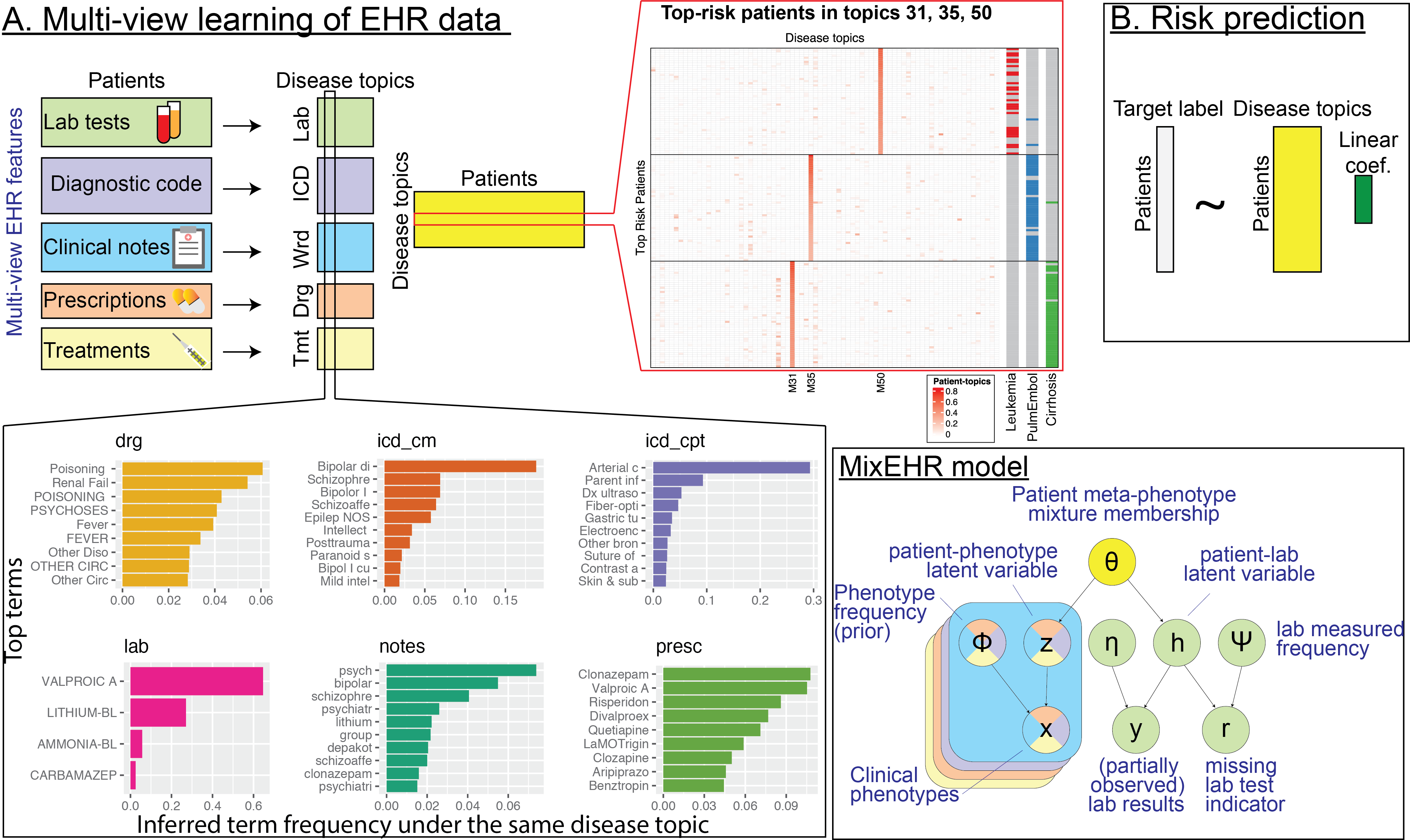
Yuè Li is a Professor in the Department of Computer Science at McGill University, where he leads the Li Lab focused on machine learning applications in genomics and healthcare. His research develops computational methods for analyzing electronic health records (EHR), single-cell multi-omics data, and population genetics. Dr. Li teaches core courses including Applied Machine Learning (COMP 551), Machine Learning in Genomics and Healthcare (COMP 565), and Computer Programming for Life Sciences (COMP 204). His research interests span: AI methods for computational biology and translational healthcare Multi-modal EHR integration and clinical topic modeling Time-series health forecasting and trajectory analysis Single-cell transcriptomics and epigenomics Polygenic risk modeling and causal variant inference Regulatory genomics and functional annotation integration Publications demonstrate strong focus on transformer architectures for healthcare forecasting, Bayesian methods for genomic inference, and neural topic models for clinical phenotyping. Recent work emphasizes foundation models for single-cell data and federated learning for EHR analysis. Scientific Awards: KDD HealthDay2022 Best Paper Award for seed-guided topic modeling Dr. Li mentors graduate students and postdoctoral researchers working on machine learning applications in biomedical domains. Current lab members include Master's students Bo-Hong Wang, Claris Gu, Neda Esfehani, and Ruilin Wang, along with postdoctoral researcher Dr. Jun Bai. The Li Lab operates within McGill's School of Computer Science, developing computational frameworks to integrate heterogeneous biomedical data for improved disease understanding and clinical decision support.
Dr. Adin-Cristian Andrei is a Professor in the Department of Biostatistics and Informatics at Northwestern University Feinberg School of Medicine. He maintains strong affiliations with the Center for Diabetes and Metabolism, Institute for Augmented Intelligence in Medicine, and the Northwestern University Clinical and Translational Sciences Institute (NUCATS). Dr. Andrei's educational background includes: BS from University of Bucharest (1998) MS from Michigan State University (2000) PhD from University of Michigan (2005) As a biostatistician and data scientist, Dr. Andrei specializes in applying machine learning and computationally-intensive methods to large-scale medical research. His methodological expertise encompasses propensity score-based causal inference, nonparametric survival analysis, recurrent event modeling, health-related quality-of-life assessments, and hierarchical Bayesian approaches to multiple testing problems. His work bridges statistical theory with practical clinical applications across diverse medical specialties. His recent publications demonstrate strong interdisciplinary collaboration, particularly in cardiology, oncology, and critical care medicine, with emphasis on developing sophisticated analytical approaches to complex clinical questions using real-world health data. Dr. Andrei has received multiple teaching honors including: IPHAM PPH Teacher of the Year Award Finalist (2020) IPHAM PPH Teaching Excellence Award (2019) Top Performance Award from the Journal of Thoracic and Cardiovascular Surgery editorial board (2017) He serves in significant editorial roles including Associate Statistical Editor for the Journal of Respiratory and Critical Care Medicine and Statistician for the Journal of the American College of Surgeons. Dr. Andrei previously chaired the 2019 Joint Statistical Meetings and represents the Statistical Learning and Data Science section on the American Statistical Association Council of Sections. His professional memberships span both statistical and computing disciplines, including the International Society for Clinical Biostatistics, Association for Computing Machinery, and American Statistical Association, reflecting his interdisciplinary approach to medical data science.
Onur KARDEŞ serves as Assistant Professor in the Department of Computer Engineering at Beykent University's Faculty of Engineering and Architecture since 2020. His prior academic appointments include: Research Assistant, Department of Computer Science, Stevens Institute of Technology (2004-2008) Lecturer, Department of Mathematics and Computer Science, Faculty of Arts and Sciences, Beykent University (2000-2004) His research integrates data mining, privacy-preserving computation, and artificial intelligence with practical applications in educational technology and urban systems. Key contributions include developing privacy-enhancing protocols for distributed data mining and pioneering generative AI solutions for automated student assessment and digital teaching assistants. Analysis of his 2023-2025 publications reveals accelerating focus on generative AI implementations, particularly in educational evaluation (automated examination paper analysis) and urban planning (AI-driven smart city frameworks). This evolution demonstrates strategic adaptation to emerging technologies while maintaining core expertise in secure computation and data mining.
Irene A. Chen is a Professor in the Department of Biochemistry at the University of California, Los Angeles (UCLA) , within the Henry Samueli School of Engineering and Applied Science (SEAS) . She leads the Chen Laboratory , which focuses on biomolecular design and evolution in nanoscale systems , including protocells and bacteriophages . Her research spans synthetic biology , origin of life , RNA evolution , phage engineering , and antimicrobial applications . Her lab uses in vitro evolution , high-throughput sequencing , and nanomaterial-bioconjugation to explore how life-like systems can be constructed and controlled. Research Interests: Biomolecular design and evolution in nanoscale systems Protocell formation and RNA encapsulation Bacteriophage engineering for antimicrobial therapy Fitness landscapes in RNA evolution Phage-nanoparticle conjugates for imaging and therapy Recent Work Trends: Her recent publications (2024–2025) reflect a strong focus on phage-based therapeutics , protocell systems , and RNA evolution . Many papers explore antimicrobial applications using engineered phages, nanoparticle conjugates , and RNA catalysis in prebiotic contexts. Scientific Awards: No specific awards are listed in the provided text. Grants & Funding: While no specific grant details are provided, her extensive publication record and lab operations suggest active funding from NIH, NSF, or other biomedical engineering and synthetic biology programs. Laboratory & Team: The Chen Laboratory is located at UCLA SEAS and focuses on interdisciplinary research combining chemistry , biology , and engineering to address fundamental questions in origin of life and antimicrobial innovation .
Cen Wu serves as Associate Professor in the Department of Statistics at Kansas State University and Faculty Scientist at the Johnson Cancer Research Center. His methodological research focuses on developing robust statistical machine learning approaches for high-dimensional cancer genomic data integration, addressing challenges where measurement dimensions far exceed sample sizes. Dr. Wu earned his Ph.D. in Statistics from Michigan State University in 2013, followed by a postdoctoral fellowship in Biostatistics at Yale School of Public Health (2013-2015). He joined Kansas State University as Assistant Professor in 2015, was promoted to Associate Professor in 2021, and has maintained dual appointments in Statistics and Cancer Research since 2016. His research program centers on Bayesian sparse learning methods for cancer genomics, with particular emphasis on robust variable selection techniques that accommodate outliers and heavy-tailed distributions common in genomic studies. He develops integrative approaches for multi-platform genomic data (mRNA expression, copy number variations, DNA methylation) to elucidate cancer etiology and identify prognostic markers. His work bridges theoretical statistics with practical clinical applications, including adaptive prediction of patient recruitment in clinical trials. Analysis of his recent publications reveals consistent focus on gene-environment interaction modeling through advanced Bayesian frameworks, with increasing emphasis on longitudinal data structures and robust inference procedures. His methodological innovations frequently translate into practical R packages that implement these complex statistical techniques for broader research communities. Dr. Wu actively contributes to the academic community as Associate Editor for TEST and BMC Genomics, and previously served as Guest Editor for a special issue on Bayesian Learning in Entropy. He maintains active collaborations with cancer researchers at the Johnson Cancer Research Center, applying his statistical expertise to real-world cancer genomics problems. His laboratory develops and implements cutting-edge statistical methods through R packages including 'mixedBayes', 'pqrBayes', 'roben', and 'interep', which address specific challenges in high-dimensional data analysis for cancer research. Current projects focus on extending robust Bayesian frameworks to handle increasingly complex genomic data structures while maintaining computational efficiency.
Dr. Yeo Howe Lim is a Professor and Department Chair of Civil Engineering at the University of North Dakota, with a focus on water resources engineering. He serves as Graduate Program Director for Civil and Environmental Engineering, teaching courses in fluid mechanics, hydrology, and applied hydraulics. Education: BEng & MEng from University of Canterbury, PhD from Memorial University of Newfoundland Research Areas: Open channel hydraulics, flood frequency analysis, streambank stabilization, urban stream revitalization, cold region hydrodynamics His research explores climate change impacts on flood patterns, hydrodynamic modeling of wetlands, and innovative use of Unmanned Surface Vehicles for aquatic studies. Recent publications emphasize lithium extraction technologies in oilfields, distributed Muskingum flood routing models, and optimization algorithms for cold climate water systems. Scientific awards include the Dean’s Outstanding Faculty Award (2013), ASCE Outstanding Reviewer recognition (2009), and the Institution of Civil Engineers (UK) Overseas Prize (2001). He has supervised numerous graduate students in hydrological modeling, including Mohammed Almousa and Vahid Atashi. Current projects involve HYCAT technology for bridge scour assessment, LiDAR bathymetry modeling, and climate change adaptation tools for cold region water management. His work bridges computational hydrology, hydraulic structure design, and sustainable water resource solutions.
Marco A.R. Ferreira is an Associate Professor in the Department of Statistics at Virginia Polytechnic Institute and State University (Virginia Tech), affiliated with the College of Science. He holds a Ph.D. in Statistics from Duke University (2002), with a dissertation on Bayesian multi-scale modeling under M. West. He also earned an M.Sc. (1994) and B.Sc. (1993) in Statistics from the Federal University of Rio de Janeiro. Research Interests: Ferreira specializes in Bayesian statistics, multi-scale modeling, spatial-temporal models, computational methods (e.g., MCMC), and applications in environmental science, genomics, and epidemiology. His work emphasizes hierarchical models, inverse problems, and high-dimensional data analysis. Publications Trends: His research spans advanced statistical methodologies for environmental monitoring, civil unrest modeling, and genomic data analysis. Key themes include Bayesian hierarchical models, spatiotemporal fusion, and computational algorithms for optimal experimental design. Awards & Honors: OBAYES Poster Prize (2009) CNPq Fellowship (2003–2006) WNAR/COBAL 2 Award (2005) Springer Poster Prize (2003) Finalist, Savage Award (2003) Best Contributed Paper (JSM 2000) Professional Activities: He serves as an Associate Editor for Bayesian Analysis and is a member of the American Statistical Association and the International Society for Bayesian Analysis.
Maxim Raginsky is a Professor at the University of Illinois at Urbana-Champaign, holding appointments in the Department of Electrical and Computer Engineering, Coordinated Science Laboratory, and a courtesy appointment in Computer Science. His work bridges probability, stochastic processes, control theory, machine learning, optimization, and information theory , focusing on modeling, learning, and simulation of nonlinear dynamical systems with applications to advanced electronics, autonomy, and artificial intelligence. Research Interests Nonlinear dynamical systems in machine learning and control Statistical machine learning theory Information-theoretic methods in learning Stochastic control and filtering Scientific Contributions Co-author of foundational monographs on concentration inequalities and generalization bounds Recipient of the NSF CAREER Award (2013) , IEEE Fellow (2025) , and Roberto Tempo Best CDC Paper Award (2024) Editorial roles in Foundations and Trends in Machine Learning , Journal of Machine Learning Research , and SIAM Journal on Mathematics of Data Science Academic Leadership Advising 15+ graduate students and postdocs including Joshua Hanson, Belinda Tzen, and Tanya Veeravalli Teaching core graduate courses: Control of Stochastic Systems , Statistical Learning Theory , Optimization by Vector Space Methods
Xiao Lin is an Assistant Professor of Economics at the University of Pennsylvania, affiliated with the Department of Economics within the School of Arts and Sciences. He holds a PhD from Penn State University (2022). His research focuses on economic theory, with specialization in information economics and robust learning. He has published influential work in top journals like the Journal of Political Economy and Quarterly Journal of Economics , as well as conference proceedings at ACM Conferences on Economics and Computation. Education: PhD in Economics from Penn State University (2022). Key research interests include strategic information transmission, robust decision-making frameworks, and mechanism design. His recent work addresses topics such as credible persuasion mechanisms and the aggregation of correlated information in economic systems. He also collaborates on projects involving clinical and public health topics, though the primary focus remains economic theory. Professional activities include serving as a faculty member at the Ronald O. Perelman Center for Political Science and Economics, where he contributes to interdisciplinary research initiatives. He maintains an active research agenda reflected in over 15 recent publications across economics, medicine, and public health domains.
Zhong-Lin Lu is a Distinguished Professor of Psychology and Social and Behavioral Science at The Ohio State University, holding concurrent appointments in Optometry and the Translational Data Analytics Institute. He directs the Center for Cognitive and Brain Sciences and the Center for Cognitive and Behavioral Brain Imaging. Previously, he held the William M. Keck Chair in Cognitive Neuroscience at the University of Southern California. He earned his Ph.D. in Physics from New York University (1992), following an M.S. (1991) and B.S. in Theoretical Physics from the University of Science and Technology of China (1989). His research bridges computational neuroscience, vision science, and cognitive psychology, focusing on visual perception, attention, perceptual learning, and functional brain imaging. Key methods include fMRI, EEG, and hierarchical Bayesian modeling. His work addresses clinical applications in amblyopia, myopia, and glaucoma, alongside foundational studies on decision-making and neural plasticity. He has developed novel techniques like the quantitative Contrast Sensitivity Function (qCSF) and quasiconformal mapping for retinotopic brain mapping. His labs emphasize translational research linking computational models to real-world applications. Awards: APS Fellow (2007), Society of Experimental Psychologists Early Investigator Award (2003) Leadership: Directed USC's Dornsife Cognitive Neuroscience Imaging Center (2004–2011) Interdisciplinary roles: Co-Director of OSU's Humanities/Cognitive Sciences Summer Institute Current research explores visual processing across lifespan, neural mechanisms of perceptual learning, and optimizing fMRI data through advanced computational methods. His work integrates basic science with clinical and applied domains, influencing driver safety, vision correction, and neurotechnology development.
Nilam Ram is a Professor of Communication and Psychology at Stanford University, with affiliations in the Wu Tsai Human Performance Alliance and the Symbolic Systems Program. His research focuses on the dynamic interplay of psychological processes and media use, leveraging longitudinal methodologies and intensive data streams from digital devices. He holds dual appointments in Communication and Psychology, emphasizing interdisciplinary approaches to studying change across lifespan development. Education: B.A. in Economics (not specified), followed by transitions into kinesiology and psychology. Current research explores media effects, digital phenotyping via the Human Screenome Project, and applications of AI to longitudinal data. He teaches courses on temporal data analysis, statistical methods, and media psychology. Research Interests: Longitudinal study designs, intensive longitudinal data (e.g., smartphone screen captures), affective aging, and the impact of digital media on mental health. His work bridges computational methods with psychological theory, emphasizing person-specific analyses over aggregated trends. Recent Article Themes: Smartphone use and suicide risk prediction, digital nature vs. physical nature impacts, transformer models for mortality prediction, and mindfulness interventions. These reflect a focus on real-time behavioral tracking and AI-driven insights. Labs/Teams: The Change Lab @ Stanford Grants/Advising: Mentors doctoral and postdoctoral researchers in media psychology and data science. Courses include advanced statistical methods and interdisciplinary projects.
Andrea Sottoriva is the Head of the Computational Biology Research Centre at Human Technopole , Milan, Italy, and holds the title of Professor of Cancer Genomics and Evolution . His work bridges computational biology, evolutionary theory, and clinical oncology to predict cancer progression and design adaptive treatment strategies. University of Bologna – BSc in Computer Science (2006) University of Amsterdam – MSc in Computational Sciences (2008) University of Cambridge – PhD in Computational Biology (2012) Dr. Sottoriva's research focuses on cancer evolution , applying machine learning and population genetics to decode tumor heterogeneity through multi-omics data. His lab integrates patient-derived organoids and spatial genomics to understand how genetic and epigenetic factors drive cancer progression. The 15 most recent publications demonstrate a consistent emphasis on subclonal dynamics (7/15), computational methods (6/15), and evolutionary modeling (5/15). Key themes include adaptive mutability in colorectal cancer , immune editing in post-transplantation relapses, and deep learning applications for tumor heterogeneity. Scientific recognition includes: Cancer Research UK Future Leaders in Cancer Research Prize (2016) His lab currently trains PhD students and postdoctoral researchers in computational oncology, maintaining a living biobank of patient-derived models while pioneering AI-mechanistic hybrid models for clinical translation.