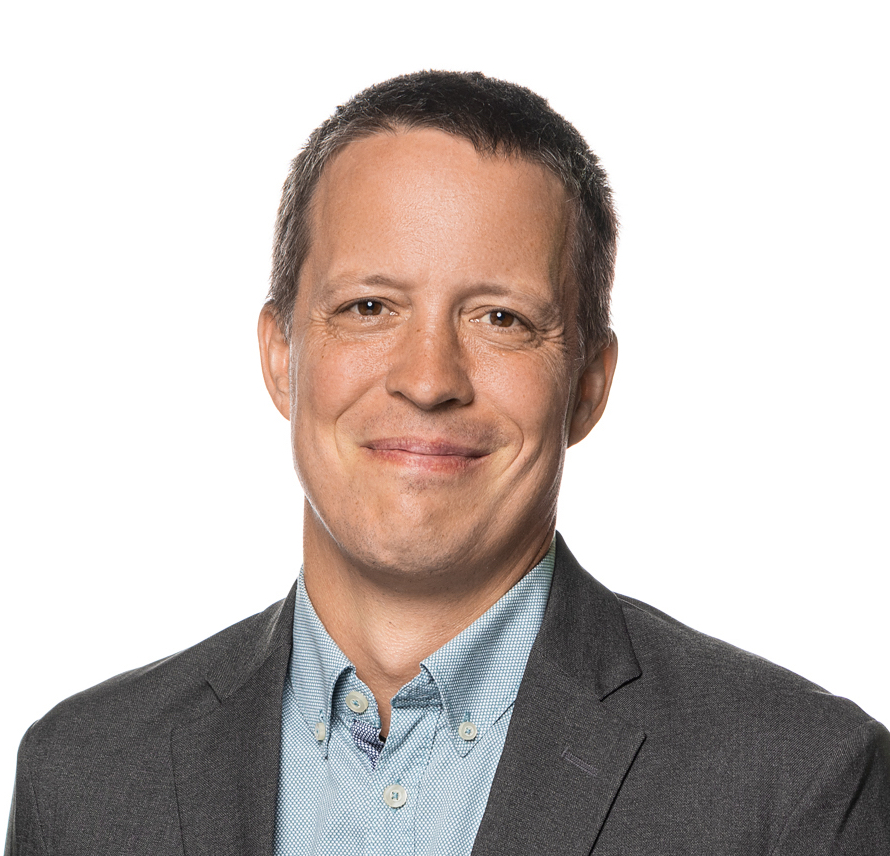
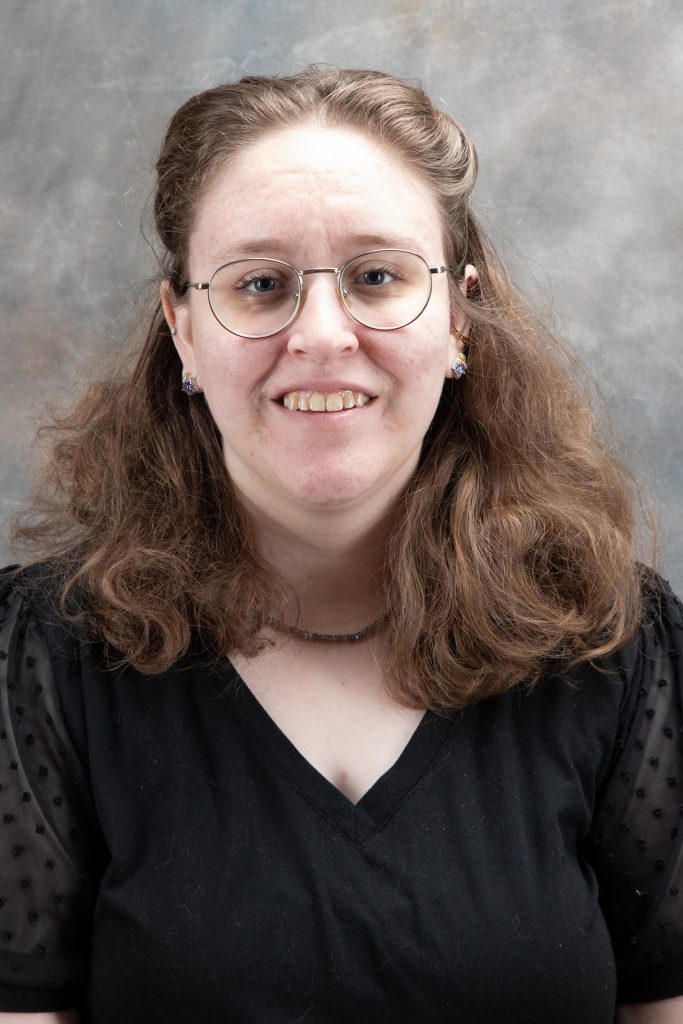
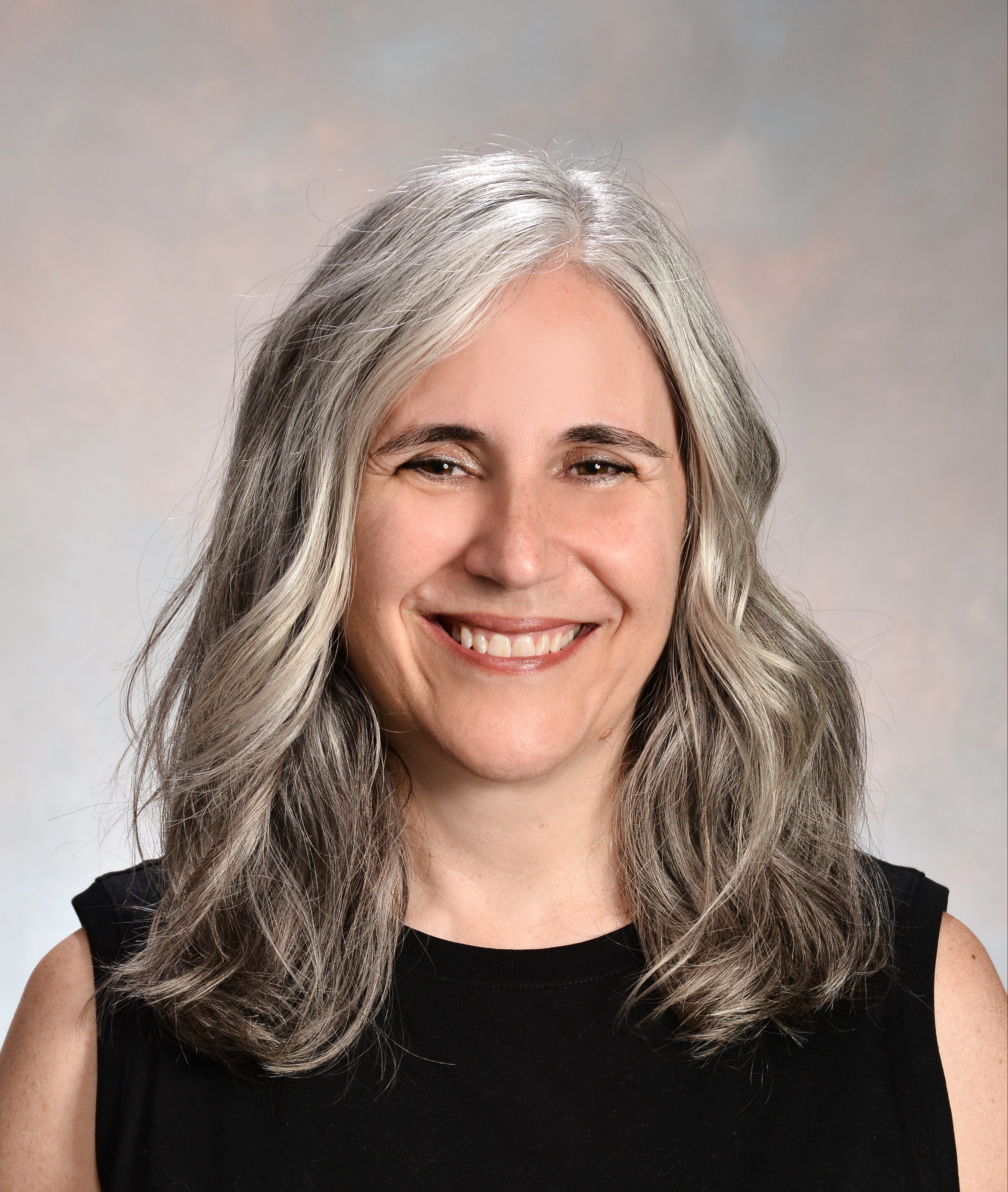
Christopher Merkner is an Associate Teaching Professor in the Department of English at the University of Colorado Denver's College of Liberal Arts and Sciences. His expertise spans the short story, its historical evolution, compressed fiction, and creative writing pedagogy. Education: MFA from University of Florida, PhD from University of Denver Courses Taught: Narrative Form & Theory, Introduction to Creative Writing, Fiction Workshop, Advanced Fiction Workshop, The American Novel, The American Short Story Awards: Recognized in O. Henry Prize Stories and Best American Mystery Stories anthologies His published work The Rise & Fall of the Scandamerican Domestic has been featured in prestigious literary collections, including the W.W. Norton anthology New Micro .
Professor Fionnuala Dillane is a leading scholar in nineteenth-century British literature and culture, periodical studies, memory studies, and gender, based at the School of English, Drama and Film, University College Dublin. She holds the academic rank of Professor and is actively engaged in research, teaching, and academic leadership. She currently serves as Academic Director of the UCD Writing Centre and Chair of the UCD Press Editorial Board, and previously served as Associate Dean for Arts and Humanities (2017–2020). Her collaborative research spans institutions including Ghent University, Newcastle University, and the University of Iceland. Her research interests include: Nineteenth-century British literature and culture Periodical studies and media history George Eliot and Marian Evans Memory studies and trauma Gender and sexualities Contemporary crime fiction Her recent publications explore affect in periodical encounters, editorial identities, transnational periodical research, and the literary afterlives of George Eliot. The trends in her work reveal a sustained engagement with print culture, narrative form, emotional communities, and the politics of memory. She is currently editing the Handbook of Transnational Periodical Research (Brill, 2026). Her scientific awards include: University Award for Outstanding Contribution to Student Learning, UCD (2017) Shortlisted for European Award in Teaching Excellence (2017) College of Arts and Humanities Outstanding Contribution to Student Learning (2017) Dillane has secured significant research grants, including from the Irish Research Council for her project on George Eliot and the Periodical Press, 1846–60 , and on The Future of Data Humanities . She has supervised doctoral students such as David Mitchell and mentors emerging scholars in periodical studies and trauma fiction. She has pioneered innovative teaching initiatives, including the first internship programmes for UCD Arts and Humanities undergraduates and the development of the UCD Writing Centre, now permanently funded. She is also deeply involved in national and international advocacy for the humanities, serving on editorial and advisory boards such as the Journal of Victorian Culture , the Memory Studies Association, and the European Society for Periodical Research.
Barbara Gowdy is an esteemed Adjunct Professor and a prolific novelist and short-story writer , renowned for her contributions to fiction across multiple genres. She has achieved international recognition with publications in 24 countries and received prestigious accolades such as the Trillium Book Award and a Guggenheim Fellowship . Her work has been shortlisted for major literary prizes, including the Booker Prize and the Governor General’s Award .
Ori Friedman is a Professor at the University of Waterloo and Head of the Developmental Research Area. He leads the Child Cognition Lab, focusing on social cognition, ownership, and counterfactual reasoning in children and adults. His work explores how individuals understand thoughts, emotions, and actions across diverse contexts. Research interests include: Social cognition and relational inference Ownership theory and moral judgment Counterfactual reasoning in development Pretense and possibility judgments Probability-based emotion inference Recent publications highlight trends in: Counterfactual closeness analysis Ownership's role in social evaluations Probability's impact on cognitive development Fictional narrative processing Decision-making under causal breaks Contact: friedman@uwaterloo.ca
Vienna University of Economics and BusinessAustria
Axel Polleres is a full professor at the Institute for Data, Process and Knowledge Management in Vienna University of Economics and Business (WU Wien). He leads the department of Information Systems and Operations Management while maintaining active research in knowledge graphs, semantic web technologies, and ontology engineering. PhD and Habilitation from Vienna University of Technology Former positions at University of Innsbruck, Universidad Rey Juan Carlos, DERI Ireland, and Siemens AG Co-chair of W3C SPARQL working group Editorial board member for Semantic Web Journal and IJSWIS His research focuses on: Querying and reasoning over ontologies Graph schema languages (SHACL, SPARQL) Wikidata constraint formalization Ontology reuse in collaborative platforms Crisis management knowledge graphs FAIR data principles implementation Recent publications analyze knowledge graph evolution, constraint validation methodologies, and semantic web standardization efforts. Key topics include: OWL/RDF interoperability solutions Unit conversion systems for Wikidata Partition-based query processing frameworks Network resilience analysis for urban planning Open data platform discovery tools Temporal analysis of collaborative knowledge graphs He has co-organized major conferences like ISWC2023 and ESWC workshops while maintaining active roles in European research projects. Current work involves spatiotemporal knowledge graphs for city resilience and semantic web infrastructure development.
School of the Art Institute of ChicagoUnited States
Lucy McRae is a multidisciplinary artist, filmmaker, inventor, and "body architect" based in Los Angeles. She serves as a visiting professor at the Southern California Institute of Architecture (SCI-Arc) where she co-directs a futures incubator. Recognized as a Young Global Leader by the World Economic Forum and a TED Fellow, McRae leads an art-research studio investigating how emerging technologies impact human evolution. Her work has been exhibited at prestigious venues including the Venice Biennale, Centre Pompidou, Science Museum London, and National Gallery of Victoria. McRae's research explores the intersection of science, technology, and the human body, with particular focus on: Future technologies and their impact on human evolution Speculative reproductive technologies and artificial wombs Genetic engineering ethics and implications Human intimacy in technological futures Emotional technologies and comfort devices Body architecture and science fiction prototyping Her artistic practice creates "prophetic aesthetics" that generate "nostalgia for a future about to happen," diversifying the predictive voices in science and technology through designed hypothetical worlds. McRae uses speculation as a tool to provoke exploration of ideologies and ethics about human evolution. Her notable works include Heavy Duty Love (Venice Biennale), Future Survival Kit , Compression Carpet , and Solitary Survival Raft , which explore themes of human touch in increasingly digital worlds and potential future reproductive technologies. Her major recognitions include: Young Global Leader, World Economic Forum TED Fellow McRae collaborates extensively with institutions and brands, serving as a futurist consultant to Hollywood productions (including Blade Runner 2099), and working with organizations including MIT, NASA, Aesop, Adidas, Nike, Adobe, Intel, and BMW Mini. Her studio functions as a research incubator exploring speculative futures through art, film, and conceptual fashion. Based in Los Angeles, McRae's studio operates at the intersection of art, science, and technology, creating immersive installations and prototypes that engage the public in critical dialogue about emerging technologies and their implications for human evolution and society.
Queens College, City University of New YorkUnited States
Oded Nir is an Assistant Professor of Hebrew at Queens College (CUNY), holding a PhD from The Ohio State University (2014). His research employs Marxist theory to analyze how Israeli cultural texts reflect tensions within contemporary capitalism, examining intersections of literature, film, and social form. As Associate Editor for CLCWeb: Comparative Literature and Culture , Nir maintains active scholarly engagement. Research interests include Israeli-Palestinian conflict representation, political economy of culture, and materialist approaches to cultural production. Recent publications explore themes ranging from structural analysis of Hebrew fiction to examinations of populism in Israeli television. Teaching encompasses Hebrew literature, Israeli film/TV, and conflict representation courses, emphasizing multidisciplinary analysis of cultural texts as social commentary. Publications demonstrate consistent focus on cultural critique and social theory.
Courtney Handman is an Associate Professor in the Department of Anthropology at the University of Texas at Austin, specializing in linguistic anthropology and Melanesian studies. With a Ph.D. from the University of Chicago, she explores intersections between language, religion, and infrastructures. Research Trajectory : From analyzing Protestant Christian translation projects in Papua New Guinea to examining decolonization-era circulation infrastructures, her work now investigates AI's role in redefining human-nonhuman communication. Teaching : Offers courses like Humans and AI , Culture and Communication , and Language and Posthumanism , exploring themes from invented languages to non-human communication systems. Her recent publications address algorithmic translation, colonial infrastructures, and cross-species communication frameworks. Connect through email for office hours or course inquiries.
David Roas Deus is a full Professor of Literary Theory and Comparative Literature at the Autonomous University of Barcelona, where he is a leading figure in the study of fantastic and horror literature. He is affiliated with the Department of Filology, Communication and Documentation and directs the Group of Studies on the Fantastic (GEF), a research group dedicated to the academic exploration of the fantastic in narrative. His work bridges creative writing and literary criticism, making him a key intellectual in contemporary Spanish letters. Ph.D. in Literary Theory, Autonomous University of Barcelona His research centers on the theoretical foundations of the fantastic , particularly its philosophical and cognitive dimensions. He investigates how fantastic narratives disrupt perception of reality, provoke metaphysical anxiety, and challenge literary norms. His interests span from 19th-century Spanish literature to modern speculative fiction, with a special focus on horror, the short story, and narrative ambiguity . He argues that the fantastic is not merely about fear, but about the collapse of epistemological certainty. The analysis of his 15 most recent publications reveals a consistent engagement with the boundaries between reality and fiction , the psychology of the impossible , and the historical evolution of the fantastic in Hispanic culture. His works combine theoretical rigor with creative insight, often blurring the line between criticism and narrative. The keywords across his articles reflect deep interdisciplinary engagement with philosophy, cultural history, and cognitive studies. His scientific recognition includes the Setenil Award (2011) for best short story collection and the 4th Málaga Essay Prize . These awards highlight his dual excellence in both creative and academic writing. His works have been translated and disseminated internationally, particularly in Latin America and Portugal. David Roas has supervised numerous research projects and leads the GEF research group, fostering collaboration among scholars of the fantastic. While specific grant details are not listed, his extensive publication record and editorial leadership suggest sustained research funding and institutional support. He has also edited major anthologies and critical collections, contributing to the academic legitimization of the fantastic genre in Spain. He is the director of the Group of Studies on the Fantastic (GEF) at the Autonomous University of Barcelona, a hub for interdisciplinary research on speculative narratives. The group promotes conferences, publications, and international collaborations, positioning Roas at the center of a growing academic network focused on the fantastic in literature and culture.
Dr. Kristen Figgins serves as Assistant Professor of English in the Department of English at Mississippi University for Women's College of Arts & Sciences. Her scholarly profile integrates Victorian literary traditions with contemporary adaptation theory, petrofiction, and environmental humanities, emphasizing regional Texan contexts and gender dynamics. Her academic foundation includes: Ph.D. in English from University of Arkansas M.A. in English from University of Louisiana B.A. in English from University of Texas-Permian Basin Research focuses on: Adaptation Studies: particularly Victorian literature's transformation in modern media Petrofiction: analyzing oil culture narratives in Permian Basin literature Environmental Humanities: examining ecological anxieties through Lovecraft and VanderMeer Flash Fiction: exploring narrative compression and fabulist techniques Publication trends reveal consistent engagement with adaptation theory across temporal and geographic contexts, from 19th-century illustrations to contemporary oil narratives. Her work demonstrates methodological rigor in connecting historical literary forms with urgent ecological and cultural concerns, particularly regarding gender representation and regional identity in American Southwest literature. No scientific awards are documented in available sources. Student advising, grant activities, and laboratory affiliations remain unspecified in current materials, though her research trajectory suggests ongoing contributions to adaptation theory and environmental literary studies through future publications and academic collaborations.
Beth Bennett is a Professor of Journalism at Northwestern University's Medill School of Journalism, Media, and Integrated Marketing Communications, and concurrently serves as Associate Dean. She is also an Adjunct Lecturer at the Segal Design Institute within the McCormick School of Engineering. Her expertise bridges broadcast journalism, documentary filmmaking, and interdisciplinary communication training. Education: Doctor of Education (Ed.D.), University of Pennsylvania MSJ, Medill School of Journalism, Northwestern University AB in English and Art History, Kenyon College Research & Practice: Bennett's work focuses on documentary storytelling, broadcast journalism, and translating academic research into public communication. She has produced award-winning films such as Kindred (Emmy Award, 2011) and pioneered programs like Ready Set Go , teaching STEM researchers to communicate effectively with media audiences. Awards: Chicago/Midwest Emmy for Kindred (2011) MPD2 Faculty of the Year Award (2019) Teaching & Outreach: She teaches in Northwestern's Master of Product Design and Development Management (MPD2) program and advises through Medill's journalism curriculum. Her career includes over 15 years in broadcast television news as an on-air reporter and producer for stations in Chicago, Milwaukee, and beyond. Labs/Teams: Active in the Segal Design Institute's interdisciplinary initiatives and Medill's journalism innovation programs.
Dr. Patricia Badir is a Professor in the Department of English Language and Literatures at the University of British Columbia (UBC), where she also serves as Head of Department. Holding a PhD from the University of Leeds, an MA from the University of Alberta, and a BA from McGill University, her academic journey reflects interdisciplinary engagement with literature, performance, and cultural studies. Education: PhD (University of Leeds), MA (University of Alberta), BA (McGill University) Leadership: Head, Department of English Language and Literatures, UBC Her research focuses on Renaissance drama and poetry, particularly religious writing, with secondary expertise in early 20th-century Canadian theatre. She explores the literary afterlives of New Testament saints, the material culture of the Little Gidding religious community, and the adaptation of Shakespearean works in Vancouver's early theatrical history. Current projects examine Roy Mitchell's theatrical archive and the environmental implications of pre-modern literary ecologies. Recent publications analyze adaptation across time, including studies of Ovidian transversions, Shakespeare performance cultures, and the spatial-material dimensions of York mystery plays. She contributes to the Oecologies and Early Modern Conversions research networks, and teaches graduate/undergraduate courses on Renaissance literature, conversion narratives, and Shakespeare's global legacy. Her pedagogy emphasizes textual materiality, critical historiography, and the intersection of national identity with literary form. She has co-edited significant anthologies and monographs on early modern performance cultures and religious iconography.
Kendall Jennifer Jessica Harteel is an Assistant Professor at the University of Alicante, affiliated with the Faculty of Philosophy and Letters II and the Department of Translation and Interpretation. She holds a PhD in Translation Studies, Professional Translation, and Audiovisual from the University of Alicante (2023), alongside specialized certifications in accessibility, institutional translation, and audiovisual localization. Her academic focus revolves around phraseological units in translation processes, particularly in audiovisual media and accessibility contexts. She explores how idiomatic expressions and cultural-specific phrases are adapted across languages and media formats, emphasizing pedagogical applications and cross-cultural communication challenges. Her recent publications analyze phraseology in series like La casa de papel , films like Nueve Reinas , and comic adaptations like Astérix et Obélix , highlighting techniques for preserving linguistic and cultural nuances. These studies emphasize audiovisual subtitling, dubbing ethics, and the role of phraseology in regional dialect representation. Harteel is part of the Phraseology and Multilingual Translation research group (FRASYTRAM), contributing to interdisciplinary projects on translation pedagogy and accessibility standards. She actively participates in curriculum design for audiovisual translation courses and has conducted workshops on creating inclusive digital materials.
Corinne Le Gras is a Lecturer in the Department of Geography at the University of Rouen Normandy's UFR Letters and Human Sciences. She earned her doctoral thesis in 1992 and specializes in epistemological and pedagogical dimensions of geography. She co-directs the professional Master's program "Valorization of Natural and Cultural Heritage," coordinating 31 instructors and facilitating international student mobility projects. Her research examines disciplinary epistemology , the construction of geographical knowledge in education, heritage as a social construct, and spatial representation through literary/cinematic works. She teaches courses on geographical thought (Bachelor’s), heritage policy (Bachelor’s), landscape studies (Master’s), and CAPES oral exam preparation. Her publications emphasize geographical education , spatial modeling, and heritage discourse, with recurring themes of pedagogy, critical cartography, and interdisciplinary methodologies linking geography with literature and cultural studies. She collaborates with the ERIAC research unit (UR 4705) and participates in initiatives like the Rouen School of Phenomenology, eGesta (Digital Genetic Editions), and FIBIA (Ancient Iberian/Italian Collections).
Katharine Round is a Lecturer (Teaching) in Ethnographic and Documentary Film at the Department of Anthropology, University College London (UCL). With over two decades of professional experience in creative non-fiction filmmaking, she has worked with prestigious institutions like Netflix, BBC, BFI, Arts Council England, and Creative Europe. Her film practice challenges documentary conventions through formal innovation and hybrid approaches. Co-founder of Disobedient Films (2014) Co-founder of Doc Heads (2009) Studio Lead on UCL's MA Ethnographic and Documentary Film Developer of the DocFiction pathway (launched 2022) Her research focuses on: Experimental documentary forms Boundary-pushing ethnographic film Climate change communication through Climate Symphony project Hybrid reality-fiction narratives in Ghost Town project Memory and trauma representation Interdisciplinary approaches to film Selected scientific awards: UCL-Tohoku Strategic Partnership Award for post-tsunami research Professional activities include presentations at: Holy Motors conference (2025) The Researcher in the Room event (2025) Taxi to the Other Side conference (2025)