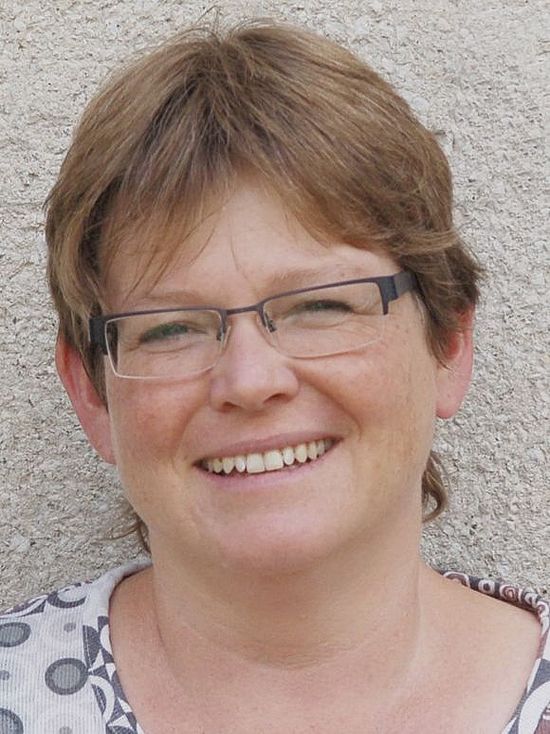
Prof. Wojciech Sobieski is a faculty member at the Department of Mechanics and Fundamentals of Machine Design within the Faculty of Technical Sciences at the University of Warmia and Mazury in Olsztyn . His research focuses on fluid mechanics, numerical modeling, and porous media analysis, with applications in environmental engineering, hydraulic systems, and 3D printing. Academic Rank: Professor Scientific Discipline: Mechanical Engineering Key Research Areas: Tortuosity Analysis, Multiphase Flow, DEM Simulations His recent publications highlight advancements in computational methods for granular porous media, fluid flow modeling, and thermodynamic applications. Notable trends include the use of the Waterfall Algorithm for geometric analysis and sensitivity studies of numerical models like the Eulerian multiphase approach. He has contributed to understanding Forchheimer's laws and cavitation phenomena in hydraulic systems. Prof. Sobieski oversees the PathFinder Project , a research initiative focused on numerical modeling of porous media. His laboratory maintains infrastructure for multiphase flow simulations and particle-scale modeling. He has supervised 2 doctoral students to completion but currently has no active advisees.
Dr. Stephanie Lansing is a Professor in the Department of Environmental Science & Technology at the University of Maryland's College of Agriculture and Natural Resources. She directs the Bioenergy and Biotechnology Lab, focusing on renewable energy systems, waste treatment, and the Food-Energy-Water Nexus. Her work spans ecological engineering, antimicrobial resistance mitigation, and sustainable bioplastic production from organic waste. College of Agriculture and Natural Resources Environmental Science & Technology Bioenergy and Biotechnology Lab Her research integrates anaerobic digestion , microbial fuel cells , and nutrient recovery to address global sustainability challenges. Recent projects examine bioplastic formation from food waste and AMR dynamics in manure systems , with fieldwork in the US, Africa, and Latin America. She co-developed the NourishNet platform combining real-time surplus food distribution ( FoodLoops ) with spoilage detection ( Quantum Nose ). Active grants exceed $6 million, including two major DOE awards for biofuel and bioplastic production from food waste. Her lab collaborates with institutions like Virginia Tech, Idaho National Laboratory, and international partners. Current team members include PhD candidates Maureen Nabulime and Adanyro Atilago, MS student Rafian Aziz, and undergrad researchers exploring waste-to-energy systems.
Rossana Bellopede is an Associate Professor at the Politecnico di Torino, affiliated with the Department of Environmental, Land and Infrastructure Engineering (DIATI) . She leads the Raw Materials (DIATI) laboratory and contributes to projects like CITERIA (critical raw material recovery) and SHOWCAVE (tourist cave impact mitigation). Her roles include coordinating PhD programs in Civil and Environmental Engineering and teaching courses on Circular Economy , Natural Stone Characterization , and Occupational Safety . Research focuses on solid waste recovery (tunnel muck, mining tailings) natural stone durability (weathering, bowing phenomena) microplastic pollution (karst systems, groundwater, caves) asbestos testing (industrial safety) Recent publications examine textile wastewater microfibers (2025), microplastic transport in karst environments (2025), and critical raw material recovery techniques (2025). Her work aligns with SDG 12 (Responsible Consumption) and SDG 11 (Sustainable Cities). Scientific participations include Advisor for ANIM (National Mining Engineers Association) Organizing committee of Heritage Stones Workshop (2021) Research network PROMETIA (2018-2025) She manages commercial projects like CE marking for Piasentina Stone , develops FAST4C circular textiles protocols (2024-2028), and supervises PhD candidates studying microplastic pollution in karst systems stone durability mechanisms sustainable construction materials
Prof Long D. Nghiem is a Professor and Director of the School of Civil and Environmental Engineering at the University of Technology Sydney (UTS), and Director of the Centre for Technology in Water and Wastewater (CTWW). He holds a PhD in Environmental Engineering from the University of Wollongong and has held academic positions at institutions including the University of Wollongong, Technical University of Munich (as August-Wilhelm Scheer Visiting Professor), and Colorado School of Mines. His research focuses on water treatment technologies, membrane science, anaerobic digestion, and sustainable resource recovery. Prof Nghiem has supervised 20 PhD and 8 MPhil students. His funded research includes grants totaling over $3 million, addressing topics such as advanced water treatment, biomethane production, and microplastic filtration. He has received awards like the UOW Vice Chancellor Award for Research Partnership and Impact (2017), and the Excellence in Reviewing Award from Environmental Science: Water Research Technology (2016). His research interests span membrane separation processes (e.g., forward osmosis, membrane distillation), water purification, and microbial strategies for waste management. He leads projects on resource recovery from wastewater and innovative technologies for addressing global water challenges. His work emphasizes practical applications, such as converting food waste into energy and developing eco-friendly biolubricants from microalgae. Education: PhD in Environmental Engineering, University of Wollongong (2004–2005) MSc in Education, University of Wollongong (2008–2010) BEng in Environmental Engineering, UNSW Australia (1998–2002) Affiliations: Editorial Board Member of Environmental Science: Water Research Technology Section Editor of Current Pollution Reports Prof Nghiem’s lab (CTWW) develops cutting-edge solutions for water and wastewater challenges, including solar-driven desalination, photocatalytic pollutant degradation, and microplastic removal technologies. His interdisciplinary approach bridges engineering, chemistry, and microbiology to create scalable, sustainable environmental solutions.
Professor Kevin Thomas serves as Director of the Queensland Alliance for Environmental Health Sciences (QAEHS) at the University of Queensland's Faculty of Health, Medicine and Behavioural Sciences. He also leads the Minderoo Centre for Plastics and Human Health at UQ and serves as Deputy-Director of the Australian Research Council Industrial Transformation Training Centre for Hyphenated Analytical Separation Technologies (HyTech). As an environmental health scientist with extensive expertise in contaminants of emerging concern (CECs), Professor Thomas has established himself as a leading researcher in environmental exposure assessment and analytical methodologies. His educational background includes a Doctor of Philosophy and Doctoral Diploma of Science (Advanced) from Plymouth University. Professor Thomas has built a distinguished career focused on understanding human exposure to environmental contaminants, particularly plastics pollution and associated chemicals. His research spans multiple disciplines including analytical chemistry, environmental toxicology, and public health surveillance. Professor Thomas's primary research interests center on environmental exposure assessment, with particular emphasis on plastics pollution (microplastics and nanoplastics), PFAS exposure, and wastewater-based epidemiology for community health assessment. His work combines advanced analytical methodologies with environmental monitoring to assess human and ecological risks from emerging contaminants. He has pioneered innovative approaches to exposure monitoring using alternative matrices such as explanted silicone prostheses and wristbands, and has founded the international SCORE network on sewer biomarker analysis. His research has significant implications for environmental health policy and risk management strategies. Analysis of Professor Thomas's recent publications reveals a strong focus on plastics pollution across multiple environmental matrices (water, air, soil, food, and human tissues), advanced analytical method development for contaminants of emerging concern, and wastewater-based epidemiology as a public health surveillance tool. His work demonstrates a clear trajectory toward understanding the human health implications of environmental contaminants, particularly plastics and PFAS, while developing increasingly sophisticated analytical techniques to characterize these exposures. As an active research leader, Professor Thomas has secured significant funding from diverse sources including the Australian Research Council, Queensland Health, NHMRC, and the Minderoo Foundation. His collaborative approach is evident in his leadership of multiple research centers and networks that bring together experts from various disciplines to address complex environmental health challenges. Professor Thomas actively supervises numerous PhD students across a wide range of projects related to environmental health sciences. His supervision portfolio demonstrates his commitment to training the next generation of environmental health scientists while advancing research in plastics pollution, wastewater analysis, and exposure assessment. He serves as Associate Editor for the journal Science of the Total Environment, reflecting his standing in the scientific community. Professor Thomas leads the Queensland Alliance for Environmental Health Sciences (QAEHS), a multidisciplinary research center committed to world-class research across environmental health sciences. He has also established the InSpectra platform for identifying emerging chemical threats and co-founded the international SCORE network on sewer biomarker analysis. His research infrastructure includes advanced analytical capabilities for characterizing contaminants of emerging concern, particularly in the areas of mass spectrometry and environmental monitoring.
Professor Feike Dijkstra is a Professor in Terrestrial Biogeochemistry at the University of Sydney's School of Life and Environmental Sciences. He joined the university in 2010 and holds a prestigious ARC Future Fellowship (2011-2015). His affiliations include the Sydney Institute of Agriculture and the Centre for Carbon, Water and Food. Feike Dijkstra obtained his PhD in 2001 and MSc in 1996 from Wageningen University in the Netherlands. Prior to his current position, he worked at the US Department of Agriculture (2007-2010), and as a postdoc at the University of California, Santa Cruz (2004-2006), and the University of Minnesota (2001-2004). His research focuses on understanding carbon, nitrogen, and phosphorus dynamics in grasslands, forests, and agroecosystems. Key areas include: Plant-microbial interactions and their impact on nutrient cycling Effects of global climate change on ecosystems Soil organic matter decomposition and stabilization Role of root exudates and rhizosphere processes Carbon sequestration strategies and soil health Recent publications highlight advancements in understanding soil carbon dynamics under acidification, nitrogen retention mechanisms, and the role of microbial activity. Research also explores the effects of grazing and environmental changes on greenhouse gas emissions and nutrient cycling in diverse ecosystems. Awards: ARC Future Fellow (2011-2015) He advises students on projects such as drought impacts on root plasticity, iron oxides in soil organic matter preservation, and phosphorus availability in intercropping systems. His work contributes to interdisciplinary initiatives in sustainable land management and climate resilience through affiliations with the Centre for Carbon, Water and Food.
Angela Beggan is a Senior Lecturer at the School of Health and Life Sciences, Liverpool John Moores University. Her academic work centers on Physical Activity and Health, Narrative Inquiry, and Behaviour Change, with a focus on Postqualitative Inquiry and Human-centred Design. University: Liverpool John Moores University School: School of Health and Life Sciences Academic Rank: Senior Lecturer Her research interests span Qualitative Research Methods , Co-Production , and Ageing and Physical Activity . She actively contributes to the United Nations Sustainable Development Goals (SDGs) through her work. Recent publications (2025) include explorations of Compostable Interventions , Posthuman Walking Rhythms , and Stress in Professional Cycling . Her 2024 article on Birdsong in Physical Activity Interventions highlights innovative methodological approaches. Angela’s academic activities include invited talks , peer-review , and examination roles in postgraduate research. She has served on the Board of Directors for South Lanarkshire Leisure and Culture since 2005, demonstrating long-term community engagement.
Lindsey Slaughter is an Associate Professor in the Department of Plant and Soil Science at Texas Tech University's Davis College. Her work focuses on soil microbial ecology and biochemistry, with a specialization in soil health and ecosystem function in semi-arid systems. Dr. Slaughter earned her Ph.D. in Soil Science from the University of Kentucky, preceded by a Master’s in Plant and Soil Sciences from the same institution and a Bachelor’s in Natural Resource Management from the University of Tennessee-Martin. She teaches undergraduate and graduate courses including Principles and Practices in Soils and Advanced Soil Microbial Ecology . Her research examines how environmental disturbances (e.g., water/nutrient scarcity, urban development) and agricultural practices (e.g., grazing, crop production) influence soil microbial communities, with implications for carbon sequestration, greenhouse gas emissions, and drought resistance. She frequently targets arbuscular mycorrhizal fungi (AMF) and employs microscopy and biochemical analyses to study plant-microbe-soil symbioses. Key research themes: Soil microbial ecology, nutrient cycling, conservation agriculture, climate change adaptation. Recent article trends: Publications emphasize tillage impacts on microbiomes, climate mitigation in cotton systems, AMF dynamics under elevated CO2, and urban soil microbial composition. Labs & Teams: Slaughter Soil Ecology Lab investigates microbial responses to conservation strategies, climate change, and agricultural practices in semi-arid ecosystems. Collaborates with institutions like the Universidade Federal de Lavras (Brazil) through student exchange programs. She advises Ph.D. and Master’s students and has mentored award-winning presentations at the PSS Student Research Symposium and SSSA meetings.
Paul Rainey is a Professor and Director of the Department of Microbial Population Biology at the Max Planck Institute for Evolutionary Biology in Plön, Germany. He also serves as Professor at ESPCI Paris and holds an adjunct position at the New Zealand Institute for Advanced Study (NZIAS). His research spans microbial evolution, ecological scaffolding, and biophysics, supported by the Max Planck Society and collaborations across institutions. University of Canterbury – BSc, MSc, PhD Paul's research focuses on experimental evolution, ecological complexity, and the emergence of individuality in microbial systems. Recent work explores evolutionary rescue, biophysical mechanisms of surface colonization, and the interplay between ecological and genetic factors in adaptation. His publications highlight interdisciplinary approaches, merging microbial ecology with theoretical frameworks for evolutionary transitions. Key themes include stochastic phenotype switching, genome streamlining, and the role of environmental structure in shaping evolutionary trajectories. Fellow of the Royal Society of New Zealand Member of EMBO Paul leads the Laboratory for Evolutionary Genetics at ESPCI Paris and collaborates with institutions like Kiel University and the CRC 1182. His work addresses microbial community dynamics, evolutionary medicine, and the broader implications of eco-evolutionary feedback in biological systems.
Kristian Koefoed Brandt serves as Associate Professor in the Department of Plant and Environmental Sciences at the University of Copenhagen's Faculty of Science, specializing in Microbial Ecology and Biotechnology. His research focuses on environmental microbiology, antibiotic resistance dynamics, and contaminant fate in agricultural systems. His primary research interests span Soil Microbiology, Antibiotic Resistance, Environmental Contaminants, and Wastewater Treatment, with significant contributions to understanding microbial processes in organic agriculture and wastewater systems. Key themes include bioremediation strategies, pesticide risk assessment, and the One Health implications of emerging contaminants. Analysis of his recent publications reveals a strong emphasis on antimicrobial resistance surveillance across environmental interfaces, particularly in wastewater-river systems and agricultural settings. His work integrates molecular techniques with large-scale environmental monitoring, often through European collaborative projects examining climate gradients and farming practices. 295 citations for 'Emerging contaminants: A One Health perspective' (2024) Featured in 13 news outlets and referenced in Wikipedia High-impact research on wastewater-based disease surveillance Extensive collaboration across European research networks Professor Brandt actively contributes to environmental risk assessment frameworks, particularly regarding recycled nutrients in organic agriculture. His research group employs advanced molecular markers and isotope techniques to study microbial interactions, with significant implications for sustainable agricultural practices and public health monitoring systems.
Professor Ruben Sakrabani is a Professor of Soil Chemistry at Cranfield University, affiliated with the Centre for Soil, Agrifood and Biosciences. He holds a PhD from the University of Bradford and has over 20 years of experience in soil science, waste management, and sustainable land systems. His research focuses on organic amendments (e.g., biochar, compost), phosphorus recovery from biosolids, and carbon capture technologies for novel fertilisers. Education: BSc Chemistry (National University of Malaysia), MSc Environmental Pollution Control (University of Leeds via Chevening Award), PhD in Contaminated Sediments (University of Bradford). Professional roles include Associate Editor of Soil Use and Management and membership in NERC networks. Research interests span soil nutrient dynamics, heavy metal fate, and agricultural sustainability in developing countries. Key projects include valorisation of faecal sludge in Madagascar/Malawi, palm oil waste reuse in Malaysia/Nigeria, and tea plantation fertilisation in Kenya/Indonesia. He collaborates with Defra, EPSRC, and Unilever. Publications (over 70 peer-reviewed articles) highlight innovations in organo-mineral fertilisers, spectral soil analysis, and mobile app-driven soil management. Awards include the Chevening Scholarship.
Dr. Laura Vickers is a Senior Lecturer in Plant Biology and Associate Head of the Sustainable Systems Section at Harper Adams University. She coordinates the Agricultural Sciences and Production Systems MSc program and manages the BASIS partnership. Her research focuses on plant adaptability to environmental stress, particularly drought and water stress, with a specialization in antitranspirants. She also explores entomology (aphids), urban farming, and postharvest quality of fresh produce. Education: BSc Postgraduate Certificate (PgC) PhD Research Interests: Plant adaptation to drought stress and antitranspirant mitigation Urban agriculture and its ecosystem services Insect plasticity in indoor production systems Maximizing yield and marketability in fresh produce Green infrastructure and health/wellbeing benefits Recent Research Trends: Recent work emphasizes antitranspirant efficacy in crops like rapeseed and wheat, urban agriculture benefits, and vertical farming technologies. Collaborations with industry partners (e.g., Black Soldier Fly composting) highlight applied agricultural solutions. Advising & Grants: Supervises/co-supervises 8 PhD students across topics like urban agri-tech, vertical farming, and antitranspirant applications Funding sources include Commonwealth scholarships, Digital Farm, and the UK Urban AgriTech Labs/Teams: Active in the Crop Science Group and Agroecology for Sustainable Food Systems at Harper Adams. Engages with policy advocacy groups and industry through webinars on future farming trends.
Dr. Yue Zhang is an Associate Professor in the Department of Civil, Maritime and Environmental Engineering at the University of Southampton, Faculty of Engineering and Physical Sciences. Her work bridges environmental sustainability, biotechnology, and engineering, with a focus on anaerobic digestion and bioresource recovery. She leads key research projects on bioenergy, CO₂ biomethanisation, and waste valorisation, and teaches core modules in civil and environmental engineering. Research Interests: Optimisation of anaerobic digestion via trace element supplementation and microbial pathway manipulation CO₂ biomethanisation and in-situ hydrogen addition Mixed-culture fermentation for selective carboxylic acid production from protein-rich wastes Nutrient recovery from wastewater and organic residues Microbial electrochemical systems for biofuel (methane, biobutanol) production Her recent publications reflect a strong trend in process optimization, microbial community dynamics, and sustainable resource recovery, particularly in the context of food waste, energy crops, and industrial effluents. A recurring theme is the integration of biological processes with engineering controls to enhance efficiency and environmental benefit. Scientific Awards: Fellow of the Higher Education Academy (FHEA), 2012 Dr. Zhang actively supervises multiple PhD students and has held leadership roles in teaching, including Module Lead for Bioenergy and Urban Water and Wastewater Engineering. She has received research funding from EPSRC, BBSRC, Innovate UK, the European Union, and the Royal Academy of Engineering. Her external roles include chairing committees at BBSRC and EPSRC, and membership in the EPSRC Peer Review College. She is also involved in international collaborations, such as the EU-China ECOFUEL project. Labs and Research Groups: Water and Environmental Engineering Group Southampton Marine and Maritime Institute Environmental Biotechnology Innovation Centre
Dr. Kimberly Moore is an Associate Center Director and Professor in the Environmental Horticulture department at the University of Florida's Fort Lauderdale Research and Education Center. Her work focuses on sustainable nutrient management, alternative growing substrates, and plant responses to saline irrigation water. She collaborates with researchers and industry leaders to evaluate bedding plants and rose cultivars in trial gardens, emphasizing resource conservation and environmental stewardship. Role: Associate Center Director and Professor Institution: University of Florida (Fort Lauderdale Research and Education Center) Department: Environmental Horticulture Research Interests Dr. Moore's research explores: Alternative substrates for peat replacement Plant responses to reclaimed wastewater and saltwater intrusion Surfactant applications for deficit irrigation Sustainable ornamental production systems Hydrophobic soil management Salinity stress mitigation in greenhouses Scientific Awards 2021 Award Recipient's Breakfast (By Invitation Only) Affiliation and Lab She leads the Trial Garden Lab at the Fort Lauderdale Research and Education Center, collaborating with industry partners to assess plant performance under environmental stressors. Her extension programs include advanced water management initiatives for Master Gardener Volunteers and educational resources on irrigation water analysis.
Monika Maurhofer is a Professor at the Department of Environmental Systems Science, ETH Zurich , specializing in multitrophic interactions within the rhizosphere. Her research bridges plant pathology, microbial ecology, and biological control of plant diseases and insect pests. 1988: Dipl. sc. nat., ETH Zurich 1993: Dr. sc. nat., ETH Zurich Research focuses on biocontrol pseudomonads and their molecular interactions with plants, fungi, and insects. Key projects include: Understanding Pseudomonas protegens mechanisms in rhizosphere colonization Comparative genomics of entomopathogenic bacteria Developing disease-suppressive compost diagnostics Investigating microbial consortia for pest control 2024-2025 publications highlight her work on entomopathogenic pseudomonads and nematode-bacteria symbiosis , with applications in sustainable agriculture. She received the Golden Owl Award for teaching excellence in 2014 and 2017. Current collaborations include Syngenta Crop Protection and interdisciplinary teams at University of Zurich and University of Basel.




-422x272.png)