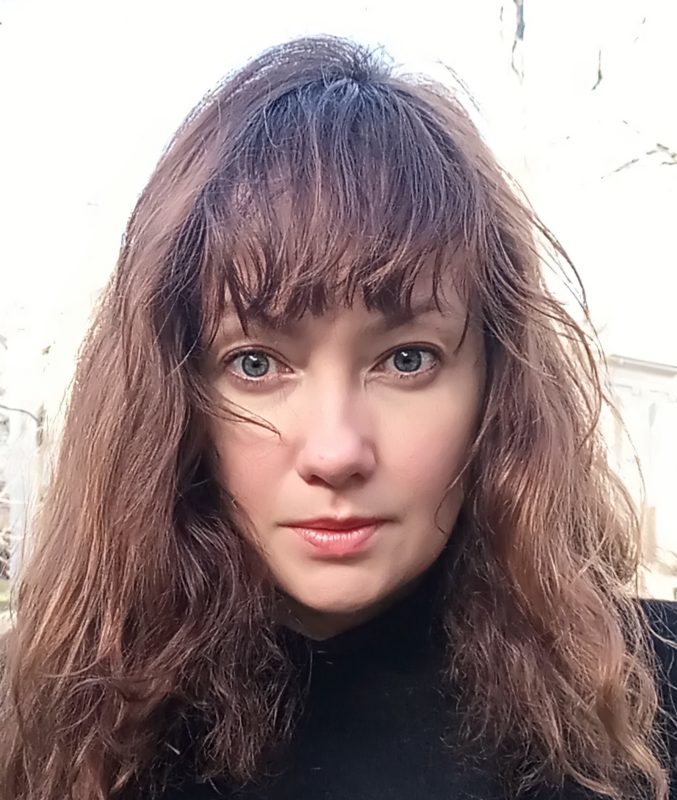
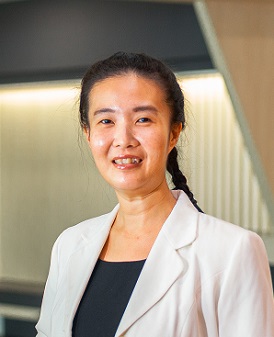
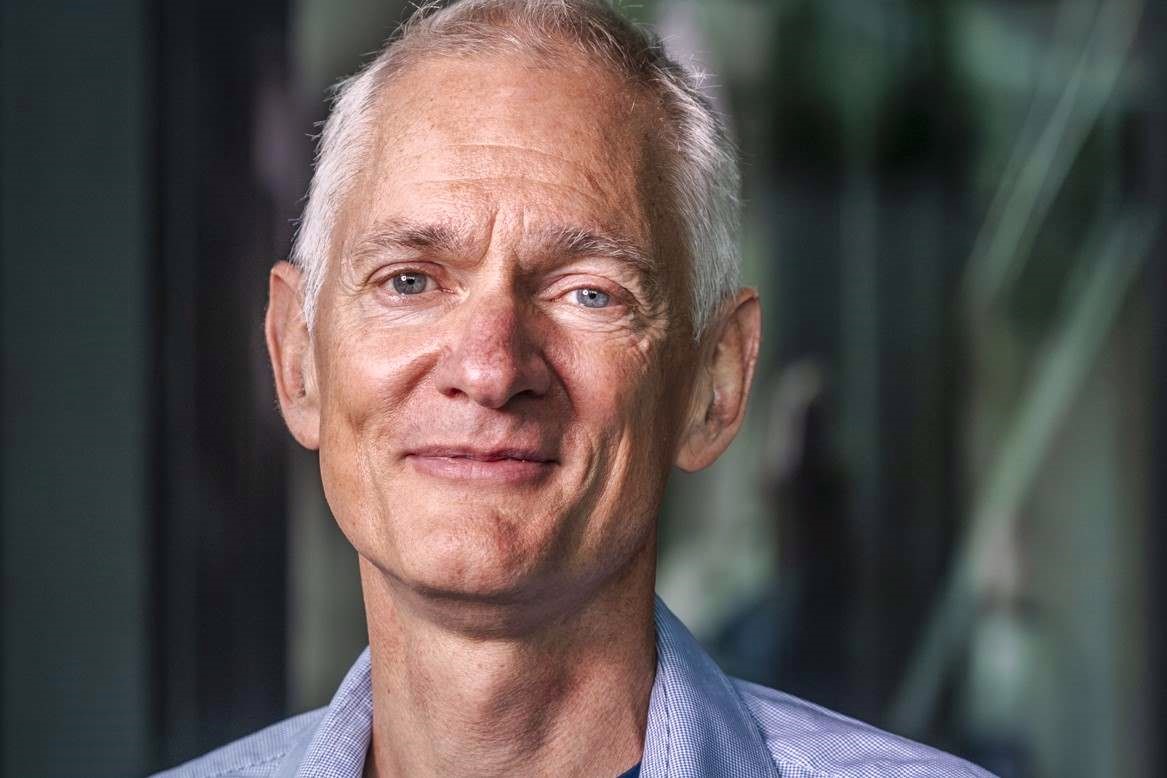
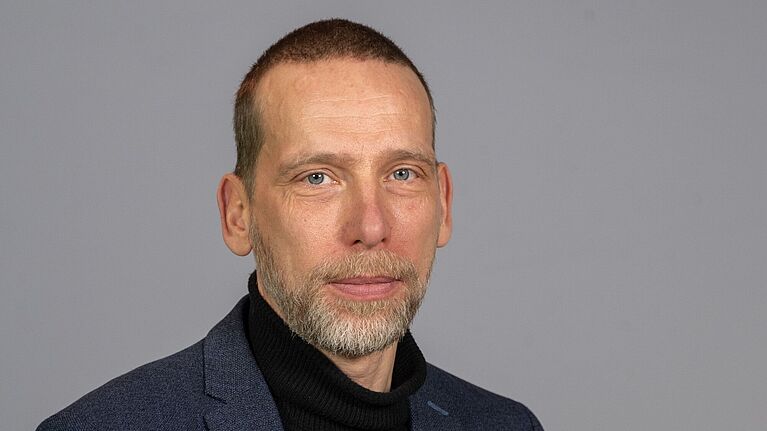
Justin Hutchison, Ph.D., is an Assistant Professor in the Department of Civil, Environmental, and Architectural Engineering at the University of Kansas. His research bridges biocatalysis, water treatment, and sustainable design, with a focus on protein-based solutions for contaminant removal. Associated Tracks: BioMolecular Engineering, Biomaterials and Tissue Engineering Key Research Areas: Biocatalytics, Sustainability Analysis, Quantitative Sustainable Design Recent work explores PFAS sorption on zeolites, phosphorus recovery from wastewater, and microbial risk assessment in karst basins. His projects emphasize environmental health, equity in water distribution, and innovative bioremediation technologies. Scientific awards include the NSF CAREER Award (2023) for thermal proteome profiling in soil contaminant monitoring. His lab develops hybrid nanoreactors and enzymatic systems for perchlorate and nitrate removal in drinking water.
Anna Duraj-Thatte is an Assistant Professor at the Department of Biological Systems Engineering at Virginia Tech , where she has been since 2021. She is also a co-founder of Tantu Therapeutics Inc. in Boston, MA, and a Research Affiliate at Massachusetts Institute of Technology since 2020. Her earlier experience includes postdoctoral research at the Wyss Institute for Biologically Inspired Engineering at Harvard University (2013-2020). Education: Ph.D. in Biochemistry, Georgia Institute of Technology, 2012 M.S. in Molecular and Pharmaceutical Biotechnology, Gdansk University of Technology, 2006 B.S. in Molecular and Pharmaceutical Biotechnology, Gdansk University of Technology, 2006 Research Focus : Dr. Duraj-Thatte leads the SMART Living Materials Laboratory , pioneering research in Engineered Living Materials that combine synthetic biology, bioengineering, nanotechnology, and sustainability to create Self-regenerative, Multifunctional, Adaptive, Responsive, and Therapeutic (SMART) living materials . Her work aims to harness microbes as factories for sustainable, large-scale production of materials with applications in healthcare, agriculture, and environmental industries. Article Trends : Her publications emphasize synthetic biology-driven material design , microbial ink bioprinting , self-regenerative hydrogels , and gut microbiome engineering . Recurring themes include biodegradable polymers , protein engineering , and scalable manufacturing , reflecting her commitment to sustainability and clinical translation. Scientific Awards : Grand Prize Winner, NSF Idea Machine Competition (2020) Semifinalist, Harvard President’s Innovation Challenge (2020) Deep Tech Pioneer, Hello Tomorrow Global Challenge (2020) Grants & Collaborations : As co-founder of Tantu Therapeutics, she drives commercialization of engineered living materials. Her affiliations with MIT and Harvard highlight interdisciplinary collaborations in bioengineering and therapeutics.
Rajeev Ahuja is a Professor at the Department of Physics and Astronomy at Uppsala University , specializing in Materials Theory . His research spans computational materials science with a focus on superconductivity , hydrogen storage , and 2D materials for energy and electronic applications. Current affiliations: Uppsala University Key research areas: Condensed matter physics, thermoelectrics, battery materials, and photocatalysis His recent work explores topological states in 2D materials , sensor design using boron rings , and adsorption behaviors of MXenes for biomedical and environmental applications. Collaborative studies with international teams have produced high-impact publications on superconducting hydrides and strain-engineered nanomaterials . Emerging trends in his publications reveal increasing emphasis on twisted heterostructures , transition metal oxides , and environmental remediation via boron nitride and graphene -based systems. Research also extends to planetary material physics (Jupiter/Saturn interiors) and biocompatible nanomaterials .
Shakira Hobbs is an Assistant Professor in the Department of Civil and Environmental Engineering at the Samueli School of Engineering, University of California, Irvine. Her research focuses on global sustainability, resource recovery from anthropogenic waste, and life cycle assessment approaches to engineering equity at the food-energy-water nexus. Her work integrates environmental engineering with social justice frameworks, particularly through community-engaged research on pesticide transport, bioplastic waste management, and bioenergy recovery systems. She has developed analytical methods for quantifying agricultural contaminants like glyphosate in groundwater systems. Scientific contributions: Published extensively on life cycle assessment of bioplastics Explored methane production optimization from organic waste Advocated for inclusive STEM practices through ADVANCE SPACES program Investigated environmental justice implications in tropical watersheds Dr. Hobbs' research has practical applications in developing sustainable waste management systems for both urban and rural communities, with particular relevance to small-scale developing community solutions.
Dr. Justyna Rechthaler is a Research Associate at the University of Applied Sciences Wiener Neustadt, specifically based at the Biotech Campus Tulln. She specializes in Chromatography & Mass Spectrometry and contributes to the Master's Program in Bio Data Science. Her research focuses on proteomics, metabolomics, and bioinformatics applications across multiple domains. Dr. Rechthaler leads and contributes to several significant research projects including CIM (Tumor stroma analysis using nano LC-MS/MS), Myko-Ten (investigating mealworms for mycotoxin degradation), and OMICS 4.0 (bioinformatics in life science research). Her work combines advanced analytical techniques with computational approaches to address complex biological questions. Analysis of her recent publications (2022-2024) reveals a strong focus on optimizing protein identification in proteomics, particularly for insect models, with emphasis on sample preparation techniques and data processing methodologies. She also publishes extensively on metabolomics approaches for studying plant-pathogen interactions and novel microbial species with pharmaceutical potential. Her scientific contributions demonstrate expertise in: Nano LC-MS/MS methodologies Proteomics and metabolomics data analysis Mycotoxin research and food safety Cancer diagnostics and tumor microenvironment analysis Interdisciplinary bioinformatics approaches Dr. Rechthaler maintains active research collaborations, particularly with the University of Applied Sciences IMC Krems on cancer diagnostics projects that combine Raman microscopy with artificial intelligence. Her work bridges analytical chemistry, bioinformatics, and practical applications in healthcare and food safety. Her laboratory, known as Ra-Dia_M, focuses on advanced analytical techniques for biological research, particularly in the areas of proteomics and metabolomics, supporting multiple research projects across different scientific domains.
Lai Jia Chi serves as a Lecturer in the Faculty of Engineering, Computing and Science at Swinburne University of Technology, Sarawak. She joined the institution as an Associate Lecturer in October 2015 and was promoted to Lecturer in 2016, maintaining active research and teaching roles in chemical and environmental engineering disciplines. Her educational background includes: Bachelor of Engineering (Hons) in Chemical Engineering, Curtin University, Malaysia (2011) Master of Philosophy in Chemical Engineering, Curtin University, Malaysia (2016) Dr. Lai's research focuses on sustainable waste management solutions , particularly intermittent composting methods for post-consumer and agricultural waste. Her work investigates microbial community dynamics during composting and develops practical approaches for compost quality enhancement . This research bridges chemical engineering principles with environmental sustainability, targeting real-world applications in community settings. Her recent publications (2018-2021) reveal a clear trajectory toward implementable composting technologies , emphasizing sensor integration for process monitoring, aeration optimization, and school-based implementation models. The work demonstrates strong alignment between laboratory research and community-scale applications. Dr. Lai's recognition includes: IEEE Region 10 TENHUMCH Humanitarian Technology Award (2020) for community food production initiatives Mech Merit Award at Innovation Technology Expo (2019) for composting process research She currently leads externally funded research on school food waste composting while maintaining active supervision of student projects. Her professional engagement includes membership in the Board of Engineers Malaysia and Institution of Chemical Engineers, reflecting commitment to both academic and professional engineering communities. Though no formal lab structure is documented, her research operates through university facilities and community partnerships, particularly with educational institutions implementing composting systems.
Dr. Lila B. Karki serves as an Associate Professor in the Department of Agriculture, Food, and Resource Sciences at the University of Maryland Eastern Shore (UMES), School of Agricultural and Natural Sciences. He holds a joint appointment with UMES Extension, bridging academic research with practical extension services. With a PhD in Agricultural Economics from Justus-Liebig-University in Germany and extensive professional experience including government service in Nepal, Dr. Karki brings a unique international perspective to his work with Maryland's agricultural community. His research focuses on critical areas of agricultural economics including: Program Planning & Evaluation for agricultural extension services Impact Evaluation of agricultural interventions Urban agriculture and small-scale farming economics Climate-smart agricultural practices and risk mitigation Economic analysis of minority farmer operations Dr. Karki's work is characterized by its practical application to real-world challenges faced by small-scale and minority farmers, particularly in urban and peri-urban settings. Dr. Karki's publication record demonstrates significant scholarly productivity, with numerous recent articles focusing on urban gardening, small-scale farming economics, and climate-resilient agricultural practices. His work frequently addresses the specific needs and challenges of ethnic minority producers, reflecting his commitment to inclusive agricultural development. His scientific achievements have been recognized with prestigious awards including the U.S. President's Volunteer Service Award: Lifetime Achievement Award (2024) and multiple professional society honors. Dr. Karki serves as an editor for three peer-reviewed journals and reviews for several others, contributing significantly to the scholarly community. As an educator, Dr. Karki teaches courses including Principles of Macroeconomics, Principles of Microeconomics, Financial Literacy, and Advanced Agricultural Marketing. He has developed new graduate courses in Master's Thesis Research and Introduction to Agricultural Economics, demonstrating his commitment to curriculum development and student mentorship.
Dr. Lukas Y. Wick serves as Head of the Working Group Bioavailability and Deputy of the Head of Department at the Helmholtz Centre for Environmental Research - UFZ in Leipzig, Germany. With over two decades of experience in environmental microbiology, his work bridges fundamental research with practical applications for soil and water remediation. Dr. Wick earned his Diploma in Chemistry (1989) and Ph.D. in Organic Chemistry (1994) from the University of Basel, Switzerland, followed by postdoctoral research at MIT. His career path includes positions at EAWAG and EPFL before joining UFZ in 2004, where he has established himself as a leader in microbial ecology research. Research Focus: Dr. Wick's program centers on microbial degradation of organic contaminants, with particular emphasis on the bio-physical, physiological and ecological drivers that influence these processes. His team investigates biotransformation of contaminants, mycosphere ecology (bacterial-fungal interactions), fungal biotechnology for remediation, electro-bioremediation using weak electric fields, and microbial transport in subsurface environments. This integrated approach has positioned his group at the forefront of understanding how microbial communities function in contaminated environments. Analysis of Dr. Wick's recent publication record reveals a strong trajectory toward interdisciplinary research combining microbiology, electrochemistry, and environmental engineering. His work on fungal networks as conduits for microbial dispersal and contaminant degradation has opened new avenues for bioremediation strategies, with increasing emphasis on electrokinetic approaches for enhancing pollutant breakdown. Over 150 peer-reviewed publications spanning environmental microbiology and bioremediation Multiple collaborative projects including 'Tapping nature's potential' (2021-2027) and 'Phages as vectors in the Earth's Critical Zone' (AquaDiva) Research connecting fundamental microbial processes with practical environmental applications Leadership and Collaboration: As Deputy Head of the Scientific and Technical Council of UFZ, Dr. Wick plays a significant role in shaping research directions at the institution. His work demonstrates extensive international collaboration, particularly with European research institutions, and has contributed to advancing methodologies in environmental microbiology and remediation technologies. Technical Innovation: Dr. Wick's laboratory has pioneered approaches for studying microbial activity in complex environments, particularly focusing on the mycosphere as a hotspot for biotransformation of contaminants in soil. His work on electro-bioremediation represents a novel integration of physical and biological approaches to environmental cleanup.
Zygmunt Mariusz Gusiatin is a Professor at the University of Warmia and Mazury in Olsztyn (UWM), specializing in environmental engineering within the realm of technical sciences. His research centers on innovative approaches to soil remediation and contaminant management, including: Bioremediation of trace element-contaminated soils Sorption techniques for environmental contaminant removal Utilization of bioproducts from (bio)waste Metal fractionation and immobilization Application of composts, biochars, and ash as soil amendments Enhanced phytostabilization via additives Ex-situ and in-situ soil washing using biosurfactants Development of "green" remediation strategies Post-remediation soil valorization His work emphasizes sustainable environmental solutions through waste-derived materials and eco-friendly remediation technologies.
Dr. Majeed Safa is a Senior Lecturer in the Department of Land Management and Systems at Lincoln University, New Zealand, where he also serves as Program Director for the Master of Precision Agriculture. He holds a PhD from Lincoln University, MAgEng from Azad University (Tehran), and BAgrEng from University of Tehran. His research focuses on sustainable agricultural engineering with expertise in energy management, environmental sustainability, and precision farming technologies. Research interests center on developing engineering solutions for sustainable agriculture, including: Energy consumption modeling and carbon footprint analysis in agricultural systems Precision agriculture technologies using ANN and MLR modeling Environmental impact assessment of farming and construction practices Sustainable waste management and composting technologies Development of digital tools for farm management decisions His publications demonstrate strong focus on sustainability metrics, with recurring themes in carbon footprint analysis (dairy systems, construction), precision agriculture applications (image analysis, sensor technology), and waste management solutions. Recent work shows increasing emphasis on digital transformation in agriculture and sustainable materials. Awards & Recognition: Early Career Research Award, Modelling and Simulation Society of Australia and New Zealand (2015) Academic Leadership: Serves as Assistant Editor for the IV-Energy sector of the CIGR journal. Supervises postgraduate research projects on topics including precision livestock management, dairy technology adoption, greenhouse gas quantification, and energy-efficient farming systems. Developed educational app for optimal fertilizer application using satellite imagery. Professional Engagement: Member of Asian Association of Agricultural Engineering (AAAE). Leading development of digital tools for sustainable farming practices, including an app for precision fertilizer application using thermal imaging.
Christian Andreasen is an Associate Professor at the University of Copenhagen's Department of Plant and Environmental Sciences, where he leads the Plant Protection research group in the Section for Crop Sciences. He earned his MSc in Agronomy (1986) and PhD in Weed Science (1990) from the Royal Veterinary and Agricultural University (now University of Copenhagen). His academic career includes roles as Assistant Professor (1991-1995), Associate Professor (1995-present), and Head of Crop Sciences (2004-2015). His research spans weed biology, sustainable crop protection, and seed technology, with emphasis on: Non-chemical weed control (laser weeding, thermal methods) Crop-weed interactions in changing climates Seed science and quinoa cultivation in tropical zones Biodiversity conservation in agricultural systems Publications (2019-2025) demonstrate strong focus on sustainable agriculture technologies, particularly laser-based weed control, climate adaptation of crops, and biochar soil applications. Research consistently addresses herbicide alternatives, precision agriculture, and resilience of crops like quinoa under abiotic stresses. He actively advises PhD candidates and has supervised 10+ doctoral projects. Major grants include Horizon 2020's WeLASER project (2021-2024) on autonomous laser weeding, AC/DC Weeds (2021-2022) for perennial weed management, and Sweedhart (2016-2019) on harvest weed seed control. Leads field and laboratory facilities at Taastrup Campus, collaborating internationally through NIBIO (Norway) and DanSeed consortium.
Andrea Corti serves as Associate Professor in the Department of Information Engineering and Mathematical Sciences at the University of Siena, teaching core courses including Physics I for Management Engineering undergraduates and advanced subjects like Energy Conversion Systems and Environmental Impact Containment, alongside Technologies for Environmental Resource Management for Engineering Management graduate students. Research Focus: His work centers on Environmental Engineering with specialized expertise in Waste Management and Circular Economy systems. He investigates hazardous waste treatment processes, biochemical methane potential in organic waste streams, and solid recovered fuel applications, increasingly integrating robotics and machine learning for sustainable resource management solutions as evidenced by his 2024 IEEE Access publication. Publication Evolution: Analyzing his 2015-2024 output reveals a clear trajectory from foundational waste characterization studies toward interdisciplinary approaches. The 2024 paper demonstrates his current emphasis on unifying deep-learning vision with thermodynamic modeling and robotic manipulation to advance circular economy frameworks, signaling a strategic pivot toward AI-driven environmental engineering solutions.
Prof. Dr.-Ing. Christian Springer is a Professor at Fachhochschule Erfurt (University of Applied Sciences Erfurt) in the Department of Civil Engineering and Conservation/Restoration. His office is located at Altonaer Straße 25, 99085 Erfurt, room 5.2.33. He specializes in urban water management and environmental technology, with extensive experience in both academic and practical applications of waste and water management systems. His educational background includes a Dipl.-Ing. Degree in Civil Engineering and a Dr.-Ing. in Energy Efficiency of Biological Waste Treatment, both from Bauhaus University Weimar. He has taught at multiple institutions including Bauhaus University Weimar, Università degli Studi di Padova in Italy, and the Indian Institute of Technology Madras in India. Prof. Springer's research focuses on sustainable waste and water management systems with particular emphasis on developing countries. His work spans urban water management, environmental technology, waste treatment processes, energy efficiency in biological waste treatment, and advanced wastewater treatment technologies. He has made significant contributions to understanding the energy and carbon footprint of waste management systems, particularly composting and biological treatment processes. His research demonstrates a strong trend toward developing practical, sustainable solutions for water and waste management challenges, with increasing focus on advanced treatment technologies like photocatalysis for removing trace contaminants from water. His international perspective is evident through numerous collaborations with institutions in developing countries. 2012 Award of the Quality Association Compost Berlin – Brandenburg – Saxony-Anhalt eV for the doctoral thesis Prof. Springer has supervised numerous students and has been instrumental in developing the continuing education Master's programme "Water and Environment." He has coordinated research at MFPA Weimar and at the Bauhaus University Weimar, Chair of Urban Water Management. His work often involves international research cooperation, particularly in developing countries. He is actively involved with several professional organizations including serving as Editor of the OrbitScience platform for international publications on waste management, and membership in DWA (German Association for Water, Wastewater and Waste), BWK (The Environmental Engineers), and DVGW (German Association of the Gas and Water Industry).
Dr. Wenbin Zhou is a Lecturer (Assistant Professor) in Mechanical and Industrial Engineering at the University of Dundee's School of Science and Engineering, where he joined in January 2023. He holds a PhD from Imperial College London's Department of Mechanical Engineering (2015-2019), where his thesis received the Unwin Postgraduate Prize as the best thesis of 2019. Previously, he earned an MSc in Solid Mechanics from Peking University and a BEng in Engineering Mechanics from Huazhong University of Science and Technology. Dr. Zhou's research spans mechanics of materials, sustainable manufacturing, and lightweight structures with applications in aerospace and automotive industries. His work focuses on three main areas: developing novel flexible metal forming techniques (notably the patented Flextrude® technology), designing porous functionally graded materials for aerospace thermal protection systems, and studying diffusion-induced stress in Li-ion battery electrodes for electric vehicles. His research contributes significantly to UN Sustainable Development Goals related to sustainable manufacturing and clean energy. With an h-index of 23 and 1358 citations, Dr. Zhou has published 58 research outputs, showing increasing productivity with 13 publications in 2024 and several more in 2025. His recent work spans sustainable manufacturing, advanced composites, battery technology, and electric vehicles, demonstrating both theoretical depth and practical applications. His publications appear in high-impact journals across materials science and mechanical engineering. Unwin Postgraduate Prize (best thesis, Imperial College London, 2019) The Institute of Physics (IOP) Outstanding Reviewer Awards 2023 & 2024 Materials 2022 Outstanding Reviewer Award The Institute of Physics (IOP) Trusted Reviewer designation Dr. Zhou actively supervises PhD students and has secured research funding including a current project with Shenyang University of Technology on Characterisation Of Anisotropic Behaviour In Aluminium Alloys (2024-2026). He serves on editorial boards for multiple journals including Scientific Reports and Heliyon. His teaching includes Mechanical Engineering Project II (3D Printing) and Thermodynamics I, connecting his research expertise with undergraduate education. He is also involved in innovative sustainability projects, including research on turning whisky waste into compostable packaging.
Dr. Dieter Lohr is a Scientific Assistant at the Institute for Horticulture, Weihenstephan-Triesdorf University of Applied Sciences. His research bridges sustainable horticulture and urban climate resilience, with core expertise in: Plant nutrition optimization and recycled phosphorus utilization Green roof systems for stormwater management and urban heat mitigation Nitrogen dynamics in container nurseries and soilless media IoT-based irrigation technologies using non-potable water sources He leads transformative projects including the development of adaptive irrigation systems for green roofs that balance evapotranspiration cooling with flood prevention, and initiatives to replace peat in growing substrates. His work employs rigorous methodologies like pot trials, sensor calibration studies, and field validations across multiple growing seasons. Collaborations include industry partnerships for sensor deployment and interdisciplinary teams studying substrate physics, plant physiology, and urban hydrology. Current innovations focus on real-time retention control using radar precipitation data and optimizing nitrogen conservation through zeolite amendments.