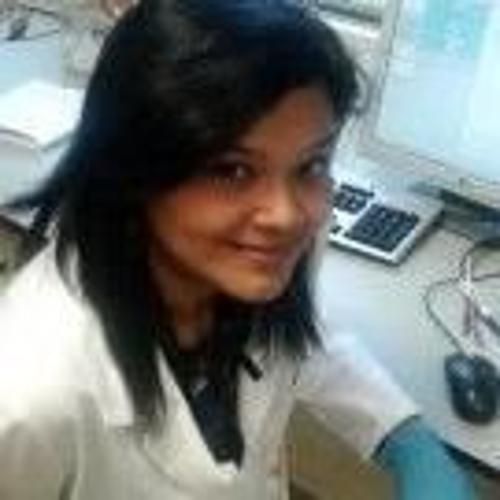
Elia Judith Martínez Torres is a Professor at the Universidad de León, affiliated with the College of Biological and Environmental Sciences. She works in the Department of Applied Chemistry and Physics within the IQUIMAB research group (Chemical Engineering, Environmental and Bioprocesses). She holds a PhD in Chemical Engineering from the Universidad de León (2015), focusing on anaerobic digestion of sludge and agro-industrial wastes. Her research spans environmental engineering, renewable energy, and innovative educational methodologies. Her work emphasizes waste valorization for energy production, including anaerobic digestion, hydrothermal carbonization, and pyrolysis. She explores electrochemical processes for waste treatment and contributes to STEM education through PBL+ methodology, integrating problem-based learning with digital tools. Recent publications highlight her dual focus on environmental engineering and education. Topics include photovoltaic module recycling, sustainable waste management, and adapting PBL+ for online/blended teaching environments. She collaborates with Dr. Xiomar Arleth Gómez Barrios (her PhD advisor) and works on technologies bridging waste management, energy recovery, and pedagogical innovation.
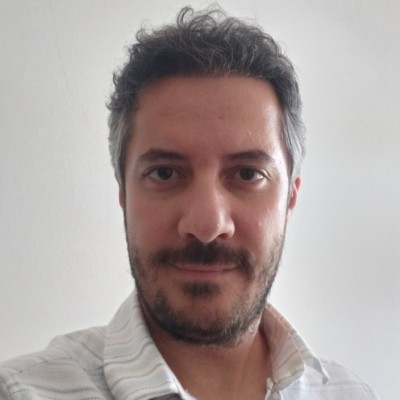
Assoc. Prof. Dr. Firat Aydemir holds a position as Associate Professor at the Department of Computer Engineering, Faculty of Engineering, Dumlupınar University. He completed his bachelor's in Electrical-Electronic Engineering from Gazi University (2001-2005), a non-thesis master's in Electrical Engineering from the University of Rochester (2007-2009), and a PhD in Electrical-Electronics from Dumlupınar University (2012-2017). His academic career includes roles such as Department Head (2024–present), Deputy Director of Research and Application Centers (2020–2024), and head of multiple academic committees. His research focuses on IoT, embedded systems, sensor technologies, and AI applications in healthcare and industrial automation. Notable projects include developing a lung cancer diagnosis system via breath analysis, license plate recognition using deep learning, and IoT-based smart systems for education continuity during pandemics. He has authored over 24 peer-reviewed publications and holds an award for the 5th LED Competition (2014). Aydemir teaches courses on microcontrollers, embedded systems, circuit theories, and IoT applications. His work spans academic leadership, grant coordination, and interdisciplinary research collaborations.
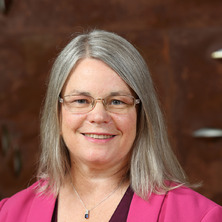
Professor Bronwyn Laycock is a faculty member at the University of Queensland's School of Chemical Engineering within the Faculty of Engineering, Architecture and Information Technology. Her research focuses on biodegradable polymers, particularly polyhydroxyalkanoates (PHAs), and their applications in environmental sustainability, circular economy initiatives, and agricultural technologies. She holds a strong record of commercialization, including co-inventing CSIRO's extended wear contact lens technology and developing oxodegradable polyethylene licensed by Integrated Packaging. Education: BSc and PhD from The University of Queensland, Postgraduate Diploma and Master's from the University of Melbourne. Research Interests: PHA synthesis, biocomposites, controlled release formulations, polymer lifetime estimation, methane emissions reduction, and sustainable materials. Her work spans 162+ publications, including studies on biodegradation mechanisms, polymer applications, and environmental impact assessments. Recent projects include evaluating biodegradable fertiliser coatings, marine plastic degradation, and methane mitigation in cattle. Awards: CSIRO Medal (2009), CRC Joint Chairman’s Award, and Excellence in Innovation Award. Grants: ARC Discovery Projects, Fight Food Waste CRC, Meat & Livestock Australia, and Queensland Government initiatives. Laycock supervises PhD/Master’s students on topics like PHA composites, biodegradation lifetimes, and toxin release mechanisms. She collaborates with institutions like CSIRO, Dow Chemical, and international partners on sustainable materials.
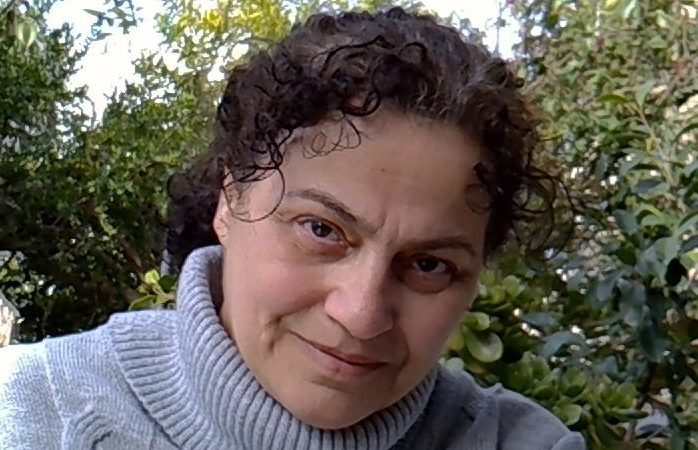
Emmanouil Markakis is an Associate Professor at the Hellenic Mediterranean University, specializing in Phytopathology and Mycology. He holds a PhD in Plant Production Science from the Agricultural University of Athens. His research focuses on emerging plant diseases, biological control strategies, innovative diagnostic technologies, and fungal pathogen genomics. Education: Bachelor of Science in Agriculture, Department of Plant Production, Agricultural University of Athens (2003) Postgraduate Diploma, Department of Plant Production, Agricultural University of Athens (2004) PhD, Department of Plant Production Science, Agricultural University of Athens (2009) Research Interests: Emerging fungal diseases and their management Biocontrol agents and sustainable agriculture Functional genomics of plant pathogens Fungal resistance to fungicides Plant resistance mechanisms Early disease detection technologies His work has explored Verticillium wilt in olive crops, grapevine trunk diseases, and the molecular pathways governing fungal pathogenicity. He has developed novel diagnostic tools like LAMP-based assays for field detection of pathogens. Professional Roles: Member of the Plant Protection Committee of the Regional Administration of Crete Member of the American Phytopathological Society and Hellenic Phytopathological Society (Board member since 2016) Editor and reviewer for international phytopathology journals He leads research teams investigating soilborne pathogens, compost amendments for disease suppression, and host-pathogen interactions. His studies bridge basic mycology with applied agricultural solutions.
Dr. Maria Kotsou is a Lecturer in the Department of Nutrition and Dietetics at Harokopio University, Greece. Her work focuses on probiotic microorganisms, their impact on human health, and the biotransformation of agro-industrial waste. She holds a PhD in Microbiology (2002) and a Biology degree from the Agricultural University of Athens (1995). Her research bridges microbiology, environmental science, and food technology. Research interests include probiotic applications, biodegradation processes, and sustainable waste management. Her studies on olive mill wastewater contribute to eco-friendly solutions for agricultural by-products. She has published extensively on topics ranging from probiotic screening in infant microbiota to compost quality standards. Laboratory affiliations include the Biology, Biochemistry, and Physiology of Humans and Microorganisms Lab. Her interdisciplinary work integrates microbial ecology with environmental engineering, addressing both health and sustainability challenges.
Dr. Deirdre Gleeson serves as an Adjunct Associate Professor at the School of Agriculture and Environment, The University of Western Australia, where she holds leadership roles including Chair of the Education Committee and Board of Examiners. A Senior Fellow of the Higher Education Authority, she teaches core environmental science courses (ENVT1104, ENVT3361, ENVT4461, ENVT5503) while supervising PhD candidates. Her academic credentials include: PhD in Biotechnology, Dublin City University (2001) BSc (Hons) in Biotechnology, Dublin City University (1996) Gleeson's research pioneers the integration of molecular approaches with ecosystem studies, focusing on linking microbial community structure to function across terrestrial and aquatic biomes. Her work examines habitat-scale impacts on microorganisms—from micro-scale rhizosphere interactions to landscape-level climate effects—using cutting-edge environmental DNA (eDNA) technologies. Recent expansions include applying eDNA for vertebrate/invertebrate biodiversity assessment in soil and water systems, directly supporting UN Sustainable Development Goals through environmental conservation. Analysis of her 2024-2025 publications reveals dominant trends in eDNA monitoring for invasive species detection and soil microbiome responses to anthropogenic interventions . Key research threads connect microbial carbon dynamics with sustainable agricultural practices, while aquatic studies optimize cost-effective fish assemblage monitoring in Western Australian river systems. Her scientific recognition includes: ANSTO Grant AP16174 for Holocene environmental record analysis Ecological Society of Australia Wiley Fundamental Ecology Award As a dedicated mentor, Gleeson has supervised 8 research students while securing 15 competitive grants totaling over $5M AUD. Current funding includes the active Holsworth application (2024-2026) investigating ecological processes, and recently completed projects like the $2.3M Pilot to Paddock initiative developing sustainable technologies for Australian agriculture. Her grant portfolio spans soil science, biodiversity conservation, and cultural heritage preservation. Gleeson co-leads the Avon River Critical Zone Observatory within Australia's national network, studying earth surface processes, and contributes to the Murujuga Rock Art Conservation Project where microbial ecology expertise aids cultural heritage preservation through rock art stabilization research.
Peter de Gijsel serves as an Education/Research Officer in the Department of Food Chemistry at Wageningen University & Research. His research focuses on the chemical analysis of plant biomass, fungal systems, and food components using advanced analytical techniques. His work bridges food chemistry with agricultural applications and environmental science. Dr. de Gijsel's research interests center on polysaccharide chemistry, particularly examining plant cell wall components and their interactions with fungal systems. His work involves enzymatic hydrolysis processes, analysis of hydroxycinnamic acids like coumaric acid, and the application of pyrolysis-GC-MS techniques for biomass characterization. He has made significant contributions to understanding fungal differentiation in Aspergillus niger and the chemical properties of plant biomass. Analysis of his publication record reveals a strong focus on analytical methodologies for characterizing plant biomass components, with particular attention to lignin and polysaccharide structures. His research demonstrates consistent collaboration with the Kabel research group at Wageningen, focusing on practical applications in food science and agricultural technology. While no specific scientific awards are documented in the available information, his research has garnered significant academic attention, with several publications accumulating substantial citations, particularly his 2017 Analytical Chemistry paper which has received over 80 citations. Dr. de Gijsel collaborates extensively with researchers across multiple institutions, particularly working with the Kabel research group at Wageningen University. His work appears to be conducted within specialized laboratories focused on analytical chemistry and food science, with equipment for pyrolysis, gas chromatography, and mass spectrometry analysis.
Giampaolo Zanin is a permanent researcher in the Department of Agronomy, Food, Natural resources, Animals and Environment (DAFNAE) at the University of Padova, Italy. His work focuses on sustainable agricultural practices, plant nutrition, and green infrastructure systems. Academic Discipline: AGR/04 (Ornamental plants, trees, shrubs, flowers, and plant nursery) Location: Agripolis Campus, Viale dell'università, 16 - Legnaro (Padova), Italy Giampaolo Zanin's research explores intersections between sustainable agriculture , urban green infrastructure , and plant physiology . Key areas include: Development of organic fertilizers from agricultural by-products Optimization of aquaponic and green roof systems Impact of LED lighting and plasma treatments on plant growth Water management strategies for crop efficiency Substrate engineering for ornamental and vegetable production Climate adaptation in horticultural practices His recent publications reveal trends toward circular economy principles in agriculture, with particular emphasis on: Resource recovery from mushroom substrates and anaerobic digestates Urban stormwater management through green roofs and rain gardens Energy-efficient lighting applications in plant production Climate-resilient cultivation techniques Integrated fish-plant aquaponic systems Substrate physical properties and plant performance Giampaolo Zanin's work at Agripolis Campus involves extensive collaboration with multidisciplinary teams focused on: Developing sustainable growing media Monitoring environmental impacts of horticultural practices Designing climate-adaptive urban green spaces Optimizing low-tech agricultural systems
Juozas Pekarskas is a Researcher and Project Manager at the Bioeconomy Research Institute within the Agriculture Academy of Vytautas Magnus University, holding a Doctor of Biomedical Sciences degree earned in 1997. His professional activities are deeply integrated with the Department of Environment and Ecology and the Department of Agroecosystems and Soil Sciences, reflecting his interdisciplinary approach to sustainable agricultural systems. Dr. Pekarskas's research spans critical areas of environmental and agricultural science, with primary focus on long-term ecological studies, innovative plant cultivation techniques, and organic waste transformation processes. His work encompasses composting and vermicomposting methodologies, development of organic fertilizers and soil conditioners, physical characterization of organic matter (including loose and granulated forms), comprehensive organic waste management strategies, and mineral processing applications for agricultural use. These research streams collectively address bioeconomy challenges through sustainable resource management. Within the university structure, he maintains significant contributions to the Agriculture Academy's scholarly output, as evidenced by his extensive publication record across affiliated departments. His research demonstrates practical applications in soil health improvement, ecological sustainability, and circular economy principles within agricultural contexts.
Dr. Chelsea Preble is an Assistant Research Engineer in the Department of Civil and Environmental Engineering at UC Berkeley and an affiliate of the Energy Technologies Area at Berkeley Lab. Her work focuses on air pollution characterization through novel sensing approaches, emission controls, and policy evaluation, with a strong emphasis on community partnerships and sustainable transportation initiatives. Research Interests: Dr. Preble specializes in Black carbon and greenhouse gas emissions Development of low-cost sensor networks for urban air quality Evaluation of emission regulations and alternative energy technologies Life cycle assessment of waste-to-energy systems Publication Trends: Her 15 most recent articles (2017–2023) span topics including diesel vehicle emissions, composting/waste management impacts, urban black carbon monitoring, and indoor air quality dynamics. Common methodologies involve sensor validation, spatiotemporal modeling, and real-world data collection. Awards: No formal scientific awards are documented in the provided texts. Collaborations: She frequently collaborates with researchers like Thomas W. Kirchstetter, Corinne D. Scown, and Robert A. Harley, contributing to interdisciplinary projects at the intersection of environmental engineering, public health, and climate policy.
Will Heyniger is a Lecturer in the Department of Environmental and Sustainability Sciences at Kean University's College of Science, Mathematics and Technology. He holds a Master of Arts in Environmental Studies (May 2011) and teaches courses including Introduction to Meteorology, Environmental Science labs and lectures, Observing the Earth, and Sustainability fundamentals. Areas of Expertise: Atmospheric Science, Sustainability Sciences, Environmental Management, Ecological Restoration, Food Composting Heyniger emphasizes student engagement through enthusiastic knowledge sharing, aiming to forge connections with diverse student backgrounds. His teaching philosophy prioritizes creating an exciting classroom environment that naturally enhances learning outcomes.
Kevin Gamble is a Senior Lecturer in the Department of Sustainable Technology and the Built Environment at Appalachian State University. His work focuses on interdisciplinary approaches to technology, historical energy transitions, and practical solutions for low-carbon systems. Education: M.S. in Appropriate Technology, Appalachian State University B.A. in Religious Studies, Appalachian State University His research spans sustainable organic waste management, traditional composting methods, and climate change mitigation strategies. Notably, he explores black soldier fly systems, farm waste recovery, and life cycle assessment of material systems. Through experimental studies like the 2015 ASEE publication on anaerobic digestion scalability, Gamble bridges laboratory insights with real-world applications for energy and waste systems. His teaching includes courses on energy transitions, climate response, and sustainable resource management.
Dr. Remigio Paradelo Nuñez is a university professor affiliated with the Department of Soil Science and Agricultural Chemistry at the Faculty of Biology, University of Santiago de Compostela. He contributes to the Center for Interdisciplinary Research in Environmental Technologies (CRETUS) and collaborates with the GEMAP Group for environmental studies applied to natural and cultural heritage. His research focuses on soil quality assessment, composting of industrial waste, and ecological restoration techniques. Notably, he developed methods for applying grape pomace compost in slate embankment restoration, integrating environmental sustainability with agricultural chemistry. He holds a PhD from the University of Santiago de Compostela (2009), supervised by Dr. María Teresa Barral Silva and Dr. Ana Belén Moldes Menduiña.
Douglas Hamilton is an Associate Professor in the Department of Biosystems and Agricultural Engineering at Oklahoma State University (OSU), where he has served since 2000. He is also an Extension Specialist for Waste Management with OSU Extension, a role he has held since 1995. His work bridges academic research and real-world application, focusing on environmental preservation in agricultural systems. His educational background includes a Ph.D. in Agricultural Engineering from The Pennsylvania State University (1992), an M.S. from Iowa State University (1985), and a B.S. from The University of Arkansas (1983). Dr. Hamilton's research interests are centered on organic waste treatment and nutrient recycling. He has conducted extensive applied research on anaerobic digestion, particularly the Anaerobic Sequencing Batch Reactor (ASBR) for low-solids liquids. He has also advanced knowledge in facultative lagoons, composting, and vermicomposting for solid waste. His work spans food wastes, poultry litter, and mortality composting, including developing systems for horse owners. His recent publications reflect a strong focus on improving ASBR efficiency, economic feasibility of biodigesters on swine operations, and practical extension tools for farmers. Themes across his work include sustainable energy (biogas), wastewater treatment, and innovative waste management technologies. Secretary of Agricultural Honor Award (2002) AEM First Place Student Branches Advisor (2016) Multiple Blue Ribbon Educational Aids Competition awards (2000, 2003, 2011, 2013) EMI First Place Student Branches Advisor (1999) Dr. Hamilton actively supervises graduate research and has developed specialized courses such as Comprehensive Nutrient Management Planning and Material Handling in Agricultural Waste Management. He has secured funding from USDA, Oklahoma Water Center, and Oklahoma Soybean Board. He collaborates with agencies like the California Department of Food and Agriculture and Virginia Tech on national waste management initiatives. He is also involved with the North American Manure Expo and professional societies including ASABE and North American Colleges and Teachers of Agriculture.
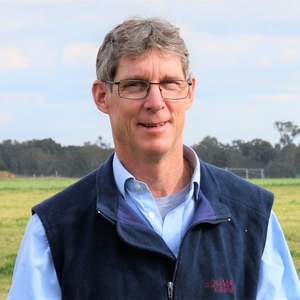
Allan Gunn is an Associate Professor in Large Animal Theriogenology and Production Animal Medicine at Charles Sturt University, affiliated with the School of Agricultural, Environmental and Veterinary Sciences and based in the Department of Pathobiology. He is a registered specialist in Theriogenology with the Royal College of Veterinary Surgeons (RCVS) and in Australasia, and holds multiple advanced qualifications including MANZCVS and DACT. His academic and clinical work is centered at the Wagga Wagga campus, where he actively teaches and mentors veterinary students. Education: BSc.Agric BVM&S (Veterinary Degree, University of Edinburgh) MANZCVS in Horse Medicine, Animal Reproduction, and Dairy Cattle Medicine Diplomate, American College of Theriogenology (DACT) Fellow, Higher Education Academy (FHEA) Fellow, Royal College of Veterinary Surgeons (FRCVS) Allan Gunn's research focuses on animal reproduction, particularly in dairy and production animals. His work spans reproductive physiology, semen biology, herd health, and clinical theriogenology. He applies experiential learning theories, such as Kolbe’s model, to veterinary education, emphasizing reflective practice and student agency. His publications and presentations at conferences like ANZCVS and the Society for Theriogenology reflect a consistent and impactful research trajectory. The 15 most recent articles demonstrate a strong emphasis on reproductive health in livestock, including bull semen evaluation, dystocia in goats, compost barn management, and the neuroendocrine regulation of reproduction. These works span both clinical case studies and applied research, often in collaboration with institutions like the University of Newcastle and the University of Melbourne. The keywords and sub-fields reflect deep engagement with theriogenology, dairy science, and veterinary andrology. Scientific Awards: Fellowship of the Royal College of Veterinary Surgeons (FRCVS), conferred in 2020 for meritorious contributions to clinical practice. Fellowship of the Higher Education Academy (FHEA), awarded in 2021 for excellence in teaching and educational scholarship. Allan Gunn is actively involved in mentoring and advising a wide range of students, including DACT, DVStud, Honours, Masters, and PhD candidates. He collaborates internationally and supervises research across institutions. He has secured research outputs and engagement through grants and industry partnerships, particularly in dairy herd management and reproductive technologies. His activities include invited lectures, conference participation, and public research showcases, indicating sustained academic and industry engagement. He is associated with the Gulbali Research Institute at Charles Sturt University, where his research in animal reproduction and sustainable herd management is conducted. His work involves interdisciplinary collaboration and field-based research, contributing to both academic knowledge and practical veterinary applications.