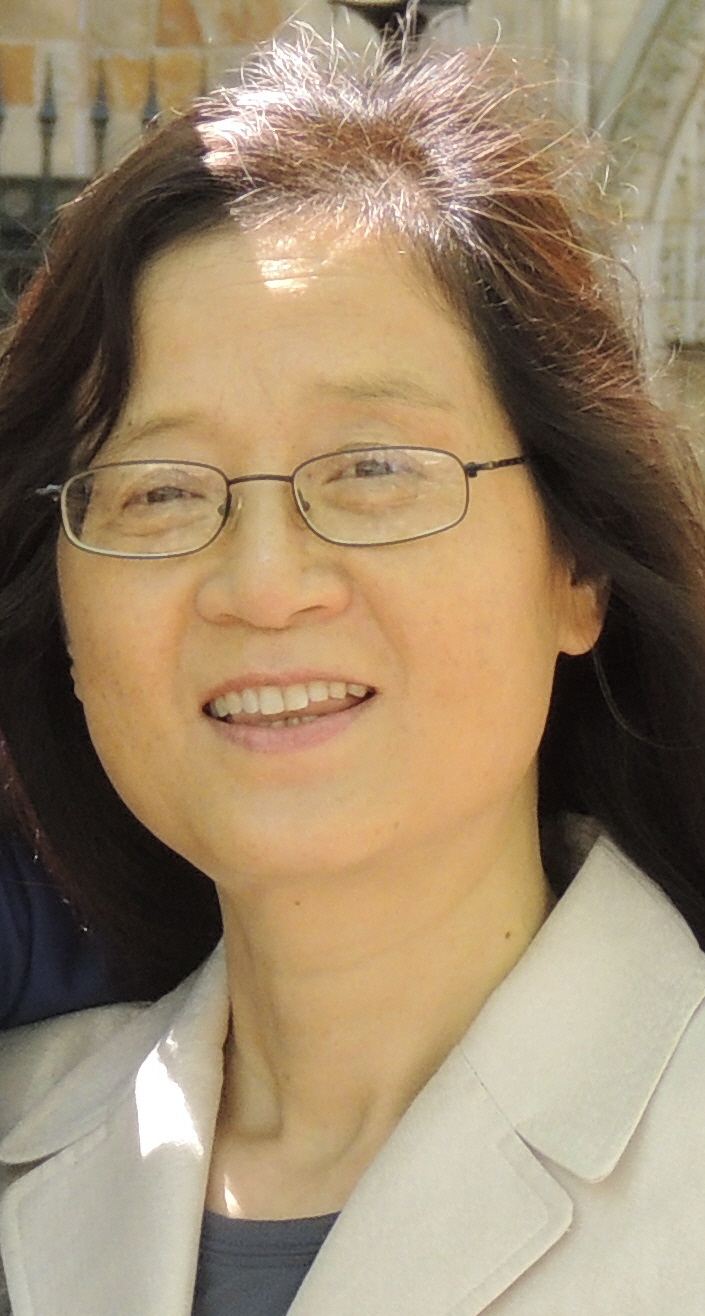
Antonio Sanchez FerrerView profile
Professor
Antonio Sanchez Ferrer is a Professor in the Department of Chemical, Biological and Environmental Engineering at the Autonomous University of Barcelona (UAB), where he leads the Grup de recerca en tecnologies de (Bio) Remediació Ambiental i Valorització d'Efluents residuals (BRAVE) research group. His academic journey includes positions as Professor Titular d'Escola Universitària at the Escola Universitària Politècnica del Medi Ambient (1998-2005), CIRIT Fellow with the Government of Catalonia (1996-1998), and Process Researcher at Purac Bioquímica SA (1993-1994). Dr. Sanchez Ferrer earned his Ph.D. in Chemical Sciences from UAB (1998), following a Master's in Biotechnology (1996) and a Degree in Chemical Sciences with specialization in Industrial Chemistry (1993), all from UAB. His research fingerprint highlights key areas including Solid-state Fermentation (100%), Composting Process (68%), Organic Fraction of Municipal Solid Waste (64%), Organic Waste Management (54%), and Anaerobic Digestion (39%). His research program addresses critical environmental challenges through innovative waste valorization approaches. Current projects include CirBioWaste (focusing on Mediterranean bio-waste management), Soil&WineResidues (sustainable vineyard soil management), and Nano4PAnMBR (nanomaterial-aided enhancement for anaerobic membrane bioreactors). His recent publications demonstrate a clear trend toward practical, community-scale applications of waste management technologies, with particular emphasis on composting processes, gaseous emissions control, and circular bioeconomy models. With over 330 research outputs and an h-index of 68, Dr. Sanchez Ferrer has established himself as a leading authority in sustainable waste management. His work bridges fundamental science with practical implementation, particularly in Mediterranean climate contexts where water scarcity and organic waste management present unique challenges. Dr. Sanchez Ferrer has supervised 27 students throughout his career, mentoring the next generation of environmental engineers and researchers. His laboratory work focuses on developing scalable solutions for biowaste valorization, with recent emphasis on community composting initiatives and advanced treatment technologies for organic residues.