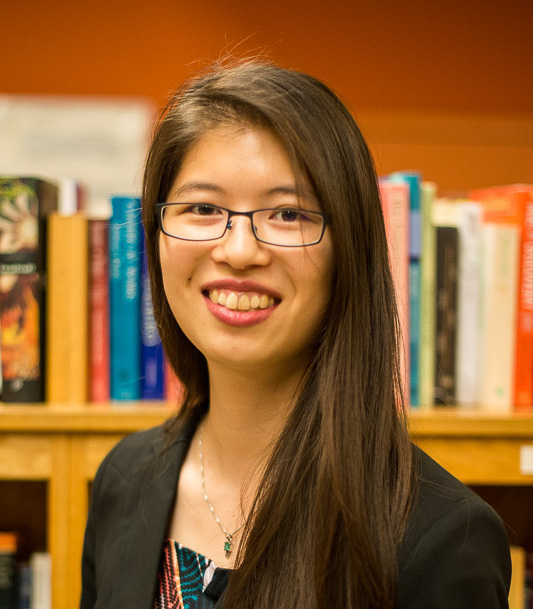
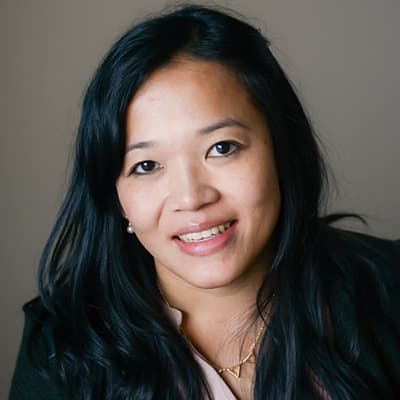
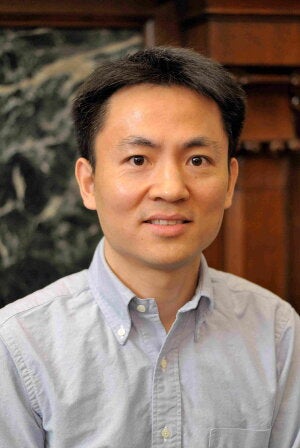
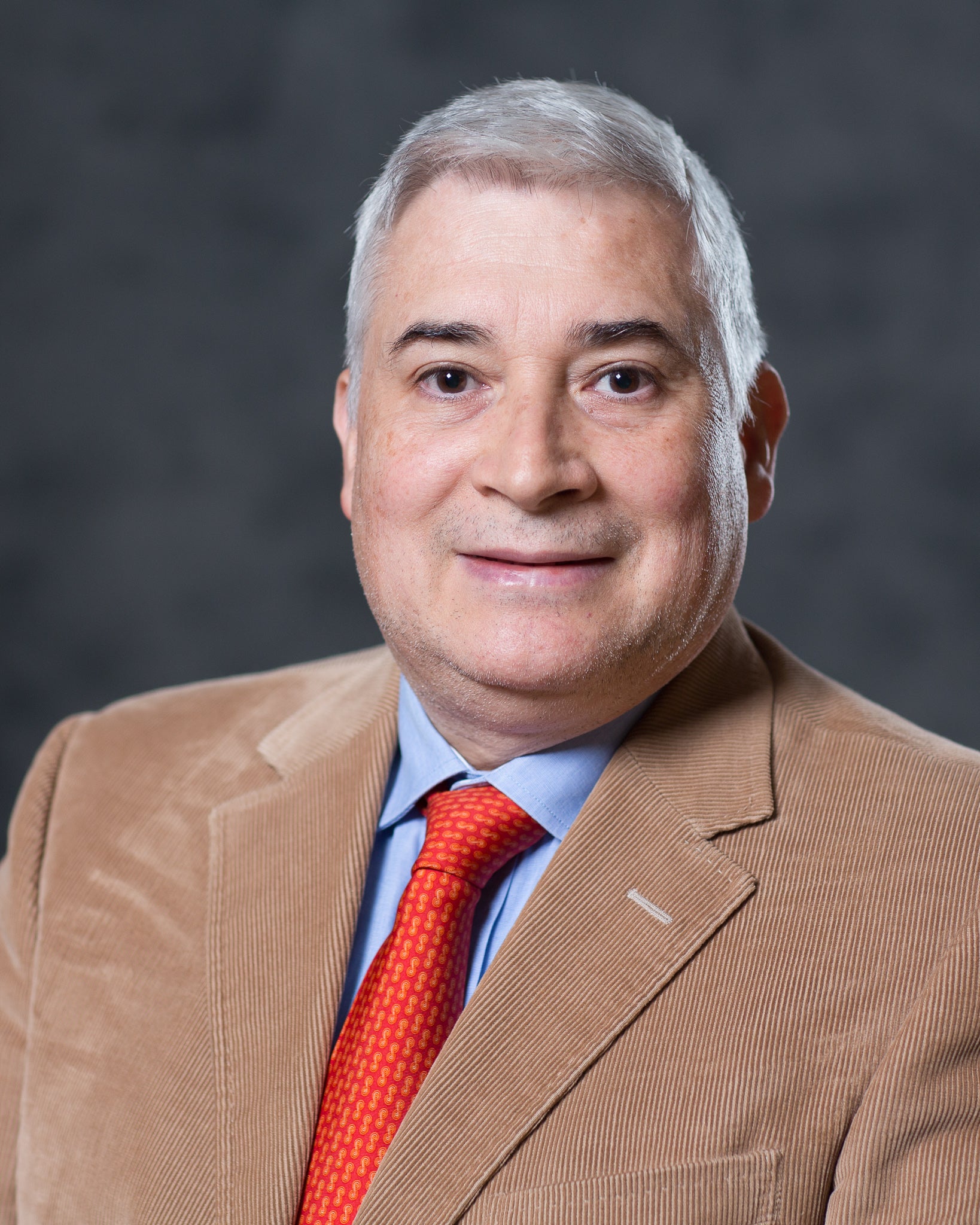
Cathy Wu is an Associate Professor at MIT, with affiliations in the Laboratory for Information and Decision Systems (LIDS), Department of Civil and Environmental Engineering (CEE), and Institute for Data, Systems, and Society (IDSS). Her research group focuses on integrating machine learning with model-based optimization to solve complex problems in transportation systems and cyber-physical systems. Academic Leadership: Class of 1954 Career Development Associate Professor (MIT) Research Grants: NSF CAREER Award, Amazon Robotics, Mathworks, MIT Mobility Initiative, US DOT, Microsoft Research, Cintra, Symbotic Research Interests : Wu's work bridges AI and engineering challenges in transportation. Key areas include: Hybrid ML/Model-based Optimization (large neighborhood search, branch-and-cut) Sustainable Mobility (Project Greenwave, eco-driving) Multi-Agent Coordination (warehouse automation, cooperative driving) Cyber-Professional Systems (generalization in RL, transfer learning) Recent work demonstrates significant advances in eco-driving (11-22% emissions reduction), large-scale multi-agent path finding (1000+ agents), and foundational RL methods for traffic control. Her group has produced 15+ major publications since 2015, with notable media coverage in Science, Wired, and NewScientist. Selected Scientific Awards NSF CAREER Award (2023) Ole Madsen Mentoring Award (2025) IEEE ITSS WiE/YP Fellowship (2024) Harold L. Hazen Teaching Award (2022) Her lab has advised 12+ graduate students and postdocs, including: Vindula Jayawardana (PhD '24, now at Anthropic) Sirui Li (PhD '25, now at Microsoft Research) Yining Ma (Postdoc, active researcher) Zhongxia Yan (PhD '24, now at Anthropic)
Jiro Katto is a Professor at Waseda University's School of Fundamental Science and Engineering, where he has been conducting research and teaching since 1999. He received his Ph.D. from the University of Tokyo and has established himself as a leading researcher in multimedia signal processing and computer networks. His academic journey includes positions as Associate Professor (1999-2004), Professor (2004-present), and Director at NEDO (2004-2008), along with research experience at NEC C&C Laboratories (1992-1999) and a Visiting Scholar position at Princeton University (1996-1997). Professor Katto's research interests focus on Multimedia Signal Processing and Computer Networks, with particular expertise in video compression, 5G network performance, and learned image compression techniques. His work bridges theoretical advancements with practical implementations, as evidenced by his extensive publications in top-tier conferences and journals. His research group has made significant contributions to point cloud compression, latency compensation in remote systems, and hardware-accelerated video encoding for UHD streaming. His publication record is impressive, with 276 papers cited 3,323 times in Scopus and 6,169 times in Google Scholar, reflecting his substantial impact in the field. His recent work shows a strong trend toward applying deep learning techniques to traditional signal processing problems, particularly in the areas of image and video compression, where his team has developed novel approaches to improve compression efficiency while reducing computational complexity. Electric Telecommunications Promotion Foundation Telecommunications System Technology Award (2023) Takayanagi Kenjiro Foundation Takayanagi Kenjiro Achievement Award (2020) Institute of Image Information and Television Engineers Fellow (2020) Institute of Electronics, Information and Communication Engineers Fellow (2015) IEICE Communications Society Activity Contribution Award (2006) IEICE Academic Encouragement Award (1995) SPIE VCIP 1991, Best Student Paper Award (1991) Professor Katto has served on numerous prestigious committees including IEEE ComSoC Tech News Editorial Board, IEEE Technical Program Committees for major conferences (Globecom, ICC, ICIP), and editorial boards for several academic journals. His leadership in the academic community extends to chairing conferences like IWAIT 2011 and serving as Editor-in-Chief for journals in his field. His research has practical applications in commercial 5G networks, video streaming services, and remote monitoring systems, demonstrating the real-world impact of his work.
Elias Jarlebring is a Professor in Numerical Linear Algebra at the Department of Mathematics, KTH Royal Institute of Technology, Stockholm. He has held the position of Full Professor since 2021, following his tenure as Associate Professor (2013-2021) and Dahlquist Research Fellow (2011-2013). His research focuses on numerical analysis, numerical linear algebra, matrix computations, and scientific computing. Jarlebring develops linear algebra algorithms to solve problems from various fields including systems and control, acoustics, electromagnetics, data science, quantum mechanics, and quantum chemistry. He is a core developer of NEP-PACK, a scientific computing software package for nonlinear eigenproblems. His recent publications demonstrate significant contributions to computational methods for nonlinear eigenvalue problems, matrix functions, and parameterized linear systems. The research shows a clear trajectory toward increasingly complex applications in quantum computing, data science, and wave propagation problems. Project grant, Swedish research council (2019) Ruth och Nils-Erik Stenbäcks foundation, junior grant (2019) Göran Gustafsson Prize for junior researchers (2014) Project grant for junior researchers, Swedish research council (2014-2018) Professor Jarlebring has supervised numerous PhD students including Vilhelm Peterson Lithell, Gustaf Lorentzon, Siobhán Correnty, Parikshit Upadhyaya, Emil Ringh, Antti Koskela, and Giampaolo Mele. He has received multiple research grants from the Swedish Research Council and serves as editor for BIT Numerical Mathematics, Linear and Multilinear Algebra, NACO Numerical Algebra Control and Optimization, and CALCOLO. He is actively involved in the numerical linear algebra community as a member of ILAS (International Linear Algebra Society), GAMM Activity Group on Numerical Linear Algebra, and the Nordic Numerical Linear Algebra Association. He also contributes to open source projects, particularly in the Julia programming language ecosystem.
Juliane Nguyen, PhD, is a Professor in the Department of Pharmacoengineering and Molecular Pharmaceutics at the UNC Eshelman School of Pharmacy, University of North Carolina at Chapel Hill. She serves as Vice Chair and Director of Graduate Admissions in her department and holds an adjunct appointment as Professor of Biomedical Engineering. Dr. Nguyen is also a member of the UNC Lineberger Comprehensive Cancer Center, where she applies molecular engineering approaches to develop innovative therapeutic solutions. Dr. Nguyen's research focuses on molecular engineering to advance protein-based therapeutics, live biotherapeutics (including engineered probiotic yeast), and extracellular vesicles. Her lab develops cutting-edge technologies to treat diverse conditions including cancer, myocardial infarction, chemotherapy-induced cardiotoxicity, and inflammatory bowel diseases. Her interdisciplinary approach integrates molecular engineering, pharmaceutical sciences, and bioinformatics to create complex biologics with exceptional safety and efficacy profiles. Key research areas include developing therapeutics for cardiac repair, genetically encoded materials targeting tumor-associated macrophages, live biotherapeutics for inflammatory bowel diseases using engineered probiotic yeast, and auxetic patches for dynamic organ repair. Analysis of Dr. Nguyen's recent publications reveals a strong focus on translational research with significant contributions to cardiac repair technologies, cancer immunotherapy, inflammatory bowel disease treatments, and advanced biomaterials. Her work consistently bridges fundamental molecular engineering with clinical applications, particularly in the areas of targeted drug delivery, extracellular vesicle therapeutics, and engineered live biotherapeutics. The research demonstrates a clear trajectory toward developing clinically viable solutions for previously challenging medical conditions. Dr. Nguyen has received numerous prestigious awards and honors including the NSF CAREER Award (2018), Eshelman Innovation Award (2020), and recognition as a Fellow of the Controlled Release Society (2023). She was appointed as a Standing Member of the NIH Drug and Biologic Therapeutic Delivery Study Section (2023-2025) and serves as Executive Editor of Advanced Drug Delivery Reviews since 2021. Her Galenus Guest Professorship at ETH Zuerich (2024) and keynotes at major conferences highlight her international recognition in the field. As Director of Graduate Admissions and an active mentor, Dr. Nguyen has advised numerous PhD and Master's students who have co-authored significant publications with her. Her research is supported by competitive grants including the NSF CAREER Award and other NIH-funded projects. The Nguyen Lab maintains strong collaborations across disciplines, particularly with cardiology, oncology, and biomedical engineering researchers. She leads an interdisciplinary team focused on translating molecular engineering breakthroughs into clinically impactful therapies. The Nguyen Lab operates as a dynamic, interdisciplinary research environment combining expertise in molecular engineering, pharmaceutical sciences, and bioinformatics. The lab's mission is to revolutionize medicine by developing next-generation therapeutics that target diseases at the molecular level. Current projects focus on translating cutting-edge research into life-changing therapies for patients suffering from cancer, myocardial infarction, colitis, and other challenging conditions. The lab's innovative approach to biomolecular engineering positions it at the forefront of developing safe, effective, and personalized therapeutic solutions.
Prof. Dan Jiao is the Synopsys Professor of Electrical and Computer Engineering at Purdue University's Elmore Family School. She leads the Rapid-Heterogeneous Integration (Rapid-HI) Design Institute and serves as Editor-in-Chief of the IEEE Journal on Multiscale and Multiphysics Computational Techniques. Her research focuses on computational electromagnetics, multiphysics modeling, and AI-driven design automation for advanced integrated circuits and quantum systems. She has held academic positions since 2005, progressing from Assistant to Full Professor, and has extensive industry experience at Intel Corporation (2001–2005). Education: PhD in Electrical Engineering, University of Illinois at Urbana-Champaign (2001) Senior Staff Engineer at Intel Corporation (2001–2005) Research Interests: Fast numerical methods for large-scale electromagnetic analysis AI/ML integration in design automation (EDA/MDA) Quantum circuits and spin qubit systems Heterogeneous integration and advanced packaging Multiphysics co-simulation for nano-scale devices Signal/power integrity in high-speed systems Key Projects: Leads the NSTC AIDRFIC program (first NSTC R&D Jump Start project), the DARPA NGMM Rapid-HI Design Institute, and the GENIE-RFIC generative design tool initiative. Also directs the Consortium for Electromagnetic Science and Technology. Awards & Honors: 2022 ACES Computational Electromagnetics Award IEEE Fellow (2016) Intel Outstanding Researcher Award (2019) MTT-S Distinguished Microwave Lecturer (2020–2023) 2013 Schelkunoff Prize Paper Award Advising & Grants: Advised over 30 PhD/master's students and led projects funded by NSF, DARPA, Intel, SRC, and industry partnerships. Key grants include NSF CAREER (2008), ONR Young Investigator (2006), and multiple industry-sponsored initiatives. Labs & Teams: Rapid-HI Design Institute (DARPA NGMM) Quantum device co-design group Multiphysics modeling team
Stephen Robert Hanneke is an Assistant Professor in the Department of Computer Science at Purdue University, specializing in theoretical machine learning and statistical learning theory. His work focuses on reducing the number of training examples required for learning, with contributions to supervised, semi-supervised, active, and transfer learning. He joined Purdue in Fall 2021 after roles including Research Assistant Professor at the Toyota Technological Institute at Chicago (2018–2021), Visiting Lecturer at Princeton University (2018), and Visiting Assistant Professor at Carnegie Mellon University (2009–2012). Education: B.S. in Computer Science from the University of Illinois at Urbana-Champaign (2005), Ph.D. in Machine Learning from Carnegie Mellon University (2009). Research interests include statistical learning theory, machine learning foundations, algorithms, and quantum computing. Notable contributions explore the theoretical underpinnings of active learning, adversarial robustness, and universal learning frameworks. His research bridges disciplines like probability theory, philosophy of science, and algorithmic information theory. Key awards include the Best Paper Award at ALT 2021 for 'Stable Sample Compression Schemes' and runner-up for COLT 2021. He has also received the COLT 2020 Best Paper Award and an Honorable Mention for the ICML 2017 Test of Time Award. His work on 'A Bound on the Label Complexity of Agnostic Active Learning' (ICML 2007) received further recognition in 2017. Teaching includes courses on machine learning theory and data mining at Purdue, Princeton, and Carnegie Mellon. He has organized workshops like the ALT 2019 'When Smaller Sample Sizes Suffice for Learning' and chaired the program committee for ALT 2017. His research outputs span over 100 publications in top venues like COLT, NeurIPS, and JMLR, focusing on foundational questions in learning theory and algorithmic efficiency.
Yuguo Chen is a Professor in the Department of Statistics at the University of Illinois at Urbana-Champaign (UIUC), serving as Interim Department Chair and Director of the Illinois Statistics Office. He holds affiliations with the Department of Computer Science, Information Trust Institute, Coordinated Science Lab, and Illinois Informatics Institute. Chen earned his PhD in Statistics from Stanford University (2001) and a B.S. in Mathematics from the University of Science and Technology of China (1997). His research focuses on Monte Carlo methods, network data analysis, state space models, bioinformatics, and Bayesian inference. Key interests include scalable network estimation, community detection, and applications in public health, education, and computational biology. Recent work highlights include advancements in dynamic network modeling, Bayesian latent class models for cognitive diagnosis, and statistical methods for analyzing multi-layer networks. His contributions have been recognized through awards such as the American Statistical Association Fellowship (2018) and the Charles Edison Lectureship (2018). Editorial Roles: Associate Editor of Journal of the American Statistical Association , Journal of Computational and Graphical Statistics , and Journal of Algebraic Statistics . Grants & Consulting: Directs the Illinois Statistics Office, providing interdisciplinary research support. Active in collaborative projects involving healthcare, education, and computational infrastructure. Labs & Teams: Leads initiatives at the Coordinated Science Lab and Information Trust Institute, integrating statistical methods with cybersecurity and data-driven decision-making.
Nick Bansback is an Honorary Visiting Professor in the School of Population and Public Health at the University of British Columbia (primary affiliation) and affiliated with NUS Saw Swee Hock School of Public Health. His research focuses on maximizing healthcare value through economic evaluation, patient preference measurement, and decision analysis. He holds a PhD in Health Economics and Decision Sciences (University of Sheffield, 2010), an MSc in Health Economics (2004), and a BSc in Mathematics (2001). Key research areas include health technology assessment, patient-reported outcomes, and cost-effectiveness analysis of treatments for chronic conditions like rheumatoid arthritis and multiple sclerosis. He has pioneered methods for incorporating patient preferences into healthcare decisions, including developing decision aids and discrete-choice experiments. His work has been recognized with awards such as the UBC Killam Research Award (2020) and the Canadian Agency for Drugs and Technology in Health Rising Star Award (2016). He has contributed to over 30 peer-reviewed publications, emphasizing practical applications of health economics to improve healthcare resource allocation and patient-centered care. Prof. Bansback’s career spans postdoctoral research at UBC, health economics roles at the Centre for Health Evaluation and Outcomes Sciences, and early research at the University of Sheffield. His interdisciplinary approach bridges clinical practice, policy, and quantitative methods to address complex healthcare challenges.
Yuri Bazilevs is the E. Paul Sorensen Professor of Engineering at Brown University's School of Engineering and Co-Director of the Mechanics of Undersea Science and Engineering Center. His research focuses on computational mechanics, isogeometric analysis, fluid-structure interaction, and high-performance computing. Prior to Brown, he held positions at UC San Diego, where he advanced to Full Professor in 2014 after a rapid tenure. He earned his PhD in 2006 and postdoc training in computational engineering at UT Austin's ICES. Research interests span computational fluid dynamics, solid mechanics, and advanced discretization methods like isogeometric analysis (IGA) and meshfree approaches. He has developed novel formulations for complex phenomena such as underwater explosions, composite material failure, and hypersonic flow dynamics. His work integrates cutting-edge numerical methods with practical engineering applications in aerospace, energy, and biomedical systems. Recent publications highlight advancements in IGA for architected materials, RKPM-based crack modeling, and stabilized formulations for compressible flows. His contributions bridge theoretical mechanics with computational innovation, addressing challenges in multiphysics coupling and large-scale simulations. Collaborations span academia and industry, emphasizing practical validation and real-world impact. Bazilevs' expertise includes variational multiscale methods, peridynamics for fracture mechanics, and immersive particle methods for fluid-structure interaction. His work has been applied to wind turbine aerodynamics, gas turbine optimization, and cardiovascular flow analysis. He actively contributes to computational infrastructure development, such as the tIGAr software framework for IGA automation.
Humberto Terrones Maldonado holds the Rayleigh Endowed Chair Professor position in the Department of Physics, Applied Physics and Astronomy at Rensselaer Polytechnic Institute (RPI). An internationally recognized scholar, he has served as an invited professor at numerous institutions including the University of Louvain (UCL, Belgium), Federal University of Ceará (UFC, Brazil), Shinshu University (Japan), Oak Ridge National Laboratory (ORNL, USA), Penn State University (USA), and the University of Sussex (UK). He is a member of the World Academy of Sciences (TWAS) and the Mexican Academy of Sciences. His educational background includes: PhD, University of London (Birkbeck), UK BSc, Iberoamericana University, Mexico Professor Terrones pioneered the concept of curvature in graphite and graphene in 1991, introducing Schwarzites—graphitic structures with negative Gaussian curvature. His research focuses on electronic, optical, mechanical, and chemical properties of few-layered 2D materials and their application in novel 3D nanostructures. Key areas include: 2-Dimensional Materials Complex 3-D Atomic Structures Solid State and Condensed Matter Physics Nanoscience and Nanotechnology Nonlinear Optics His recent publications (2022-2025) reveal a strong emphasis on transition metal dichalcogenides, defect engineering, machine learning for materials design, and energy applications. Work spans experimental characterization of heterostructures, computational simulations of lattice mechanics, and innovative synthesis techniques like liquid metal exfoliation. His notable scientific awards and honors include: Rayleigh Endowed Chair Member of the World Academy of Sciences (TWAS) Member of the Mexican Academy of Sciences
Professor Mary Ellen Carter is the Joseph L. Sweeney Chair in Accounting at Boston College's Carroll School of Management. She holds a BS from Babson College, an MBA from Boston College, and a PhD from MIT's Sloan School of Management. A CPA with prior audit experience at Coopers & Lybrand, she focuses on financial reporting, executive compensation, and corporate governance. Her research explores gender pay gaps, labor market pressures on compensation, and the role of compensation consultants. Her work has been published in top journals like Journal of Accounting and Economics and Journal of Financial Economics , and featured in Forbes , Financial Times , and New York Times . She currently serves as Editor of The Accounting Review and Associate Editor of Management Science . Notable awards include the Coughlin Distinguished Teaching Award (2019) and Ernst & Young Faculty Fellowship (2021-2022). Professor Carter teaches intermediate accounting and has held faculty positions at Columbia Business School and Wharton School. Her research trends emphasize real-world impacts of accounting policies, regulatory changes, and labor market dynamics. Recent studies address pandemic-driven compensation shifts and ESG-related governance mechanisms.
Ian Wilson is the Deputy Director of the Centre for Regional Economic and Social Research (CRESR) and a Professor of Policy Research and Evaluation at Sheffield Hallam University. He holds BA and MSc degrees, with over 20 years of expertise in applied policy research and evaluation, securing £15M+ in research funding. His work spans housing policy, urban regeneration, and social welfare, collaborating with government agencies like DLUHC, DWP, and Welsh Government. Education: BA, MSc (institutions unspecified) Roles: Deputy Director (CRESR), Professor of Policy Research and Evaluation Affiliations: Social and Economic Research Institute, College of Social Sciences and Arts Research Focus: Wilson's work centers on measuring policy impacts, housing affordability, and place-based interventions addressing social inequities. He pioneered methods like shadow pricing for regeneration outcomes and developed frameworks for valuing policy effects on communities. His expertise includes econometric analysis, cost-benefit evaluation, and innovative solutions for complex societal challenges. Grants & Projects: Key projects include evaluations of the Affordable Homes Programme (£10M agreement with DLUHC), Warm Home Prescription project, and Community Renewal’s Lifting Neighbourhoods Together initiative. He has led over 100 research outputs, including studies on housing benefit reforms, urban regeneration, and third-sector subcontractor roles in EU programs. Labs/Teams: Core affiliations with CRESR and the Social and Economic Research Institute, collaborating with interdisciplinary teams on national and international projects.
See Kiong Ng serves as Professor of Practice in the Department of Computer Science at the School of Computing, National University of Singapore (NUS), while concurrently holding leadership roles as Director of AI Technology at AI Singapore and Deputy Director of NUS's Institute of Data Science (IDS). His work focuses on translational data science research and developing integrated capabilities for Singapore's Smart Nation initiative through industry and public agency collaborations. His academic credentials include a B.S. in Applied Mathematics (Computer Science Track) from Carnegie Mellon University (1989), an M.S.E. in Computer & Information Science (Artificial Intelligence) from the University of Pennsylvania (1990), and a Ph.D. in Computer Science from Carnegie Mellon University (1998), supported by Singapore's National Computer Board overseas scholarship. Professor Ng's research bridges artificial intelligence with real-world applications across diverse domains. His primary interests span Data Mining, Machine Learning, Natural Language Processing, Smart Cities, and Computational Biology, with emphasis on extracting value from big data through interdisciplinary approaches. He actively pioneers applications in urban systems and bioinformatics, demonstrating data science's transformative potential beyond traditional boundaries. His publication record reveals consistent innovation in algorithm development for complex data challenges, with recent work focusing on taxonomy construction, single-cell genomics analysis, urban transportation systems, and imbalanced time series classification. These contributions demonstrate his commitment to solving practical problems through cutting-edge data science techniques. His major recognitions include: MTI Borderless Award (2014) as Green Growth Working Group project member Minister for National Development's R&D Award 2017 (Distinguished Award) for city-level analytics platform innovation A*STAR Borderless Award (2014) as Urban Systems Initiative team leader MTI Innovation Award (2013) for Strategic Technology Translation in Business Analytics Professor Ng has established significant research infrastructure including founding A*STAR's Data Analytics Department and leading the Urban Systems Initiative. His translational research model emphasizes industry partnerships and practical implementation, particularly in smart city development where he connects data science with urban planning challenges across Singapore's government agencies.
Elizabeth Bruch is an Associate Professor of Sociology and Complex Systems at the University of Michigan, serving as Associate Director of the Institute for Data and AI in Society. She holds External Faculty status at the Santa Fe Institute and is affiliated with the Center for Population Studies. With a Ph.D. from UCLA and an M.S. in Statistics, her research integrates choice modeling, network science, and agent-based simulations to study individual decisions in social environments. Key areas include residential segregation, dating markets, and higher education. Education: Ph.D. and M.S. in Sociology/Statistics (UCLA), B.A. in Sociology (Reed College) Affiliations: Santa Fe Institute, Institute for Advanced Study Berlin Her work has been published in Science , PNAS , and American Journal of Sociology , earning awards like the ASA Methodology Innovation Prize and the Merton Prize. Her upcoming book Date Like a Local (Princeton, 2026) explores urban influences on romantic behavior. Bruch’s research addresses societal challenges through computational methods, including pandemic modeling during the 2020 crisis and algorithmic analysis of dating markets. She serves on Santa Fe Institute’s Science Steering Committee and collaborates across disciplines to advance complexity science.
Maria Chudnovsky is a Professor in the Department of Mathematics at Princeton University. Her research focuses on structural graph theory, particularly in areas such as graph decomposition, induced subgraphs, and algorithmic applications of graph structure. She is renowned for her contributions to understanding perfect graphs, even-hole-free graphs, and the Erdős–Hajnal conjecture. Her work often explores the interplay between graph structure and algorithmic efficiency, with applications in combinatorial optimization and theoretical computer science. Notable contributions include foundational results on tree decompositions, chromatic number bounds, and the structure of metrizable graphs. Recent research trends include investigations into induced subgraph obstructions, tree independence numbers, and the properties of sparse graphs. She has published extensively on topics such as clique-stable set separation, rainbow matchings, and the complexity of graph coloring problems in restricted graph classes. Chudnovsky has been involved in significant collaborative projects, including work funded by the DMS-EPSRC grant 'The Power of Graph Structure' (2021). Her research frequently bridges theoretical insights with practical algorithm design, contributing to both fundamental and applied areas of discrete mathematics.