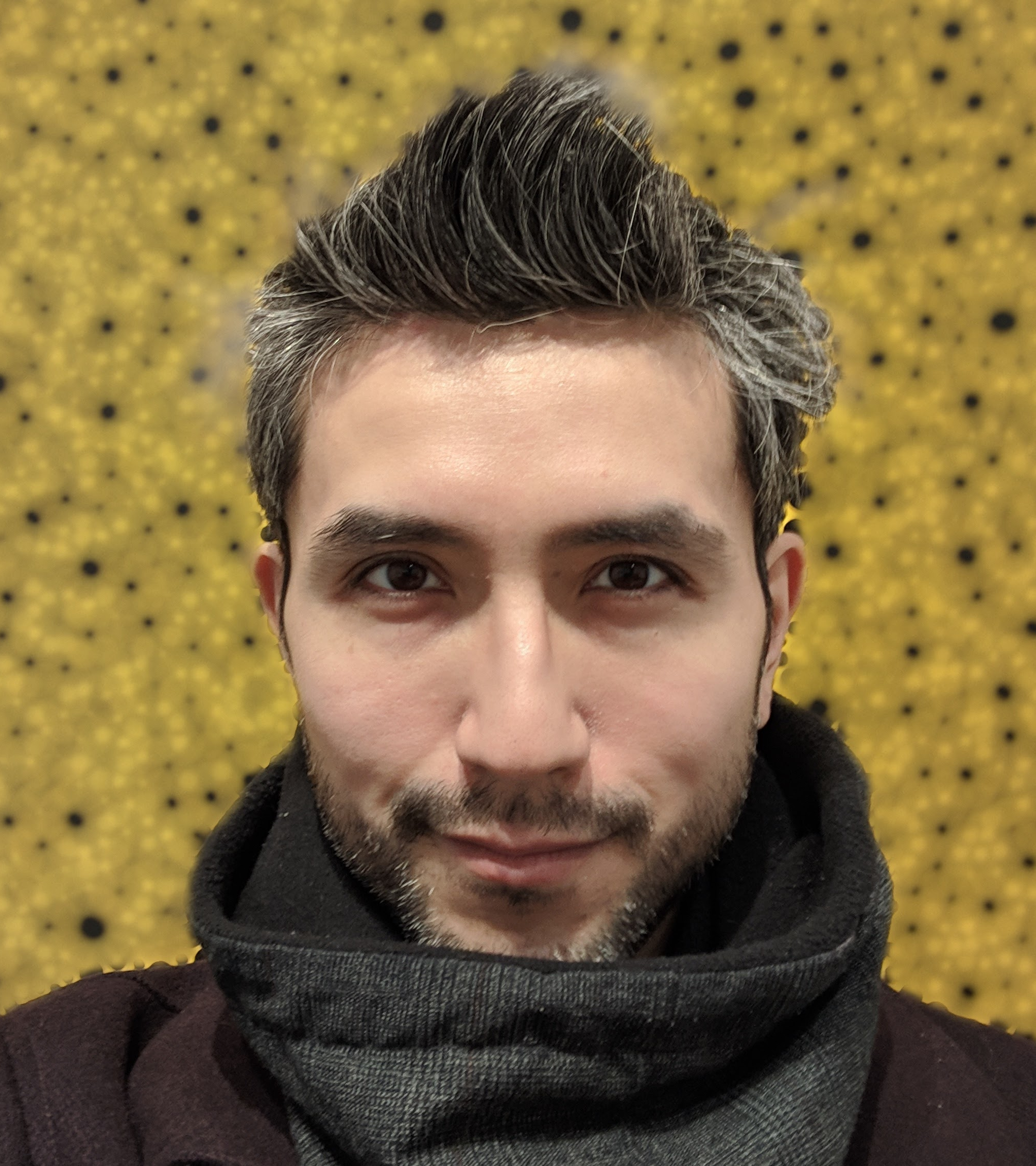
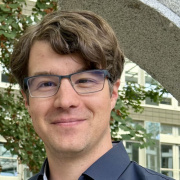
Jenni Niku is a Senior Lecturer at the Department of Mathematics and Statistics, University of Jyväskylä, specializing in multivariate statistical modeling and computational methods for ecological data. She is actively involved in the Predictive Community Ecology Group and leads research projects on latent variable models for complex ecological structures. Research Focus: Latent variable models for community ecology Spatial-temporal pattern analysis Statistical methodology for multivariate data Joint species distribution modeling Computational tools for ecological datasets Recent Publications: Jenni has contributed to advancements in analyzing compositional count data, fungal dispersal dynamics, chronic disease modeling, and peatland restoration. Her work bridges statistical innovation with ecological applications, particularly in handling high-dimensional data. Collaborations: She works extensively with researchers from Biological and Environmental Science departments, focusing on interdisciplinary applications of her statistical models.
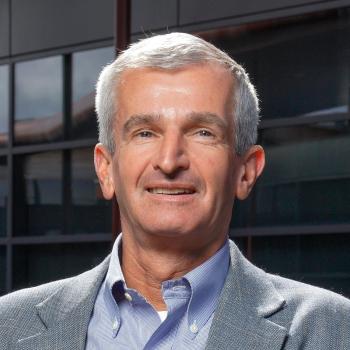
Maria Pilar Rueda Segado is a Professor in the Department of Mathematical Analysis at the Faculty of Mathematics, University of Valencia. She is a leading researcher in functional analysis and operator theory, with a focus on holomorphic functions, polynomials, and multilinear operators in infinite-dimensional spaces. Her work is closely associated with the ESALDI research group. Her research interests lie primarily in Functional Analysis, particularly in the areas of: Weighted spaces of holomorphic functions Summing and dominated multilinear operators and polynomials Isometries in function spaces Factorization of operators and polynomials Spaceability and norm-attaining mappings Tensor norms and operator ideals Her extensive publication record, with over 90 works since 1996, reflects a deep and sustained engagement with core problems in nonlinear functional analysis. Her publications demonstrate a consistent focus on abstract operator theory, functional ideals, and the geometry of Banach spaces, often in collaboration with prominent mathematicians such as Daniel Pellegrino, Enrique Sánchez-Pérez, and Christopher Boyd. She earned her PhD from the University of Valencia in 1997 with a thesis on infinite-dimensional holomorphy under the supervision of Dr. Pablo Galindo Pastor. She has not received any explicitly mentioned scientific awards in the provided text. She has supervised PhD students, though their names are not listed in the provided content. Her research has been supported through institutional and collaborative academic grants, typical of senior faculty in mathematical sciences. She actively collaborates with an international network of researchers in functional analysis. She is a key member of the ESALDI (Spaces and Algebras of differentiable Functions) research group at the University of Valencia, which focuses on advanced topics in functional analysis and differentiable structures in infinite dimensions.
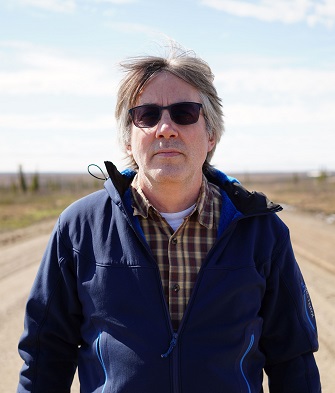
Professor T. Max Friesen is a leading Arctic archaeologist at the University of Toronto's Department of Anthropology , specializing in prehistoric hunter-gatherer societies, zooarchaeology, and climate change impacts on cultural heritage. His research spans 5,000 years of Arctic history, focusing on the Canadian Arctic regions of Nunavut and the Northwest Territories through collaborations with northern communities. Education: PhD in Archaeology from McGill University (1995) Research Interests include: Prehistoric Arctic migrations (Paleo-Inuit, Thule) and their technological adaptations Zooarchaeological analysis of animal bones from sites like Bell and Pembroke Climate change effects on archaeological preservation in permafrost regions Thule-Inuit cultural evolution and subsistence economies Community-based archaeology and heritage conservation His 15 most recent publications (2000-2018) demonstrate expertise in Arctic colonization dynamics, 3D documentation of endangered sites, and interdisciplinary studies of host-pathogen relationships through HBV subgenotype B5 research. Key projects include the Arctic CHAR initiative for climate change mitigation and comparative studies of Dorset vs. Thule hunting technologies. Scientific Contributions: Coined terminology standardization for Arctic archaeological traditions Developed frameworks for understanding Inuvialuit interregional interaction Advanced 3D recording methods for rapidly deteriorating Arctic sites Reconstructed millennial-scale caribou drive system evolution Advising: Actively mentors graduate students in Arctic archaeology with fieldwork opportunities in Nunavut and the Mackenzie Delta. Collaborates with Kitikmeot Heritage Society and international researchers on heritage preservation.
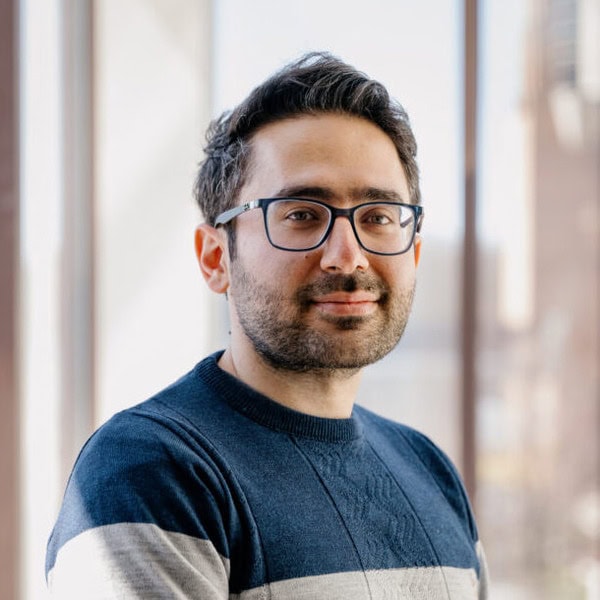
Dr. Michael Rzanny is a Scientist at the Max Planck Institute for Biogeochemistry in Jena, Germany, working within the Department of Biogeochemical Integration and the Biod.AI.versity Observation & Integration research group. His work focuses on leveraging technology and citizen science to advance ecological research. Email: mrzanny@... Location: Hans-Knöll-Str. 10, 07745 Jena, Germany Dr. Rzanny's research spans several critical areas in ecology and biodiversity science. He specializes in plant phenology , using citizen science data and machine learning to monitor and predict plant life cycle events across Central European forests and grasslands. His work also explores multitrophic interactions , examining how plant diversity affects predator and herbivore specialization in complex ecosystems. Additionally, he contributes to digital taxonomy through mobile apps like Flora Incognita and Flora Capture, which enable automated plant species identification using smartphone technology. His research extends to functional diversity in grassland ecosystems, analyzing how species richness impacts ecological multifunctionality and food web stability. Dr. Rzanny's publications demonstrate a strong trend toward integrating automated image analysis with ecological monitoring . His work on phenological dynamics combines observational networks, citizen science databases, and land surface models to understand climate change impacts on plant communities. He has developed methodologies for leaf shape analysis using deep learning, validated through geometric morphometrics. His projects like Flora Incognita and Flora Capture emphasize the potential of mobile applications in transforming biodiversity research and public engagement with natural environments.
Franziska Koch is a Senior Scientist / University Assistant in the Department of Water-Atmosphere-Environment (WAU) at the University of Natural Resources and Life Sciences, Vienna (BOKU), specializing in Alpine Hydrology and Remote Sensing. Her research focuses on hydrological modeling, snow dynamics, and climate change impacts in high-alpine regions, with extensive fieldwork at Mt. Zugspitze and other Austrian catchments. Her research interests include: Alpine Hydrology and Snow-Hydrological Modeling Remote Sensing and GNSS-based Snow Monitoring Climate Change Impacts on Water Cycles Glacier Melt Contributions to Runoff Gravimetric Monitoring of Cryospheric Processes Operational Reservoir Inflow Prediction Her recent publications and conference presentations emphasize the integration of superconducting gravimeters, satellite photogrammetry, and conceptual hydrological models to study snow and water dynamics in complex alpine terrain. These works reflect a strong trend toward multi-sensor, integrative approaches for monitoring hydrological storages and improving predictive capabilities under climate change. Scientific awards include: French Government Scholarship for Young Researchers (2021) SnowHydro 2020 Poster Award DACA-13 Poster Award (2013) ESA Integ Space Award (2013) LMUexcellent Mentoring Programme Scholarship (2010) Franziska Koch has actively supervised academic theses and contributed to knowledge transfer through public lectures and media engagement. She has participated in numerous national and international research initiatives, demonstrating strong collaboration with institutions such as LMU Munich, WSL/SLF Davos, and various European research networks. Her work supports climate adaptation strategies in alpine water resource management. She is involved in advanced monitoring projects such as G-MONARCH, which utilizes a superconducting gravimeter at Mt. Zugspitze for integrated observation of cryospheric and hydrological processes at catchment scale.
Quentin Cappart is an Associate Professor at Polytechnique Montréal since 2020, specializing in artificial intelligence , combinatorial optimization , and constraint programming . His work integrates machine learning and operations research to solve complex industrial problems, particularly in transportation , logistics , and healthcare . Affiliations: Co-founder and Head of the Combinatorial Optimization and Reasoning in Artificial Intelligence Laboratory (CORAIL) Interuniversity Research Centre on Enterprise Networks, Logistics and Transportation (CIRRELT) IVADO researcher Affiliate member of MILA Researcher at IMC2 institute Research focus: Hybrid algorithms combining logical reasoning , machine learning , and operations research to enhance decision-making tools. His group emphasizes accessibility for non-experts and small companies. Scientific Awards: 2025: Early Career Engineer Award (Ordre des ingénieurs du Québec) 2025: Early Career Professor Award (Polytechnique Montréal) 2025: Prix Méritas (Polytechnique Montréal) 2024: Early Career Researcher Award (ACP) 2024: Best Paper Award (ACP Machine Learning track) 2023: Winning approach for Citylearn challenge (NeurIPS) Teaching: Courses include INF8175: Artificial intelligence - methods and algorithms and INF6102: Local search and metaheuristics . He also teaches at ACP Summer/Winter Schools.
Torsten Lindström is a faculty member at Linnaeus University, affiliated with the Faculty of Technology and the Department of Mathematics . His research focuses on qualitative analysis of dynamical systems with applications to ecology and epidemiology , encompassing differential equations , discrete-time models , and stochastic processes . He is actively involved in the International Center for Mathematical Modeling (ICMM) and the Stochastic Analysis and Stochastic Processes research group. His research spans ecological modeling, predator-prey dynamics, and mathematical education. He has authored a textbook on Linear Algebra and contributes to Ordinary Differential Equations Dynamical Systems Teacher education in Geometry courses. Notably, he is the editor of a special volume on mathematical models in biology. His recent publications analyze stochastic disease spread , limit cycles , and stability theory , reflecting interdisciplinary work between mathematics, ecology, and education. Collaborations with institutions like the University of Oslo and SpringerLink highlight his international engagement. Teaching materials, including recorded lectures on Linear Algebra and Dynamical Systems, are publicly accessible.
Aleksandra Walczak is a Professor of Biophysics at the École normale supérieure , leading research at the Laboratoire de Physique Théorique (LPENS). Her work bridges statistical physics and biology, focusing on understanding complex living systems through gene regulatory networks, immune system dynamics, and population genetics. Research Interests : Non-equilibrium biological systems, T-cell/B-cell receptor repertoires, stochastic molecular systems, and evolutionary dynamics. Funding & Collaborations : Supported by the Fondation Bettencourt Schueller, she co-organizes interdisciplinary workshops like the Paris Workshop on Immunology and contributes to GDRI Evolution, Regulation and Signaling network. Recent Publications explore gene regulatory principles, immune repertoire modeling, viral-immune coevolution, and collective behavior. She has secured competitive grants and mentors students in theoretical biophysics. Awards : Habilitation à diriger des recherches (2012), Princeton Center for Theoretical Physics Postdoctoral Fellowship (2007-2010). Students & Positions : Actively supervises PhD/Master projects; offers internships in biophysics and quantum engineering.
Enrico R Crema is an Associate Professor in Computational Analysis of Long-Term Human Cultural and Biological Dynamics at the Department of Archaeology , University of Cambridge, and a Fellow at the McDonald Institute for Archaeological Research. His work integrates computational modeling, quantitative analysis, and cultural evolutionary theory to address long-term human societal changes. Research Focus: Cultural evolution, prehistoric demography, settlement archaeology, and the Jomon-Yayoi transition in Japan. Key Projects: ERC-funded ENCOUNTER on rice farming diffusion, Leverhulme-funded BuckBee on crop-pollinator dynamics, and Marie Sklodowska-Curie supervised projects on archaeological modeling. Recent Publications highlight his expertise in Bayesian radiocarbon analysis, demographic modeling, and cultural transmission studies. His methodological contributions include the rcarbon and nimbleCarbon R packages for open science in archaeology. Scientific Awards include the McDonald Anniversary Research Fellowship Philip Leverhulme Prize in Archaeology Marie Sklodowska-Curie Fellowship (Host Supervisor) Advising involves mentoring current PhD candidates like Leah Brainerd Christiane-Marie Cantwell Alexes Mes Charles Simmons Finn Stileman Andriana Xenaki and former students including Rachel Blevis Jasmine Vieri Benjamin J Utting .
Julien Ah-Pine is a lecturer at Laboratoire d'Informatique, de Modélisation et d'Optimisation des Systèmes (LIMOS) under Université Clermont Auvergne , with affiliations at Institut national polytechnique Clermont Auvergne and École des Mines de Saint-Étienne . He also holds a Researcher position at CNRS. Research Interests His work spans machine learning , information fusion , aggregation functions , and multi-criteria decision support , with a focus on complex data types like graphs , functional data , and multi-view datasets . Recent publications emphasize anomaly detection in spectral data streams , online learning , and interpretable AI for industrial applications. Selected Publications 2025 work on OnlineBootKNN introduces a novel framework for real-time spectral anomaly detection, while 2024 research explores multiple kernel methods in functional data classification. Earlier studies cover graph-based clustering , relational data mining , and linguistic network models for NLP tasks. Laboratory & Collaborations Works within LIMOS laboratory at Université Clermont Auvergne, collaborating with institutions like Mines Saint-Étienne and CNRS. Key partnerships include Nicolas Rojas Varela and Engelbert Mephu Nguifo on data stream analysis projects.
Axel Brunger is a Professor at Stanford University in the Department of Molecular and Cellular Physiology, Photon Science Directorate, Neurology & Neurological Sciences, and Structural Biology (by courtesy). He is an Investigator of the Howard Hughes Medical Institute (HHMI) since 1987 and a member of the National Academy of Sciences (2005) and American Academy of Arts & Sciences (2021). His research focuses on structural biology and biophysics of synaptic proteins, particularly SNAREs, complexin, and synaptotagmin, which mediate neurotransmitter release and membrane fusion. Education: Diplom in Physics (University of Hamburg, 1980) Ph.D. in Biophysics (Technical University of Munich, 1982) His groundbreaking work includes pioneering X-ray crystallography tools for structural calculation and cryo-EM studies of synaptic supercomplexes. Recent studies reveal mechanisms of NSF-mediated SNARE disassembly, α-synuclein's physiological role in synaptic vesicle clustering, and synaptic vesicle architecture via cryo-tomography. He discovered novel protein interactions like V-ATPase-synaptophysin and AMPA receptor-PSD networks, with implications for Parkinson's disease and neurotransmission disorders. His publications span Structural Biology , Neuroscience , Molecular Biophysics , and Biochemistry , with a focus on SNARE Complex Dynamics , Membrane Fusion Mechanisms , and Synaptic Vesicle Biogenesis . Key subfields include Cryo-EM Structural Analysis , Protein-Protein Interactions , Neurodegenerative Disease Models , ATPase Function , Synaptic Transmission , and Phase Separation in Neurons . Scientific Awards: Gregori Aminoff Prize (2003), Röntgen Prize (1995), DeLano Award (2011), Carl Hermann Medal (2014), Katz Award (2014), Trueblood Award (2016), and National Academy of Sciences membership (2005). Brunger mentors postdoctoral and doctoral students, including Liv Jensen , Yousuf Khan , and Jiahao Liang . He contributes to graduate programs in Biophysics, Molecular and Cellular Physiology, Neurosciences, and Structural Biology. His lab develops advanced protocols for studying synaptic vesicle fusion and protein interactions using single-vesicle assays and subtomogram averaging .
Emilios Komodromos is a Professor in the Department of Civil Engineering at the University of Thessaly, where he has served since 1999, initially as Assistant Professor and promoted to First-tier Professor in 2011. His office hours are Wednesday and Thursday from 11:00–13:00, and he teaches undergraduate courses including Foundations and Supports, Tunnels and Underground Works, and Soil-Structure Interaction. His research and professional activities are centered at the Computational Geotechnical Engineering Laboratory. His educational background includes: Civil Engineer from Aristotle University of Thessaloniki, Greece (1986) DEA in Mechanics des Sols-Structures from Ecole Centrale Paris, France (1987) PhD from Aristotle University of Thessaloniki, Greece (1991) Professor Komodromos specializes in Geotechnical Engineering with emphasis on Soil-Structure Interaction, Computational Geotechnics, and Foundation Engineering. His research leverages advanced numerical methods to solve complex infrastructure problems, focusing on soil behavior modeling, optimization of constitutive laws, and practical applications for foundations, tunnels, and retaining structures. He has developed innovative approaches for pile group analysis, diaphragm wall design, and energy pile systems. His 90+ publications reveal a consistent trajectory toward increasingly sophisticated numerical modeling of real-world geotechnical challenges, particularly in pile-soil interaction, tunneling-induced subsidence, and thermal effects on energy foundations. Recent work emphasizes multi-physics simulations incorporating spatial variability, cracking phenomena, and combined loading conditions. His scientific recognition includes: Outstanding paper award 2010-2015 for 'Pile foundation analysis and design using experimental data and 3-D numerical analysis' in Computers & Geotechnics As principal investigator, he has led numerous industry and government-funded projects on landslide rehabilitation, tunnel construction, bridge foundations, and dam safety. His two authoritative books—'Computational Geotechnical Engineering' and 'Foundation-Retaining Design'—serve as key references in the field. He frequently collaborates with international researchers, evidenced by co-authorship with institutions across Europe. He directs the Computational Geotechnical Engineering Laboratory, which focuses on numerical simulation of tunnel excavation (including TBM-EPB methods), foundation design, and soil-structure interaction problems. The lab utilizes advanced computational tools to model infrastructure projects for safety optimization and cost efficiency, with recent work on jet-grout column slabs for deep excavations and thermal response of energy piles.
Salar Fattahi is an Assistant Professor at the University of Michigan, affiliated with the College of Engineering’s Department of Industrial and Operations Engineering. He holds additional appointments with the Michigan Institute for Computational Discovery and Engineering (MICDE), Michigan Institute for Data Science (MIDAS), and the Michigan Center for Applied and Interdisciplinary Mathematics (MCAIM). PhD in Industrial Engineering and Operations Research from UC Berkeley M.Sc. in Electrical Engineering from Columbia University B.Sc. in Electrical Engineering from Sharif University of Technology Research Focus: Developing scalable computational methods for structured optimization and machine learning problems by exploiting sparsity, low-rankness, and benign landscape properties. Applications span gene regulatory networks, power systems, and brain connectivity modeling. 2025: Parametric algorithms for MIQPs over trees 2024: Triple Component Matrix Factorization for global/local/noise separation 2023: Robust subspace recovery and dictionary learning Scientific Recognition: NSF CAREER Award (2023) INFORMS Best Paper Awards (2023, 2024) Dean’s MLK Spirit Award (2024) MICDE Catalyst Grant (2021) Academic Service: Associate Editor for INFORMS Journal on Data Science; Area Chair for NeurIPS, ICML, and ICLR. Mentored students including Jianhao Ma (now Tsinghua University), Geyu Liang (Amazon), and Aaresh Bhathena. Research supported by NSF, ONR, MICDE, MIDAS, START, and DEI Faculty grants.
Daniel Leidner is a Cooperation Professor at the University of Bremen and a researcher at the German Aerospace Center (DLR) where he has been contributing to the Institute of Robotics and Mechatronics since 2011. He earned his doctorate in Artificial Intelligence and Robotics from the University of Bremen in 2017. Since 2017, he has led the Semantic Planning Group and the Fault-Tolerant Autonomy Architectures group at DLR, focusing on advanced task planning for autonomous robotic systems and enhancing the reliability of robotic operations in dynamic environments. Leidner's research interests span multiple areas in robotics and artificial intelligence. His work emphasizes developing robust and resilient robotic systems capable of autonomous operation in complex environments. He specializes in creating systems that can not only handle predictable scenarios but also flexibly respond to unforeseen events. His ERC Starting Grant project RECOVER.ME aims to equip robots with metacognitive abilities to autonomously manage hardware malfunctions by integrating formal reasoning with Vision-Language Models. This innovative approach enhances the resilience and efficiency of space robots, reducing the need for manual intervention during missions and leveraging insights from cognitive psychology for improved problem-solving capabilities. Leidner's research portfolio includes significant projects such as RECOVER.ME, FUTURO, EASE, OPERA, Smile2gether, Surface Avatar, and CoViPa. His publications demonstrate a strong focus on autonomous task planning, human-robot interaction, fault tolerance, and metacognitive capabilities in robotic systems. Recent publications highlight advancements in space teleoperation, assistive robotics, and cognitive reasoning for resilient robotic systems. ERC Starting Grant (2024) for project RECOVER.ME Georges Giralt PhD Award (Best European PhD Thesis in Robotics) Helmholtz Doctoral Prize MIT Technology Review Innovator under 35 Award Leidner has served as an advisor to the German Federal Government from October 2023 to July 2024, where he played a crucial role in developing a national strategy for AI-based robotics. His leadership in the Semantic Planning Group and Fault-Tolerant Autonomy Architectures group at DLR demonstrates his significant contributions to advancing robotic capabilities in challenging environments. His work bridges theoretical advances in cognitive robotics with practical applications in space exploration, healthcare, and industrial automation.
Dr. Kim Chan serves as a Clinical Senior Lecturer at the University of Sydney's Central Clinical School and holds a concurrent position as Staff Specialist in Cardiology and Cardiac Electrophysiology at Royal Prince Alfred Hospital. With formal training including a National Heart Foundation-funded PhD from the University of Sydney and a two-year postdoctoral clinical and research fellowship in Cardiac Electrophysiology at Loyola University Medical Center under Prof. David Wilber, Dr. Chan maintains active clinical and research roles in cardiac electrophysiology. Dr. Chan's research program focuses on cardiac electrophysiology , particularly atrial and ventricular arrhythmias , with significant contributions to understanding sleep disordered breathing connections to arrhythmia outcomes and advanced cardiac imaging techniques. Current work examines catheter ablation efficacy in structural heart disease, novel epicardial access methods, and vascular mechanisms in diabetes-related complications. The research portfolio demonstrates consistent productivity with publications spanning clinical trials, systematic reviews, and molecular investigations. Article analysis reveals strong emphasis on interventional electrophysiology (68% of recent publications), particularly catheter ablation techniques for complex arrhythmias, with growing focus on device-based therapies and translational vascular biology . Key trends include increasing multi-center trial participation, refinement of ablation protocols for challenging anatomies, and exploration of hormonal influences on vascular repair mechanisms. Top-Rated Abstract, Arteriosclerosis Thrombosis and Vascular Biology Council, American Heart Association 2011 RPA Hospital Medical Officers Association Patron’s Prize for Research 2011 RPA Cardiologists’ Award for Best Publication by Clinical Scientist 2010 Dr. Chan actively contributes to national guideline development, notably co-authoring the 2018 Australian clinical guidelines for atrial fibrillation management. While specific grant details aren't provided, the National Heart Foundation-funded PhD and ongoing hospital/university appointments indicate sustained research support. Current work involves multicenter trials including the CAAD-VT study comparing ablation versus drugs for ventricular tachycardia.