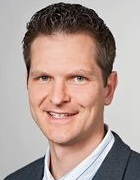
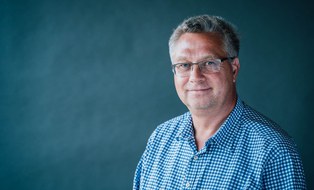
Prof. Felix Brandt is a Professor of Algorithmic Game Theory at the Technical University of Munich (TUM), within the School of Computation, Information and Technology. His research focuses on algorithmic game theory, computational social choice, and their intersections with theoretical computer science, AI, and economics. Education: Diploma and PhD from TUM, postdoctoral research at Carnegie Mellon University and Stanford University. Habilitation from LMU Munich (2010). Research interests include social choice theory, mechanism design, and strategic behavior in multi-agent systems. Notable contributions include work on tournament solutions, probabilistic social choice, and Nash equilibrium characterizations. Recent articles explore Condorcet-consistent voting systems, stability in hedonic games, and axiomatic foundations of Nash equilibrium. Awards include the DFG Heisenberg Professorship (2010) and TUM Supervisory Award (2021). Advises over 10 PhD students and has supervised numerous postdocs. Active in editorial roles for journals like Games and Economic Behavior and Social Choice and Welfare .
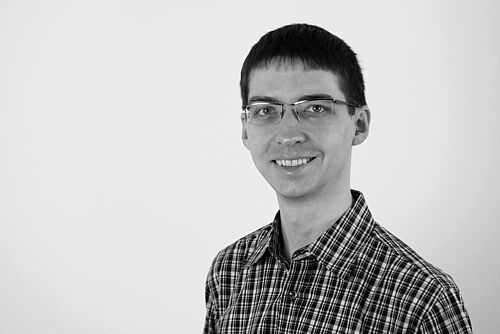
Dr. Thomas E. Winkler serves as Head of Junior Research Group at the Institute of Microtechnology within the Faculty of Mechanical Engineering at Technische Universität Braunschweig, with additional affiliation to the Center of Pharmaceutical Engineering (PVZ). His research bridges microtechnology and biomedical applications through innovative engineering solutions. Dr. Winkler earned his Dipl.-Ing. in Biophysics and Nanotechnology from Johannes Kepler University, Linz (2005-2011), followed by a Ph.D. in Bioengineering from the University of Maryland, College Park (2011-2017). After completing postdoctoral research at KTH Royal Institute of Technology, Stockholm (2017-2021), he established his independent research group at TU Braunschweig. His research program focuses on developing advanced microfluidic platforms for biomedical applications, with particular emphasis on creating Lab- and Organ-on-a-Chip systems, bioelectrochemical sensors, and iPSC-based cellular models for neuropsychiatric disorder research. This interdisciplinary work combines engineering precision with biological complexity to address pharmaceutical and medical challenges. Fulbright Foreign Student Fellow (2011-2017) Marie Skłodowska-Curie Actions – Individual Fellowship (2018-2020) Dr. Winkler leads the Biomicrosystems Integration research group, which maintains strong connections with the Center of Pharmaceutical Engineering. His laboratory work represents TU Braunschweig's strategic commitment to interdisciplinary research at the intersection of mechanical engineering and life sciences, with applications in drug development and personalized medicine.
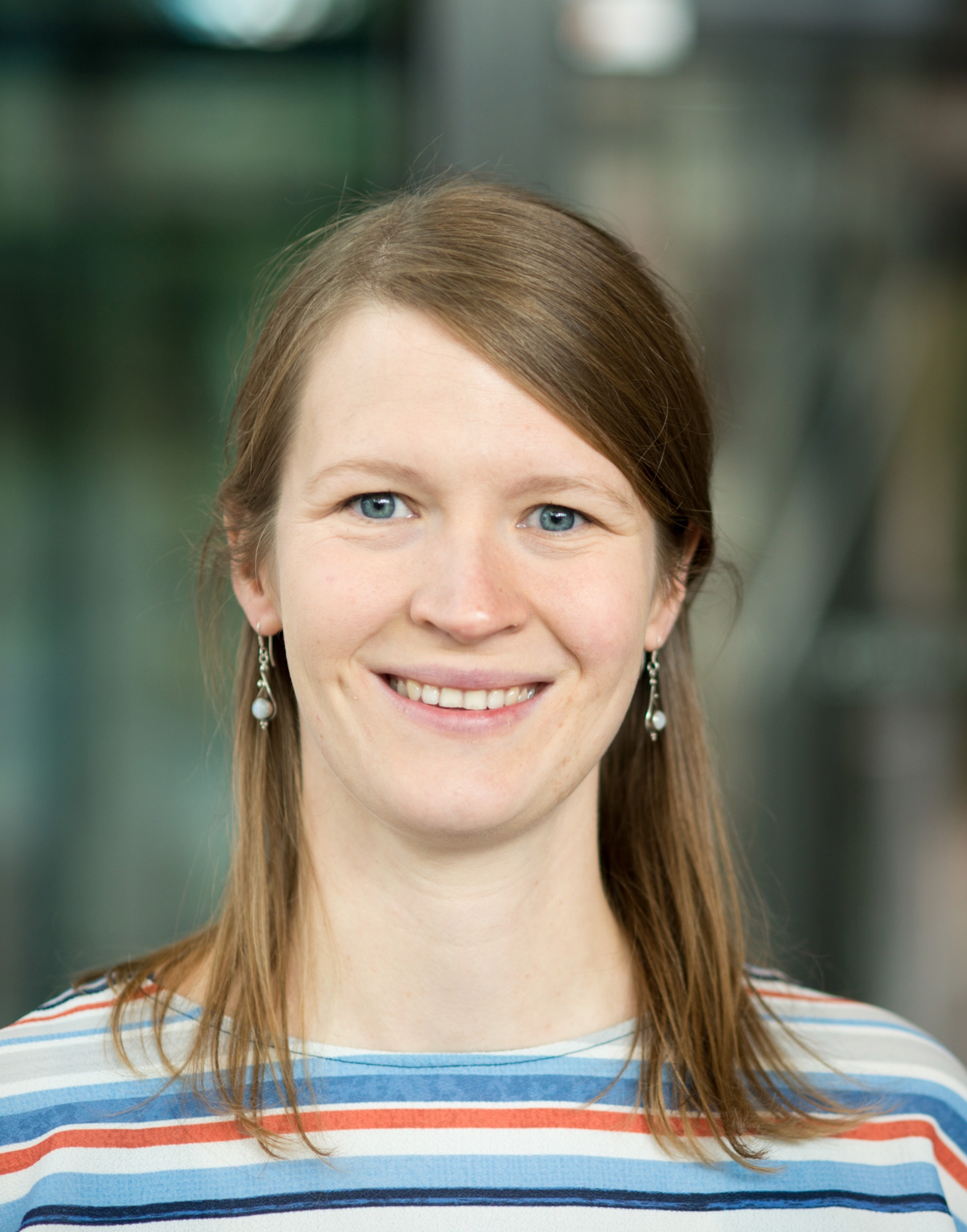
Jule Thober is a Scientific Manager at the Helmholtz Centre for Environmental Research - UFZ , leading Topic 5 "Landscapes of the Future" in the Helmholtz Program and managing the Integration Platform "Robust Pictures of the Future". She contributes to cross-disciplinary research in Smart Models / Monitoring and Computational Hydrosystems , focusing on agent-based models, sustainable land management, and climate risk analysis. Roles : Scientific Manager (2022–), Postdoc (2017–2021), PhD Student (2013–2016) Projects : Copernicus Contract Ulysses 2, LandYOUs Game Development Research Interests center on socio-environmental systems, integrating agent-based models with ecological economics. Her work explores decision-making under climate uncertainty, land use policy, and resilience of pastoral systems through computational methods. Publication Trends (15 most recent) span ecological complexity, environmental informatics, and computational hydrosystems. Key themes include agent-based land use models , climate risk mitigation , and participatory decision support tools . Collaborations involve UFZ departments, international institutions, and interdisciplinary teams in Germany and abroad. She contributes to Helmholtz POF IV programs and EU-funded initiatives like 4DHydro.
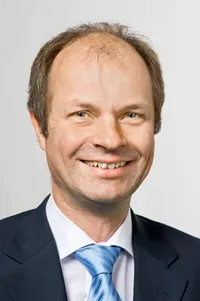
Professor Michael Manhart is affiliated with the Technical University of Munich (TUM) as an Extraordinary Professor in the Department of Hydromechanics . His research focuses on fluid mechanics, turbulent flow dynamics, and computational fluid dynamics (CFD) simulations, particularly in porous media and environmental fluid mechanics. Education: Not explicitly stated in the provided text. His recent publications investigate turbulent flow over random sphere packs, scalar transport at porous-turbulent interfaces, acoustic resonances in HVAC systems, and nonlinear oscillatory flow modeling. He employs advanced numerical techniques like direct numerical simulations (DNS) and large-eddy simulations (LES) to study flow structures, energy budgets, and particle transport mechanisms. Professor Manhart collaborates with researchers such as Yoshiyuki Sakai, Simon Wenczowski, and Daniel Quosdorf. His work addresses applications in environmental engineering, hydraulic modeling, and industrial fluid dynamics, with a strong emphasis on validating computational models against experimental data (e.g., PIV measurements). He leads the Professorship for Hydromechanics at TUM, conducting high-fidelity simulations and experimental studies on topics like wall shear stress estimation, sediment erosion around cylinders, and turbulence decomposition in complex flows.
Diogo Carbonera Luvizon is a Researcher at the Max-Planck-Institut für Informatik (MPI-INF) in Saarbrücken, Germany, and a member of the Visual Computing and Artificial Intelligence (VIA) Research Center. He holds a PhD in Computer Vision and Machine Learning from CY Cergy Paris University (2019), and Bachelor's and Master's degrees in Engineering and Applied Computing from UTFPR, Brazil. His research focuses on solving complex problems in Computer Vision, Computer Graphics, and Deep Learning, particularly in human modeling and real-time systems. Education: PhD (2019) - CY Cergy Paris University; M.Sc. (2015) - UTFPR; B.Sc. (2011) - UTFPR. Research interests include 3D human pose estimation, action recognition, multitask learning, and novel view synthesis. He has contributed to patents on multiplane image generation (Samsung) and vehicle speed measurement systems. His work has been recognized with awards like the Best Paper Honorable Mention at GCPR-VMV 2022 and Best Presentation Award at ETIS Lab (2018). He has developed open-source tools, including the deephar repository for human action recognition and pose estimation. His current affiliations include MPI-INF and the VIA Research Center, a partnership between MPI-INF and Google.
F. Ömer Ilday is a distinguished physicist and Alexander von Humboldt Professor at Ruhr University Bochum since July 2023, holding a joint appointment in the Faculty of Electrical Engineering and Information Technology and Faculty of Physics and Astronomy. His pioneering work in ultrafast laser technology has transformed non-linear laser-matter interactions, with applications spanning precision manufacturing, medical surgery, and nanofabrication. Education: PhD in Physics, Cornell University (2003) Postdoctoral Research Scientist, Massachusetts Institute of Technology (2003-2005) Ilday's research centers on ultrafast laser development and materials science, focusing on GHz-repetition-rate burst-mode systems, nonlinear laser lithography, and self-organization phenomena. His interdisciplinary approach bridges photonics, plasma physics, and materials engineering to enable breakthroughs in nanostructuring, silicon processing, and laser-based manufacturing. Current work emphasizes developing high-power laser sources and exploring fundamental laser-matter interaction mechanisms for next-generation applications. His recent publications (2023-2025) reveal dominant trends in high-repetition-rate burst-mode lasers (up to 50 GHz), ablation efficiency optimization, and nonlinear laser lithography for 3D silicon structuring. These works demonstrate strong convergence between fundamental physics and industrial applications, particularly in medical surgery, nanofabrication, and materials synthesis, with increasing emphasis on self-organization principles in laser systems. Scientific awards: Turkish Academy of Sciences Outstanding Young Scientist Award (2006) Marie Curie International Reintegration Grant (2006) ERC Consolidator Grant (2014) - Turkey's first ERC Advanced Grant (2022) Election to Academia Europaea Election to Turkish Academy of Sciences Membership in Turkish and American Physical Societies Ilday has secured major competitive grants including two ERC awards and a Marie Curie fellowship, directing research teams at Bilkent University's Ultrafast Optics & Lasers Laboratory (UFOLAB) which developed technologies adopted globally. At RUB, he is establishing the Center for Complex Laser-Matter Interactions as an interdisciplinary hub fostering collaborations between photonics, plasma research, and materials science, with explicit goals for spin-off company formation and transdisciplinary innovation in manufacturing technologies. As founding director of UFOLAB at Bilkent University, Ilday developed laser systems deployed by research institutions worldwide and established Turkey's first laser company. His RUB center integrates electrical engineering and physics expertise to advance complex laser-matter interaction research, focusing on self-organizing laser systems, nanostructuring techniques, and applications in semiconductor manufacturing and medical technology through close industry partnerships.
Prof. Dr. Petra Schwille is a Director at the Max Planck Institute of Biochemistry and former C4 Professor of Biophysics at Dresden University of Technology . Her work spans molecular and cellular biophysics, synthetic biology, and single-molecule techniques. Academic disciplines: Natural sciences, biological sciences, physical sciences Key roles: Editorial Board member (Nature Methods, Biophysical Journal), Governing Council of Biophysical Society Research Focus includes membrane biophysics, protein interactions, and microfluidic systems. Her publications emphasize Fluorescence Correlation Spectroscopy (FCS) , receptor-ligand dynamics, and self-organization in bacterial cell division. Developed in vitro models for spatial regulation in cells Explored calmodulin availability and morphogen gradient formation Scientific Recognition includes prestigious awards like the Gottfried Wilhelm Leibniz Prize (2010) and the Biofuture grant (1998) . Max Planck Fellow (2005) Young Investigator Award (2003) Leadership & Service involves roles such as Dean of Studies for Nanobiophysics at TU Dresden and Vice Dean of the Dresden International Graduate School for Biomedicine and Bioengineering (DIGS-BB) . She also contributes to editorial and advisory boards in biophysics and science policy.
Yen-Chi Chen is an Associate Professor in the Department of Statistics at the University of Washington. He also holds positions as a Data Science Fellow at the UW eScience Institute and as a co-investigator and statistician at the National Alzheimer's Coordinating Center. His academic career spans multiple interdisciplinary fields including statistics, data science, and astrostatistics. Chen's educational background includes a Ph.D. from Carnegie Mellon University, where he received prestigious awards including the Umesh K. Gavasakar Thesis Award (2017) and the William S. Dietrich II Presidential Ph.D. Fellowship Award (2015). His research focuses on nonparametric statistics, topological data analysis, missing data methodologies, cluster analysis, manifold learning, and applications in large-scale structure analysis and astrostatistics. Chen has made significant contributions to the development of statistical methods for analyzing cosmic web structures, GPS data, and causal inference with continuous treatments. His work bridges theoretical statistics with practical applications in astronomy, neuroscience, and public health. Analysis of his recent publications reveals a strong emphasis on developing novel statistical frameworks for complex data structures, particularly focusing on density-based methods, manifold learning, and approaches that address challenges in missing data and causal inference without standard assumptions. ASA Noether Early Career Scholar Award, American Statistical Association (2022) CAREER Award, National Science Foundation (2022-2027) Umesh K. Gavasakar Thesis Award, Carnegie Mellon University (2017) William S. Dietrich II Presidential Ph.D. Fellowship Award, Carnegie Mellon University (2015) Chen has advised numerous graduate students across multiple publications, with a focus on developing new statistical methodologies. His research has been supported by major funding agencies including the National Science Foundation and the National Institutes of Health. He is actively involved in several research groups including the UW Geometric Data Analysis Group, the UW Center for Statistics and the Social Sciences, and the National Alzheimer's Coordinating Center.
Prof. Dr. Nils Stieglitz is a distinguished Professor of Strategy at Frankfurt School of Finance & Management since 2012 and serves as President & CEO since 2018. He leads the Management Department (2015–2018) and held the Executive Board role as Vice President Corporate Development (2017–2018). His research spans Strategic decision-making Organizational adaptation Human-agent interaction across dynamic environments. His scholarly work appears in top-tier journals like Strategic Management Journal , Management Science , and Organization Science , focusing on complex organizational trade-offs, incentive design, and scenario planning. He also contributes strategic insights to global media outlets such as Harvard Business Review and The Economist . As Senior Editor at the Journal of Organization Design and editorial board member of Organization Science , he shapes discourse on organizational theory. His teaching emphasizes strategy formulation and organizational design principles.
Prof. Dr. Nils Kröger serves as Chair for "Biomimetic Materials" at the Technical University of Dresden, Germany, where he leads the Kröger Group dedicated to studying diatoms and their remarkable biological capabilities. His research program investigates two extraordinary phenomena exhibited by these microalgae: silica biomineralization and underwater adhesion. Academic Background: Diploma in Chemistry, University of Regensburg, Germany (1991) PhD in Biochemistry, University of Regensburg, Germany (1995) Habilitation in Biochemistry, University of Regensburg, Germany (2001) Assistant Professor, Georgia Institute of Technology, Atlanta, USA (2005) Associate Professor, Georgia Institute of Technology, Atlanta, USA (2011) W3 Professor for Biomimetic Materials, TU Dresden, Germany (2012) Professor Kröger's research sits at the intersection of biology, materials science, and nanotechnology. His group employs biochemical, molecular genetic, and cell biological approaches to unravel how diatoms construct intricate silica structures and adhere to surfaces underwater. This work has significant implications for developing novel bio-inspired materials and understanding fundamental biological processes. Recent advancements in his laboratory have revealed molecular mechanisms behind diatom motility and the precise control of silica pattern formation. Analysis of Professor Kröger's publication record shows consistent focus on diatom biology with increasing interdisciplinary collaboration. His recent work demonstrates sophisticated integration of physics, engineering, and biology to understand the mechanical aspects of diatom movement and structure formation. The research shows progression from basic protein characterization to complex systems-level understanding of diatom motility and morphogenesis. Current Research Funding: Deutsche Forschungsgemeinschaft (DFG): PoL Nucleation grant with Prof. Stefan Diez (2022-2025) - Acto-myosin cooperativity and regulation underlying diatom gliding motility Deutsche Forschungsgemeinschaft (DFG) (2018-2022) - Molecular basis of diatom adhesion and motility Previous funding from Air Force Office of Scientific Research (AFOSR) (2010-2016) - Molecular Mechanism of Diatom Adhesion Professor Kröger actively mentors PhD students and maintains a vibrant research group comprising senior scientists, postdoctoral researchers, technicians, and graduate students. His laboratory serves as a hub for interdisciplinary collaboration, bridging traditional boundaries between biology, chemistry, physics, and materials science. The group maintains strong international connections and participates in numerous collaborative research initiatives focused on biomineralization and bio-inspired materials.
Bo Xiong is a researcher at the University of Stuttgart in the Analytic Computing group. His research focuses on machine learning and knowledge graphs , with a particular emphasis on geometric embeddings and hyperbolic neural networks. His research interests include: Knowledge graph embeddings Hyperbolic and pseudo-Riemannian geometry in AI Temporal knowledge graph reasoning Structured multi-label prediction Recent publications highlight his work on geometric relational embeddings, complex query answering, and temporal fact reasoning using advanced manifold-based techniques.
Professor Dörthe Tetzlaff is a leading figure in ecohydrology, serving as Head of Department (A1) Ecohydrology at the Leibniz Institute of Freshwater Ecology and Inland Fisheries (IGB) and as Full Professor of Ecohydrology at Humboldt-Universität zu Berlin, Faculty of Mathematics and Natural Sciences, Geography Department. She also holds an Honorary Professorship at the University of Aberdeen, Scotland. Her work bridges theoretical hydrology with practical applications for water security and environmental management. Professor Tetzlaff's research focuses on ecohydrological processes, particularly using stable water isotopes to understand water cycling, catchment functioning, and landscape connectivity. Her work spans from pristine natural systems to complex urban environments, with particular emphasis on drought resilience, water security, and nature-based solutions. She has pioneered tracer-aided modeling approaches to quantify water storage, fluxes, and ages across the soil-plant-atmosphere continuum. Her publication record shows a clear trend toward increasingly sophisticated integration of multi-tracer approaches with ecohydrological modeling, with recent work focusing on urban systems, drought impacts, and nature-based solutions. The publications demonstrate expertise across hydrology, biogeochemistry, and ecological applications, with strong methodological development in isotope hydrology and modeling techniques. Polubarinova-Kochina Hydrologic Sciences Mid-Career Award of the American Geophysical Union AGU (2024) Water Resource Prize of the Rüdiger Kurt Bode Foundation (2024) Member of the Berlin-Brandenburg Academy of Sciences and Humanities (2023) Fellow of The European Academy of Sciences (2022) Fellow of the Geological Society of America GSA (2020) Professor Tetzlaff actively supervises numerous PhD students and postdoctoral researchers, with her group focusing on cutting-edge ecohydrological research. She leads multiple significant research projects including WETSCAPES2.0, ECCO, ISO-SCALE, and BiNatUr, which address critical questions about water security, climate change impacts, and nature-based solutions in urban environments. Her work is supported by substantial funding from various national and international sources. She leads the Ecohydrology research group at both IGB and Humboldt-Universität zu Berlin, which employs an integrative approach combining field measurements, isotope techniques, and advanced modeling to understand water dynamics across diverse landscapes. The group collaborates extensively with international partners across Europe, North America, and Asia, contributing to global understanding of hydrological processes.
Dr. Andrew Bassett serves as Head of the Cellular and Gene Editing Research group at the Wellcome Sanger Institute, where he develops cutting-edge genome engineering techniques using human pluripotent stem cells to investigate neurodegenerative diseases including Alzheimer's and Parkinson's. His work focuses on scaling genetic screening approaches and improving CRISPR specificity for modeling complex disease mechanisms. His academic training includes: PhD at the MRC Laboratory of Molecular Biology (MRC-LMB) with Andrew Travers on chromatin remodelling in heterochromatin formation Postdoctoral research with David Baulcombe at the University of Cambridge studying small RNA roles in chromatin modification Additional postdoctoral work with Chris Ponting at the MRC Functional Genomics Unit (MRC-FGU) in Oxford, where he pioneered CRISPR applications in Drosophila Bassett's research program centers on developing advanced genome engineering methodologies for precise modulation of gene expression networks during development and neurodegeneration. His group specializes in creating complex editing events (SNPs, paired knockouts, enhancer perturbations) within iPSC-derived models, with particular emphasis on epigenetic regulation and transcriptional control. Current projects integrate single-cell 'omics and phenotypic assays to decode genetic causes of neurodegenerative disorders through the OpenTargets consortium. Analysis of his 15 most recent publications reveals dominant trends in CRISPR technology development (35%), neurodegenerative disease modeling (30%), and single-cell functional genomics (25%). His work consistently bridges methodological innovation with disease mechanism studies, increasingly incorporating multi-omics approaches and expanding into cancer immunology and infectious disease applications since 2022. As group leader, Bassett mentors postdoctoral researchers and PhD students while securing major funding for genome engineering initiatives. His team operates within the Sanger Institute's Cellular Operations division and maintains critical partnerships with the OpenTargets consortium for therapeutic target validation. The laboratory specializes in high-throughput screening platforms using iPSC-derived neural and microglial models, with recent methodological advances including scSNV-seq and ONE-STEP tagging systems that significantly enhance precision genome editing capabilities.
Ulrich Tallarek serves as Professor of Analytical Chemistry in the Faculty of Chemistry at Philipps University of Marburg, where he has held a W3 professorship since 2011. He also serves on the Board of Directors for the Materials Science Center at the university, a position he has held since 2007. His research group focuses on the fundamental understanding of transport phenomena in porous media with applications spanning chromatography, battery technology, and microfluidic systems. The group maintains strong collaborations with institutions worldwide and secures substantial research funding for advanced computational and experimental work. Professor Tallarek's research interests center on functional porous solids, with specific focus on morphology-transport-performance relationships. His work bridges multiple scales from molecular dynamics simulations of solute behavior in nanopores to macroscopic transport in chromatographic columns and battery electrodes. Key research areas include diffusion in hierarchical porous media, electrokinetic phenomena in microfluidic systems, molecular simulation of chromatographic processes, and advanced characterization of porous materials using tomography and other techniques. His group has pioneered multiscale simulation approaches that connect molecular-level surface chemistry to macroscopic transport properties. The research output demonstrates consistent focus on understanding fundamental transport mechanisms in porous systems, with recent publications emphasizing multiscale simulation techniques, molecular dynamics studies of solvent effects in chromatography, advanced characterization of mesoporous structures, and applications to separation science and energy storage. The work shows strong integration of computational modeling with experimental validation across multiple length scales. 2003: Desty Memorial Prize for Innovation in Separation Science, The Royal Institution of Great Britain, London 2006: Young Scientist Award from DECHEMA e.V. 2011: Named Discussion Leader at the 2011 Gordon Research Conference on Physics & Chemistry of Microfluidics 2011–2012: Chairman of the German Chemical Society (GDCh), Marburg 2013: Finalist, World Technology Awards, for category Environment 2013: Named as one of the 100 most influential analytical scientists in the world (The Analytical Scientist Power List) 2017: Recipient of the Silver Jubilee Medal 2017, The Chromatographic Society, UK Professor Tallarek's research has been supported by numerous grants enabling high-performance computing resources, advanced instrumentation, and international collaborations. His group maintains strong ties with industry partners in separation science and analytical instrumentation. The Tallarek Research Group includes postdoctoral researchers, PhD students, and technical staff working across experimental and computational domains. Current projects focus on molecular simulation of chromatographic processes, advanced characterization of porous battery electrodes, and development of novel separation methodologies. The Tallarek Research Group operates state-of-the-art facilities for computational modeling, including access to high-performance computing resources at Forschungszentrum Jülich. The group also maintains experimental capabilities for chromatographic analysis, materials characterization, and microfluidic device development. Their work on physically reconstructed porous media has established new standards for connecting microstructure to transport properties in complex materials systems.
Prof. Dr. Harald Reiterer is a leading researcher in Human-Computer Interaction at the University of Konstanz, where he has served as Professor since 2009. His academic journey includes a Ph.D. (1991) and habilitation (1995) from the University of Vienna, followed by roles including Senior Researcher at Fraunhofer FIT and Associate Professor at Konstanz. He currently holds multiple leadership roles: Dean of the Faculty of Sciences , Senator of Section 1 , and Consulting Dean . Ph.D. in Computer Science (University of Vienna, 1991) Venia Legendi (Habilitation) in HCI (University of Vienna, 1995) His research focuses on: Interaction Design for mixed reality environments Information Visualization in immersive contexts Hybrid User Interfaces combining physical and virtual elements 3D Object Manipulation in handheld AR Behavioral Analytics through mHealth interventions Recent work explores: Avatar representation in Augmented Reality (2024) Node selection efficiency in Virtual Reality (2024) Peripheral vision toolkits for Head-Mounted Displays (2023) Hybrid interface optimization for Mixed Reality (2023) Smartphone AR extensions for Spatial Memory (2023) Key scientific contributions: Landeslehrpreis 2021 for interdisciplinary exhibition design Development of Colibri cross-reality toolkit (2023) Foundational work on Re-locations for remote collaboration (2022) He leads numerous projects including: SMARTACT (Smart Mobility, 2015-2023) SFB TRR 161 (2009-2027) on XR interface measurement Blended Library (2011-2015) for future library design