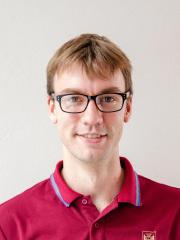
Gabriel Yan serves as an Assistant Research Scientist specializing in Mosquito Biology at the Illinois Natural History Survey, part of the University of Illinois system. His research focuses on mosquito ecology, vector-borne diseases, and the interactions between environmental factors and mosquito populations. Dr. Yan's research interests span several critical areas in vector biology: Mosquito species assemblages and surveillance methods Vector competence of Culex mosquitoes for avian Plasmodium Dynamics of invasive mosquito species Effects of environmental factors on mosquito abundance and microbiome Larval ecology and its carry-over effects on adult mosquito traits Analysis of Dr. Yan's recent publications reveals a strong focus on Culex mosquitoes, particularly examining their role in disease transmission, responses to environmental changes, and population dynamics. His work combines field studies with laboratory investigations to understand mosquito biology across multiple dimensions including ecological, physiological, and microbial aspects. Dr. Yan has been active in publishing high-impact research, with multiple publications in 2023-2024 in journals such as PloS One, Frontiers in Tropical Diseases, Frontiers in Microbiology, and Parasites and Vectors. His work shows strong collaboration with researchers across institutions, indicated by the multiple co-authors on his publications.
Hans Julius Skaug is a Professor in the Department of Mathematics at the University of Bergen (UiB), Norway, with a distinguished career spanning several decades focused on statistical methodology and its applications to biological and ecological problems. Dr. Skaug's research expertise encompasses several interconnected domains: Biostatistics, particularly applications of statistics and probability to marine ecology Computational statistics, with pioneering work on Automatic Differentiation and Laplace approximation for complex model fitting Artificial Intelligence, where he has recently focused on variational autoencoders and diffusion models Development of innovative methods for line transect surveys and close-kin mark recapture (CKMR) His publication record shows a clear progression from foundational statistical methodology to increasingly sophisticated applications. The 2016 paper with Bravington and Anderson on 'Close-kin mark-recapture' in Statistical Science established him as a leader in population estimation methods. Recent publications (2023-2025) demonstrate continued innovation in refining CKMR techniques, applying TMB to diverse fields like insurance claims analysis, exploring sparse Bayesian learning, and addressing measurement errors in marine mammal surveys. His work consistently bridges theoretical statistical development with practical applications to real-world conservation and management problems. Dr. Skaug served as co-Editor in chief of the Scandinavian Journal of Statistics from 2018 to 2021, demonstrating his significant standing in the international statistical community. He teaches STAT110 Basic course in statistics at UiB during both spring and fall semesters and has conducted specialized workshops on CKMR and TMB at institutions including Dalhousie University in Halifax and the Institute of Marine Research in Bergen. He is actively involved in software development for statistical modeling through the TMB project (https://github.com/kaskr/adcomp) and ADMB (http://admb-project.org/), which implement his theoretical work on combining Automatic Differentiation with statistical modeling. His current research trajectory shows increasing integration of AI techniques with traditional statistical approaches, reflecting his observation that backpropagation in deep learning is fundamentally the same computational technique as Automatic Differentiation, which he has worked with for over 20 years.
Nitis Mukhopadhyay is a Professor in the Department of Statistics at the University of Connecticut, with extensive research contributions in sequential analysis and statistical inference. His academic work focuses on developing innovative methodologies for confidence interval and point estimation problems, particularly in sequential and multistage sampling frameworks. His research has significant applications across various domains including environmental science, clinical trials, and survey methodology. Professor Mukhopadhyay's research interests center on sequential analysis, with particular emphasis on confidence interval estimation, point estimation, survey sampling, environmental sampling, clinical trials, and multivariate data analysis. His work bridges theoretical statistical developments with practical applications, developing methodologies that address real-world data challenges while maintaining rigorous mathematical foundations. His research often involves complex statistical problems requiring sophisticated solutions that balance accuracy with efficiency. Analysis of Professor Mukhopadhyay's recent publications reveals a strong focus on advanced sequential methodologies, particularly in minimum risk point estimation, fixed-width confidence interval problems, and multistage sampling strategies. His work demonstrates increasing attention to big data contexts and computational implementations, while maintaining rigorous theoretical foundations. The publications show consistent development of second-order asymptotic properties and practical implementations across various parametric families including normal, exponential, and gamma distributions. Professor Mukhopadhyay maintains active correspondence with the statistical community through his office at AUST 331 on the Storrs Campus of the University of Connecticut. His work continues to influence methodological developments in sequential analysis and statistical inference, with applications spanning environmental monitoring, clinical research, and various scientific domains requiring sophisticated sampling strategies.
Wolfgang Wagner is a Researcher at the Hector Institute for Empirical Educational Research , University of Tübingen. His work focuses on educational psychology , particularly the impact of learning environments on student performance and methodological advancements in multilevel structural equation modeling . Research Areas: Educational Assessment, Teaching Quality Evaluation, Student Engagement Analysis, Classroom Climate Modeling Methodological Expertise: Structural Equation Modeling, Multilevel Analysis, Survey Design Key Publications (2020–2023) analyze: Gender disparities in STEM education Acquiescence bias in student ratings Machine learning applications for engagement tracking Curricular reforms' impact on grading Health competence interventions in physical education Collaborations span institutions like: University of Koblenz-Landau National Educational Panel Study (NEPS) Institute for Qualitätsentwicklung an Schulen Schleswig-Holstein (IQSH) Contact: wolfgang.wagner@uni-tuebingen.de
John Pepper is the Merrill S. Bankard Professor of Economics and currently serves as Interim Chair in the Department of Economics at the University of Virginia, College of Arts & Sciences. His research focuses on public economics, econometrics, and the evaluation of social programs using advanced statistical methods to address data limitations. Research Interests: His work centers on partial identification, misreporting in survey data, and causal inference in policy evaluation. Key areas include vocational rehabilitation, food security (SNAP, WIC), mental and physical disability, gun laws, and intergenerational welfare transmission. He develops and applies econometric techniques such as bounded-variation assumptions and monotone instrumental variables to draw robust conclusions under uncertainty. Publication Trends: Over the past two decades, his research has consistently addressed public policy questions using rigorous econometric frameworks. Recent publications (2020–2024) emphasize mental health, food security, gun policy, and disability, often employing partial identification to handle data ambiguity. His collaborations with leading economists like Charles Manski and Brent Kreider reflect his influence in methodological and applied economics. Best Economics Paper Award, Food Safety and Nutrition section of the Agricultural & Applied Economics Association, Honorable Mention, 2024 Advising and Grants: While specific students are not listed, he mentors through collaborative research and large-scale evaluations. He has contributed to major national reports for the National Research Council on topics including the death penalty, firearms violence, and illegal drugs. His work on vocational rehabilitation includes a forthcoming 2025 Springer book on return-on-investment models, indicating sustained funding and institutional support. Labs and Research Teams: He is part of collaborative research teams focused on public policy evaluation, often working with multidisciplinary groups from institutions such as the National Research Council. His projects involve complex data analysis from sources like the Panel Study of Income Dynamics (PSID) and RSA-911, and he contributes to working paper series and policy reports that inform government and academic discourse.
Professor V. Radu Craiu is a distinguished faculty member in the Department of Statistical Sciences within the Faculty of Arts and Science at the University of Toronto. He has served as Chair of the Department for 5 years (2018-2022 and 2023-2024) after joining as an Assistant Professor in 2001, being promoted to Associate Professor in 2006 and to Full Professor in 2013. Ph.D. in Statistics (2001) - University of Chicago M.S. in Mathematics (1996) - University of Bucharest B.S. in Mathematics (1995) - University of Bucharest Professor Craiu's research spans multiple domains of statistics with particular expertise in computational methods. His work has evolved from foundational research on Markov chain Monte Carlo samplers to broader applications in Bayesian statistics, copula models, statistical genetics, and more recently, astronomy. His research demonstrates both theoretical depth and practical applications across diverse fields including genetics, ecology, and astrophysics. His recent publications show a strong focus on advancing computational methodologies while addressing complex real-world problems. The research trends reveal increasing interdisciplinary collaboration, particularly with astronomers working on radio transients and stellar flares, while maintaining strong contributions to core statistical methodology in areas like copula modeling, MCMC algorithms, and dimension reduction. Fellow of the American Statistical Association (2022) Fellow of the Institute of Mathematical Statistics (2020) Faculty Affiliate of the Vector Institute (2020) CJS Award for 'Likelihood Inflating Sampling Algorithm' (2019) CRM-SSC prize from Centre de Recherches Mathematiques and Statistical Society of Canada (2016) Elected Member of the International Statistical Institute (2015) Professor Craiu has supervised numerous doctoral students whose work spans statistical genetics, computational methods, and copula modeling. His editorial service includes positions as Contributing Editor for the IMS Bulletin and Associate Editor for multiple prestigious journals including Harvard Data Science Review, Journal of Computational and Graphical Statistics, Statistics Surveys, The Canadian Journal of Statistics, and Statistical Methods and Applications. His research has been supported by various grants that have enabled extensive collaborations across disciplines.
Jerry P. Fairley serves as a Full Professor in the Department of Earth and Spatial Sciences within the College of Science at the University of Idaho. His academic career spans three decades with continuous research contributions in hydrogeological systems and geothermal energy applications. Education: B.S. in Geology (1984) from State University of New York College at Cortland M.S. in Geosciences (1991) from University of Nevada, Las Vegas Ph.D. in Earth Resources Engineering (2000) from University of California, Berkeley Professor Fairley's research centers on fluid dynamics in complex geological media , with emphasis on heterogeneous porous systems, geothermal reservoir characterization, and environmental applications including carbon sequestration and nuclear waste disposal. His work integrates field measurements, geospatial analysis, and numerical modeling to address challenges in hydrothermal systems and arid-region groundwater management. Recent projects demonstrate particular expertise in Yellowstone hydrothermal dynamics and Chilean mining district hydrology. Analysis of his 15 most recent publications (2017-2024) reveals consistent focus on hydrothermal system behavior (particularly Yellowstone), groundwater recharge in arid environments (notably Chilean Andes), and geothermal resource assessment using geostatistical methods. His work bridges fundamental fluid mechanics with practical energy and water resource applications, often employing innovative field measurement techniques like ice box calorimetry and thermal anomaly mapping. Professor Fairley has led significant collaborative research initiatives including the NSF-funded project Constraining Heat Flux from the Shallow Geothermal System, Yellowstone Caldera (2013), demonstrating sustained external funding for his geothermal investigations. His fieldwork spans diverse geological settings from Idaho's Snake River Plain to active volcanic zones in Japan and Chile.
Matthias Studer is an Associate Professor of quantitative methods for social sciences at the LIVES center and Institute of Demography and Socioeconomics of the Faculty of Social Sciences at the University of Geneva. His work focuses on developing and applying advanced statistical methods for analyzing life course trajectories and social inequalities. With a PhD in Socioeconomics from the University of Geneva, he has established himself as a leading expert in sequence analysis methodology. Studer's research interests center on quantitative methods for longitudinal data analysis, sequence analysis, gendered career inequalities, and labor market and social policy evaluation. His work bridges methodological innovation with substantive applications in sociology, demography, and public health. He has made significant contributions to the development of sequence analysis techniques, particularly through his work on the TraMineR package for R, which has become a standard tool in life course research. His recent publications (2023-2025) demonstrate the breadth of his research, spanning applications in cognitive aging, women's empowerment, labor market transitions, and cancer risk. These works consistently employ sophisticated sequence analysis techniques to examine complex life trajectories across different domains. His methodological contributions include advancements in validating sequence typologies, handling missing data in multichannel sequence analysis, and developing feature selection approaches to identify critical aspects of trajectories. Studer actively collaborates with researchers across multiple disciplines and institutions, contributing to interdisciplinary projects that examine life course vulnerabilities, social inequalities, and health outcomes. His work has significant implications for understanding how early life conditions shape later outcomes and how social policies might mitigate vulnerabilities across the life course.
Dr. Burcu Balçık is a Professor in the Department of Industrial Engineering at Özyeğin University, where she also serves as the Academic Director of the OzU Sustainability Platform. With a PhD in Industrial Engineering from the University of Washington (2008) and degrees from Middle East Technical University, she has established herself as a leading expert in humanitarian logistics and disaster management. Her work bridges theoretical operations research with practical applications to improve disaster preparedness and response systems. Dr. Balçık's educational background includes: PhD in Industrial Engineering, University of Washington Seattle, 2008 Master's in Industrial Engineering, Middle East Technical University, 2003 Bachelor's in Industrial Engineering, Middle East Technical University, 2001 She also completed postdoctoral research at Northwestern University (2008-2009) and has been a visiting researcher at the HUMLOG Institute, HEC Montreal (2017-2018), and the Zero Hunger Lab at Tilburg University (2024-2025). Dr. Balçık's research focuses on humanitarian supply chains and disaster management, where she develops data-driven analytical approaches—including optimization, mathematical modeling, simulation, and heuristics—to improve decision-making for better disaster preparedness and response. Her work addresses critical challenges in healthcare planning and food insecurity during crises, with strong emphasis on practical implementation through collaboration with governmental and non-governmental organizations. She has pioneered methodologies for equitable resource allocation, rapid needs assessment, and collaborative prepositioning strategies in humanitarian contexts. Her publication record demonstrates a consistent focus on applying operations research to humanitarian challenges, with recent work emphasizing drone technology for post-disaster assessment, mathematical modeling for equitable vaccine distribution during pandemics, and innovative approaches to managing healthcare systems during disasters. Her research shows an evolution from foundational work on facility location and last-mile distribution to more complex systems addressing interdependent infrastructure networks, multi-country collaborations, and machine learning applications for handling ambiguity in humanitarian decision-making. Dr. Balçık's contributions have been recognized with numerous prestigious awards: Young Scientist Award from the Turkish Science Academy (2014) Best Paper Award from the College of Humanitarian Operations and Crisis Management (HOCM) for POMS (2019) Best Paper Award from SEIO-BBVA Foundation (2023) for the best applied paper in operations research Luk Van Wassenhove Career Award from EURO-HOpe (2023) Member of Science Academy of Turkey (December 2024 -) She also serves as an Associate Editor for Transportation Science and IISE Transactions, and on editorial boards of several leading journals in her field. Dr. Balçık has mentored numerous graduate students through PhD dissertations and M.S. theses, with many of her former students pursuing doctoral studies at prestigious institutions or successful careers in industry. Her research has been supported by significant grants from TUBITAK (multiple projects including 1001, 1002, 2219, and 3501 programs), the Norwegian Research Council, the Ministry of Economy and Innovation of Quebec, and IVADO. She has served as Principal Investigator (PI) for projects on resource planning for chronic dialysis patients after disasters, modeling stock-sharing strategies in humanitarian networks, and designing global humanitarian relief networks through local partnerships. As Academic Director of the OzU Sustainability Platform, Dr. Balçık leads interdisciplinary initiatives addressing sustainability challenges. She is actively involved in professional societies including INFORMS Public Sector Operations Research (PSOR) and the EURO Working Group on Humanitarian Operations (EURO-HOpe), where she has held leadership roles. She serves on the Istanbul Metropolitan Municipality's Earthquake Science Council (February 2023 – ) and collaborates with international organizations to translate research into practical disaster management solutions.
Roderick Joseph Little is the Richard D. Remington Distinguished University Professor of Biostatistics at the University of Michigan School of Public Health. He is also a Professor in the Department of Statistics and a Research Professor at the Institute for Social Research. Dr. Little previously chaired the Biostatistics Department from January 2007 to December 2009 and from 1993 to 2001. Dr. Little earned his educational credentials from prestigious institutions: PhD in Statistics, London University, 1974 MSc in Statistics and Operational Research, London University, 1972 BA in Mathematics, Cambridge University, 1971 Dr. Little's primary research interests focus on the analysis of data with missing values and complex survey designs. His work has revolutionized methods for handling missing data, moving from ad-hoc approaches like discarding incomplete cases to sophisticated model-based methods using likelihood-based inferential techniques. He is particularly known for his work on pattern-mixture models and penalized spline of propensity prediction methods. His research also extends to model-based approaches for survey analysis that are robust to misspecification. Dr. Little's inferential philosophy is model-based and Bayesian, though he carefully considers the effects of model misspecification. His applied interests span mental health, demography, environmental statistics, biology, economics, and social sciences. Dr. Little has received numerous prestigious awards and recognitions including the Wilks' Memorial Award from the American Statistical Association, being named an ISI highly cited researcher, and election to the National Academy of Medicine. He is also a Fellow of the American Statistical Association, the American Academy of Arts and Sciences, and the Royal Statistical Society. Throughout his career, Dr. Little has chaired or co-chaired 30 doctoral committees, mentoring the next generation of statisticians. He has served in significant editorial and leadership roles, including as Coordinating and Applications Editor of the Journal of the American Statistical Association (1992-1994), co-editor of the Journal of Survey Statistics and Methodology (2016-2018), and Vice President of the American Statistical Association (2010-2012). From September 2010-January 2013, he served as the inaugural Associate Director for Research and Methodology and Chief Scientist at the U.S. Census Bureau. Dr. Little is best known for his seminal book "Statistical Analysis with Missing Data" (co-authored with Donald Rubin), now in its third edition (2019). His work has had profound impacts on both theoretical statistics and practical applications across numerous scientific disciplines.
Andrzej T Galecki is a Research Professor in both the Department of Internal Medicine, Geriatric and Palliative Medicine and the Department of Biostatistics at the University of Michigan. He serves as the Director of the Design, Data and Biostatistics Core of the Older Americans Independence Center at the University of Michigan. His academic credentials include an MD from the Medical Academy of Warsaw (1981), a PhD from the Institute of Mother and Child Care in Warsaw (1987), and an MS in Applied Mathematics from the Technical University of Warsaw (1977). Dr. Galecki's research focuses on the application of modern statistical methods to studies in geriatrics and gerontology. His expertise spans nonlinear mixed effects models, population pharmacokinetics and pharmacodynamics analysis, modeling of covariance structure in longitudinal data analysis, and generalized linear models for categorical data. He has developed computational methods for analyzing correlated and overdispersed data, with applications across pharmacokinetic and pharmacodynamic studies, longitudinal research, survey sampling, and genetic studies. His work with mixed-effects models has led to significant methodological advancements, including extensions that allow between-subject variation to be modeled as mixtures of underlying distributions. He developed the SAS/IML NLMEM for computational methods in PK/PD population studies and contributed to the implementation of covariance structure modeling in PROC MIXED. His recent publications demonstrate a strong focus on aging research, particularly examining cognitive impairment in older adults, kidney function in diabetes, and interventions in nursing home settings. His work often involves complex statistical modeling of longitudinal data and has been applied to important clinical questions in geriatrics and chronic disease management. Dr. Galecki has published influential methodological books including 'Linear Mixed-Effects Models Using R. A Step-by-Step Approach' (2013) and the third edition of 'Linear Mixed Models: A Practical Guide Using Statistical Software' (2022), which have become standard references in the field. As Director of the Design, Data and Biostatistics Core of the Older Americans Independence Center, Dr. Galecki leads a team providing statistical expertise for aging research. His work involves both methodological development and collaborative research across multiple disciplines, particularly in geriatrics, diabetes, and kidney disease. Through his leadership, he has secured NIH funding for multiple projects focused on aging and independence in older adults. His research has been widely cited and has influenced statistical practice in biomedical research, particularly in the analysis of longitudinal data in geriatric and clinical studies.
Dr. Andrew Banks serves as an Adjunct Fellow at the Queensland Alliance for Environmental Health Sciences (QAEHS), part of The University of Queensland, while working full-time as a principal chemist at the Queensland Racing Integrity Commission's Racing Science Centre. His dual affiliation bridges academic research with applied forensic chemistry in regulatory contexts. Education: PhD in Firefighters' exposure to potentially toxic combustion products, School of Pharmacy, The University of Queensland (2021) Research Interests: Occupational Chemical Exposure : Specializing in firefighter exposure to polycyclic aromatic hydrocarbons (PAHs), flame-retardants, and PFAS through air, dust, and biomonitoring studies Environmental Chemistry : Focusing on persistent organic pollutants in indoor environments, human exposure pathways, and decontamination efficacy Analytical Chemistry Methods : Developing advanced techniques for measuring contaminants in complex matrices including air, dust, biological samples, and firefighting gear Publication Trends: Banks' recent work (2020-2024) demonstrates consistent focus on environmental contaminants affecting occupational health, particularly firefighters. His 15 most recent publications reveal strong collaboration with QAEHS researchers on PFAS distribution, PAH exposure mechanisms, and decontamination protocols. The research employs sophisticated analytical approaches to address real-world exposure risks, with increasing emphasis on reproductive health impacts and exposure mitigation strategies. Scientific Awards: No awards or fellowships were documented in the provided materials. Advising and Grants: While no formal students are listed, Banks contributed to the multi-year Firefighter Exposure Risks and Subsequent Reproduction Effects project (2016-2023). His research appears supported through institutional affiliations rather than individual grant awards mentioned in the text. Labs and Teams: Banks maintains active collaboration with QAEHS researchers while applying his expertise at the Racing Science Centre. His work integrates analytical chemistry capabilities across both institutions, focusing on environmental health applications in regulatory and occupational settings.
Merkouris Panagiotis is a Professor in the Department of Statistics at the School of Information Sciences and Technology, Athens University of Economics and Business (AUEB), with office located at 2, Troias, Kimolou & Spetson Str., 5th Floor, Office 504. His academic foundation includes a BSc in Mathematics from the National and Kapodistrian University of Athens, an MSc in Statistics from McGill University, and a PhD in Statistics from the University of Waterloo. His educational trajectory demonstrates deep specialization in statistical theory and methodology: BSc in Mathematics, National and Kapodistrian University of Athens, Greece MSc in Statistics, McGill University, Canada PhD in Statistics, University of Waterloo, Canada Professor Merkouris's research centers on survey sampling, estimating functions, and inference for stochastic processes. These interconnected domains address critical challenges in data collection efficiency, robust parameter estimation under model uncertainty, and dynamic system analysis. His survey sampling work optimizes population data gathering for economic and social studies, while estimating functions research develops resilient statistical frameworks applicable to complex real-world datasets. The stochastic processes focus enables advanced modeling of time-dependent phenomena across scientific disciplines. Prior to his current role, he held significant positions as a senior research statistician at Statistics Canada, expert scientist at the National Statistical Agency of Greece, and professor of mathematics and statistics at Vanier College in Montreal, reflecting extensive cross-institutional expertise. No scientific awards or student advisement details were documented in the provided materials, and laboratory/team affiliations remain unspecified in the source text.
Dr. Julia Moeller is a Junior Professor of Educational Psychology with a focus on Development under Risk Conditions at the University of Leipzig, while also covering the Professorship for Educational-Psychological Diagnostics and Differential Psychology at the Faculty of Educational Sciences, University of Erfurt. Her work bridges educational psychology, developmental science, and methodological innovation in studying moment-to-moment processes in learning and development. Dr. Moeller's research focuses on educational psychology and developmental processes with particular emphasis on how students experience motivation and emotions in learning situations. Her work employs innovative methodologies including the Experience Sampling Method (ESM) to capture in-the-moment dynamics of achievement motivation. She has developed the DYNAMICS Framework for studying moment-to-moment development in achievement motivation, which represents a significant contribution to person-oriented research in educational contexts. Analysis of Dr. Moeller's recent publications reveals a strong focus on understanding the complex interplay between motivation, emotions, and learning outcomes in educational settings. Her work increasingly incorporates advanced statistical approaches including network analysis and causal inference methods to examine momentary processes. She has made substantial contributions to understanding student emotions during the COVID-19 pandemic and how boredom relates to creativity in educational contexts. Her research consistently emphasizes the importance of studying psychological processes as they unfold in real-time rather than relying solely on retrospective assessments. Dr. Moeller has been actively involved in methodological advancements in psychological science, particularly advocating for within-person approaches that can capture individualized patterns of motivation and emotion. Her work on the DYNAMICS Framework represents an important step toward more nuanced understanding of how students' motivational experiences vary across different learning situations. She has contributed to practical guidance for implementing the Experience Sampling Method through her accepted paper 'So you want to do ESM? Ten Essential Topics for Implementing the Experience Sampling Method.'
Tzavelas Georgios is an Associate Professor at the Department of Statistics and Actuarial Science, School of Finance and Statistics, University of Piraeus. With a distinguished academic career spanning several decades, he has established himself as a prominent researcher in statistical theory and methodology, with particular expertise in estimation theory, characterization problems, environmental statistics, and biostatistics. His educational background includes a Ph.D. in Mathematical Statistics (1994), Master of Arts (1991), both from the University of Maryland at College Park, and a Bachelor's Degree in Mathematics (1984) from the University of Patras. His academic journey began with exceptional promise, as he ranked in the top 5% of students throughout his undergraduate studies. Professor Tzavelas' research focuses on advanced statistical methodologies with applications across multiple domains. His work in estimation theory has produced significant contributions to understanding parameter estimation in complex models, particularly with biased and size-biased samples. His research in environmental statistics has addressed critical issues related to environmental monitoring and assessment, while his biostatistics work has contributed to medical research methodology. Recent research trends show a strong emphasis on weighted distributions, characterization theorems, and the application of statistical methods to biomedical and environmental data. His scholarly output demonstrates consistent productivity with numerous publications in prestigious journals including Journal of Applied Statistics, Biometrical Journal, Metrika, and Journal of Statistical Computation and Simulation. His work often bridges theoretical developments with practical applications, particularly in healthcare and environmental contexts. Exemplary Teaching Award, University of Maryland at College Park (1993) Ranked in the top 5% of students at University of Patras (1981-1983) Throughout his career, Professor Tzavelas has participated in numerous research programs funded by various institutions, addressing diverse topics from healthcare quality assessment to environmental statistics. His collaborative approach is evident in his extensive co-authorship with researchers across different disciplines. He has also contributed significantly as a reviewer for international journals including Applied Statistics, Journal of Statistical Computation and Simulation, and Communication in Statistics. His teaching portfolio spans both undergraduate and graduate levels, with courses in sampling methods, statistical estimation, clinical trials, and biostatistics. His research program continues to advance statistical methodology while addressing real-world problems in healthcare, environmental science, and social research.