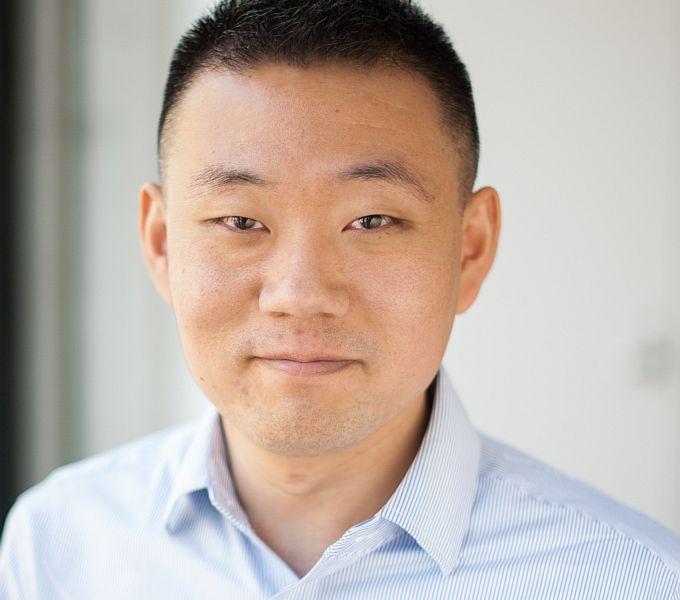
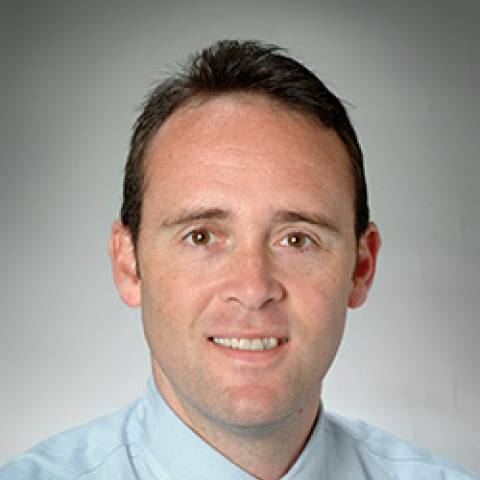
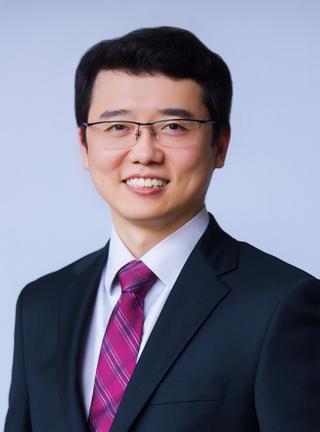
Anastassios Karistinos, M.D., is an Assistant Professor in the Department of Orthopedic Surgery at Baylor College of Medicine. He holds clinical roles at Ben Taub Hospital, Baylor Clinic, and the Michael E. DeBakey VA Medical Center in Houston, Texas. Dr. Karistinos completed his medical degree (MD) at Aristotle University of Thessaloniki (1993), followed by residency at Louisiana State University Health Sciences Center (2005) and a fellowship in Advanced Orthopaedics and Sports Medicine (2005). His professional interests focus on complex musculoskeletal conditions including multi-ligament knee injuries, meniscal transplantation, cartilage restoration techniques (OATS, ACI), knee osteotomies, shoulder instability, rotator cuff injuries, and shoulder arthroplasty. He emphasizes patient safety and critical evaluation of emerging medical technologies, prioritizing evidence-based treatments. Dr. Karistinos is certified by the American Board of Orthopaedic Surgery in both Orthopaedic Surgery and Orthopaedic Sports Medicine. He is a Fellow of the American Academy of Orthopaedic Surgeons and specializes in sports medicine, arthroscopic surgery, and trauma care. His research integrates anatomical insights with clinical outcomes to improve surgical techniques and patient recovery processes.
Yan Ma serves as Professor and Chair of Biostatistics at the University of Pittsburgh, with additional appointments in Orthopaedic Surgery and Clinical and Translational Science. Previously, he was Professor and Vice Chair at George Washington University Milken Institute of Public Health (2014-2022) and Assistant Professor at Hospital for Special Surgery/Weill Cornell Medical College (2008-2014). His educational background includes: PhD in Statistics, University of Rochester (2008) MA in Statistics, University of Rochester (2004) MS in Mathematics, Syracuse University (2003) BS in Statistics, Beijing Normal University (2001) Ma's research centers on advanced statistical methodologies including missing data imputation, machine learning, meta-analysis, causal inference, and longitudinal methods, applied across orthopedics, anesthesiology, health disparities, and emergency medicine through team science and translational research frameworks. His publication trajectory demonstrates sustained innovation from methodological foundations (2008-2012) to contemporary applications in health disparities and machine learning (2016-2022), consistently addressing complex biomedical challenges through high-impact journals like JAMA and Health Services Research. His scientific recognition includes: ASA's Statistics in Epidemiology Young Investigator Award (2010) Interorganizational Team Science Award (2012) ORISE FDA Research Fellowship (2017) APHA Achievement in Academia Award Ma has secured R01 funding from NIH/AHRQ for missing data methods in health disparities research while serving as Associate Editor for ASA journals and reviewer for NIH/PCORI/VA panels, demonstrating leadership in statistical methodology development and interdisciplinary collaboration. His team-science approach bridges statistical innovation with clinical implementation across orthopedics and anesthesiology, driving evidence-based practice through methodological rigor and cross-disciplinary partnerships.
Mihir Gupta, MD, is an Assistant Professor of Neurosurgery at Yale School of Medicine. As a fellowship-trained spine surgeon with dual expertise in neurosurgery and orthopedics, he performs both traditional and minimally invasive procedures for complex spinal disorders including degenerative conditions, deformities, tumors, infections, and trauma-related issues. Dr. Gupta also specializes in revision spine surgeries for patients with persistent or new problems following previous operations. Dr. Gupta's educational background includes a BA from Harvard College, an MD from Stanford University School of Medicine, neurosurgical residency at the University of California San Diego, postdoctoral studies at Harvard Medical School, and an orthopedic spine surgery fellowship at Johns Hopkins University. His clinical philosophy emphasizes understanding each patient's unique story through thorough evaluation and physical examination before developing personalized treatment plans. His research interests focus on understanding how genetics contribute to different spinal disorders and how care can be personalized. Dr. Gupta's publications demonstrate expertise across multiple domains including brain tumor diagnostics (particularly CNS lymphoma and glioblastoma), spine surgery outcomes, gender diversity in academic medicine, and neuroimmunology. His work often bridges clinical practice with molecular diagnostics, emphasizing rapid testing methods that accelerate treatment decisions for brain tumor patients. Dr. Gupta collaborates extensively with multidisciplinary teams including physical therapists, pain management specialists, anesthesiologists, and interventional radiologists to develop comprehensive treatment approaches. He emphasizes that surgery is often the last resort, prioritizing nonsurgical options when appropriate. His clinical work at Yale Medicine focuses on highly personalized spine procedures using advanced robotics, navigation, and minimally invasive techniques to tailor solutions for individual patients.
Christopher Ames is a Clinical Professor in the Departments of Neurological Surgery and Orthopaedic Surgery at the University of California San Francisco (UCSF). He serves as Director of Spinal Deformity & Spine Tumor Surgery, Co-Director of the UCSF Spine Center, Director of the California Deformity Institute, and Director of the Spinal Biomechanics Laboratory. With over 200 annual spinal deformity cases, he specializes in complex procedures for scoliosis, kyphosis, and spinal tumors, pioneering innovative techniques including the transpedicular approach and AI decision support tools. Developed first cervical spine deformity classification Created Adult Deformity Frailty Index and Invasiveness Index Recipient of multiple Scoliosis Research Society awards His research, funded through studies like the ROSE Study and Telomere Study, focuses on spinal biomechanics, surgical outcomes, and AI integration in spine surgery. He has published over 600 peer-reviewed articles and serves as Spine Section Lead Editor for Operative Neurosurgery . Scientific Awards: Hibbs Award (3×) Goldstein Award Whitecloud Award Top Doctors (Neurosurgery & Cancer) US News Top 1% Neurosurgeons
Craig B. Birgfeld, M.D. , is a professor in the Department of Surgery at the University of Washington School of Medicine and serves as Director of the UW Fellowship in Craniofacial Surgery. He practices at the Burn and Plastic Surgery Clinics at Harborview Medical Center, specializing in congenital craniofacial abnormalities, trauma reconstruction, and pediatric plastic surgery. Educational Background: Virginia Commonwealth University School of Medicine (Medical Education, 2000) University of Washington - Fellowship in Craniofacial Surgery Hospital of the University of Pennsylvania - Residency in Plastic Surgery Hospital of the University of Pennsylvania - Internship in General Surgery Dr. Birgfeld's research focuses on Craniofacial Microsomia and outcomes analysis in surgical interventions for congenital skull and facial abnormalities. His clinical work emphasizes trauma reconstruction, cleft lip/palate surgery, and craniofacial plastic surgery. He actively teaches Plastic Surgery residents and Craniofacial fellows, aiming to cultivate top-tier surgeons in the field. Recent publications highlight advancements in craniosynostosis treatment, facial symmetry measurement, and outcomes in craniofacial surgical procedures. His work spans collaborations with multidisciplinary teams in neurosurgery, pediatrics, and genetic research.
Karl Koenig, M.D., M.S., serves as Professor in the Department of Surgery and Perioperative Care at Dell Medical School, The University of Texas at Austin, while also holding leadership roles as Executive Director of the Musculoskeletal Institute and Program Director for the Joseph Miles Abell Jr., M.D., Clinical Fellowship in Orthopaedic Surgery. His academic credentials include an M.D. from Baylor College of Medicine, Orthopaedic Surgery residency at Dartmouth-Hitchcock Medical Center (2009), Adult Reconstruction fellowship at Stanford University Medical Center (2010), and an M.S. in evaluative clinical sciences from the Dartmouth Institute for Health Policy and Clinical Practice. Dr. Koenig specializes in complex hip and knee arthritis management, primary and revision joint replacement, periprosthetic fracture treatment, and prosthetic joint infections. His research integrates clinical practice with cost-effectiveness analysis and patient outcomes measurement, focusing on musculoskeletal care accessibility and integrated practice unit development for lower extremity conditions. Fellow of the American Orthopaedic Association Fellow of the American Academy of Orthopaedic Surgeons Fellow of the American Association of Hip and Knee Surgeons As Fellowship Program Director, he mentors orthopaedic surgery trainees while co-leading the lower extremity integrated practice unit with Dr. Kevin Bozic. His community initiatives specifically target improved musculoskeletal care access for underserved Austin populations facing healthcare barriers. Through the Musculoskeletal Institute, he drives cross-disciplinary collaboration in clinical innovation, research translation, and value-based care models for musculoskeletal conditions across Central Texas.
Dr. Weitao Wang serves as an Assistant Professor in the Department of Otolaryngology at the University of Rochester School of Medicine and Dentistry. Board-certified in both Otolaryngology-Head and Neck Surgery and Facial Plastic and Reconstructive Surgery, he practices clinically at UR Medicine and the Wilmot Cancer Institute in Rochester, NY, specializing in complex head and neck reconstruction and facial plastic procedures. Medical Degree: University of Virginia School of Medicine Residency: Otolaryngology-Head and Neck Surgery, University of Rochester Medical Center (2015-2019) Fellowship: Facial Plastic and Reconstructive Surgery, The Institute for Rehabilitation and Research (2019-2020) His research focuses on advancing head and neck reconstruction through tissue engineering (particularly bone/cartilage grafting) and optimizing surgical education via point-of-view video technology. Clinical investigations prioritize patient-reported outcomes in facial plastic surgery to enhance functional recovery and satisfaction metrics. Current work bridges engineering solutions with complex defect reconstruction. Recent publications (2020-2025) demonstrate concentrated expertise in microvascular free tissue transfer, virtual surgical planning for craniofacial defects, and innovative skull base/orbital reconstruction techniques. His work consistently addresses oncologic safety while improving functional outcomes in head and neck cancer patients, with increasing emphasis on cost-effective surgical training methodologies. Robert Joynt Kindness Award 2021 Leslie Bernstein Resident Research Grant: Optimizing bone allograft in craniofacial defect reconstruction Wallace K. Dyer Clinical Investigation Grant: Cost-effective surgeon POV video in otolaryngology training Dr. Wang secures competitive funding from the American Academy of Facial Plastic and Reconstructive Surgery to advance surgical education and reconstruction techniques. His clinical mentorship emphasizes multidisciplinary collaboration, particularly in head and neck oncology cases where tumor resection requires immediate reconstruction. Current projects integrate virtual planning with intraoperative navigation to optimize complex defect repair. He operates within the Facial Plastic and Reconstructive Surgery division at the University of Rochester, collaborating with Wilmot Cancer Institute's head and neck oncology team. His practice incorporates virtual surgical planning technology and microvascular reconstruction expertise, with active participation in multidisciplinary tumor boards for complex craniofacial cases.
Levent Dumenci serves as Professor in the Department of Epidemiology and Biostatistics at Temple University's College of Public Health since July 2015. His NIH-funded research (NIMH, NCI) focuses on psychometric test development and discrete latent variable modeling of behavioral data. He is the author of Latent Kappa and provides statistical consultation for quasi-experimental and non-experimental research designs across public health disciplines. His educational foundation includes: PhD in Psychometrics (Major) and Statistics (Minor) from Iowa State University MS in Psychometrics from Iowa State University BS in Psychology from Hacettepe University Dumenci's research integrates structural equation modeling, multitrait-multimethod matrix specification, and statistical modeling of observed/unobserved heterogeneity. His work advances methodologies for situational specificity of behavioral ratings, latent agreement modeling, and health literacy assessment. This interdisciplinary approach bridges biostatistics, epidemiology, and clinical measurement with emphasis on rigorous quantitative analysis of complex health data. His extensive publication record demonstrates consistent focus on orthopedic outcomes (particularly knee arthroplasty), where he applies advanced statistical techniques to patient-reported outcomes, pain assessment, and recovery trajectories. Significant contributions also appear in cancer health literacy, neighborhood-level adverse childhood experiences indices, and opioid use patterns in surgical recovery. His methodological innovations frequently address limitations in minimal clinically important difference estimation and patient outcome classification. Dumenci actively contributes to academic service through NIH/NSF study sections and editorial boards of two international journals. He mentors students through statistical consultation for externally funded projects and teaches core courses including Biostatistics for Health Professions (EPBI 5001) and Structural Equation Modeling (EPBI 8201). He directs the Biostatistics Core at Temple University, which provides statistical methodology support across public health research domains including clinical trials, observational studies, and community-based interventions. His team specializes in complex data modeling for behavioral health, chronic disease management, and health disparities research.
Dr. Joel Gelman is a Clinical Professor in the Department of Urology at the University of California, Irvine School of Medicine. He serves as the Director of the Center for Reconstructive Urology at UCI Medical Center, where he has been a faculty member since 1998. Dr. Gelman is a world-renowned expert specializing in male urethral and penile-genital reconstructive surgery with over 1,400 reconstructive procedures performed throughout his career. Dr. Gelman's educational background includes undergraduate studies at Indiana University, medical school at the Medical College of Ohio, residency training at Indiana University and UCLA, and fellowship training in reconstructive surgery at the Devine Center in Norfolk, Virginia. Prior to joining UCI, he served on the faculty at Albert Einstein College of Medicine in New York and Ohio State University. Dr. Gelman's research focuses on advanced urological reconstructive techniques, with particular expertise in urethral stricture disease, Peyronie's disease, hypospadias repair, and erectile dysfunction including penile implant surgery. His clinical practice is exclusively dedicated to male urethral and genital reconstructive procedures, making him one of the most specialized surgeons in this field. His publication record demonstrates consistent contributions to the advancement of reconstructive urological techniques, with particular emphasis on improving surgical outcomes and patient satisfaction. Dr. Gelman is a Diplomat of the American Board of Urology and has served on the Board of Directors of the Society of Genitourinary Reconstructive Surgeons. His editorial contributions to major urological journals reflect his standing as a thought leader in the field of reconstructive urology. As Director of the Center for Reconstructive Urology, Dr. Gelman leads a specialized clinical program focused on complex male genitourinary reconstruction. His work has established the center as a referral destination for challenging reconstructive cases, attracting patients from across the country seeking his expertise in procedures that few surgeons perform with similar frequency and success.
Michel van den Bekerom is an Endowed Professor at the Faculty of Behavioural and Movement Sciences at Vrije Universiteit Amsterdam. He holds additional endowed roles in Prevention and Rehabilitation , Musculoskeletal Health , and Sports . His clinical affiliations include OLVG and OEC hospitals in Amsterdam since 2014. Research Interests : Focuses on orthopedic surgery, musculoskeletal health, and sports medicine. Key areas include fracture analysis, surgical outcomes, osteoarthritis management, and patient-reported outcomes in joint replacements. Uses meta-analyses and clinical studies to advance treatments for elbow and shoulder injuries, emphasizing conservative and surgical approaches. Recent Work Trends : Recent articles address complex fracture patterns, surgical techniques for ulna fractures, and comparative outcomes of shoulder stabilization methods. His studies often integrate clinical data with biomechanical insights to improve sports injury management. Advising & Grants : Supervised one PhD thesis (details not listed). Collaborates internationally on orthopedic research and contributes to master’s-level research projects in HMS and MPS programs. Labs/Teams : Active in multidisciplinary teams focused on musculoskeletal disorders. Research aligns with UN Sustainable Development Goals (specific areas unspecified).
Dr Kevin Tetsworth is a renowned clinical leader in orthopaedic surgery and consultant surgeon at RBWH (Royal Brisbane and Women's Hospital), with 30 years of expertise in complex limb reconstruction. He is globally recognized for his work in deformity correction, limb lengthening, post-traumatic limb salvage, chronic osteomyelitis, bone defects, and osseointegration for amputated limb reconstruction. His research spans diverse subfields, including: Molecular biology of bone healing and tissue engineering Prevention and treatment of orthopaedic infections Biomechanics and implant development Biomarkers for surgical outcomes Dr Tetsworth has authored over 190 publications, including 16 book chapters and 120 peer-reviewed papers with ~4,000 citations. He has delivered nearly 800 lectures across 300 conferences in 29 countries, emphasizing global outreach in orthopaedic innovation. His leadership roles include past presidency of ASAMI International and a 14-year tenure as president of the Australian Limb Lengthening and Reconstruction Society.
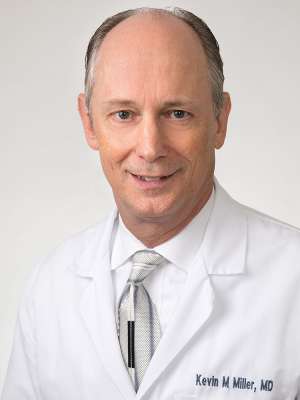
Kevin M. Miller is a Clinical Professor of Ophthalmology and Kolokotrones Endowed Chair at UCLA’s David Geffen School of Medicine. He serves as Chief of the Cataract and Refractive Surgery Division and Director of the Anterior Segment Diagnostic Laboratory, while being a member of the Stein Eye Institute. Education : MD from Johns Hopkins University School of Medicine (1985), Residency at UCLA (1991), Fellowship in Ophthalmic Optics at Johns Hopkins (1988). Leadership : Chair in instrumentation development, editorial board member for multiple journals, and organizer for international ophthalmology congresses. Dr. Miller’s research focuses on cataract surgery innovation , artificial iris devices , and refractive outcomes . He has investigated FDA-approved intraocular lenses, developed surgical systems, and pioneered implantation techniques for complex anterior segment disorders. His work spans clinical trials, device development, and surgical education. Key scientific contributions include advancements in toric IOLs, light-adjustable lenses, and artificial iris technology. He has delivered over 1,000 invited lectures and authored chapters in ophthalmic textbooks, emphasizing surgical precision and patient safety. Awards : Charles D. Kelman Award (2019), Life Achievement Award (2017), multiple ASCRS and AAO accolades. Teaching : Trains undergraduates, medical students, residents, and international fellows. Led development of AAO educational materials and certification programs. Labs : Directs the Anterior Segment Diagnostic Laboratory at Stein Eye Institute, focusing on device testing and surgical optimization.
Dr. William W. Cross III is a Professor in the Department of Orthopedic Surgery at Mayo Clinic in Rochester, Minnesota. He serves as Medical Director of Nassef Tower (8th and 9th floor) and has held significant leadership positions including Vice Chair of the Department of Orthopedic Surgery (2014-2021) and Chair of the Division of Community Orthopedic Surgery (2012-2018). His clinical practice focuses on Pediatric Orthopedic Surgery with expertise in trauma care, nonunion surgery, and sacroiliac joint fusions. Dr. Cross earned his BA (Summa Cum Laude) in Biology with a minor in Chemistry from the University of St. Thomas in 2000, followed by his MD from the University of Minnesota Medical School in 2004. He completed his General Surgery Internship in 2005 and Orthopedic Surgery Residency in 2009, both at the University of Minnesota. He is board-certified in Orthopedic Surgery by the American Board of Orthopaedic Surgery since 2012. His research focuses on orthopedic traumatology , with specific expertise in complex periarticular injuries, pelvic and acetabular fracture surgery, malunions, nonunions, sacroiliac joint fusions, and athletic pubalgia. Analysis of his recent publications (2021-2024) reveals a strong emphasis on hip fracture management techniques, sacroiliac joint disorders, and innovative approaches to fracture fixation, particularly examining outcomes of minimally invasive procedures and novel surgical techniques. Howard Rosen Teaching Award from AO Trauma AO North America Trauma (2014) Teacher of the Year Award Mayo Clinic Department of Orthopedic Surgery (2011) Richard C. Horns Memorial Award University of Minnesota (2004) Scholarship Award Park Nicollet (2003) Dr. Cross maintains active leadership roles in multiple professional organizations including Treasurer of the Mid American Orthopedic Association (2023-present), Committee Member of the Trauma Program Committee at the American Academy of Orthopaedic Surgeons (2022-2028), and Active Member of the Sacroiliac Medical Experts Group (SIMEG) since 2016. His extensive committee service across various orthopedic associations demonstrates his commitment to advancing the field through professional collaboration and standard setting.
Dr. Robert T. Trousdale is a distinguished orthopedic surgeon specializing in adult hip and knee reconstructive surgery at Mayo Clinic in Rochester, Minnesota. He holds positions within the Department of Orthopedic Surgery at Mayo Clinic and the Mayo Clinic College of Medicine, with extensive involvement in professional organizations including the Knee Society (serving as President 2021-2022), Hip Society, and American Association of Hip and Knee Surgeons. His clinical practice focuses on complex hip and knee reconstruction cases, particularly those involving hip dysplasia and revision surgery. Dr. Trousdale's educational background includes a BS from University of Notre Dame (1983, with Honors), MD from Saint Louis University School of Medicine (1987, with High Honors), followed by internship, residency, and fellowship training at Mayo Clinic. His professional journey reflects deep commitment to advancing orthopedic surgery through clinical excellence, research innovation, and leadership in the field. His research focuses on comparative effectiveness of surgical techniques in hip and knee reconstruction, with particular emphasis on optimizing outcomes for complex cases. Dr. Trousdale has made significant contributions to understanding optimal approaches for hip replacement, management of pelvic discontinuity, and the use of dual-mobility bearings in revision hip surgery. His work combines clinical expertise with rigorous scientific methodology to improve patient outcomes. Dr. Trousdale has received numerous prestigious awards throughout his career: 2024 Best Poster Award in the Primary Hip Clinical Category, AAHKS Annual Meeting 2024 Charnley lecturer, British Orthopaedic Association 2022 AAHKS Surgical Techniques and Technologies Award 2018 The Chitranjan S. Ranawat MD Award from the Knee Society 2017 The John Charnley Award from the Hip Society Multiple Best Poster Awards from AAHKS As an active researcher and clinician, Dr. Trousdale maintains a robust publication record spanning decades, with recent work focusing on comparative effectiveness of surgical approaches, acetabular revision techniques, and management of complex orthopedic cases. His leadership roles in major orthopedic societies demonstrate his significant influence in shaping best practices in hip and knee reconstruction. Dr. Trousdale's work is centered at Mayo Clinic's orthopedic surgery department, where he contributes to patient care, surgical innovation, and the education of future orthopedic surgeons. His research continues to advance the field of orthopedic surgery with practical applications that improve patient outcomes and surgical techniques.
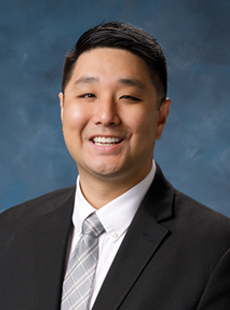
Peter Hsiue, M.D., is a fellowship-trained orthopaedic surgeon at UCI Health and a faculty member at the University of California, Irvine School of Medicine, specializing in hip and knee arthroplasty. He is affiliated with the Department of Orthopaedic Surgery, where he contributes to clinical care, research, and medical education. Education: Medical Degree: David Geffen School of Medicine at UCLA Residency: Orthopaedic Surgery, David Geffen School of Medicine at UCLA Fellowship: Hip and Knee Replacements, Hospital for Special Surgery Dr. Hsiue's research focuses on technology-assisted joint replacements , clinical outcomes after revision surgeries , and medical device design . He has published over 35 peer-reviewed articles and book chapters and has presented his work at major national meetings including the American Academy of Orthopaedic Surgeons and the American Association of Hip and Knee Surgeons. His scientific contributions include research on periprosthetic joint infections through an NIH T32 fellowship, highlighting his strong foundation in musculoskeletal research. He is recognized for academic excellence and compassionate care, having been elected to both the Alpha Omega Alpha and Gold Humanism Honor Societies. Alpha Omega Alpha Medical Honor Society Gold Humanism Honor Society National Institute of Health T32 Musculoskeletal Research Fellowship Dr. Hsiue is actively involved in clinical training and research mentorship, contributing to residency and fellowship programs at UCI. While no specific grants are listed, his NIH T32 fellowship indicates prior competitive research support. He is also engaged in advancing surgical techniques through robotic-assisted and computer-navigated joint replacements, aiming to improve patient outcomes and personalized care. He practices at UCI Health, where he employs a patient-centered approach to tailor treatment plans to individual lifestyle goals. His clinical expertise includes complex and revision joint reconstructions for patients with unique anatomical challenges or prior implant failures.