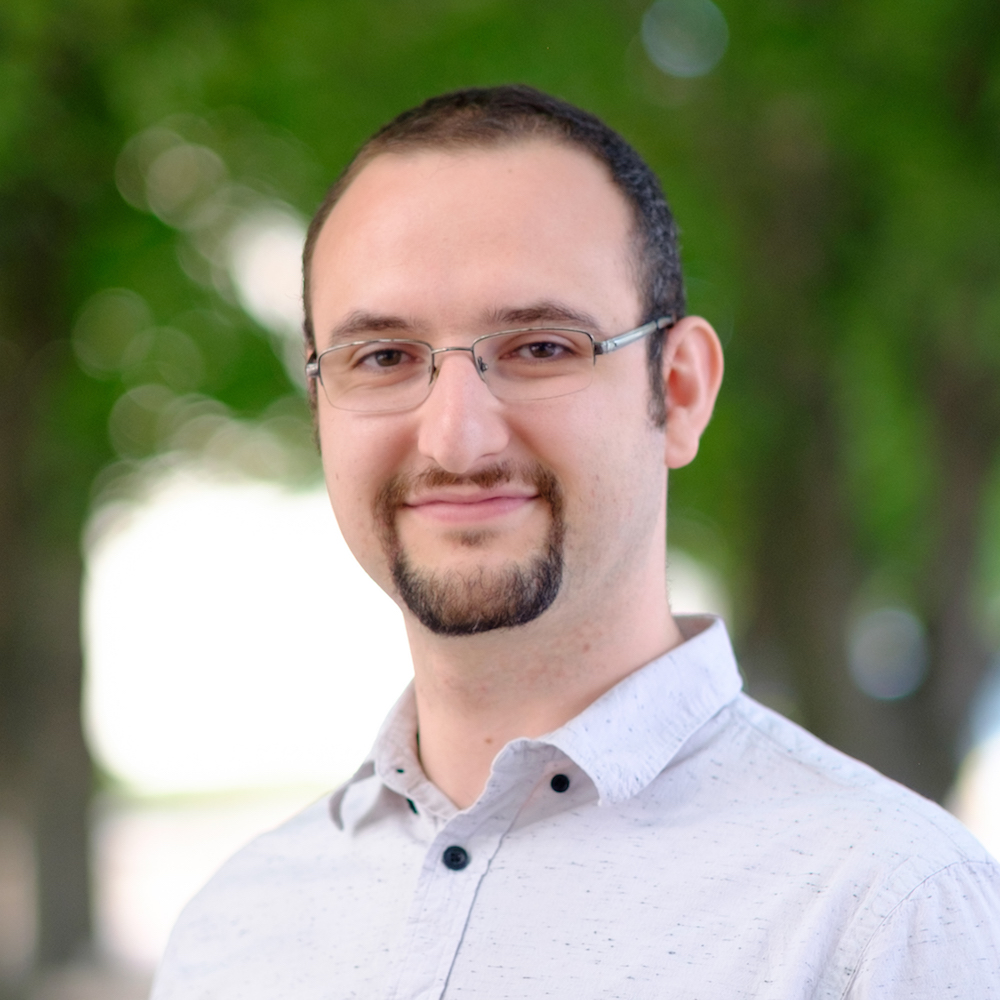
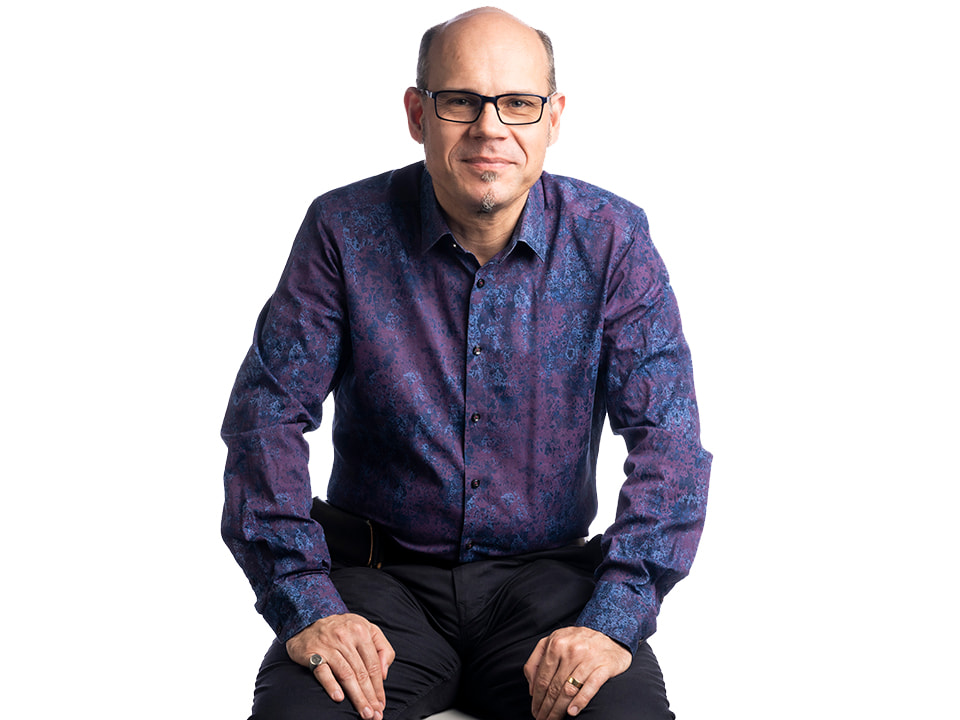
Onur Varol is an Assistant Professor at Sabanci University's Computer Science Department and leads the VIRAL Lab, which focuses on computational social science, network science, and machine learning. He has affiliations with the Center of Excellence for Data Analytics. His research spans social bot detection, misinformation analysis, and online behavior modeling.
Lizi Liao is an Assistant Professor at the School of Computing and Information Systems , Singapore Management University (SMU) , specializing in Artificial Intelligence and Conversational AI . Her research bridges Machine Learning , Natural Language Processing , and Multimodal Systems , focusing on proactive dialogue systems, multimodal conversational search, and task-oriented interactions. Education : PhD in Computer Science (2019) from the National University of Singapore (NUS) , advised by Professor Tat-Seng Chua . Research Interests center on principles of human conversational understanding and machine implementation, particularly in proactive conversational agents , multimodal dialogue systems , and target-driven conversation planning . Key applications include emotional support systems , intelligent shopping assistants , and learning companions . Recent Publications (2024-2025) highlight her work on LLM-based proactive dialogue , multimodal emotion recognition , and dynamic graph modeling , often integrating NLP , Multimedia , and Knowledge Graphs . Collaborative projects with her CoAgent Lab team emphasize human-AI interaction and ethical response generation . Scientific Awards : Google South Asia & Southeast Asia Research Award 2023 Lee Kong Chian Fellow Teaching includes Visual Analytics for Business Intelligence (undergraduate) and Text Analytics and Application (graduate). She also serves as Associate Editor for TOIS and TOMM , and organizes tutorials at ACL , SIGIR , and WSDM .
Soosan Beheshti is a Professor and Program Director in the Department of Electrical, Computer, and Biomedical Engineering at Toronto Metropolitan University. She holds a B.S. from Isfahan University of Technology and M.S./Ph.D. from MIT. Her research focuses on signal processing, statistical learning, and information theory, with applications in biomedical systems, data denoising, and system modeling. She has received awards such as the Dean's Teaching Award (2010) and the EECS Carlton E. Tucker Award (1998). Education: B.S., Electrical Engineering, Isfahan University of Technology (1996) M.S. & Ph.D., Electrical Engineering, MIT (2002) Research Interests: Statistical Signal Processing Information Theory Data Denoising & Compression System Modeling & Control Machine Learning Applications Awards: Dean's Teaching Award (2010) Gold Paper Award (PacRim 2009) Best Paper Award (Remote Sensing 2008) MIT Teaching Excellence Award (1998) Teaching: Courses include Signals and Systems, Control Systems, and Statistical Inference. She has supervised numerous graduate students and postdocs in her Signal and Information Processing (SIP) Lab. Labs/Teams: Director of the SIP Lab, conducting research in signal processing, information theory, and biomedical applications. Collaborates with industry partners like Myant Inc. and Huawei Technologies.
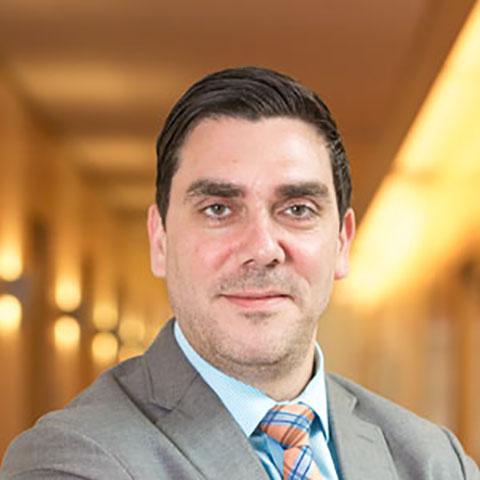
Mikkel N. Schmidt is an Associate Professor in the Department of Applied Mathematics and Computer Science at the Technical University of Denmark (DTU). His research focuses on statistical modeling, Bayesian methods, and their applications in science and industry. He has held visiting roles at Columbia University (2007) and Cambridge University (2008-2009). His work integrates probabilistic modeling with computational inference to address complex problems in diverse fields such as molecular discovery, optical communication, and brain connectivity analysis. Education highlights include visiting scholar and postdoctoral experiences at top-tier institutions. Research interests span statistical methodology development, machine learning applications, and interdisciplinary problem-solving. Current projects involve Bayesian neural networks for molecular discovery and federated learning optimization. Advising efforts include supervising multiple PhD students in areas like molecular discovery and denoising diffusion models. Notable collaborations involve work on materials science, quantum communication, and medical signal processing. His contributions bridge theoretical advancements with practical industrial applications, emphasizing interdisciplinary innovation.
Gabriel A. Silva is a Professor in the Shu Chien-Gene Lay Department of Bioengineering at UC San Diego’s Jacobs School of Engineering, with a joint appointment as Assistant Professor in Ophthalmology. His research bridges neuroscience, theoretical physics, and applied mathematics to explore how the brain encodes and processes information, leveraging quantum logic and algorithms for advanced neural modeling. University: University of California, San Diego School: Jacobs School of Engineering Department: Shu Chien-Gene Lay Department of Bioengineering Academic Rank: Professor Joint Appointment: Assistant Professor in Ophthalmology Research Interests: Silva focuses on neural computation at cellular and network scales, aiming to abstract biological mechanisms into mathematical models that emulate brain-like processing. His work has implications for understanding neurological disorders, developing neural engineering nanotechnologies, and advancing AI systems through emergent complexity. Recent Article Trends: His publications span quantum-enhanced neural modeling, EEG-based disease detection, nonlinear dynamics in brain networks, and interdisciplinary applications of graph theory. Emerging themes include the integration of category theory for network analysis and AI optimization via emergence-promoting schemes. Labs & Teams: Affiliated with UC San Diego’s Institute of Engineering in Medicine, Silva leads research at the intersection of bioengineering, ophthalmology, and neural systems, fostering collaborations with neuroscience and quantum computing domains.
Arun Ram is a Professor and Chair of Pure Mathematics at the School of Mathematics and Statistics . His work bridges representation theory, algebraic combinatorics, and mathematical physics, with a focus on Hecke algebras, Macdonald polynomials, and symmetry in algebraic structures. Education: PhD, University of California - San Diego Bachelors Degree, Massachusetts Institute of Technology His research explores the interplay of representation theory with combinatorial models and geometric configurations, including applications to network analysis and number systems. Key contributions include advancements in understanding Macdonald polynomial expansions, Clebsch-Gordan coefficients, and Monk rules. His projects, such as Tantalizer Algebras and Macdonald Polynomials: Combinatorics and Representations , highlight collaborations and grants in algebraic research. While no explicit scientific awards are listed, his 66+ scholarly works and 2007-2016 research contracts demonstrate sustained academic impact.
Dr. Guillem Müller Rigat is a Postdoctoral Researcher at the Institute of Photonic Sciences (ICFO), working in the Quantum Optics Theory research group. He holds a PhD in Photonics from the Universitat Politècnica de Catalunya (Spain). His research focuses on quantum information theory and quantum optics, with a particular emphasis on entanglement, Bell inequalities, and many-body quantum systems. He explores topics such as quantum resource certification, symmetry in quantum states, and applications of machine learning in quantum tomography. Müller Rigat’s work bridges fundamental quantum theory and experimental feasibility, addressing challenges in quantum metrology, nonlocality, and chaos. His recent studies include developing methods to infer quantum correlations from observable data and enhancing protocols for entanglement detection in complex systems. He contributes to advancing theoretical frameworks for certifying quantum systems with minimal experimental resources. He is affiliated with ICFO’s Quantum Optics Theory group, where he collaborates on projects involving Bell inequalities, spin-nematic squeezing, and quantum Fisher information. Despite his postdoctoral focus, he actively publishes in high-impact journals, with a strong emphasis on interdisciplinary approaches combining quantum foundations and applied quantum technologies.
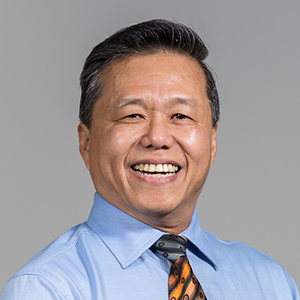
Danny Poo Chiang Choon is a tenured Associate Professor at the School of Computing (SOC), National University of Singapore (NUS). As Curriculum Chair of the Department of Information Systems and Analytics, he plays a key role in designing and implementing Information Systems and Computer Science curriculum at NUS. Dr. Poo earned his BSc (Honours), MSc and PhD in Computation from the University of Manchester Institute of Science and Technology (UMIST), United Kingdom. His academic journey has established him as a leader in health informatics and information systems at NUS. His research spans multiple domains with strong focus on Healthcare Informatics , where he investigates mobile health interventions, health analytics, and systems for improving patient care. His work in Data Science & Business Analytics explores knowledge management, information sharing, and effective search strategies. In Intelligent Systems , he examines software engineering approaches, object-oriented systems, and knowledge classification frameworks. His recent publications demonstrate a clear trajectory toward mobile health applications, particularly in coronary heart disease prevention and diabetes management. Dr. Poo's work consistently bridges technical computing with practical healthcare applications, focusing on user-centered design and evidence-based interventions. His research shows strong interdisciplinary integration between computer science, healthcare systems, and behavioral science, with emphasis on practical implementation in Singapore's healthcare context. Dr. Poo has served in numerous leadership roles including as the founding Director of the Centre for Health Informatics at NUS (2012-2015) and as a member of the Steering Committee of the Asia Pacific Software Engineering Conference (APSEC) since 1994, serving as Vice-Chairman from 2003-2005. He has been invited to speak at international forums including the Japanese Government's "USA, Kyushu and Asia International Exchange Project" and as a keynote speaker at the 2009 Arabic Scripts Second Symposium in Abu Dhabi. His expertise is recognized through invitations to speak on knowledge management topics at conferences in Singapore. Dr. Poo has authored five books in the Information Technology area: "Enterprise JavaBeans for Students" (2014), "Object-Oriented Programming and Java" (1998, 2007), "Learn to Program Enterprise JavaBeans 3.0" (2009), "Learn to Program Java" (2009), and "Learn to Program Java User Interface".
Luigi Acerbi is an Associate Professor in the Department of Computer Science at the University of Helsinki, where he leads the Machine and Human Intelligence research group. He is also an active member of the Finnish Center for Artificial Intelligence (FCAI) and ELLIS (European Laboratory for Learning and Intelligent Systems). His research focuses on probabilistic machine learning and computational neuroscience, particularly on developing efficient methods for statistical inference, Bayesian models of perception, and resource-constrained rationality. His work bridges machine learning and cognitive science, with applications in Bayesian optimization, simulation-based inference, and image completion. The recent publications highlight a strong trend toward unifying probabilistic conditioning across diverse tasks using transformer-based meta-learning frameworks like the Amortized Conditioning Engine (ACE). These works emphasize amortized inference, flexible latent variable modeling, and the integration of prior knowledge at runtime, enabling efficient and scalable Bayesian methods for complex problems. Scientific Affiliations: University of Helsinki, Department of Computer Science Finnish Center for Artificial Intelligence (FCAI) ELLIS (European Laboratory for Learning and Intelligent Systems) Education: PhD in Computational Neuroscience, Doctoral Training Centre, Edinburgh, UK Advisor: Sethu Vijayakumar and Daniel Wolpert Visiting work at Computational and Biological Learning Lab, Cambridge Postdoctoral Experience: Alex Pouget’s lab, University of Geneva, Switzerland Wei Ji Ma, New York University, USA Collaboration with the International Brain Laboratory Luigi Acerbi mentors PhD students including Daolang Huang and Nasrulloh Loka, and collaborates widely with researchers such as Samuel Kaski. He has contributed to open-source tools like PyVBMC and is involved in community initiatives such as the EurIPS conference. His work is supported by grants from the Research Council of Finland, Business Finland, and the UKRI Turing AI World-Leading Researcher Fellowship. He leads a research lab focused on amortized probabilistic inference, with ongoing projects including PriorGuide and Stacked VBMC, aiming to make Bayesian methods more practical and accessible for real-world scientific and engineering applications.
Dr. Jason Gibbs is an Associate Professor in the Department of Entomology at the University of Manitoba, Faculty of Agricultural and Food Sciences. He also serves as the Curator of the J. B. Wallis / R. E. Roughley Museum of Entomology (WRME), a significant center for the study of bee biodiversity. His work is central to advancing knowledge in wild bee systematics, phylogenetics, and conservation. PhD in Biology, York University, Canada MSc in Botany, University of Toronto, Canada BSc in Biological Sciences, University of Toronto Scarborough, Canada His research focuses on the diversity, taxonomy, and conservation of wild bees , particularly halictid and panurgine bees. He employs integrative taxonomic approaches , combining morphological, molecular, and ecological data to resolve species boundaries and evolutionary relationships. His work extends to pollinator ecology , examining how habitat management, agricultural practices, and landscape changes affect bee communities and pollination services. He is deeply involved in bee conservation , including the rediscovery of rare species and the development of habitat strategies to support pollinators in human-modified landscapes. The trends in his recent publications reveal a strong emphasis on systematics and alpha-taxonomy , with numerous revisions of bee genera and checklists of regional faunas. He frequently uses DNA barcoding and phylogenomics to address taxonomic challenges. Additionally, his work explores pollination dynamics in agricultural systems , particularly in blueberry and other crops, assessing the roles of wild versus managed bees. There is a consistent theme of habitat enhancement and conservation across his research, with studies on floral strips, prairie restoration, and the impacts of land-use change. Dr. Gibbs is actively involved in mentoring and training the next generation of entomologists. His lab includes several graduate students and highly qualified personnel who contribute to his diverse research projects, as indicated by the asterisked names in his publications. He leads the Gibbs Wild Bee Lab, which is dedicated to understanding bee diversity and evolution. The lab combines field research with molecular and morphological analyses, and maintains close ties with the WRME museum, which serves as a vital resource for specimen-based research and education.
Professor Axel Bruns is a Research Professor at Queensland University of Technology’s (QUT) Digital Media Research Centre (DMRC), an institution renowned for its leadership in media and communication studies. His work focuses on the digital transformation of media, the role of social media in public communication, and the dynamics of political polarization in online environments. Bruns is an internationally recognized innovator in computational methods for social media analysis, emphasizing interdisciplinary mixed-methods approaches to study complex societal phenomena. Research Interests: His research addresses critical challenges such as polarization’s threat to democracy, the role of algorithms in shaping public discourse, and the spread of disinformation. Notable areas include filter bubbles, platform governance, and the interplay between social media and political systems. He has pioneered concepts like 'gatewatching' to analyze news curation practices of digital intermediaries. Key Achievements: Bruns leads a prestigious Australian Laureate Fellowship project examining polarization drivers and dynamics. His work combines rigorous methodological innovation with policy relevance, evidenced by submissions to parliamentary committees on social media regulation. He has mentored numerous doctoral students who have become leading methodologists in their fields. Awards and Collaborations: Recipient of the Australian Laureate Fellowship (2023), Bruns collaborates widely with institutions globally, including Algorithm Watch, the Centre for Responsible Technology, and the Alexander von Humboldt Institute for Internet and Society. These partnerships enable cross-border research into digital media’s societal impacts.
Hadrian Geri Djajadikerta is a Professor and Accounting Discipline Lead at Curtin University's School of Accounting, Economics and Finance, part of the Faculty of Business and Law. He holds leadership roles such as Research Dean (Business and Law) and has previously held positions at UNSW, UTS, Lincoln University, and Edith Cowan University. His academic background includes a PhD from UTS, MBA from Montana State, and qualifications from ITB and UNPAR, alongside professional certifications like CA, CMA, and SCPM. Education: PhD(UTS), MBA(Montana), MSc(ITB), Drs(UNPAR). Additional training includes Business Analytics at the University of Cambridge. Research focuses on sustainability, corporate governance, and management accounting. Key areas include sustainability reporting, environmental disclosures, and interdisciplinary studies in supply chain, finance, and digital technology. Recent work explores climate resilience in higher education, digital competencies in energy industries, and freight transport sustainability. Awards include VC Excellence in Research Supervision and Teaching, AFAANZ Best Paper, and Wiley’s Top Cited Paper. Over 30 PhD students supervised and numerous grant investigations (e.g., Australia Africa Universities Network, Future Energy Exports CRC). Active in global collaborations and policy engagements, including parliamentary inquiries on short-stay accommodation. Grants include projects on climate change resilience ($20,000), digital competencies in energy ($219,375), and freight transport networks ($193,680). Engaged in not-for-profit social initiatives and corporate consulting in Indonesia and Australia. Led the Sustainability and Corporate Governance Research Cluster and contributes to industry partnerships through research clusters and advisory roles.
Nelly V. Litvak is a Full Professor in Algorithms for Complex Networks at Eindhoven University of Technology (Mathematics and Computer Science). She works on mathematical methods and algorithms for complex networks (social networks, WWW) using random graph models. She joined TU/e as a part-time professor in 2017 after being an Associate Professor at the University of Twente since 2012. Affiliations: 4TU Applied Mathematics Institute, Data Science Center Eindhoven, CTIT Industry Partners: ABN-AMRO Bank, Philips Lighting, Thales Editorial Role: Managing Editor of Internet Mathematics Her research focuses on extracting value from network data across three areas: (1) Information extraction and prediction, (2) Mathematical analysis of network characteristics, and (3) Efficient algorithms for incomplete network data. Key topics include PageRank, HITS algorithm, random graphs, homophilic networks, and network epidemiology. Recent work (2022-2025) spans network growth mechanisms, fairness in ranking algorithms, educational pedagogy, and pandemic forecasting dashboards. She contributes to SDGs through data-driven approaches to societal challenges. Teaching activities include course development at TU/e and earlier institutions, with innovative methods for computer engineering students' statistical understanding.
James A. Evans is the Max Palevsky Professor of Sociology and Data Science at the University of Chicago, where he is a faculty member in the Department of Sociology within the Division of the Social Sciences. He is the director of Knowledge Lab and the Faculty Director of the Masters Program in Computational Social Science . He holds additional affiliations as an External Professor at the Santa Fe Institute , External Faculty at the Complexity Science Hub, Vienna , and Visiting Faculty Researcher at Google . Education: B.A. in Anthropology, Brigham Young University (1994) M.A. in Sociology, Stanford University (1999) Ph.D. in Sociology, Stanford University (2004) His research centers on the collective system of thinking and knowing , exploring how ideas emerge, spread, and evolve through social and technical systems. He investigates innovation, collective intelligence, and the science of science , using large-scale data modeling, machine learning, generative AI, and network analysis to study knowledge creation. His work spans domains including science, technology, law, and religion, with a focus on how AI is reshaping discovery processes. The most recent publications highlight trends in AI and scientific discovery , with a strong emphasis on innovation, knowledge systems, and human-machine intelligence . His research increasingly explores AI as a transformative agent in science , including the concept of 'alien intelligence' and the development of complementary AI to augment human capacity. Projects like the $20M NSF-funded APTO initiative aim to build language models that predict technological outcomes by analyzing historical data. Scientific Recognition and Funding: Research supported by the National Science Foundation (NSF) , National Institutes of Health (NIH) , Air Force Office of Scientific Research (AFOSR) , and philanthropic sources Work published in Nature, Science, PNAS , and leading social science journals Featured in The New York Times, The Economist, The Atlantic, Wired, NPR, BBC, Le Monde , and others James Evans advises on science policy and funding strategies, emphasizing the importance of diversity, interdisciplinary collaboration, and demographic balance in fostering innovation. He critiques current academic incentives and proposes alternative discovery regimes. He leads Knowledge Lab , a collaborative research environment that conducts seminars, grants, and employment opportunities in computational social science and AI.
Prof. Dr. Ralph Bock serves as Director of Department 3: Organelle Biology, Biotechnology and Molecular Ecophysiology at the Max Planck Institute of Molecular Plant Physiology in Potsdam, Germany, where he also leads the Organelle Biology and Biotechnology research group. Previously, he held positions as C4 Professor for Plant Biochemistry and Biotechnology at the University of Münster (2001-2004) and Group Leader at the Institute of Biology III, University of Freiburg (1996-2001). His academic credentials include: Habilitation: University of Freiburg, 1999 Doctorate: University of Freiburg, 1996 Diploma: University of Halle, 1993 Prof. Bock's research focuses on plant molecular biology with particular emphasis on chloroplast biology, organelle biotechnology, and molecular ecophysiology. His work spans genetic engineering of plastids, photosynthesis research, plant biotechnology applications, and understanding organelle-nucleus communication. He has made significant contributions to developing chloroplast transformation systems and applying them to molecular farming, metabolic engineering, and understanding fundamental processes in plant cell biology. His research has important implications for sustainable agriculture, bioenergy, and pharmaceutical production, particularly through the development of plant-based systems for producing vaccines and therapeutic proteins. Analysis of Prof. Bock's recent publications (2023-2025) reveals a strong focus on chloroplast biology, genetic engineering, and molecular farming applications. His work spans fundamental research on organelle genetics, photosynthesis, and stress responses, as well as applied research on using plant and algal systems for biopharmaceutical production. A notable trend is the increasing use of advanced genetic engineering techniques, including CRISPR-based approaches, to manipulate organelle genomes. His research also shows growing interest in algal systems as alternative expression platforms for molecular farming, particularly red algae like Porphyridium for producing viral antigens and glycoproteins.