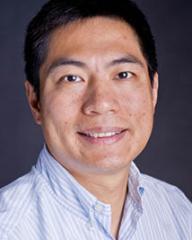
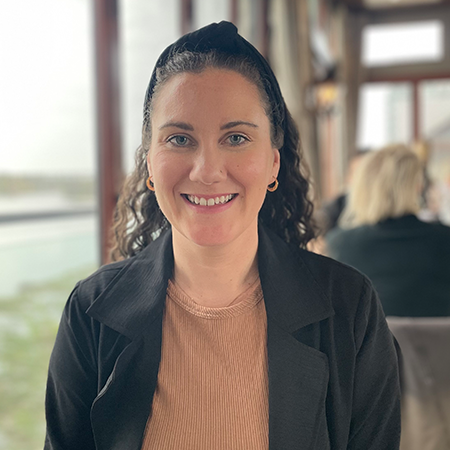
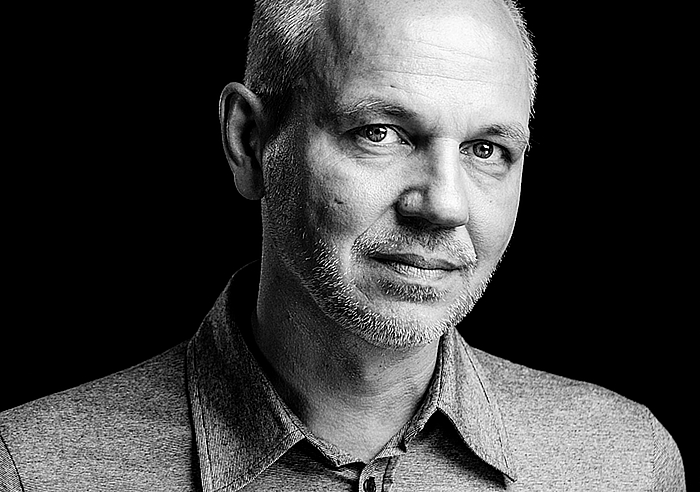
Dr. Fernando Calahorro Nunez is a Research Fellow at the University of Southampton, specializing in molecular and genetic biology with a focus on cellular circuits and atypical behaviors. He utilizes Caenorhabditis elegans as a model organism to study gene functions in complex behaviors, particularly in the context of drug discovery for neurodevelopmental disorders and parasitic nematode biology. His work bridges fundamental research with applied studies, collaborating with agrochemical industries to develop novel antiparasitic compounds. His research interests span molecular neurobiology, invertebrate behavior, and drug discovery, with notable contributions to understanding neuroligin-dependent social behaviors and cholinergic signaling pathways. Current projects include investigating autism-associated genes and developing microfluidic assays for drug screening in neurobehavioral disorders. Dr. Calahorro’s expertise in parasitic nematode neurobiology has positioned him to explore host plant invasion mechanisms and test compound libraries for antiparasitic effects. His interdisciplinary approach integrates genetic, pharmacological, and behavioral analyses to address both basic and translational research questions.
Ivana Malenica is an Assistant Professor of Biostatistics at the University of North Carolina at Chapel Hill's Gillings School of Global Public Health. Previously, she was a HDSI Fellow at Harvard Data Science Initiative and Postdoctoral Fellow in Statistics at Harvard University. She holds a Ph.D. in Biostatistics from UC Berkeley and a B.S. in Mathematics from Arizona State University. Her research focuses on causal inference, machine learning, nonparametric statistics, efficiency theory, and precision health. She specializes in longitudinal and structured dependent settings including adaptive sequential experiments, online learning, and reinforcement learning applications in personalized health. Her recent publications demonstrate strong methodological contributions to causal inference and machine learning, with applications spanning clinical trials, public health, genomics, and reinforcement learning. Her work consistently develops novel statistical approaches for complex data structures. Awards include: Harvard Data Science Initiative Fellowship (2022) Berkeley Wellness Letter Fellowship (2020) Wellness Scholarship in Honor of Chin Long Chiang (2019) Berkeley Institute for Data Science Moore-Sloan Fellowship (2018) She teaches graduate courses including Advanced Probability and Statistical Inference I (BIOS 760). Her computational work includes contributions to the tlverse ecosystem for causal inference in R.
Ying Qing Chen is a Professor of Medicine at the Stanford Prevention Research Center, part of the Department of Medicine at Stanford University. Additionally, she holds an Affiliate Professor position in Biostatistics. Her roles include serving as Director of the Palo Alto Veteran Affairs Cooperative Studies Coordinating Center since 2021. Dr. Chen earned her BS in Mathematics from Peking University (1992) and her PhD in Biostatistics from Johns Hopkins University (1999). Her research focuses on statistical methodologies for HIV/AIDS prevention , including biomarkers, clinical trial design, epidemiological methods, and survival analysis. She also contributes to studies on vaccine effectiveness, adherence to antiretroviral treatments, and the intersection of social stigma with healthcare access in high-risk populations. Her work spans multinational collaborations, such as the HPTN 052, 069/ACTG 5305, and 075 trials, and she leads projects funded by NIH and industry partners (e.g., Sinovac Biotech). Key areas of expertise include evaluating combination prevention strategies, developing statistical surrogacy measures, and analyzing longitudinal clinical data to inform public health policies. Projects: Co-PI for the Cytomegalovirus (CMV) Vaccine in Orthotopic Liver Transplant candidates (COLT) study (NIH/NIAID U01 AI163090-01, 2021-Present) PI for Research on Global Vaccine Application and Trends (Sinovac Biotech, 2021-Present) PI/MPI for Ganciclovir to Prevent Cytomegalovirus Reactivation (NIH/NHLBI U24 HL147012, 2020-Present) Dr. Chen’s scientific contributions have been recognized with the Fellowship of the American Statistical Association (2018) . She teaches courses such as Introduction to Clinical Trials: Design, Conduct, and Analysis (CHPR 211) and supervises thesis writing through Community Health and Prevention Research Master's Thesis Writing (CHPR 399). Her research emphasizes improving HIV prevention outcomes, addressing challenges in adherence and combination therapies, and leveraging statistical innovations to enhance vaccine efficacy assessments. She has also demonstrated expertise in handling complex longitudinal datasets and conducting feasibility studies for at-risk populations in sub-Saharan Africa.
Associate Professor Loyola McLean holds positions at the University of Sydney's Brain & Mind Research Institute and Sydney Medical School. She is a Consultation-Liaison Psychiatrist, Psychotherapist, and Psychotherapy Educator with affiliations including Royal North Shore Hospital and the Sydney West Psychiatry Training Network. Her research focuses on trauma-informed care, integrative body-mind medicine, and attachment theory applied to mental health and chronic illness. Key interests include psychotherapy efficacy, stress system disorders, and medical education innovations. Education: PhD in biomedical research (depression-cardiovascular disease link) Grants: Includes studies on psychiatry trainee well-being and trauma interventions for burn survivors Current Projects: EMDR therapy for burn injury survivors, trauma-informed care in sexual assault services, and neurobiological aspects of functional neurological disorders Research spans 20+ years with over 100 publications. Her work bridges clinical practice and neuroscience, emphasizing interdisciplinary approaches to complex trauma and chronic illness recovery. She collaborates on RCTs evaluating therapies like EMDR and conversational model interventions. Teaching focuses on psychotherapy education, attachment theory, and research methodologies. She supervises students exploring topics like conversational model applications in psychiatry and functional neurological disorders.
Professor Jennifer Smith-Merry is an ARC Laureate Fellow and Professor of Health and Social Policy at the University of Sydney, within the Sydney School of Health Sciences. She has held roles such as Director of the Centre for Disability Research and Policy (CDRP) and leads the Disability Inclusive Policy Development stream. Her work integrates research, policy, and practice to address systemic challenges in mental health and disability care, with a focus on equity and lived experience insights. Education: PhD in Social Policy (University of Queensland) BA (Honours) Graduate Certificate in Applied Law Graduate Certificate in Educational Studies (Higher Education) Research Interests: Jen’s research emphasizes disability-inclusive policy development, mental health service design, and the ethical inclusion of people with disability in research. She explores the intersection of policy implementation, lived experience expertise, and systemic reforms, particularly in the context of the NDIS and global health initiatives. Her work critiques ableism in academia and healthcare while advocating for participatory, equity-driven frameworks. Grants and Collaboration: Jen has secured over 50 grants, including ARC and NHMRC funding, and leads projects evaluating policy and service delivery for disability and mental health. She collaborates with governments and NGOs, such as the National Disability Insurance Agency, and engages with service users to inform policy. Recent projects include a global workforce training framework for integrated care and exploring mechanisms of religious trauma in queer communities. Awards: Australian Research Council (ARC) Industry Laureate Fellow (2023-2028) Labs and Affiliations: She is affiliated with multiple interdisciplinary centers at the University of Sydney, including the Sydney Centre for Healthy Societies, Sydney Policy Lab, Sydney Southeast Asia Centre, Brain and Mind Centre, and Charles Perkins Centre. Her international collaborations span Malaysia, Singapore, and the UK, focusing on disability research capacity and mental health policy.
Dr. Donna-Ann Thomas is an Associate Professor of Anesthesiology at the Yale School of Medicine, serving as Vice Chair of Diversity, Equity, and Inclusion and Division Chief of both Pain Medicine and Regional Anesthesiology. She is also Associate Professor Anesthesiology within the same department. Her clinical work focuses on innovative pain management techniques, including paravertebral and TAP blocks, and reducing opioid dependence through multidisciplinary approaches. She practices at the Yale Spine Center and Yale New Haven Hospital, emphasizing patient-centered care tailored to individual needs. Education: MD from SUNY Upstate Medical Center (1999), followed by General Surgery residency at Graduate Hospital (2001) and Anesthesia residency at SUNY Syracuse (2005). Board-certified in Anesthesiology (2007) and Pain Medicine (2008), with recertification in Anesthesiology in 2018. Research Interests: Acute pain management in addicted patients, spine/musculoskeletal pain, cancer pain, headaches, sickle cell crisis, and complex regional pain syndrome. She prioritizes minimizing opioid use while optimizing non-opioid alternatives like local anesthetics and over-the-counter medications. Her work also addresses healthcare resource allocation and cost-effectiveness in surgical pain management. Publications highlight her contributions to clinical pathways for sickle cell crises, regional anesthesia in congenital syndromes, ketamine efficacy in pediatric spinal cord injury pain, and acetaminophen cost analysis in cholecystectomy. Though not explicitly stated, her leadership roles suggest active mentorship in clinical education and diversity initiatives. Labs/Teams: Collaborates with the Multidisciplinary Pain Program and Regional Anesthesiology & Pain Medicine at Yale. Engaged with Yale Cancer Center and the Pain Curriculum Committee at Yale School of Medicine.
Michael J. Caplan is the C.N.H. Long Professor of Cellular and Molecular Physiology and Professor of Cell Biology at Yale School of Medicine, where he also serves as Chair of the Department of Cellular and Molecular Physiology. He has been a faculty member at Yale since 1988, following the completion of his M.D. and Ph.D. degrees from Yale University in 1987. His academic journey began with a bachelor's degree in Biology from Harvard University in 1980. Dr. Caplan's research program focuses on understanding how membrane proteins are sorted in polarized epithelial cells, with particular emphasis on the Na,K-ATPase (sodium pump) in renal epithelial cells. His laboratory has made significant contributions to understanding the mechanisms responsible for Autosomal Dominant Polycystic Kidney Disease (ADPKD), particularly through studies of the polycystin-1 and polycystin-2 proteins. His work has revealed that polycystin-1 undergoes proteolytic cleavage to release its C-terminal tail, which enters the nucleus and modulates signaling pathways including Wnt signaling. His research also explores connections between renal cilia and olfactory signaling pathways in kidney function. Analysis of Dr. Caplan's recent publications reveals a strong focus on the molecular mechanisms underlying polycystic kidney disease, with particular attention to protein trafficking, membrane contact sites, transcriptional regulation in cystic cells, and novel therapeutic approaches. His work spans multiple disciplines including cell biology, molecular physiology, and translational medicine, with increasing integration of advanced imaging techniques and nanotechnology approaches. Dr. Caplan has received numerous prestigious awards including: Fellow of the American Association for the Advancement of Science (2023) Carl W. Gottschalk Distinguished Lectureship from the American Physiological Society (2012) Young Investigator Award from the American Society of Nephrology (1998) National Young Investigator Award from the National Science Foundation Fellowships from the Helen Hay Whitney Foundation and David and Lucille Packard Foundation As an educator and mentor, Dr. Caplan has received Yale's Postdoctoral Mentoring Prize (2010) and Bohmfalk Award for Excellence in Basic Science Teaching (2000). He currently serves as Editor-in-Chief of the journal Physiology and on the Board of Directors of the American Physiological Society. His laboratory continues to be at the forefront of research on kidney cell biology and polycystic kidney disease pathogenesis, with ongoing investigations into novel therapeutic targets and mechanisms of disease progression.
Sabrina Douglas is a Research Fellow in the Department of Family Relations & Applied Nutrition at the University of Guelph. Her work focuses on coparenting dynamics, food parenting practices, gender-related parenting behaviors, and child eating behaviors. She holds a PhD (2023) and MSc (2016) in Family Relations and Applied Nutrition from the University of Guelph, as well as a BSc (2014) in Nutrition and Nutraceutical Sciences from the same institution. Her research explores how coparenting quality influences food parenting practices, particularly in the context of gender differences and family dynamics. She has examined the impact of social media on parental food practices, especially during the pandemic, and the representation of gender in children’s media. Her work often employs mixed-methods approaches to understand complex family interactions and health behaviors. Key areas of focus include the role of fathers in food parenting, the association between feeding coparenting and child eating behaviors, and the effectiveness of interventions targeting family health. She has collaborated on the Guelph Family Health Study, a longitudinal project exploring home-based obesity prevention strategies.
Dion Tuckwell is a Lecturer in the Department of Design at Monash University, specializing in Communication Design. He holds a Masters in Teaching (Research) from the University of Melbourne and is pursuing a doctoral degree in Design at Monash Art Design & Architecture (MADA). Prior to academia, Tuckwell worked in multidisciplinary design studios in Melbourne, focusing on both private and public sector projects. His research explores collaborative design practices, interdisciplinary research, and the role of studio practice in design education. Tuckwell’s work contributes to UN Sustainable Development Goals, particularly in education and sustainable development. Education: Masters of Teaching (Research), University of Melbourne (2014) BA Design (Honors), University of Melbourne (2002) Current doctoral studies in Design at MADA, Monash University Research Interests: Dion’s research focuses on collaborative design practice and interdisciplinary approaches to knowledge generation. He investigates how studio-based practice informs design pedagogy and contributes to complex social research. Key areas include co-design methodologies, participatory design, and the integration of innovative learning environments. His work aligns with the FoR code 1203 (Design Practice and Management) and emphasizes practical, outcome-driven research. Co-design and interdisciplinary collaboration Design education and pedagogy Sustainable design practices and net-zero initiatives Practice-based research methodologies Awards: Learning Environments Australasia, Innovative Education Initiative category - Winner (2024): "Enhancing Spatial Literacy in the Evelyn Scott School" Advising and Collaborations: While Tuckwell does not list specific advisees, he collaborates extensively with researchers and practitioners. Recent collaborations include work on the ARC Linkage project and contributions to the Net Zero Precincts initiative. He actively participates in academic events, such as the International Conference on Sustainability Transitions (2024) and public lectures on spatial literacy and design education. Lab/Team Affiliations: As part of Monash University’s Department of Design, Tuckwell contributes to the broader research environment within MADA. His studio practice and academic role intersect to foster innovative approaches to design education and collaborative projects.
Sharon Hewner is a Professor at the University at Buffalo School of Nursing , specializing in healthcare informatics, transitions of care, and social determinants of health. Her research integrates technology, data analysis, and cross-sector collaboration to improve care coordination for high-need patients. Education: PhD in Anthropology, University at Buffalo MS in Gerontological Nursing, University of Rochester BS in Nursing, University of Rochester Research Interests: Hewner focuses on transitional care models , care coordination , and leveraging machine learning and natural language processing to develop conversational tools for nurses. Her work addresses health disparities , chronic disease complexity , and population health informatics . Publication Trends: Recent articles highlight machine learning applications in heart failure care, cross-sector interventions for homeless populations, and data-driven care coordination . These reflect her commitment to integrating social determinants of health into clinical workflows. Scientific Awards: Fellow, American Academy of Nursing (2018) Excellence in Research Scholarship Award, UB School of Nursing (2021) First Place: AJN Informatics Category (2023) Milton Plesur Teaching Excellence Award, UB (2013) Grant Funding: Her AHRQ-funded Coordinating Transitions project reduced Medicaid care costs by $1,300 per patient. She co-authored a $1.95M NIH-funded study on medication harm in older adults (2023). Affiliations: Hewner serves on the NIH special emphasis expert panel , Niagara Hospice , and HEALTHeLINK , and is a member of the American Academy of Nursing , NIH Care Planning Workgroup , and QSEN Consortium .
Meredith J Bashaw is a Professor of Psychology at Franklin & Marshall College, where she bridges animal behavior, endocrinology, and conservation. Her research focuses on animal welfare science, utilizing behavioral and hormonal analyses to improve the lives of non-domesticated animals in human care, including giraffes, primates, reptiles, and big cats. Collaborations span global zoos, wildlife centers, and undergraduate researchers. Education: Ph.D. in Experimental Psychology (Georgia Institute of Technology), B.S. in Biology and Religion (Duke University) Her lab pioneers tools for non-invasive health monitoring, preference testing, and positive reinforcement training. Current projects address stress physiology, glucocorticoid dynamics, and human-animal interactions. Publications highlight advancements in zoo animal welfare and welfare assessment across species. Key innovations include reframing stress metrics, refining enrichment protocols, and integrating behavioral data into management decisions. She teaches courses like PSY300 Research Design & Statistics , PSY/WGS270 Hormones and Behavior , and CNX180 Animal Welfare , emphasizing experiential learning in primate training and reptile husbandry.
Gregory R. Hancock is a Professor and Program Director of Quantitative Methodology: Measurement and Statistics at the University of Maryland, College Park. He also serves as Director of the Center for Integrated Latent Variable Research (CILVR) and is an Affiliated Professor at the Center for Advanced Study of Language. Holding a Ph.D. from the University of Washington (1991), his research focuses on structural equation modeling, latent growth models, experimental design, and power analysis. He has co-edited influential volumes such as Structural Equation Modeling: A Second Course and contributed to Psychometrika , Multivariate Behavioral Research , and other top journals. His awards include the Jacob Cohen Award for Teaching (2011), Fellowships from the APA and APS, and multiple recognition for mentorship. Hancock has led over 200 workshops globally and served on editorial boards for major journals. His work emphasizes methodological rigor in quantitative research, with contributions to latent variable models, measurement invariance, and longitudinal methods. Key Contributions: SEM applications, growth curve modeling, and statistical pedagogy Labs/Teams: Center for Integrated Latent Variable Research (CILVR) Funding/Grants: Not explicitly listed, but implied through extensive workshop leadership and editorial commitments
Andreas Quednau is a full-time university professor of urban design at Leibniz University Hannover (since 2015), affiliated with the Institute for Design and Urban Planning under the Faculty of Architecture and Landscape. His academic career includes previous roles as full professor at the State Academy of Fine Arts Stuttgart (2009–2015) and research associate at TU Berlin (2005–2009/2008–2009). He co-founded SMAQ (Sabine Müller & Andreas Quednau), an architecture and urban design practice based in Berlin since 2005. Education: Diploma in Architecture (TU Berlin), Master's with Distinction in Advanced Architectural Design (Columbia University) Professional Experience: SMAQ (2001–present), Diller Scofidio + Renfro (NYC), KCAP (Rotterdam), Arata Isozaki (Berlin) Research focuses on molecular urbanism, climate-responsive design, sustainable infrastructure, and narrative-driven urban strategies. Notable projects include the Xeritown masterplan in Dubai and the Charter of Dubai manifesto. His work explores intersections between ecology, technology, and cultural narratives in urban systems. Key awards include the Holcim Award for Sustainable Construction and Architectural Review Award for Emerging Architects. His theoretical contributions are showcased in books like Charter of Dubai (2012) and Giraffes, Telegraphes, and Hero of Alexandria (2016). Teaching and research emphasize: Integration of design, ecology, and technology Critical urban transformation in global contexts Climate-adaptive urban systems Labs/Teams: SMAQ practice integrates academic research with professional projects, focusing on urban design innovations that balance ecological imperatives with cultural narratives.
Donncha Hanna is a Professor and Reader in the School of Psychology at Queen’s University Belfast (QUB). He specializes in mental health research, focusing on risk and resilience factors, posttraumatic stress, and digital mental health. With an h-index of 23 and over 120 publications, he has supervised over 40 doctoral students. His roles include former Research Doctorate Director in Clinical Psychology and current School Post-Graduate Research Director. Education: BSc (1st Class Honours in Psychology) and PhD from QUB (1999, 2004), Postgraduate Certificate in Higher Education Teaching (2005). Awards include the QUB Teaching Award (2013) and Team of the Year (2016). Research emphasizes quantitative methodologies, trauma measurement, and psychometric analysis. Recent projects include studies on Colombian trauma samples and the impact of trauma on reoffending. Teaching focuses on research methods and statistics, with bestselling textbooks in these areas. Key collaborations include King's College London and international trauma studies. Active in conferences and presentations, contributing to global mental health initiatives aligned with UN Sustainable Development Goals.
Kang Zhao is the Leonard A. Hadley Professor in Business Analytics and Senior Associate Dean at the Tippie College of Business, University of Iowa. He holds a faculty appointment in the Department of Business Analytics and is affiliated with the Interdisciplinary Graduate Program in Informatics. He previously served as Department Executive Officer (2023–2025) and Faculty Director of the Master of Business Analytics program (2020–2023). His educational background includes: PhD in Information Sciences and Technology, Pennsylvania State University MS in Computer Science, Eastern Michigan University BE in Electrical and Information Engineering, Beijing Institute of Technology Dr. Zhao's research lies at the intersection of data science and network analytics, focusing on social and business networks. His work explores social influence, engagement, and health outcomes in online health communities; develops advanced recommendation systems for social media and live streaming platforms; applies 'people analytics' to scholarly and sports data; models information and behavior diffusion; and analyzes supply chain network resilience. His research has been featured in prominent media outlets such as MIT Technology Review, Forbes, BBC, and The Washington Post. The 15 most recent publications reflect a strong trend in applying graph neural networks, dynamic representation learning, and deep learning to model complex networked systems in health, finance, and social media. Key themes include user engagement prediction, misinformation diffusion, stock movement forecasting, and personalized recommendations using temporal and structural network data. His scientific achievements have been recognized with numerous awards: Top Cited Article, Journal of the Association for Information Science and Technology (2024, 2023) Journal of Operations Management Ambassador Award (2024) Charles A. Taff Research Excellence Award, Tippie College of Business (2023) Best Paper Award, INFORMS Workshop on Data Science (2017) Early Career Faculty Research Award, Tippie College of Business (2016) Dr. Zhao has successfully led multiple research grants as Principal or Co-Principal Investigator from the National Science Foundation (NSF), National Institutes of Health (NIH), and the Institute of Museum and Library Services. His projects span topics including gender gaps in academic science, smoking cessation networks, misinformation in health communities, and disaster resilience in public libraries. He actively mentors a cohort of PhD and master’s students, many of whom have secured positions in academia and leading industry firms. He also contributes to the academic community through editorial roles at top journals such as Decision Support Systems , Electronic Commerce Research and Applications , and Journal of the Association for Information Science and Technology . He leads the Data and Network Analytics Research Group at the University of Iowa, which focuses on cutting-edge research in network science, machine learning, and data mining applied to real-world social and business problems.