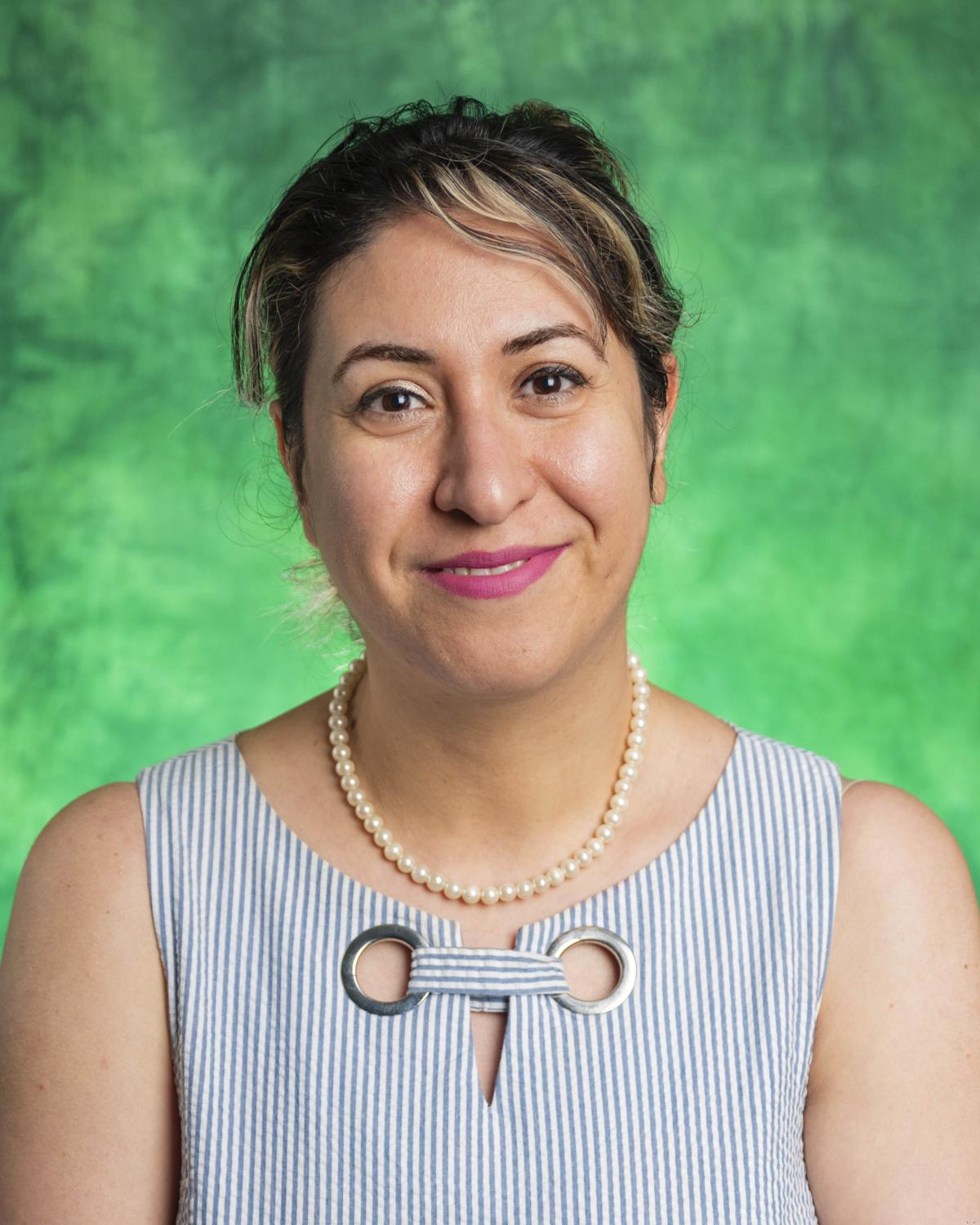
Dr. Amanda Woodrow is a Research Fellow at Edinburgh Napier University's School of Health and Social Care, specializing in mental health research with a focus on psychosis, trauma, and decision-making impairments. Her work investigates causal pathways between childhood trauma and psychosis, alongside developing interventions to address symptoms in clinical settings. She holds a PhD from Edinburgh Napier University (2021) and has contributed to multi-site trials such as DEC:IDES and PICASSO, funded by the Chief Scientists Office. These projects involved collaborations with NHS regions and universities including Glasgow, Lancaster, and Manchester. Her research interests include complex PTSD in psychotic populations, emotion regulation, and thought disorder. She has published on decision-making deficits in psychosis and mental health interventions for justice-involved women. Dr. Woodrow is also a core researcher in the Scottish COVID-19 Public Inquiry, analyzing pandemic impacts on adult and child social care systems. Current and past projects include supervising doctoral candidates exploring implicit self-esteem's role in paranoia and cultural influences on first responders' psychological well-being. She actively participates in the Centre for Mental Health Practice, Policy and Law Research group.
Martin Fussenegger is a Professor of Biotechnology and Bioengineering at both the Department of Biosystems Science and Engineering (D-BSSE) of ETH Zurich in Basel and the University of Basel. He is a leading expert in synthetic biology, mammalian cell engineering, and metabolic disorder correction through designer cell implants. Education: Graduated under Werner Arber at the University of Basel (1992) Ph.D. in Medical Microbiology (1994) with Volkmar Braun at the Max Planck Institute of Biology in Tübingen Postdoctoral studies on host-pathogen interactions with Thomas F. Meyer at the Max Planck Institute of Infection Biology in Berlin (1995) His research focuses on designing synthetic gene circuits that implement complex control and closed-loop expression logic, as well as developing theranostic designer cell implants that interface with host metabolism to correct metabolic disorders like diabetes, obesity, and neurodegenerative diseases. Recent work emphasizes electrogenetics and synthetic immunology. Scientific Awards: Swiss National Science Foundation Professor Award (2002) Gaden Award (2003) ERC Advanced Grants (2012, 2018) James E. Bailey Award (2015) Medal of the European Society for Animal Cell Technology (ESACT) (2015) Fussenegger has served in leadership roles including Chairman of ETH Zurich's Department of Biosystems Science and Engineering (2009-2010) and Director of Studies for the ETH Zurich Biotechnology Curriculum (2005-2013). He is a member of AIMBE, EMBO, SATW, and the US National Academy of Engineering.
Mikko Hiltunen is a Professor of Tissue and Cell Biology at the Institute of Biomedicine, School of Medicine, University of Eastern Finland. His research focuses on molecular mechanisms of neurodegenerative disorders, particularly Alzheimer's disease and idiopathic normal pressure hydrocephalus (iNPH). He leads several research groups including the Molecular Genetics of Alzheimer's Disease (Hiltunen Lab) and participates in the Brain Research Unit and Genome Center of Eastern Finland. Research interests span Alzheimer's pathogenesis, neuroinflammation, genetic risk factors, biomarker discovery, and therapeutic development. His work integrates molecular biology, genetics, and clinical neuroscience to investigate microglial function, amyloid pathology, and cerebrospinal fluid biomarkers. Key areas include APOE genetics, PLCγ2-mediated neuroprotection, and machine learning applications in neurodegeneration. His recent publications demonstrate a strong focus on cerebrospinal fluid biomarkers, genetic association studies, neuroinflammation mechanisms, and therapeutic interventions. Article themes consistently emphasize microglial biology, genetic risk modifiers, and translational approaches for Alzheimer's and iNPH. Collaborative projects include Neuro-Innovation (2021-2026) and NOVEL MSCA Postdoctoral Programme (2024-2029). Hiltunen leads the Clinical Alzheimer Research group and co-directs the UEF Brain Research Unit. His team utilizes advanced models including iPSC-derived microglia and pericyte systems to study neurovascular interactions. Current work explores phospho-tau immunotherapy, lysosomal dysfunction, and polygenic risk score applications across diverse populations.
Hedieh Hashemi Hosseinabad is an Assistant Professor in the Department of Audiology and Speech Language Pathology at the University of North Texas. She holds a Ph.D. in Speech and Hearing Science from the University of Cincinnati, a Master’s in Speech Language Pathology from Tehran University of Medical Sciences, and a Bachelor of Science from Isfahan University of Medical Sciences. Certified by the American Speech-Language-Hearing Association (CCC-SLP), she has 14+ years of clinical experience specializing in children with cleft palate and velopharyngeal insufficiency (VPI). Her research focuses on two core areas: (1) factors influencing speech intelligibility in VPI, including acoustic and perceptual measures, and (2) persistent speech disorders in children with cleft palate, particularly those with co-occurring syndromic conditions. She employs multidisciplinary methods such as ultrasound biofeedback, high-speed nasopharyngoscopy, and acoustic analysis to assess and treat speech disorders. Her work analyzes speech characteristics across vowel contexts, velopharyngeal mechanisms, and surgical outcomes. Recent studies explore the impact of noise environments, listener expertise, and lexical factors on speech intelligibility. She has contributed to improving clinical protocols for speech assessment and therapy in cleft palate populations. Her research and clinical practice emphasize translational approaches to enhance speech outcomes and quality of life for affected children. Collaborations include cleft care teams in Iran, as reflected in studies involving the Isfahan Cleft Care Team.
Carlo Leget (born 1964) is a full professor of care ethics at the University of Humanistic Studies in Utrecht, the Netherlands, a position he has held since 2012. He serves as chair of the care ethics department and is responsible for the Master in Care Ethics & Policy program. Leget is also the director of research at the university and a member of the Health Council of the Netherlands. Previously, he served as vice-president of the European Association for Palliative Care from 2012-2019 and co-founded the EAPC reference group on spirituality. Leget has a background in theology, medical ethics and care ethics. His research focuses on the intersection of care, meaning and end of life issues. He developed the diamond model for existential care at the end of life in secularized societies, based on medieval art of dying traditions. This model has been widely adopted in the Netherlands and Belgium, integrated into medical monitoring systems for palliative patients, and is currently being validated across 7 European countries through the EU-project Raphael. His research spans interdisciplinary collaborations across ethics, philosophy, medical science, nursing science, anthropology, psychology and theology. Current research centers around care ethics development combined with empirical studies on vulnerability across life stages, loss and grief, moral epistemology, and phenomenology. Leget has written three books and numerous scientific papers, some translated into German, Spanish and Portuguese. Recent publications demonstrate consistent focus on palliative care ethics, existential dimensions of healthcare, and practical applications of care ethics frameworks across diverse healthcare settings including end-of-life care, dementia care, and pediatric palliative care. His work shows strong integration of theoretical care ethics with practical healthcare applications. Member of the Health Council of the Netherlands Former vice-president of the European Association for Palliative Care (2012-2019) Co-founder of the EAPC reference group on spirituality Director of the Center for Grief and Existential Values Committee member at 's Heeren Loo Advisory board member for 'Nu Niet Zwanger' at GGD GHOR Nederland Leget supervises numerous research projects and has directed 25 supervised works. Current research projects include integrating palliative care approaches for heart failure patients, examining age limits in healthcare legislation, studying vulnerability in families with medically complex children, analyzing ethical dimensions of COVID-19 policy choices, and exploring autonomy in maternal-midwife relationships. He leads the EU-project Raphael which will validate his diamond model across 7 European countries starting in January 2024. Leget directs research activities at the University of Humanistic Studies and leads the Center for Grief and Existential Values. His interdisciplinary teams include collaborators from medical science, nursing, theology, anthropology, and psychology, reflecting his commitment to cross-disciplinary approaches to care ethics and end-of-life issues.
Dr. Maria Ospina is an Associate Professor in the Department of Public Health Sciences at Queen's University, with cross-appointments in Obstetrics and Gynaecology. She holds the Canada Research Chair in Life Course, Health Development and is recognized for her innovative research in perinatal epidemiology. Her work focuses on social and environmental determinants of health across the life course. Her research program DMETRE investigates how exposures during pregnancy and early childhood impact long-term health outcomes using mixed-methods, GIS, and knowledge synthesis. Key areas include health inequalities, maternal-child health interventions, and environmental epidemiology. Dr. Ospina has secured over $5 million in research funding and has published extensively on perinatal outcomes and health services utilization. Her work demonstrates consistent focus on vulnerable populations and health equity. Awarded the Martha Cook Piper Research Prize in 2020, she is recognized for developing novel methodological approaches to study complex environmental exposures. She leads multidisciplinary teams examining geographic disparities in healthcare access.
Margit Neisig is an Associate Professor and Head of Study for Business Programs at Roskilde University's Department of Social Sciences and Business Management. Her work focuses on management and organizational systems theory, particularly addressing the Twin Transition (sustainability and digitalization). She leads Interreg projects like CONSIDERATION (enhancing SMEs' digital/sustainable transformation) and the Fehmarn Belt Learning Region (cross-border collaboration methods). She is authoring a book on Regenerative Leadership using Luhmann’s social systems framework. Research interests include circular economy, systemic processes, and structural couplings between social/non-social systems. Her projects emphasize practical collaboration between academia and industry. Recent media coverage highlights her work on cross-border education initiatives and SME sustainability. Key contributions involve developing intervention methods via digital platforms for SME transformation and creating facilitation tools for Danish-German organizational collaboration. She actively participates in transnational research networks and academic conferences like EURAM.
Cherie Armour is a Professor of Psychological Trauma and Mental Health at Queen's University Belfast's School of Psychology. She holds leadership roles, including Director of the Research Centre for Stress Trauma and Related Conditions (STARC), and is actively involved in global trauma-related research and policy. Her work focuses on understanding mental health outcomes in trauma-exposed populations, including military veterans, emergency workers, and victims of domestic violence. She has led over 8 funded projects, including studies on PTSD mechanisms, veteran mental health, and pandemic mental health impacts. Academic Roles: Module convenor for 'Real World Applications of Psychology' and 'Forensic Psychology & Crime'. Education: PhD from Ulster University (2010), MSc in Forensic Psychology (part-time). Research Interests: PTSD, resilience, sleep-mental health links, child maltreatment, and domestic violence. She explores biological, psychological, and social factors influencing trauma outcomes across populations. Awards: Belfast Ambassador Award (2019), Ulster University Distinguished Fellowship (2015), Excellence in Research Supervision (2015). Advising & Grants: Supervises multiple PhD students and leads projects funded by MRC, ESRC, and the Royal British Legion. Her work addresses veteran family wellbeing, youth mental health tech solutions, and global PTSD models. Labs/Teams: Directs STARC and collaborates internationally on trauma studies, including projects in Colombia, South Africa, and Cambodia.
Lutz Prechelt is Professor of Informatics at Freie Universität Berlin where he heads the Software Engineering research group (AG SE). His academic journey spans theoretical foundations, industry experience, and extensive empirical research in software engineering. He has held significant administrative positions including Executive Director of the Institute of Informatics and member of various academic senates. Prechelt's research interests have evolved from artificial intelligence and neural networks to empirical software engineering, with a recent focus on qualitative approaches to Agile processes and Pair Programming. His work has consistently emphasized methodological rigor, having conducted pioneering controlled experiments on topics like type-checking, inheritance depth, design patterns, and the Personal Software Process. His research has also ventured into plagiarism detection (JPlag), melody recognition, and qualitative studies of pair programming dynamics. His publication record shows a clear transition from quantitative to qualitative approaches in empirical software engineering. Early work featured controlled experiments on specific technical aspects of software development, while more recent publications focus on qualitative analysis of team dynamics, agile methodologies, and research methodology itself. A notable thread throughout his career has been platform comparison studies (Plat_Forms) examining how different technologies affect development outcomes. Ernst Denert Software Engineering Award 2020 Prechelt has served extensively as reviewer for major funding agencies including DFG, EU, ERC, and BMBF, and as editor for journals like Journal of Universal Computer Science and Transactions on Pattern Languages of Programming. He founded the Forum for Negative Results (FNR) to address publication bias in scientific research. His research group has developed several notable software tools including Saros for distributed pair programming, JPlag for plagiarism detection, and tools for maintainable lecture videos.
Dr. Agnès Patuano is an Assistant Professor at Wageningen University & Research, specializing in Landscape Architecture and Spatial Planning. Her research integrates environmental psychology and design methodologies to create health-promoting urban environments. She leads the BENIGN project, investigating blue-green infrastructure's impact on urban health, involving municipalities like Leiden and Dordrecht. She teaches courses such as MSc Thesis Landscape Architecture, Research Methodology for Planning, and Design Practice. Her expertise spans urban green infrastructure, behavioral studies, and interdisciplinary approaches to spatial design. Education & Teaching: She instructs multiple graduate courses including MSc Theses supervision, Research Methodology, and Design Practice. Her courses emphasize evidence-based design and research through design principles. LAR80424 MSc Thesis Landscape Architecture LUP36806 Landscape Theory and Analysis LAR71824 Design Practice Research Focus: Agnès bridges theory and practice by developing methodologies to optimize urban spaces for both human and ecological health. Key topics include urban heat mitigation, green infrastructure design, and the psychological benefits of green spaces. Her work addresses climate adaptation and equity in spatial planning. Projects: The BENIGN project (2022–present) focuses on co-designing blue-green interventions to improve urban living conditions through interdisciplinary collaboration with municipalities and civil society. Awards & Recognition: No specific scientific awards are listed, though her contributions to urban health research are notable. Grants & Advising: She secures research funding through consortium partnerships. Her advising focuses on MSc theses in landscape architecture, emphasizing interdisciplinary research. Labs & Teams: Collaborates with Wageningen's research groups on projects involving urban ecology, spatial planning, and behavioral science.
Monique Pfaltz is a Professor at Mid Sweden University's Department of Psychology and Social Work (PSO). Her research focuses on trauma psychology, childhood maltreatment, and mental health interventions, with emphasis on social functioning, emotional regulation, and clinical outcomes. She leads projects like the Child Trauma Network and studies body-oriented treatments for trauma-related symptoms. Her work explores how adverse childhood experiences impact interpersonal relationships, facial expression recognition, and physiological responses. Key themes include cross-cultural analyses of maltreatment effects, resilience mechanisms, and validated psychological scales (e.g., Emotion Reactivity Scale, Intimacy Scale). Publications highlight trauma's influence on social distance preferences, depression, and PTSD symptom severity. She collaborates globally, addressing refugee mental health and scalable interventions like Problem Management Plus (PM+). Grants and projects emphasize preventive strategies for allostatic load, cultural variability in trauma responses, and psychosocial support systems. Her research bridges clinical practice and theoretical models in trauma psychology.
Jørn Østvik is an Associate Professor at the Institute of Mental Health within the Faculty of Medicine and Health Sciences at NTNU (Norwegian University of Science and Technology). He holds dual roles in research and education, leading the research group 'Communication, Interaction and Early Intervention in a Lifespan Perspective.' His work focuses on disability studies, alternative and augmentative communication (AAC), and inclusive education. Østvik has been affiliated with Statped (Norway’s special education service) since 1996, contributing to research and policy development in special needs education. Education background includes a Ph.D. in Health Sciences (2017) and a Master of Science in Psychology (1996), both from NTNU. His expertise spans qualitative research methods, social relationships among AAC users, and mental health challenges faced by individuals with communication disabilities. He actively participates in international networks like Citizen Network Norway and the ISAAC Research Committee. Research interests emphasize improving social inclusion, mental well-being, and educational access for people with disabilities. Notable projects include a scoping review on mental health among AAC users (2024) and studies on inclusive education policies in Norway. His teaching responsibilities include courses in psychology, pedagogy, and AAC communication for nursing and mental health master’s programs. Østvik’s publications highlight themes such as AAC’s role in fostering friendships, barriers to inclusion in higher education, and early intervention strategies for children with communication needs. His work bridges academic research with practical applications, advocating for systemic changes to support marginalized groups.
Marc A. Grimmett serves as Professor and Associate Department Head in the Department of Educational Leadership, Policy, and Human Development within the College of Education at North Carolina State University. He coordinates the clinical mental health counseling program and founded the Community Counseling, Education, and Research Center (CCERC). His professional identity centers on the RADICAL scholarship framework (Research Action to Deconstruct Institutionalized Cultures and Advocate for Liberation), with research concentrated in four interconnected areas. Dr. Grimmett's educational background includes a doctorate in counseling psychology from the University of Georgia and a postdoctoral fellowship at the University of South Carolina Counseling and Human Development Center, with specialized training in multicultural counseling, marriage and family therapy, substance abuse counseling, and sexual trauma. His research interests focus on preventing gender-based violence through education, activism, and male engagement; facilitating access to community mental health services; transforming systemic factors affecting African American development (particularly males); and developing social justice approaches in counselor education. This work manifests through community partnerships, transformative masculinity initiatives, and the development of innovative teaching methods grounded in liberation psychology. Analysis of his recent publications reveals consistent thematic threads across counseling psychology, social justice education, and African American male experiences. His scholarly output demonstrates growing emphasis on documentary filmmaking as an intervention tool, with particular focus on the #MeToo movement's implications for Black male students and communities. The research trajectory shows increasing interdisciplinary collaboration and community-based participatory approaches. Dr. Grimmett serves as executive producer, co-director, and co-writer of MY MASCULINITY HELPS, an educational documentary exploring African American men's roles in sexual violence prevention. His leadership extends to directing the CCERC, which functions as both a training ground for counseling students and a community mental health resource. The center embodies his commitment to bridging academic scholarship with practical community impact through its integrated service, education, and research mission.
Dr. Stacey Vanderhurst is an Associate Professor in the Department of Women, Gender, & Sexuality Studies at the University of Kansas. She holds courtesy appointments in Global and International Studies and African and African American Studies. Her research focuses on anti-trafficking programs in Nigeria, gendered migration policies, and the moral dimensions of women's mobility. She has conducted extensive ethnographic fieldwork in Nigerian state-run shelters for trafficking victims. Dr. Vanderhurst currently serves on the executive committees of KU's Center for Undergraduate Research and the Kansas African Studies Center. Education: PhD from Brown University. Research Interests: Dr. Vanderhurst examines intersections of public outrage and policy, particularly regarding gendered migration and human trafficking. Her work integrates cultural anthropology with governance frameworks, analyzing how anti-trafficking initiatives shape women’s lives and mobility rights. Key themes include global feminisms, development frameworks, and the ethical complexities of state interventions. Funding & Support: Her research has been supported by the National Science Foundation, Social Science Research Council, Wenner-Gren Foundation, and American Council of Learned Societies. Teaching: Courses include qualitative research methods, global feminisms, and gender and development. She focuses on experiential learning and critical feminist methodologies.
Professor Simon Lewis is a Consultant Neurologist and Professor of Cognitive Neuroscience at the University of Sydney's Brain and Mind Centre within the Faculty of Medicine and Health. He serves as Clinical Director of the Ageing Brain Clinic and Director of the Parkinson's Disease Research Clinic, while also heading the NSW Movement Disorders Brain Donor program. With over 200 peer-reviewed publications, 2 books, and 8 book chapters to his name, Professor Lewis has secured more than $10 million in research funding from prestigious sources including the NHMRC, ARC, and Michael J Fox Foundation. Professor Lewis's research primarily focuses on dementia and Parkinson's disease, with particular expertise in cognitive neuroscience, movement disorders, and REM sleep behavior disorder. His work spans from basic neuroimaging studies to clinical trials investigating novel interventions for neurodegenerative conditions. He has pioneered research on freezing of gait in Parkinson's disease, visual hallucinations in Lewy body disorders, and the relationship between circadian rhythms and neurodegeneration. His laboratory employs a multidisciplinary approach combining clinical assessment, neuroimaging (structural and functional MRI), neurophysiological measurements, and innovative computational methods to understand disease mechanisms. The trajectory of Professor Lewis's recent publications reveals a growing emphasis on biomarker discovery for early diagnosis and disease progression, with increasing integration of artificial intelligence and machine learning approaches to analyze complex movement and sleep data. His work increasingly bridges basic neuroscience with clinical applications, particularly in developing targeted interventions for non-motor symptoms of Parkinson's disease. The collaborative nature of his research is evident in the international authorship patterns across his publications. Among his notable accolades is the Leonard Cox Award (2014) from ANZAN recognizing his significant contributions to neuroscience as an early career neurologist. Professor Lewis serves on multiple editorial boards including Movement Disorders, Translational Neurodegeneration, and Journal of Neurology, Parkinson's and Related Disorders. He actively contributes to international committees such as the Movement Disorders Society Asian Oceanian Section Executive Committee and the International REM Sleep Behaviour Study Group. Professor Lewis leads the world-leading Parkinson's and Related Diseases Research Group at the Brain and Mind Centre, which attracts PhD students interested in understanding disease mechanisms, developing biomarkers, and creating novel treatment modalities for Lewy body-related diseases. His international collaborations span institutions in the Netherlands (Radboud UMC), United Kingdom (King's College London, Cambridge, Newcastle), and other global centers of excellence in Parkinson's research. His work exemplifies a translational approach from bench to bedside, with particular focus on improving quality of life for patients with neurodegenerative conditions.