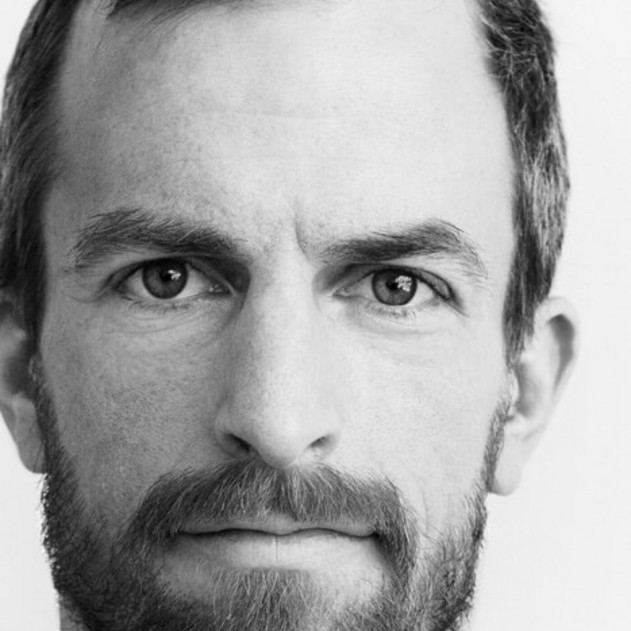
Kun YangView profile
Professor
Dr. Kun Yang is a Professor at Tsinghua University's Department of Earth System Science in Beijing, China. His research focuses on regional climate model development, land data assimilation, climatic change research, and renewable energy resource assessment and prediction, with particular emphasis on Tibetan Plateau climate studies. Dr. Yang's educational background includes: Ph.D. in Hydrometeorology from The University of Tokyo (1997-2000) M.S. in Environmental Hydraulics from Tsinghua University (1994-1997) B.S. in Fluid Mechanics and Fluid Machinery from Tsinghua University (1989-1994) Professor Yang's research primarily investigates the complex interactions between land surface processes and atmospheric systems, with special focus on the Tibetan Plateau - often referred to as the 'Third Pole.' His work spans regional climate modeling, soil moisture-precipitation coupling, land data assimilation techniques, and renewable energy assessment. The Tibetan Plateau serves as a critical region for understanding Asian monsoon systems and global climate patterns, making his research highly significant for both regional and global climate science. Professor Yang has received notable recognition for his research contributions: Highly Cited Researcher by Clarivate (2021-present) Highly Cited Chinese Researcher by Elsevier (2020-present) With an impressive publication record of over 300 peer-reviewed articles and more than 20,000 citations, Professor Yang maintains active research funding supporting his work in climate modeling and earth system science. His research group at Tsinghua University collaborates extensively with institutions across China and internationally, contributing to major climate research initiatives including the Global Energy and Water Exchanges (GEWEX) program. Professor Yang leads an active research laboratory at Tsinghua University focused on advancing regional climate models, particularly for the challenging terrain of the Tibetan Plateau. His lab develops innovative approaches to land data assimilation and investigates critical questions about climate change impacts on water resources and energy systems in high-altitude environments.