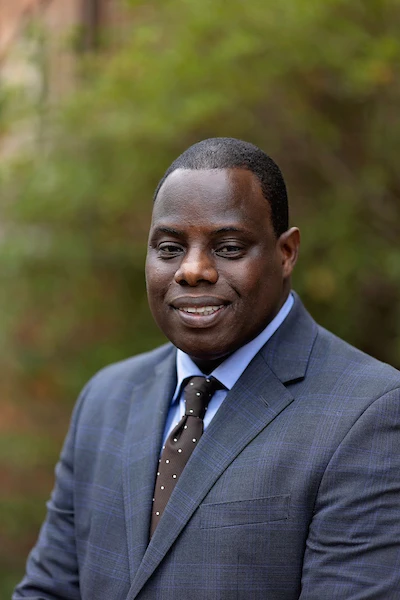
Dr. Chunzhe Lu is a researcher at the University of Groningen's Chemical Biology group. His work bridges nanotechnology and biotechnology with recent focus on single-molecule protein sequencing. Research develops novel nanopore-based methods for protein characterization at unprecedented resolution. Complementary work explores microbial engineering for sustainable chemical production using Pseudomonas putida platforms. Recent publications establish foundational approaches for next-generation biomolecular analysis. Recognized with a 2024 NWO XS grant for innovative protein sequencing methodologies. NWO XS Grant (2024)
Kevin Lin serves as an Associate Professor in the Department of Mathematics at the University of Arizona, where he bridges mathematical rigor with cutting-edge astrophysical research. His work centers on observational cosmology using James Webb Space Telescope (JWST) data, particularly through the JADES (JWST Advanced Deep Extragalactic Survey) collaboration, focusing on galaxy formation during the universe's first billion years. Dr. Lin's research spans redshifts z>3 to beyond z=14, probing the epoch of reionization and the properties of primordial galaxies. His primary research interests encompass high-redshift galaxy evolution, chemical enrichment processes in the early universe, and the physical mechanisms driving star formation and black hole growth. Lin specializes in analyzing multi-wavelength JWST data (NIRCam, NIRSpec, MIRI) to study stellar populations, nebular emission, and gas dynamics in galaxies at cosmic dawn. Key areas include the star-forming main sequence at z>3, metallicity evolution in infant galaxies, and the nature of obscured active galactic nuclei during reionization. His methodology integrates advanced statistical techniques with deep field spectroscopy to constrain galaxy assembly histories. Analysis of Lin's 15 most recent publications reveals a concentrated research trajectory centered on JADES survey results, with 100% of 2024-2025 output examining z>5 galaxies. Dominant themes include the discovery and characterization of 'Little Red Dots' (LRDs), metal enrichment signatures at z>10, and Lyman-alpha emitter properties during reionization. His work consistently leverages JWST's unprecedented resolution to dissect galaxy morphologies, stellar masses, and ionized gas kinematics in the high-redshift universe, with particular emphasis on JWST instrument capabilities and survey methodologies. As an active JADES collaboration member, Lin contributes to major international efforts mapping cosmic structure formation. His work interfaces with complementary surveys including BlackTHUNDER and SAPPHIRES, focusing on transient phenomena and emission-line galaxies. Current research directions involve resolving the stellar components of z>10 galaxies and investigating the connection between AGN activity and host galaxy evolution during cosmic noon.
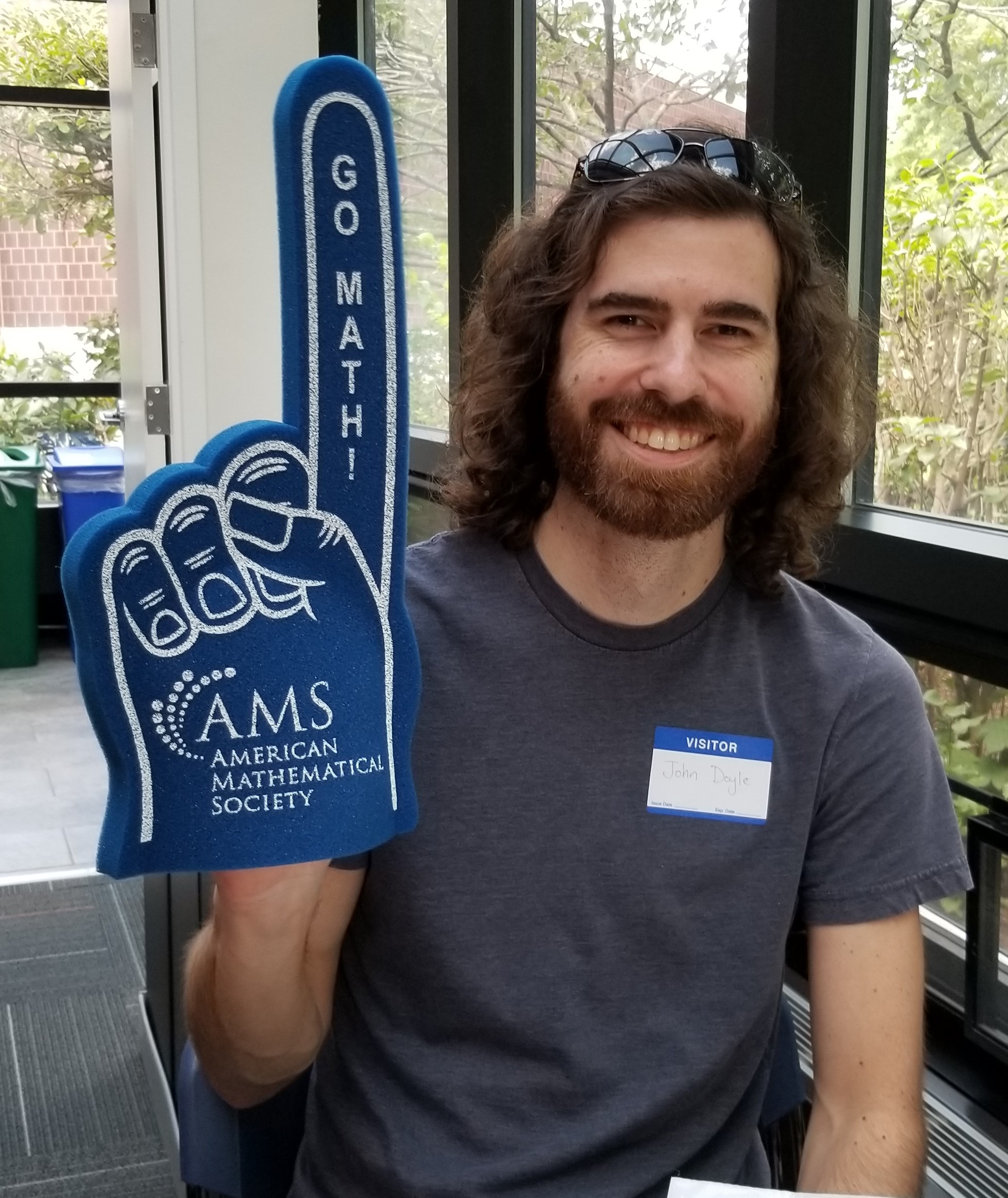
John R. Doyle serves as Associate Professor in the Department of Mathematics at Oklahoma State University, specializing in arithmetic dynamics with complementary work in arithmetic geometry and algebraic number theory. His research investigates rational functions over fields of arithmetic interest including rational numbers, number fields, p -adic fields, and function fields, with particular focus on dynamical moduli spaces and their applications to the dynamical uniform boundedness conjecture of Morton and Silverman. Dr. Doyle earned his bachelor's, master's, and doctoral degrees in mathematics from the University of Georgia, the first state-chartered university in the United States. Following graduate studies, he completed a three-year postdoctoral appointment at the University of Rochester before joining Louisiana Tech University as an assistant professor in 2017. His academic journey reflects progression through major research institutions with increasing responsibility in both teaching and research. His research program centers on the intersection of dynamical systems and number theory, examining preperiodic structures in polynomial dynamics. Doyle's work frequently involves constructing and analyzing dynamical moduli spaces that parametrize rational maps with specified preperiodic behavior. This research contributes significantly to addressing fundamental questions about uniform boundedness of preperiodic points across number fields, connecting Galois theory with dynamical systems in innovative ways. Dr. Doyle maintains an active publication record with numerous articles in top-tier mathematics journals including Transactions of the American Mathematical Society , Compositio Mathematica , and Mathematische Annalen . His recent publications demonstrate consistent advancement in understanding preperiodic points, dynamical modular curves, and Galois-theoretic aspects of arithmetic dynamics, with several 2024-2025 publications indicating ongoing productive research. As an educator, Doyle teaches across the mathematics curriculum at Oklahoma State University, from foundational calculus courses to advanced graduate seminars in algebraic curves and arithmetic dynamics. His teaching portfolio reflects deep expertise in algebra and number theory, with current Spring 2025 offerings including Abstract Algebra II and specialized graduate coursework. His pedagogical approach connects advanced research topics with undergraduate and graduate instruction, enriching the mathematical education experience for students at all levels.
Gina Dolan is an academic and Associate Dean within the Faculty of Life Sciences and Education. She is affiliated with the Hydra Research and Innovation Group and the Health, Care and Wellbeing Research and Innovation Group, contributing to research with relevance to the UN Sustainable Development Goals. Her work spans clinical and health services research, particularly in lymphedema, chronic pain, and patient-centered care. Research Interests: Her expertise lies in lymphedema management, intermittent pneumatic compression therapy, manual lymphatic drainage, and the use of digital health information by patients. She also investigates doctoral supervision practices in higher education. Her research integrates clinical innovation with patient outcomes and healthcare delivery. The recent publications (2021–2024) reflect a strong focus on rehabilitation technologies for lower limb lymphedema and evolving practices in academic supervision. These works demonstrate a dual commitment to clinical advancement and educational leadership. Scientific Awards: No awards explicitly mentioned in the provided text. Advising and Grants: Gina Dolan completed her PhD in 2006 on patients' use of internet health information. She has contributed to the supervision of at least 10 academic works, indicating an active role in mentoring students and early-career researchers. While specific grants are not listed, her sustained research output suggests involvement in funded projects. Labs and Teams: She is a member of the Hydra Research and Innovation Group and the Health, Care and Wellbeing Research and Innovation Group, both within the Faculty of Life Sciences and Education, indicating active collaboration in interdisciplinary health research.
Jonathan D. Tward is a tenured Professor in the Department of Radiation Oncology at the University of Utah and directs the Huntsman Cancer Institute (HCI) Genitourinary Cancers Center (GUCC). With expertise in prostate, bladder, and penile cancers , he pioneers AI-driven digital-molecular oncology through innovations in precision radiation therapy , multimodal imaging , and prognostic biomarker development . Education: BS in Biology (UCLA), PhD in Biochemistry, MD (Tufts University), Residency in Radiation Oncology (University of Utah) Leadership: Director of GUCC, Utah ASTRO State Captain, NCCN Guideline Panel Member His research integrates machine learning with genomic/transcriptomic profiling to optimize radiation workflows and validate molecular signatures in clinical trials. He is a globally recognized authority in AI-enabled cancer discovery and digital pathology , holding the Vincent P. and Janet Mancini Endowed Chair. Dr. Tward’s work emphasizes resource-stratified oncology solutions for low/middle-income settings. Scientific awards include the Vincent P. and Janet Mancini Presidential Endowed Chair and Fellowship in the American Society for Radiation Oncology (FASTRO) . His 100+ peer-reviewed publications focus on AI-guided treatment adaptation , cell-cycle risk modeling , and multimodal prognostication in GU malignancies. Patient testimonials highlight his empathetic care , technical precision , and global leadership in radiation oncology.
François Major is a Full Professor at the Université de Montréal, holding positions in both the Faculty of Arts and Sciences (Department of Computer Science and Operations Research) and the Faculty of Medicine (Department of Biochemistry and Molecular Medicine). He leads research in bioinformatics, focusing on RNA structure and function, and is affiliated with the IRIC (Institut de Recherche en Immunologie et en Cancérologie) and LBIT (Laboratoire de Biologie Informatique et Théorique). His work integrates computational methods to study RNA's role in gene expression and disease, particularly cancer. Education: PhD in Computer Science (1990, Université de Montréal), postdoctoral training at NCBI under David Lipman. Joined Université de Montréal in 1994 and became an IRIC Principal Investigator in 2005. Research Interests: Bioinformatics tools for RNA structure prediction, RNA dynamics modeling, and applications in gene silencing mechanisms. His lab develops algorithms to analyze RNA motifs and predict functional interactions, with a focus on non-coding RNAs and their roles in molecular medicine. Grant Highlights: Computational analysis of RNA structure/function (CRSNG, 2020–2027) CRC-IRICoR Platform for RNA design (2023–2025) Genome Canada-funded multi-target RNA therapeutics (2016–2021) Students: Supervised over 30 graduate students since 2000, focusing on RNA bioinformatics, structural biology, and computational genomics. Awards: 2010 Prix Urgel-Archambault (Acfas) for contributions to bioinformatics and RNA research. Labs: Leads LBIT and collaborates with IRIC, focusing on RNA-based therapies and structural bioinformatics.
Michael Zoltowski is the Thomas J. and Wendy Engibous Professor of Electrical and Computer Engineering at Purdue University's College of Engineering. He specializes in radar systems, signal processing, and wireless communication technologies. His research focuses on MIMO radar waveform design, OFDM transmission optimization, and adaptive beamforming techniques. He holds positions in committees such as the Engineering Named Professorships Committee and Faculty Awards Committee. His research interests include radar signal design, waveform diversity, and advanced OFDM systems. He has contributed extensively to topics like Doppler-tolerant radar ambiguity functions, bistatic radar detection, and millimeter-wave beamforming. His work integrates machine learning into radar systems and explores applications in UAV environments. Notable contributions include developing complementary sequence techniques for OFDM transmission, low-complexity detection algorithms in massive MIMO systems, and adaptive beamforming codebook designs. His publications span over two decades, with recent work focusing on high-resolution radar imaging and interference mitigation strategies. Zoltowski has advised numerous projects in radar technology and wireless communications but no specific student names are listed in the provided texts. His work is supported by institutional and external grants, though specific funding details are not disclosed here.
Alphan Sahin serves as Assistant Professor in Electrical Engineering at the University of South Carolina's Molinaroli College of Engineering and Computing since August 2019, specializing in physical-layer wireless communication systems with expertise spanning signal processing, machine learning, and 5G/6G standards development. His academic foundation includes: B.S. Electrical Engineering (2005), Istanbul Technical University B.S. Telecommunications Engineering (double major, 2006), Istanbul Technical University M.S. Electrical Engineering (2008), Istanbul Technical University Ph.D. Electrical Engineering (2013), University of South Florida Research integrates signal processing, communication theory, and AI/ML algorithms to solve physical-layer challenges: Complementary sequence design for low-PAPR OFDM systems Index modulation with chirp signals for integrated radar-communication Distributed learning over wireless networks using FSK and DFT-spread techniques Waveform optimization for IEEE 802.11 and 3GPP 5G NR standards His 12 publications (2020-2022) reveal consistent innovation in physical-layer techniques, particularly complementary sequences and machine learning applications for wireless systems, earning recognition through two major paper awards. Scientific recognition includes: Best Paper Award at IEEE CCNC 2021 Outstanding Paper Award at ICNS 2020 Industry-academia collaboration drives his research, leveraging prior experience at InterDigital for standards development and current university-industry partnerships advancing wireless communication technologies. Dr. Sahin leads research within USC's wireless communications group, focusing on next-generation physical-layer solutions through hands-on development of novel waveforms and machine learning frameworks.
Georges Adunlin is an Associate Professor at the McWhorter School of Pharmacy, Samford University, within the Department of Pharmaceutical, Social and Administrative Sciences. His expertise spans pharmacoeconomics, health economics, and health policy, with a focus on health technology assessment and disparities in healthcare access. He holds a PhD in Pharmacoeconomics and Health Outcomes Research from Florida A&M University, along with advanced degrees in economics and education. Education Background: Postdoctoral Fellowship: Cancer Prevention and Control, Virginia Commonwealth University School of Medicine PhD: Pharmacoeconomics and Health Outcomes Research, Florida A&M University MA: Economics, Brooklyn College MSEd: Samford University BS: Economics, Staten Island College Research Interests: Dr. Adunlin examines the economic evaluation of health technologies, prescription drug policies, and the impact of public policies on underserved populations. His work bridges pharmacy, economics, and public health to address systemic inequities in healthcare access and outcomes. Publications: Over 39 peer-reviewed articles, focusing on topics like pharmacoeconomic education, immuno-oncology drug policy, and barriers to cancer screening among immigrant populations. Recent work emphasizes curriculum development for pharmacy students and cost-effectiveness analysis in oncology. Professional Engagement: Active member of organizations such as the International Society for Pharmacoeconomics and Outcomes Research (ISPOR) and the American Association for Cancer Research (AACR). His teaching focuses on economic and administrative aspects of pharmacy practice. Grants & Mentorship: Committed to empowering students through mentorship, with research supported by analyses of healthcare policies and interventions targeting health disparities.
Jenna Bednar is a Professor at the University of Michigan's College of Literature, Science, and the Arts, affiliated with the Philosophy, Politics & Economics program. Her research focuses on institutional analysis, federalism, and constitutional design. She is associated with the Center for Political Studies and Institute for Social Research. Ph.D., Political Science - Stanford University M.A., Political Science - Stanford University B.A., Political Science (Honors College) - University of Michigan Professor Bednar's work examines the stability of federal states, complementary institutions in constitutional design, and the role of cultural capacity in governance. She employs formal modeling and comparative politics frameworks to analyze institutional incongruity, behavioral spillovers, and the paradoxes of democratic collapse. Recent research explores public engagement with local governance, transboundary compacts, and polarization's impact on federal systems. Key trends in her publications include institutional resilience, path dependence, game theory applications to federalism, and civic capacity dynamics. Her 2025 articles investigate data-driven governance and institutional incongruity models. Professor Bednar's academic contributions span federalism theory, judicial review, and policy diffusion mechanisms. Her work has been published in top-tier political science journals, with a focus on the robustness of federations and the interplay between institutions and culture. She contributes to the Center for Political Studies (University of Michigan) and has served as an advisor in institutional analysis. Her research often integrates behavioral economics, formal modeling, and complex adaptive systems approaches.
Dr. Tony Gamble serves as Associate Professor and Wehr Distinguished Professor in Marquette University's Department of Biological Sciences, where he leads research on evolutionary processes generating biological diversity in reptiles through genomic, developmental, and biogeographic approaches. His academic foundation includes: B.A. (2001) from Metropolitan State University, St. Paul, MN Ph.D. (2008) from University of Minnesota, St. Paul, MN Post-doctoral Fellowship (2008-2014) at University of Minnesota, Minneapolis, MN Dr. Gamble's research integrates three complementary domains: sex chromosome evolution using molecular genomics, locomotion-related morphological adaptations through developmental biology, and spatial-temporal species diversification via phylogenetics. His lab leverages lizards and snakes as model organisms to unravel complex evolutionary mechanisms, with particular emphasis on gecko clades where these processes intersect uniquely. Analysis of his 2015-2021 publications reveals dominant trends in sex chromosome evolution across diverse reptile lineages, morphological studies of adhesive structures (toe pads and tails), and Caribbean biogeography. His work consistently employs advanced genomic techniques like RAD-seq and transcriptomics, demonstrating methodological innovation while addressing fundamental evolutionary questions about adaptation and speciation. He holds the Wehr Distinguished Professorship, recognizing exceptional scholarly contributions to evolutionary biology at Marquette University. Dr. Gamble actively mentors graduate researchers, currently advising Kathryn Sullivan, Ashmika Behere, and Ryan Cook in their Ph.D. studies. His successful track record includes guiding Shannon Keating (2022), Aaron Griffing (2022), and Brendan J. Pinto (2020) to degree completion. His research program receives external funding enabling genomic sequencing, field expeditions, and student training across multiple continents. The Gamble Lab operates as a collaborative hub within Marquette's Wehr Life Sciences facility, maintaining strong international partnerships evident in his extensive co-authorship network. His team integrates field collection, laboratory analysis, and computational approaches to address macroevolutionary patterns through microevolutionary processes.
María del Carmen Pérez Rubio is a Professor at the University of Alcalá (UAH) specializing in Electronics Technology. With a Doctorate from UAH (2009) and two teaching five-year terms recognized, she has been actively involved in research, teaching innovation, and academic management since 2004. Education: PhD in Electronics Engineering, UAH (2009), Cum Laude, European Doctorate Mention, Ministry Quality Mention Master's Degree in University Teaching, UAH (2012) Electronic Engineering, UAH (2004), Top of Class Industrial Technical Engineering (Electronics), UAH (2002), Top of Class Her research focuses on ultrasonic positioning systems , sensor networks , and embedded systems , particularly in intelligent spaces, robotics, and transportation. She has contributed extensively to FPGA implementation, CDMA techniques, and acoustic signal processing. Her recent publications highlight advancements in acoustic positioning algorithms , multiband waveform design , and 3D localization using EMFi transducers. She combines technical research with pedagogical innovation in power electronics and electronic engineering education. Scientific Awards: Technology-Based Company Creation Prize (UAH, 2019) Knowledge Transfer Award (UAH, 2019) Excellence Campus Accesit (2018) Excellent Shotgun Presentation Prize (Ultrasonics 2023) Teaching Excellence Awards (2016, 2022) Teaching Innovation Group Excellence Mention (2015) She has directed 19 end-of-degree projects, 10 master's theses, and 1 doctoral thesis. Her management roles include coordinating the Electronic Engineering Degree (2014-2022) and serving as Electronics Department Secretary (2019-2022). She has participated in 30 research projects, including National Plan and RETOS programs, and collaborated in 4 patents.
Caleb Shor is a Professor in the Department of Mathematics at Western New England University, where he has taught since 2008. He also serves as director of the PROMYS for Teachers program at Boston University. His academic journey includes a Ph.D. in Mathematics from Boston University (2005) and a B.S. in Mathematics from Bates College (2000). Dr. Shor's educational background includes: Ph.D. in Mathematics, Boston University, 2005 B.S. in Mathematics, Bates College, 2000 Semester Abroad, Budapest Semesters in Mathematics, Technical University of Budapest, Spring, 1999 His dissertation was titled "On towers of function fields and the construction of the corresponding Goppa codes," advised by Dr. Emma Previato. Dr. Shor's primary research interests span multiple areas of pure mathematics with a focus on Numerical Semigroups , Algebraic Geometry , Number Theory , and Coding Theory . His work often bridges theoretical mathematics with applications in coding theory, particularly exploring connections between algebraic structures and error-correcting codes. A significant portion of his research examines properties of numerical semigroups, including their gaps, generators, and complementary structures, while his work in algebraic geometry frequently centers on superelliptic curves and Weierstrass points. Analysis of Dr. Shor's publication record reveals a consistent focus on numerical semigroup theory and algebraic geometry, with increasing attention to connections with coding theory in recent years. His most recent work (2022-2024) has explored equidistribution properties of numerical semigroup gaps and residues of shifted fractions, demonstrating the continued evolution of his research program while maintaining connections to his foundational work in semigroup theory. Dr. Shor has extensive teaching experience, having taught undergraduate courses including Introduction to Statistics, Calculus series, Differential Equations, Engineering Analysis, Linear Algebra, Modern Algebra, Complex Analysis, and Number Theory. At the graduate level, he teaches Calculus Revisited, Linear Algebra, and Number Theory in the MAMT program. He has advised numerous senior projects in mathematics, particularly in number theory, algebraic geometry, abstract algebra, numerical semigroups, and combinatorics.
Marylyn Ritchie serves as Professor of Genetics while holding key leadership positions including Vice Dean of Artificial Intelligence and Computing, Director of the Institute for Biomedical Informatics, and Co-Director of the Department of Biostatistics, Epidemiology and Informatics. Her work bridges computational methods with clinical genomics to address complex biomedical challenges through translational research. Her research program focuses on big data analysis in genetics and genomics, developing advanced bioinformatics approaches for polygenic risk scoring, multi-omics integration, and machine learning applications. She emphasizes inclusive research design through diverse population studies and addresses health disparities in genetic testing access. Current work includes developing ancestry-specific risk prediction models and fair AI diagnostics for neurodegenerative and ophthalmic conditions. Recent publications (2025) demonstrate leadership in Alzheimer's disease AI diagnostics, glaucoma genetics in African populations, hidradenitis suppurativa genomics, and cardiovascular risk modeling. She pioneers methods for enhancing polygenic score performance across ancestries while addressing ethical considerations in AI-driven healthcare. Professional recognition includes: Fellow of the American College of Medical Informatics (FACMI) Her administrative leadership in directing the Institute for Biomedical Informatics and Center for Translational Bioinformatics indicates active mentorship and research direction, though specific student lists and grant details aren't provided in available materials. She leads interdisciplinary teams in the Institute for Biomedical Informatics and Center for Translational Bioinformatics, developing computational tools for precision medicine implementation and advancing methods for translating genomic discoveries into clinical practice through multi-omics data integration.
Shefali Setia Verma, PhD serves as an Instructor in the Department of Pathology and Laboratory Medicine , holding an entry-level faculty appointment that combines teaching and translational research responsibilities. Education & Training: While specific degrees are not detailed in the provided text, her credential as “PhD Instructor” indicates doctoral-level training followed by post-doctoral or fellowship experience in computational biology, genomics, or a related quantitative biomedical field. Research Interests: Dr. Verma’s work is anchored at the intersection of genomics, bioinformatics, and women’s health . Core themes include: Integration and harmonization of large-scale electronic health record (EHR) data with genomic datasets to uncover disease mechanisms. Development and validation of polygenic risk scores (PRS) across diverse ancestries, with special attention to African and other under-represented populations. Translational application of multi-omics (genomics, proteomics, imaging-derived phenotypes) to complex diseases such as endometriosis, primary open-angle glaucoma, coronary microvascular disease, and cardiometabolic traits . Her methodological toolkit spans genome-wide association studies (GWAS), exome sequencing analyses, machine-learning-based risk modelling, and causal inference approaches , all aimed at advancing precision medicine. Publication Portfolio: Across 2024–2025 she has authored or co-authored more than thirty peer-reviewed articles. The collective body of work demonstrates a clear trend toward (1) expanding genomic discovery in ancestrally diverse cohorts, (2) integrating imaging or proteomic endophenotypes with germline genetics to sharpen disease prediction, and (3) translating these insights into clinically actionable tools for women’s health conditions such as endometriosis, preeclampsia, and breast cancer. Scientific Awards & Recognition: No specific prizes, fellowships, or named lectureships are mentioned in the provided text. Advising & Mentorship: No doctoral or master’s students are explicitly listed; however, her collaborative publication record suggests active mentoring and team science within large consortium efforts. Laboratory & Consortium Affiliations: While no dedicated laboratory name is supplied, her work is embedded within multi-institutional initiatives such as the Million Veteran Program and Global Biobank Meta-analysis Initiative, indicating access to extensive computational resources and diverse patient cohorts.