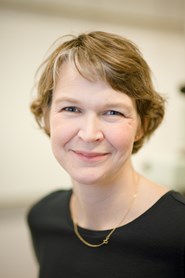
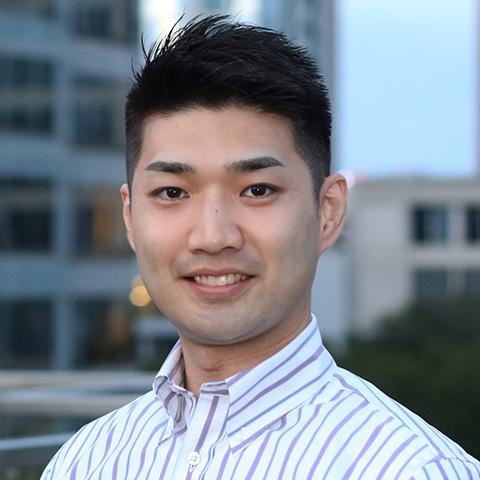
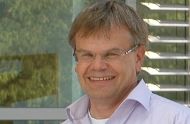
Lars Björck is a Professor and Associate Professor in Infection Medicine at Lund University’s Faculty of Medicine, affiliated with the BMC (Clinical Sciences Lund) campus. He serves as a Project Manager for Molecular Pathogenesis and a researcher in the epIgG and Infect@LU research groups. His work focuses on bacterial pathogenesis, immune modulation, and infectious disease mechanisms. Key research areas include Streptococcus pyogenes proteinases (e.g., IdeS), antibody interactions, and bacterial evasion of host immune responses. Research interests span bacterial protein function, antibody inactivation mechanisms, and vaccine development. His projects include studying immune modulating proteins (SIC and IdeS) and developing monoclonal antibodies against streptococcal pathogens. He has contributed to over 135 research outputs, with recent work emphasizing Streptococcal proteins’ roles in immune evasion and inflammatory responses. Lars Björck has led major projects such as the Hygieia initiative, a collaborative effort to develop strategies for infectious disease prevention and treatment. His research bridges molecular biology, immunology, and clinical applications, with a focus on translating findings into therapeutic solutions for infectious diseases.
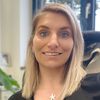
Simon Tang is a BBSRC Research Fellow and Proleptic Lecturer in the Department of Life Sciences at the University of Bath. He also holds a Visiting Researcher position in the same department. His research is supported by prestigious grants from the Biotechnology and Biological Sciences Research Council (BBSRC) and the Engineering and Physical Sciences Research Council (EPSRC), where he serves as Principal Investigator (PI) and Co-Investigator (CoI) on multiple active projects. His research focuses on advancing sustainable biotechnological solutions for drug discovery, particularly through the engineering of enzymes such as asparaginyl endopeptidases and peptide ligases. Key areas include the intracellular production of cyclic peptides, enzyme compartmentalization, and the development of novel screening platforms for bioactive compounds. The trends in his recent publications reflect a strong emphasis on chemical biology, protein engineering, and enzyme mechanism studies. His work integrates synthetic biology with therapeutic discovery, targeting neurodegenerative diseases and sustainable pharmaceutical development. Scientific Awards: BBSRC Research Fellowship (2025), competitively awarded for innovative work in sustainable cyclic peptide production. Dr. Tang leads independent research projects, including the development of intracellular screening platforms and methods for controlling enzyme activity. He collaborates closely with Prof. Jody Mason and Dr. Luet Luk. While no formal advisees are listed, his leadership roles indicate active mentorship and research supervision. His work contributes to UN Sustainable Development Goals related to good health and sustainable industry. He is associated with research networks in enzyme engineering and peptide therapeutics, with collaborations spanning multiple institutions and countries.
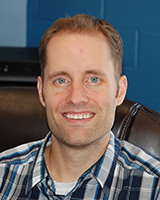
Dr. Sheng-Jian Ji is a Tenured Associate Professor at the School of Life Sciences, Department of Neuroscience at Southern University of Science and Technology (SUSTech) in Shenzhen, China. He also serves as the Academic Vice President of Shude Academy and was previously the first Deputy Director of Research and Graduate Affairs in the Department of Biology at SUSTech (2016-2018). As a leading neuroscientist specializing in RNA modification and neural development, Dr. Ji has established an internationally recognized research program. Dr. Ji's educational background includes: 2003-2007: Postdoctoral Fellow, Johns Hopkins University School of Medicine, Neurobiology 1998-2003: PhD in Biochemistry and Molecular Biology, Peking University School of Life Sciences 1994-1998: Bachelor's Degree in Biochemistry, Yantai University Department of Biochemistry Dr. Ji's research primarily focuses on developmental neurobiology, with particular emphasis on post-transcriptional regulation mechanisms including RNA modification and local translation of mRNA in axons. His laboratory is recognized as one of the leading international groups studying how mRNA modification (particularly m6A and m5C) regulates neural development and function. Through innovative approaches combining molecular biology, cell biology, and microfluidic technologies, his team has revealed important insights into axon growth, dendrite maintenance, cortical neurogenesis, and retinal development. His publication record shows a clear trajectory from fundamental mechanisms of RNA modification to applications in understanding neurological disorders and aging. Recent work has expanded into aging-related neural decline, cognitive functions, and potential therapeutic targets for neurological conditions. Dr. Ji has received numerous prestigious awards: 2020, 2016: SUSTech Excellent College Mentor 2020: SUSTech Biology Department Outstanding Service Award 2019: Guangdong Province Talent Youyue Card A 2017: Guangdong Provincial Professor of Neurobiology 2013: Jiangsu Distinguished Professor (Nanjing University) 2011: National Natural Science Award Second Prize (third contributor) As an educator, Dr. Ji teaches undergraduate Neurobiology and graduate Cellular and Molecular Neurobiology courses. He actively mentors students, with recent master's graduates including Yuan Jiaxin and Zhang Pingrui. His laboratory recruits postdoctoral fellows (with salaries of 335,000+ RMB annually), research assistants, and graduate students, providing comprehensive training in molecular techniques, neuronal cell culture, microfluidics, and omics approaches. Dr. Ji leads a vibrant research team that collaborates both within SUSTech and internationally. His work continues to advance understanding of RNA modification in neural development, function, and aging, with recent progress highlighted in June 2025.
Linda Sandblad is Associate Professor at the Department of Chemistry, Umeå University, and Research Fellow at Molecular Infection Medicine Sweden (MIMS). She directs the Umeå Centre for Electron Microscopy and leads research into cytoskeletal organization using advanced imaging techniques. Her research investigates: FilP protein dynamics in Streptomyces coelicolor bacterial model Keratin filament assembly in epithelial tissues Microtubule dynamics and associated protein functions Advanced electron microscopy method development Recent publications demonstrate applications of cryoelectron tomography, fluorescence imaging, and structural analysis across bacterial and eukaryotic systems, with particular focus on membrane proteins, cellular division mechanisms, and host-pathogen interactions. She received the Bo and Barbro Hammarström Prize for outstanding contributions to research infrastructure development.
Howard J. Meyerson is a Professor in the Department of Pathology at Case Western Reserve University's School of Medicine. He serves as a member of the Immune Oncology Program at the Case Comprehensive Cancer Center. His primary roles include Program Director of Hematopathology and Director of Flow Cytometry at University Hospitals Cleveland Medical Center. Research focuses on hematopoietic neoplasms classification, flow cytometric analysis, and immune cell subset evaluation in disorders and therapies. Key collaborations involve high-resolution phenotypic analysis techniques and amplification staining for neoplasm evaluation. Publications emphasize hematologic malignancies, flow cytometry advancements, and immunological mechanisms in blood disorders. Notable works include studies on FLT3-ITD detection in AML, B-ALL diagnostic markers, and clonal cytopenia characterization. Education : MD degree from Case Western Reserve University Professional activities include leadership in clinical pathology training programs and diagnostic laboratory management. Active in collaborative research on immune cell dynamics and therapeutic intervention analysis. Labs/Teams: Leads flow cytometry core facilities and participates in multi-institutional studies on hematologic malignancies.
Dr. Gary K. Owens is a Professor in the Department of Molecular Physiology and Biological Physics at the University of Virginia , with a secondary appointment in the Department of Medicine, Division of Cardiology. He serves as Director of the Robert M. Berne Cardiovascular Research Center and leads groundbreaking research on vascular smooth muscle cell (SMC) dynamics in atherosclerosis. His work challenges conventional paradigms about SMC roles in plaque stability and thromboembolic events. Primary Affiliation: University of Virginia Key Titles: Robert M. Beirne Professor of Cardiovascular Research, Professor, Director of CVRC Research Themes include: Cardiovascular Biology Atherosclerosis Pathogenesis Smooth Muscle Cell Plasticity Epigenetic Regulation Inflammatory Signaling Tumor Metastasis Mechanisms Publication Trends (2015–2024) reveal expertise in Nature Medicine and Circulation studies, focusing on SMC gene regulation (Klf4/Oct4), plaque stability, and cross-talk between vascular cells and tumors. His work demonstrates that SMCs account for >80% of advanced lesion cells and that Klf4 inhibition reduces metastasis by >70%. Lab Leadership includes mentoring PhD students Anita Salamon and Victoria Milosek , alongside senior scientists and postdocs. Collaborations span with Dr. Gwen Randolph (Washington University) and Dr. Rosey Kaplan (NIH) on IL1β signaling and metastasis.
Robert G. Salomon is the Charles Fredrick Mabery Professor of Research in Chemistry at Case Western Reserve University and holds a secondary appointment as Professor of Ophthalmology in the Department of Ophthalmology & Visual Sciences. With a career spanning over four decades at Case Western since 1973, Dr. Salomon leads the Lipid Research Group focused on understanding the role of lipid oxidation in disease processes and developing new diagnostic tools and therapeutic strategies. Dr. Salomon received his B.S. in Chemistry from the University of Chicago in 1966, followed by a Ph.D. in Organic Chemistry from the University of Wisconsin in 1971. He completed postdoctoral studies at both the University of Wisconsin and Indiana University before joining Case Western Reserve University, where he progressed from Assistant Professor to his current named professorship. Dr. Salomon's research bridges chemistry, biology, and medicine with groundbreaking work on lipid oxidation products. His laboratory discovered critically important compounds including levuglandins and isolevuglandins - highly reactive oxidized lipids that contribute to disease through reactions with proteins and DNA. His work has established connections between lipid oxidation and conditions such as age-related macular degeneration, atherosclerosis, and cancer. The research employs a multidisciplinary approach combining organic synthesis, analytical chemistry, immunology, and cell biology to investigate disease mechanisms and develop potential interventions. Analysis of Dr. Salomon's recent publications reveals a continued focus on the biochemical and pathological effects of lipid oxidation products, particularly their role in retinal diseases and cancer. His work demonstrates how compounds like HOHA lactone and carboxyethylpyrroles contribute to disease mechanisms through protein modification, inflammation, and cellular dysfunction, with significant implications for understanding disease progression and developing targeted therapies. Mortar Board 'Top Prof' Award (2003) Cleveland Clinic Innovator Award (2006) Editorial Advisory Board, Chemical Research in Toxicology (2009-) Editorial Advisory Board, Journal of Lipids (2009-) Editorial Advisory Board, Organic Chemistry International (2009-) NIH Synthetic and Biological Chemistry A Study Section (2012-16) Director, Visual Sciences Research Center Tissue Culture & Hybridoma Core (2015-) Associate Editor, Free Radical Research (2019-) Dr. Salomon's Lipid Research Group operates from the Millis Science Center at Case Western Reserve University, working in a laboratory previously occupied by Nobel Laureate George A. Olah. His laboratory features extensive capabilities for HPLC analysis, radiochemical experiments, cell culture (bacterial and mammalian), immunological studies, organic synthesis, and tissue fractionation. Through strong collaborative interactions with biomedical researchers at the CWRU School of Medicine and the Cleveland Clinic Foundation, Dr. Salomon's research extends into sophisticated mass spectroscopic analyses, animal studies, and clinical investigations on human subjects.
Masoud Majed is an Assistant Professor of Clinical Neurology at the University of Southern California , with expertise in neuroimmunology and autoimmune neurological disorders. His clinical and research focus centers on neuromyelitis optica spectrum disorder, multiple sclerosis, and the diagnostic utility of cerebrospinal fluid biomarkers. Email: mmajed@usc.edu Research Interests Majed's work explores: Neuroimmunological mechanisms in demyelinating diseases Role of MOG and AQP4 antibodies in diagnosis and prognosis Complement-mediated pathologies in neuroimmunological conditions Paraneoplastic syndromes linking cancer and neurological autoimmunity Global epidemiology of neuroinflammatory disorders Publication Trends His research output demonstrates a consistent focus on neuroimmunology since 2016, with increasing emphasis on: Cell-based assays for antibody detection Predictive modeling of disease progression Polypill interventions in cardiovascular comorbidities Interplay between autoimmune disorders and oncological conditions Standardization of neuroimmunological diagnostic criteria CSF biomarker validation across diverse populations
Carmen Moraru is a Professor in the Department of Food Science at Cornell University's College of Agriculture and Life Sciences (CALS). Her research focuses on enhancing food safety, quality, and shelf life through advanced processing methods such as membrane separation, light-based technologies, high-pressure processing (HPP), and microwave vacuum drying. She also studies intermolecular interactions in foods and nanoscale surface engineering to prevent microbial contamination. Dr. Moraru teaches courses like Food Processing and Engineering (FDSC 4250) and co-instructs Advanced Food and Bioprocessing Systems (FDSC 6650) . Her lab, the Moraru Lab, explores emerging technologies in food safety and processing, with recent projects addressing microbial inactivation, nanomaterials, and sustainable drying methods. She advises multiple graduate students and has supervised notable projects, including studies on pea protein functionality and antimicrobial surfaces. Education: Doctorate in Food Science (PhD details not explicitly stated in provided texts). Lab Affiliations: Moraru Lab at Cornell University. Her scientific awards include the Kosi Award in Food Science (2019) and recognition for student achievements like Andreea Beldie's 2019 ADSA Poster Competition win. Recent publications highlight innovations in UV-C light disinfection, microwave drying, and nanotopography-based antimicrobial surfaces. Research collaborations span industry and academia, addressing challenges in dairy processing, plant-based foods, and food packaging safety. Her work frequently integrates computational modeling, experimental validation, and interdisciplinary approaches to solve complex food engineering problems.
Dr. Yuuki Obata is an Assistant Professor in the Department of Immunology and Neuroscience at UT Southwestern Medical Center, USA. He holds an Investigator role at the O'Donnell Brain Institute. Previously, he served as a postdoctoral fellow at the Francis Crick Institute (2016-2021) and the University of Tokyo (2015-2016). His research focuses on how environmental signals (microbiota, diet, circadian rhythms) shape intestinal neural circuits and immune networks. He employs advanced techniques including imaging, viral tracing, gnotobiotic systems, and multi-omics approaches. Education: PhD in Immunology from Chiba University (RIKEN Joint Graduate School Program), Japan. Postdoctoral training included JSPS Superlative Postdoctoral Fellowships (Japan) and EMBO/HFSP fellowships (UK). Research interests span microbiota-immune interactions, enteric nervous system development, gut-brain axis communication, and epigenetic regulation of immune responses. His lab investigates mechanisms linking microbial metabolites to host physiology, particularly in metabolic and neural contexts. Key findings include microbiota's role in IgA responses, T cell differentiation, and neuronal programming. Collaborations emphasize inter-organ communication and translational applications in immunology and neuroscience. Laboratory: The Obata Lab at UT Southwestern employs interdisciplinary methods to address how environmental factors reprogram gut neural and immune systems. Future work includes exploring microbiota-based therapies and neuroimmune interactions in disease models.
Prof. Dr. Jochen Herms serves as Director at the LMU Center for Neuropathology and Prion Research , while maintaining a dual affiliation with the German Center for Neurodegenerative Diseases (DZNE) Munich as Head of Translational Brain Research. His work bridges clinical and experimental neuropathology, focusing on synaptic degeneration in neurodegenerative conditions. Ludwig-Maximilians-Universität München (LMU): Director, Experimental Neuropathology DZNE Munich: Translational Brain Research Research Themes: Primary: Biomedical Neuroscience Secondary: Cellular & Systems Neuroscience Tertiary: Behavioral & Cognitive Neuroscience Key investigations include: Physiological roles of neurodegenerative disease proteins (APP, presenilins, BACE, tau, α-synuclein) In vivo two-photon imaging of transgenic Alzheimer's models Neuronal calcium homeostasis in neurodegeneration High-throughput drug screening for AD/PD Active research collaborations leverage funding from: German Research Foundation (DFG) - Munich Cluster for Systems Neurology (EXC 2145 SyNergy) BMBF, BMWi, EU consortia Bavarian Research Foundation Wilhelm Sander Foundation
Dr. Isabel ML Saur is a research group leader at the Institute for Plant Sciences, Faculty of Mathematics and Natural Sciences, University of Cologne. She leads the Saur Lab which focuses on plant-pathogen interactions, particularly the mechanisms employed by the powdery mildew fungus Blumeria hordei to colonize barley. Her research contributes significantly to understanding plant immunity and pathogen recognition mechanisms. Dr. Saur was trained as a Laboratory Assistant in Stuttgart-Hohenheim and completed her undergraduate studies in Biotechnology at the Applied Science University Esslingen am Neckar. She developed her interest in plant sciences during placements at the Research School of Biology, The Australian National University (ANU), Canberra. She earned her PhD in plant immunity from ANU in 2015 and subsequently joined the Max Planck Institute for Plant Breeding Research (MPIPZ) in Cologne. In 2020, she was granted a prestigious DFG Emmy Noether group leader position, establishing her independent research group. Dr. Saur's research focuses on cellular recognition mechanisms in plant immunity, signal transduction pathways linking receptor-mediated recognition to host physiology, and pathogen strategies for immune evasion and effector-mediated immune suppression. Her lab uses the interaction between barley ( Hordeum vulgare ) and the barley powdery mildew fungus Blumeria hordei as a primary model system, complemented by studies in Arabidopsis thaliana and Nicotiana benthamiana to explore both conserved and lineage-specific features of immunity in monocots and dicots. Analysis of Dr. Saur's recent publications reveals a strong focus on plant-pathogen interactions, particularly the molecular mechanisms of effector proteins from powdery mildew fungi and their recognition by plant immune receptors. Her work spans multiple disciplines including plant pathology, molecular biology, structural biology, and plant immunology, with specific attention to NOD-like receptors, cell death mechanisms, and the evolution of resistance gene specificity. Dr. Saur has received significant recognition for her research, most notably: DFG Emmy Noether group leader position (2020) Dr. Saur currently mentors several students and researchers in her lab, including PhD students Merle Bilstein-Schloemer and Sophie Sent, and postdoctoral fellows Ishani Shankar Das and Wei Shi. Her research is supported by multiple projects including her Emmy Noether project on quantification of virulence function, CEPLAS & EN Project on identification of intrinsic functions of effectors, SFB1403 Project on host cell death pathways, and For5682 Project on powdery mildew adaptation to the leaf epidermal cell niche. The Saur Lab maintains a dynamic research environment focused on understanding plant immunity through multiple ongoing projects. The lab actively participates in conferences and collaborations, contributing to the international plant-microbe interaction research community. Recent lab activities include participation in the 2025 IS-MPMI Congress in Cologne and preparation for the 17th International Cereal Rusts and Powdery Mildews Conference in Vancouver.
Dr. Stephen Renaud is an Associate Professor in the Department of Anatomy and Cell Biology at Western University. He holds a PhD and B.Sc. from Queen's University. His research focuses on placental development and function, particularly the cellular and molecular mechanisms underlying trophoblast differentiation and maternal-fetal immune interactions. Key interests include OVO-like transcription factors, endogenous retroviral genes, and maternal immune tolerance. His work bridges basic science with public health implications, addressing complications like pre-eclampsia and fetal growth restriction. Publications emphasize placental biology, immunology, and developmental mechanisms, with contributions to journals like Placenta , Proceedings of the National Academy of Sciences , and Cellular and Molecular Life Sciences . No scientific awards are listed, but his research has been widely cited (h-index 28). He advises no listed students but maintains an active lab exploring placental biology. His office is in the Medical Sciences Building, Room 428, with contact via srenaud4@uwo.ca.
Lynda Coughlan serves as Associate Professor in Microbiology and Immunology at the University of Maryland, Baltimore School of Medicine, with a secondary appointment at the Center for Vaccine Development and Global Health (CVD). Her research focuses on engineering next-generation adenoviral vector vaccines against respiratory pathogens including influenza, RSV, and coronaviruses, emphasizing broad cross-protection through innovative immunogen design and molecular adjuvanting. Education: BSc Microbiology, University College Cork, Ireland (2003) MS Virology, London School of Hygiene and Tropical Medicine, UK (2005) PhD Viral Gene Therapy, Barts Cancer Institute, London, UK (2009) Postdoctoral Training, University of Glasgow, UK (2009-2012) Postdoctoral Training, University of Oxford, UK (2012-2017) Postdoctoral Fellowship, Icahn School of Medicine at Mount Sinai, USA (2017-2018) Research Track Faculty, Icahn School of Medicine at Mount Sinai, USA (2018-2020) Research Focus: The Coughlan laboratory pioneers low-seroprevalence adenoviral vectors as plug-and-play platforms for universal vaccines, investigating extracellular vesicles for immunogenicity enhancement, therapeutic antibody production, and correlates of protection through comparative animal model studies. Current work spans recombinant protein immunogens, genetic adjuvanting, and vector optimization against emerging viral threats. Publication Trends: Analysis of her 13 most recent publications (2018-2024) reveals escalating emphasis on universal influenza vaccines using chimeric hemagglutinin constructs, single-dose adenoviral regimens, and extracellular vesicle-mediated immunogenicity. Post-2020 work increasingly addresses pandemic preparedness for coronaviruses and avian influenza, with molecular adjuvanting and cross-reactive immunity as unifying themes across respiratory pathogens. Scientific Awards: Graduate Women in Science Fellowship (2017) British Medical Association HC Roscoe Prize (2016) British Society for Gene and Cell Therapy Achievement Award (2016) Nuffield Department of Medicine Public Engagement Prize (2015) British Society for Immunology Communicating Immunology Grant (2015) Grants and Service: As Principal Investigator on NIH/NIAID R01AI148369 for universal influenza vaccine development and Co-PI on NIAID CIVIC contracts, she leads translational research while serving as ad-hoc reviewer for NIAID study sections. Her editorial roles include MDPI Vaccines Special Issue Editor (2020), complemented by board service for the British Society for Gene and Cell Therapy (2010-2017) and Society for General Microbiology Equality initiatives. Laboratory Structure: The Coughlan laboratory operates within the Center for Vaccine Development and Global Health, maintaining collaborative networks for preclinical-to-clinical vaccine advancement with emphasis on one-health approaches to zoonotic spillover prevention and pandemic response.
Dr. Tsz-Yan Milly Lo is an Honorary Reader at the University of Edinburgh’s Usher Institute and a Consultant Paediatric Intensivist at the Royal Hospital for Children and Young People in Edinburgh. She leads the Research Programme in Paediatric Critical Care Medicine and holds the NHS Research Scotland Career Research Clinician Award. Her work focuses on leveraging data informatics to improve outcomes for critically ill children, particularly in neurocritical care and brain trauma. She leads international initiatives like KidsBrainIT (a EU-funded pediatric brain trauma data initiative) and Window in the Brain (developing seizure detection tools). Dr. Lo’s education includes clinical training across Edinburgh, Birmingham, and Melbourne, complemented by a PhD and post-doctoral fellowships in Edinburgh and Toronto. Her research spans clinical informatics, multi-disciplinary data integration, and translational medicine. Key collaborations include academic, clinical, and industry partnerships (e.g., with BrainsView Ltd and engineers at the University of Edinburgh). Her scientific impact includes over 20 peer-reviewed publications, with recent work emphasizing intracranial pressure monitoring, EEG-based seizure detection, and pediatric critical care quality improvement. Her grants total over €1M, including EU NEURON funding and MRC support. She supervises a dynamic research team focusing on innovation in critical care informatics and clinical excellence. Grants: £90,953 (G-WiB), £298,740 (WiB-2), £103,164 (WiB-1), €621,834 (KidsBrainIT). Public Engagement: Launched Scotland’s first PPIE group for pediatric critical care (Intensive-Share). Her lab, IMPACT-ACE, emphasizes clinician-scientist collaboration to drive evidence-based improvements in pediatric critical care. Current projects include global seizure detection tools and pediatric brain trauma big-data analytics.