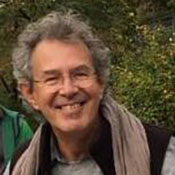
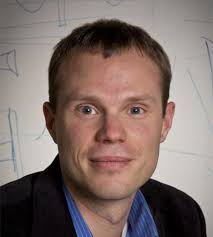
Nicholas Evans is Distinguished Professor of Linguistics and Director of the ARC Centre of Excellence for the Dynamics of Language (CoEDL) at the Australian National University’s School of Culture, History & Language. His work bridges fieldwork-based language documentation with theoretical questions in typology, cultural evolution, and social cognition. Focus on endangered Australian and Papuan languages Director of ARC Laureate Project on 'The Wellsprings of Linguistic Diversity' Co-leader of SCOPIC (Social Cognition Parallax Corpus) study Collaborator in global linguistic diversity initiatives His research explores how micro-level community multilingualism shapes macro-level linguistic diversity, with fieldwork spanning seven years in remote Indigenous communities. Recent projects include PARABANK (paradigm syncretism analysis) and Southern New Guinea language studies, particularly Nen and Yam family languages. Scientific recognition includes the Ken Hale Award (Linguistic Society of America), Anneliese Maier Forschungspreis, and fellowships in the Australian Academy of Humanities, Australian Social Sciences Academy, and the British Academy.
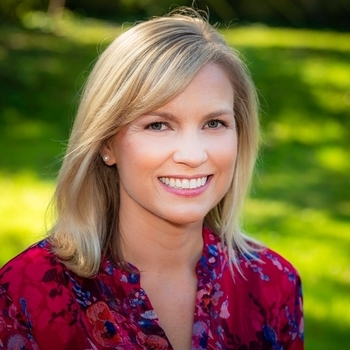
Dr. Laura Channing serves as Assistant Professor in Economic History within the Department of History at Durham University, concurrently holding roles as Department Representative and Fellow of the Durham Research Methods Centre. Her academic foundation includes a History degree from King's College London, followed by an MPhil in Economic and Social History (2017) and PhD in History (2021) from the University of Cambridge. Distinguished appointments include the Jane Eliza Procter Fellowship at Princeton University (2019-2020), Economic History Society Anniversary Fellowship at the Institute of Historical Research, and Visiting Fellowship at LSE's Department of Economic History. Channing's research pioneers interdisciplinary analysis of West African economic development from the 19th-20th centuries, specializing in colonial taxation systems, labor dynamics, and living standards. Her methodological innovation integrates qualitative archives with newly digitized quantitative sources from British and African repositories, currently culminating in a monograph on taxation-representation relationships in West African colonies. Recent publications reveal consistent focus on fiscal governance within composite colonial states and African agency in humanitarian frameworks. Jane Eliza Procter Fellow at Princeton University Economic History Society Anniversary Fellow at the Institute of Historical Research Her teaching expertise in African and Economic History, demonstrated during LSE appointments, complements active contributions to the Durham Research Methods Centre's interdisciplinary initiatives in historical methodology and data analysis.
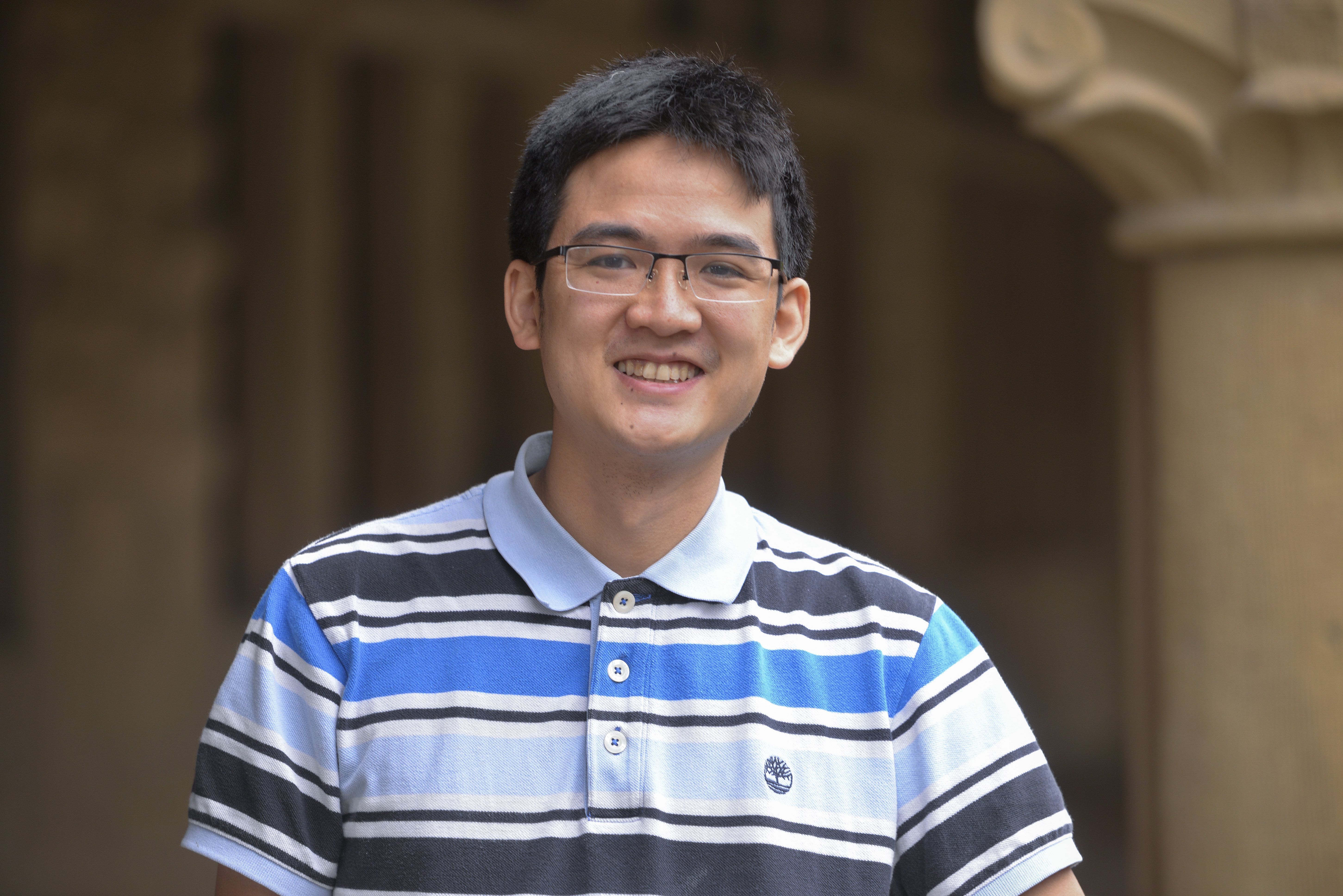
Jonathan Winghong Luk is a Professor in the Department of Mathematics at Stanford University. His research focuses on nonlinear partial differential equations, general relativity, and mathematical physics, with a particular emphasis on gravitational wave dynamics, shock formation, and high-frequency spacetime solutions. Contact: Email: jluk@stanford.edu Office: 382-Z, Building 380, Stanford, CA 94305 Research Trends: His recent publications examine nonlinear wave equations on dynamic spacetimes, gravitational phase mixing, impulsive gravitational wave interactions, and stability of black hole interiors. He frequently collaborates with experts like C. Huneau, S.-J. Oh, and J. Speck. Academic Activities: Luk organizes the Analysis and PDE seminar at Stanford with Eugenia Malinnikova and Ryan Unger. He has developed lecture notes on nonlinear wave equations and Fourier analysis, complemented by example sheets.
Melissa Coyle is a Senior Lecturer at the School of Sport, Exercise and Rehabilitation, Marjon University. She specializes in sport and exercise psychology, focusing on applications in sport science, coaching, physical education, outdoor education, and health and well-being. Her qualifications include HCPC registration as a sport and exercise psychologist, BASES chartered scientist, and BASES-accredited sport scientist (Psychology), alongside a PGCert, MSc, and BSc. Her research explores psychological factors in high-stakes environments, including military training, cancer patient exercise programs, and aging populations. Notable studies include a qualitative evaluation of an 8-week exercise referral program for cancer patients and an investigation into psychological factors in Royal Artillery Army Commando training. She has also examined motivations and barriers to indoor bowls participation among over-65s and mental health transitions in university students. Dr. Coyle has been awarded grants for studies like 'Psychological factors in Army Commando training' and 'Exercise adherence for cancer recovery.' Her publications span journals like Psychology of Sport and Exercise and conferences such as the Association of Applied Sport Psychology. She actively contributes to professional bodies like HCPC and BASES. Her teaching emphasizes practical applications of psychology in sports and health, complemented by research-driven insights. Beyond academia, she is an avid golfer and hill walker.
Bradley Olsen is a Professor of Chemical Engineering at the Massachusetts Institute of Technology (MIT), holding the Alexander and I. Michael (1960) Kasser Chair in Chemical Engineering. He is affiliated with MIT's School of Engineering and directs research in the Plastics and the Environment Program. His academic career spans over two decades with numerous prestigious appointments and recognitions. Olsen earned his S.B. from MIT in 2003 followed by a Ph.D. from the University of California Berkeley in 2007. His educational background is complemented by postdoctoral fellowships including NIH and Beckman Institute Postdoctoral Fellowships (2008-2009) and the Hertz Fellowship (2003-2007). Research Interests Professor Olsen's research focuses on designing materials to address important challenges while understanding the fundamental science necessary for materials design. His primary research areas include block copolymers, soft condensed matter physics, protein-based materials, and bioelectronics. His group specializes in polymer networks, protein-polymer conjugates, self-assembly phenomena, and sustainable polymer development. The research has significant implications for biomaterials, sustainable polymers, and advanced materials design. Publication Trends Analysis of Professor Olsen's recent publications reveals a strong focus on polymer network topology, protein-polymer conjugates, and sustainable materials. His work increasingly integrates computational methods with experimental approaches, particularly in polymer characterization and data science applications to materials science. Recent publications show growing emphasis on biodegradable polymers, polymer informatics, and biomedical applications of advanced materials. Scientific Recognition Professor Olsen has received numerous prestigious awards throughout his career, including: American Physical Society (APS) Fellow (2023) Fulbright Amazonia Scholar (2023) Alexander and I. Michael Kasser Chair in Chemical Engineering (2021) ACS Macro Letters/Biomacromolecules/Macromolecules Young Investigator Award (2021) AIChE Owens Corning Early Career Award (2019) American Physical Society Dillon Medal (2018) Alfred P. Sloan Research Fellow in Chemistry (2014) Advising and Funding Professor Olsen has secured significant research funding from multiple federal agencies including NSF, NIH, AFOSR, and DOE. His group has produced numerous high-impact publications across top journals in polymer science, materials science, and chemistry. He has advised multiple graduate students and postdoctoral researchers who have gone on to successful careers in academia and industry. The MIT OGE's Committed to Caring Honor (2019) recognizes his excellence in graduate student mentoring. Research Infrastructure Professor Olsen leads a research group with capabilities spanning polymer synthesis, protein engineering, materials characterization, and computational modeling. His lab maintains strong collaborations with other MIT departments, national laboratories, and international research institutions. The group participates in several interdisciplinary initiatives including the Plastics and the Environment Program and has developed significant data infrastructure for polymer science through projects like CRIPT and BigSMARTS.
Arvind Karunakaran is an Assistant Professor at Stanford University in the Department of Management Science and Engineering. He holds affiliations with the Center for Work, Technology, and Organization (WTO) , Stanford Technology Ventures Program (STVP) , Stanford Institute for Human-centered Artificial Intelligence (HAI) , and the Digital Economy Lab (DEL) . His research focuses on authority and accountability in the workplace , particularly under technological change and human-AI augmentation. Education: Ph.D. from MIT Sloan School of Management (2018) His work employs ethnographic and field-based methods to study empirical puzzles in workplace dynamics, complemented by comparative-historical analysis and quantitative/textual data analysis . Key research areas include social/algorithmic evaluation of workers , human-AI reskilling , and conflicts in symmetrical relations . Recent publications analyze AI's impact on workplace inequality , platform governance , and crowd-based accountability . His findings are published in top journals like Administrative Science Quarterly and Organization Science . Scientific Awards & Recognitions: Best Published Paper Award (ASA, 2025) Gerard J. Tellis Best Junior Faculty Paper Award (AIM Conference, 2025) W. Richard Scott Article Award (ASA, 2024) Responsible Research in Management Award (RRBM, 2024) Future of Organizations Fellowship (2024) Professor Karunakaran advises doctoral and master's students in areas related to technology and organizations , and teaches courses on organizational behavior , organizational theory , and innovation management .
Stephen Billings is an Associate Professor of Finance at the Leeds School of Business, University of Colorado Boulder, where he holds the Global Real Estate Capital Markets Chair position. He serves as the faculty director of the MS in Real Estate program and research director for the CU Real Estate Center. His work spans multiple research centers including the Center for Research on Consumer Financial Decision Making and the Michael A. Klump Center for Real Estate. Billings received his PhD in Economics from the University of Colorado, a MS in urban planning from the University of North Carolina, and a BS in economics from Georgetown University. Prior to joining CU Boulder in 2016, he was faculty at the University of North Carolina Charlotte with appointments in both economics and public policy, where he also served as faculty director for the real estate center. His research focuses on the intersection of housing, schools, neighborhoods and crime, addressing critical policy issues including the impact of public investment in light-rail transit on neighborhoods, school segregation's influence on academic achievement and crime, neighborhood gentrification causes, lead-based paint in low-income housing, and the effects of sea level rise and natural disasters on neighborhood sorting and household finances. Billings employs sophisticated analysis of large micro-datasets with studies based on data and policies in Charlotte, NC and Denver, CO. His work connects urban economics with public policy, demonstrating how neighborhood environments shape individual outcomes across multiple dimensions. Billings' recent publication record demonstrates a consistent focus on neighborhood effects, school choice impacts, crime economics, and housing market dynamics. His work frequently examines the intersection of race, housing, and economic outcomes, with particular attention to policy implications. He has developed innovative methodological approaches to studying residential amenities and neighborhood spillovers, with increasing attention to climate change impacts on housing markets. His research appears in top journals including The Quarterly Journal of Economics, American Economic Review: Insights, and Journal of Urban Economics. As an educator, Billings teaches undergraduate and masters classes in real estate finance and economics, as well as doctoral and masters level courses on cost-benefit analysis and statistical methods. He has extensive consulting experience conducting economic impact studies, including assessments of North Carolina's public higher education system, affordable housing needs in Colorado communities, and the economic effects of marijuana legalization on property markets. His practical policy work complements his academic research, creating a bridge between theoretical insights and real-world applications. Billings leads significant research initiatives through the CU Real Estate Center, where he directs studies examining the impact of business improvement districts and other urban development policies. His work bridges academic research with practical policy applications, making substantial contributions to our understanding of how housing, education, and neighborhood environments shape individual outcomes and community development. His December 2023 memo on the HUD Officer Next Door Program exemplifies his engagement with current housing policy issues.
Patricia M. Thornton is an Associate Professor in the Department of Politics and International Relations (DPIR) at the University of Oxford and a Fellow and Tutor in Politics at Merton College. She specializes in Chinese politics, focusing on state-society interactions, authoritarian governance, and the legacies of the Cultural Revolution. Her research explores institutions, practices, and networks shaping governance in China, including works like *Disciplining the State* (2007) and *Red Shadows* (2017). She has held leadership roles at Oxford, including Chair of the Sub-Faculty of Politics and International Relations, and served on editorial boards such as *The China Quarterly*. Her work addresses contemporary challenges like authoritarian resilience, social control mechanisms, and political dissent. Research Interests: - State formation and governance in China - Authoritarian political systems - Memory and legacies of the Cultural Revolution - Party-state dynamics and social movements - Comparative political institutions Publications highlight themes like economic governance, social movements, and policy implementation. She has supervised numerous PhD students, many now leading academics in Asia-Pacific studies. Her contributions to understanding China’s political evolution are complemented by media commentary on current events, including analysis of Xi Jinping’s governance strategies and societal trends. Awards: Merton College Fellowship Key Projects: Edited *To Govern China* (2017) and *Red Shadows* (2017)
Richard Franz Löscher is a researcher at the Institute of Applied Mathematics specializing in numerical methods for optimal control problems. He holds a BSc, Diplom-Ingenieur (Dipl.-Ing.), and Doctorate in Technical Sciences (Dr.techn.), demonstrating extensive technical education and engineering expertise. His educational qualifications include: BSc Diploma in Engineering (Dipl.-Ing.) Doctorate in Technical Sciences (Dr.techn.) Löscher's research centers on numerical mathematics with deep specialization in finite element methodologies for distributed optimal control problems governed by partial differential equations. His work addresses elliptic, parabolic, and hyperbolic control systems through regularization techniques, adaptive mesh refinement, and robust solver development. Key innovations include variable energy regularization frameworks, mass-lumping discretizations, and complexity-optimal space-time finite element systems that significantly advance computational efficiency and error estimation in constrained control environments. Analysis of his 2024-2026 publications reveals a cohesive research trajectory focused on overcoming computational bottlenecks in optimal control. His work consistently bridges theoretical rigor with practical implementation, emphasizing discretization schemes that balance accuracy and computational cost while addressing state/control constraints across diverse PDE systems. No scientific awards or honors were documented in available sources. Löscher maintains active research collaborations with prominent figures including Ulrich Langer and Olaf Steinbach, evidenced by co-authored publications and peer-review activities for journals like Journal of Computational and Applied Mathematics. His external research engagement includes a July 2024 visit to Delft University of Technology, highlighting international academic partnerships.
Marek Pycia serves as Professor of Organizational Economics at the University of Zurich and Co-Director of the Zurich Center for Market Design. His research has driven tangible policy impacts including the U.S. kidney-transplant voucher program and school system redesigns, with publications in premier journals like American Economic Review and Econometrica . His academic foundation includes a Ph.D. in Economics from the Massachusetts Institute of Technology (MIT), complemented by prior faculty roles at UCLA, Pennsylvania State University, and Leon Koźmiński Academy of Entrepreneurship and Management, plus a visiting fellowship at Princeton University. Professor Pycia specializes in Market Design and Mechanism Design , where he bridges theoretical microeconomics with real-world applications in healthcare allocation and educational systems. His work emphasizes strategyproofness , simplicity , and efficiency in matching markets, influencing both academic frameworks and practical policy implementations globally. Recent publications (2024-2025) reveal a concentrated focus on simplifying mechanism design for discrete environments, advancing double auction theory, and optimizing information structures in trade. These works consistently apply game-theoretic principles to solve complex allocation problems across healthcare, education, and financial markets. Key recognition includes: Research Fellow at the Centre for Economic Policy Research (CEPR) Editorial board membership at Theoretical Economics , Journal of Economic Theory , and Games and Economic Behavior While specific grant details remain unmentioned, his editorial leadership and center directorship indicate active research funding. He supervises graduate work through the University of Zurich’s economics programs, though no named students appear in the source text. The Zurich Center for Market Design, which he co-directs, functions as an interdisciplinary hub connecting theoretical research with practitioners in healthcare, education, and public policy to implement novel market mechanisms.
Kelly Arnold is an Associate Professor in the Department of Biomedical Engineering at the University of Michigan. Her research integrates systems engineering principles with immunology to investigate variability in immune responses across infection, vaccination, and injury, with a focus on computational modeling and clinical translation. Research Focus Systems-level immune response modeling Vaccination and antibody functionality Vaginal microbiome-host interactions Chronic lung disease progression Computational serology and proteomics Recent Work Her 2025 studies examine SARS-CoV-2 vaccination responses in cancer patients and computational frameworks for vaginal probiotics. Earlier works (2024-2007) span COPD progression, lupus fibrosis, HIV susceptibility, and tissue engineering for fertility preservation. Methodologies include proteomic profiling, network modeling, and microfluidic systems.
Karsten Borgwardt is a Professor and Director of the Department of Machine Learning and Systems Biology at the Max Planck Institute of Biochemistry. He holds a PhD in Computer Science (2007) from LMU Munich and has held academic positions at ETH Zürich, Universität Tübingen, and the Max Planck Institutes in Tübingen. His research focuses on machine learning applications in biology and medicine, including biomarker discovery, personalized medicine, and systems biology. Education: PhD in Computer Science (2007), LMU Munich M.Sc. in Biology (2003), University of Oxford Diplom (M.Sc. equivalent) in Computer Science (2004), LMU Munich Research Interests: Development of machine learning algorithms for large biomedical datasets Pattern recognition in genomic and clinical data Applications in sepsis biomarkers, antimicrobial resistance prediction, and personalized medicine Grants & Projects: Scientific Coordinator of Marie Curie Networks (2013-2022) Swiss National Science Foundation Starting Grant (2014) Personalized Swiss Sepsis Study (CHF 5.3M, 2018) Awards: Krupp Award (2013), Golden Owl Teaching Award (2017), multiple 'Top 40 under 40' recognitions (2014-2016). Labs: Leads the Machine Learning and Systems Biology Department at MPI, collaborating with 22+ labs in sepsis research and international networks.
Christopher M. Overall is a Full Professor at the University of British Columbia in the Faculty of Dentistry, Department of Oral Biological and Medical Sciences . He is also a Principal Scientist at the Centre for Blood Research and holds associate memberships in UBC's Biochemistry & Molecular Biology , Obstetrics and Gynecology , and Bioinformatics Graduate Program departments. As a Canada Research Chair Laureate , he pioneered the field of degradomics to study proteases in vivo. B.D.S., University of Adelaide Ph.D., University of Toronto Postdoctoral Fellowship, UBC (with Nobel Laureate Michael Smith) Dr. Overall’s research focuses on protease proteomics and systems biology , particularly degradomics to analyze protease substrates in diseases like COVID-19 and immunodeficiency . His work on matrix metalloproteinases has revealed new therapeutic strategies for inflammatory diseases and cancer . His 15 most recent articles (2015–2008) demonstrate expertise in TAILS proteomics , protein terminomics , and protease network analysis with applications in arthritis , antiviral immunity , and precision medicine . Scientific Awards 2022 Helmut Holzer Award 2018 Royal Society of Canada Fellow 2014 Tony Pawson Canadian Proteomics Award 2013 IADR Distinguished Scientist Award Dr. Overall has mentored 61 trainees , including 9 full professors with department chairs, and received the UBC John McNeill Mentorship Award (2023). He leads the HUPO Chromosome-centric Human Proteome Project and consults for Genentech and Novartis .
Daria Frank is a Senior Teaching Associate in Computational Mathematics at the Department of Applied Mathematics and Theoretical Physics (DAMTP), University of Cambridge, a position held since 2023. Previously, she served as Sultan Qaboos Early-Career Research Fellow and College Lecturer in Mathematics at Corpus Christi College (2020-2023), Director of Studies in Mathematics at Selwyn College (2019-2020), and Research Associate in Fluid Mechanics at DAMTP (2015-2019). Her academic foundation includes a PhD from DAMTP, University of Cambridge (2012-2015), Part III Mathematical Tripos at Cambridge (2009-2010), Diploma in Mathematics from Friedrich-Alexander-University of Erlangen-Nuremberg (2010-2011), and undergraduate studies in Mathematics and Physics at the same institution (2006-2009). Dr. Frank's research centers on complex fluid phenomena with emphasis on buoyancy-driven environmental flows , rotating plume dynamics , and practical engineering applications . Her work investigates pollution dispersal mechanisms, tornado formation processes, and energy-efficient building systems through rigorous theoretical and experimental frameworks. Key contributions address multiphase interactions in stratified environments and vortex behavior under rotational forces, bridging fundamental fluid dynamics with real-world environmental challenges. Publication trends reveal consistent focus on geophysical and environmental fluid mechanics, with recurring themes of density stratification effects, multiphase plume behavior, and rotational influences across atmospheric, oceanic, and built environments. Her work demonstrates strong interdisciplinary connections between theoretical modeling and practical engineering solutions. Dr. Frank held the prestigious Sultan Qaboos Early-Career Research Fellowship, supporting her investigations into fluid mechanics phenomena. Her academic service includes significant teaching responsibilities as Director of Studies in Mathematics at Corpus Christi College. As Director of Studies, she oversees undergraduate mathematics education while conducting research within DAMTP's fluid dynamics community. Her Sultan Qaboos Fellowship provided dedicated research time for fluid mechanics investigations, complementing her teaching role through integration of cutting-edge research into pedagogy. Current work continues to explore environmental fluid dynamics with potential applications in climate modeling and sustainable engineering.
Elias Flytzanis serves as a Professor in the Department of Informatics at the School of Information Sciences and Technology, Athens University of Economics and Business (AUEB). With a strong academic foundation in physics and advanced degrees from prestigious institutions, he contributes to the academic and research mission of one of Greece's leading informatics departments. Dr. Flytzanis holds a Bachelor's degree in Physics from Harvard University, complemented by a Master of Arts and Ph.D. from the University of Wisconsin. His educational background bridges theoretical physics with computational approaches, positioning him at the intersection of scientific computing and information technology. His research interests span computational physics, scientific computing, and data analysis methodologies. These fields leverage his physics background while addressing contemporary challenges in computer science and information systems. The Department of Informatics at AUEB focuses on cutting-edge research in computer science, information systems, and data science, providing an appropriate academic home for his interdisciplinary expertise. As a faculty member at AUEB, Professor Flytzanis contributes to both undergraduate and postgraduate education programs, including the Department's offerings in Computer Science, Information Systems, Data Science, and Mathematics of Market and Production. The department maintains active research laboratories and participates in numerous national and international research projects.