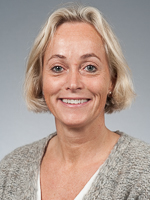
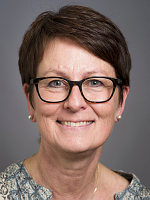
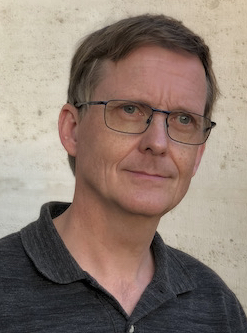
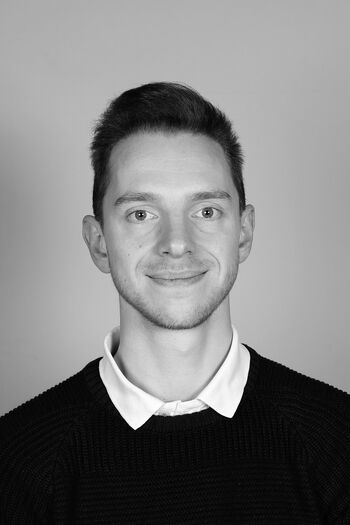
Anne Margarita Dyrhol Riise is a Professor at the Department of Infectious Diseases , University of Oslo and Oslo University Hospital. Her research focuses on translational studies of major global infectious diseases including HIV, tuberculosis, and COVID-19, emphasizing clinical intervention studies, vaccines, immune mechanisms, and diagnostic/prognostic biomarkers with applications in low-income countries and personalized treatment strategies. Head of the Chronic Infections Research Group (CIRG) Principal investigator for EU Horizon 2020 projects and ClinicalTrials.gov studies (NCT04575519, NCT05069623) Supervisor for eight PhD students Recent projects include the SMA-TB stratified medicine algorithm, TBCOX2 therapeutic vaccination trials, and EU-SolidAct pandemic response platform. Collaborations span multiple institutions including Norwegian Institute of Public Health, Stellenbosch University, University of Leiden, and international networks like EUROSIDA and TBnet. Awards include OUS Prize for Outstanding Research Articles (2021) and UiO Teaching Award. Her work demonstrates strong integration of clinical trials, immunology, and global health initiatives, with publications spanning topics from complement activation in severe COVID-19 to host-directed therapies in tuberculosis .
Ole Lars Brekke serves as an Adjunct Professor at the Department of Clinical Medicine, UiT The Arctic University of Norway. His academic position is part-time, reflecting his additional professional commitments outside the university. His work appears to be centered in Tromsø, Norway, where UiT's main campus is located. Dr. Brekke's research primarily focuses on the complex interactions between the immune system and coagulation pathways. His work prominently features the complement system, thromboinflammation, and the relationship between bacterial infections and blood coagulation. A significant portion of his research investigates acute intermittent porphyria, examining its various manifestations including kidney and liver damage, dental complications, and inflammatory profiles. His laboratory work frequently utilizes human whole blood models to study complement activation, cytokine responses, and coagulation mechanisms. Analysis of Dr. Brekke's publication record reveals consistent research themes centered on immunothrombosis - the intersection of immune responses and blood clotting. His most recent work (2022-2024) continues to explore complement activation pathways, particularly in relation to porphyria, bacterial infections, and neurological conditions. His research often involves collaboration with Tom Eirik Mollnes and other colleagues at UiT, suggesting established research groups focused on inflammation and coagulation. While specific awards aren't mentioned in the available information, Dr. Brekke's extensive publication record in high-impact immunology and clinical journals demonstrates significant research productivity. His work has appeared in journals such as Journal of Immunology, Frontiers in Immunology, and Clinical and Experimental Immunology. Dr. Brekke appears to work within research groups studying the complement system and its role in various disease processes. His publications frequently mention collaborations with researchers from UiT's Department of Clinical Medicine, suggesting active participation in research teams focused on inflammation, coagulation, and porphyria. His work with human whole blood models indicates specialized laboratory capabilities for studying immune-coagulation interactions in physiologically relevant systems.
Sigrid Kufaas is a Professor at the Department of Clinical Medicine , UiT The Arctic University of Norway. She leads key research initiatives in thrombosis epidemiology and pathophysiology through her role in the Thrombosis Research Group (TREC) and contributes to projects like PREVENT, Mission-VTE, and PEPSI-VTE. PhD in Health Sciences (2010), UiT Master in Pharmacy (2005), UiT Her research focuses on: Venous thromboembolism (VTE) risk factors Sex differences in thrombosis Biomarker discovery for VTE prediction Obesity and lifestyle-related thrombosis Genetic and hypoxia-dependent VTE mechanisms Recent publications highlight her work on microRNA biomarkers, complement system interactions, and socioeconomic VTE determinants, spanning journals like Blood , Journal of Thrombosis and Haemostasis , and Arteriosclerosis, Thrombosis and Vascular Biology . Scientific Awards Young Investigator Award, ISTH (2016) Helsefaks pris til yngre forsker (2017) She has supervised 4 completed PhDs as main supervisor and 20 as co-supervisor , with ongoing supervision of 4 main and 7 co-supervised projects. Her TROLL registry work provides critical real-world data on cancer-associated thrombosis treatment and bleeding risks.
Gro Østli Eilertsen is an Associate Professor and Head of Department in Rheumatology at the Department of Clinical Medicine, UiT The Arctic University of Norway. She is also a Senior Consultant in Rheumatology with specialization achieved in 2005. As Research Group Leader for Rheumatology and Rehabilitation, she leads significant research initiatives focusing on autoimmune diseases, particularly Systemic Lupus Erythematosus (SLE). Her work bridges clinical practice and academic research at the intersection of rheumatology, immunology, and patient care in Northern Norway. Eilertsen earned her PhD in 2011 with a dissertation titled 'Clinical epidemiology of Systemic Lupus Erythematosus with emphasis on nephritis and autoantibody production.' This foundational work established her expertise in SLE epidemiology, nephritis complications, and autoantibody research, which has guided her subsequent research trajectory. Her primary research interests encompass Systemic Lupus Erythematosus, autoimmunity, inflammatory rheumatic diseases, fatigue mechanisms, psoriatic arthritis, and spondyloarthritis. Her work particularly focuses on cytokine profiles, biomarker discovery (including BAFF, DNase I, and erythropoietin receptors), disease activity assessment, and treatment outcomes in autoimmune conditions. She investigates how factors like smoking impact disease manifestations and explores novel therapeutic approaches for autoimmune disorders. Her extensive publication record demonstrates consistent focus on SLE pathophysiology, particularly lupus nephritis. Key themes include the role of complement activation, cytokine networks, and biomarker discovery. Her research employs sophisticated statistical methods like principal component analysis to unravel complex immunological relationships. Recent work expands into psoriatic arthritis epidemiology in Northern Norway, examining ethnic variations and treatment outcomes. Research Group Leader for Rheumatology and Rehabilitation Member of project 'Psoriatic Arthritis in Northern Norway: Treatment, Permanent Joint Damage and Comorbidities in Ethnic Groups' Member of project 'Spondyloarthritis in Northern Norway: HLA-B27, Symptoms, Permanent Joint Damage, Treatment, Comorbidity and Work Participation in Ethnic Groups' As Head of Department in Rheumatology and Research Group Leader for Rheumatology and Rehabilitation, Eilertsen oversees clinical and research teams focused on autoimmune diseases. Her work involves close collaboration with the University Hospital of Northern Norway and spans both clinical practice and translational research in rheumatology.
Dr. Hildegunn Norbakken Granslo is an Associate Professor at the Department of Clinical Medicine, UiT The Arctic University of Norway. Her research focuses on neonatal sepsis, antimicrobial peptides, biofilms, complement system interactions, and antibiotic resistance mechanisms. She actively contributes to clinical guidelines through publications in Tidsskrift for Den norske legeforening and collaborates with multidisciplinary teams. Current affiliation: UiT The Arctic University of Norway Department: Clinical Medicine Her research spans metabolomic profiling in neonatal sepsis , complement system modulation , and antimicrobial peptidomimetic development . She investigates how Staphylococcus epidermidis biofilms interact with host immune responses, particularly in vulnerable populations like infants. Recent publications highlight her work on dual inhibition of C5/CD14 in cord blood inflammation and LTX21 peptide effects in blood/peritonitis models. She also contributes to pediatric microbiome studies through fecal sample analysis. Dr. Granslo is a member of the Research Group for Child and Adolescents Health and participates in infection-related projects like microTromsø . Her collaborative network includes researchers from immunology, microbiology, and clinical pediatrics fields.
Randolf Inge Hardersen is an Associate Professor at the Department of Clinical Medicine, UiT The Arctic University of Norway. His research focuses on clinical medicine, internal medicine, and hematology, with a particular emphasis on lipoprotein apheresis systems and their effects on blood components. UiT The Arctic University of Norway Department of Clinical Medicine Academic Rank: Associate Professor His research interests span neuroscience, psychiatry, and public health, particularly examining depression symptoms in cardiac patients and psychopharmacology-related complications. He also investigates metabolic disorders, including porphyria and hypertriglyceridemia, with a focus on biomarker development and therapeutic interventions. Scientific contributions include studies on complement activation mechanisms during LDL apheresis, hematologic changes in therapeutic plasma exchange, and diagnostic approaches for organ damage in rare metabolic conditions. Collaborations with researchers like Judith K Ludviksen, Tom Eirik Mollnes, and Knut Tore Lappegård highlight interdisciplinary work in hematology and clinical biochemistry.
Anders Benjamin Kildal is an Associate Professor at the Department of Clinical Medicine , UiT The Arctic University of Norway , specializing in infectious diseases , acute care medicine , and cardiovascular complications of viral infections . His research spans severe COVID-19 , long-term post-viral effects , and genetic susceptibility to infections . Collaborative Networks : Active in multinational trials like Bari-SolidAct , NOR-Solidarity , and the ISARIC WHO clinical characterisation protocol . Research Themes : Focus on inflammatory biomarkers (CCL19/CCL21, CXCL16), microbiota-immune interactions , and cardiac pharmacology in pig models. Publication Trends : 15 most recent articles (2022–2024) highlight machine learning for mortality prediction , genetic architecture of severe infections , and multicontinent cohort studies . Collaborations with researchers in Norway, Europe, and global partners are evident. Projects : Involved in sepsis-associated acute kidney injury research and critical care trials.
Veslemøy Ramsfjell is a Senior Adviser in Research Support at the Institute of Clinical Medicine, University of Oslo. She holds a PhD in hematology from Lund University (1999) and a Cand.scient. in physiology from the University of Oslo (1994). Her roles include advising researchers on EU funding strategies, administering the Scientia Fellows and Postdoctoral Programmes, and managing external research funding for the Institute of Clinical Medicine. Her research background focuses on hematopoietic stem cells and cytokine signaling pathways. She has contributed to clinical studies involving medical device development and has extensive experience in research project design and grant administration. Her publications span stem cell biology, immunology, and translational medicine, with key contributions to understanding Fas receptor regulation and TNF signaling in hematopoietic systems. Professionally, she bridges academic research and institutional administration, supporting postdoctoral career development and EU funding initiatives. Her technical expertise in clinical evaluation and regulatory processes (e.g., CE marking for medical devices) complements her role in advancing research administration practices.
Roles and Affiliations: Professor at the University of Oslo (UiO), affiliated with the Department of Internal Medicine and the Research Institute for Internal Medicine. A leading researcher in cardiovascular immunology and inflammatory diseases. Research Focus: Her work centers on understanding the interplay between inflammation, immune responses, and cardiovascular diseases. Key areas include cytokine biology in myocardial infarction, biomarker development for cardiac amyloidosis, and the impact of SARS-CoV-2 on systemic inflammation and organ function. Recent studies explore the role of testosterone in cardiac injury, dietary interventions in hypercholesterolemia, and immune modulation in severe infections. Key Projects: Leads the NOR-Solidarity trial investigating clinical outcomes in hospitalized COVID-19 patients. Collaborates on studies of the complement system in atherosclerosis and the effects of anabolic steroids on myocardial pathology. Her research emphasizes translational applications, such as resolvin-based therapies for vascular remodeling and cytokine inhibitors in cardiovascular events. Publications: Over 50 peer-reviewed articles in journals like Nature Communications , JACC: Advances , and Journal of Internal Medicine . Recent work highlights contributions to understanding viral-hormonal interactions, dietary interventions in metabolic disorders, and immune dysregulation in chronic diseases. Grants and Collaborations: Active in multidisciplinary teams across Norway and internationally, focusing on cardiovascular immunology and infectious disease pathogenesis. Collaborates with institutions like the Oslo University Hospital and the Norwegian Centre for Infectious Disease Control.
Torsten Eken is a Professor II in the Department of Anesthesia and Intensive Care Medicine at the University of Oslo. His work focuses on trauma outcomes, injury prevention, and critical care. He is affiliated with Oslo University Hospital (OUS) Ullevål, where he contributes to clinical and translational research. Research Interests: Dr. Eken’s research emphasizes trauma patient management, bicycle-related injuries, helmet efficacy, and systemic responses to trauma (e.g., inflammation, coagulation). He collaborates with multidisciplinary teams to improve trauma protocols and public health strategies. Publications: His work appears in journals like Acta Neurochirurgica , Injury , and Molecular Medicine , with a focus on observational studies and clinical trials. Recent studies address helmet use, facial injury patterns, and biomarkers in trauma patients. Grants/Advising: While specific grants are not listed, his publications suggest involvement in funded projects (e.g., IPOT nationwide registry studies). No formal student advisees are mentioned, but he collaborates with numerous researchers. Labs/Teams: Active in trauma research groups at OUS Ullevål, focusing on translational studies linking clinical care and epidemiology.
Quentin Noraz serves as a Research Fellow at the University of Oslo's Faculty of Mathematics and Natural Sciences, affiliated with the Institute of Theoretical Astrophysics (evidenced by institutional email domain). His academic profile bridges solar physics research and cutting-edge environmental DNA applications. His core research portfolio spans: Solar Physics phenomena including chromospheric and coronal dynamics Solar and Stellar Atmosphere modeling Numerical simulations of convection, rotation, and dynamo effects Theoretical frameworks for stellar activity and wind dynamics Complementing this astrophysical foundation, his recent work demonstrates significant contributions to molecular ecology. Analysis of 2024-2025 publications reveals dominant themes in environmental DNA methodology development and conservation applications. Key trends include metabarcoding optimization for biodiversity monitoring, digital PCR precision in genetic quantification, and cross-habitat validation of eDNA techniques from Arctic marine systems to Amazonian freshwater ecosystems. The research consistently addresses methodological reliability challenges while advancing conservation strategies for endangered species. No scientific awards or student advisement activities were documented in available institutional records.
Stian Foss is a Researcher at the Department of Pharmacology, University of Oslo. His work focuses on antibody engineering, immunology, and pharmacology, particularly investigating mechanisms related to FcRn receptors, antibody half-life, and therapeutic applications. He contributes to preclinical studies on antibodies targeting cancer, autoimmune diseases, and viral pathogens. Research interests include optimizing antibody properties for enhanced efficacy and stability, understanding intracellular immunity via TRIM21 signaling, and developing novel therapeutic strategies using engineered antibodies. His studies often involve collaborations on drug delivery systems and biotechnological advancements. Recent articles highlight work on Fc-engineered antibodies for cancer therapy, mucosal immunity, and antibody-based treatments for conditions like choroidal neovascularization and pemphigus. His research bridges basic immunology with translational medicine, aiming to improve antibody-based therapies. Stian Foss is affiliated with the Laboratory of Adaptive Immunity and Homeostasis, where he collaborates on projects involving antibody pharmacokinetics and immune mechanisms. His work has implications for improving drug design, vaccine development, and targeted therapies in oncology and autoimmune disorders.
Børre Fevang is a Professor in the Department of Rheumatology and Infectious Diseases at the University of Oslo. His research focuses on immunodeficiency disorders, particularly Common Variable Immunodeficiency (CVID), HIV, and inflammatory diseases. He investigates mechanisms of immune dysregulation, including cytokine regulation, chemokines (e.g., CCL19, CCL21), and molecular pathways in chronic inflammation. His work spans clinical outcomes, molecular biology, and translational medicine. Key research interests include CVID-associated complications (e.g., lung disease, metabolic disturbances), HIV pathogenesis, and the role of complement systems in immunodeficiencies. He has published extensively on topics like viral transcriptional responses, gut microbiota interactions, and inflammatory biomarkers in CVID patients. His articles highlight interdisciplinary approaches, integrating clinical data with molecular and epidemiological analyses. Notable studies address SARS-CoV-2 variants (Omicron vs Delta) and their impact on viral load and immune reactivation. He collaborates widely, with contributions to understanding cardiac sarcoidosis and diagnostic challenges in interstitial lung disease. Fevang’s work emphasizes translational applications, such as optimizing therapies for inflammatory complications in CVID and elucidating long-term immune consequences of viral infections like Epstein-Barr. His research bridges basic immunology, clinical medicine, and public health, addressing both fundamental mechanisms and clinical management strategies.
Tobias Gedde-Dahl is an Associate Professor in the Department of Haematology at the University of Oslo. His work focuses on haematological malignancies, stem cell transplantation, and immunology. He contributes to clinical research in leukaemia, myelodysplastic syndromes, and transplantation outcomes, with a particular emphasis on donor selection, immunosuppressive therapies, and patient care optimization. Research interests span translational medicine, including genetic markers in acute myeloid leukaemia, HLA matching strategies, and post-transplant infection management. His studies often involve large registries like the EBMT to evaluate long-term survival, relapse rates, and risk factors in transplant recipients. Recent articles highlight trends in graft-versus-host disease prophylaxis, tyrosine kinase inhibitor efficacy in Philadelphia-positive leukaemia, and qualitative studies on caregiver experiences. These contributions aim to improve clinical protocols and patient outcomes in haematology and oncology.
Åshild Watne is a Professor at the Department of Musicology, University of Oslo, where she serves as permanent academic staff with teaching responsibilities in Music Theory, Aural Training, and Vocal Ensemble. Her institutional affiliation spans both research and artistic practice within Norway's premier academic institution. Her research program critically examines intonation systems in traditional Norwegian music (particularly Setesdal hymns), absolute pitch phenomena, and entrepreneurial frameworks in higher music education. She bridges historical performance practices with contemporary pedagogical challenges, focusing on microtonal structures in folk traditions and innovative curriculum development for music entrepreneurship. Watne's publication trends reveal dual scholarly trajectories: rigorous musicological analysis of regional vocal traditions (2018) and systemic studies of music education policy (2018), complemented by foundational work on auditory cognition (2007). This triangulation of historical ethnography, educational innovation, and cognitive science defines her interdisciplinary approach. She actively disseminates research through national media including NRK (absolute pitch studies) and forskning.no (intonation research), while contributing artistic output through the IMV Vocal Ensemble, Elin Furubotn hymn collaborations, and children's music projects like the jazz album launch covered by Nettavisen and the 'Our Country Christmas Musical' featured in Aftenposten.